
Gua Sha Facial Massage: The Quiet Ritual That Truly Endures
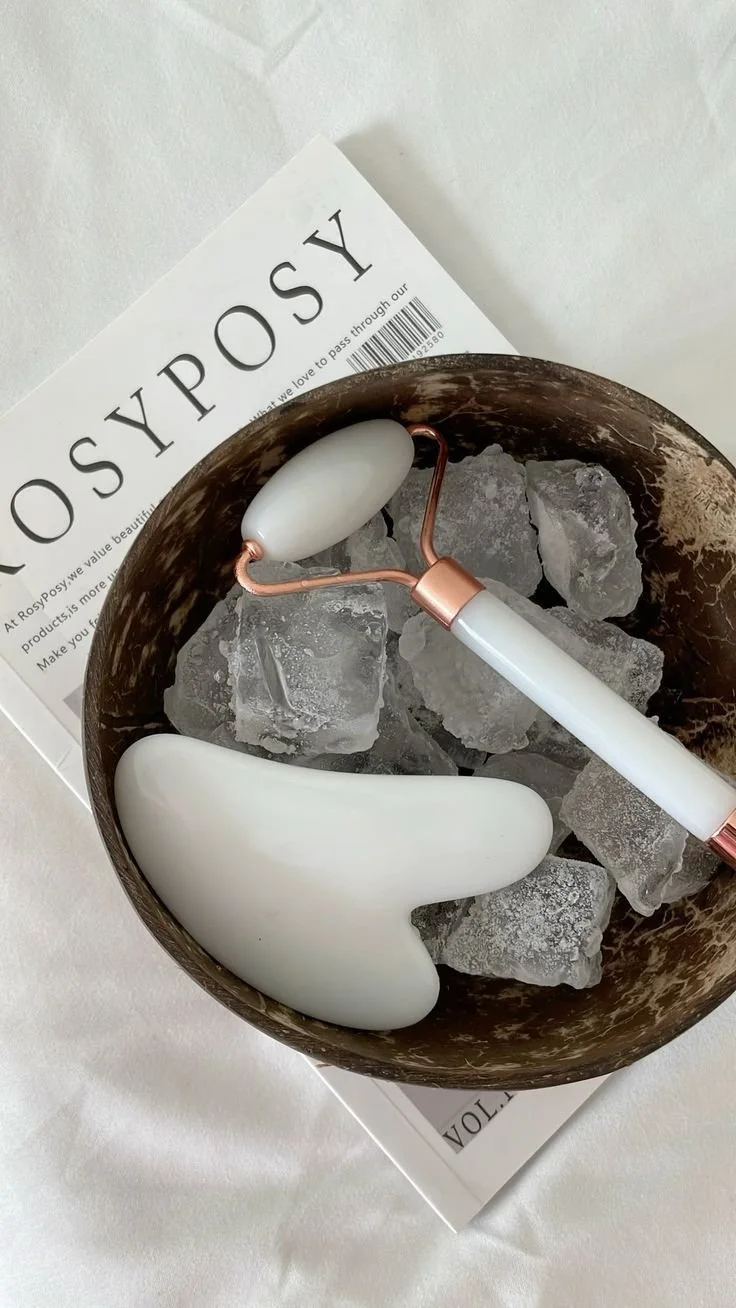

In a beauty world obsessed with speed and instant transformation, gua sha remains one of the few rituals that asks us to slow down. It is a practice rooted in centuries of Traditional Chinese Medicine, yet it feels more relevant than ever a moment of grounding in a landscape of overstimulation. With a stone, an oil, and a few intentional strokes, gua sha reconnects us to our own skin in a way that feels both intimate and restorative.
The appeal lies in its simplicity. As the tool glides along the jawline, cheekbones, and temples, tension dissolves almost without notice. Puffiness softens, circulation awakens, and the face takes on a quiet clarity not sculpted by force, but revealed through release. It is beauty shaped by breath and touch rather than technology.
The Tools That Shape the Experience
While the philosophy of gua sha remains unchanged, the tools available today bring different moods and textures to the ritual.
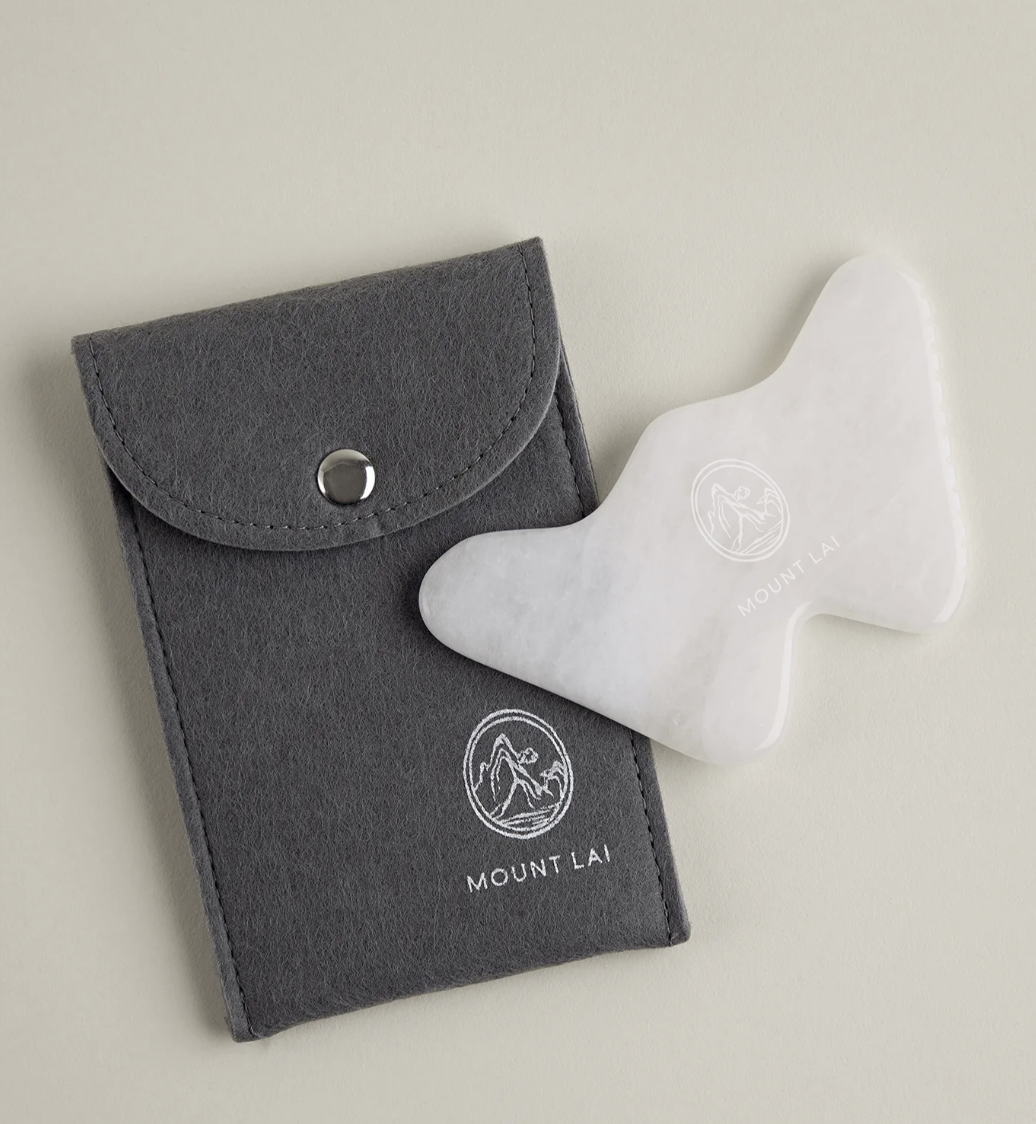
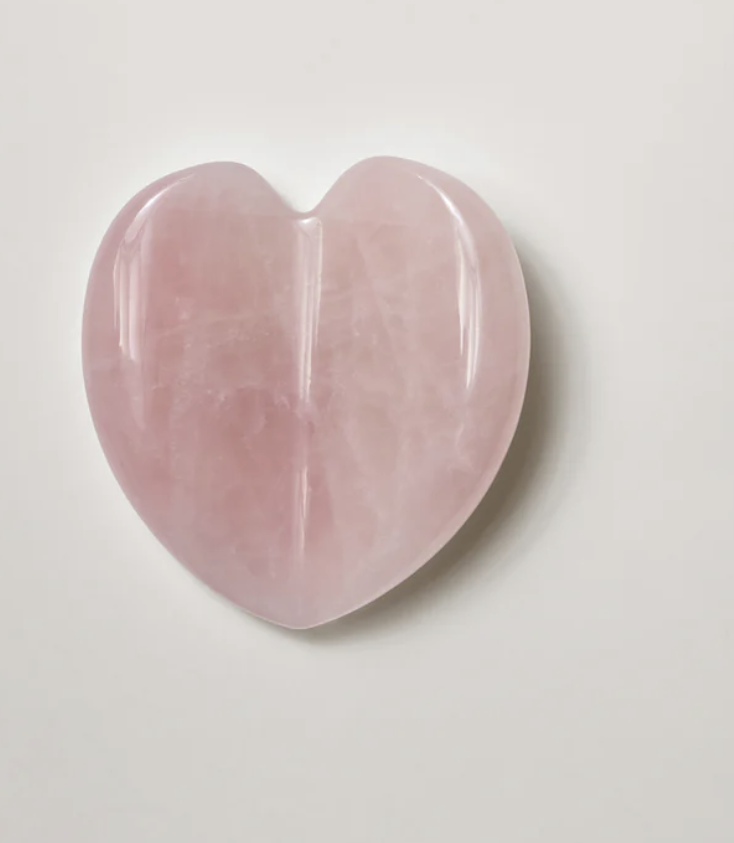
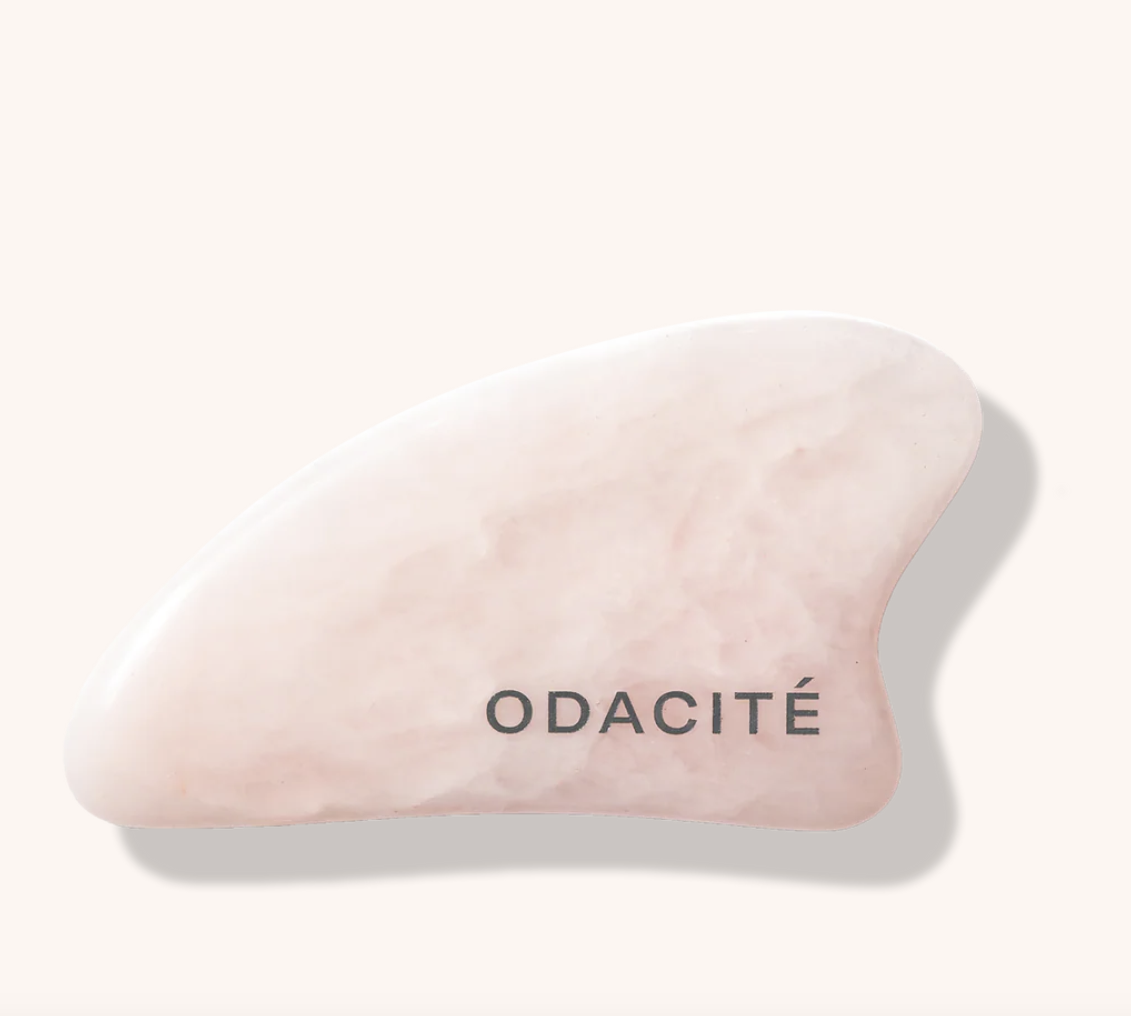
Traditional interpretations continue to honour the roots of the practice.
Mount Lai offers classic bian and jade stones shaped for fluid, sweeping motions.
KORA Organics brings a rose‑quartz heart designed for broad, soothing strokes.
Odacité reimagines the ritual through crystal contours, each stone chosen for its energetic qualities.
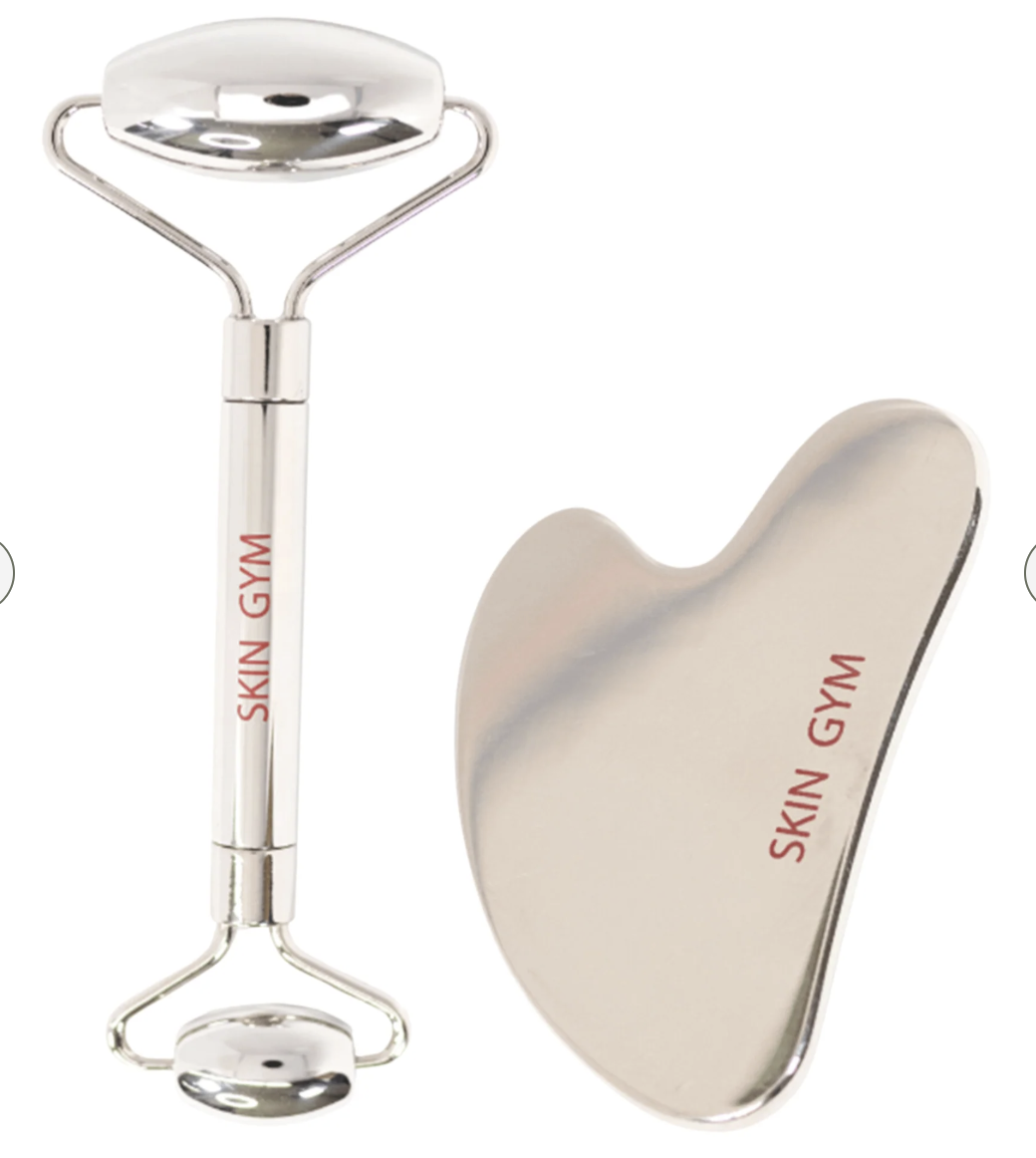
Skin Gym introduces stainless steel tools that stay naturally cool — perfect for morning de‑puffing.
And Herbivore keeps the ritual gentle and accessible with smooth jade shapes ideal for daily use.
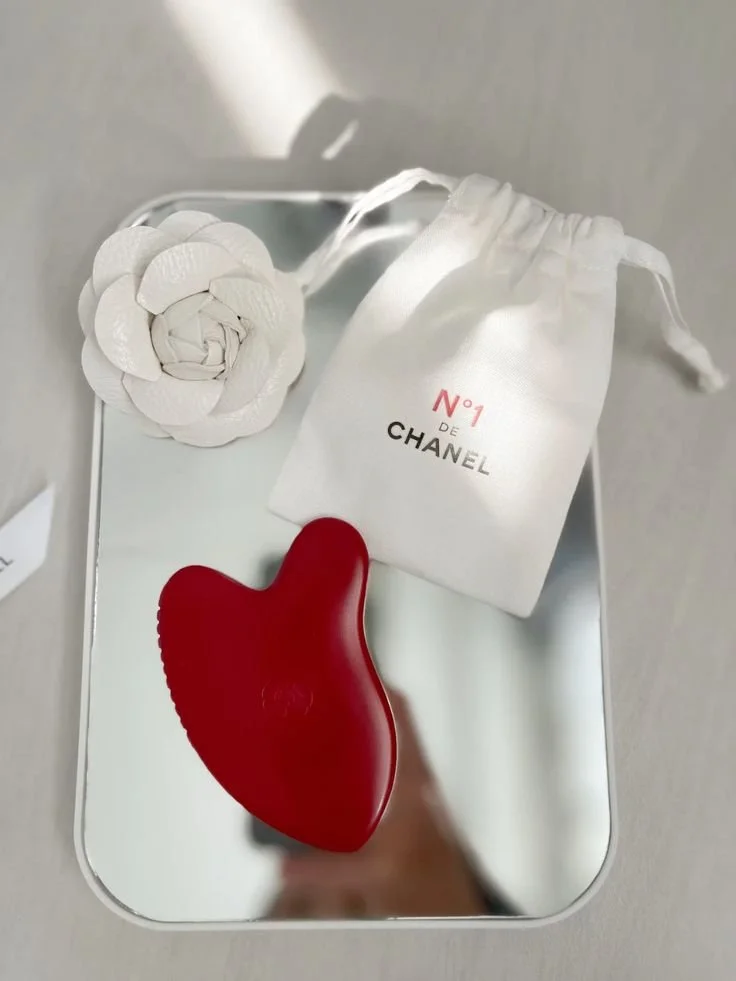
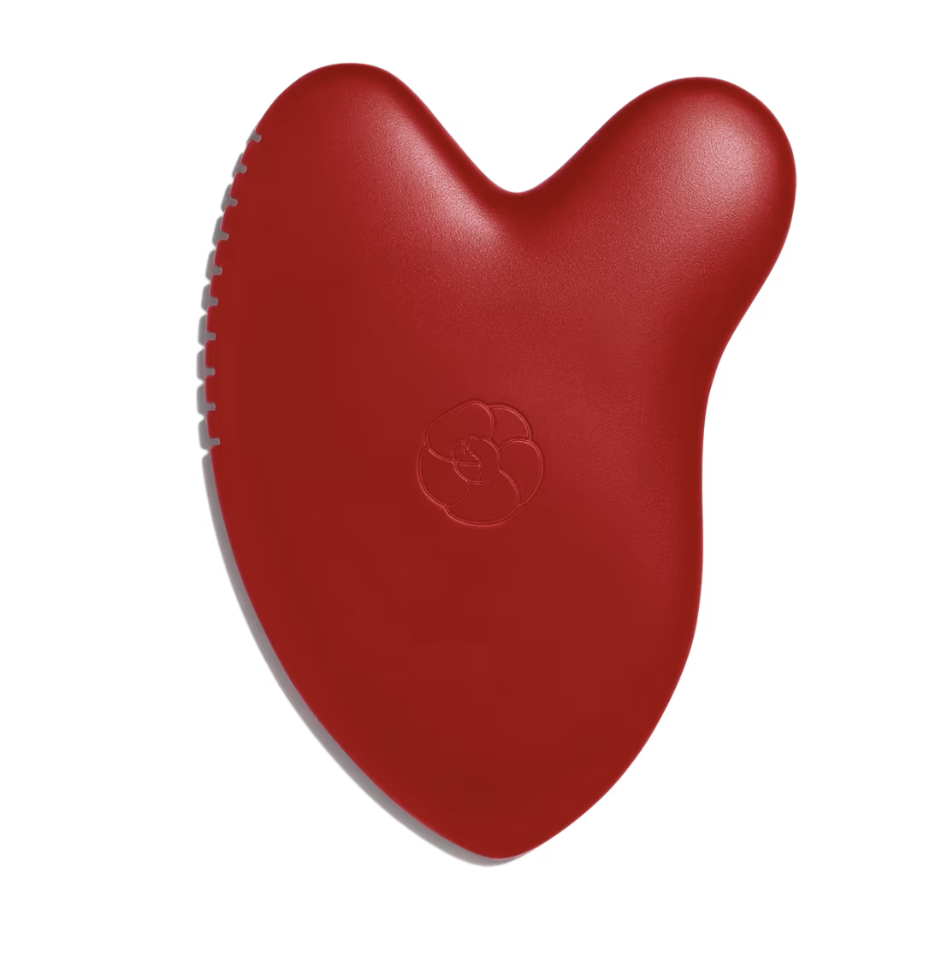
Chanel’s N°1 De Chanel massage accessory feels like a small piece of sculpture its curves intuitively follow the natural architecture of the face, turning each stroke into a slow, couture gesture. It’s a tool that encourages softness and precision, ideal for those who want a meditative, sensory ritual.
Isamaya Beauty’s sculpting tools sit at the opposite end of the spectrum angular, futuristic, and engineered for deeper tension release. They reach into the pockets of tightness along the jaw and brow, offering a more athletic, almost architectural approach to facial massage.
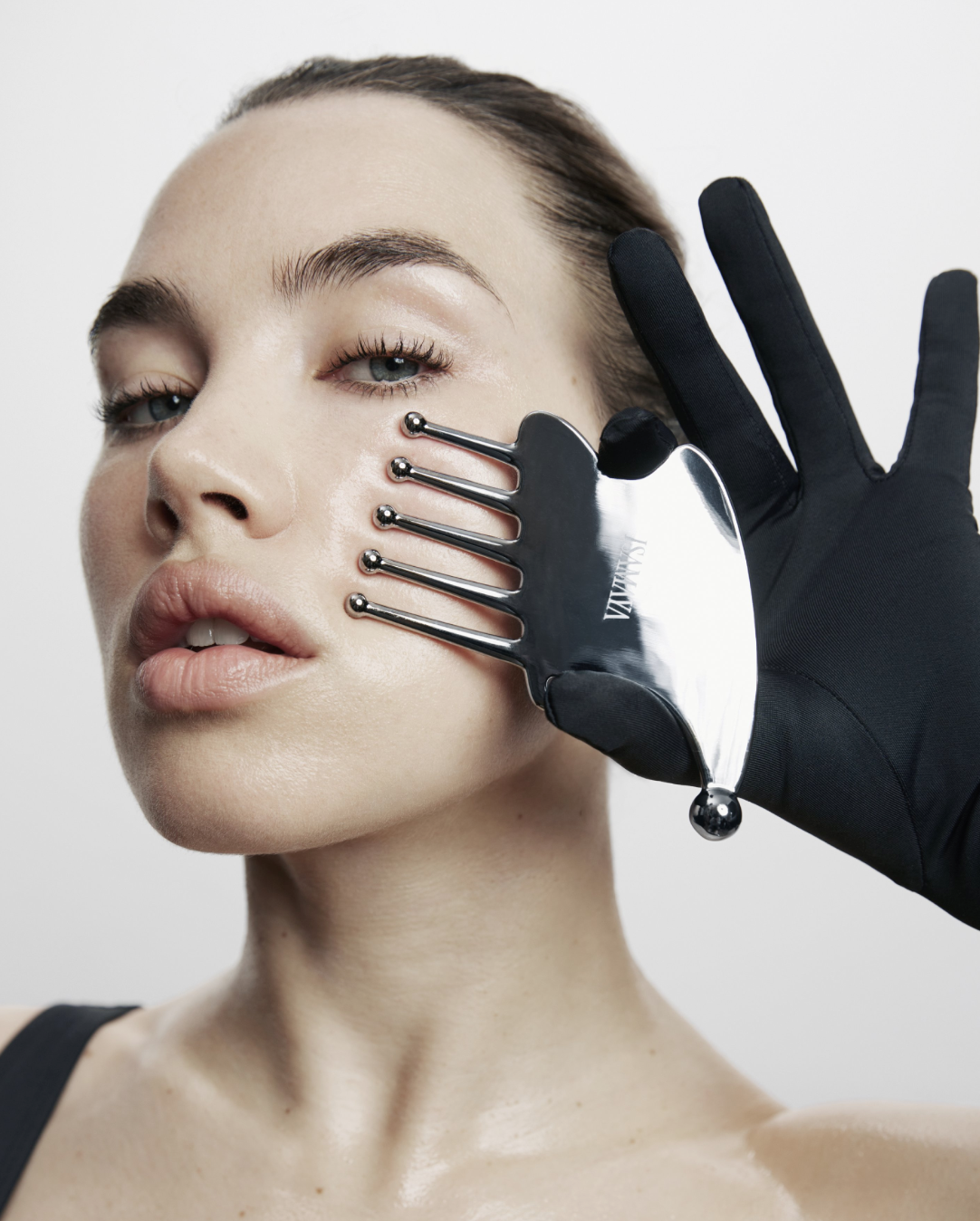
Isamaya Beauty
Isamaya Ffrench has always treated tools not as accessories, but as extensions of her creative instinct. Long before she launched her brand, she was known for collecting sculptural objects, metal forms, and curious implements that shaped the way she approached the face part atelier, part laboratory. That archive of tools, gathered over years of experimentation, now informs the DNA of Isamaya Beauty. Each piece feels like a fragment of her world: industrial, sensual, unapologetically artistic. They aren’t just tools for application, but instruments of transformation, carrying the same raw, boundary‑pushing energy that defines her work
Each tool brings its own rhythm. Some invite calm, others encourage release. What matters is choosing the one that matches the way you want to feel.
The Oils That Let the Ritual Breathe
A gua sha ritual is only as good as the slip beneath the stone. The right oil doesn’t sit on the surface it moves with you, allowing the tool to glide without tugging while nourishing the skin in the process.
Lightweight botanical oils like rosehip or camellia offer a delicate, breathable glide, perfect for morning rituals or for skin that prefers minimal richness.
Richer, nutrient‑dense blends layered with phyto‑extracts and plant actives turn the practice into a sensorial ceremony. Vintner’s Daughter brings a deeply aromatic, treatment‑like experience, while Costa Brazil offers a more sun‑kissed, restorative texture.
For those who want performance woven into the ritual, Augustinus Bader’s face oil supports renewal and resilience as you sculpt.
Sensitive skin often responds best to simplicity: a pure squalane or a gentle rosehip oil that calms while providing the perfect amount of slip.
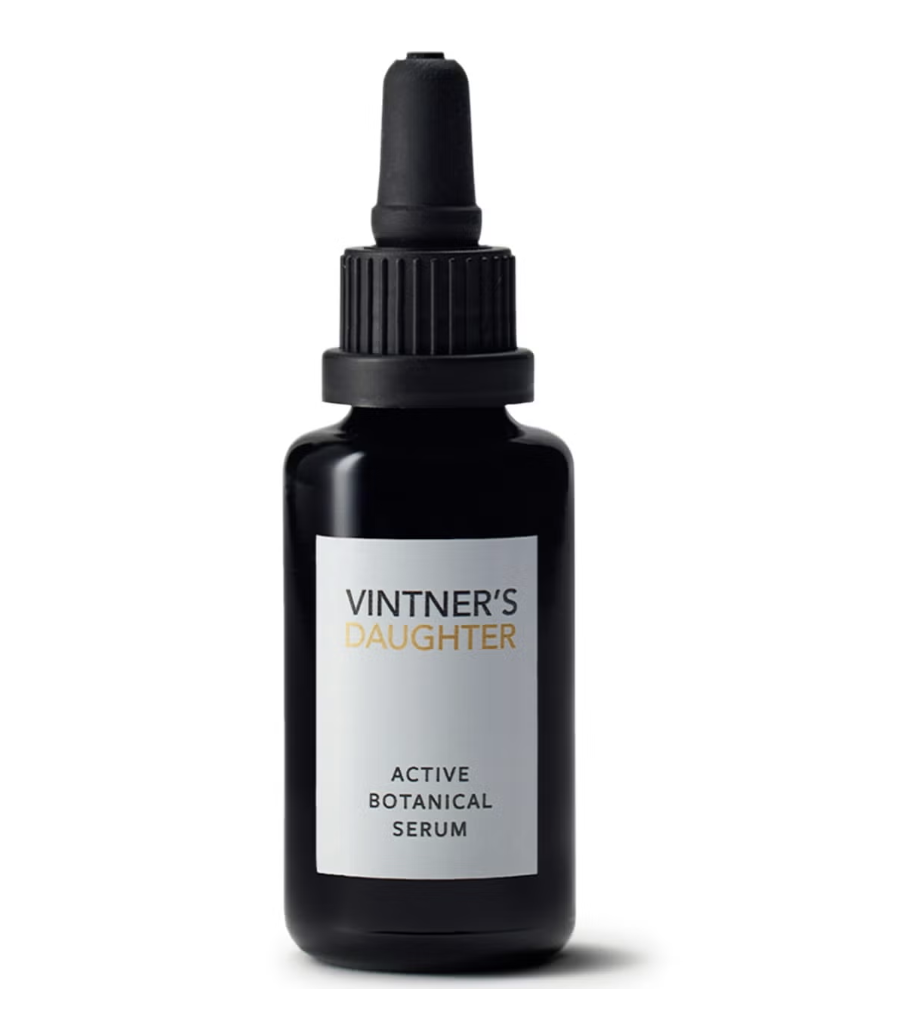
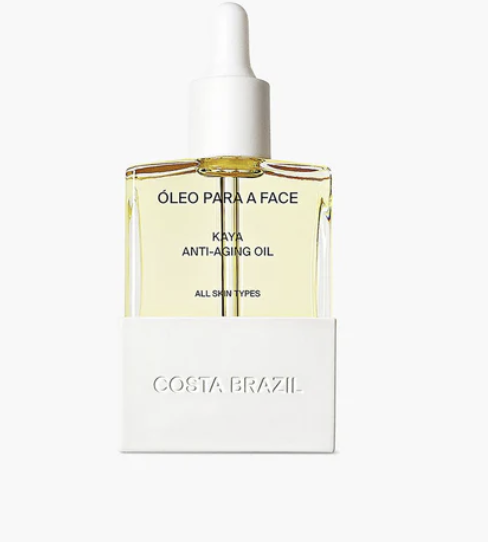
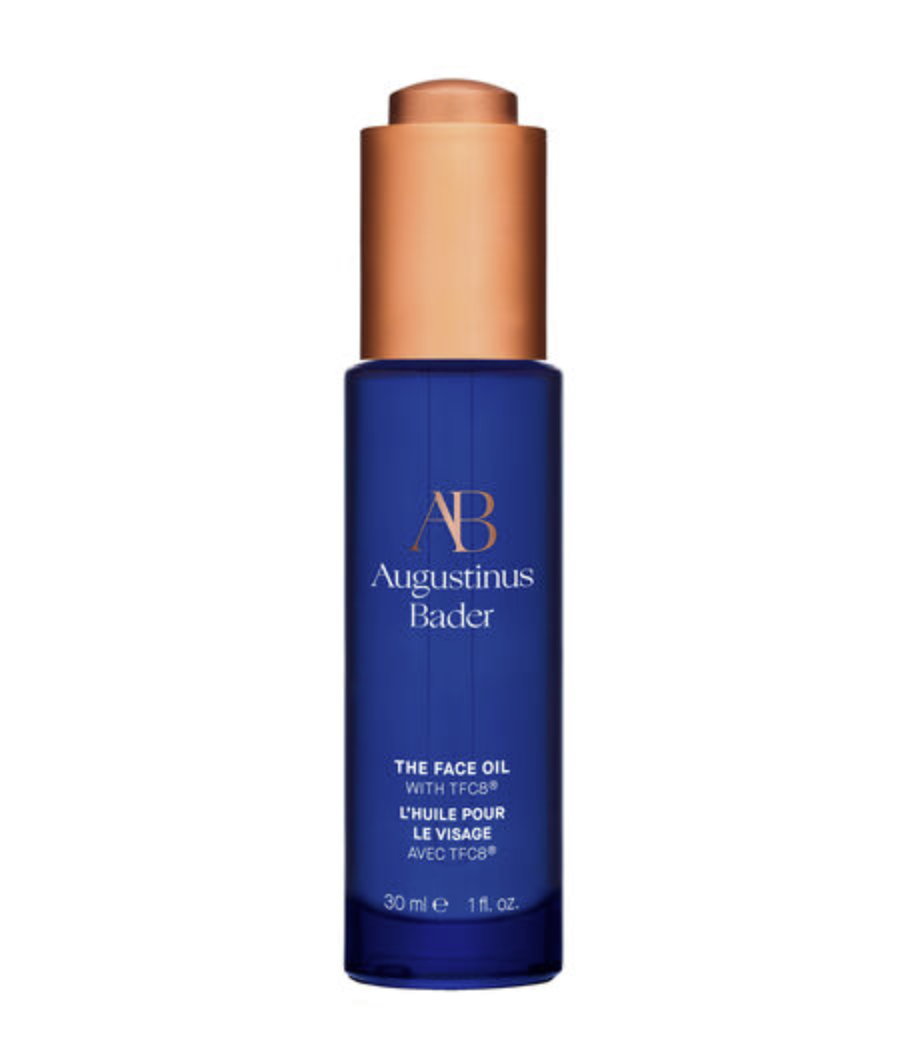
The goal is harmony enough glide to protect the skin, but not so much that the tool loses connection to the contours beneath.
How Often to Practice the Ritual
Gua sha works best when it becomes a rhythm rather than a rare moment.
Most skin responds beautifully to three to five sessions a week, with each ritual lasting five to ten minutes. Long enough to release tension and stimulate circulation, but short enough to weave into a morning or evening routine without feeling like a commitment.
For those who crave a deeper sense of grounding, a brief daily practice — even just two or three minutes — can be transformative. Consistency matters more than duration. The face remembers repetition.

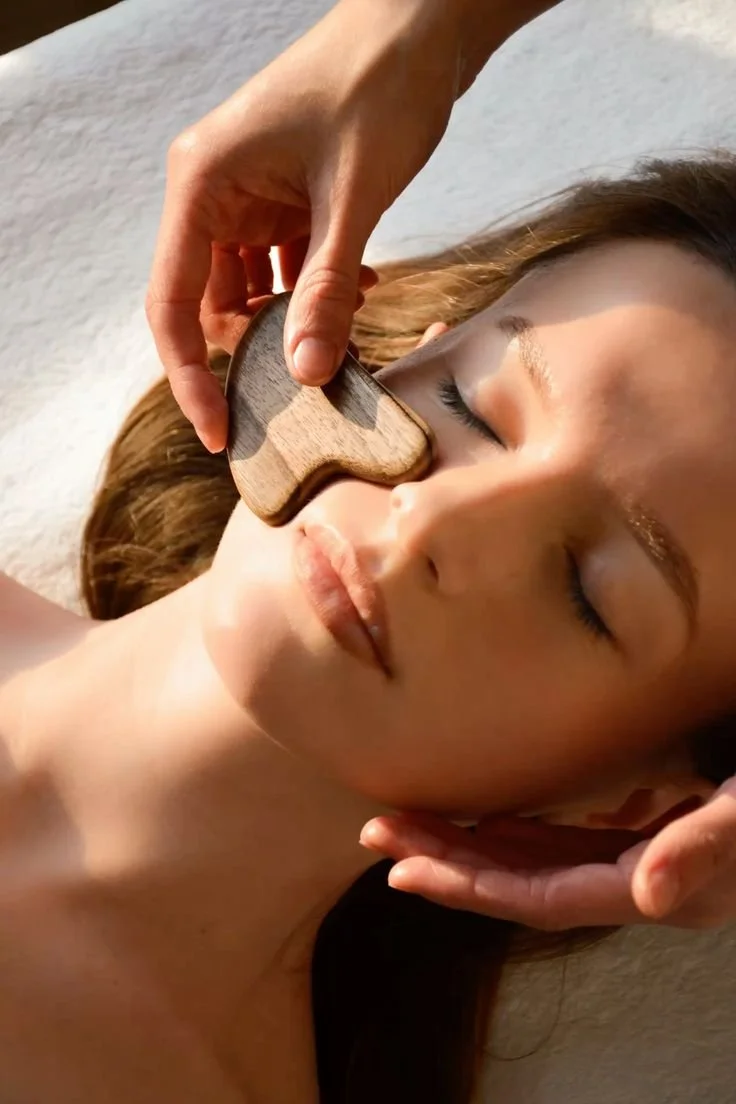
A Ritual That Lives Beyond the Mirror
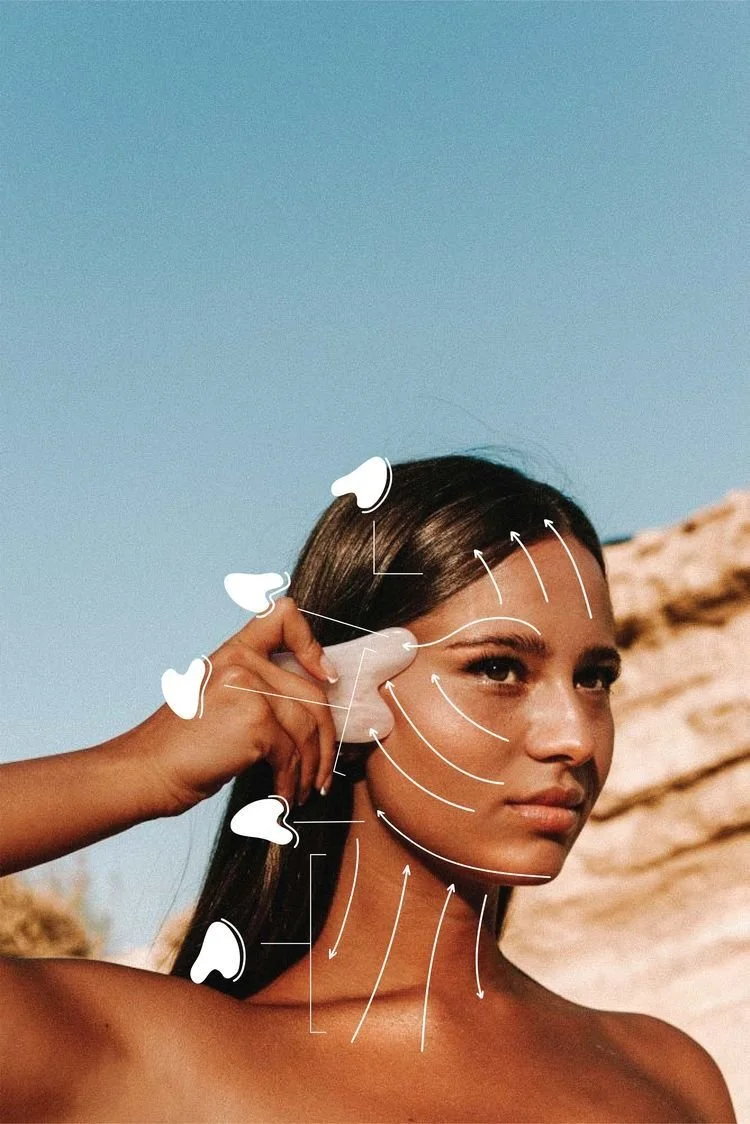
Technique matters, but not in a rigid way. Gua sha is less about perfection and more about rhythm. Upward, outward strokes guide lymphatic flow. Slow sweeps along the jawline melt tension. Feather‑light motions beneath the eyes coax away morning puffiness. The neck becomes the pathway that allows the face to drain and lift.
A few minutes, repeated often, is enough to reshape not only the face, but the way you relate to your skin.
And perhaps that is why gua sha endures. It is a ritual that blends heritage with modern craftsmanship from Chanel’s sculptural curves to Isamaya’s futuristic edges, from traditional jade to stainless steel. It is beauty as ceremony, skincare as connection, and touch as a form of quiet healing.