
Inside the Moroccan Hammam Ritual: The Beauty Benefits Behind This Timeless Treatment
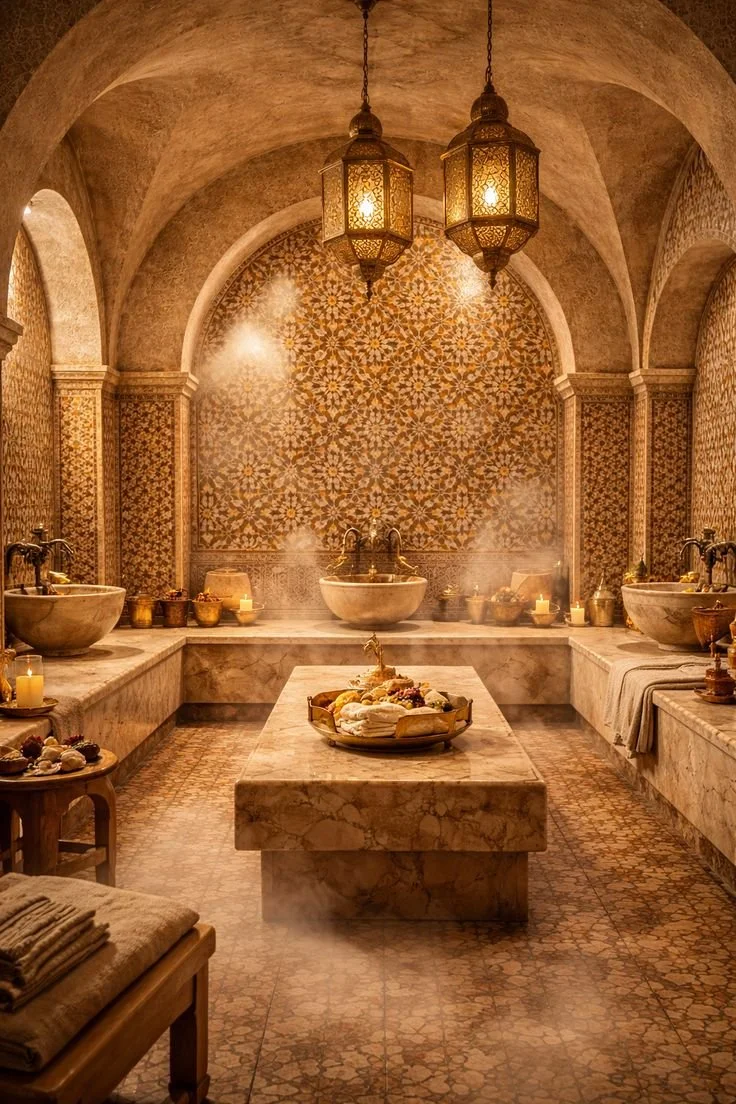
There are beauty rituals that cleanse, and then there are rituals that transform. The Moroccan Hammam belongs to the latter a centuries‑old ceremony of heat, steam, exfoliation, and renewal that has shaped the beauty culture of North Africa and the Middle East for generations. Today, as the world rediscovers the power of slow beauty and sensorial wellbeing, the Hammam stands as one of the most profound treatments for both skin and spirit.
At its heart, the Hammam is not simply a bath. It is a purification journey, a choreography of textures and temperatures designed to soften the body, release tension, and reveal skin that feels reborn. The experience begins with heat enveloping, humid, almost meditative. The steam opens the pores, melts away the city, and prepares the skin for the deep ritual that follows. It is a moment of surrender, a reminder that beauty begins with letting go.
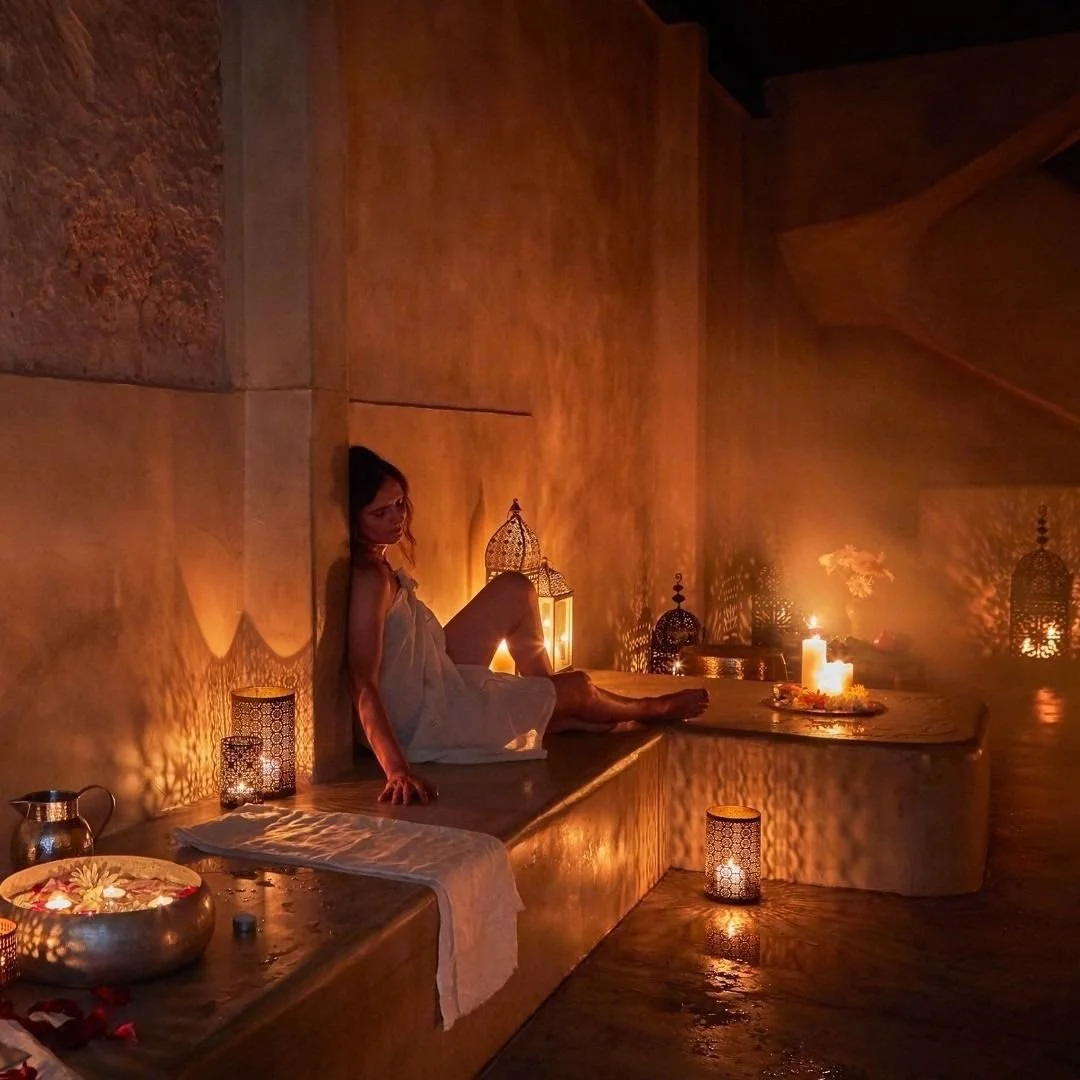
The first essential step is Savon Noir, the iconic Moroccan black soap made from crushed olives and olive oil. Applied to warm, damp skin, it becomes a silky paste that detoxifies without stripping. Its scent earthy, resinous, quietly luxurious anchors the mind while softening the skin to perfection. For an elevated at‑home experience, Moroccan Natural Black Soap or Hammamii Savon Noir offer authentic, high‑quality formulations that honour the traditional recipe.
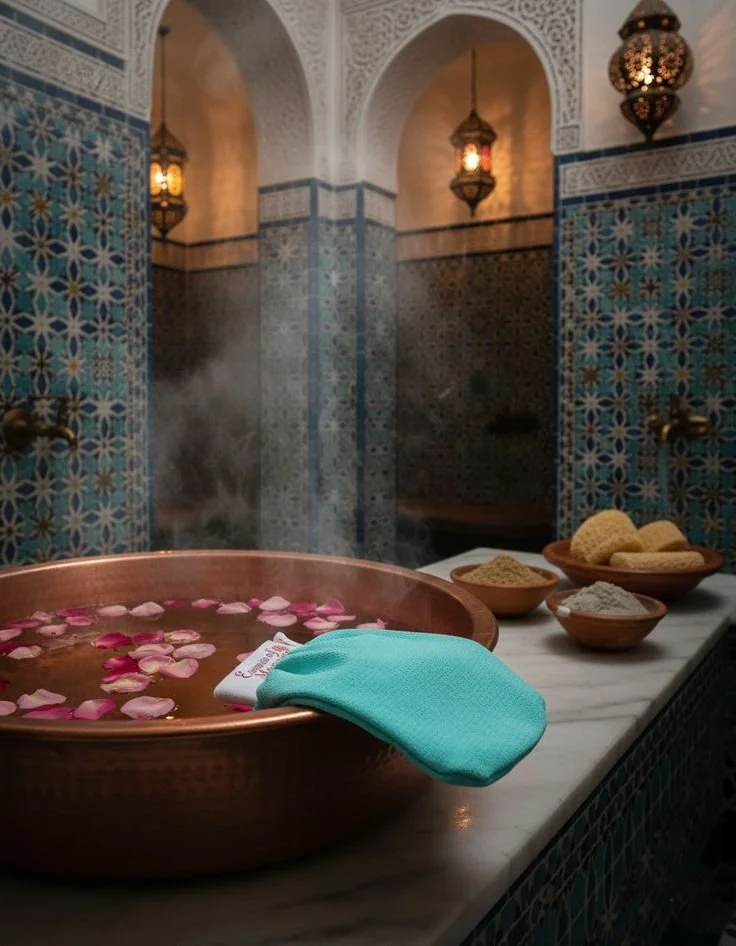
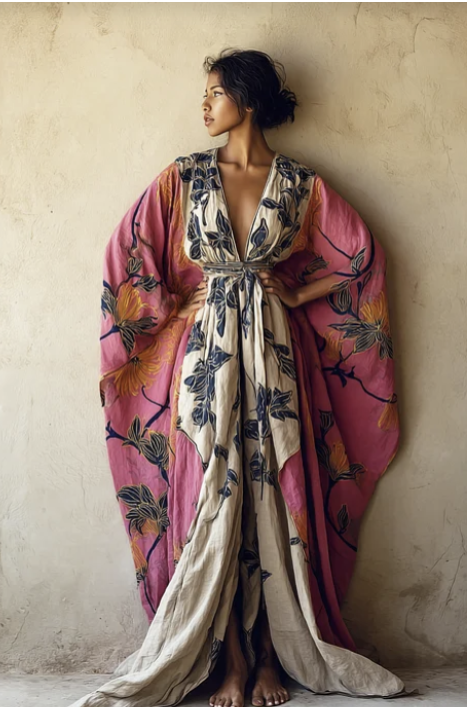
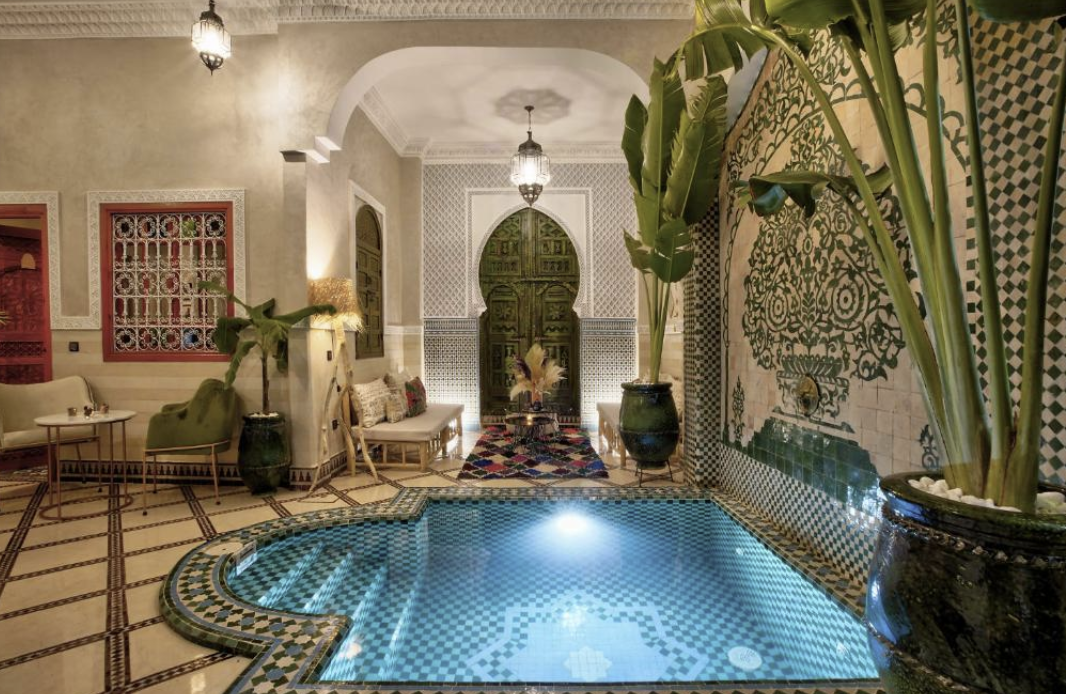
Once the skin is softened, the ritual moves into its most transformative phase: exfoliation with the kessa glove. This is where the Hammam reveals its magic. The glove, textured and firm, sweeps away layers of dead skin with visible results a satisfying, almost addictive renewal. The sensation is invigorating, the effect immediate: skin becomes smoother, brighter, more even in tone. It is the kind of exfoliation no scrub can replicate. Brands like Argan Deluxe and Hammam Rituals offer excellent kessa gloves that deliver that authentic, deep exfoliation.
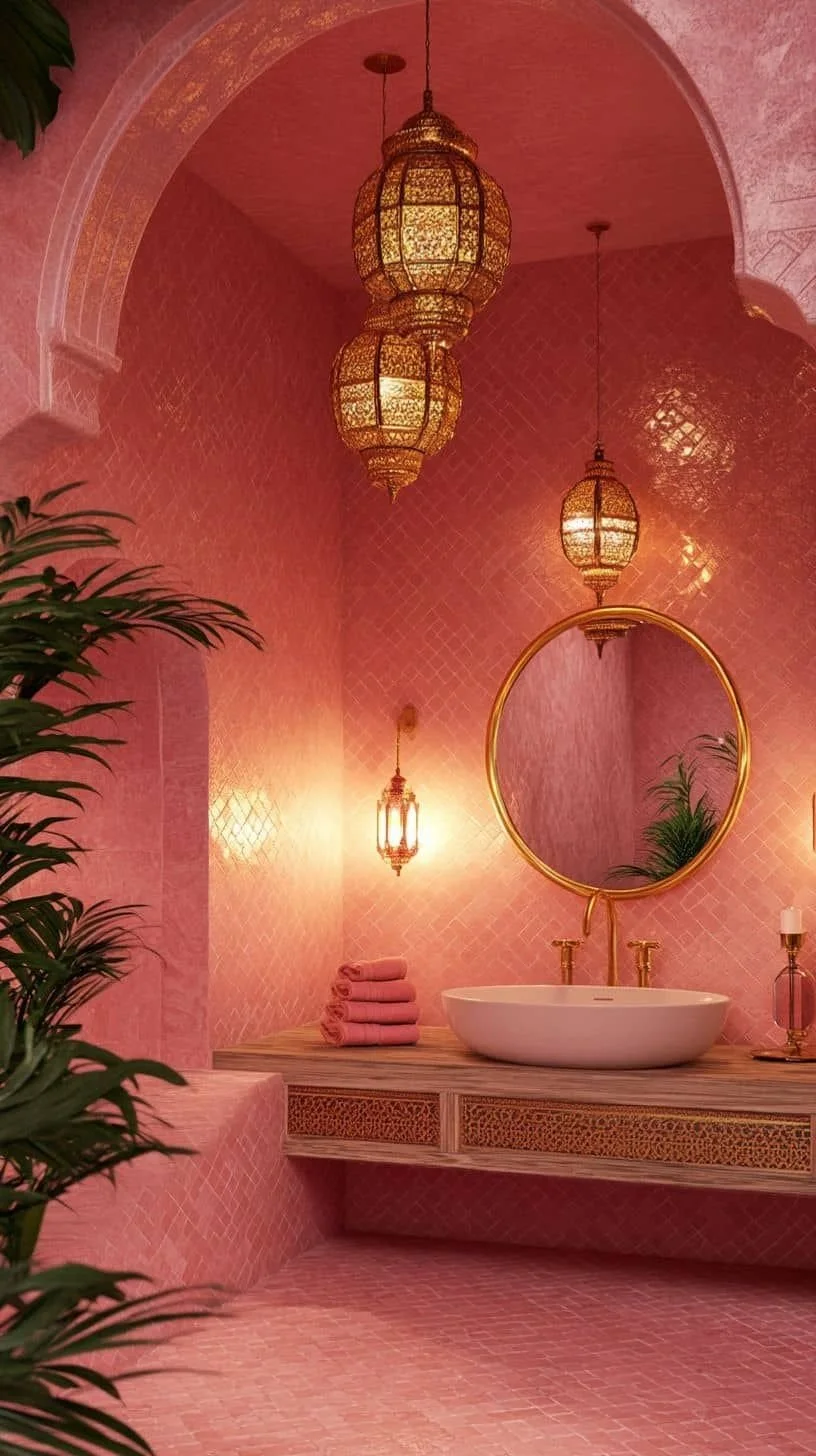
After the exfoliation, the body is ready to receive nourishment. Traditionally, this comes in the form of Rhassoul clay, mined from the Atlas Mountains and revered for its mineral richness. Mixed with rose water or orange blossom water, it becomes a velvety mask that purifies while tightening the skin. Rhassoul has a unique ability to absorb impurities without drying, leaving the body firm, toned, and incredibly soft. The Moroccan Spa Rhassoul Clay or Yves Rocher Tradition de Hammam Clay Mask are beautiful options for home use.
The final step is the most sensorial: pure argan oil, liquid gold pressed from kernels harvested by Berber women. Rich in vitamin E and essential fatty acids, argan oil restores elasticity, enhances radiance, and leaves the skin with a satin finish that feels both ancient and modern. For a luxurious touch, Moroccanoil Body, Nuxe Huile Prodigieuse, or Tighanimine Women’s Cooperative Argan Oil offer exceptional quality and texture.
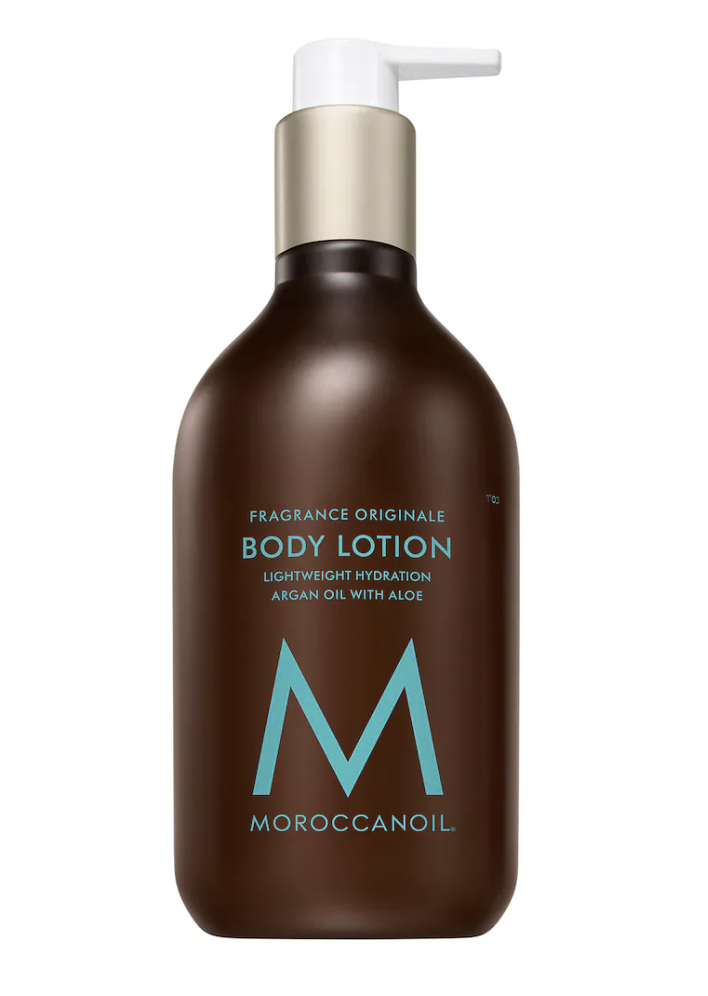
Moroccanoil Body
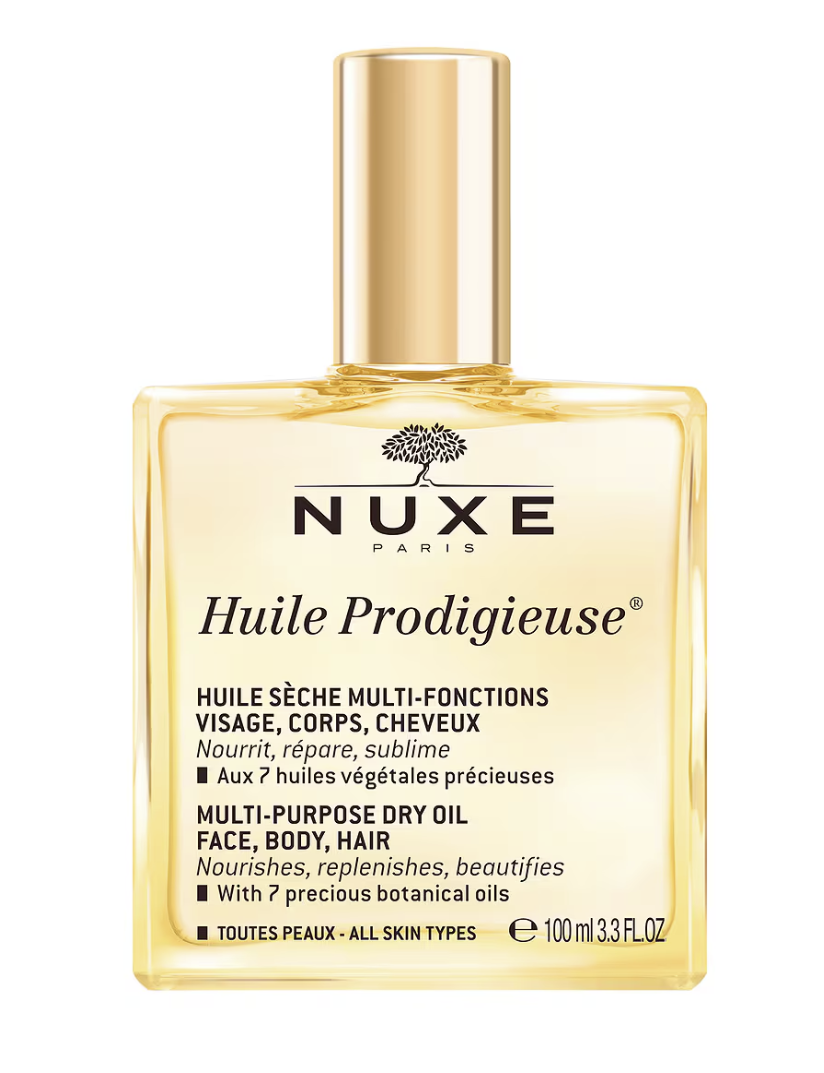
Nuxe Huile Prodigieuse
What makes the Hammam so compelling today is not only its efficacy but its philosophy. It is a ritual that slows you down, reconnects you with your body, and reminds you that beauty is a practice, not a performance. In a world of fast routines and instant results, the Hammam invites you to take your time to steam, to soften, to exfoliate, to nourish. It is beauty as ceremony, wellness as heritage.
The Moroccan Hammam is more than a treatment. It is a return to purity, presence, and the pleasure of caring for oneself with intention. And in that sense, it remains one of the most timeless beauty rituals in the world.