
The Two Faces of Wealth
There are two faces of wealth. One announces itself. The other is simply there, aged into existence, impossible to replicate overnight, and entirely unbothered by the fact that you noticed.
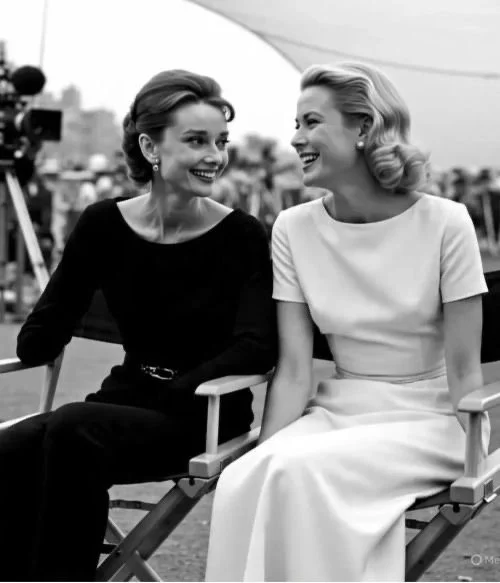
The conversation has been happening on your For You page for months, but it is older than TikTok, older than Instagram, older, in truth, than any platform we have ever used to discuss it. The divide between old money and new money beauty is not a trend. It is a philosophy; one that has shaped the aesthetics of the aristocracy, the heiress, the matriarch, and, now, the influencer who has studied them obsessively enough to understand the difference between looking expensive and being expensive.
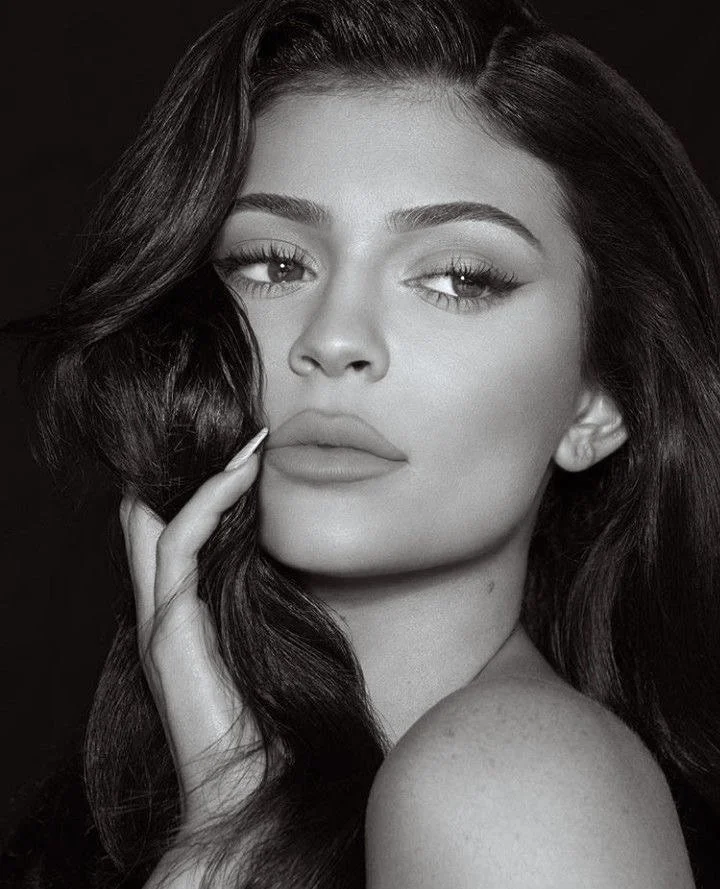
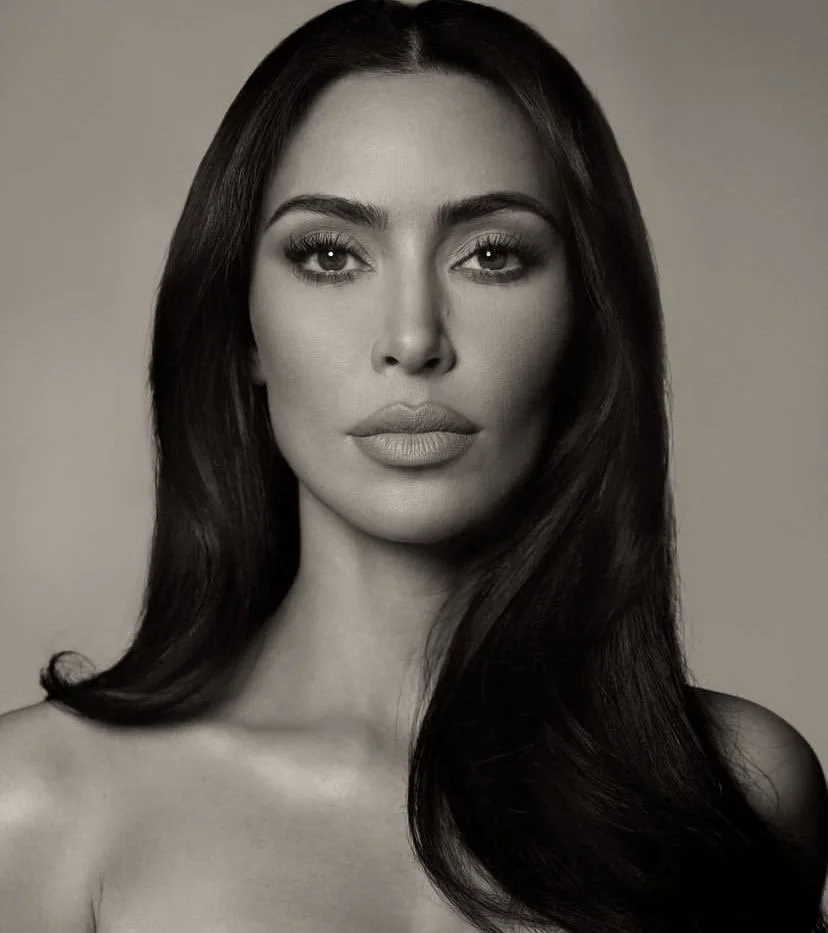
The premise is this: there are two distinct beauty archetypes attached to wealth, and they do not speak the same language. The first is what social media has come to call the "Rich Face", the fully optimised, clinically constructed, instantly recognisable look of visible spending. The second is the "Old Money Face"; quieter, more complex, and far harder to decode. One signals its price tag. The other doesn't need to.
What makes this conversation genuinely interesting; beyond TikTok's appetite for aesthetic taxonomy; is what it reveals about beauty, class, and the evolving grammar of status. Because in 2026, understanding the difference between these two faces is no longer merely academic. It is, for a certain kind of woman, essential.
THE FIRST FACE
Rich Face: Wealth Made Visible
The Rich Face is, in its essence, a financial statement worn on the skin. It is the product of extraordinary spend and it looks like it. Think the exaggerated cheekbones of a decade of strategic filler, the suspiciously smooth forehead, the lips that have been augmented just beyond their natural architecture. It is the aesthetic of the newly arrived, the recently successful, the person who has acquired the means and immediately applied them loudly, thoroughly, and with visible enthusiasm.
For a long time, this was aspirational. The Rich Face was a shorthand for having made it. If you could afford Botox, Brazilian blowouts, lip fillers, and weekly facials, you wore that investment on your face like a portfolio statement. There is nothing inherently wrong with any of this. But somewhere in the mid-2010s, the Rich Face became so replicable; so templated by social media and the democratisation of aesthetics, that it stopped being a marker of distinction and became, instead, a marker of a very specific income bracket trying very hard to look like a higher one.
The Rich Face also has a digital dimension that is impossible to separate from its physical reality. It exists to be photographed. The contouring, the filled lips, the heavy-lashed gaze; these are looks engineered for a camera, for the grid, for the story. The face is content. The face is the brand. And that branding imperative is legible in every feature, which is precisely why, to certain observers, it reads less as wealth and more as aspiration.
“The Rich Face signals wealth the way a logo does; legibly, loudly, and with the assumption that the audience needs to be told. Old Money Face operates differently. It assumes nothing. It explains nothing. It simply is.”

THE SECOND FACE
Old Money Face: The Aesthetic of Accumulated Time
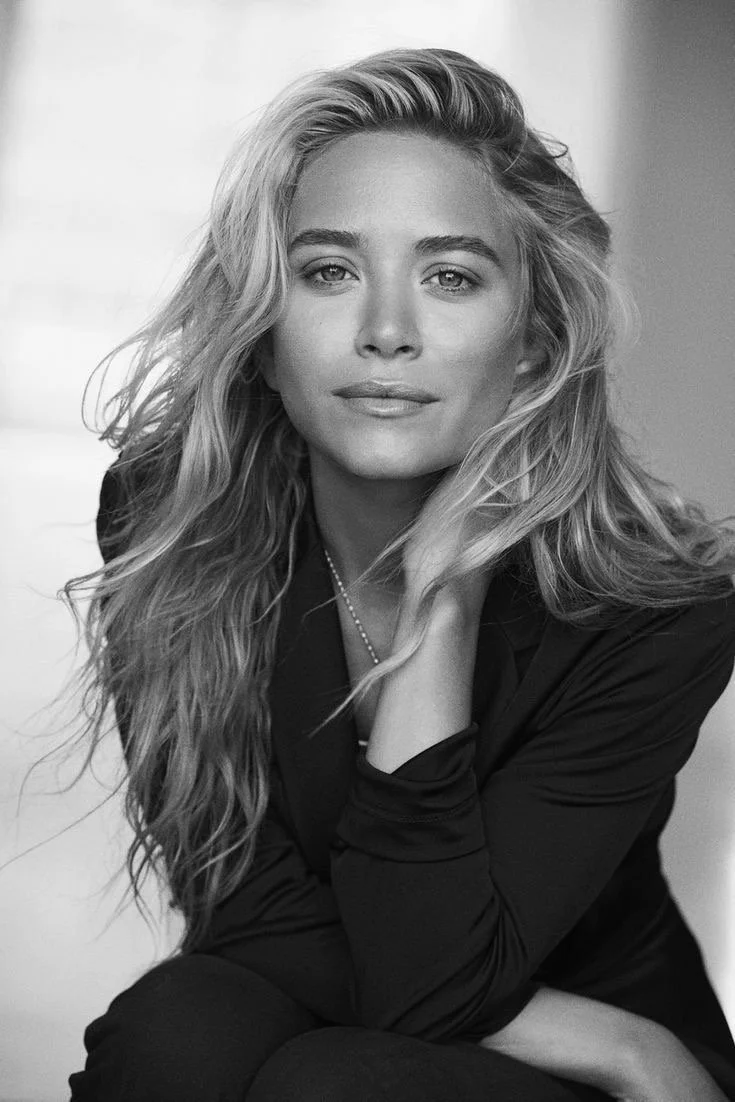
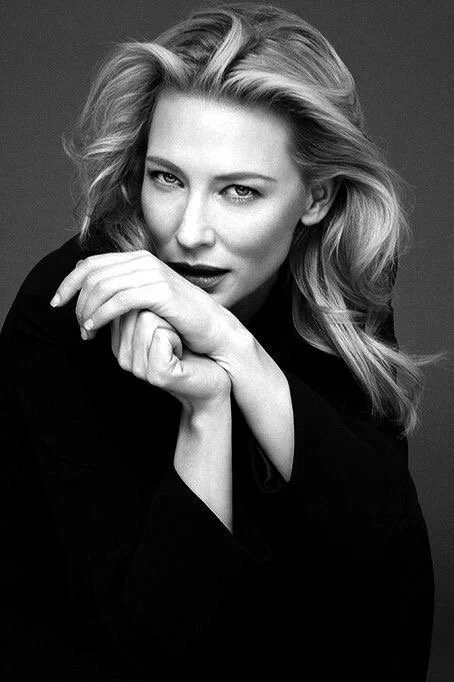
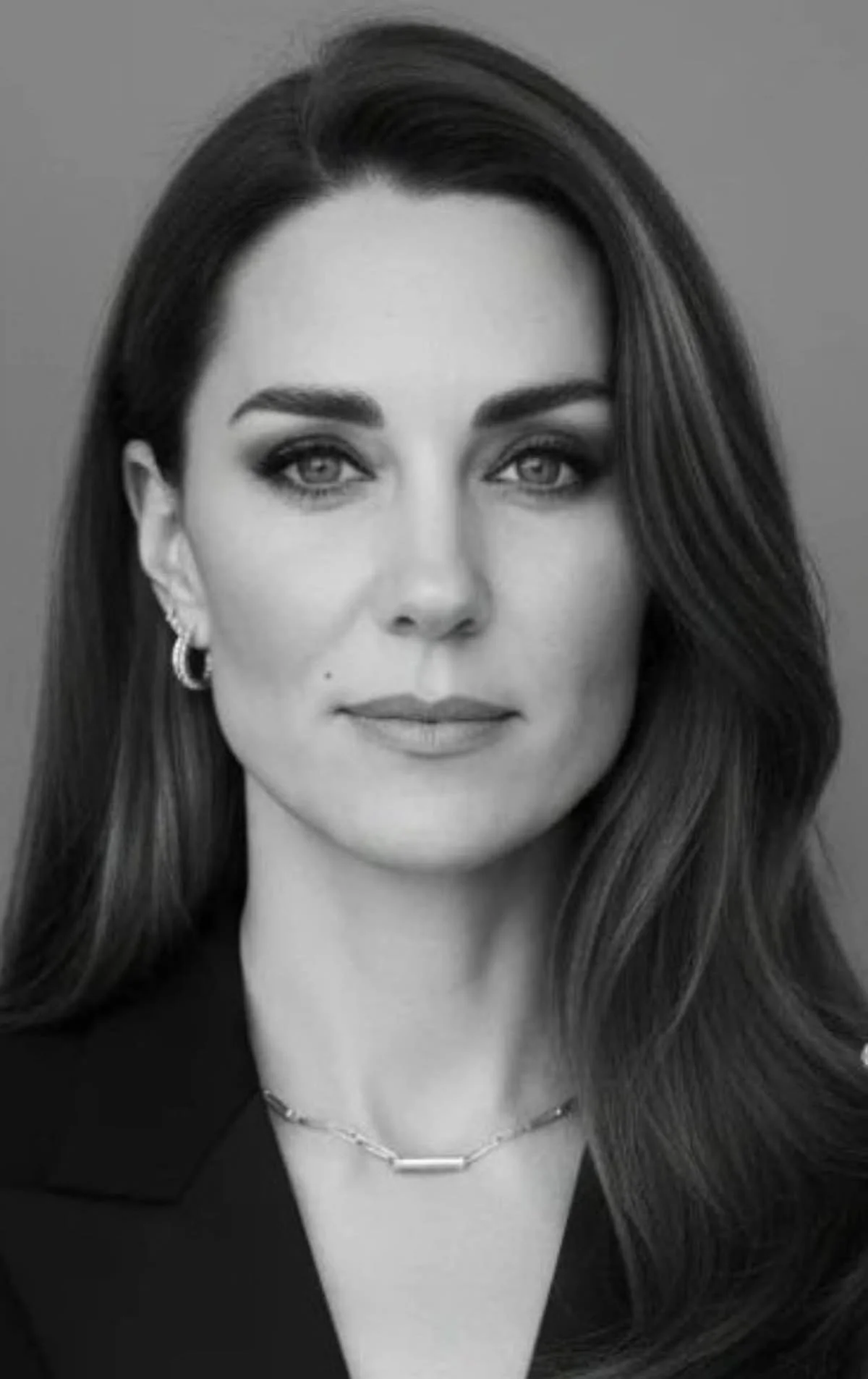
The Old Money Face is not a look that can be acquired in a single appointment. It is, in the most literal sense, inherited, not just genetically, but culturally, ritually, and generationally. It is the face of Charlotte Rampling in her sixties, photographed at a Parisian café without a filter. It is the face of the woman at the hotel breakfast in Capri wearing no visible makeup and somehow looking more polished than everyone else in the room. It is the face in the John Singer Sargent portrait; animated, intelligent, slightly asymmetric, and exuding the kind of ease that comes only from never having had to perform for anyone.
Characteristically, the Old Money Face has features that are allowed to age. Fine lines are present; not erased, because erasing them entirely would read as effort, and effort is the one thing old money never shows. The skin has depth and character. The eyebrows are full and real. The lips are their natural shape. The hair may be silver at the temples, worn with the quiet confidence of someone who has never once considered whether it was fashionable. Because for the old money woman, fashion has always been something that happened to other people.
What the Old Money Face communicates above all else is a relationship with time that money alone cannot purchase. Time spent on the right skincare, yes but Augustinus Bader applied morning and night for twenty years, not a six-week glow-up. Time spent in the sun on private terraces, leaving a warmth in the skin that is distinct from a spray tan. Time spent not thinking about any of this, which produces a kind of effortlessness that is the rarest and most coveted quality in beauty.
THE DEEPER DIVIDE
What Your Face Is Actually Signalling
The philosopher Pierre Bourdieu spent decades exploring the relationship between social class and cultural taste, and his findings map onto this conversation with uncomfortable precision. He argued that taste including aesthetic preferences is never neutral. It is always inherited, always shaped by social position, and always read by others as a signal of where you come from and where you belong. The Rich Face, in Bourdieu's framework, is what he called an act of conspicuous distinction a deliberate, visible claim to a certain status. The Old Money Face is something else entirely: an expression of what he called embodied cultural capital knowledge and refinement so deeply internalised that it appears effortless, because for its bearer, it genuinely is.
This is the cruelty of the distinction, and also its fascination. You can, in theory, spend your way to a version of the Old Money Face. You can see a discreet injector who specialises in restoration over transformation. You can build the skincare ritual Sisley Paris, La Mer, Augustinus Bader and maintain it with the discipline of someone who has done it for decades. You can grow out the extensions, go quieter with the makeup, learn to sit still in a photograph without the ring light. But you cannot buy the ease with which old money wears these things. That ease is the product of an entire social world of a childhood in which no one around you was performing, because there was nothing to perform for.
And yet, to dismiss the Rich Face is to miss something important about what it represents. For many women, the Rich Face is not mimicry or aspiration. It is self-expression a radical, joyful, unapologetic claim to looking exactly as powerful as they feel. There is something genuinely exciting about a woman who has worked hard, earns well, and invests that success directly into her appearance with zero ambiguity about what she is doing. The Rich Face can be, in its own terms, a form of power not the quiet power of the aristocrat, but the loud, legible power of someone who took their seat at the table and decorated it themselves.
THE BEAUTY CODES DECODED
THE SKINCARE QUESTION
What Old Money Women Have Always Known About Skin
The defining difference between old money and new money beauty, when reduced to its most essential principle, is time. Old money beauty is a long game. It has always been. The women of the aristocracy and upper classes did not invent a new skincare ritual every six months based on what was trending. They had a regime inherited from their mothers, refined by their own experience, consistent across decades and they stuck to it. The result, over twenty or thirty years, is the kind of skin that no single product launch can replicate.
This is increasingly validated by science. The most significant advances in aesthetic medicine in 2025 are not dramatic transformations, they are restorative treatments that work with the skin's own biology. Biostimulators like Sculptra encourage the skin to produce its own collagen. Polynucleotide treatments (PDRN), first developed for wound healing in Korea and now entering the mainstream luxury skincare conversation, repair tissue and improve skin quality at a cellular level. The language of aesthetic medicine has shifted from volume to health, from transformation to restoration. Which is, of course, exactly the philosophy that old money always followed; they just called it good genes and a sensible routine.
What old money women understood intuitively, and what the best skincare science now confirms, is that the interventions that read as most elevated are the ones that cannot be traced. The face that looks extraordinary but cannot be identified as having had anything done the one that prompts "you look amazing, have you been sleeping well?" rather than "who did your lips?" is the face that commands the room.
LUXURY ENDLESS EDIT SHOP
The Old Money Skincare Ritual
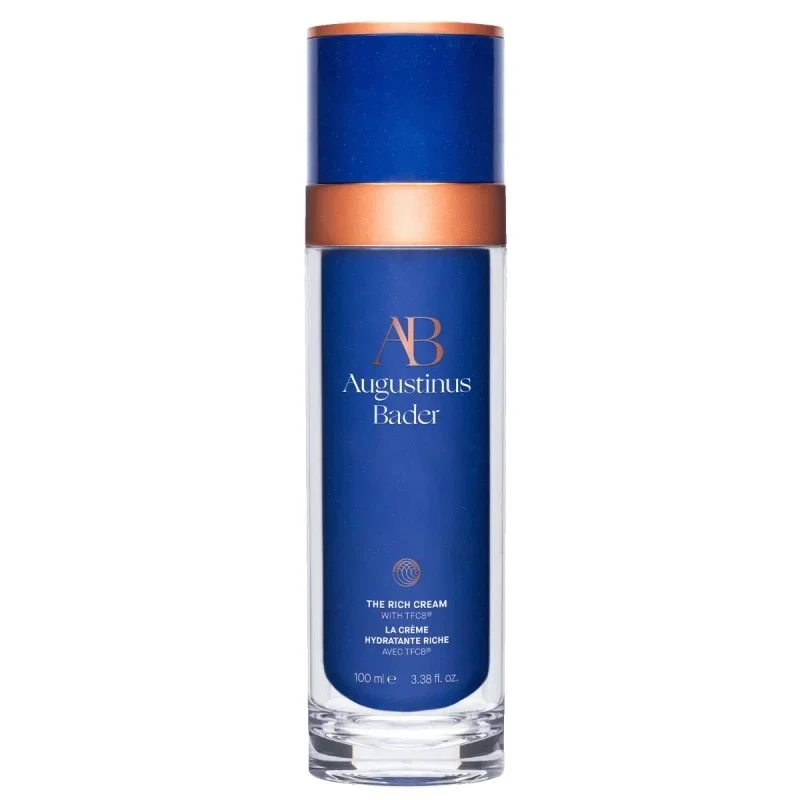
AUGUSTINUS BADER
The Rich Cream
The foundation of the long game. TFC8 technology doesn't produce an instant glow; it rebuilds the skin over months. Old money has been using this for years.
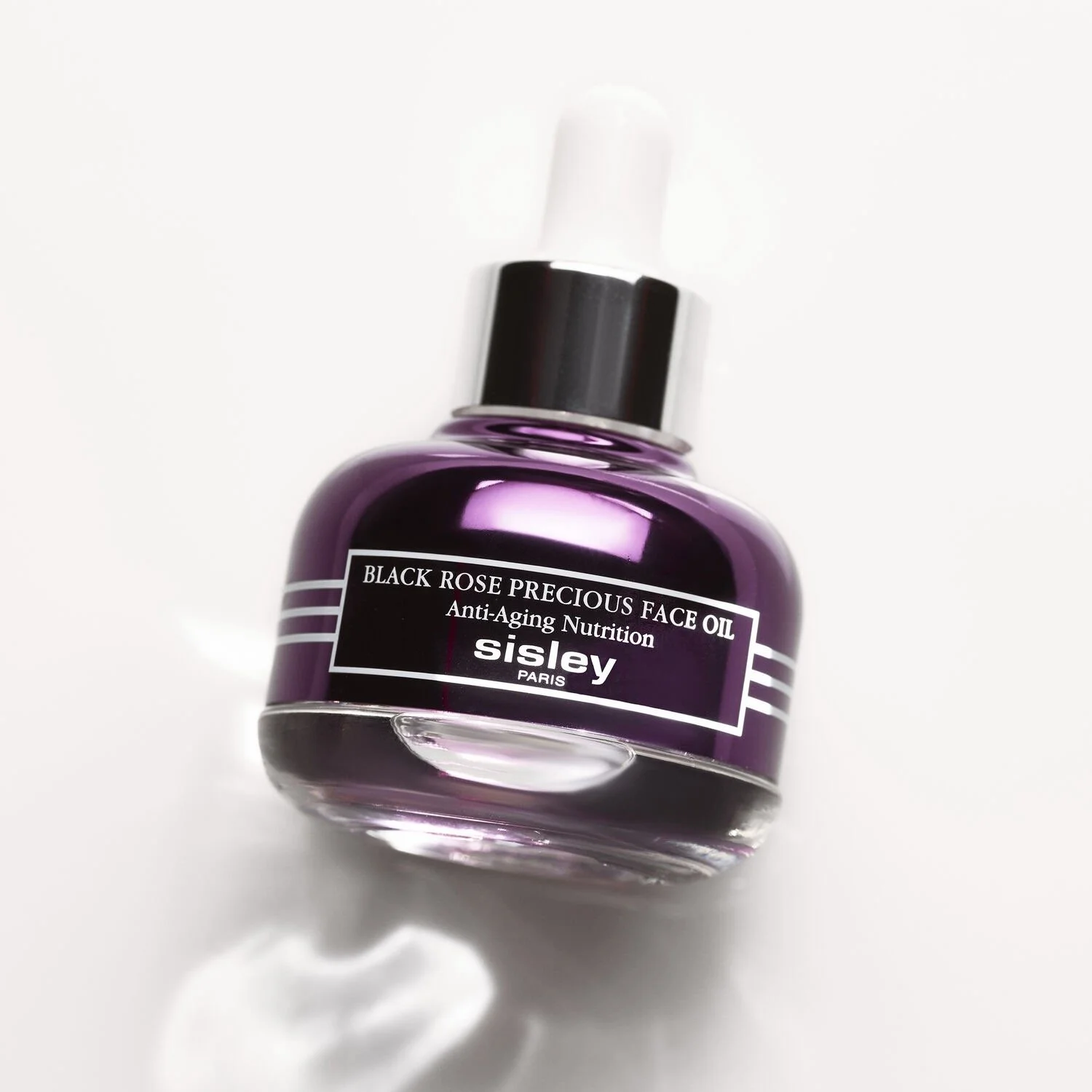
SISLEY PARIS
Black Rose Precious Face Oil
A house that has never felt the need to be trendy. Rose oil applied nightly, year after year, produces the luminosity that no highlighter can fake.
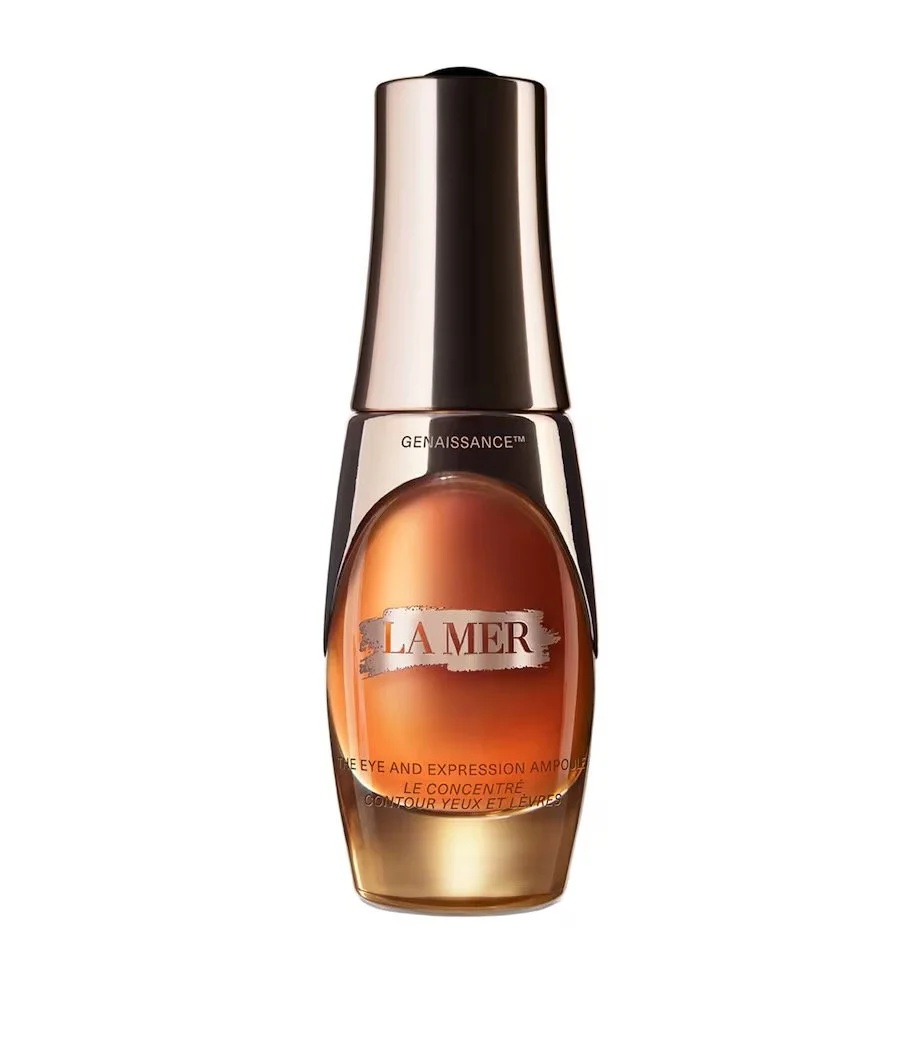
LA MER
The Concentrate
The original prestige serum. Fermented sea kelp, applied with intention. Not a viral moment; a six-decade commitment to one formula.
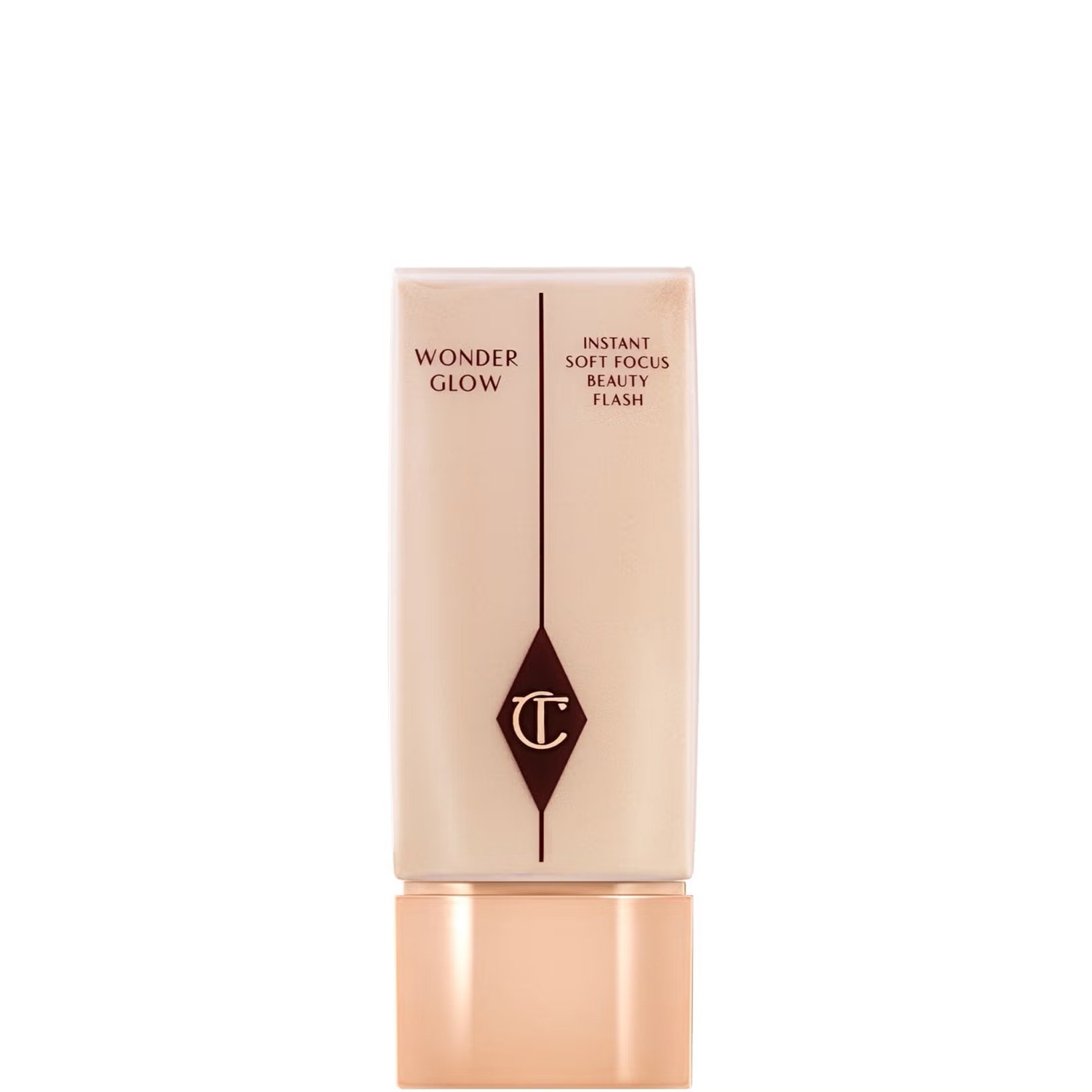
CHARLOTTE TILBURY
Light Wonder Foundation
For the days you want coverage that looks like none. The benchmark for skin-like finish; buildable, luminous, never architectural.
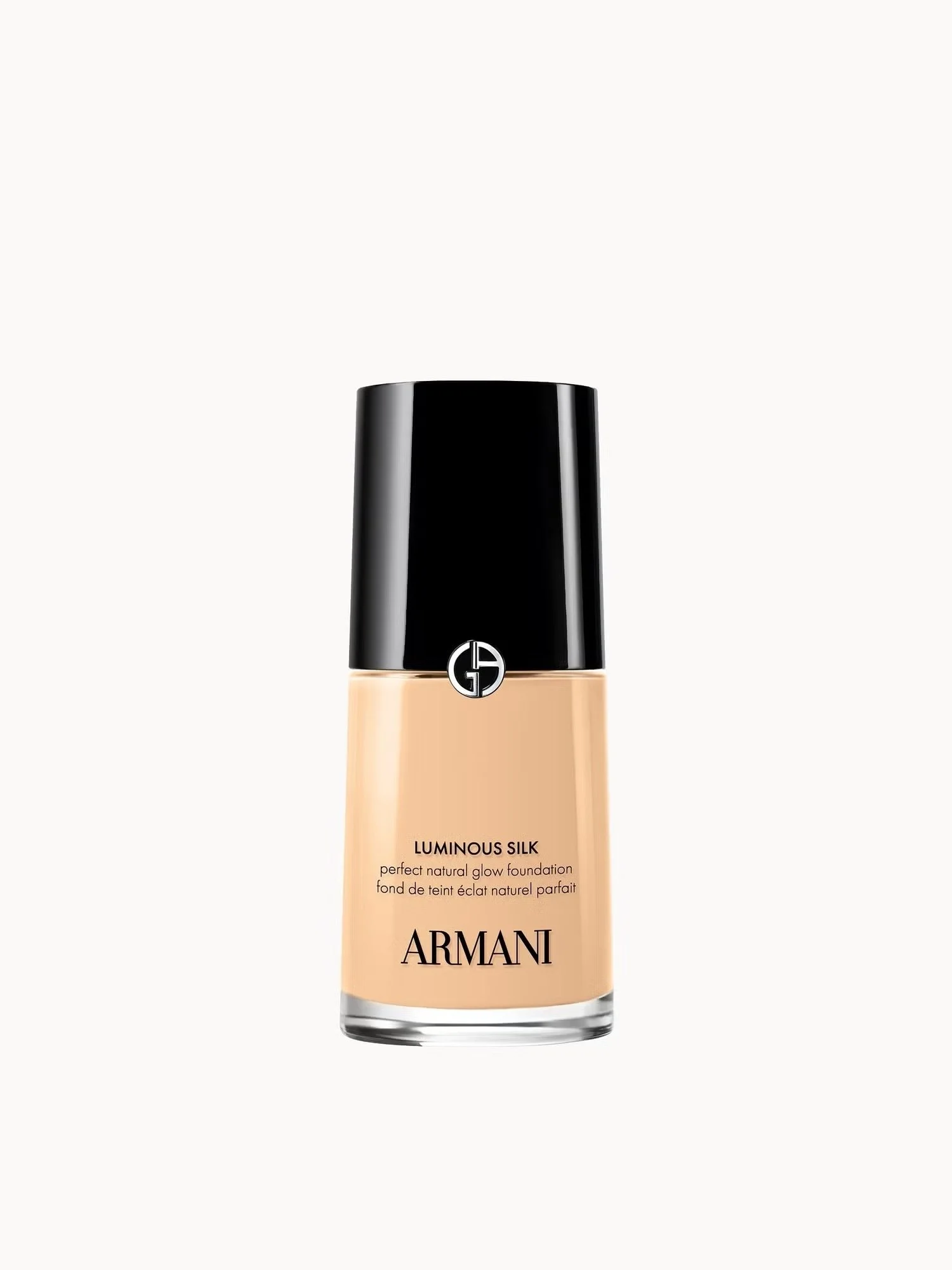
GIORGIO ARMANI
Luminous Silk Foundation
The cult formula that reads as skin, not makeup. The old money woman's foundation, if she wears one at all. Beloved across four decades of wardrobes.
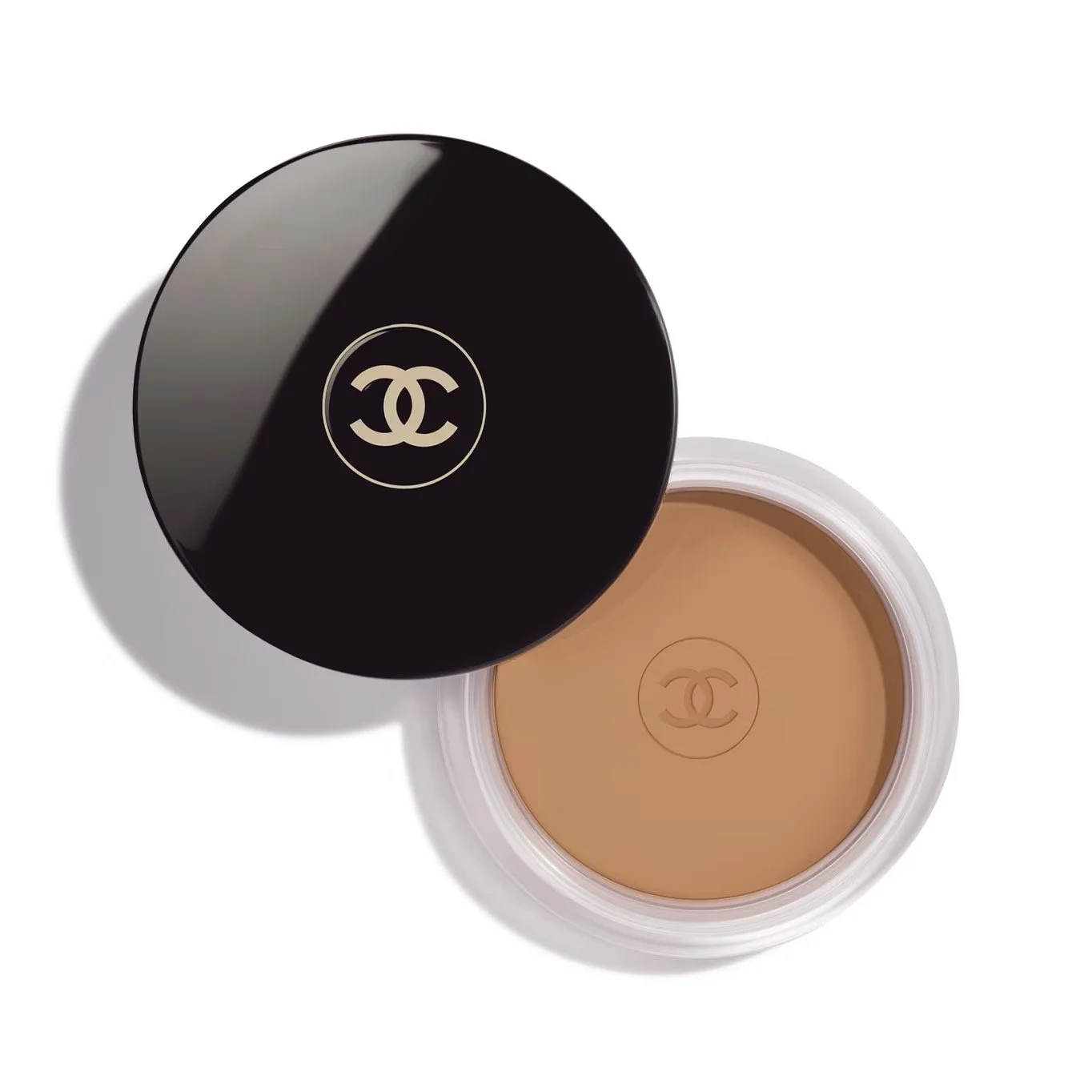
CHANEL
Les Beiges Healthy Glow Bronzing Cream
The warmth of a week in the South of France, without the tan lines or the explanation. Applied with fingers, never a brush.
THE AESTHETIC MEDICINE QUESTION
When to Treat, When to Leave Alone
The moment that most clearly separates old money beauty from its counterpart is the approach to aesthetic medicine specifically, the question of how much, and what kind. The Rich Face has, historically, done everything available. Filler in the cheeks, the temples, the lips, the chin. Botox across the forehead, around the eyes, down into the neck. Results that are visible, traceable, and, over time, cumulative in a way that began to read, to many observers, as anything but wealthy.
The post-filler era has arrived, and it has arrived with the quiet authority of old money making a point. In 2025, the most progressive aesthetic clinics report that patients are dissolving filler returning to their original architecture and replacing excessive volume with strategic, biologically intelligent treatments that restore without distorting. The aesthetic ideal is no longer the lifted, inflated, smoothed result. It is, in the words of one leading facial surgeon, a face that looks like it has rested, not operated on.
Old money women always understood this. They went to the same discreet Harley Street practice for forty years and asked for the same thing: help me look like myself, only better. The result was faces that aged beautifully, with character and proportion intact, that look extraordinary at sixty precisely because they were never over-corrected at forty.
“The most powerful status signal in beauty right now is not a Birkin, not a lip filler, not even a particular skincare brand. It is a face that has aged well enough that you cannot quite determine how old the woman wearing it actually is.”
THE CULTURAL MOMENT
Why This Conversation Is Happening Now
The timing of this debate is not accidental. We are living through a specific cultural moment in which the performance of wealth has been radically democratised and that democratisation has, paradoxically, made old money more valuable as a signifier than it has been in decades. When anyone with access to a credit card and a good injector can approximate the surface features of visible affluence, the truly wealthy retreat further into understatement. Quiet luxury in fashion, the Old Money Face in beauty these are not trends that trickle down. They are deliberate repositionings by those who define the terms of status, away from whatever the mass market has most recently learned to imitate.
There is also a generational dimension. The women who defined "having a look" in the Instagram era the contouring, the lash extensions, the lip liner are now in their thirties, reassessing. The visible interventions they embraced in their twenties are being dissolved, or at least reconsidered. There is a growing desire, across multiple demographics, for something more durable than a trend for a face that will not look dated by next season. The Old Money Face, with its commitment to the long game, is precisely that.
And then there is the question of what we now understand about what beauty signals in a room. Research in social psychology has consistently found that the most powerful individuals in any social setting are not the most decorated they are the most at ease. Ease is read as a function of security, and security, in the social imagination, is a function of resources so deep that they require no performance. The Old Money Face is, in this sense, the most efficient status signal available. Almost nobody uses it. Almost everybody recognises it.
FREQUENTLY ASKED
What is the difference between Old Money Face and Rich Face in beauty?
Old Money Face refers to an understated, minimal beauty aesthetic characterised by luminous, well-maintained skin, very little visible makeup, and a restrained approach to aesthetic treatments. Rich Face, by contrast, is the look of visible spending full coverage foundation, visible filler, dramatic lashes, and beauty choices designed to be legible as expensive. The key distinction is whether wealth is implied or stated.
Can you achieve Old Money Face without old money?
You can absolutely adopt its principles consistent skincare over years, minimal and precise makeup, restraint in aesthetic treatments, but the truly ineffable quality of the Old Money Face is its ease, and ease is a product of cultural conditioning, not product spend. The principles, however, are deeply sound as a beauty philosophy regardless of background.
What skincare do old money women use?
The emphasis is on longevity, consistency, and provenance. Houses with a long history of efficacy rather than trend cycles: Sisley Paris, La Mer, Augustinus Bader, and Estée Lauder's heritage lines. The key is that these routines have been maintained for decades the result of twenty years of the right products applied consistently is qualitatively different from six months of an intensive regime.
What are the key makeup elements of Old Money Face?
Minimal is the operative word. A luminous skin tint or light foundation if any base at all. The faintest touch of mascara often brown, always at the tips only. A lip in a nude, blush, or deep classic shade. The brows are groomed but full and natural. The goal is not no-makeup makeup in the sense of looking polished it is actually very little makeup, used with precision.
Is the Old Money aesthetic the same as quiet luxury?
They are related but distinct expressions of the same underlying value system. Quiet luxury is the fashion expression The Row, Loro Piana, Brunello Cucinelli, Totème that prioritises quality and understatement over logos and trend. Old Money Face is its beauty equivalent. Together, they form a cohesive aesthetic philosophy that has been gaining cultural traction since 2022 and shows no signs of receding.
What aesthetic treatments define each approach?
The Rich Face approach historically encompasses volume-based treatments significant lip and cheek filler, strong Botox application chosen for visible results. The Old Money Face approach, to the extent it engages with clinical aesthetics at all, favours biostimulators (Sculptra, Profhilo), polynucleotide treatments, and conservative injectables placed to restore rather than transform. The treatment philosophy is prevention and restoration, not augmentation.
⊹
“In the end, the most interesting thing about the two faces of wealth is not which one you choose. It is understanding that a choice is being made and knowing, with clarity, what that choice communicates and to whom.”