
2016 Nostalgia Goes Viral: Revisiting the Fashion Moments We Still Love Today
There is something unexpectedly emotional about revisiting old memories especially now, as video montages from 2016 are going viral and everyone seems to be rediscovering forgotten fragments of their lives. While composing my own memory reel, I found myself spiralling into a delightful obsession. I ended up creating a video not just for myself, but for my fluffy fashionista dog, @Lolathemalshi, who appears to have travelled everywhere except the park. My camera roll from that year was full of styling references, behind‑the‑scenes moments, and snapshots of a life lived through fashion.
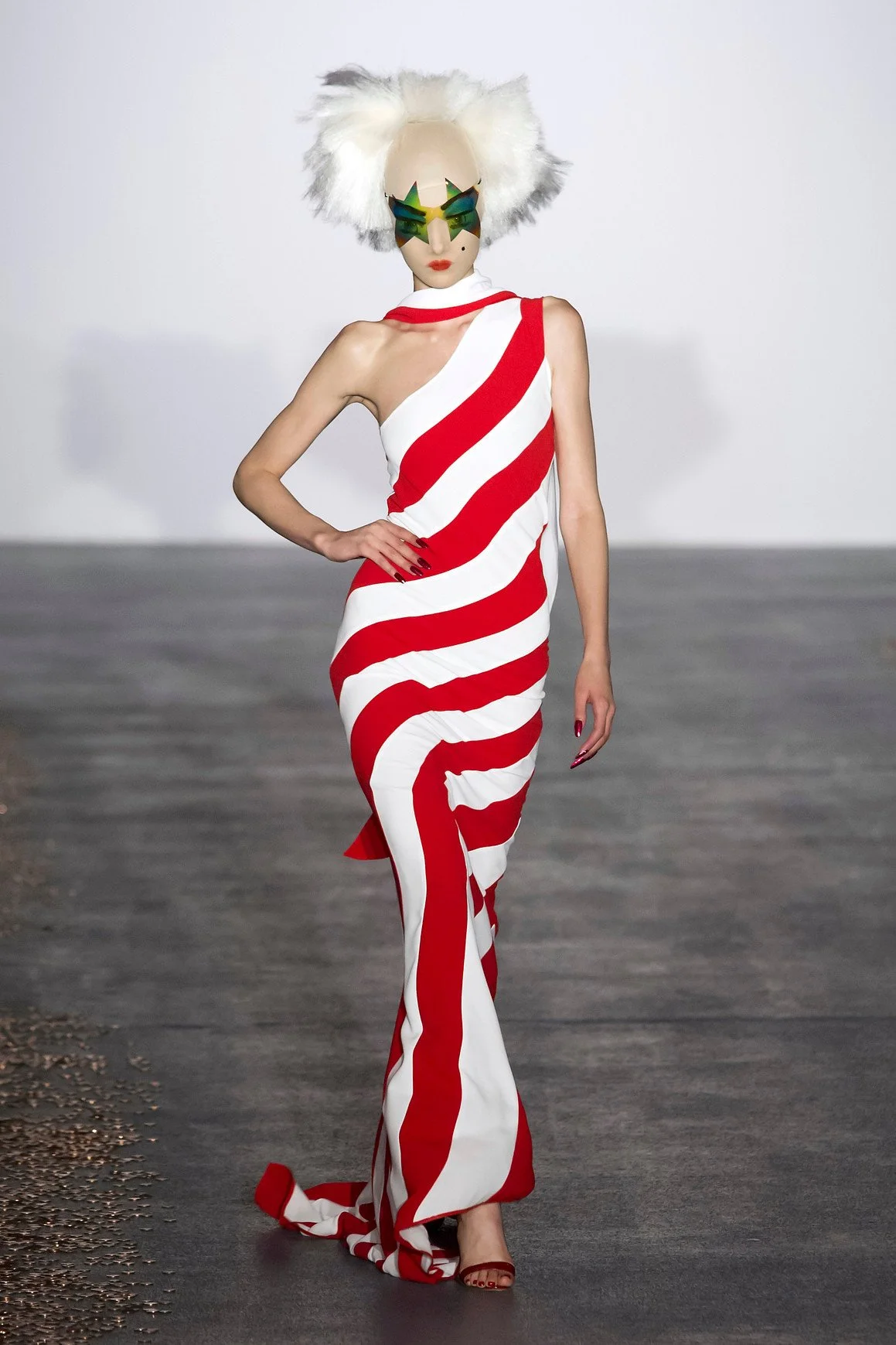
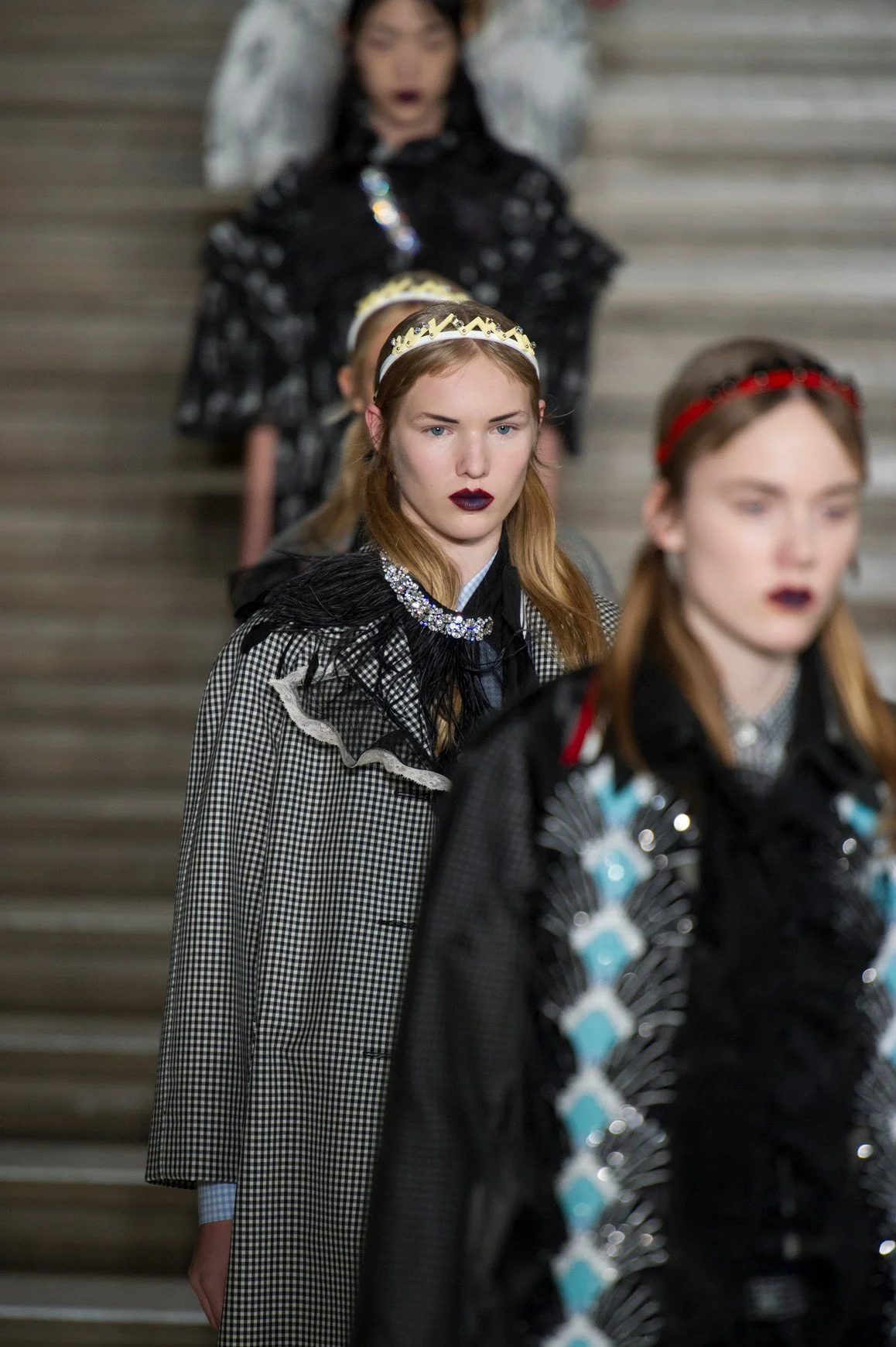
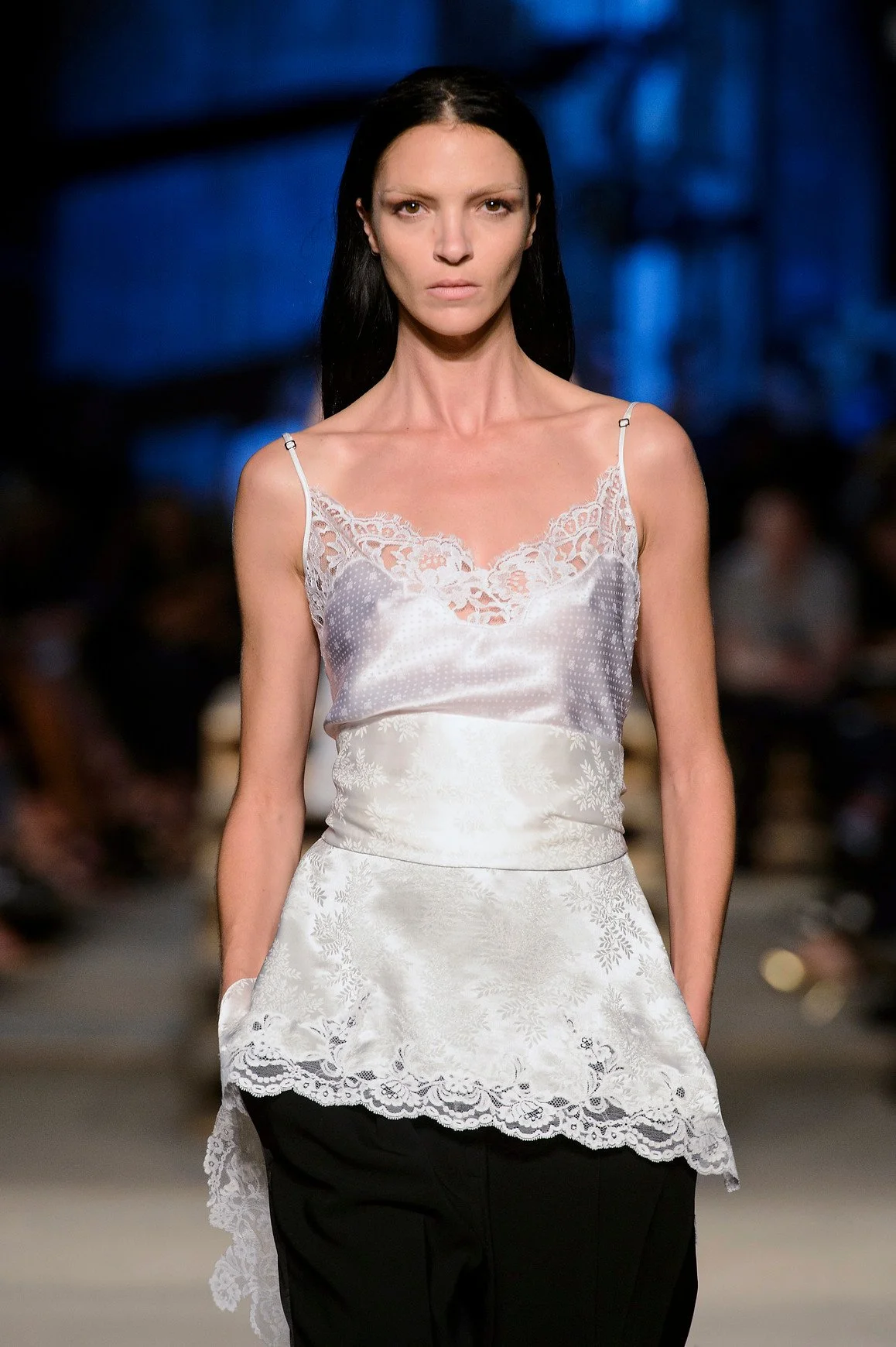
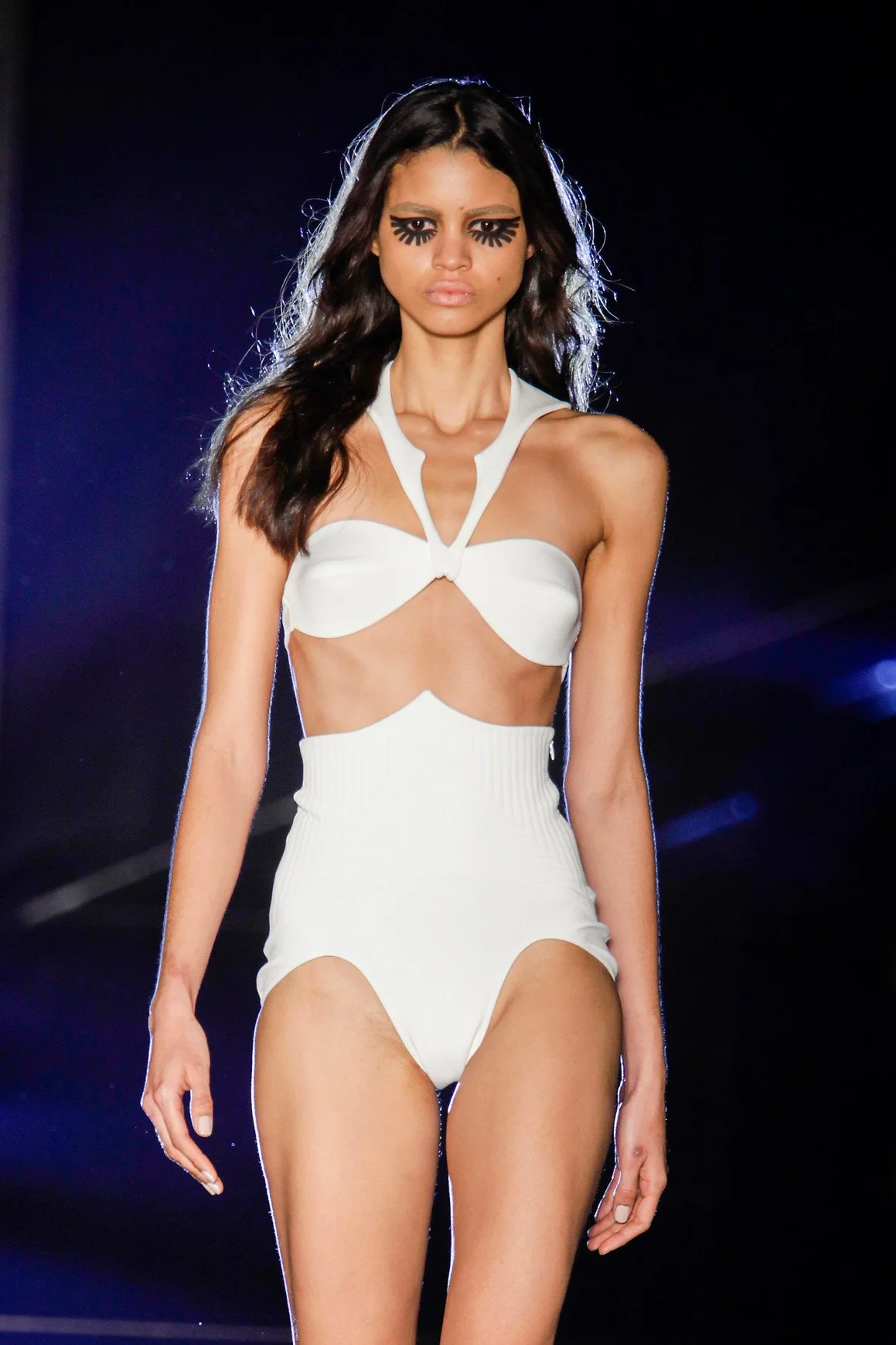
What struck me most was how different our digital habits were. In 2016, video editing wasn’t the constant ritual it is today. The technology simply wasn’t there yet no Reels, no TikTok, no seamless editing apps. What I found on my phone were mostly pictures, still frames of a world that moved slower, documented with less pressure and more spontaneity. That nostalgia pushed me to revisit what was happening on the catwalks that same year, and the journey was unexpectedly revealing.
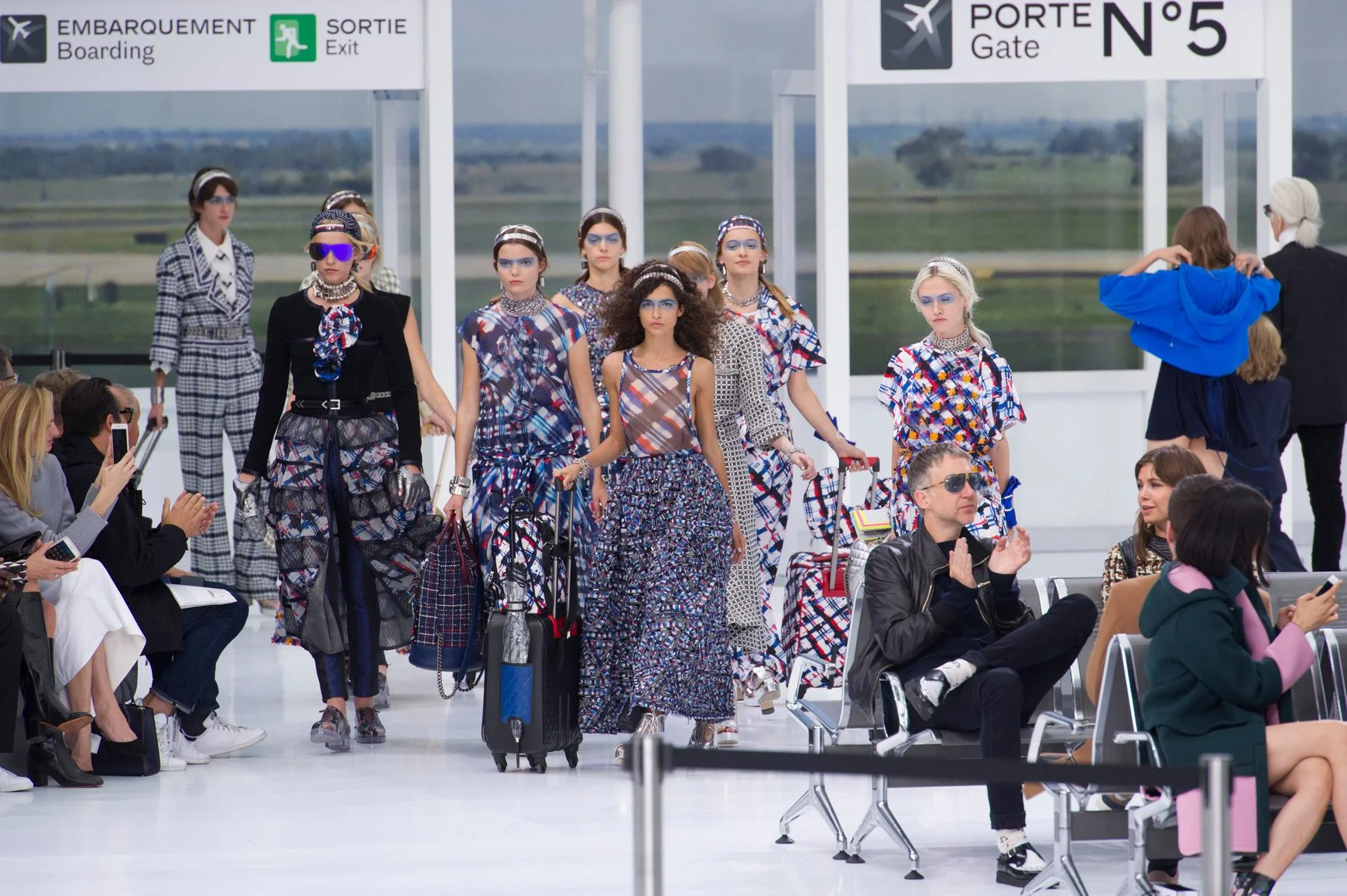
Chanel
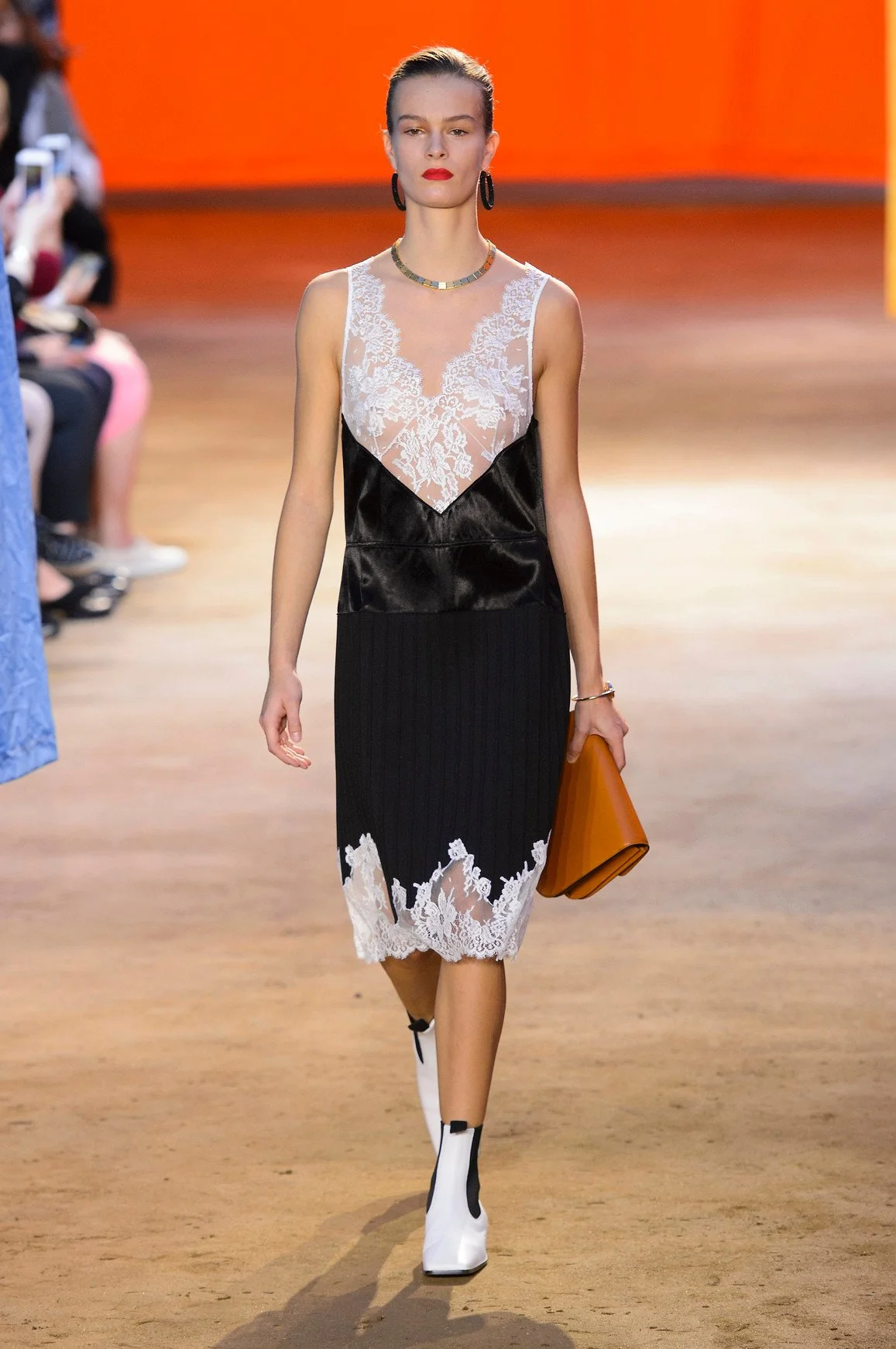
Céline still under the creative direction of Phoebe Philo was at its peak. The lingerie‑inspired looks she sent down the runway in 2016 would become the blueprint for the slip‑dress revival we saw return in Winter 2025 across both luxury and high street. Philo’s influence remains unmatched; she understood women with a precision that still feels modern today.
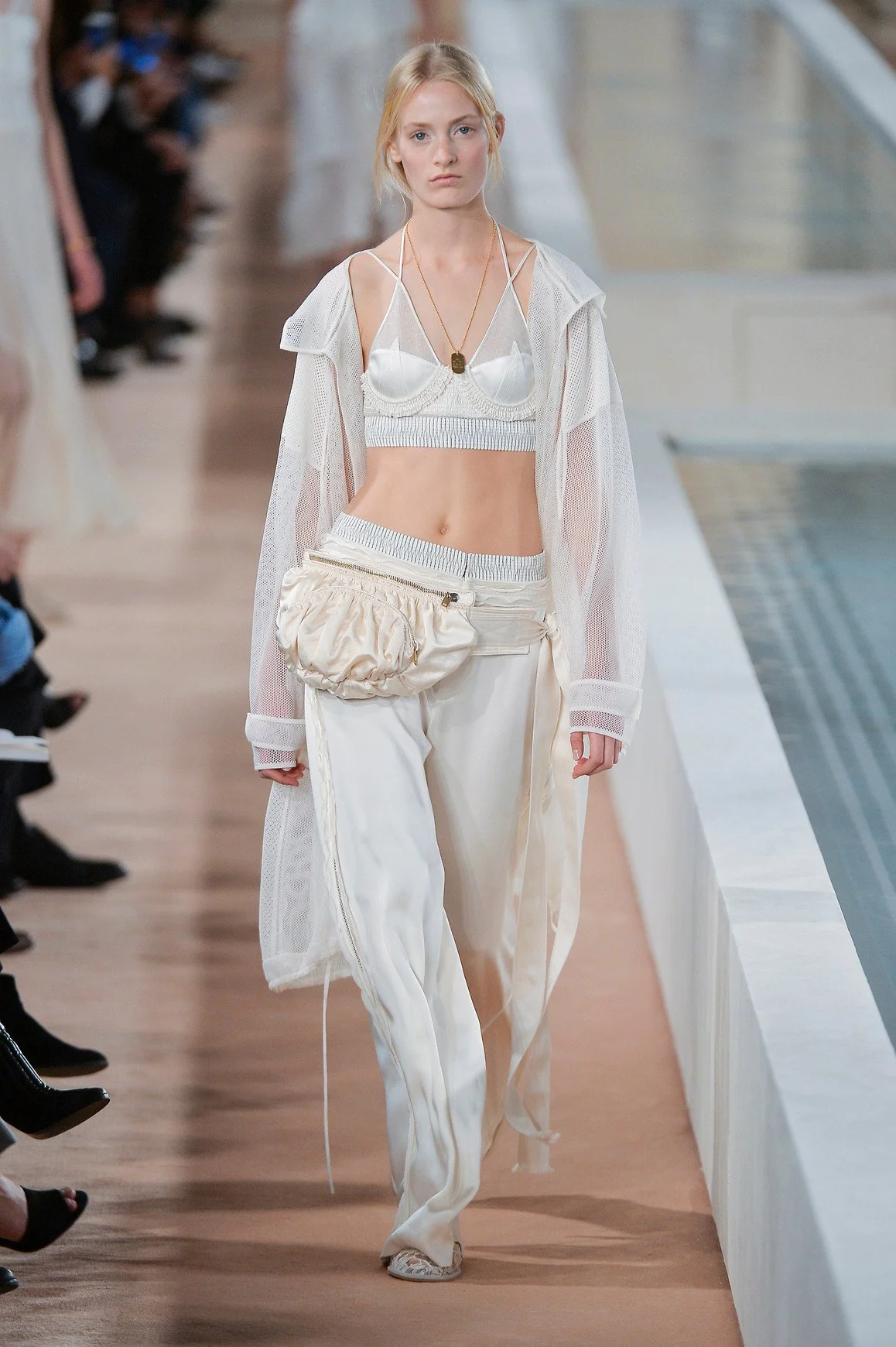
Balenciaga, meanwhile, was in a moment of transition. Summer 2016 was still Alexander Wang’s territory, but Demna Gvasalia’s first collection Winter 2016, presented in March was about to redefine the brand entirely. His arrival brought a new attitude, a new silhouette, a new conversation. Looking back, you can feel the shift happening in real time.
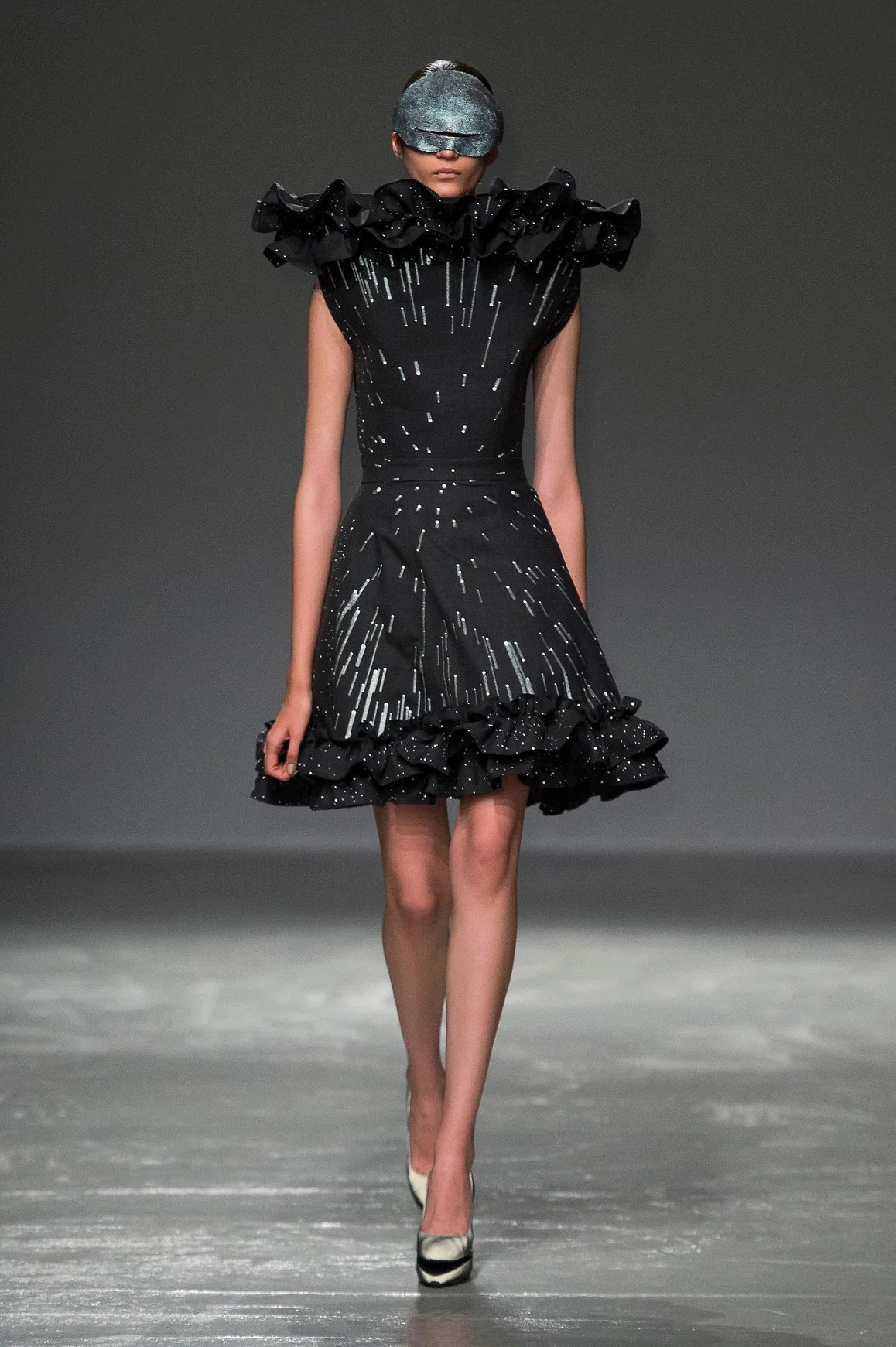
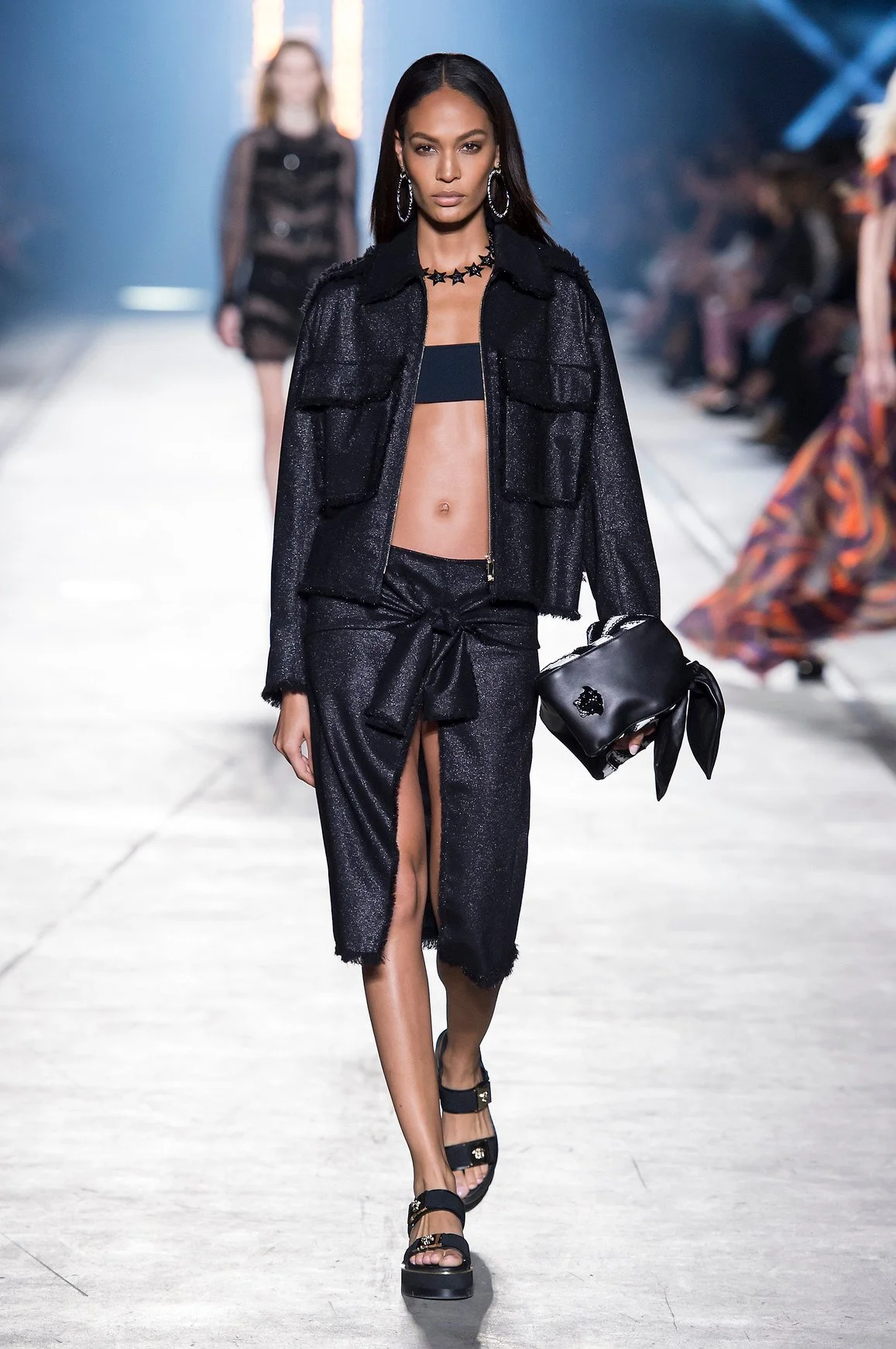
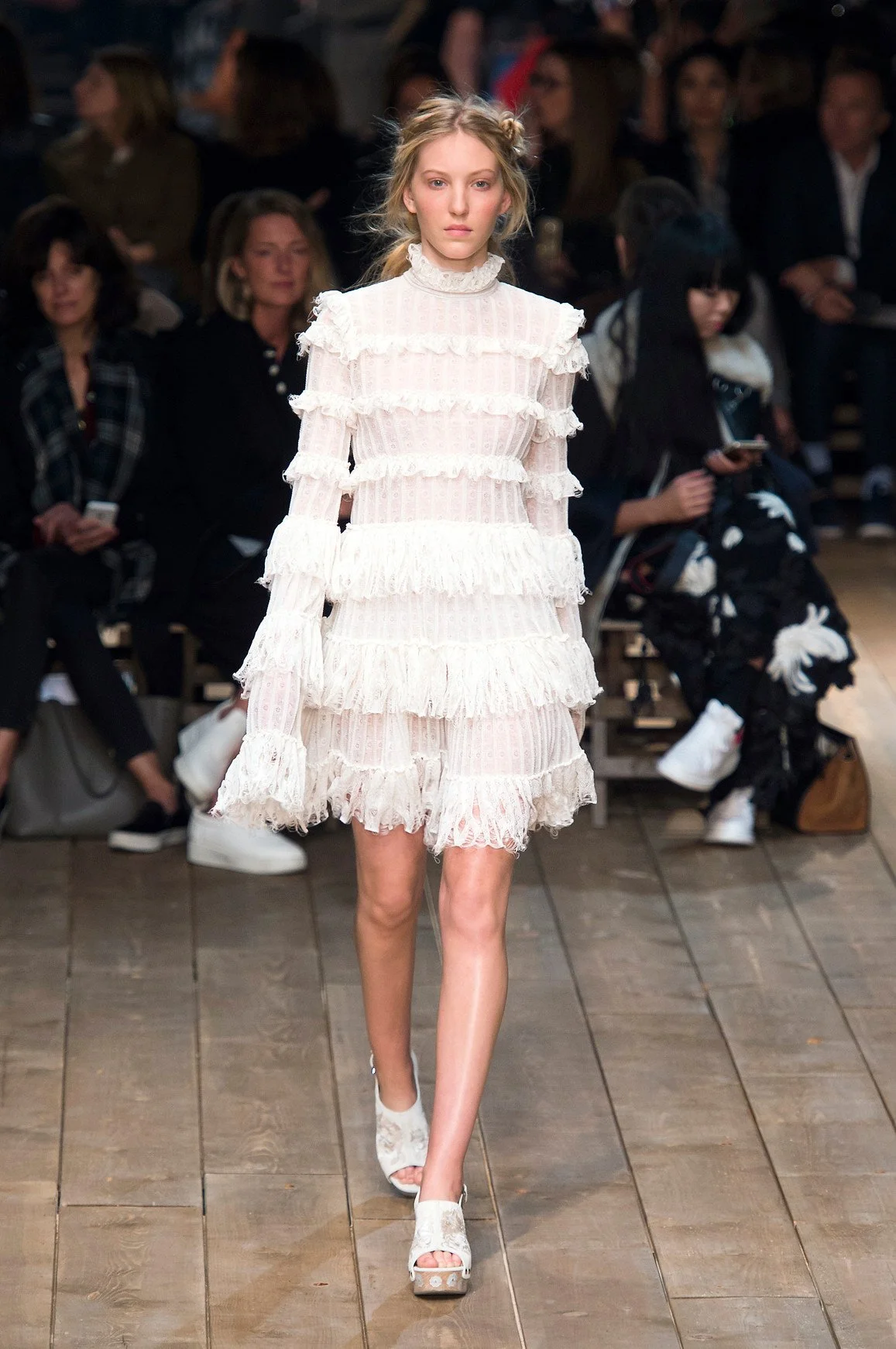
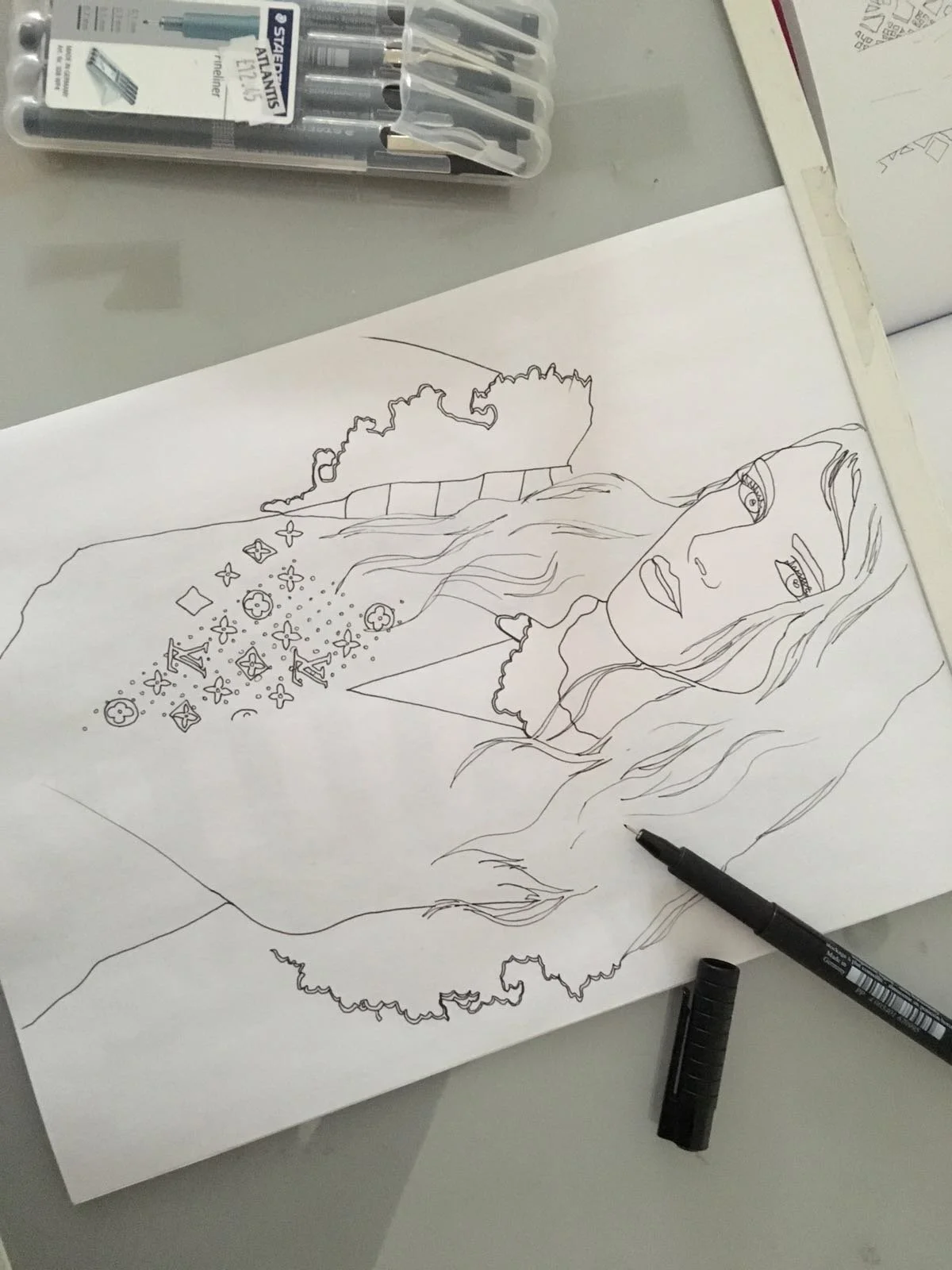
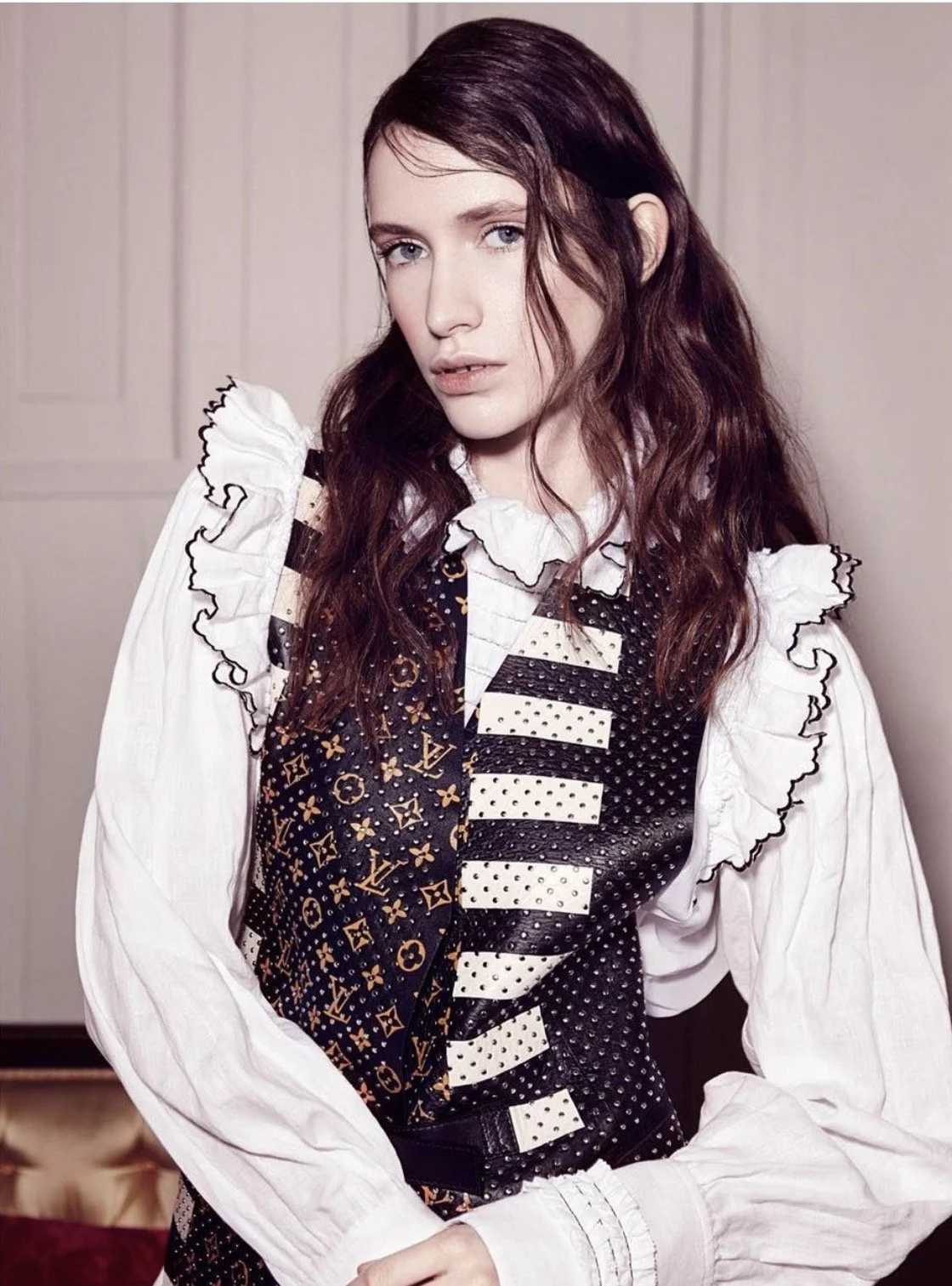
Beyond the runways, 2016 was also the year we all became obsessed with adult colouring books a collective attempt to relax, to disconnect, to find calm in creativity. I remember asking Kikka Cavanati, who was interning for me at the time (and who would later become Creative Director at 16Arlington), to create a “colour me” page for the magazine using images from one of my shoots. It was a moment of innocence, of play, of rediscovering the joy of drawing.
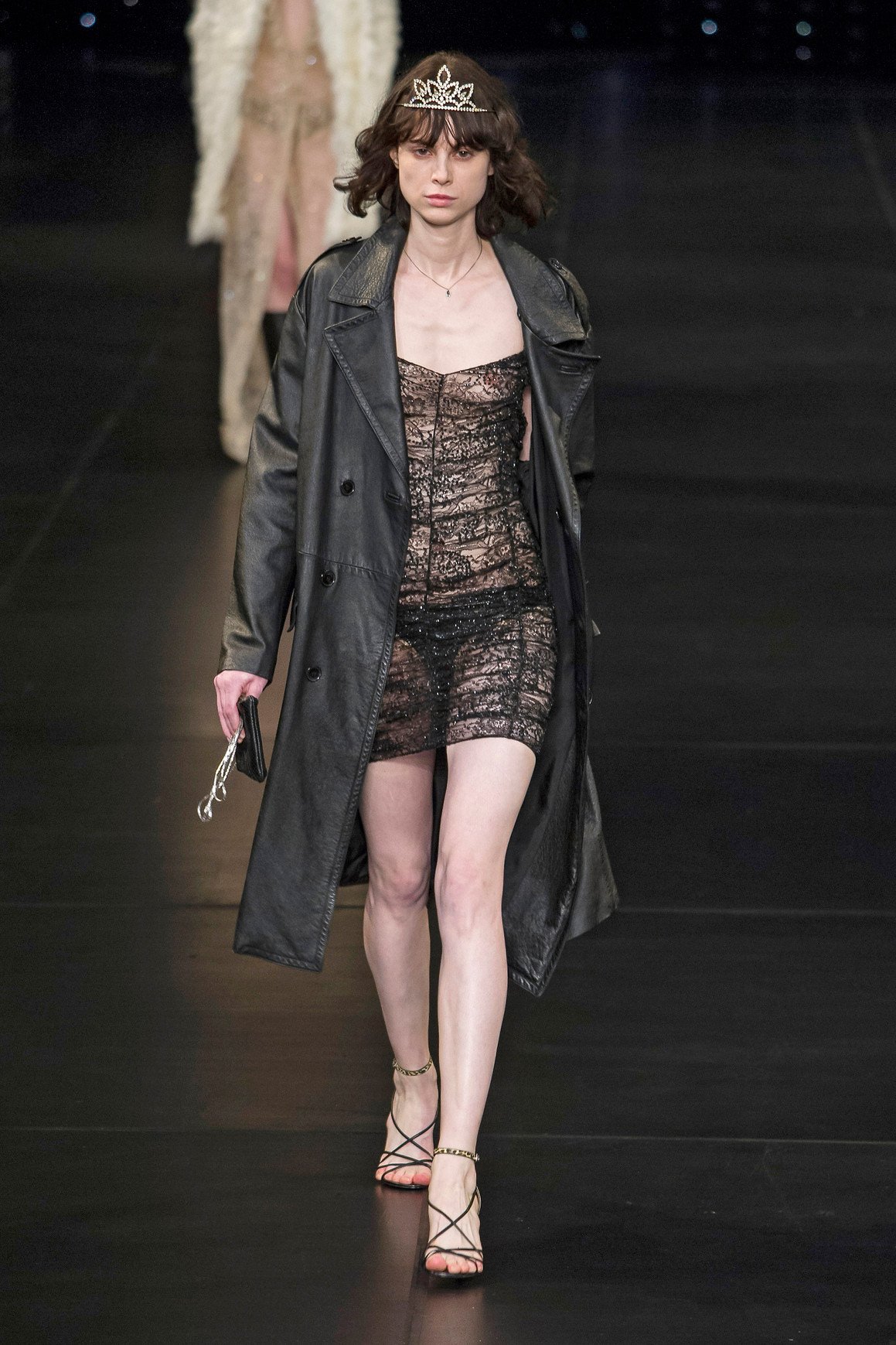
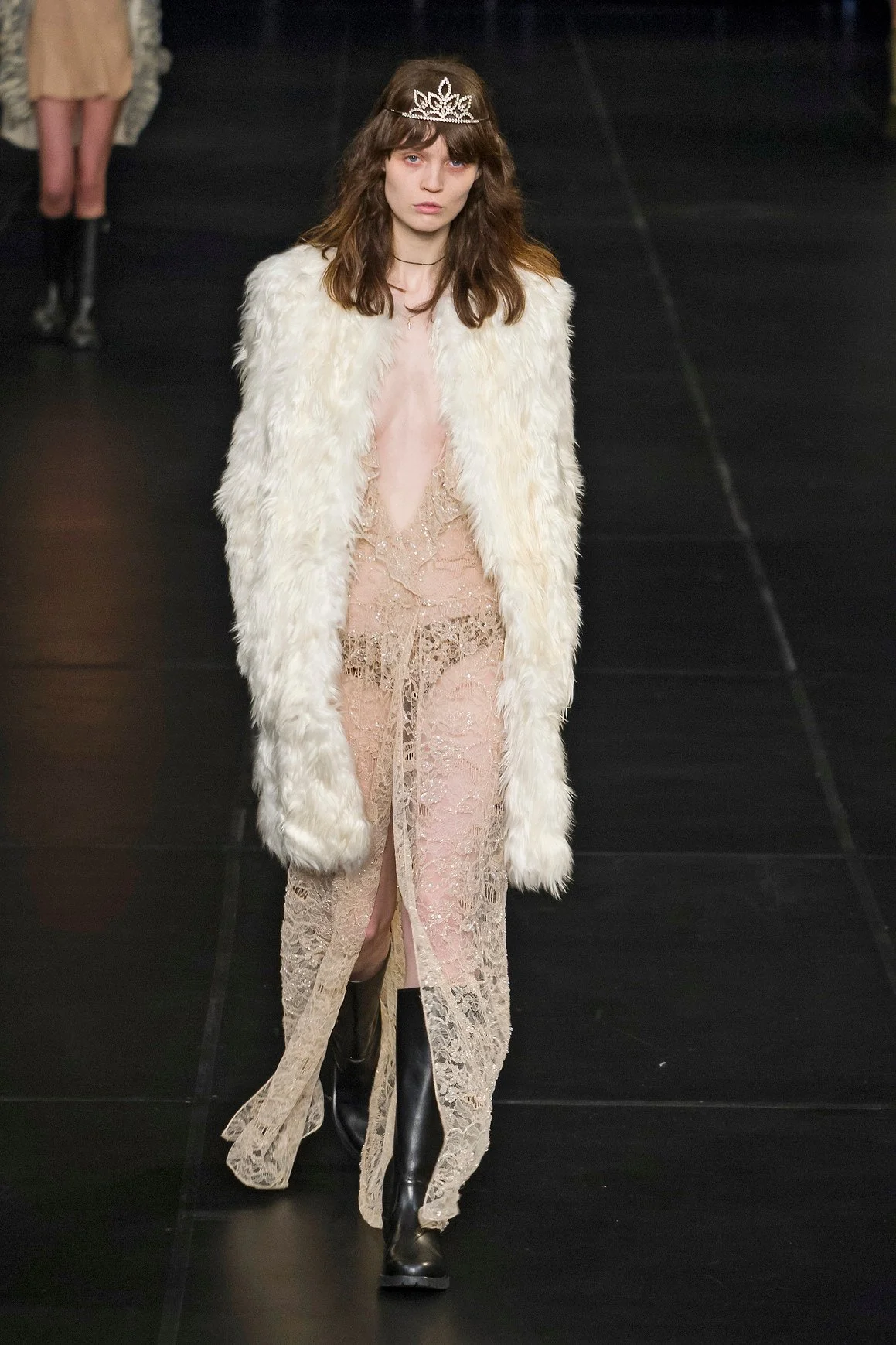
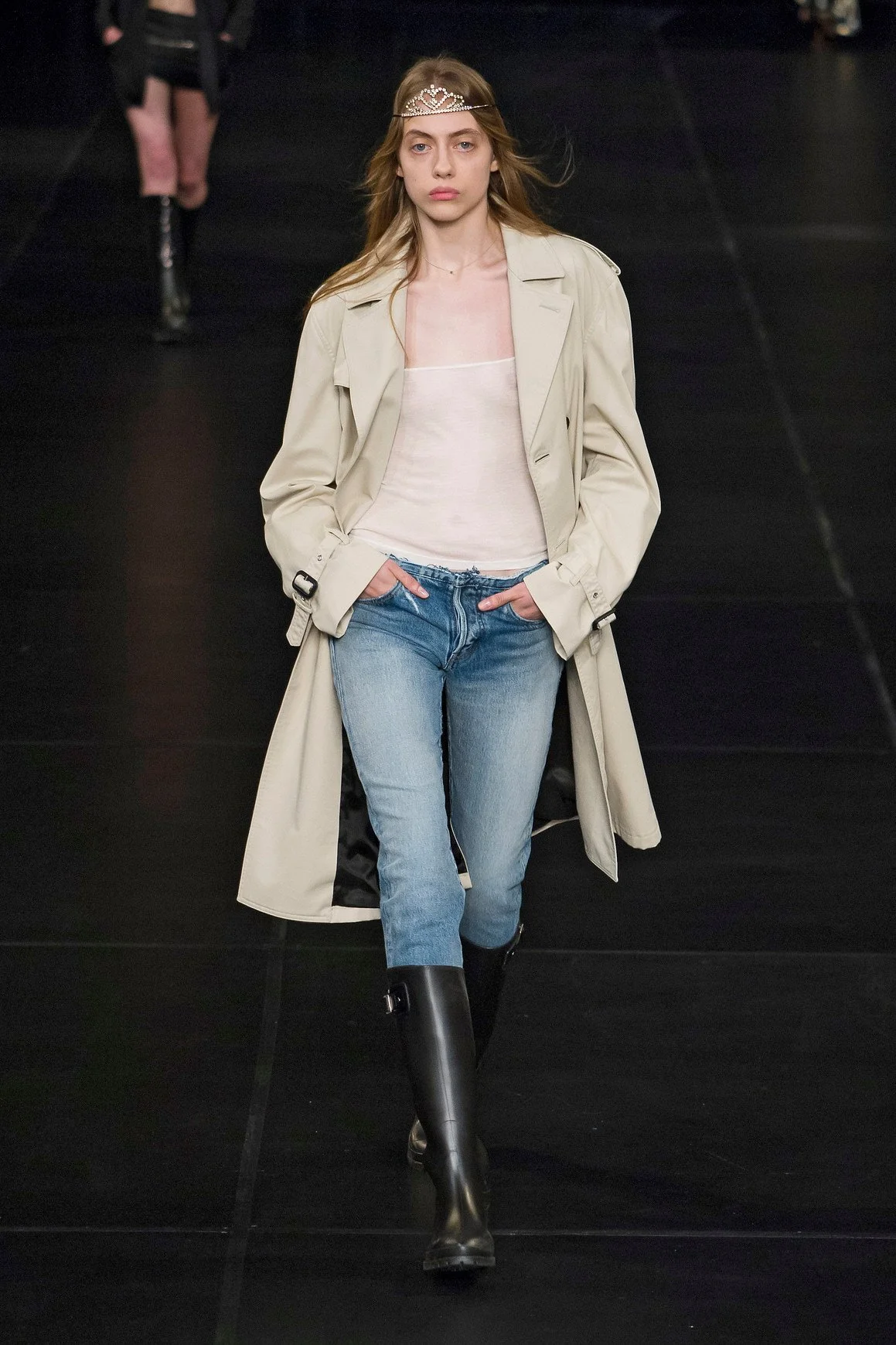
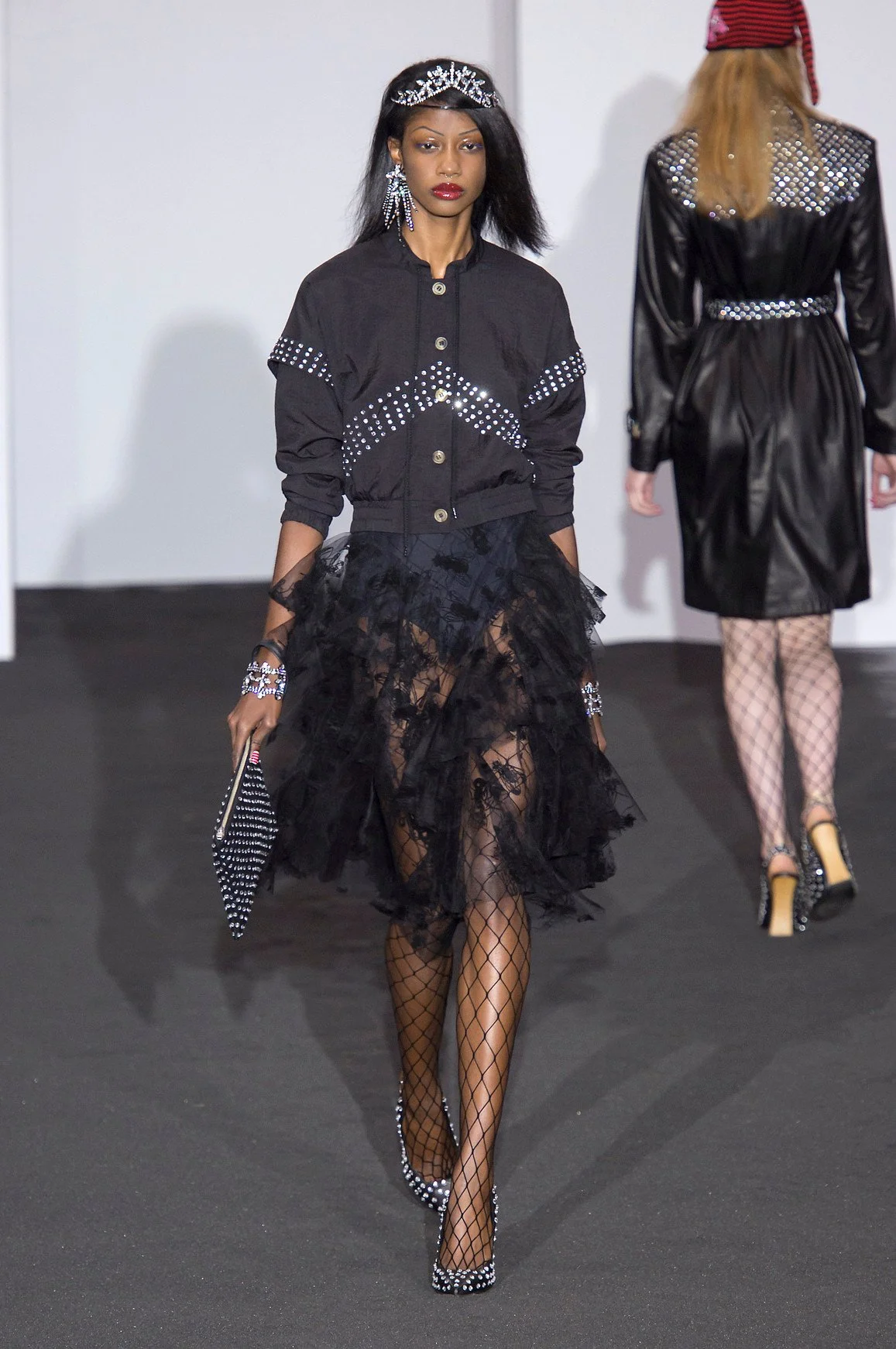
British designer Ashley Williams was sending tiaras down the runway a playful, rebellious alternative to the headband. The trend exploded, appearing everywhere, including in almost every look at Saint Laurent for Summer 2016. It was the era of irony, of youth culture, of fashion that didn’t take itself too seriously.
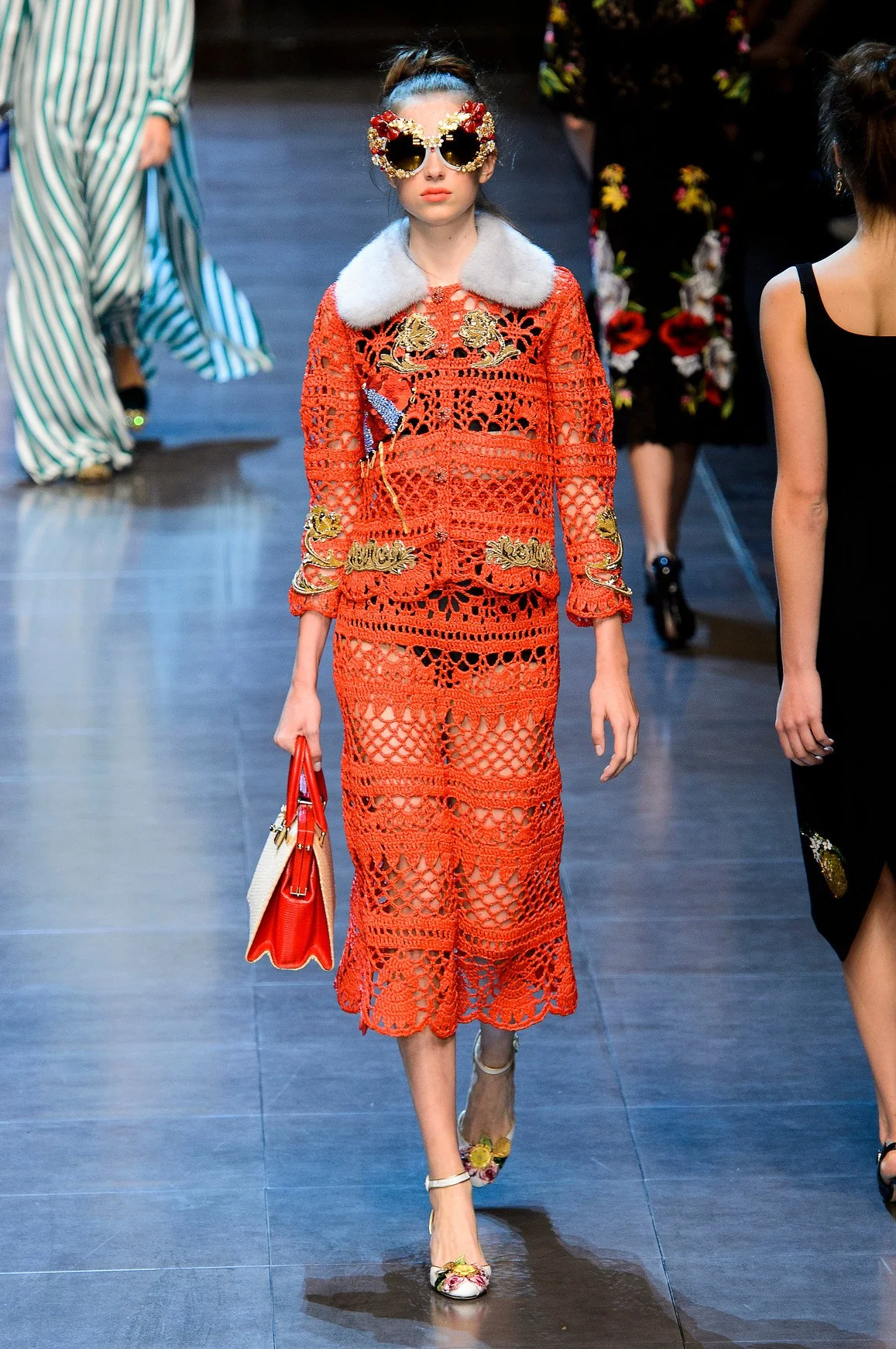
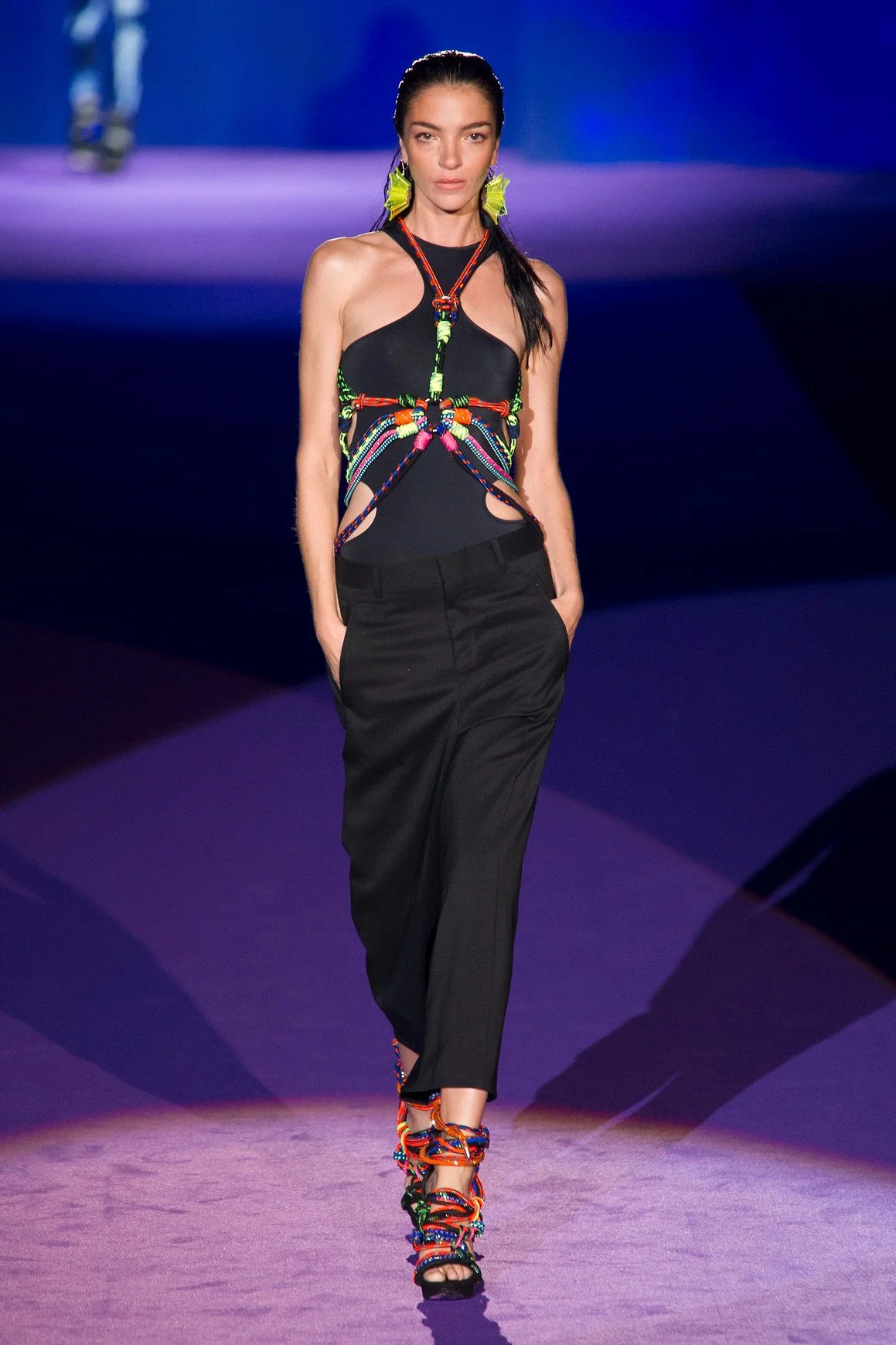
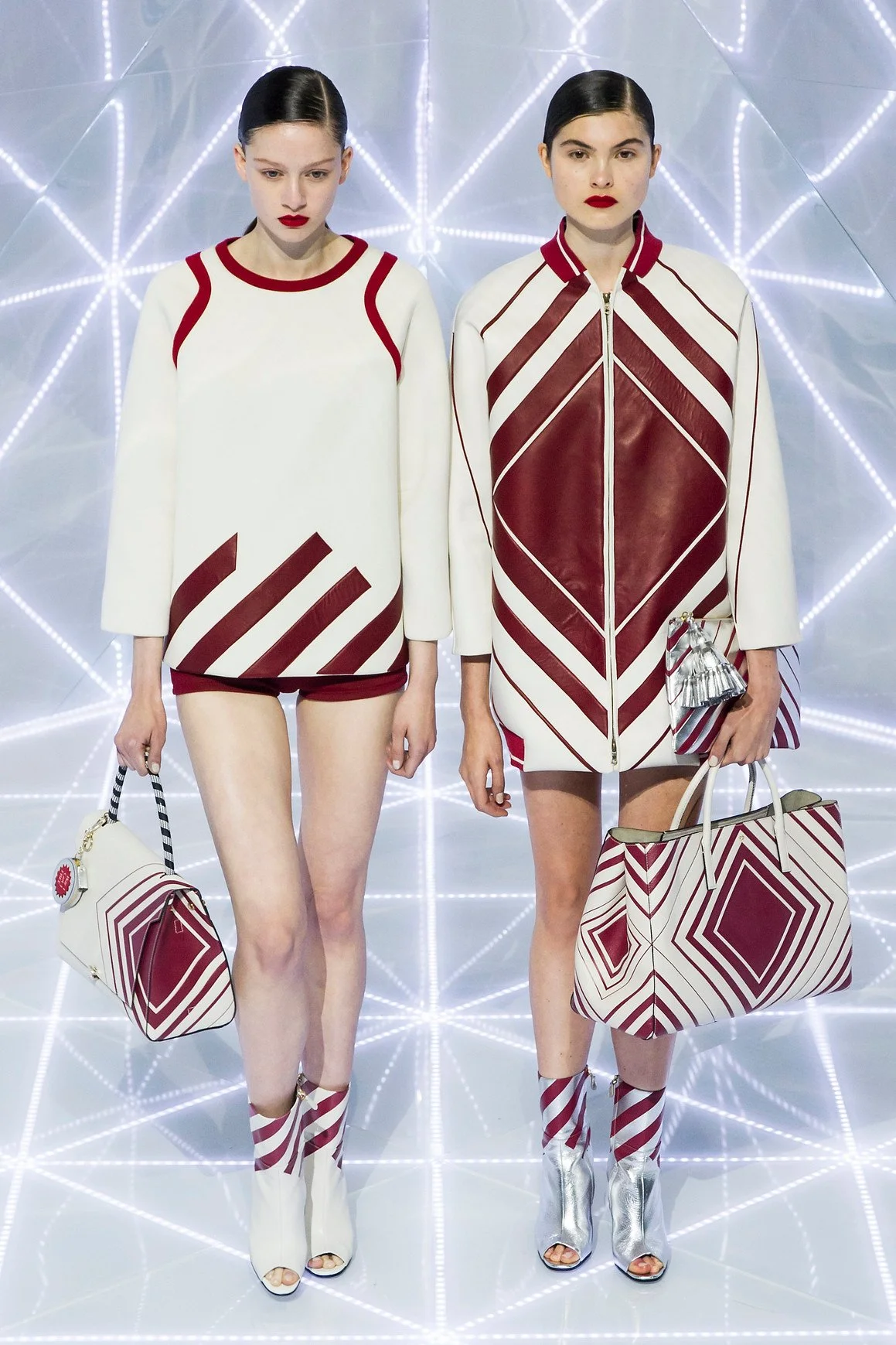
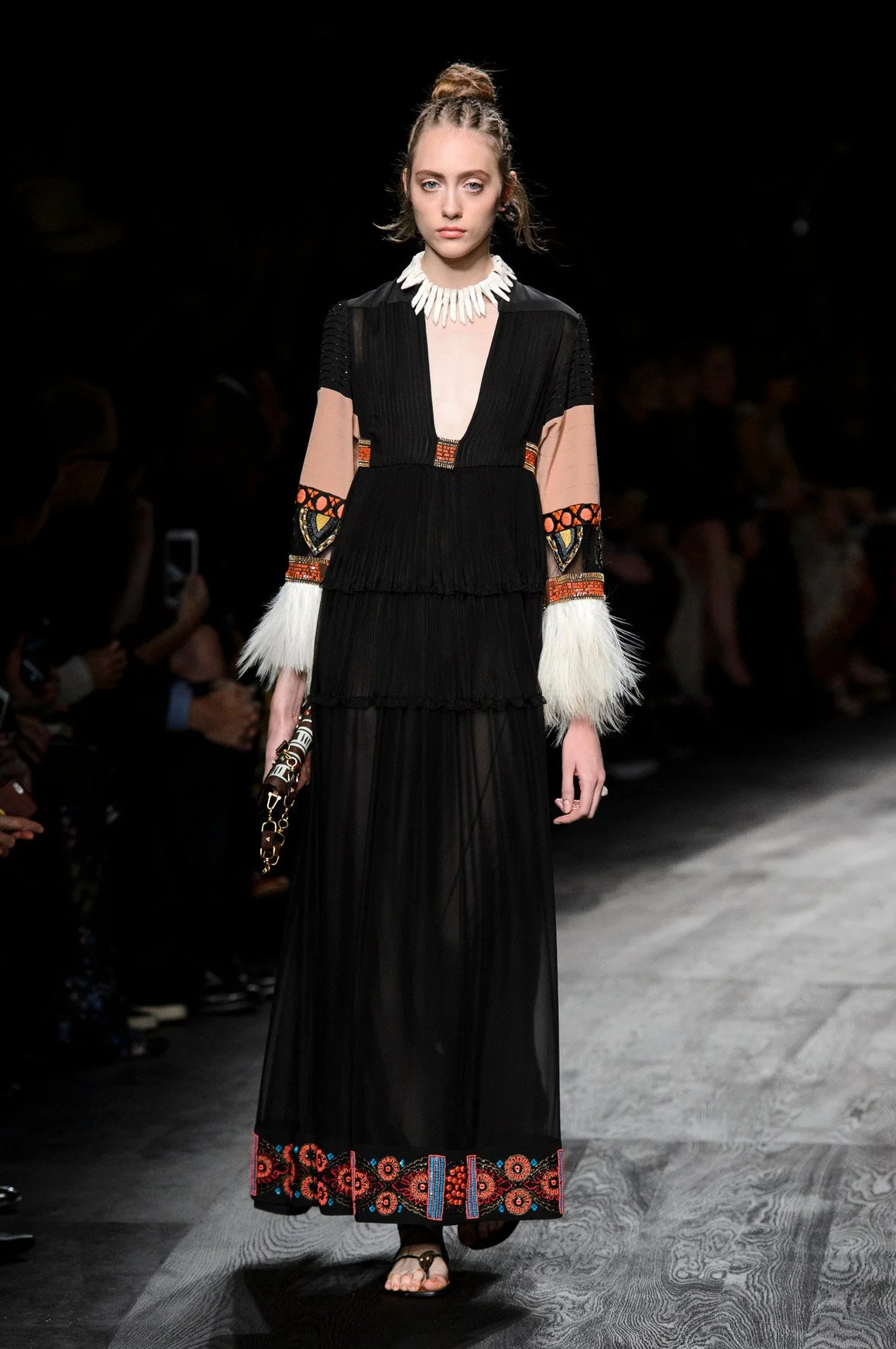
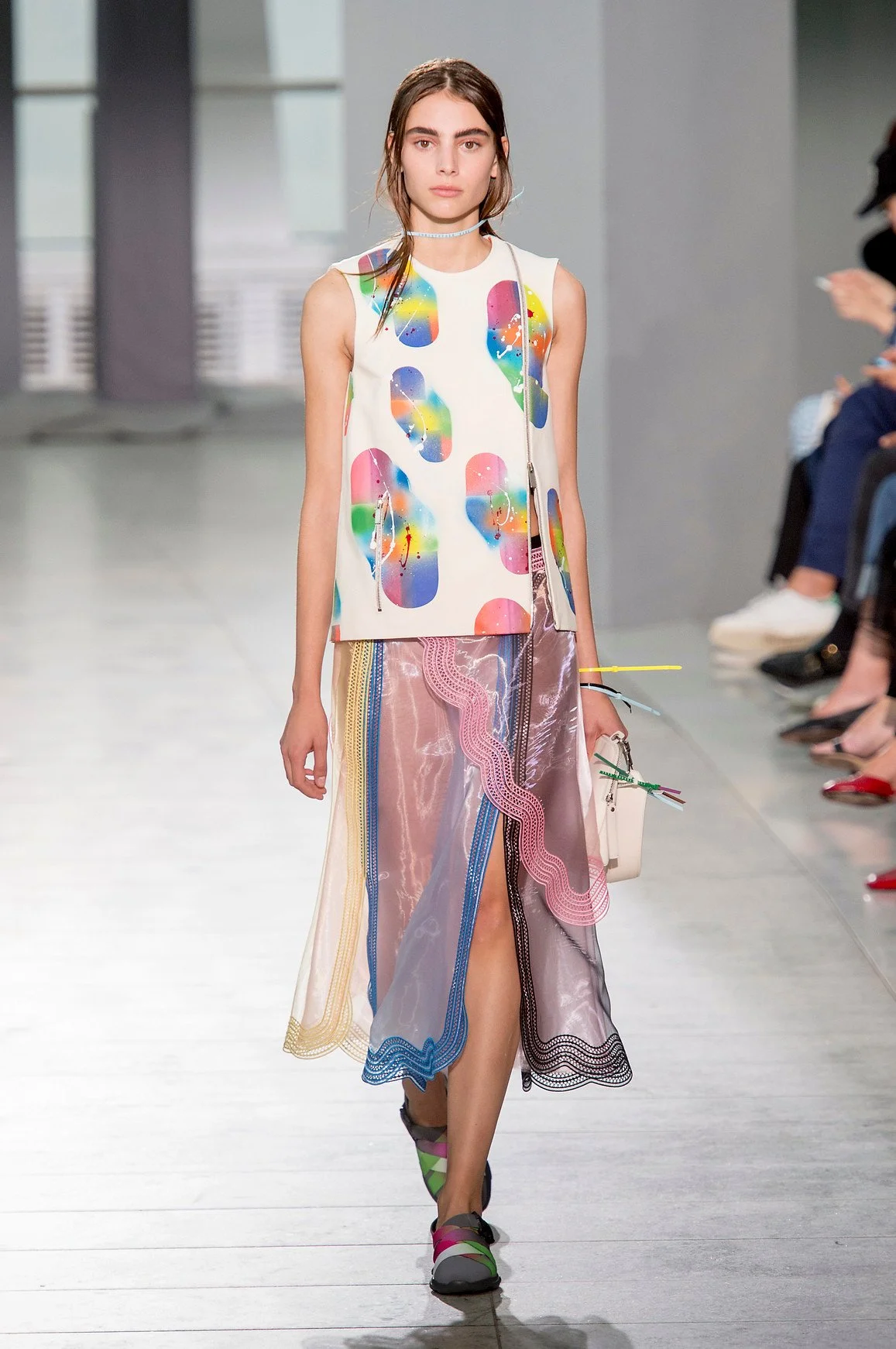
Anya Hindmarch was presenting her collections during London Fashion Week with full clothing capsules designed to accompany the accessories always a highlight, always a must‑see. Summer 2016 was all about optical illusions, a clever, graphic world that felt both nostalgic and futuristic.
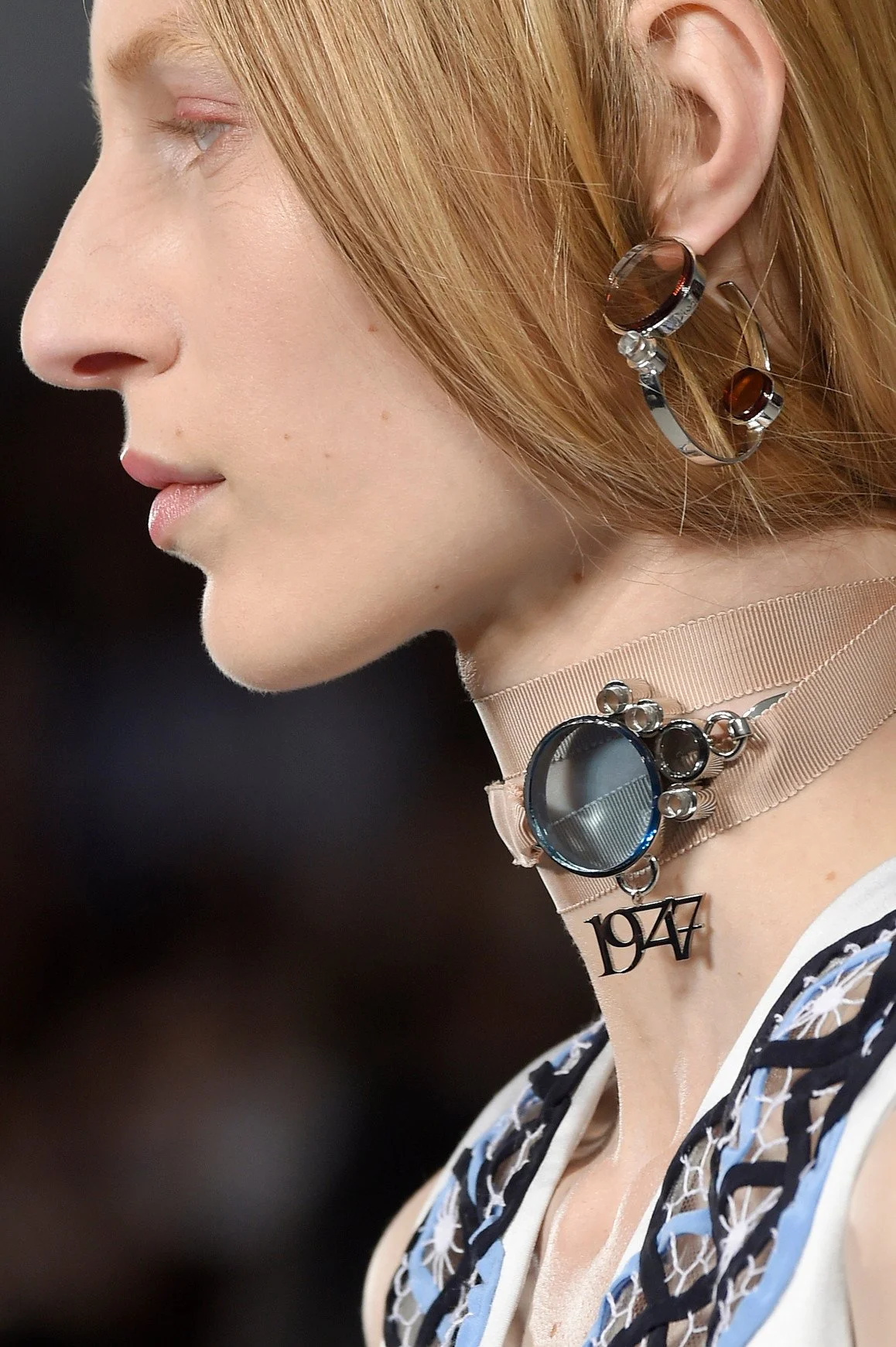
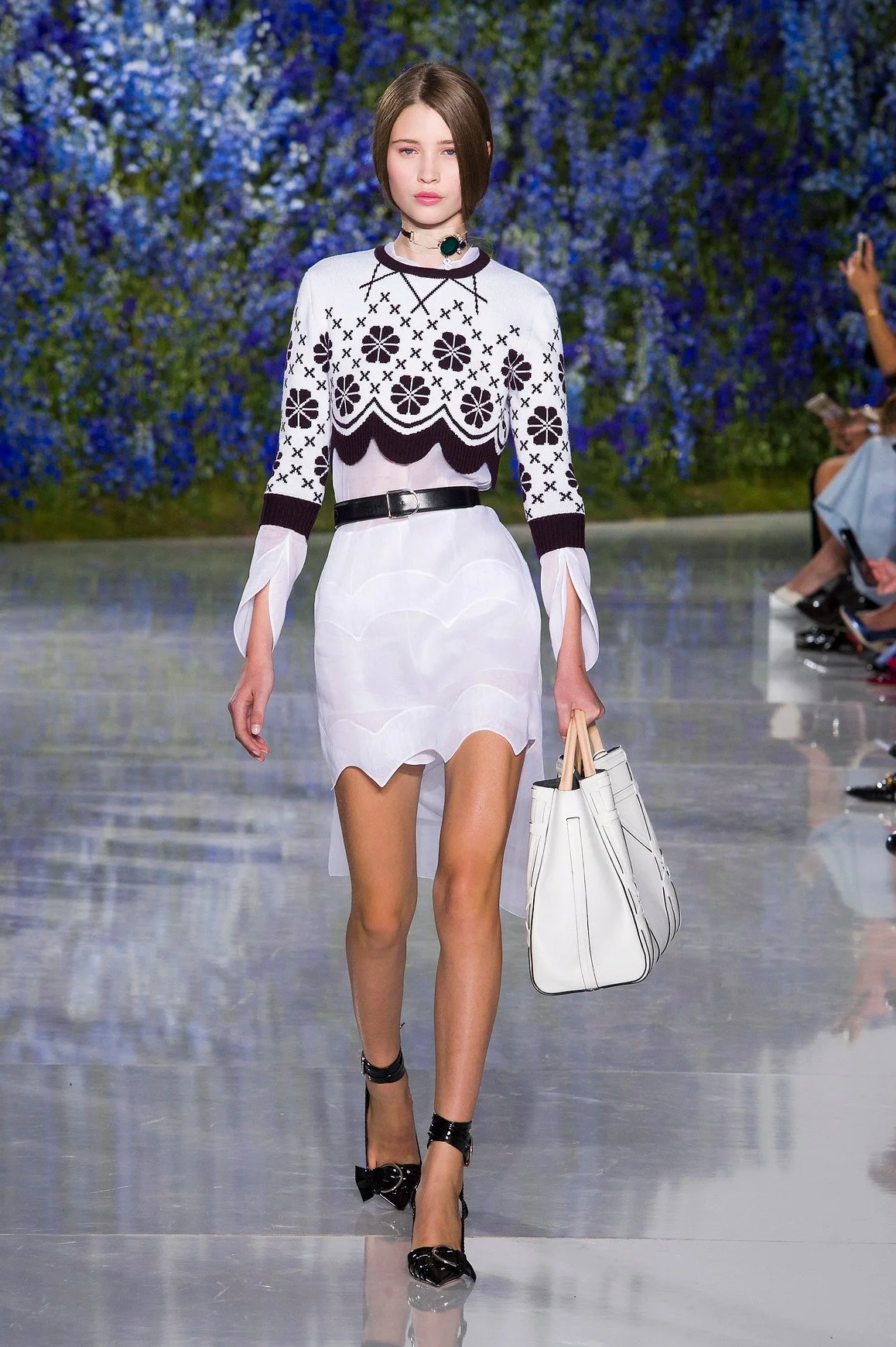
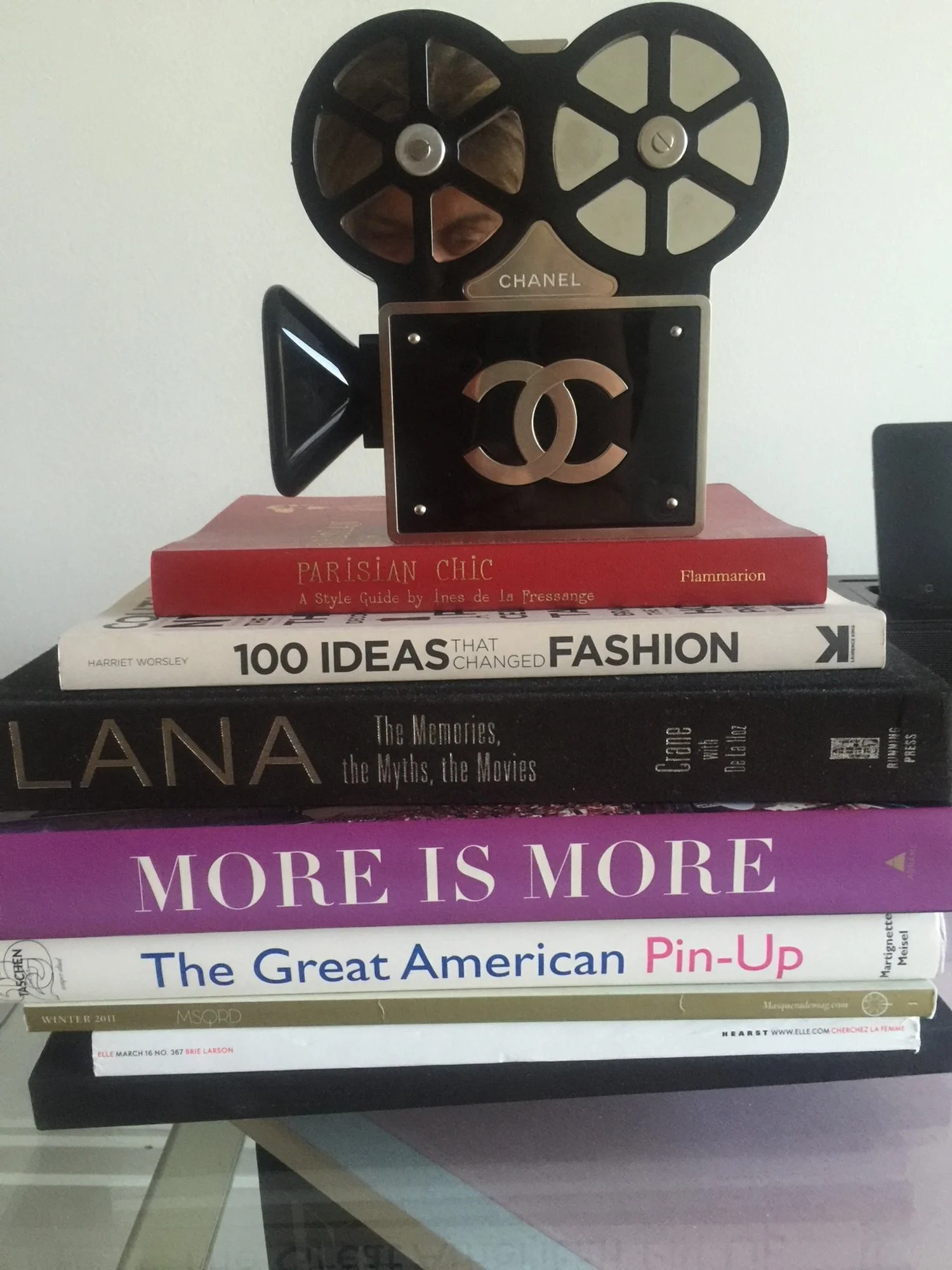
Chanel staged its unforgettable “airline” collection, complete with an airport‑themed set, but 2016 was also the year the house made history by taking the collection to Cuba. It was a monumental moment a cultural event as much as a fashion show, a reminder of how powerful fashion can be when it steps outside the traditional calendar.
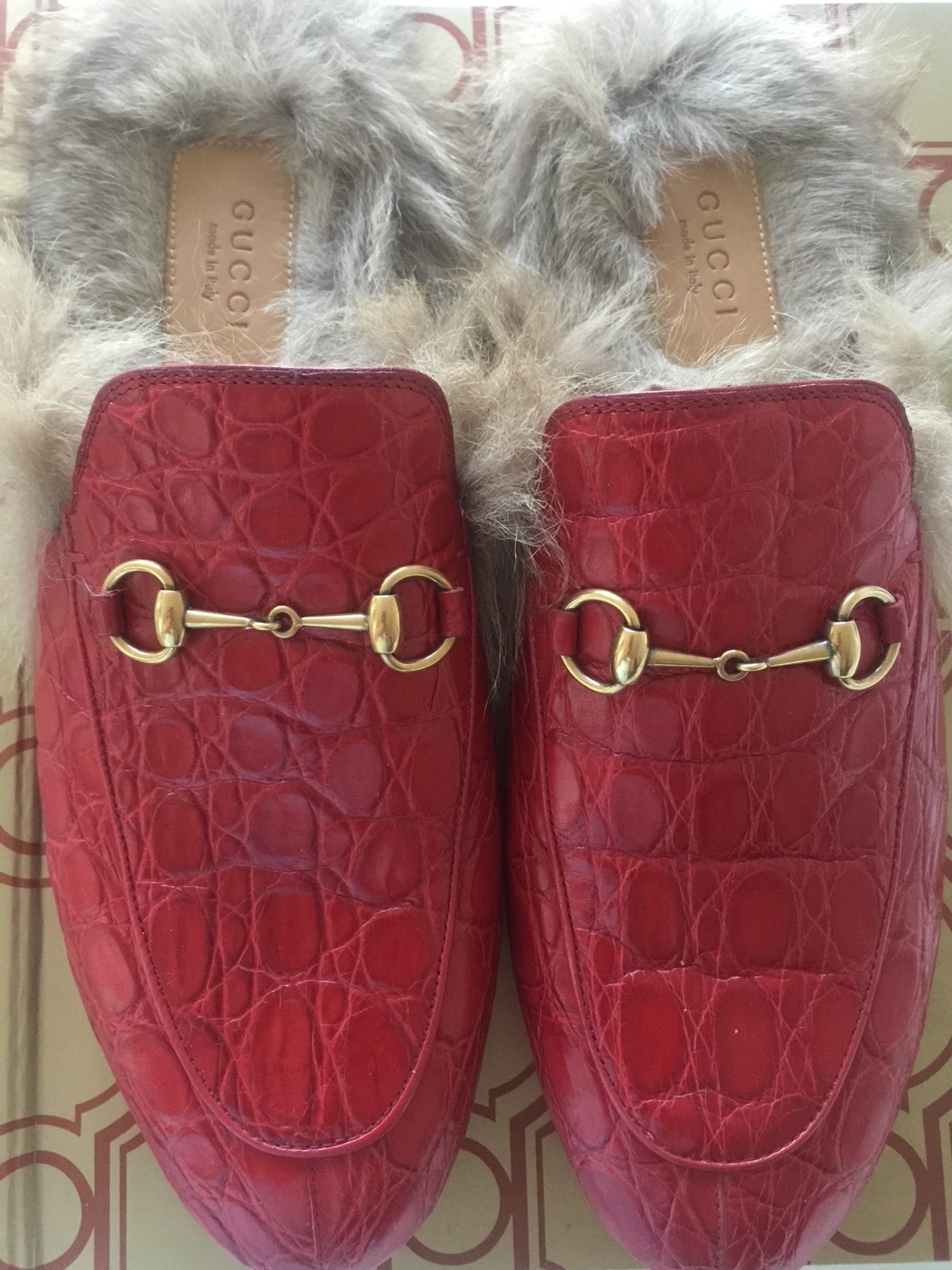
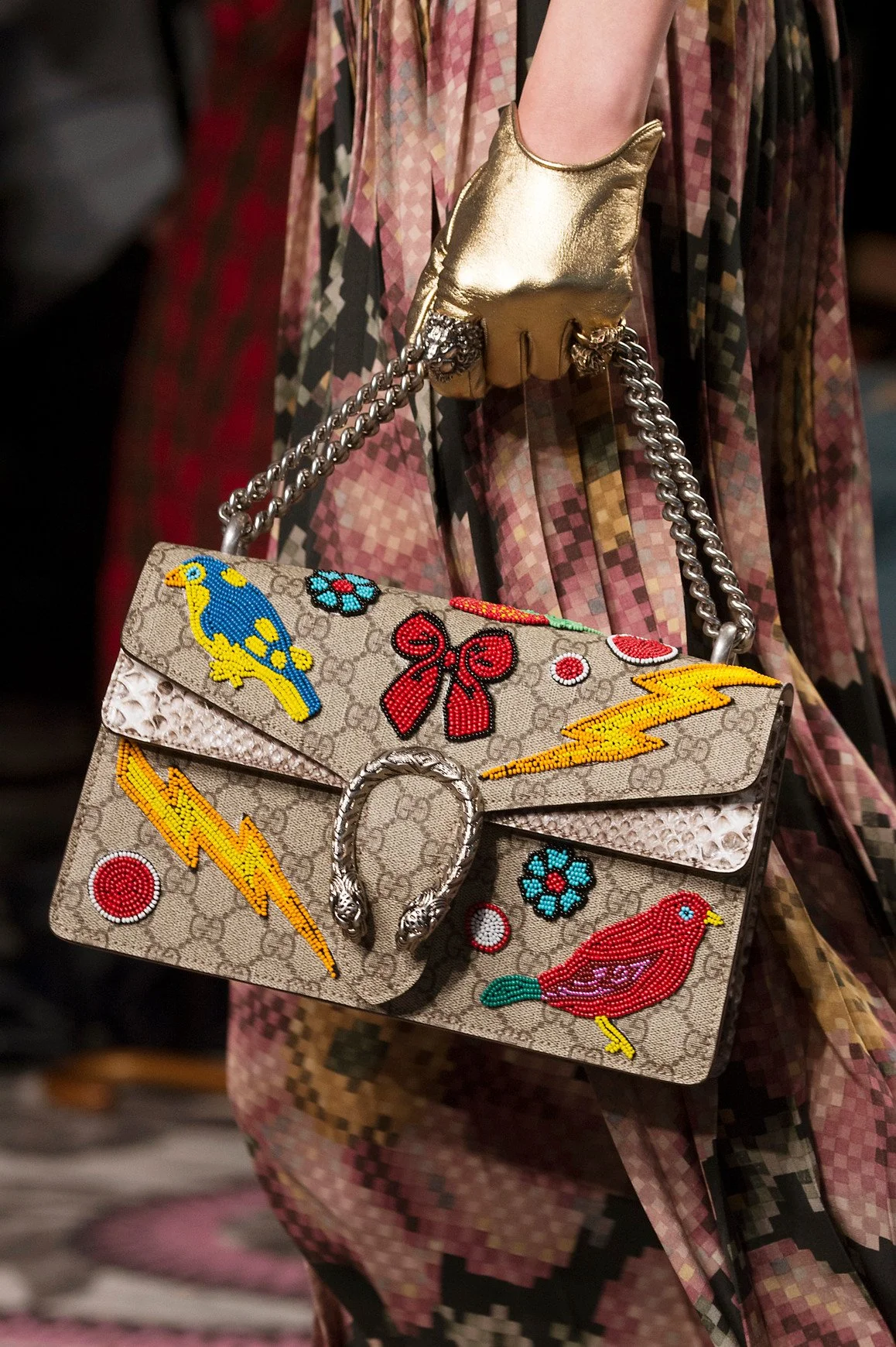
2016 was also the year when Gucci under Alessandro Michele was at its absolute peak. His eclectic, maximalist vision was leading the global fashion conversation, and suddenly everyone had a wish list full of collectable pieces — embroidered jackets, brocade trousers, embellished bags, and those unforgettable fur‑lined Princetown slippers. Owning the Gucci fur slippers wasn’t just a trend; it was a cultural moment. They became the symbol of a new kind of luxury: ironic, playful, and instantly recognisable. Michele’s Gucci defined the mood of the year, shaping wardrobes and inspiring a generation of fashion lovers to embrace individuality and creative expression.
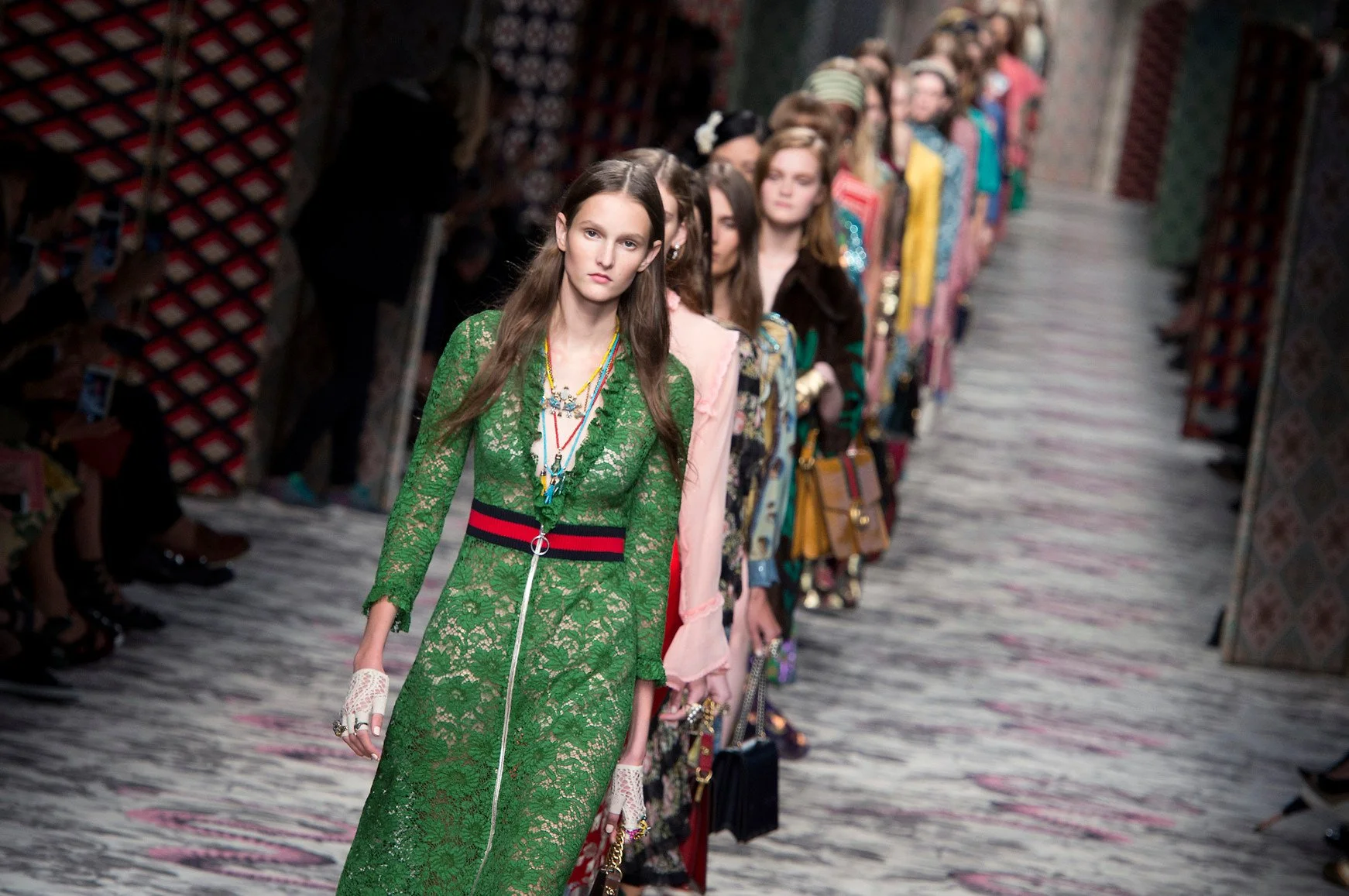
Gucci
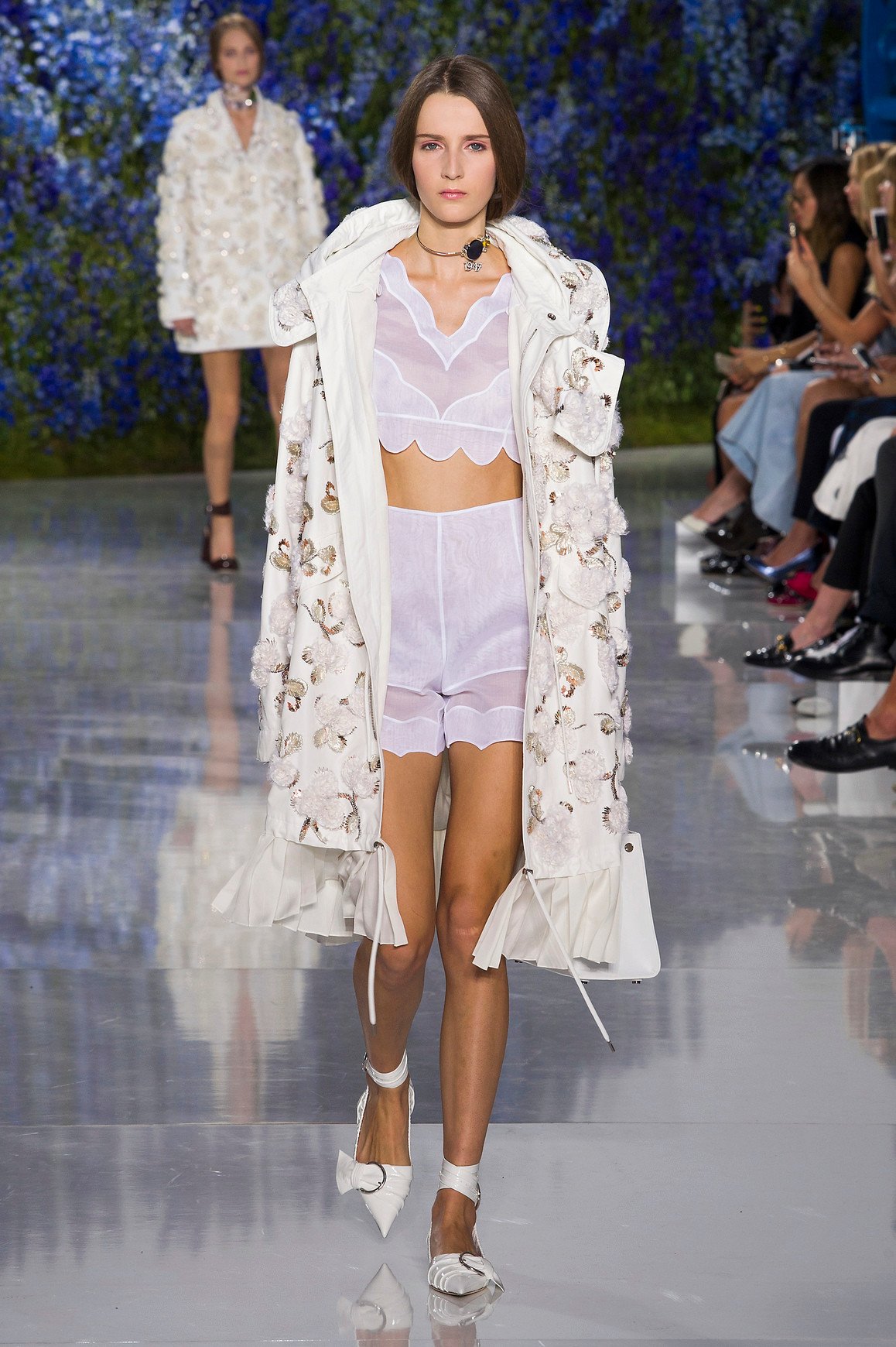
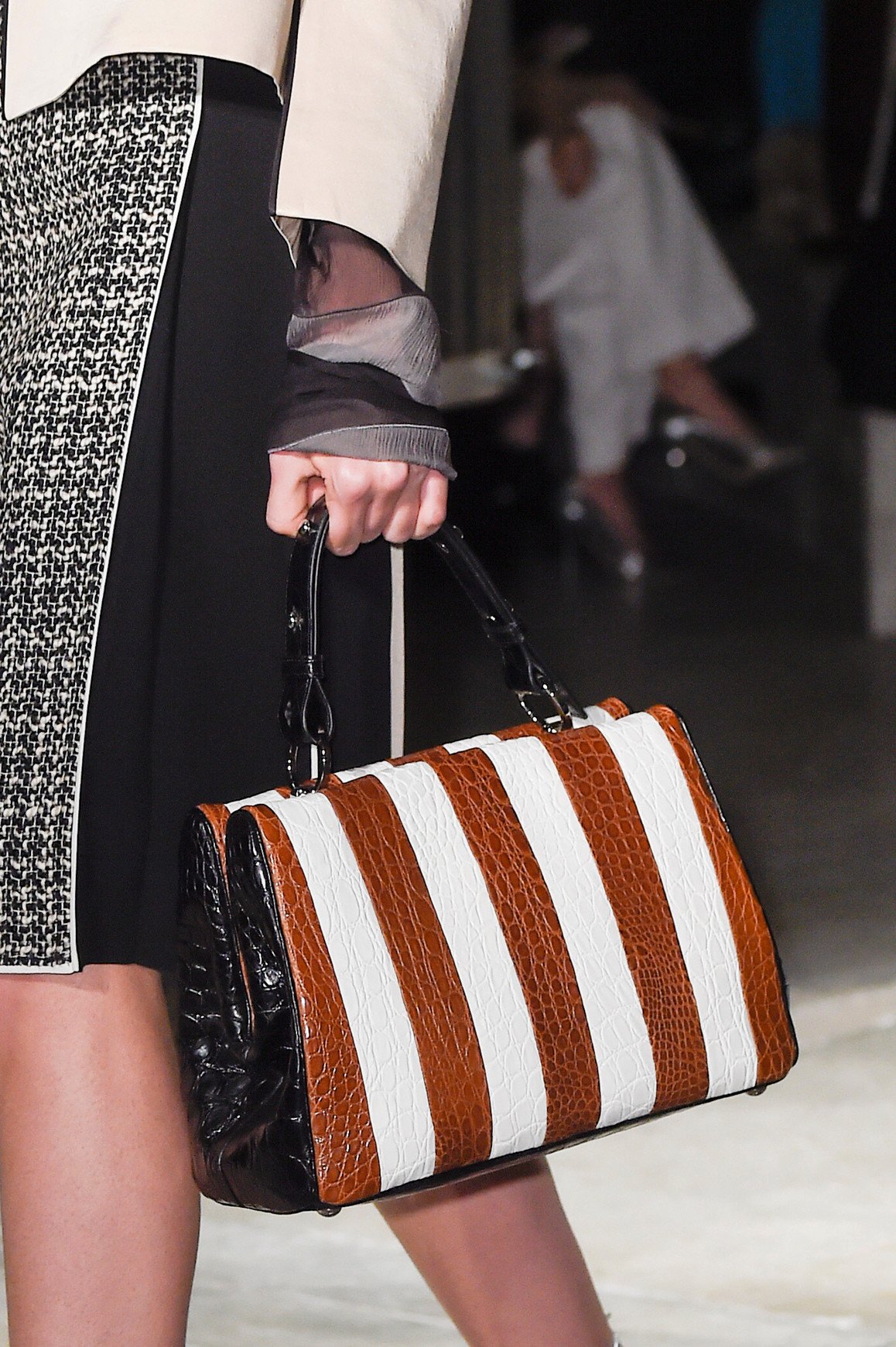
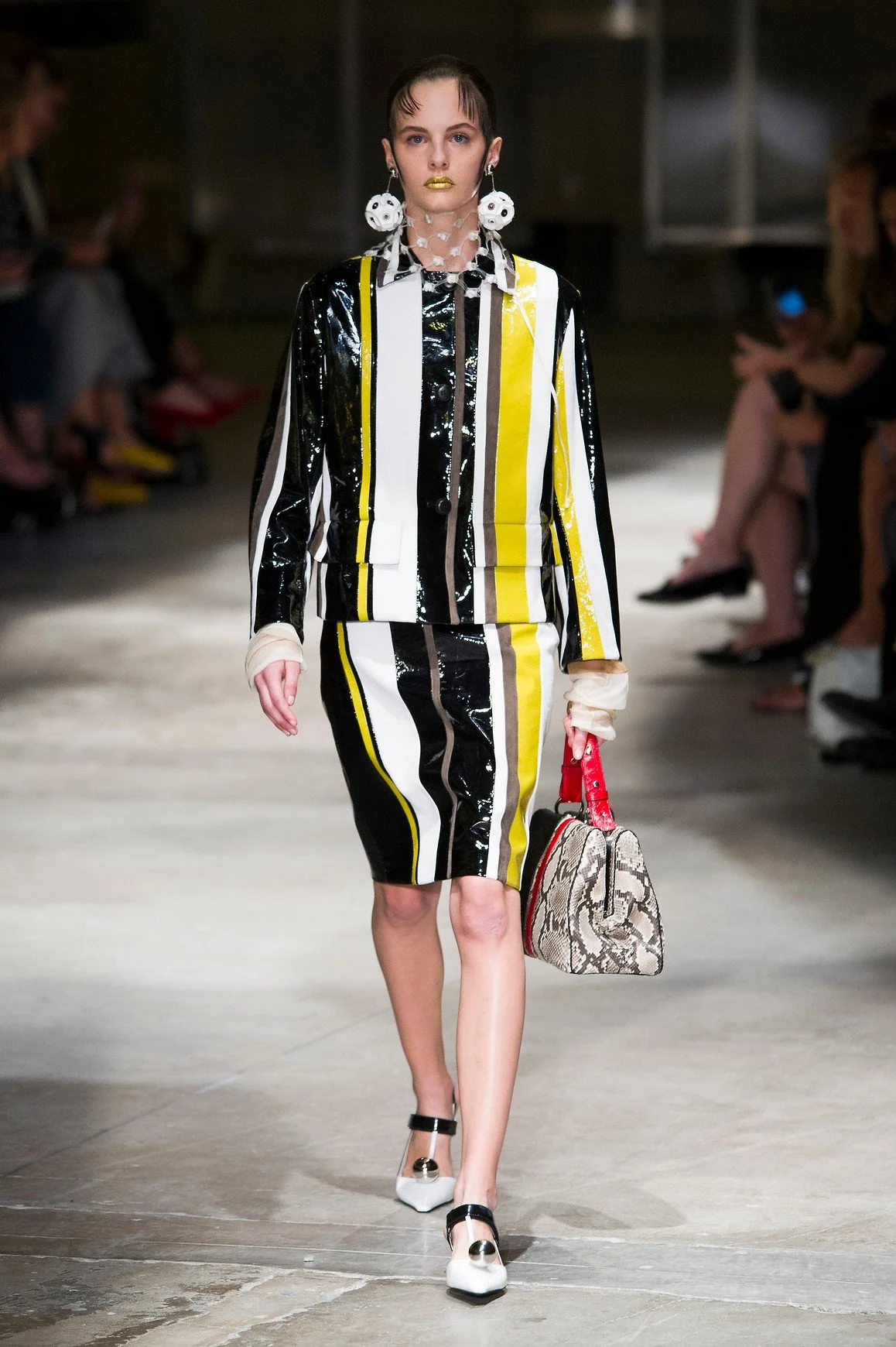
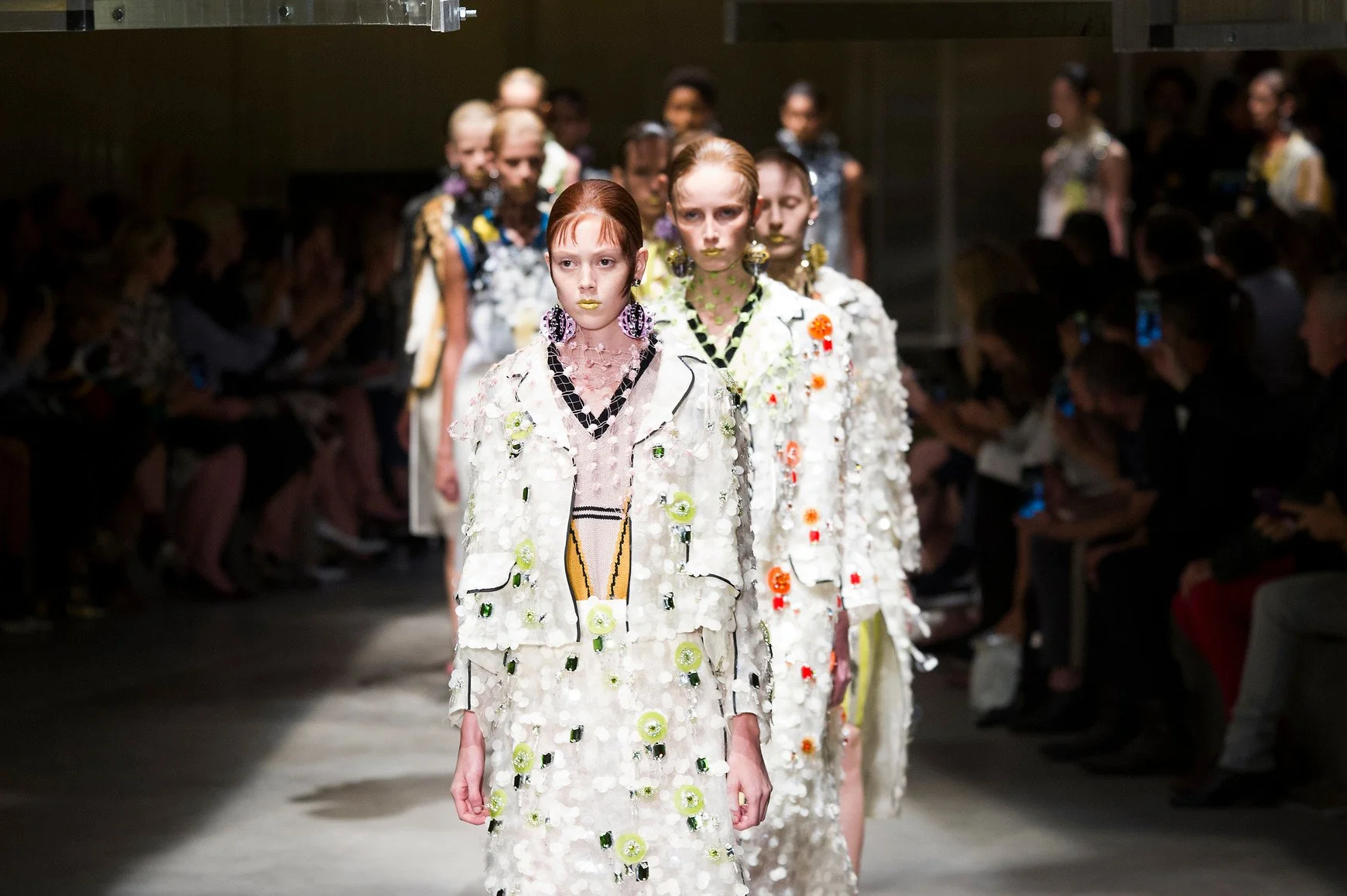
Dior, still carrying the signature of Raf Simons, offered purist minimal chic clean lines, quiet elegance, a sense of restraint that feels almost radical today. Prada, on the other hand, was in a world of stripes and 3D floral appliqués, a collection that remains astonishingly modern. Prada has always been my favourite brand, and 2016 was one of those seasons that reminds you why: intelligent, unexpected, deeply influential.
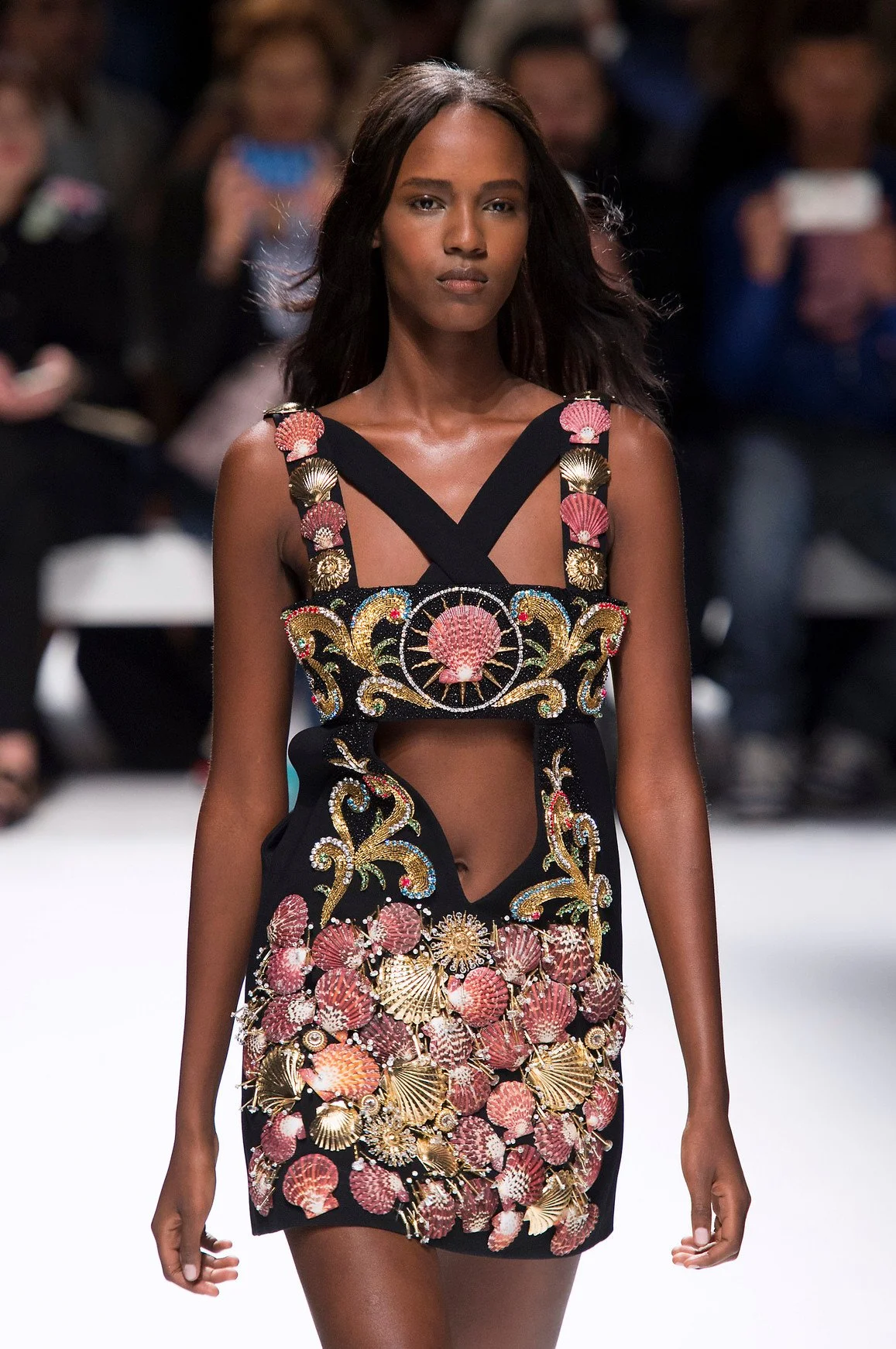
Moschino under Jeremy Scott was one of the most coveted tickets of Milan Fashion Week not just for the clothes, but for the experience. Summer 2016 was themed around roadwork, complete with traffic cones, hazard stripes, and construction‑site humour. It was maximalism at its most joyful.
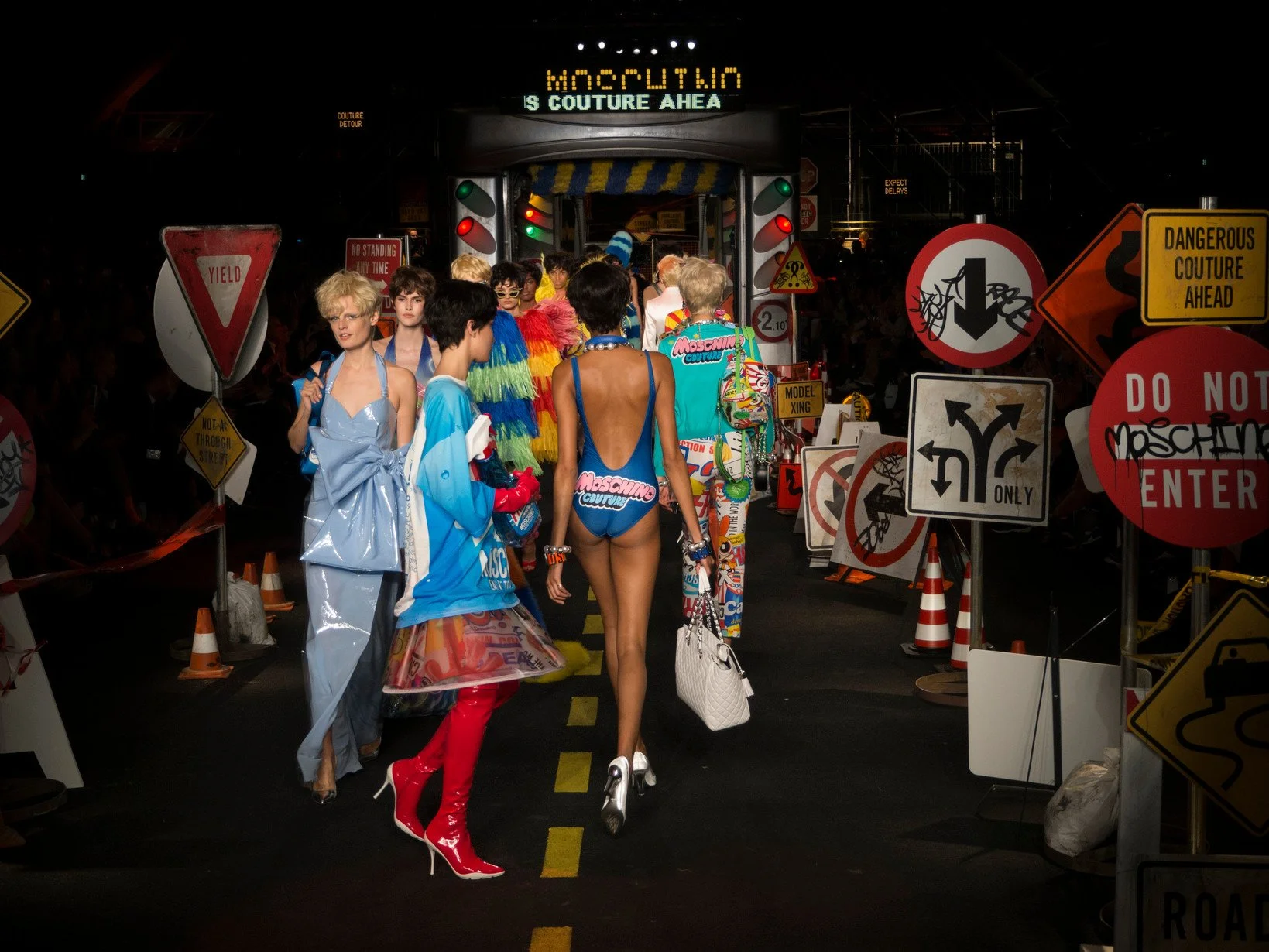
Moschino
Saint Laurent under Hedi Slimane was pure rock‑and‑roll youth transgressive, sharp, and culturally electric. Slimane has a rare ability to speak directly to a generation, to capture the energy of youth with precision. Everything at Saint Laurent was curated, down to the music composed for the show. I would personally love to see him at the helm of a major house again in 2026.
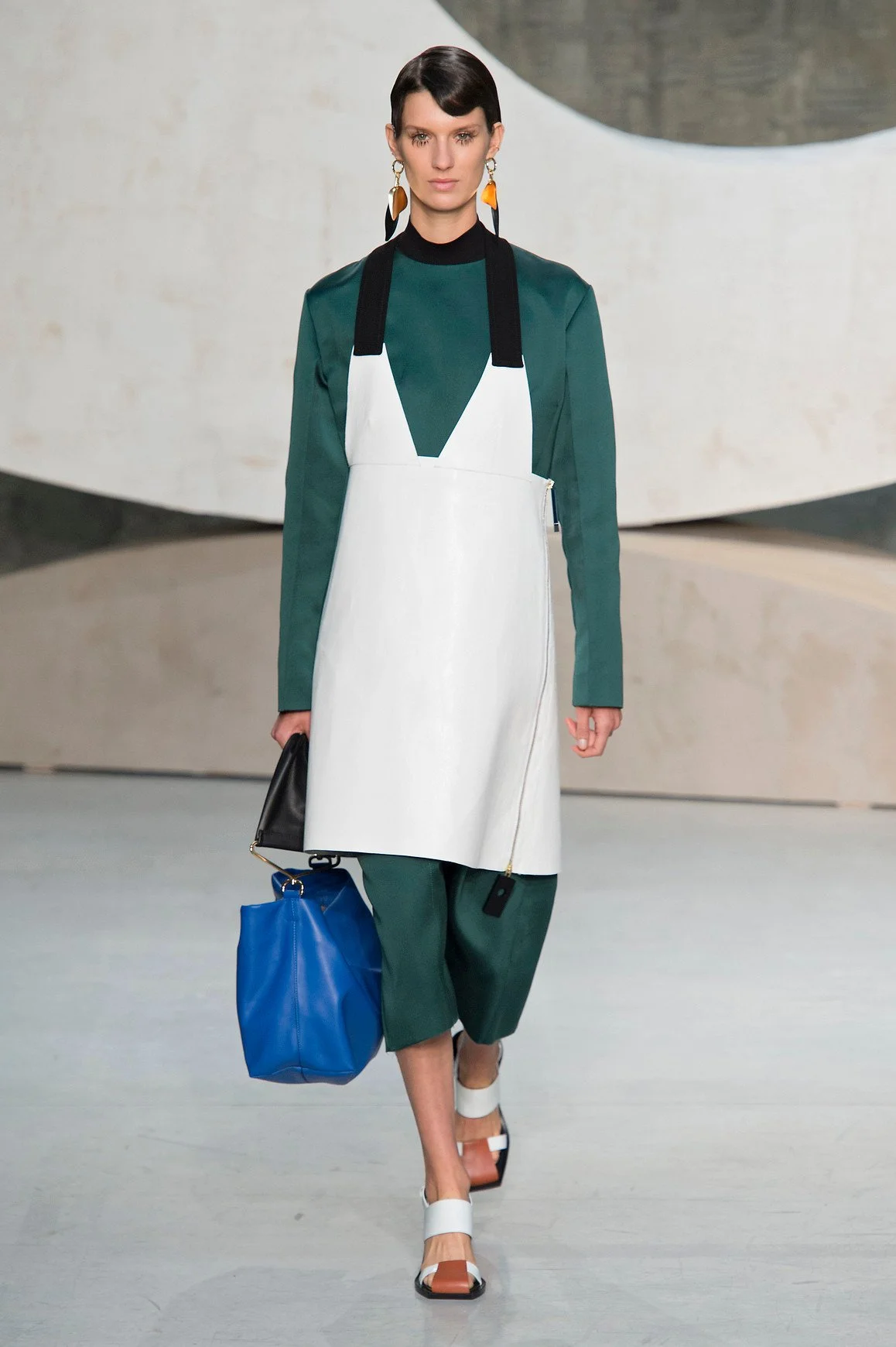
Marni sent aprons layered over looks a styling detail that felt eccentric then but now appears prophetic, especially as we see similar silhouettes emerging in the highly desirable Miu Miu collections of today.
Looking back at the 2016 collections made me realise something essential: the importance of buying iconic pieces and building a personal archive. It explains why Gen Z loves to raid their parents’ wardrobes because fashion lives through continuity. Trends return, silhouettes evolve, and the pieces we once loved become relevant again.
Sustainability is not only about organic fabrics or new materials. It is also about cherishing what we own, buying pieces we truly love, and embracing the beauty of pre‑loved. Fashion is alive, and it needs to be worn not replaced.
Revisiting 2016 reminded me that style is cyclical, memory‑driven, and deeply personal. And sometimes, all it takes is a forgotten photo or a fluffy dog’s travel montage to bring an entire era back to life.