
Effortless Chic and Quiet Luxury: The Timeless Style of Birkin, Bardot & Bessette
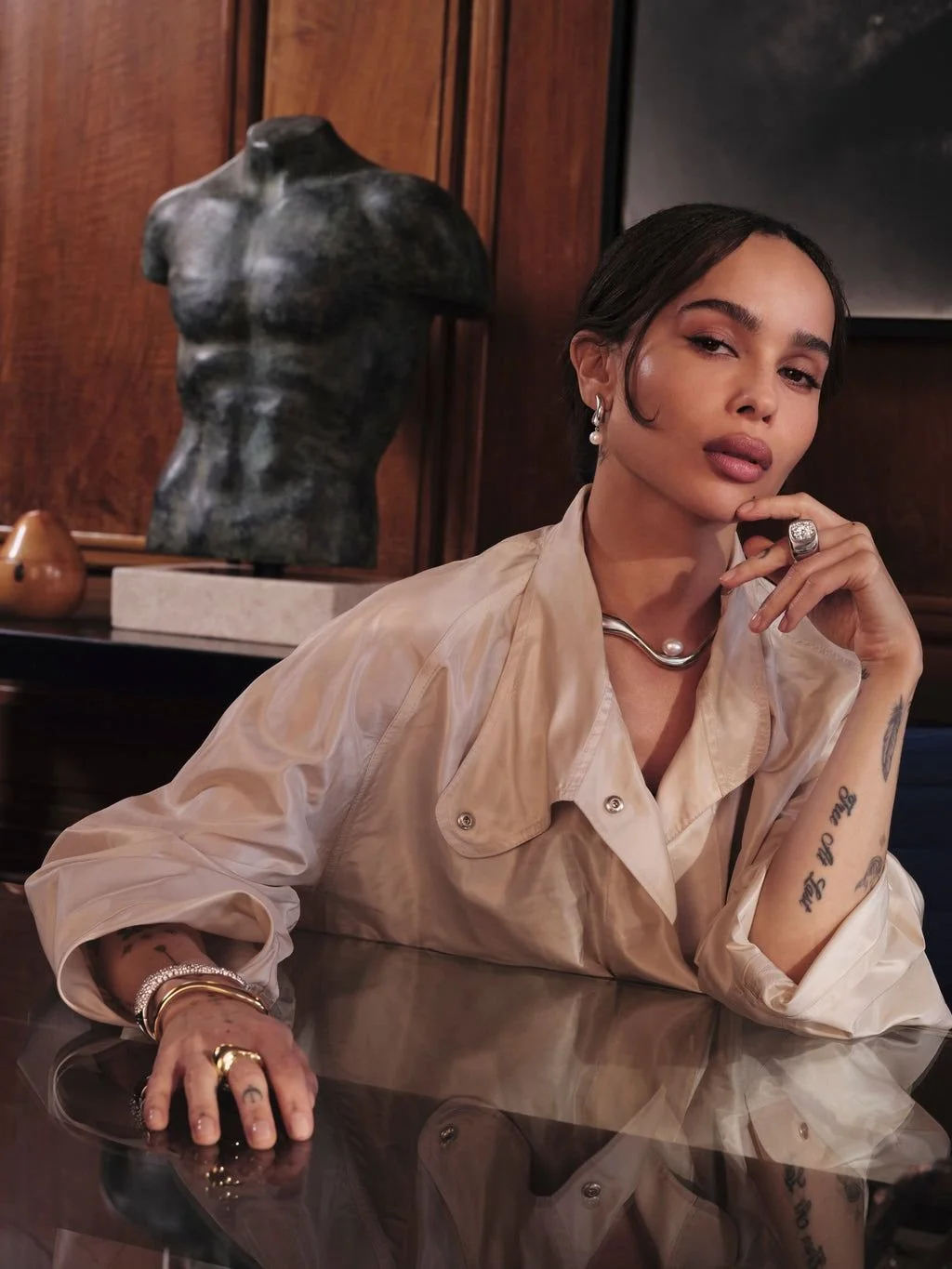
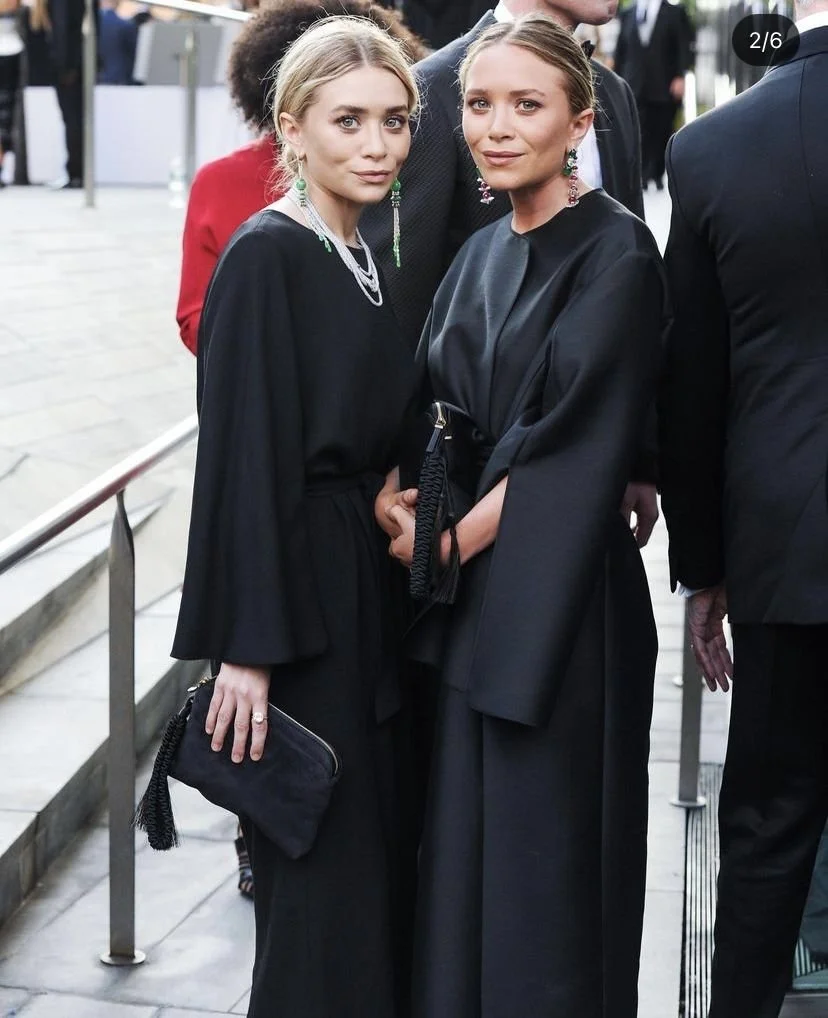
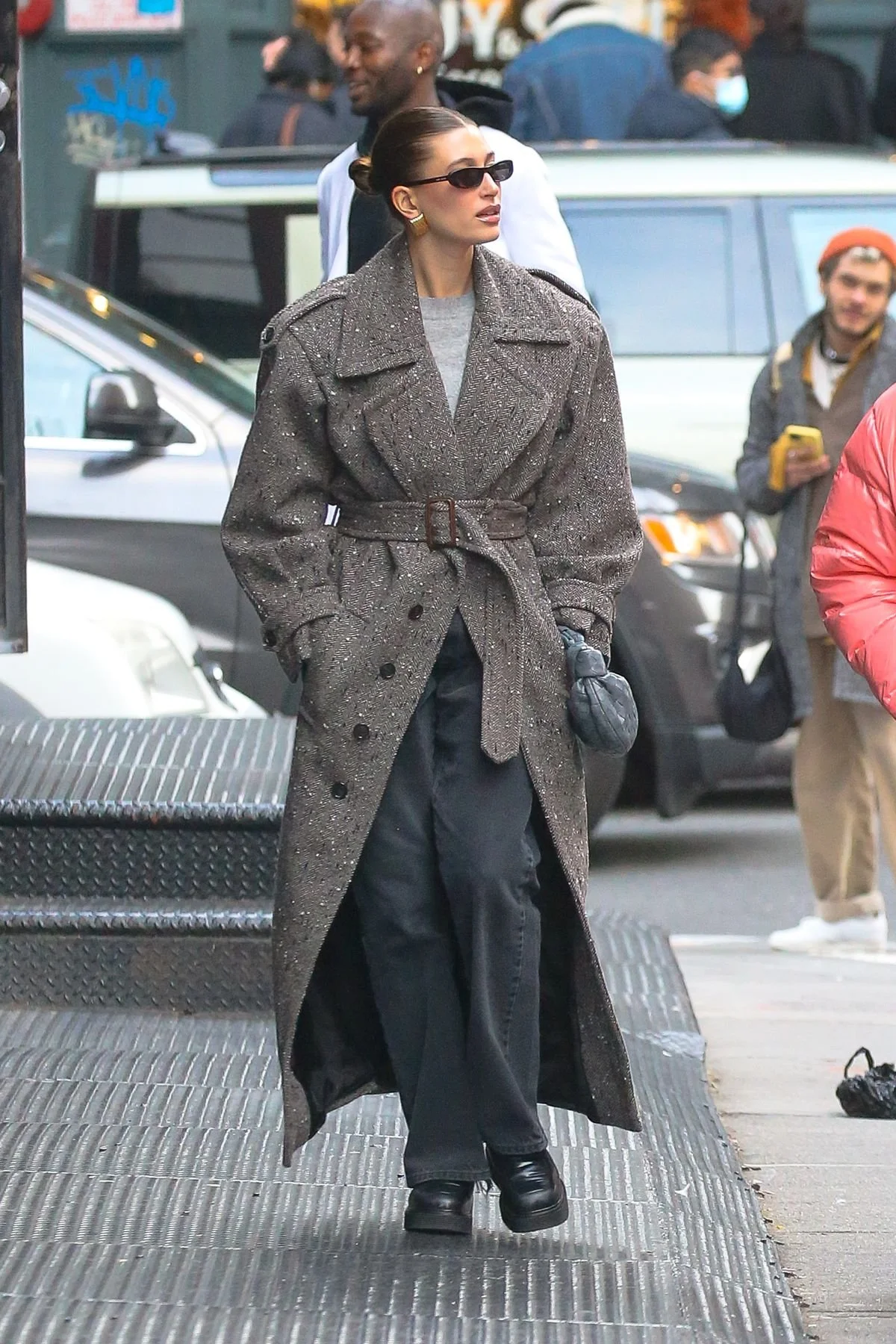
There are styles that demand attention, and then there are styles that simply have it. Effortless chic belongs to the latter a way of dressing that whispers rather than shouts, that suggests confidence without spectacle, and that has become the unofficial uniform of those who understand that true luxury is never loud. It is a style rooted in ease, instinct, and a certain nonchalance that cannot be faked. And while the term has been adopted globally, its origins trace back to a handful of women who defined a new kind of elegance long before “quiet luxury” became a trend.
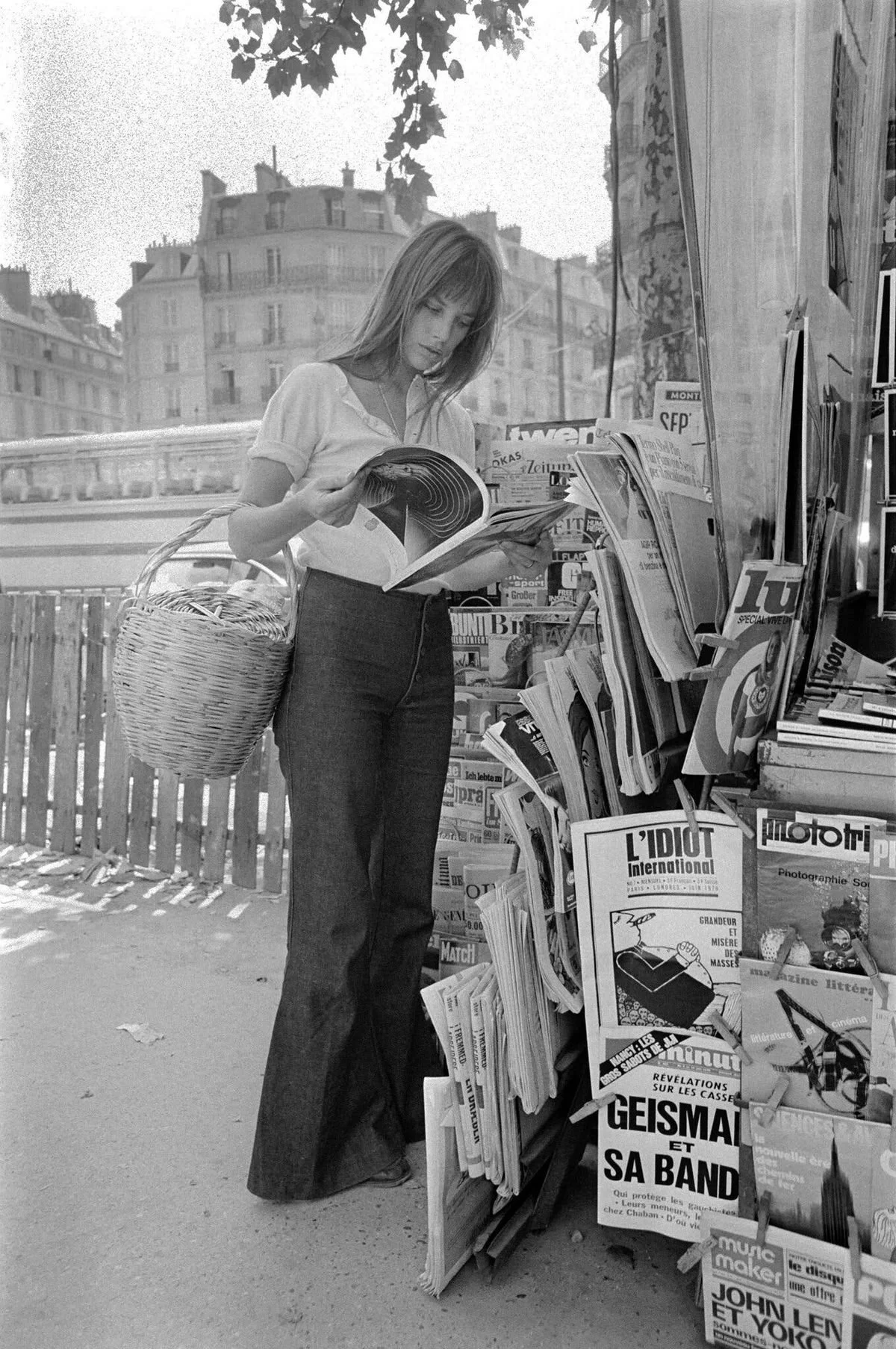
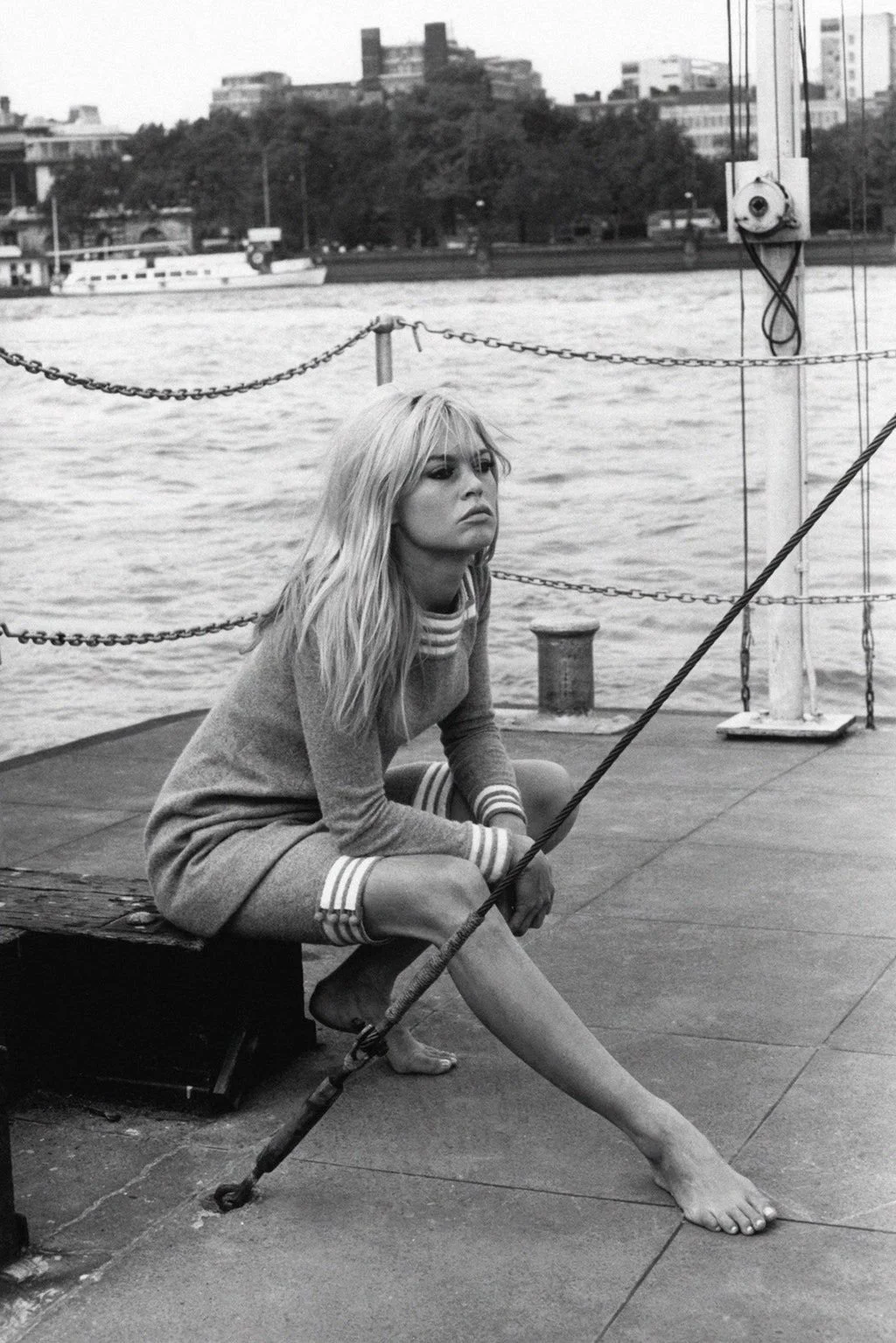
Jane Birkin and Brigitte Bardot were the pioneers of this aesthetic. In the 1960s and ’70s, when American icons were polished to perfection hair set, makeup immaculate, silhouettes sculpted the French muses appeared almost rebelliously undone. Birkin’s fringe was often a little messy, her T‑shirts slightly rumpled, her jeans worn in. She carried a market straw basket long before it became a fashion item, and later, her beloved Hermès Birkin bag looked lived‑in, softened, and used never treated as a trophy. Bardot, with her tousled hair, ballet flats, gingham dresses, and sun‑kissed skin, embodied a sensuality that felt spontaneous rather than styled.
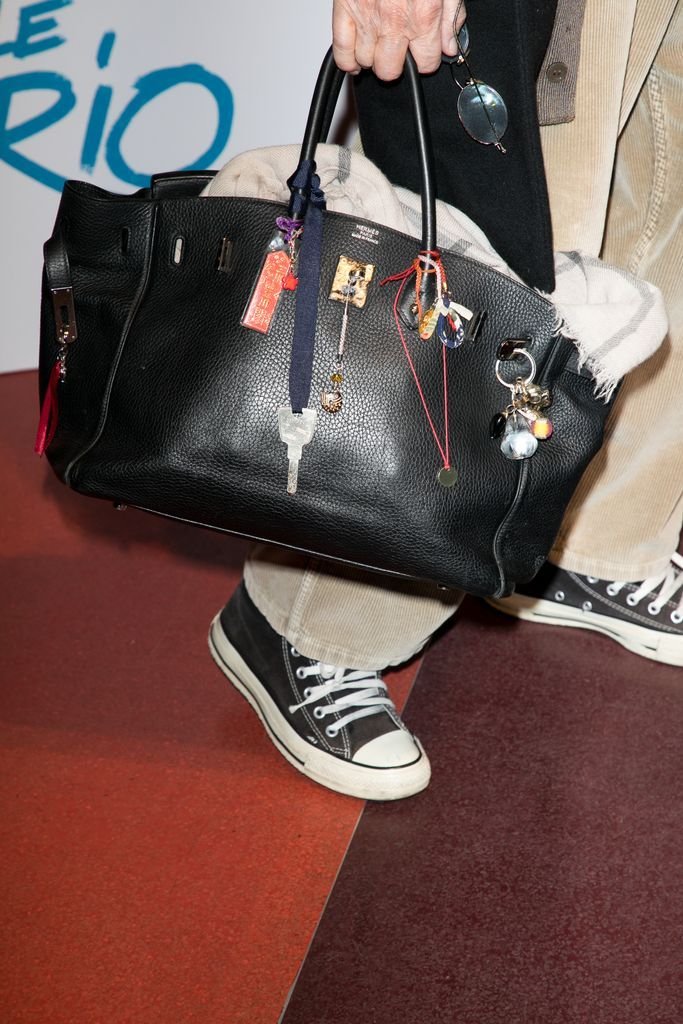
Jane Birkin Hermes Bag
Jane Birkin never set out to create an icon she simply lived with an ease so authentic that even her handbag became a cultural phenomenon. The Hermès Birkin was born from her need for a practical, beautifully crafted bag, yet she treated it with the same nonchalance she brought to her style. Her Birkins were softened by life: overflowing with notebooks, stickers, charms, and the marks of daily use. In Birkin’s hands, the world’s most coveted luxury bag became a symbol of effortless chic proof that true elegance lies not in perfection, but in personality. She transformed the Birkin from a status symbol into a lived‑in companion, redefining what timeless luxury looks like
The French called it le style parisien, but the truth is that it was less about Paris and more about attitude. Effortless chic was never about neglect; it was about intention disguised as ease. It was the art of looking incredible without appearing to have tried a skill that only a few truly master.
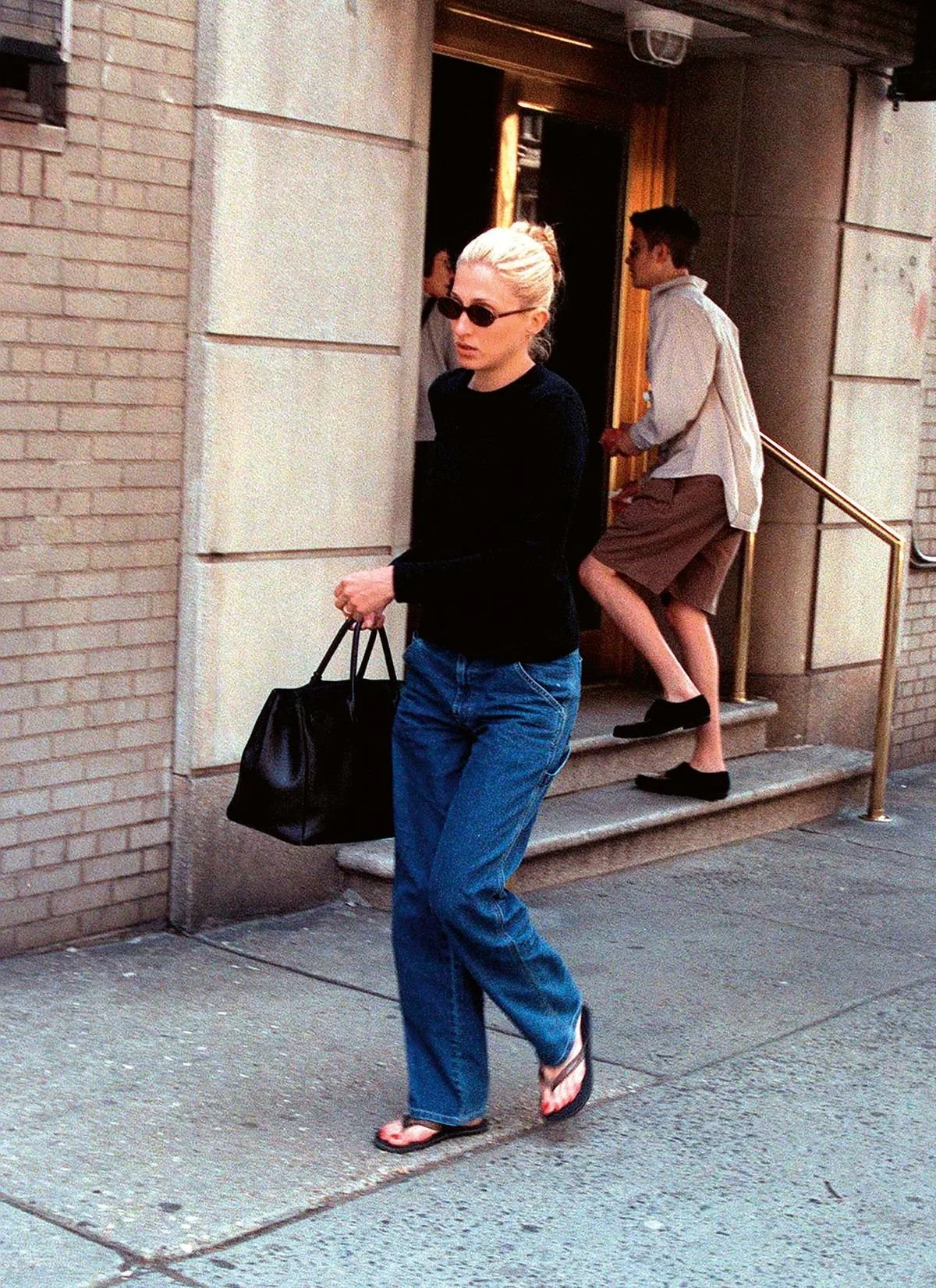
As decades passed, the aesthetic evolved but never disappeared. In the 1990s, Carolyn Bessette‑Kennedy became its American incarnation. Her wardrobe crisp white shirts, black turtlenecks, bias‑cut skirts, minimal makeup, and that iconic low bun defined a new era of understated luxury. She was the antithesis of the maximalist supermodel glamour of the time. Her style was quiet, architectural, and deeply modern. Today, she remains one of the most referenced figures in minimalist fashion, her influence visible everywhere from Calvin Klein runways to contemporary street style.
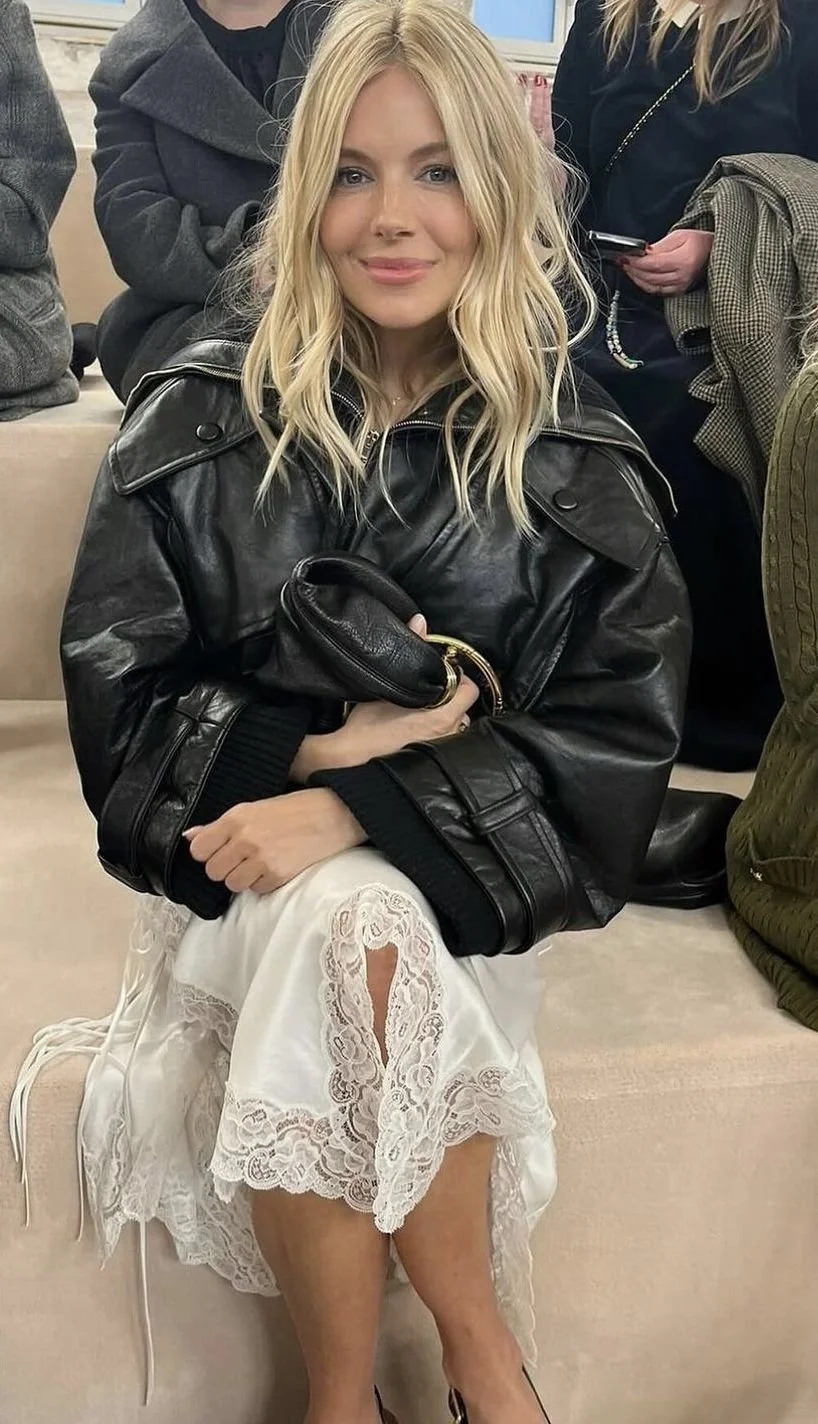
The Olsen twins carried the torch into the 2000s and beyond. With The Row, they created the ultimate expression of timeless luxury: impeccable tailoring, monastic silhouettes, and materials chosen with almost obsessive precision. Their personal style — oversized coats, slouchy knits, worn‑in bags, and a palette of blacks, creams, and greys became the visual language of a generation seeking authenticity over spectacle. Like Birkin, they were often photographed carrying bags softened by use, proving that true luxury lives in longevity, not novelty.
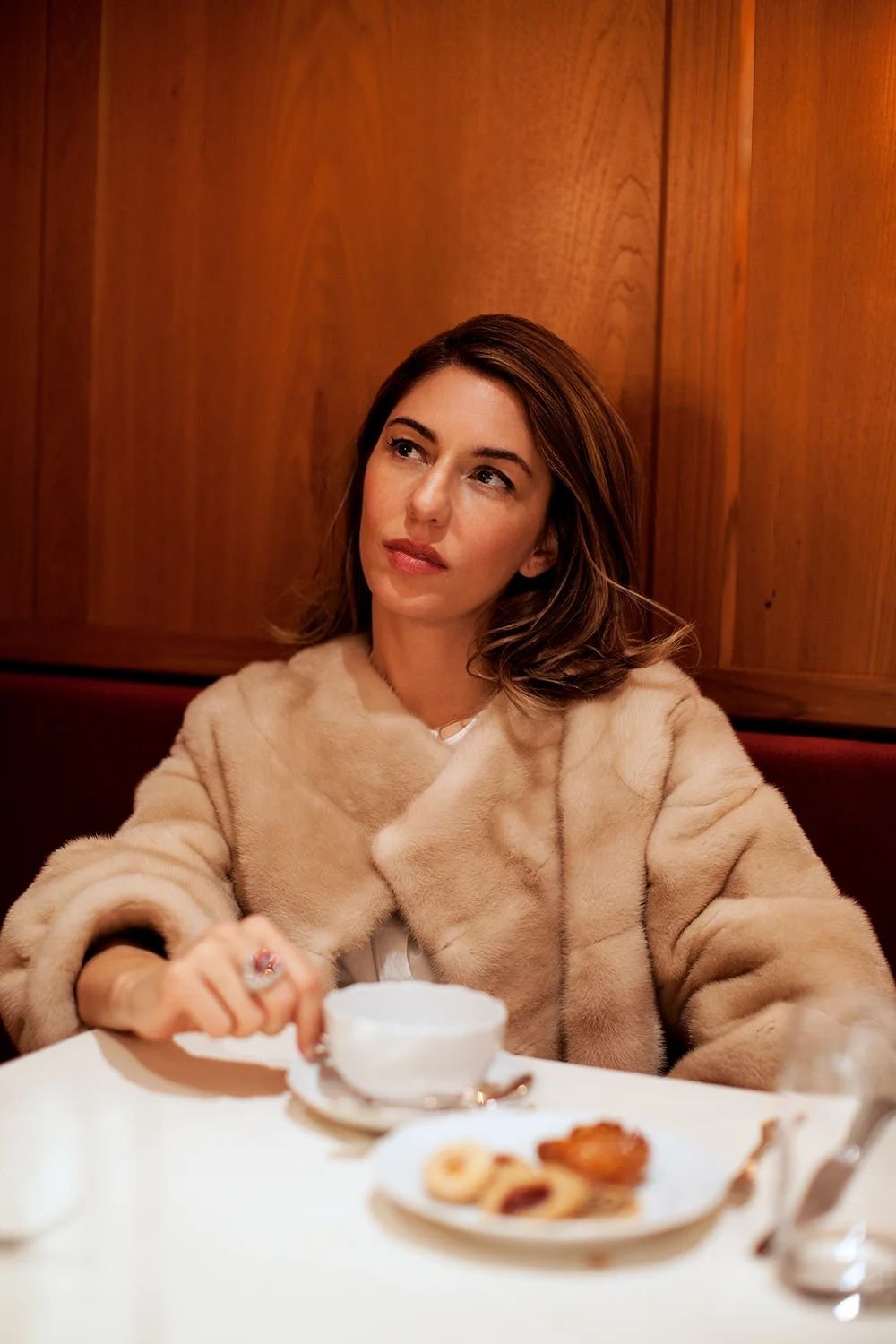
Other modern icons have shaped the effortless aesthetic in their own ways. Kate Moss, with her slip dresses, vintage furs, and rock‑and‑roll insouciance, made imperfection aspirational. Sofia Coppola brought a cinematic softness to minimalism ballet flats, A‑line skirts, and her beloved Louis Vuitton SC bag. Gwyneth Paltrow’s 1990s red‑carpet looks especially her pared‑back tailoring remain a masterclass in simplicity. More recently, Zoë Kravitz, Sienna Miller, and Jeanne Damas have carried the effortless torch into the 2020s, each adding their own interpretation of undone glamour.
But the question remains: Is effortless chic the style of “old money” and cool?
In many ways, yes. Old money style has always been defined by restraint. It avoids logos, rejects flashiness, and prioritizes quality over trend. Effortless chic aligns perfectly with this philosophy. It is the uniform of those who do not need to prove anything those who understand that confidence is the ultimate accessory. But effortless chic is not exclusive to wealth; it is accessible to anyone who values timelessness, craftsmanship, and personal ease.
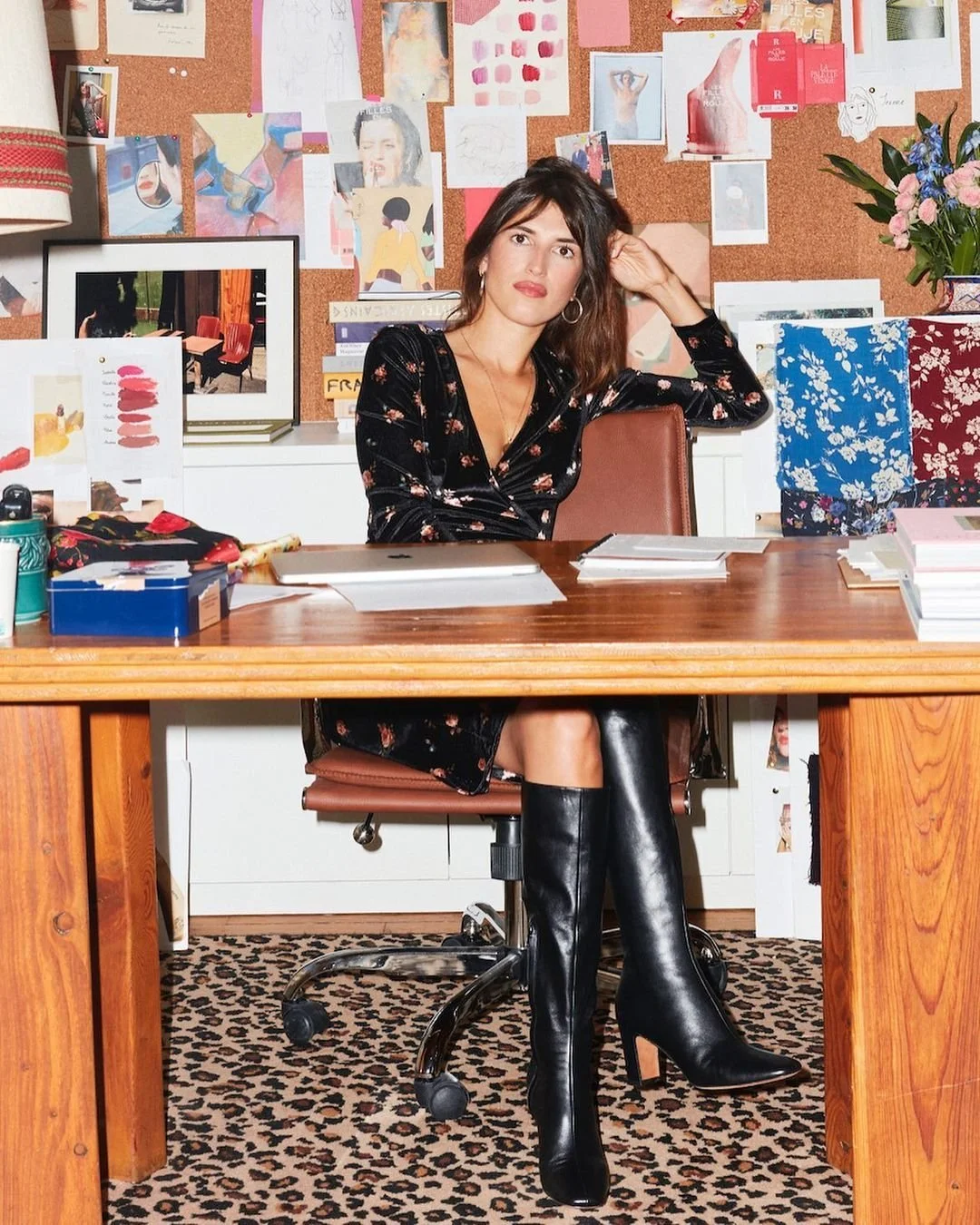
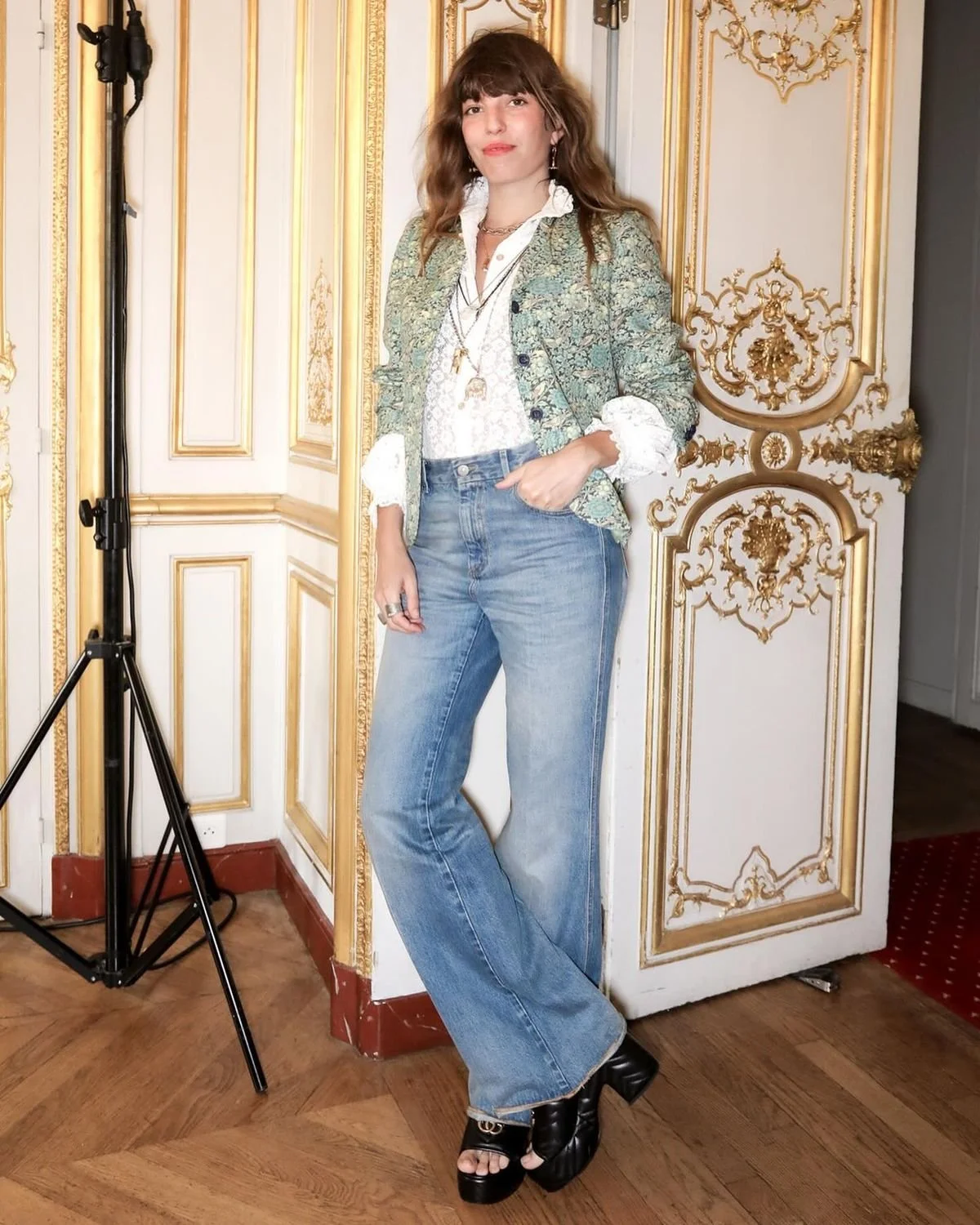
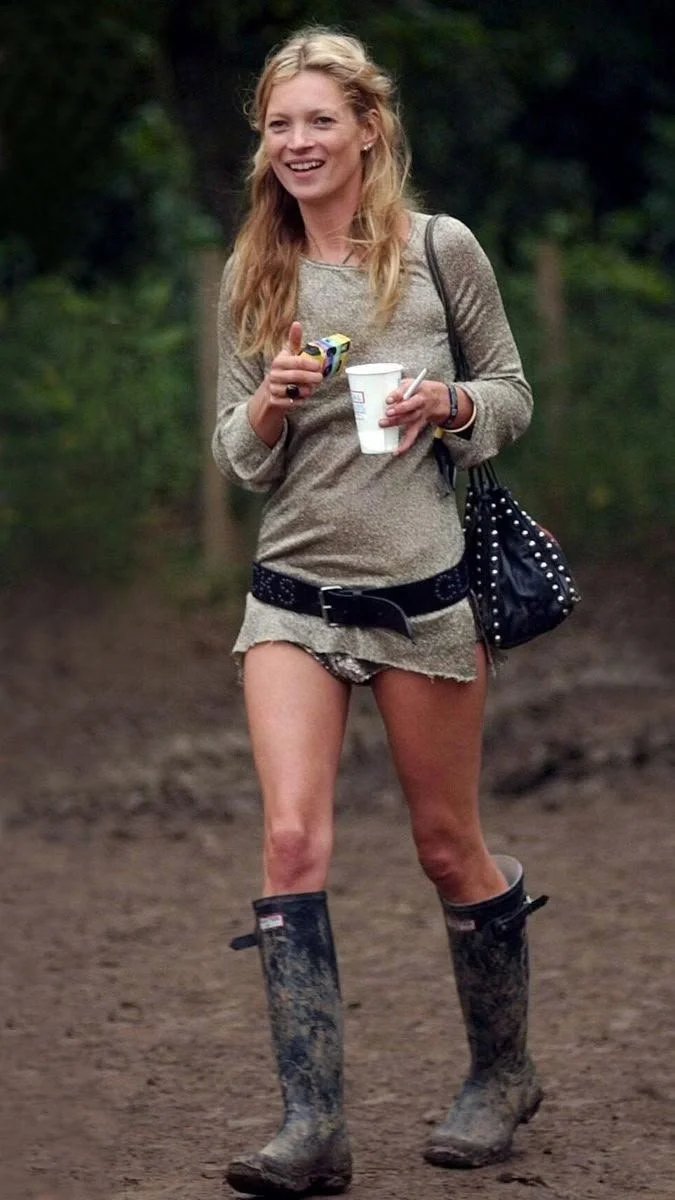
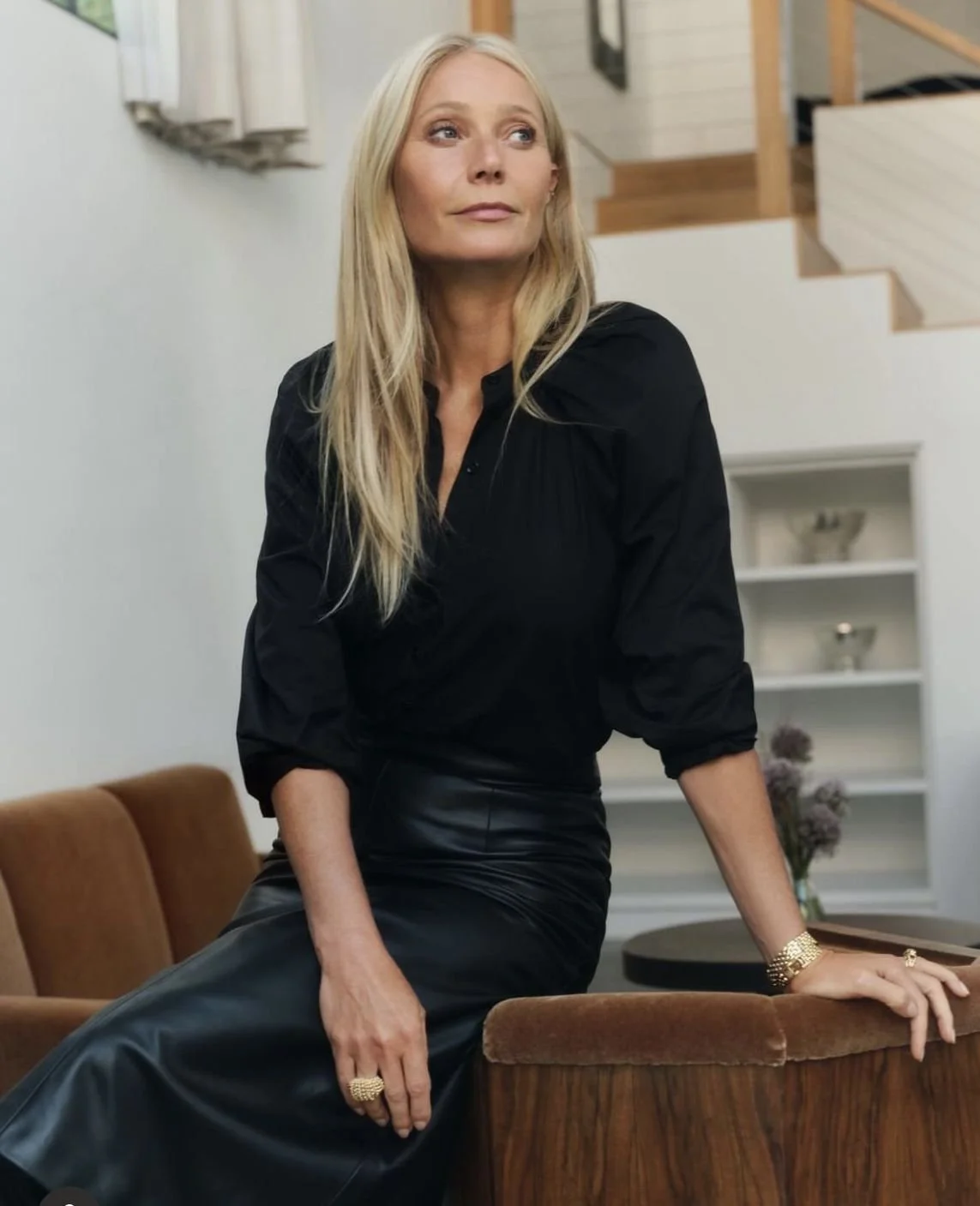
What makes the style so enduring is its emotional resonance. Effortless chic is not about looking perfect; it is about looking real. It is the soft crease in a linen shirt, the undone hair that still looks intentional, the vintage bag that carries stories. It is luxury stripped of pretension a celebration of individuality, comfort, and quiet confidence.
In a world saturated with trends, algorithms, and over‑styled imagery, effortless chic feels like a breath of fresh air. It is a reminder that the most compelling style is the one that feels lived‑in, instinctive, and deeply personal. And perhaps that is why it remains endlessly relevant: because true elegance is not something you put on it is something you embody.