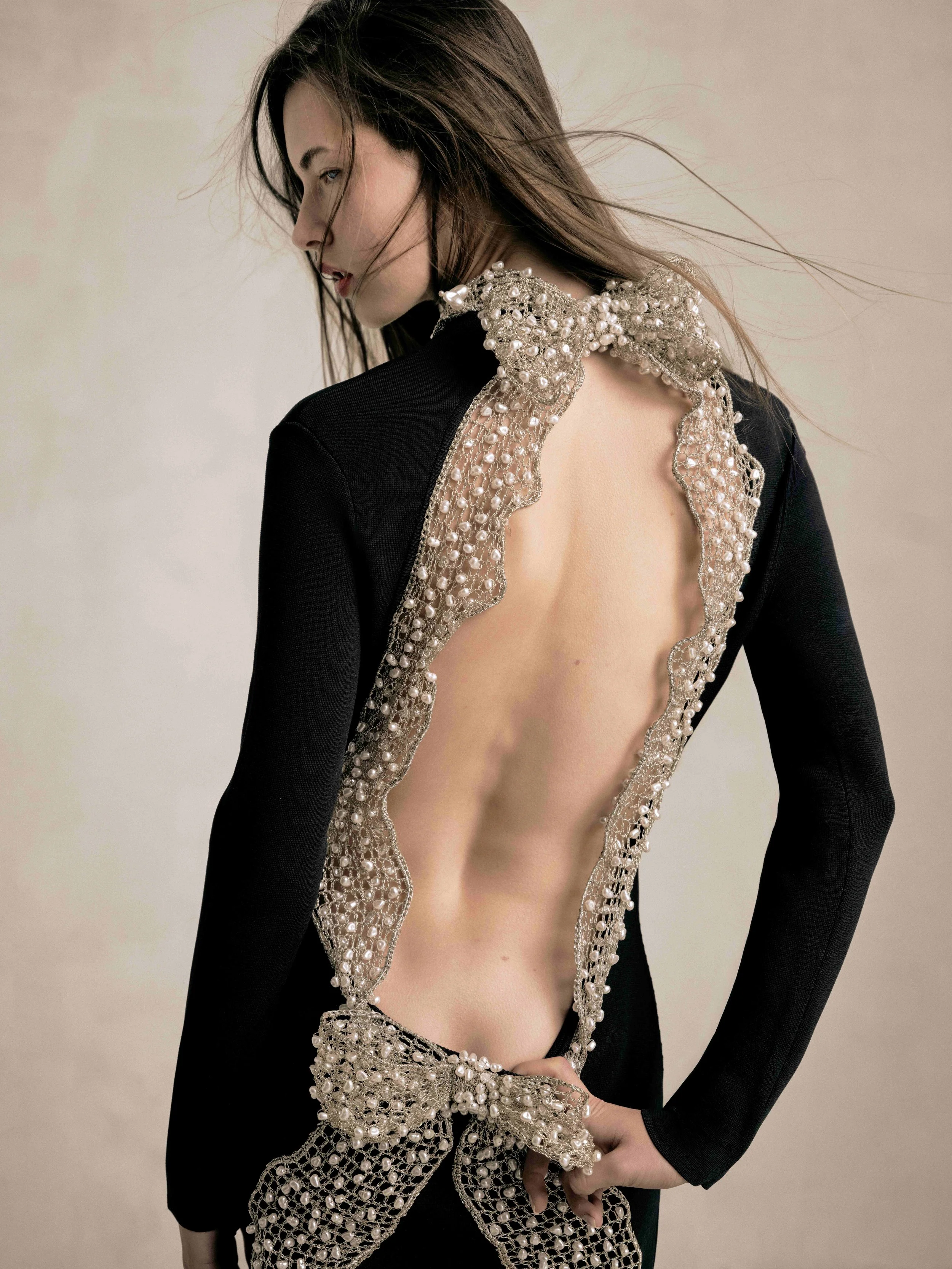
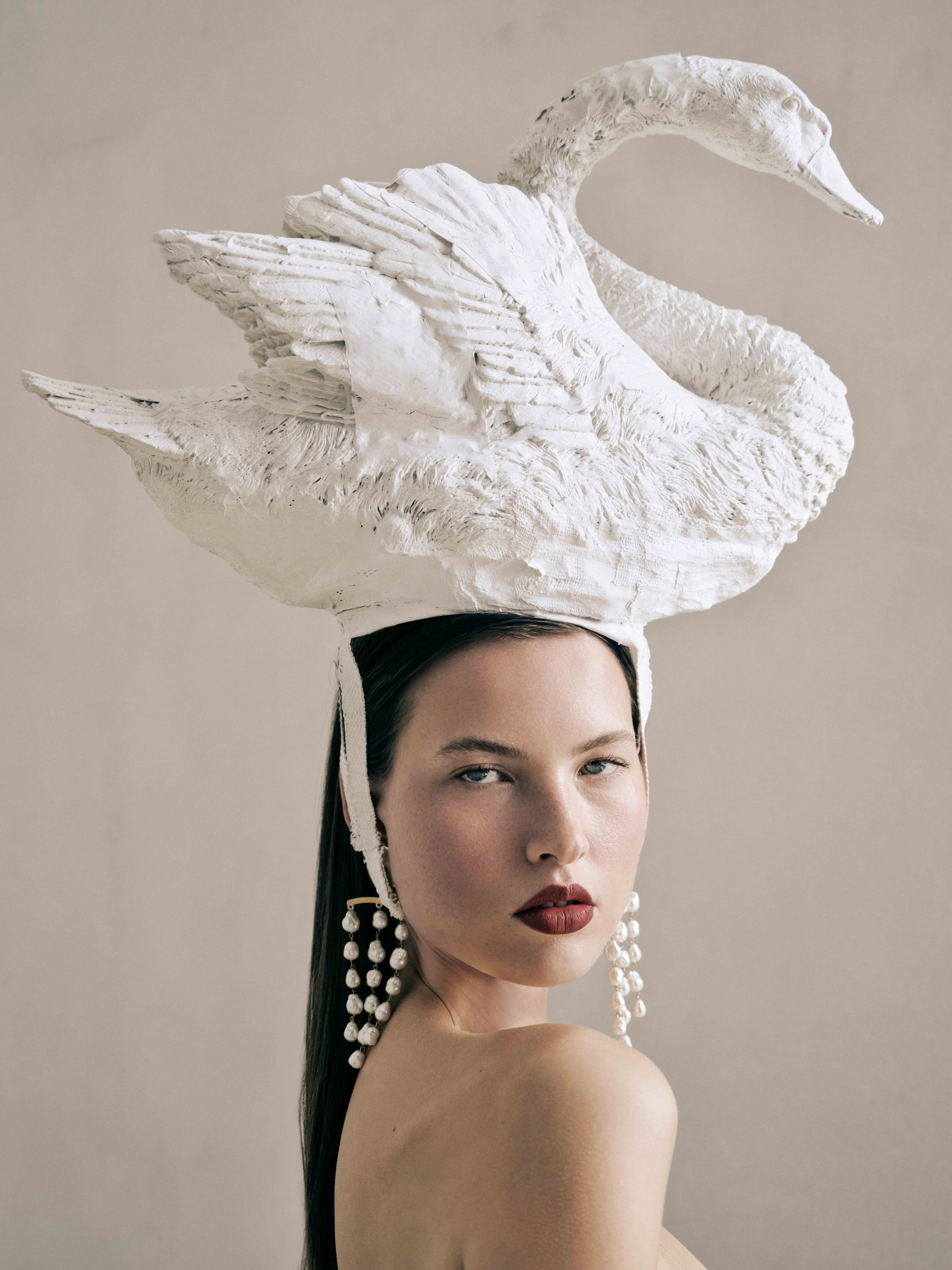
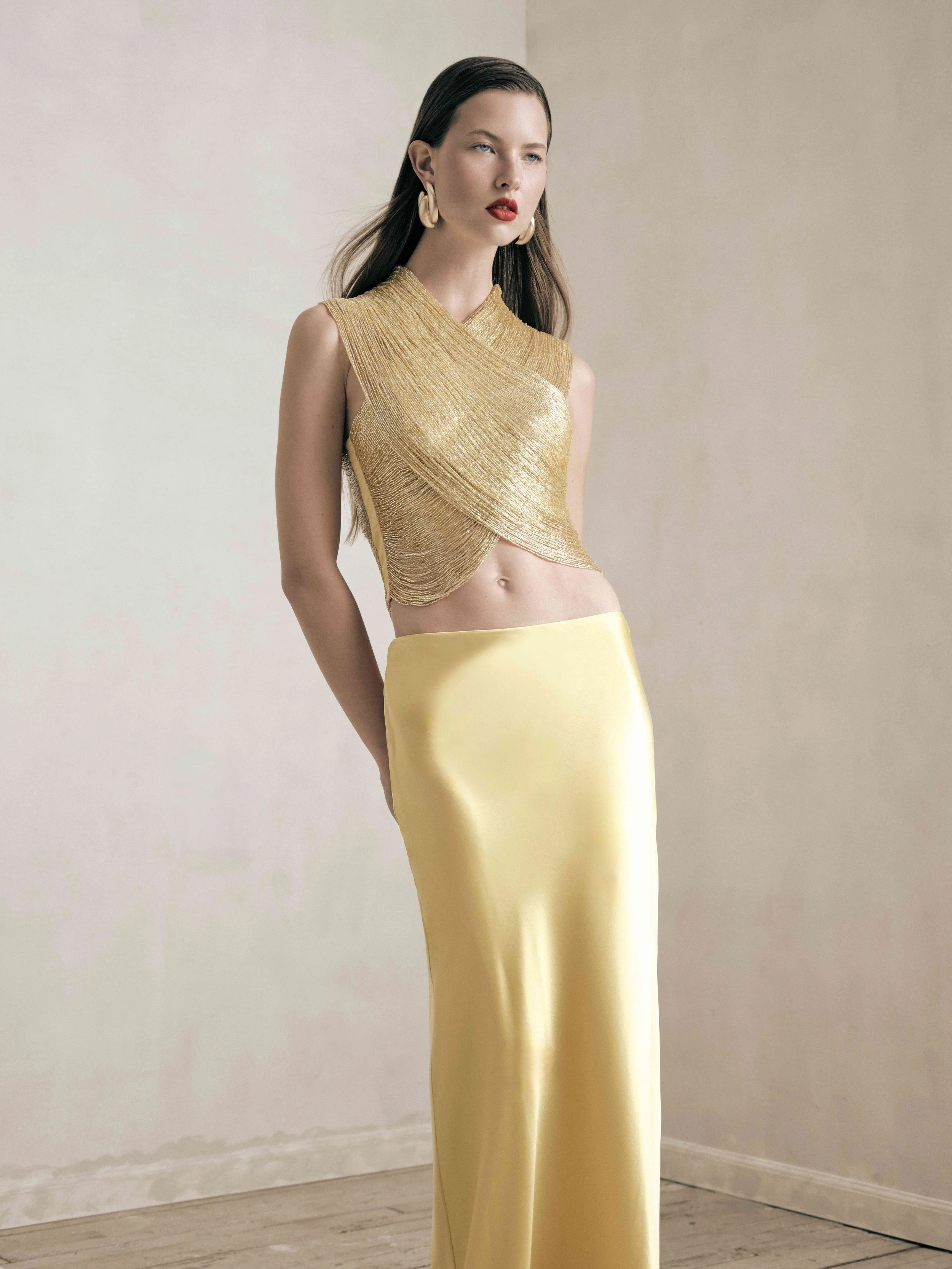
In the Spotlight: Jasmin Larian Hekmat on Cult Gaia’s Rise and Creative Vision
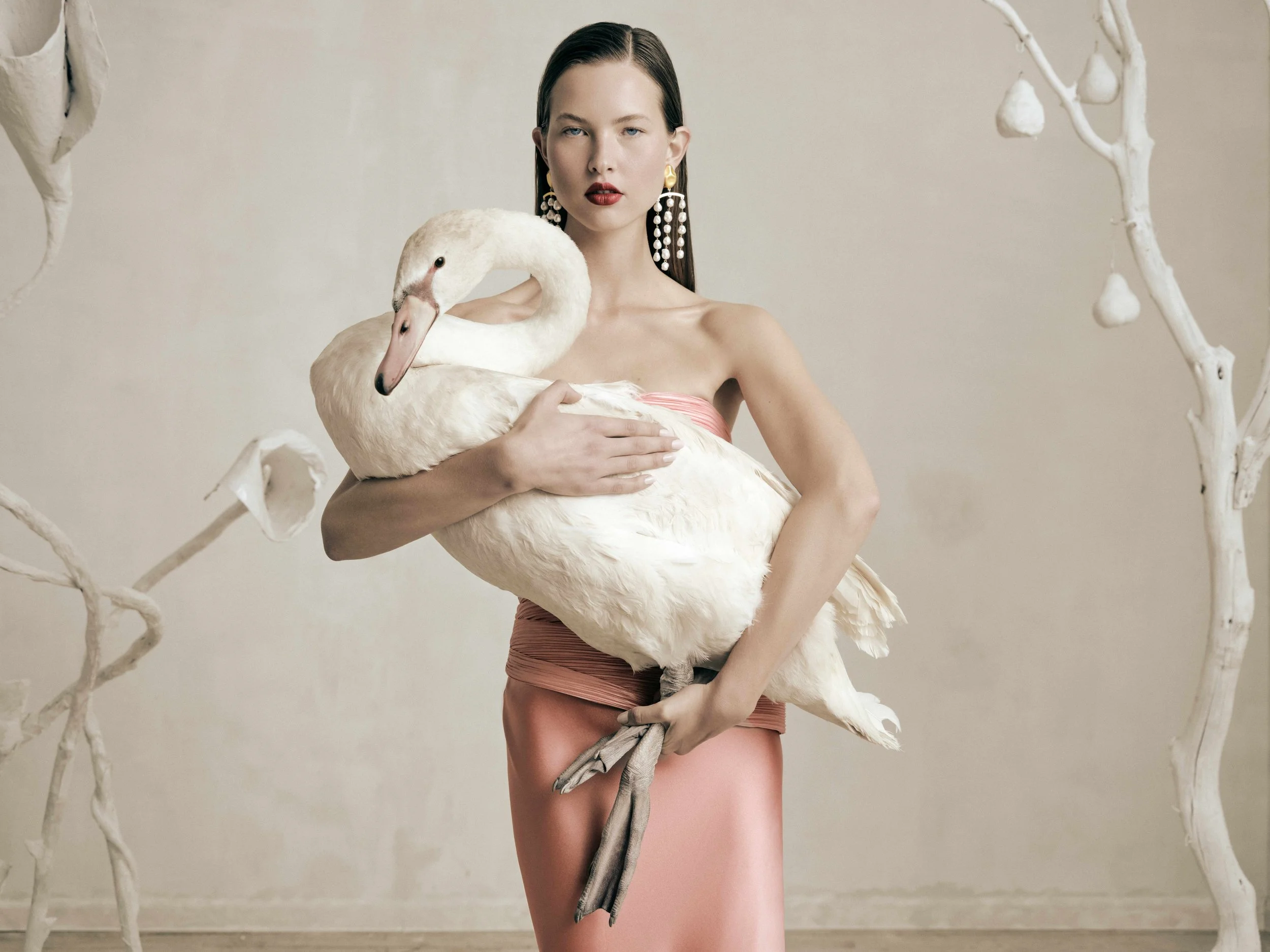
There are brands that follow trends, and then there are brands that shift the cultural landscape. Cult Gaia belongs firmly to the latter a Los Angeles label that rose from a single, sculptural phenomenon, the now‑iconic Ark bag, and evolved into a global fashion language of its own. At the helm is Jasmin Larian Hekmat, Founder and Creative Director, whose instinct for effortless glamour and architectural beauty has transformed Cult Gaia into one of the most influential contemporary brands of the decade.
In conversation, Jasmin reveals a world shaped by creativity from birth. Her father, the visionary behind the Bratz dolls, infused her childhood with a bold, avant‑garde sensibility a playful, fearless approach to style that still pulses through every Gaia silhouette. It’s this blend of imagination and precision that makes her designs feel both otherworldly and intimately wearable, pieces that turn the simple act of getting dressed into a moment of self‑expression.
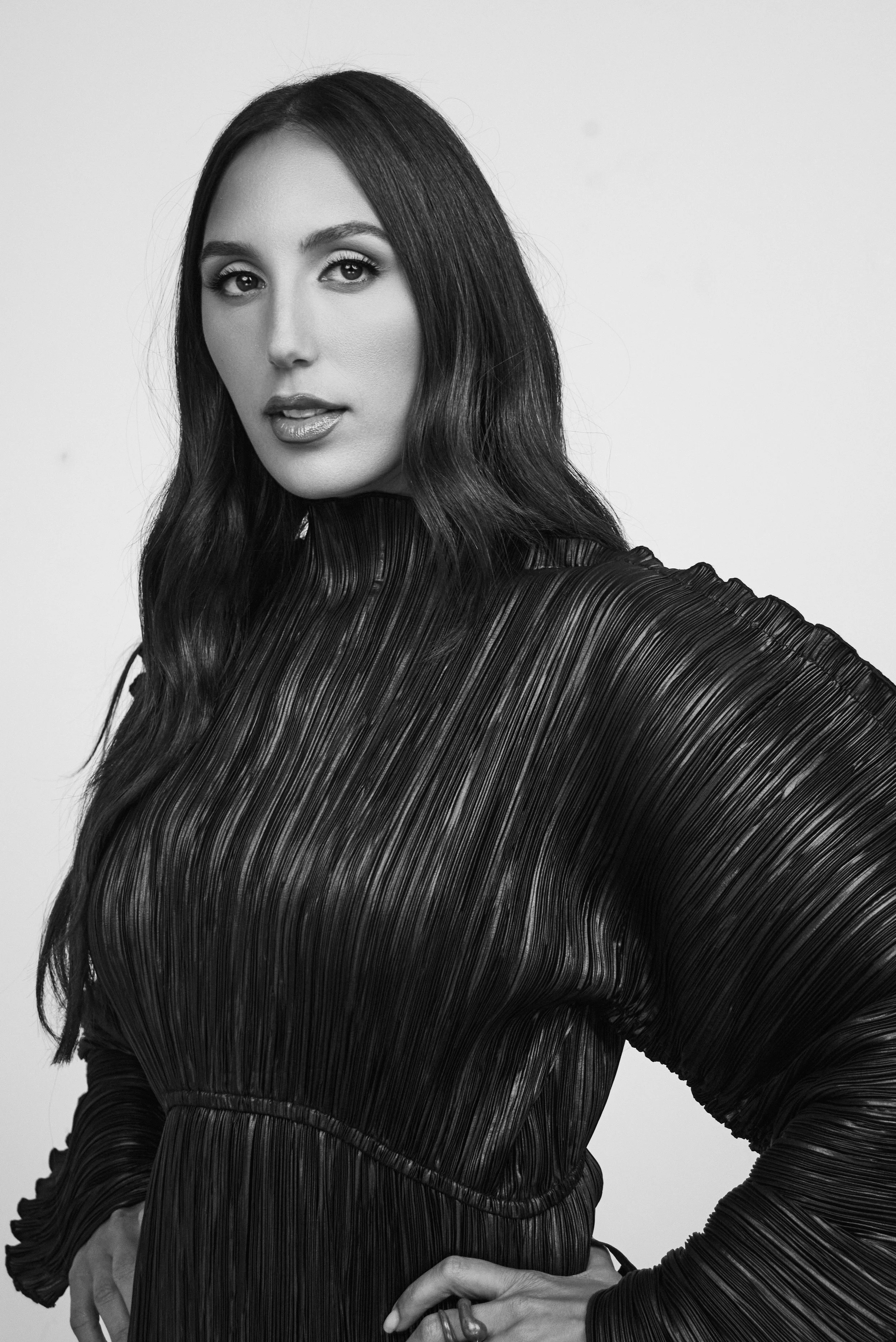
Jasmin Larian Hekmat
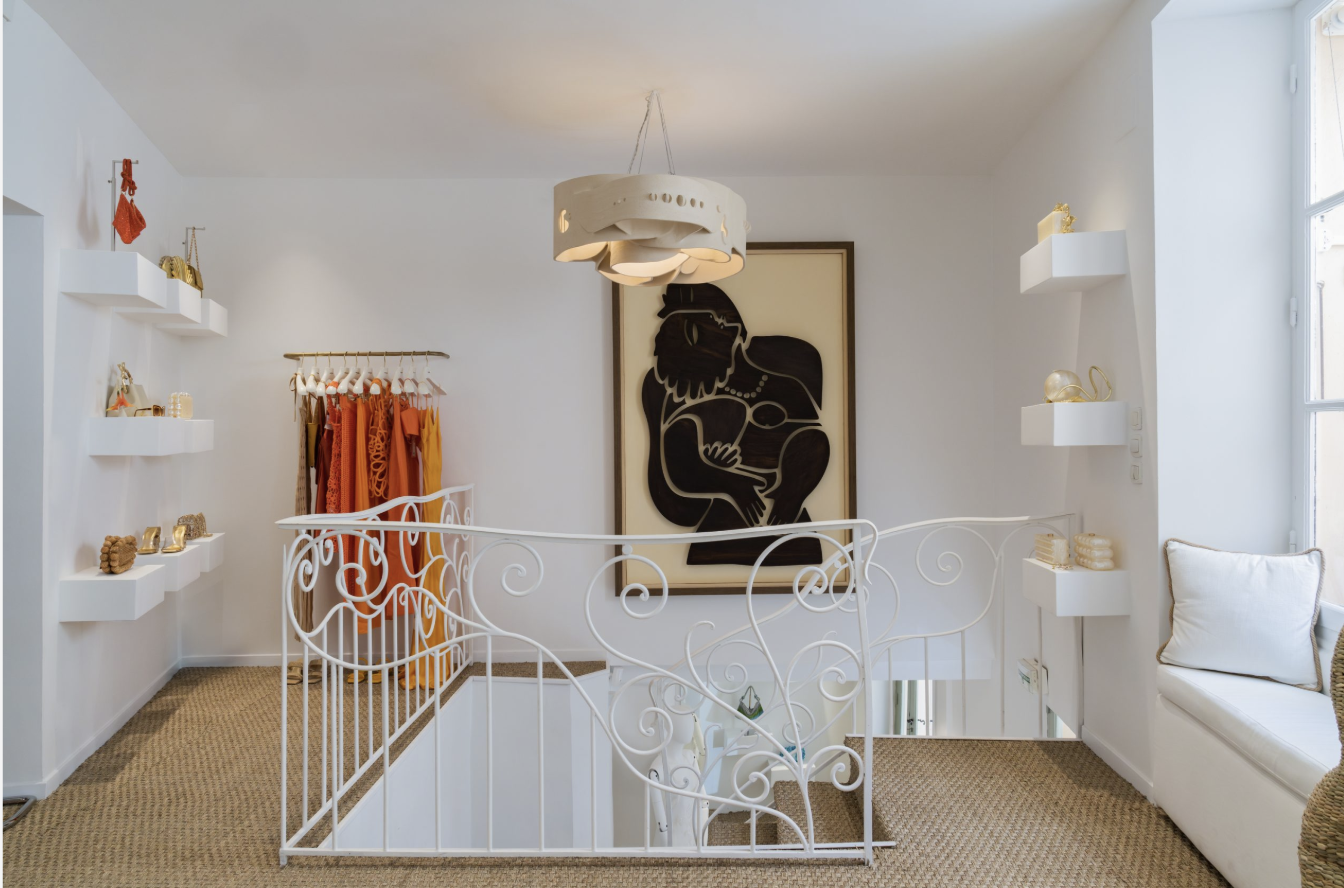
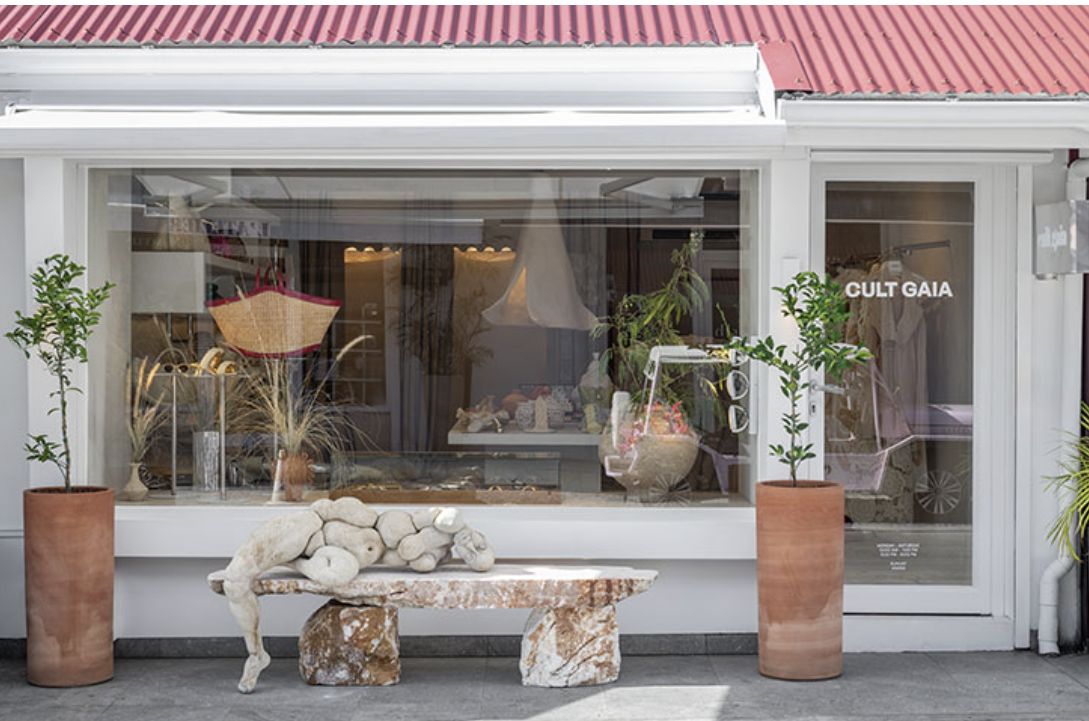
Our interview travels with her to the destinations that fuel her aesthetic: the sun‑drenched ease of St. Barth and the Riviera glamour of St. Tropez, places where beauty, sensuality, and spontaneity coexist. These landscapes luminous, carefree, and eternally chic — echo through Cult Gaia’s Holiday and Resort collections, which celebrate the art of dressing for joy, for escape, and for the kind of parties best enjoyed under a warm sky.
In this Luxury Endless exclusive, Jasmin opens up about building an international brand, the power of nostalgia, the magic of destination dressing, and why Cult Gaia continues to captivate women who want to feel both effortless and unforgettable.
Luxury Endless: Cult Gaia began with the iconic flower crown and evolved into a global brand. What was the original spark that made you believe this idea could become a movement?
Jasmin Larian Hekmat :It started very organically. I was making headpieces for friends, and people connected to them in a way that felt different. They weren’t just accessories; they felt like little sculptures with personality. I also saw the power in creating something instantly recognizable and pieces that sparked conversation the moment someone wore them. When I saw how people responded emotionally to objects that were handmade, artful, and unmistakable, I realized there was something bigger there. Not just a trend, but the beginning of a world I wanted to build.
The name Gaia references the goddess of Mother Earth. How does mythology and nature continue to shape your creative vision today?
Mythology and nature are constant touchstones for me because they both speak to the chaos and imperfection that is often intertwined with beauty. Gaia is the mother of all creation, and that energy lives in everything we make. I’m drawn to the stories behind ancient symbols and the way they embody strength, femininity, and transformation. Those themes quietly guide my creative decisions, whether it’s through organic forms, earthy materials, or a mood that feels both modern and mythic.
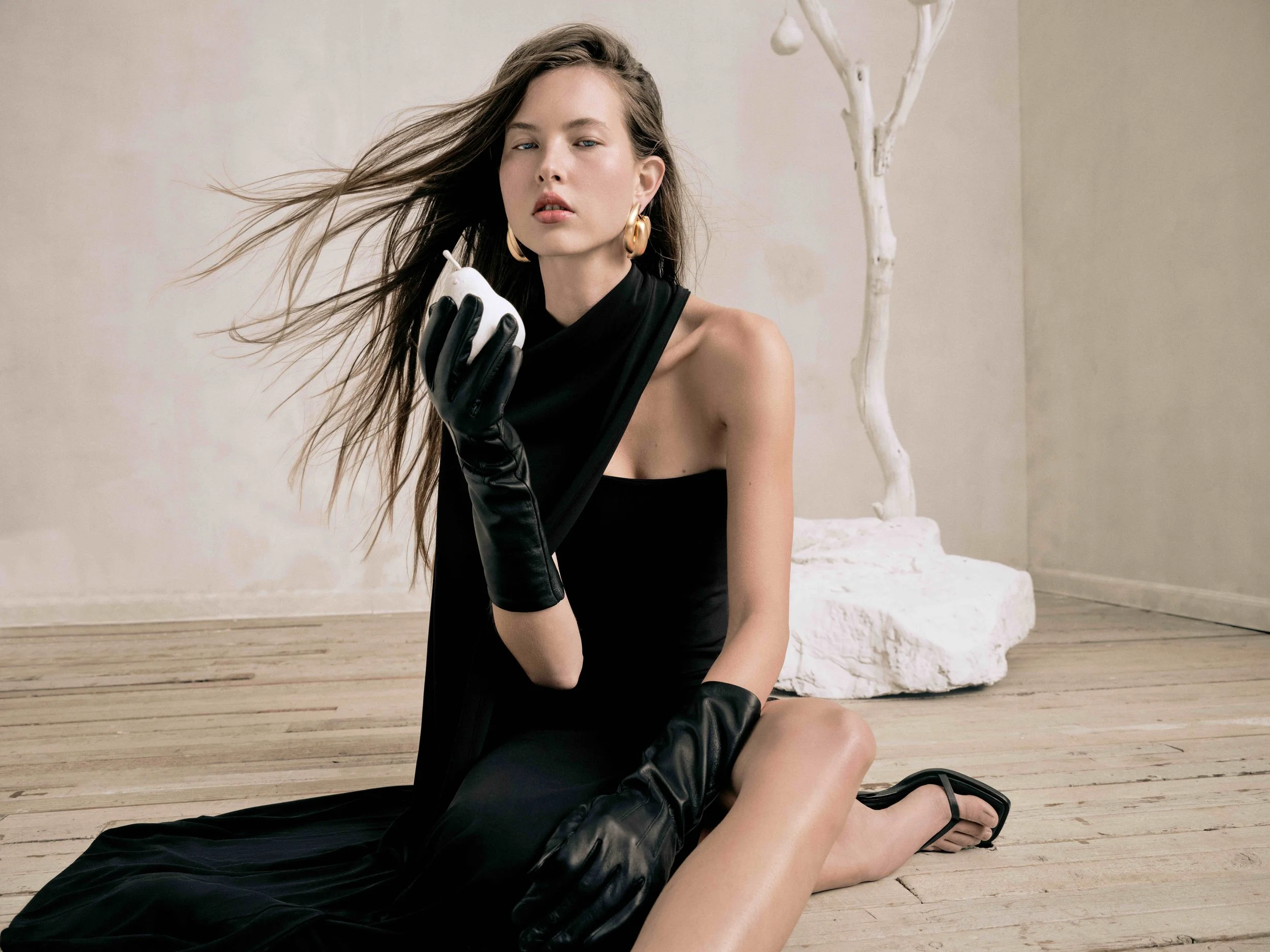
Your pieces are often described as Objets d’Art. How do you balance functionality with sculptural beauty in your designs?
I think of every piece as a bridge between art and everyday life. My goal is always to create something that feels sculptural and visually striking yet wearable. I start with the form and the emotion I want it to evoke, and then I work through the practicality. For me, beauty and functionality go hand in hand. A piece only feels complete when it has presence but also moves through life with ease. That’s when I know it’s truly in balance.
The Ark bag became a viral phenomenon. What do you think makes a product transcend fashion to become cultural iconography?
When a piece captures a feeling rather than a trend, it becomes larger than fashion. The Ark resonated because it felt nostalgic yet effortless. It tapped into a mood people wanted to share, photograph, and pass along. Cultural iconography happens when design becomes a symbol of a moment or mindset, and the Ark embodied that sense of ease and escape

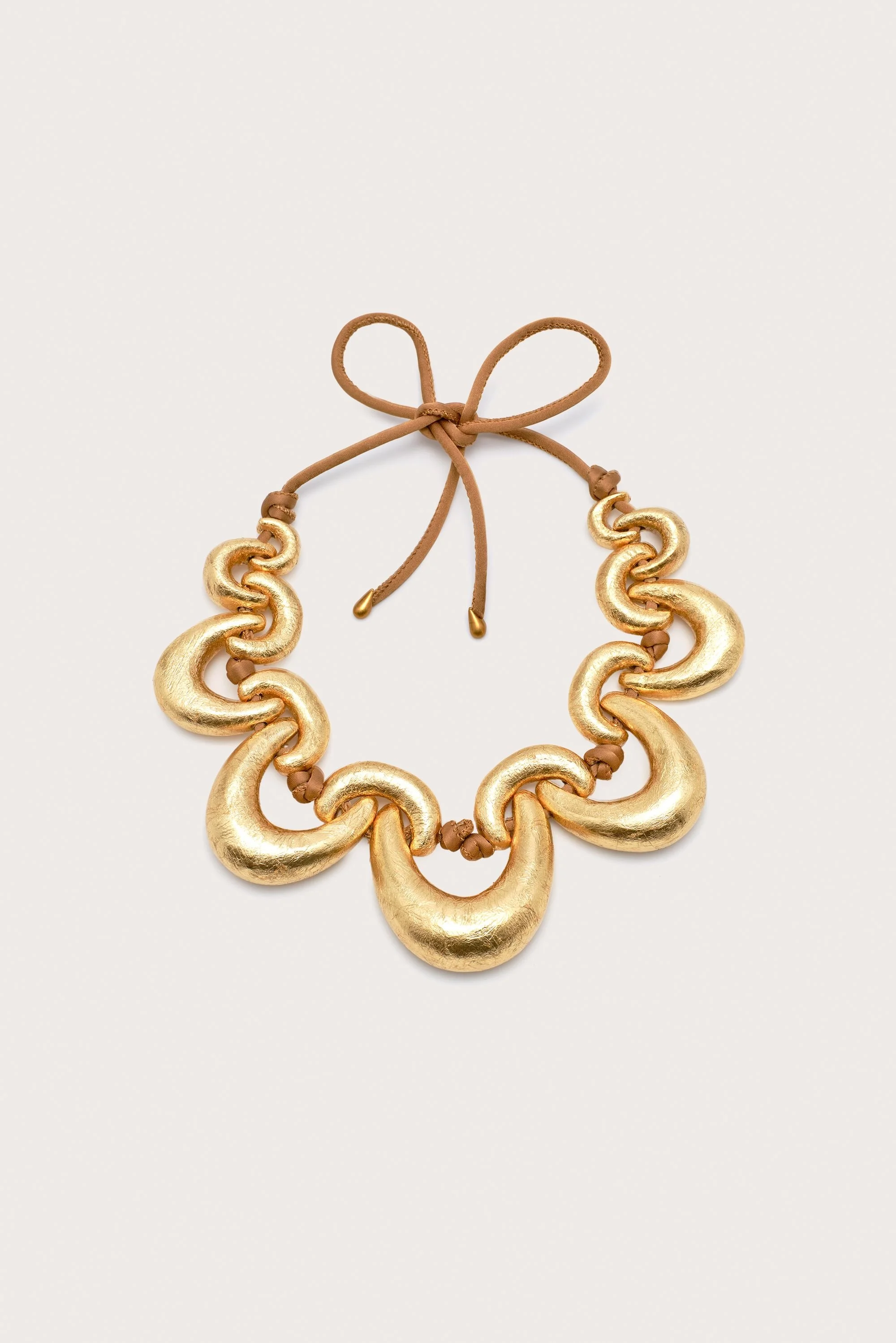
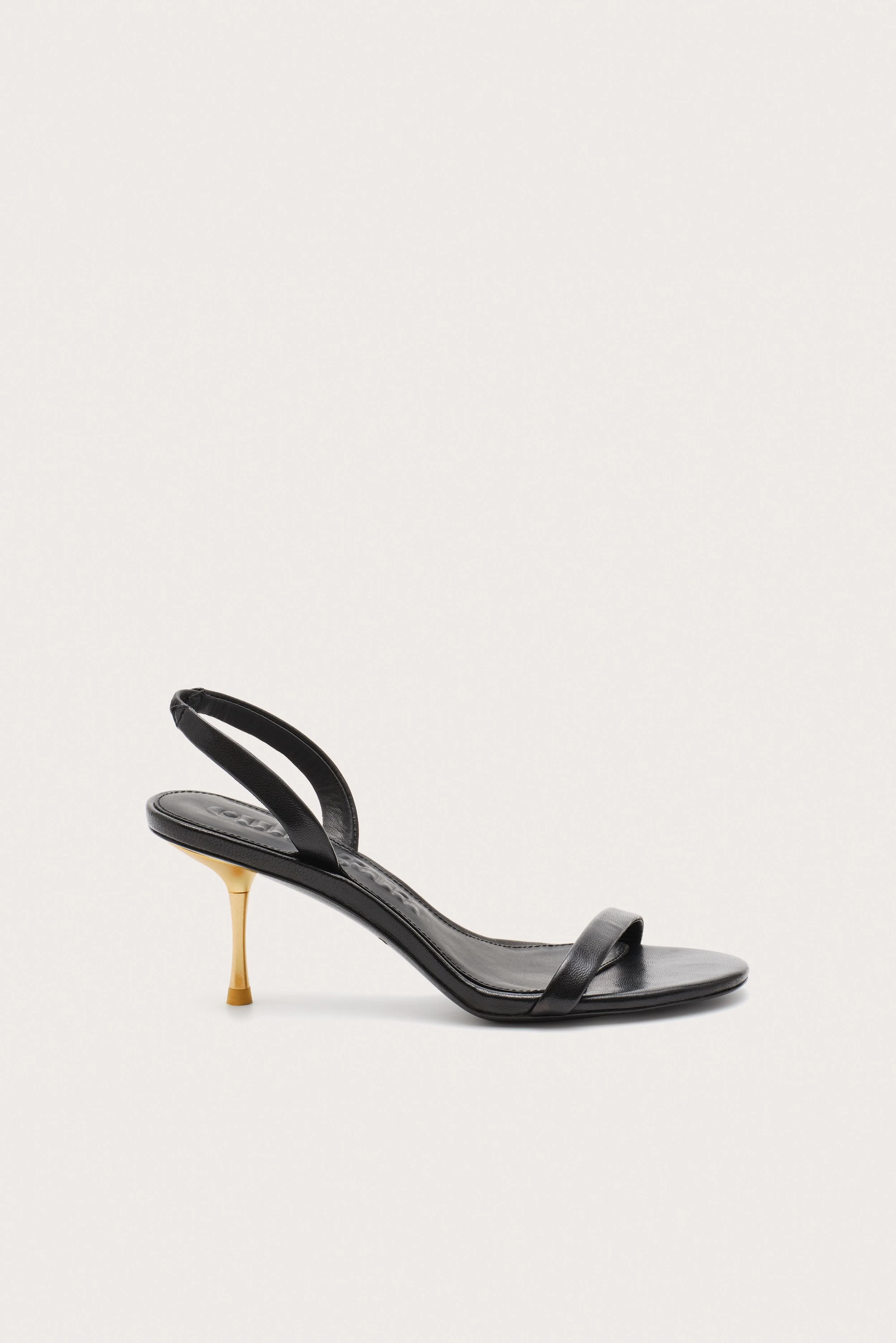
If you could dress any icon from the past in Cult Gaia, who would it be and what would they wear?
I would dress Françoise Hardy. She’d wear something simple and elongated. Nothing excessive, nothing forced. A Cult Gaia piece that feels natural on the body, almost intuitive. Quietly sensual, understated, and confident.
And today, who are the individuals you’re most excited to see wearing your designs? Any recent moments that felt especially affirming?
I’m genuinely most excited when I see everyday women in Cult Gaia - moms running errands, friends on vacation, women just living their lives and making the pieces their own. That’s when the brand feels most real to me. Those moments are just as meaningful as the big, glamorous ones, though of course it’s always amazing to see celebrity icons wear the designs and bring their own presence to them. The combination of ordinary and the iconic is what feels especially affirming.
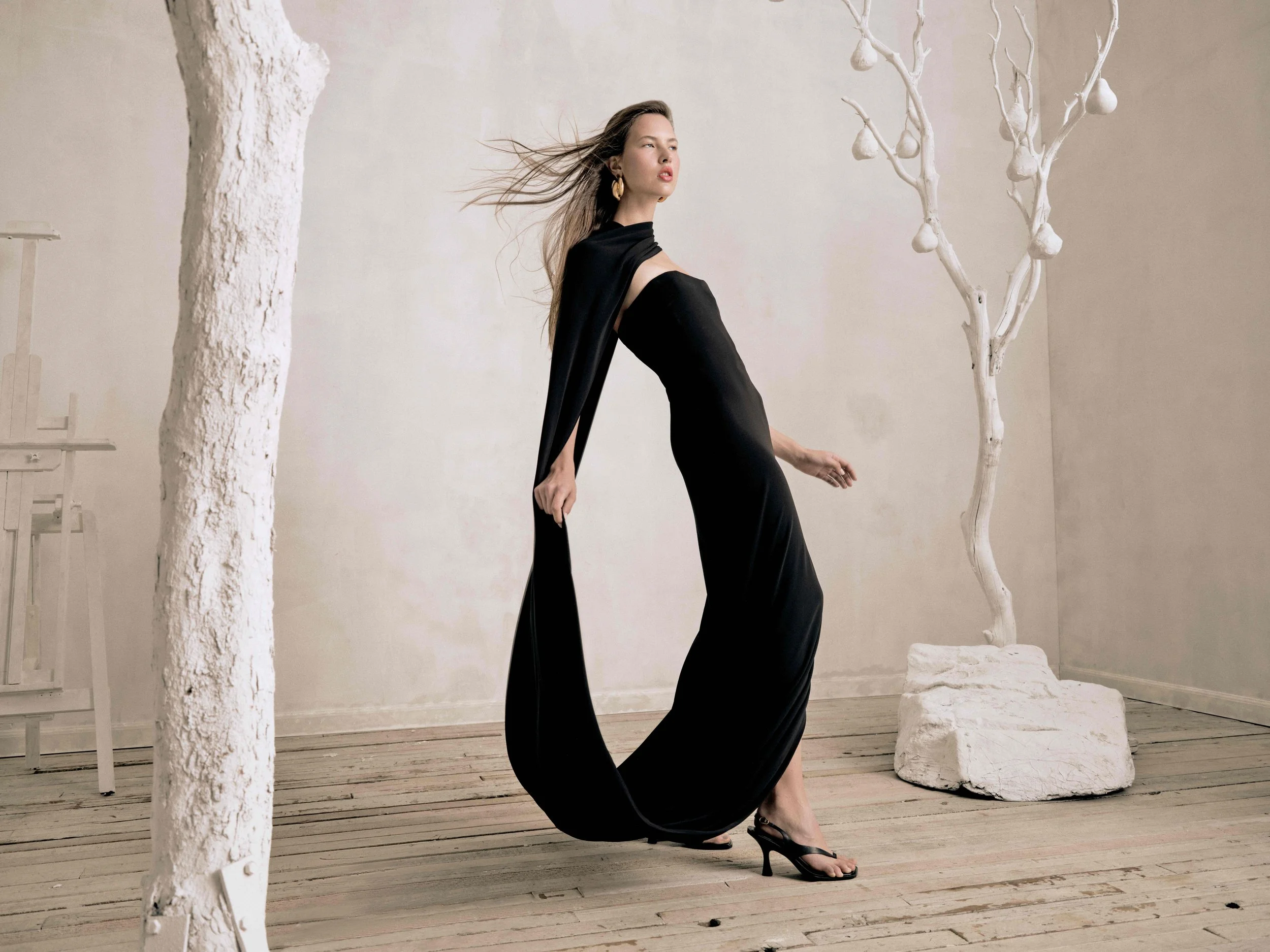
Travel often shapes a designer’s eye. Which destinations have left the deepest imprint on your creative vision, and how do those journeys find their way into Cult Gaia’s collections?
Destinations like St. Barths and St. Tropez have left such a mark on me. The light, the textures, the effortless elegance in how people live and dress. There’s a sophistication there, but also a sense of air and freedom. I absorb the colors, the shadows, the way fabric moves in the wind. Those impressions find their way into Gaia through fluid silhouettes, sun-washed palettes, and pieces that feel alive. Traveling reminds me to create from a place of clarity and delight, and that energy becomes the soul of the collections.
When you’re away from Los Angeles, do you find yourself sketching ideas in hotel rooms, cafés, or even on the beach? How does travel change the rhythm of your design process?
Travel definitely resets my senses. When I’m away from LA, I’m not necessarily sitting down with a sketchbook in the traditional way - it’s more that ideas start collecting themselves. Sometimes that happens in a hotel room getting ready, sometimes in the corner of a café, and other times just from watching how people move through a place. I take photos, save textures, jot down fragments of shapes or colors. It’s less formal sketching and more capturing sparks. Travel disrupts the routine in the best way, it makes space for intuition. Those little impressions eventually filter back into the design process
Your father, Isaac Larian, brought the world the Bratz dolls icons of attitude and style. Growing up with that kind of creative energy at home, did you ever feel like you were living in your own real-life fashion dollhouse, and how has that playful legacy influenced the way you shape Cult Gaia today?
I grew up surrounded by imagination and possibility. My father built worlds, characters, and attitudes, and there was always a sense that creativity could become culture and business. While Cult Gaia is quieter and more restrained than Bratz, that playful legacy absolutely shaped me and informs a lot of the whimsy you see in our designs
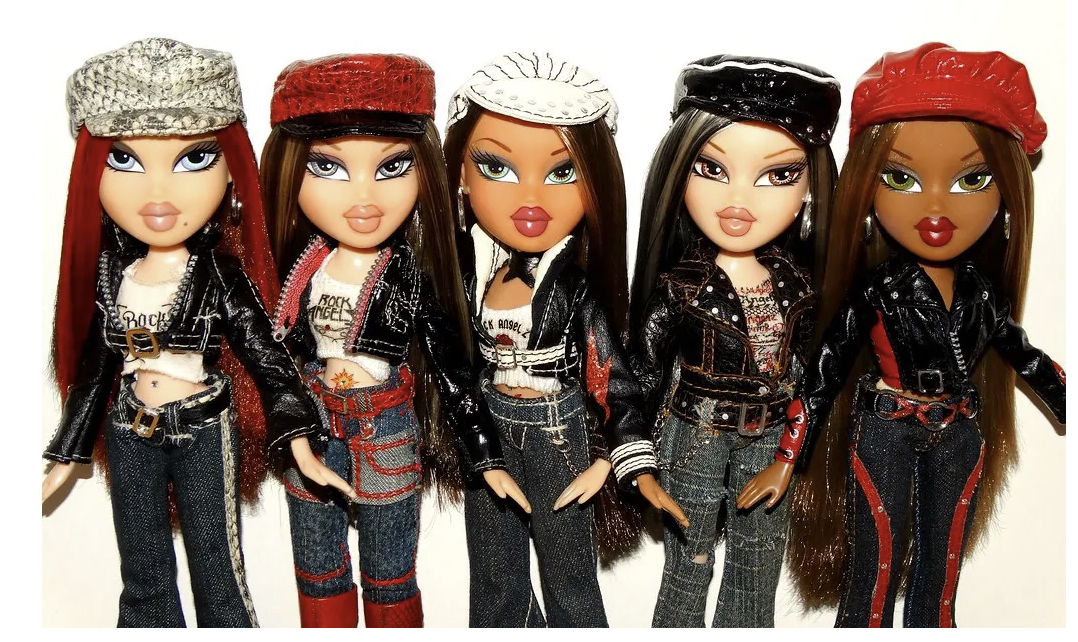
“The Bratz universe taught a generation that fashion is power bold, expressive, and unapologetically individual.”
Cult Gaia has become its own “it-girl” brand. Do you see parallels between the Bratz dolls’ cultural impact and the way Cult Gaia resonates with today’s fashion-forward women?
Bratz taught an entire generation to express themselves without apology, and that same spirit lives in Cult Gaia. Bratz celebrated individuality, playfulness, and a kind of effortless confidence. Cult Gaia draws in women who stand firmly in who they are and naturally command attention. There’s a shared DNA of boldness and creativity, but expressed through a more refined, grown-up lens. Both worlds champion the freedom to be fully yourself.