
Jonathan Anderson’s Dior Haute Couture Summer 2026: A Vision in Full Bloom
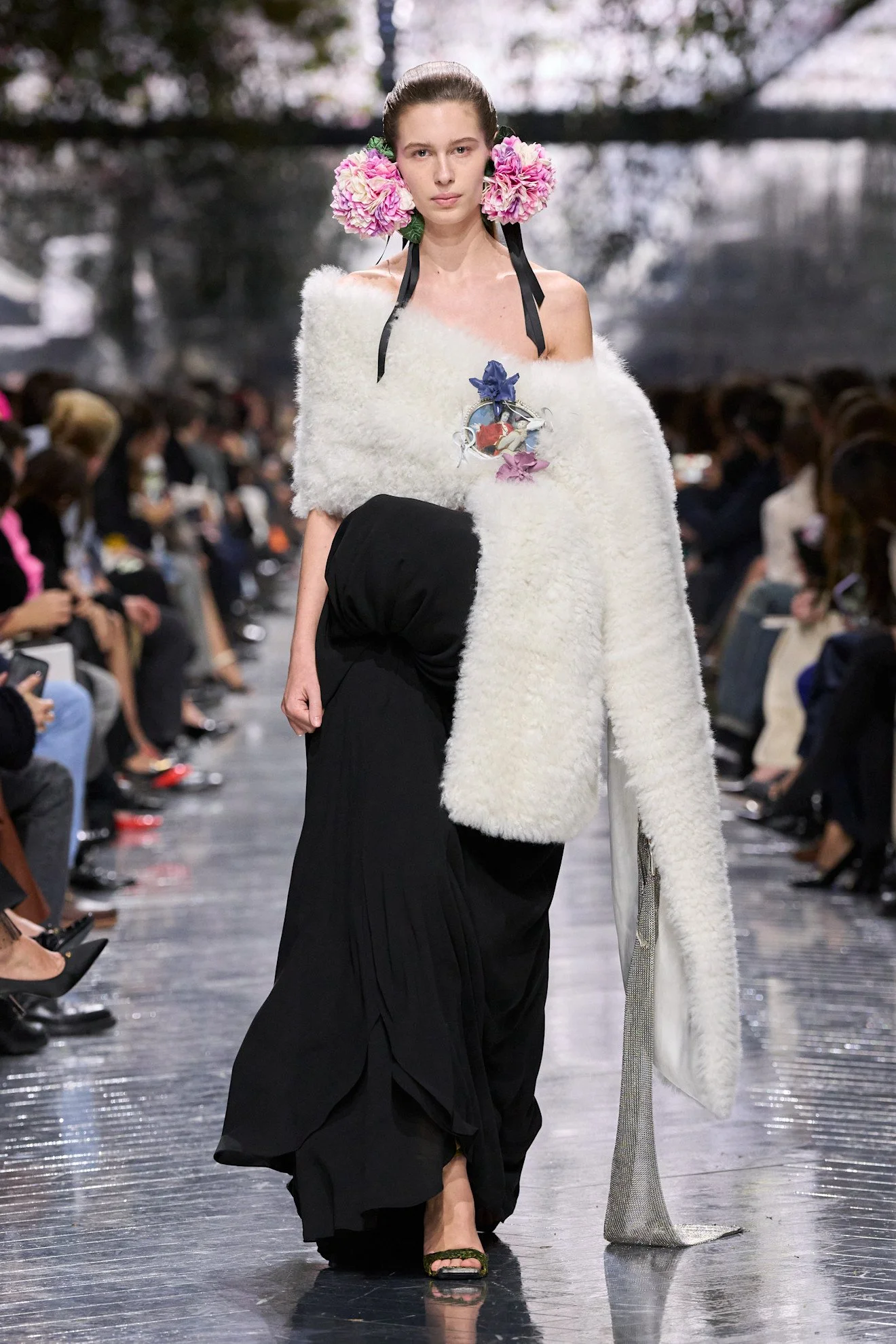
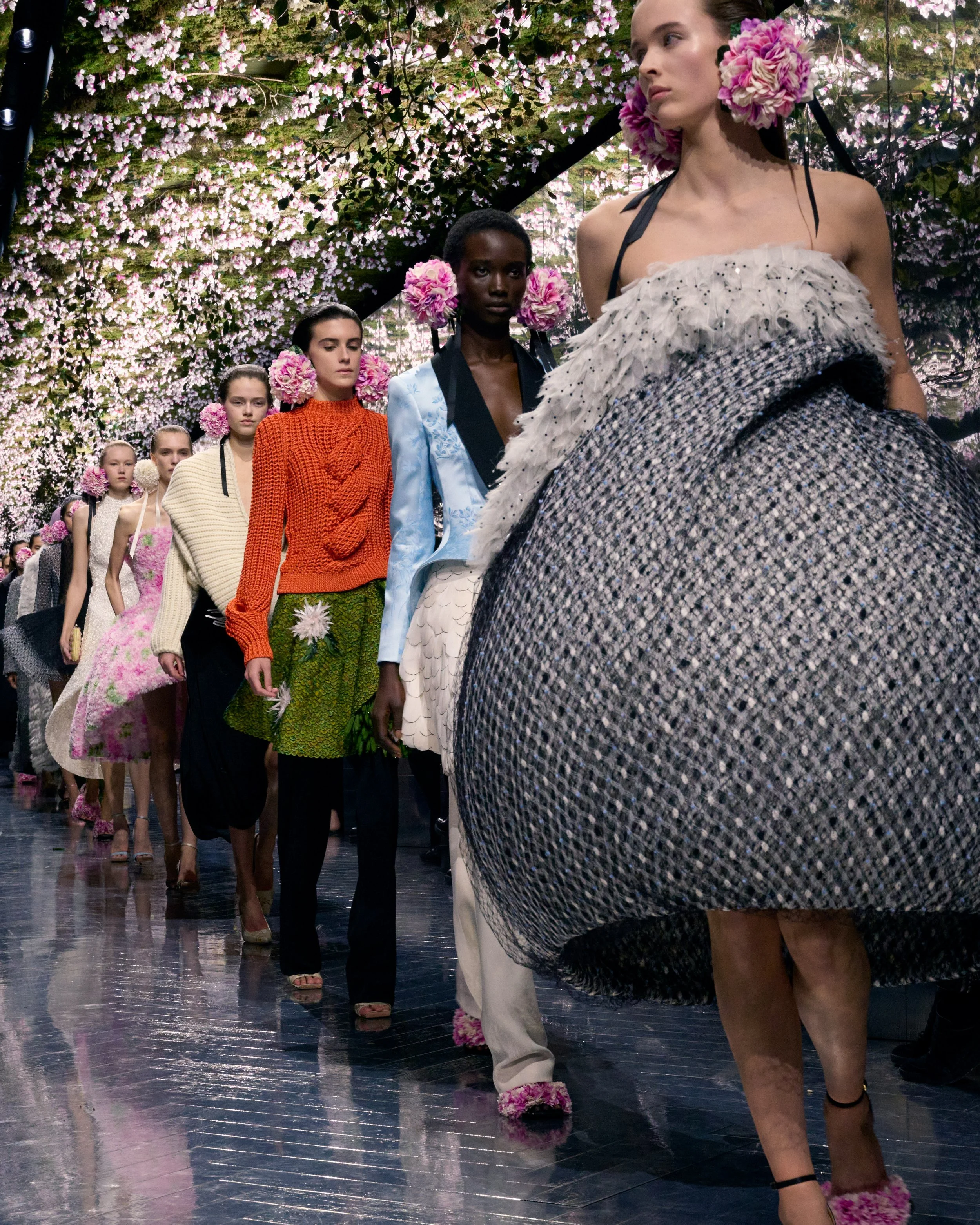
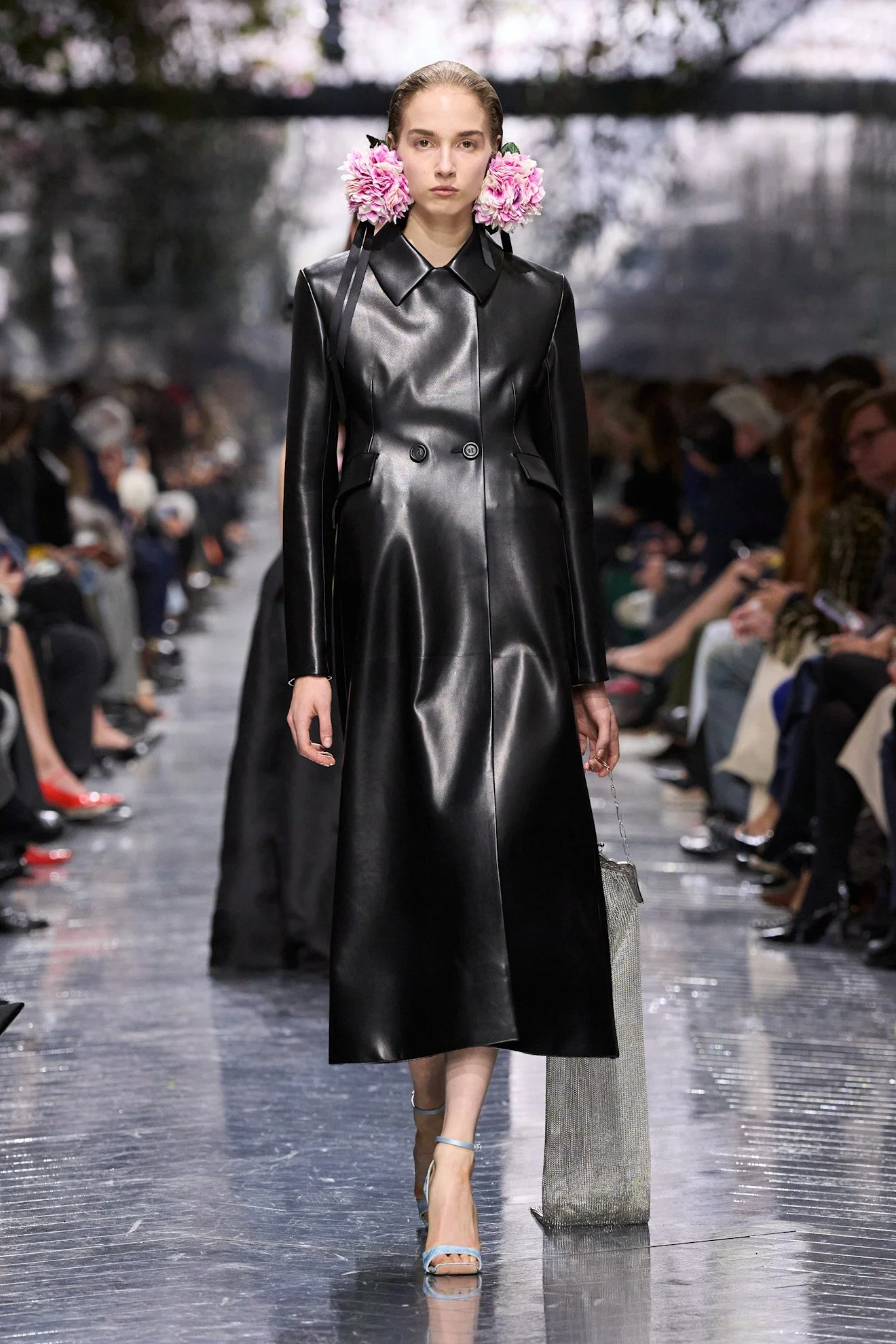
There are seasons in fashion that feel like punctuation marks commas, pauses, ellipses. And then there are seasons that feel like a full stop, a moment when a creative director’s vision finally crystallises into something undeniable. For Dior, Haute Couture Summer 2026 was that moment. It was the season when Jonathan Anderson’s work, , finally unfurled into full bloom, revealing the contours of a new Dior one rooted in heritage yet unmistakably shaped by his hand.
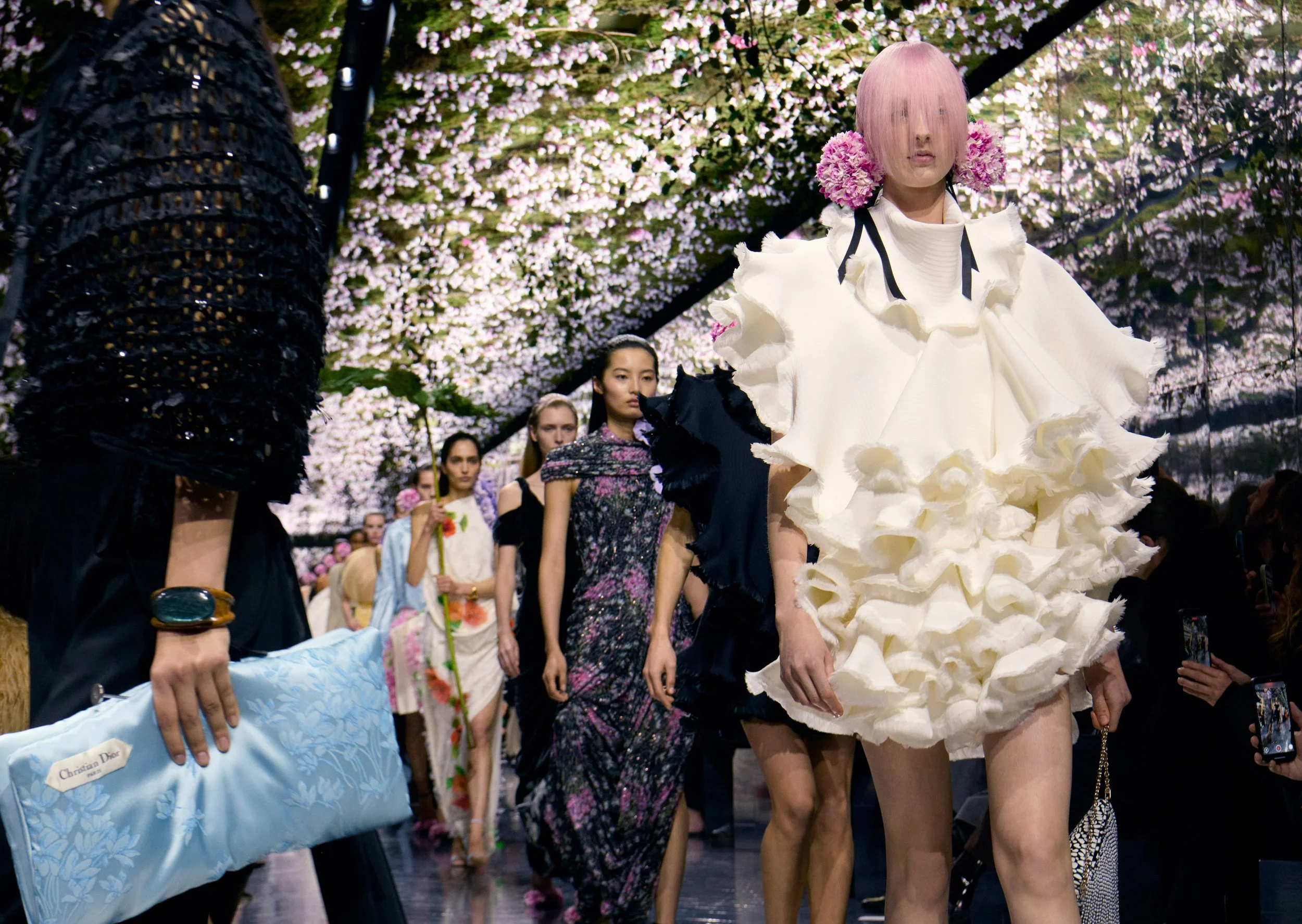
When I wrote “Jonathan Anderson at Dior: A Vision in Progress” in my Luxury Endless 2025 report, I knew many would expect an immediate revolution. The industry often demands impact from the very first season, as if fashion were a sprint rather than a slow, deliberate construction of identity. But those of us who have lived long enough inside this world understand that true transformation takes time. Couture, especially, requires patience the kind of patience that allows a designer to listen before speaking, to absorb before declaring.
I met him in London when he was still very young, freshly graduated from the London College of Fashion. Even then, he carried a rare combination of enthusiasm and conviction a quiet confidence in his own vision that felt both instinctive and deeply considered. I remember him leaving London for Milan, stepping into the top role at Versus Versace, replacing Christopher Kane. It was a bold appointment, but he handled it with the same clarity and curiosity that would later define his career. At the same time, he was collaborating with major brands, absorbing the codes of the industry while sharpening his own.
Then came Loewe the turning point. Anderson took a classic Spanish house and transformed it into one of the most compelling brands of the decade. He made Loewe young, modern, culturally relevant, and beloved by a new generation of fashion enthusiasts. It was a masterclass in brand reinvention, and it made perfect sense when Dior entrusted him with its creative direction.
A few days before the couture show, I watched his interview with Business of Fashion. What struck me most was the humility with which he spoke about John Galliano. “When I was at university, John was like a hero and he still is to this day,” he said. There was no posturing, no attempt to distance himself from Dior’s most theatrical era. Instead, he embraced it, acknowledging the emotional lineage of the house.
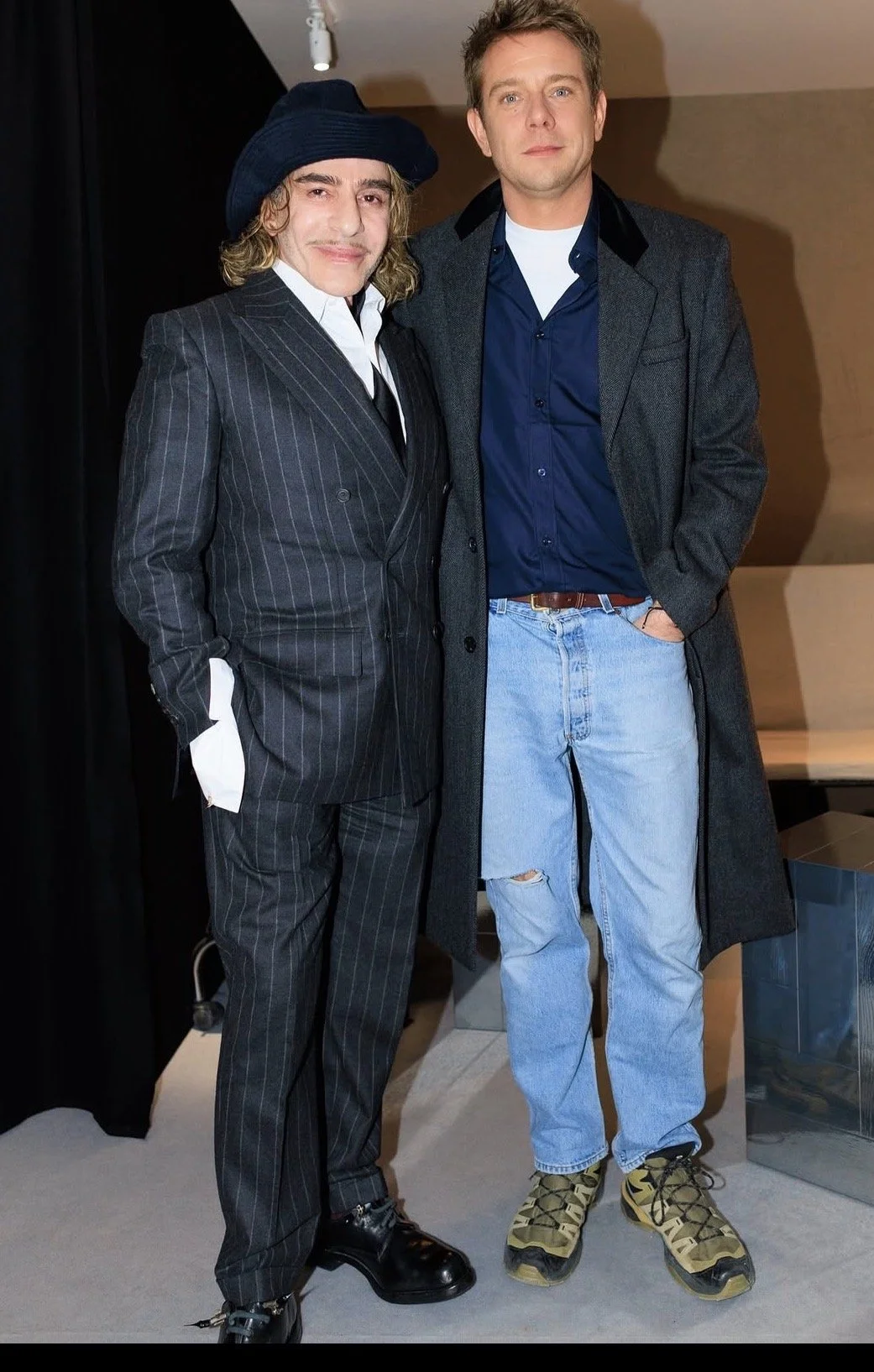
Two generations of extraordinary creativity, side by side. John Galliano and Jonathan Anderson backstage at the Dior Haute Couture show felt like witnessing fashion history folding into the present a meeting of visionaries who shaped, and are reshaping, the language of couture. One a legendary architect of fantasy, the other a modern storyteller redefining the house with quiet confidence. A rare, powerful moment where past and future stood together, reminding us why fashion remains an ever‑evolving art form.
He also shared a story that felt almost cinematic: a bouquet of flowers Galliano once gave him, wrapped in a ribbon that would later inspire the show’s invitation. It was a gesture of respect, of continuity, of creative inheritance. And it set the tone for what we were about to witness.
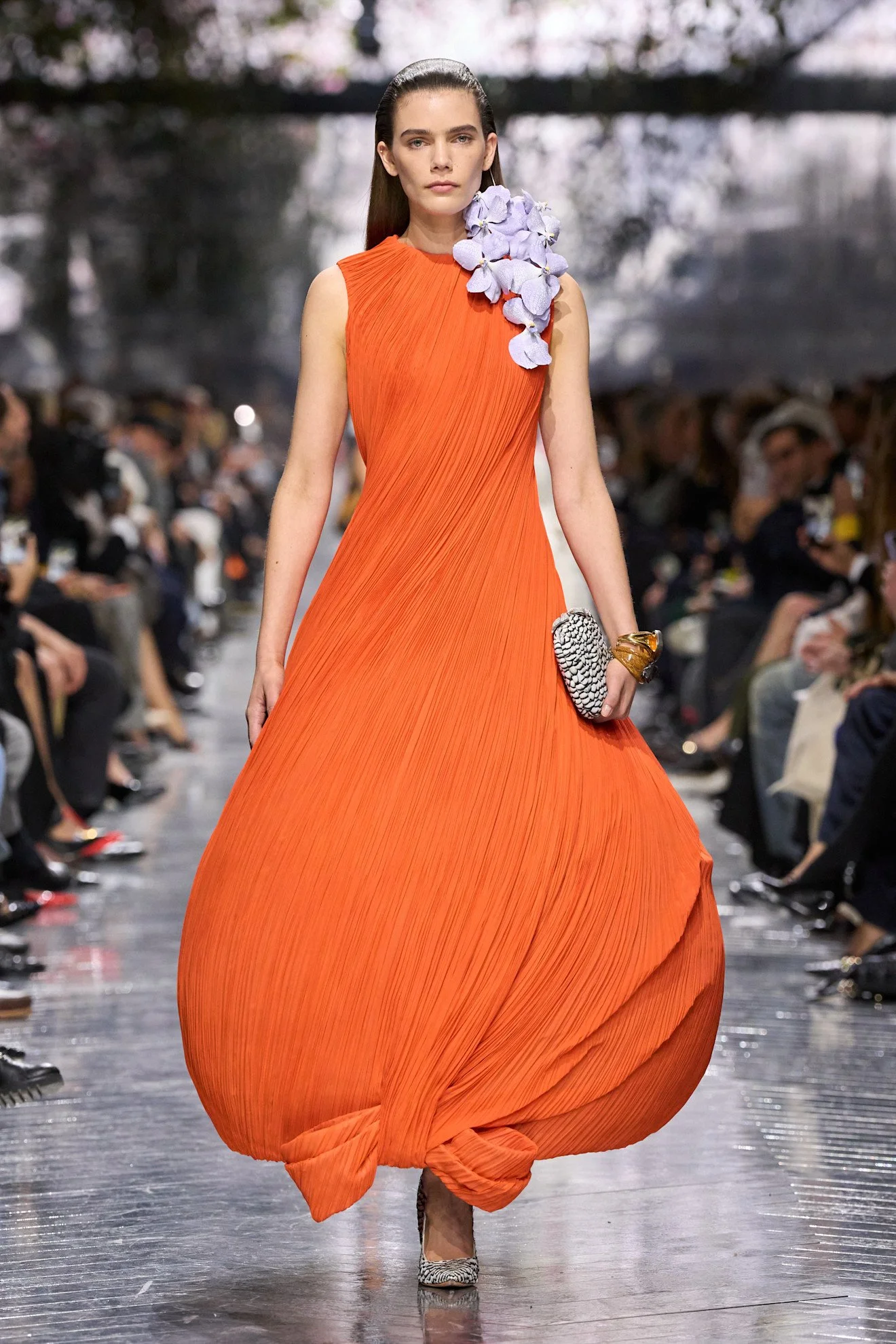
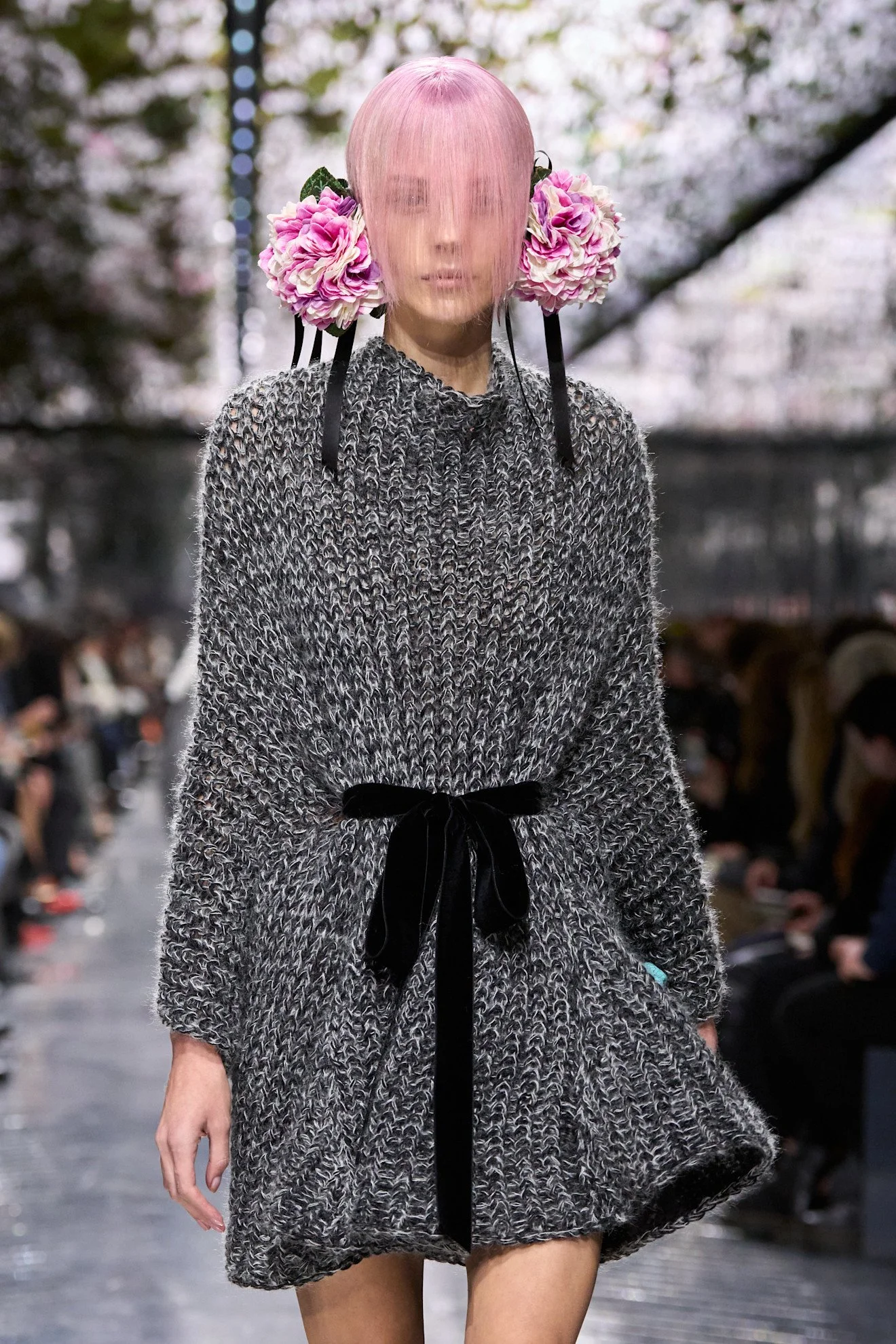
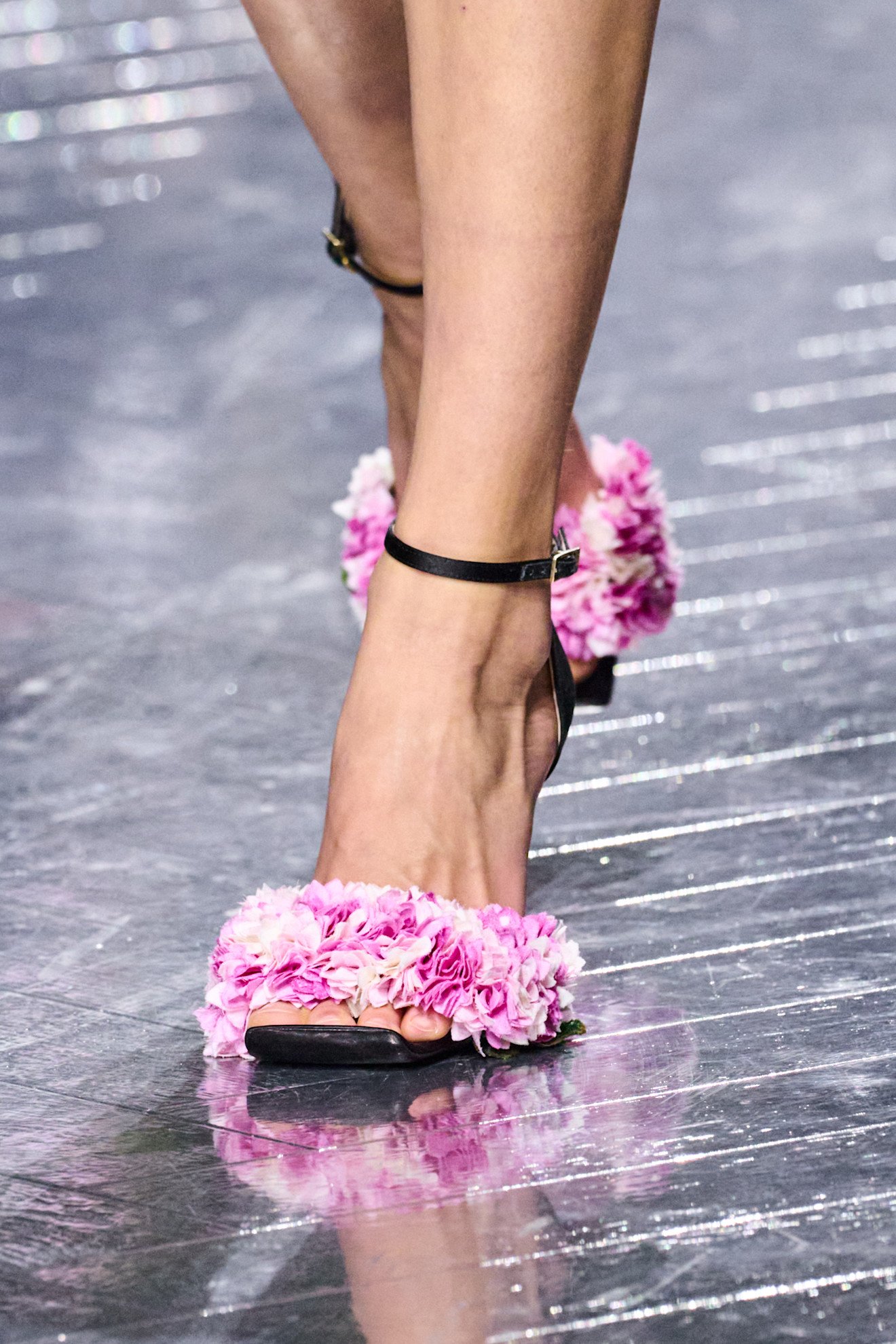
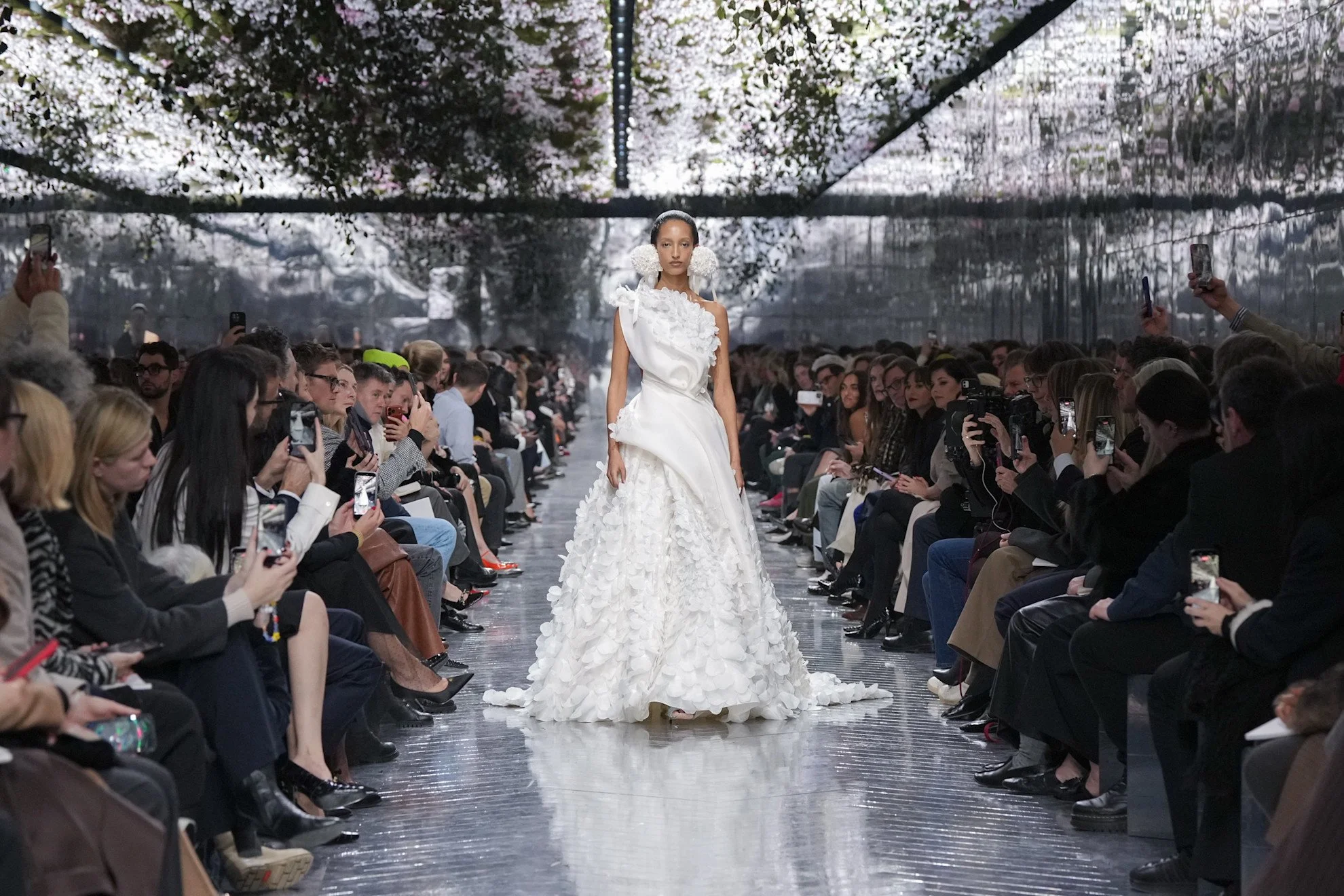
The collection itself was Dior by John Galliano inspired but reimagined through Anderson’s lens. It was an explosion of flowers, not in the literal sense, but in the way the garments seemed to bloom on the body. There was a sense of pure couture the kind that makes you dream, the kind that transcends the idea of clothing and becomes something closer to emotion. Every piece carried the precision of the atelier, yet there was a looseness, a modernity, a sense of movement that felt unmistakably Anderson.
This was not nostalgia. It was dialogue.
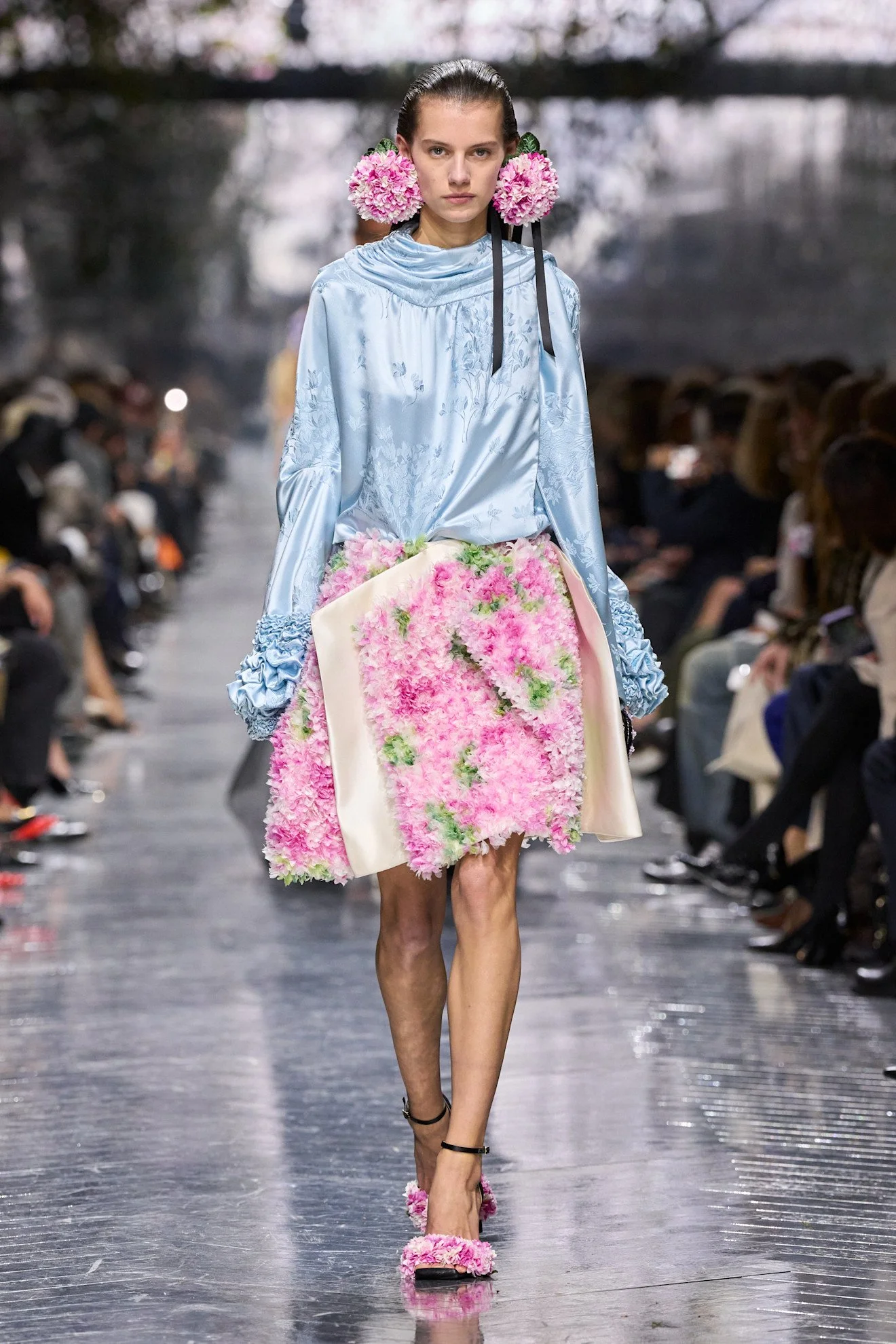
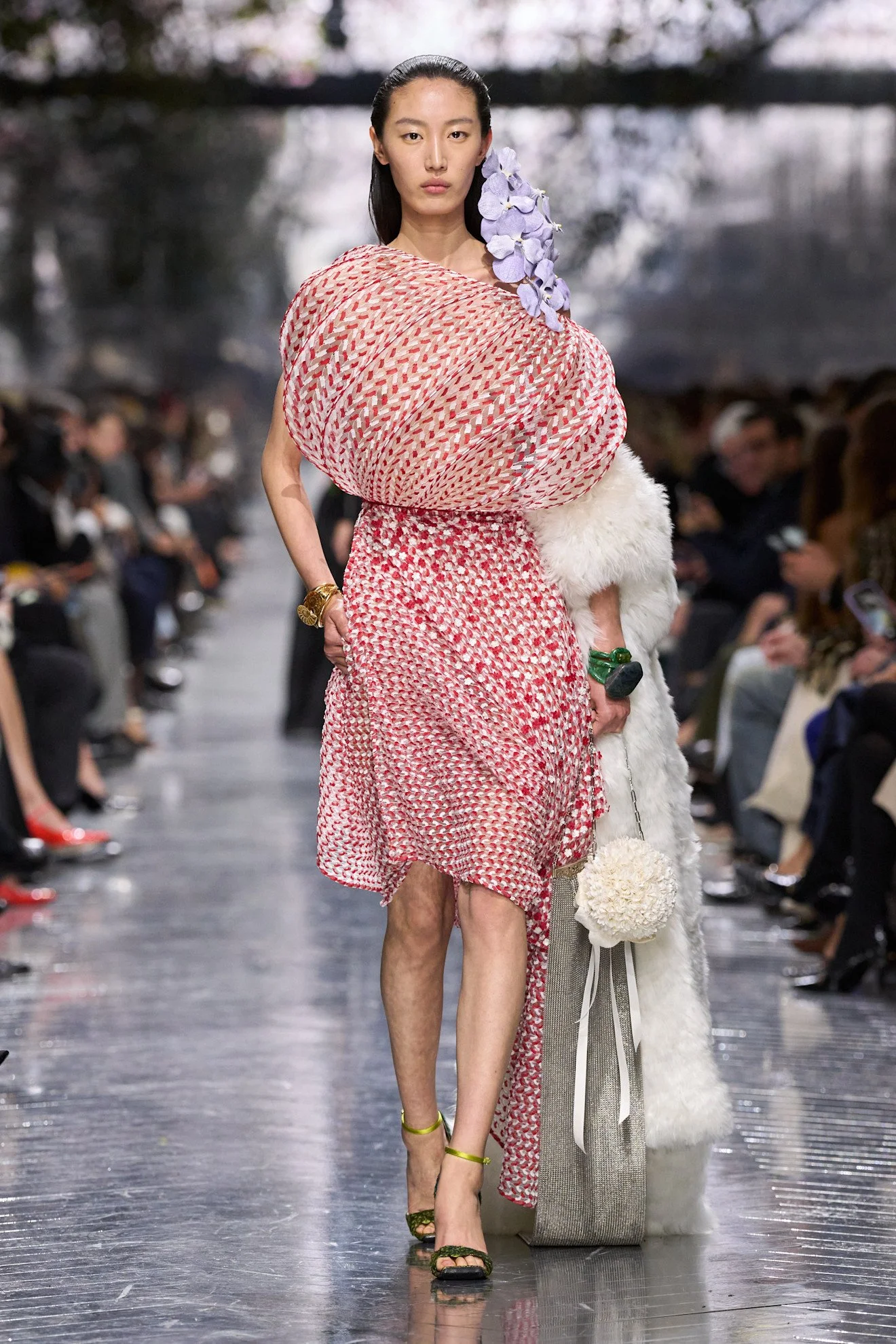
The silhouettes echoed Galliano’s theatricality, but the construction was sharper, the palette more restrained, the gestures more contemporary. Anderson understands that couture must evolve, but it must also honour its past. And in this collection, he achieved that delicate balance with remarkable grace.
What made the show even more powerful was its focus. It was about the clothes not the front row, not the spectacle, not the noise that often surrounds couture. And yet, there was one moment that carried emotional weight: John Galliano himself attending the show sitting next to Anna Wintour. It was the first time he had returned to Dior since his departure, and his presence felt like a quiet blessing, a symbolic passing of the torch. The room felt it. The industry felt it. Anderson, I imagine, felt it most of all.

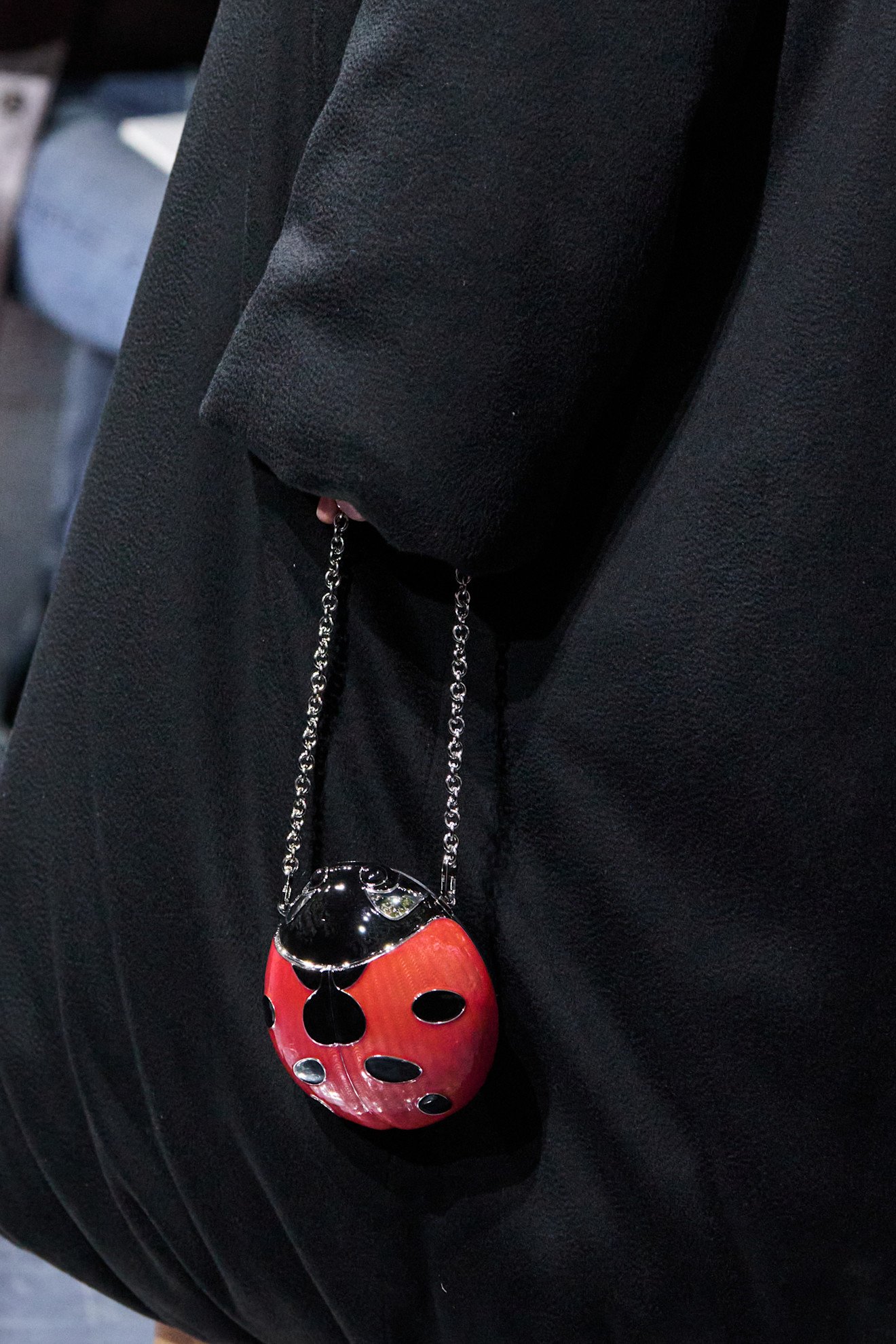
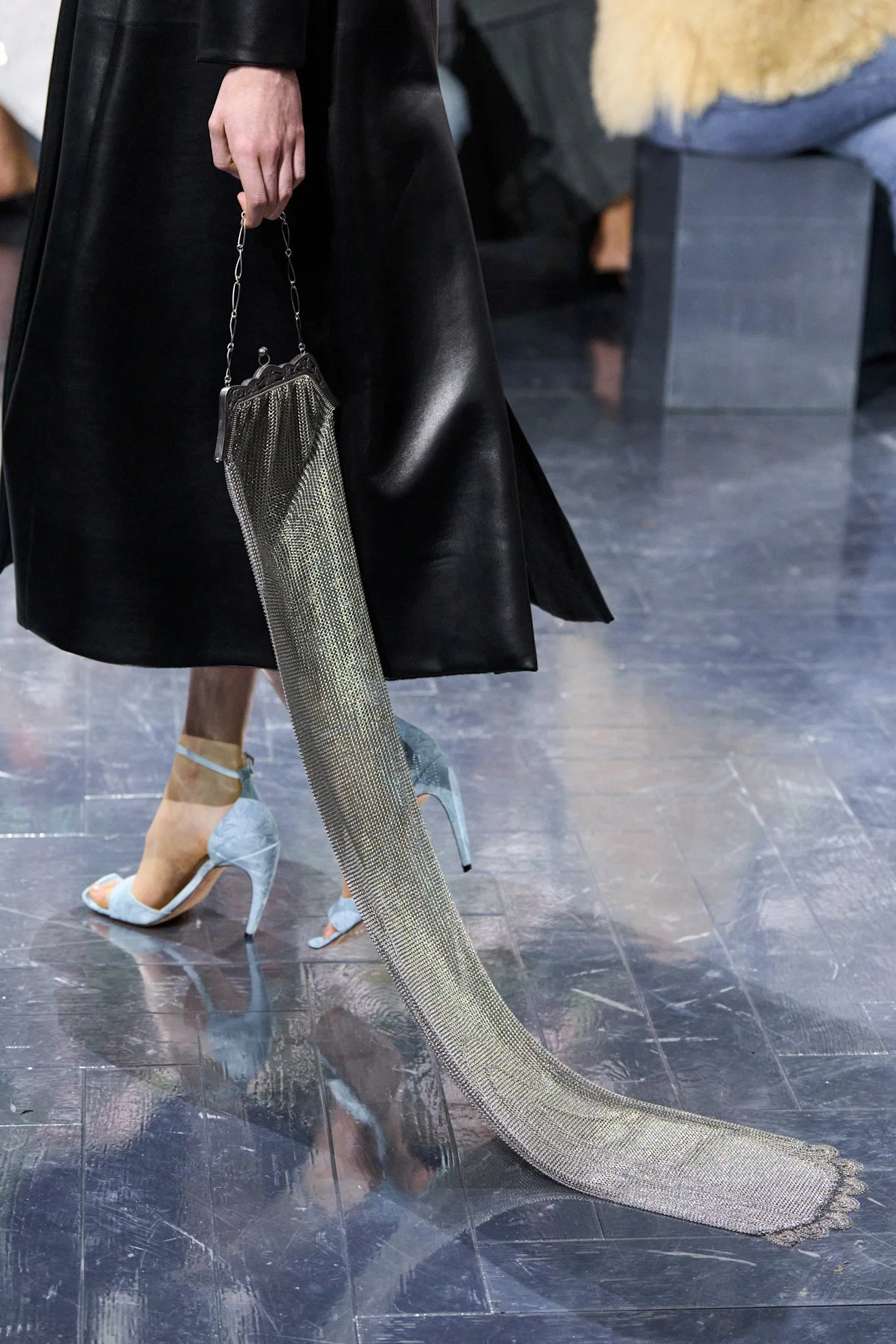
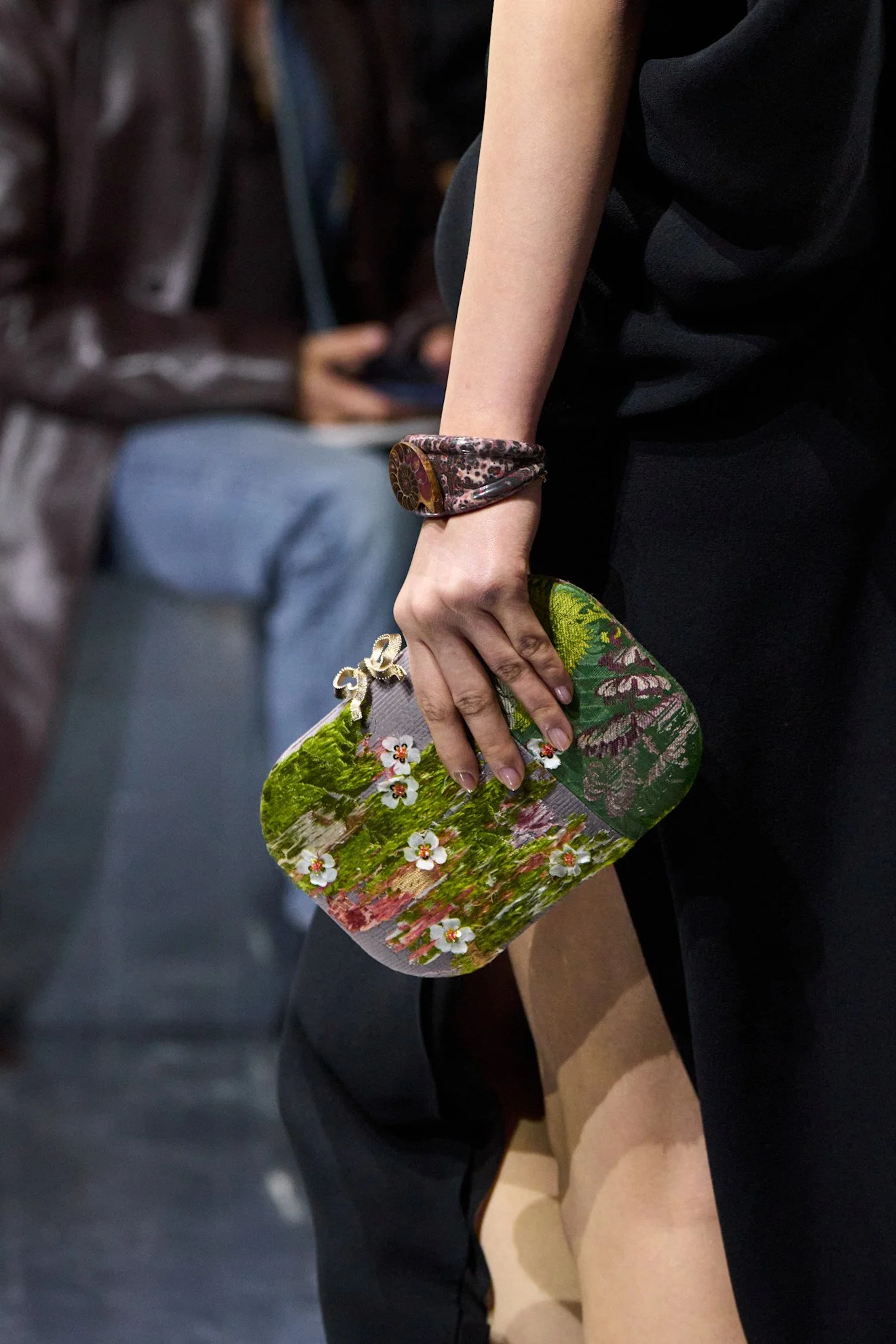
Another striking element of this couture season was the abundance of bags at Dior more than we have ever seen in a Haute Couture show. Couture has traditionally been about gowns, tailoring, embroidery, and silhouette. Bags were accessories, not protagonists. But Anderson understands the modern luxury landscape. He knows that couture clients today want a complete universe, not just a dress. The presence of so many bags felt not only intentional but overdue. It was a reminder that couture is not a museum; it is a living, evolving ecosystem.
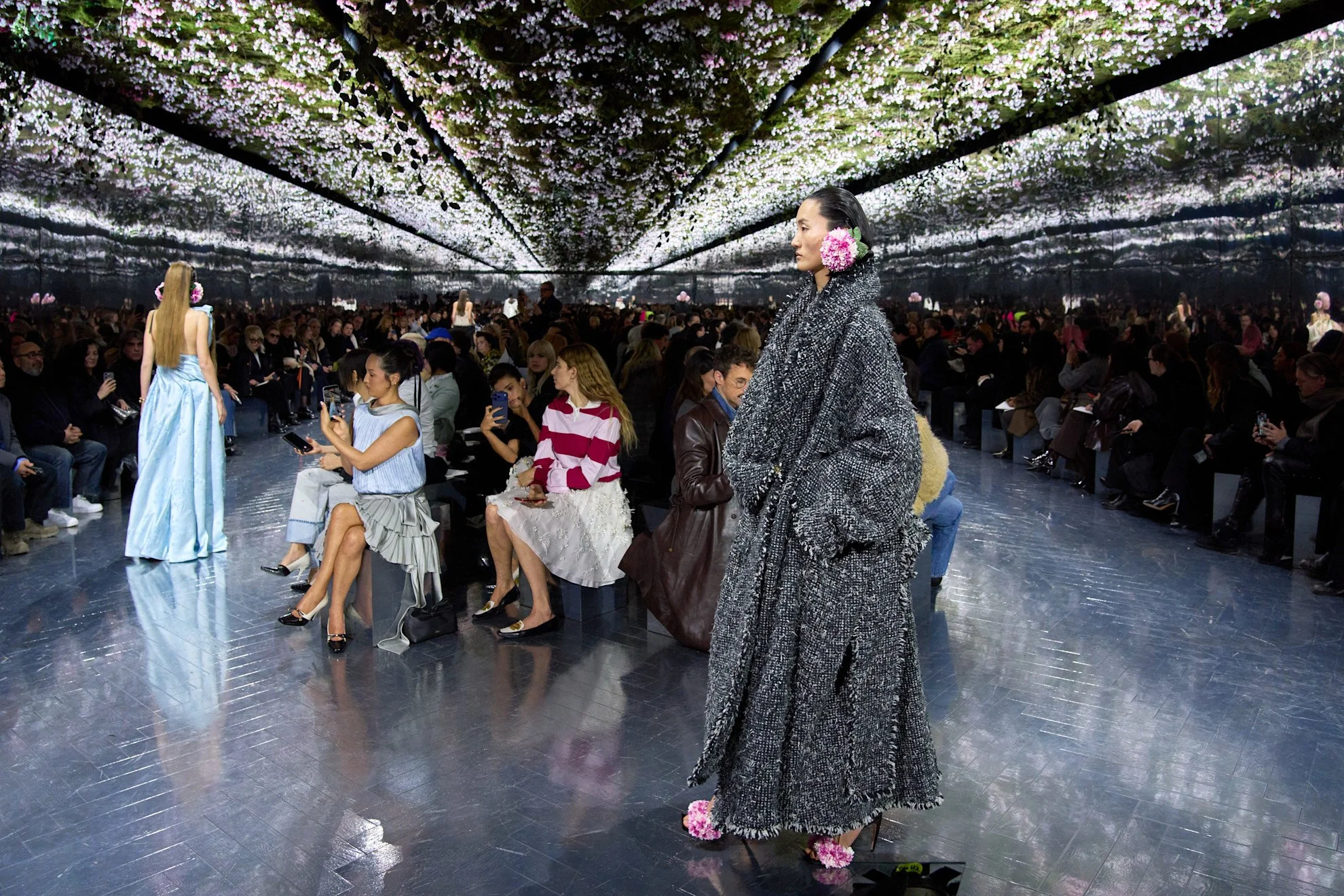
Anderson’s Dior is shaping itself into a house that respects its codes while expanding its vocabulary. This collection was the first time we saw the full articulation of his vision romantic yet grounded, theatrical yet wearable, emotional yet modern. It was a Dior that dreams, but with its eyes open.
For those who expected instant transformation, this season was a lesson in creative maturity. Vision takes time. Identity takes time. And when it finally arrives, it arrives with the force of inevitability.