
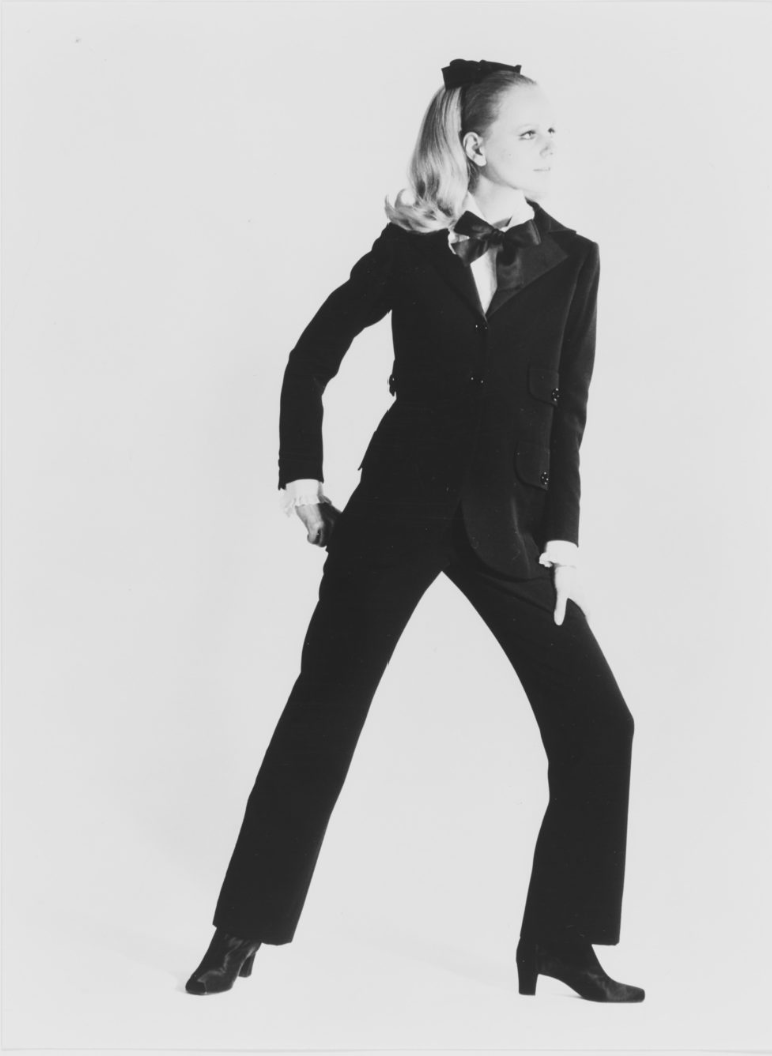
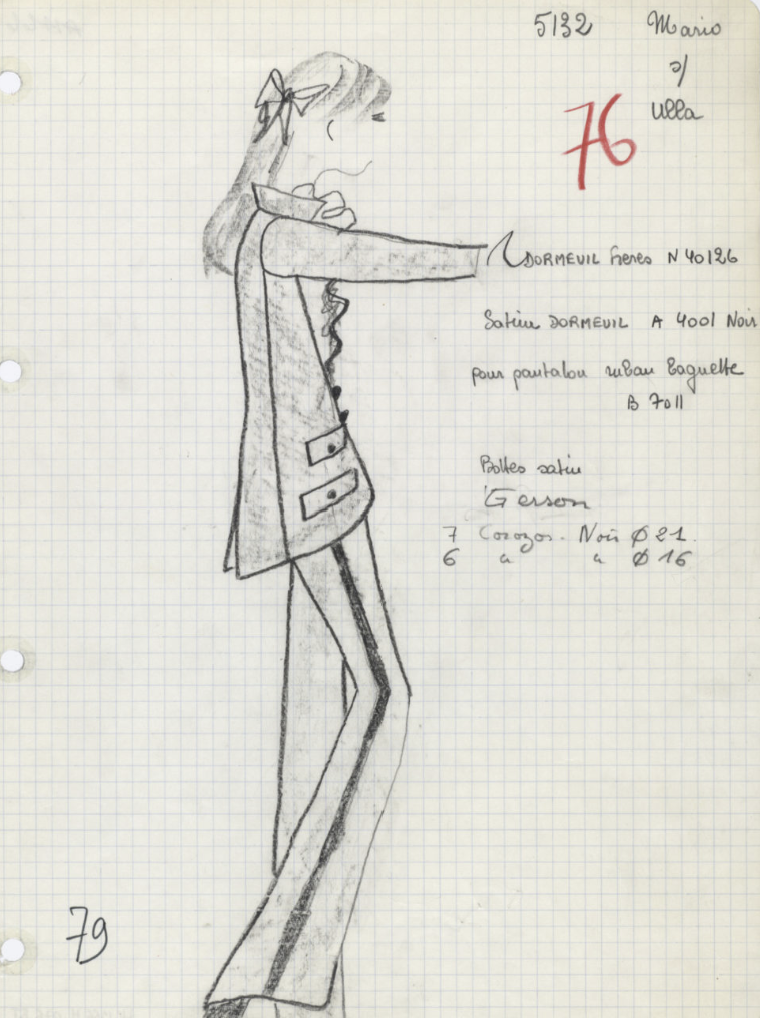
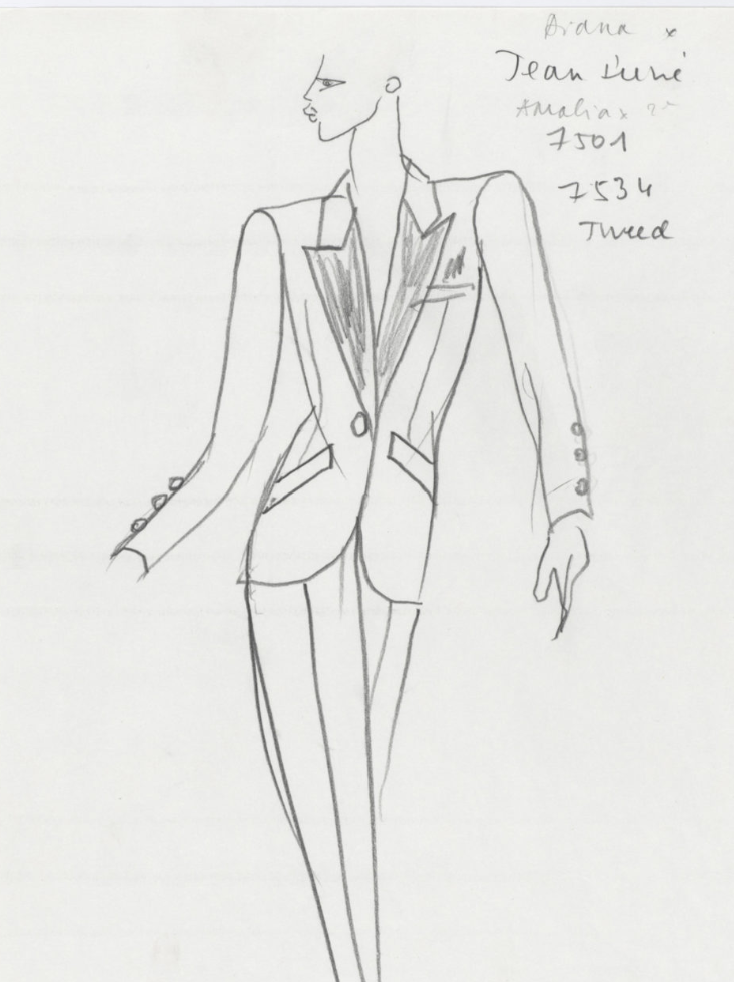
There are garments that define a season, and there are garments that define an era. Yves Saint Laurent's Le Smoking belongs firmly to the latter category. Sixty years after its debut, it remains one of fashion's most influential creations, a piece that continues to embody confidence, sophistication and effortless allure.
When Yves Saint Laurent unveiled Le Smoking in his Autumn-Winter 1966 collection, the fashion world was unprepared for its radical simplicity. The tuxedo, originally designed for men to wear while smoking cigars and socialising after dinner, had long been a symbol of masculine authority. Saint Laurent saw something different. Rather than merely replicating a man's suit, he reimagined its proportions and structure for the female body, creating a silhouette that was both sharp and sensual.
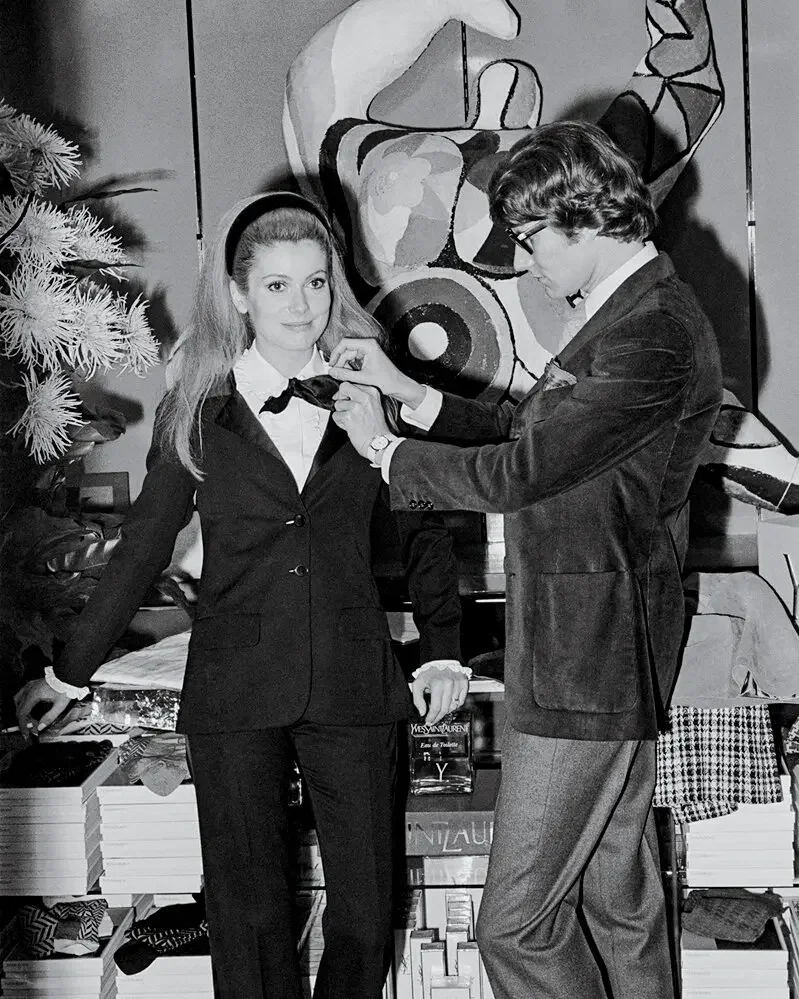
Catherine Deneuve modelling Le Smoking in 1966, the year it was first introduced by the designer Yves Saint Laurent
His vision challenged convention. At a time when women were expected to express femininity through dresses and overt glamour, Saint Laurent proposed tailoring as an equally powerful form of elegance. The designer himself famously understood the distinction between trend and permanence, declaring:
"For a woman, the tuxedo is an indispensable garment in which she will always feel in style, for it is a stylish garment and not a fashionable garment. Fashions fade, style is eternal."
Yet the fashion establishment was initially unconvinced. Saint Laurent's haute couture clients largely rejected the design, and only a single couture version was sold. What seemed like a failure would soon become one of the greatest success stories in fashion history. When Le Smoking appeared at Saint Laurent Rive Gauche, the house's ready-to-wear line, a younger generation embraced it enthusiastically. The tuxedo quickly became a symbol of liberation, reflecting the social and cultural shifts that were redefining women's roles around the world.
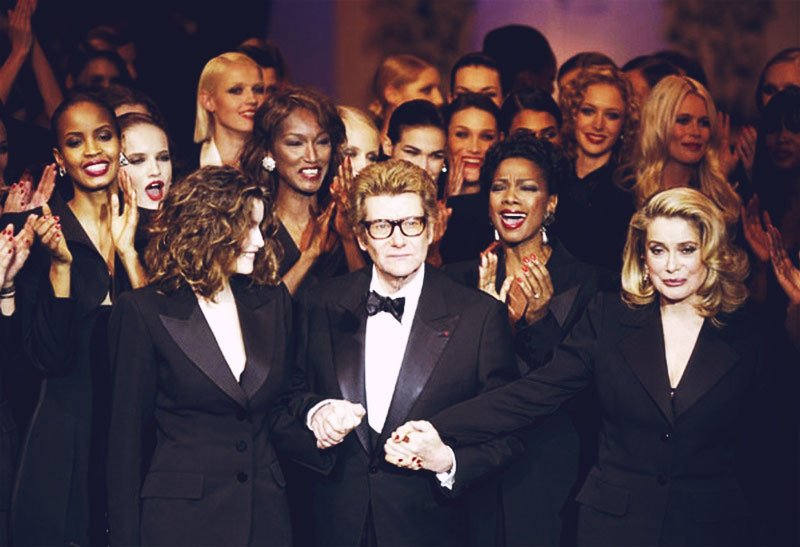
Its growing influence was amplified by a powerful cast of women who made the look their own. Catherine Deneuve brought Parisian sophistication to Le Smoking, while Bianca Jagger turned it into a statement of glamour and rebellion. Nan Kempner perhaps offered the garment's most legendary moment when she was reportedly refused entry to a New York restaurant for wearing trousers. Rather than change, she removed the trousers and wore the jacket as a dress, transforming controversy into fashion mythology.
What made Le Smoking revolutionary was not simply its appearance but what it represented. Saint Laurent offered women an alternative to traditional eveningwear, proving that elegance did not require embellishment. The tuxedo suggested strength without sacrificing femininity, creating a new language of dressing that resonated far beyond fashion.
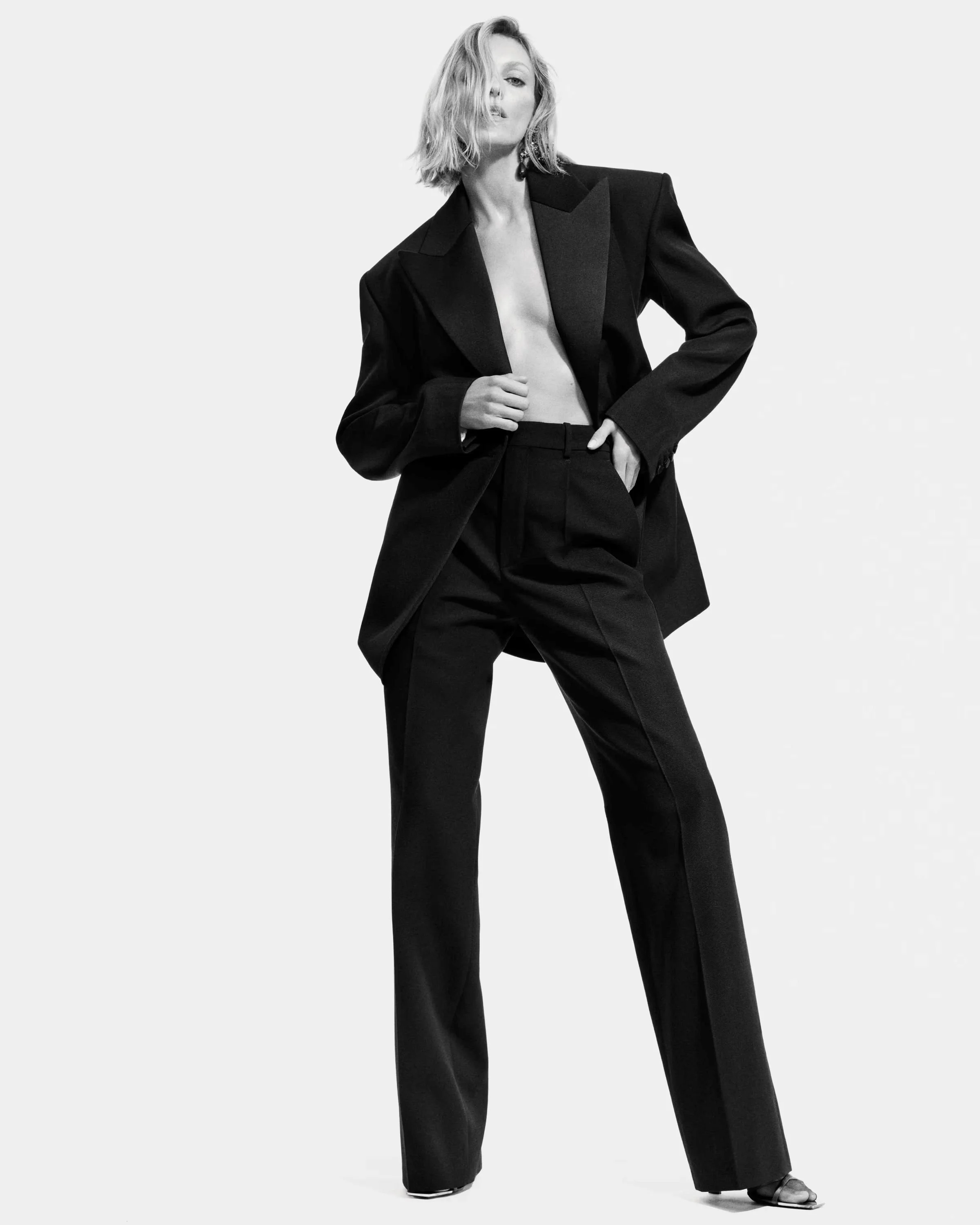
Few garments have enjoyed such remarkable longevity. Through every decade, Le Smoking has evolved while retaining its original spirit. It has appeared on red carpets, at private soirées and across generations of cultural icons. Its appeal lies in its versatility: simultaneously reserved and provocative, masculine and feminine, timeless and contemporary.
Today, Saint Laurent continues to celebrate this enduring legacy. To mark the suit's sixtieth anniversary, the house has reaffirmed its commitment to the craftsmanship that made Le Smoking iconic in the first place. Produced within the historic Atelier de Confection Saint Laurent, the suit remains a testament to precise tailoring, architectural structure and meticulous hand-finishing. Every detail reflects the expertise of French artisans whose work ensures that Le Smoking remains as relevant now as it was in 1966.
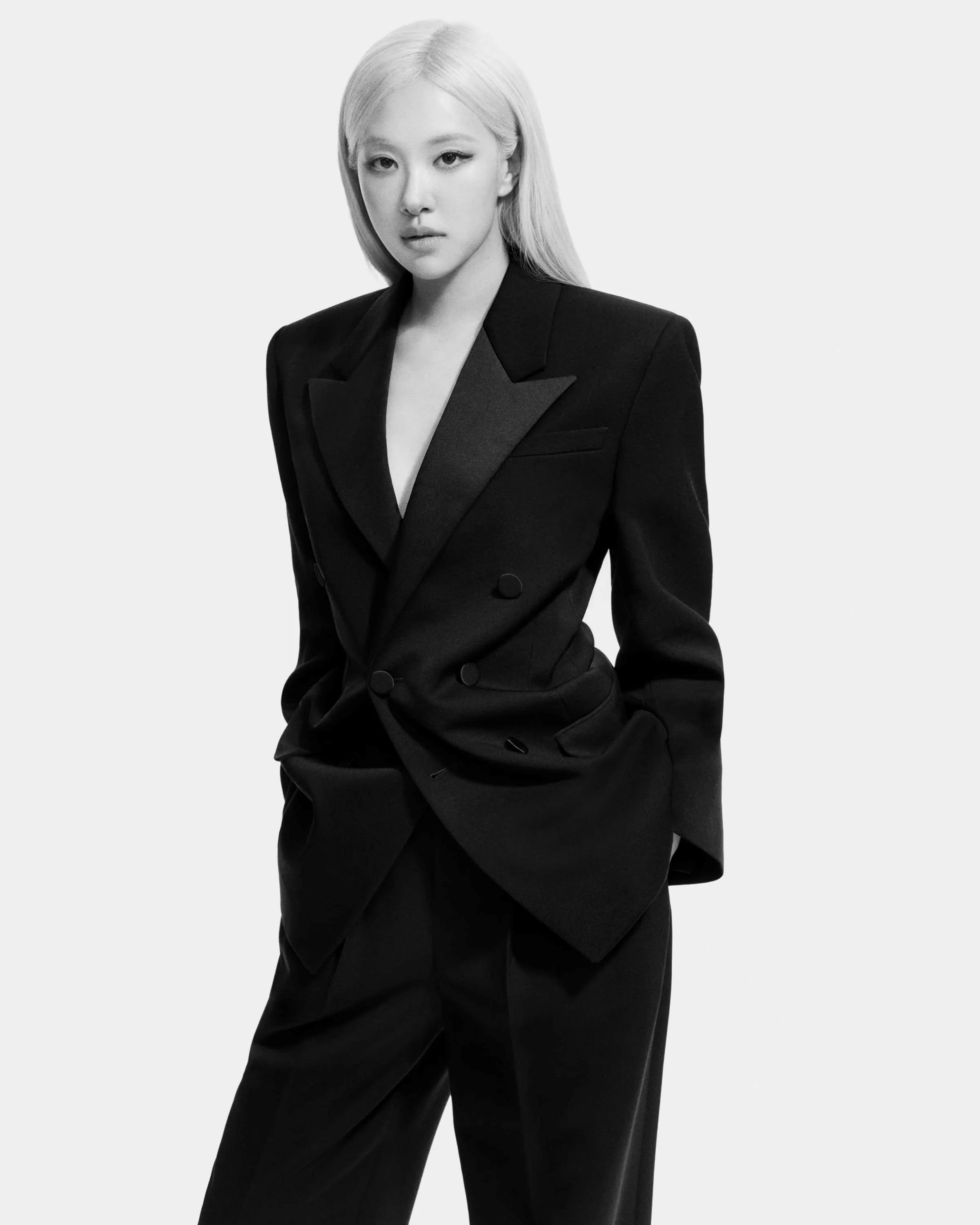
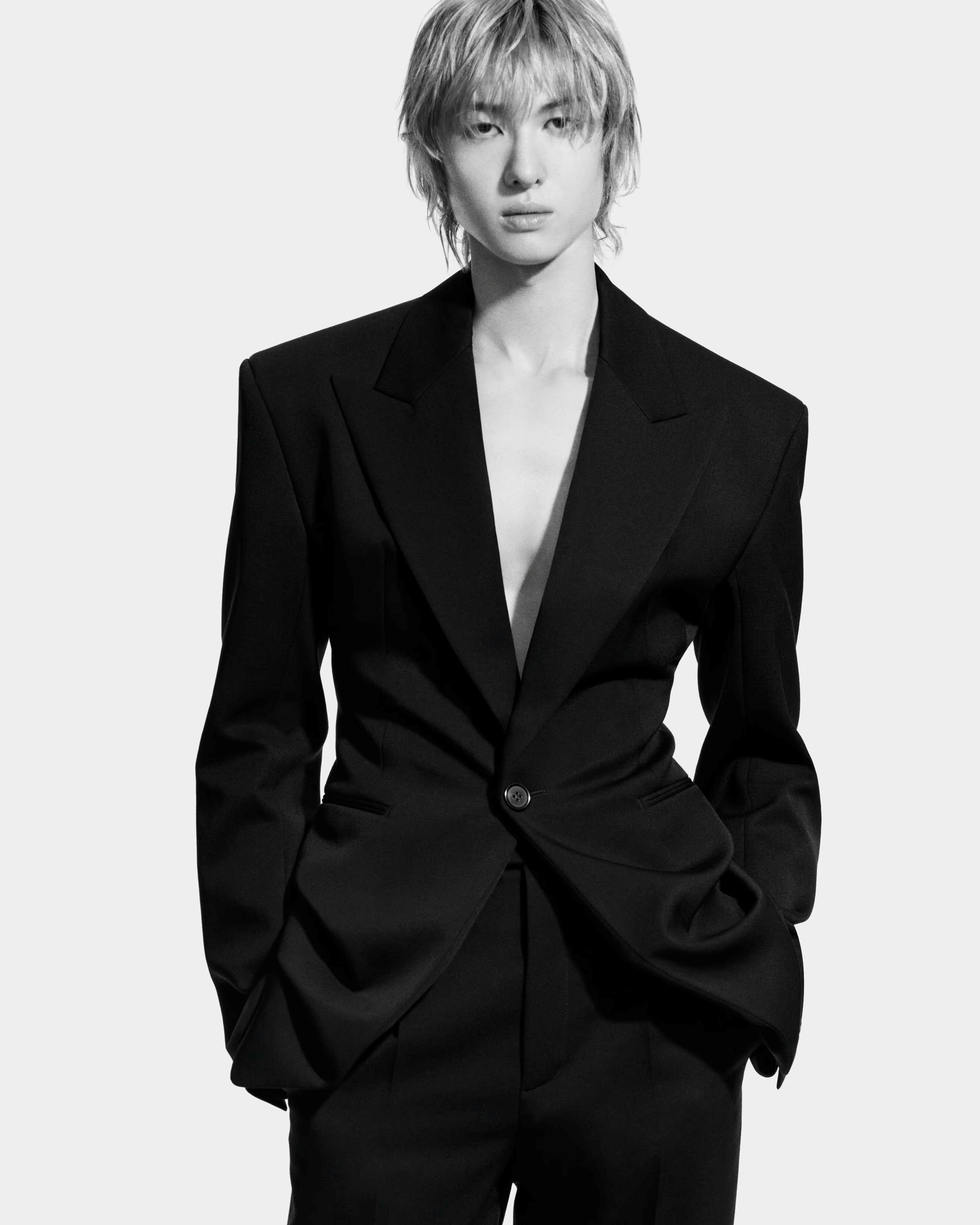
Its latest ambassadors further underline its cultural reach. Kate Moss represents the effortless glamour that defined the Nineties and early 2000s, when the tuxedo became synonymous with cool, understated luxury. Rose’ brings a new generation's perspective, connecting Le Smoking to Saint Laurent's global influence and contemporary fashion culture. Charli XCX introduces yet another dimension, pairing classic tailoring with a modern, unapologetically rebellious spirit. Together, they demonstrate the remarkable adaptability of a garment that continues to transcend age, style and era.
In a fashion landscape increasingly driven by speed and constant novelty, Le Smoking stands as a reminder that true style is never dictated by trends. It is built on confidence, craftsmanship and individuality. Sixty years after Yves Saint Laurent first challenged convention, the tuxedo he created for women remains one of the most powerful statements a woman can wear.