
London Fashion Week SS27: Highlights, Key Shows and the Season’s Big Returns
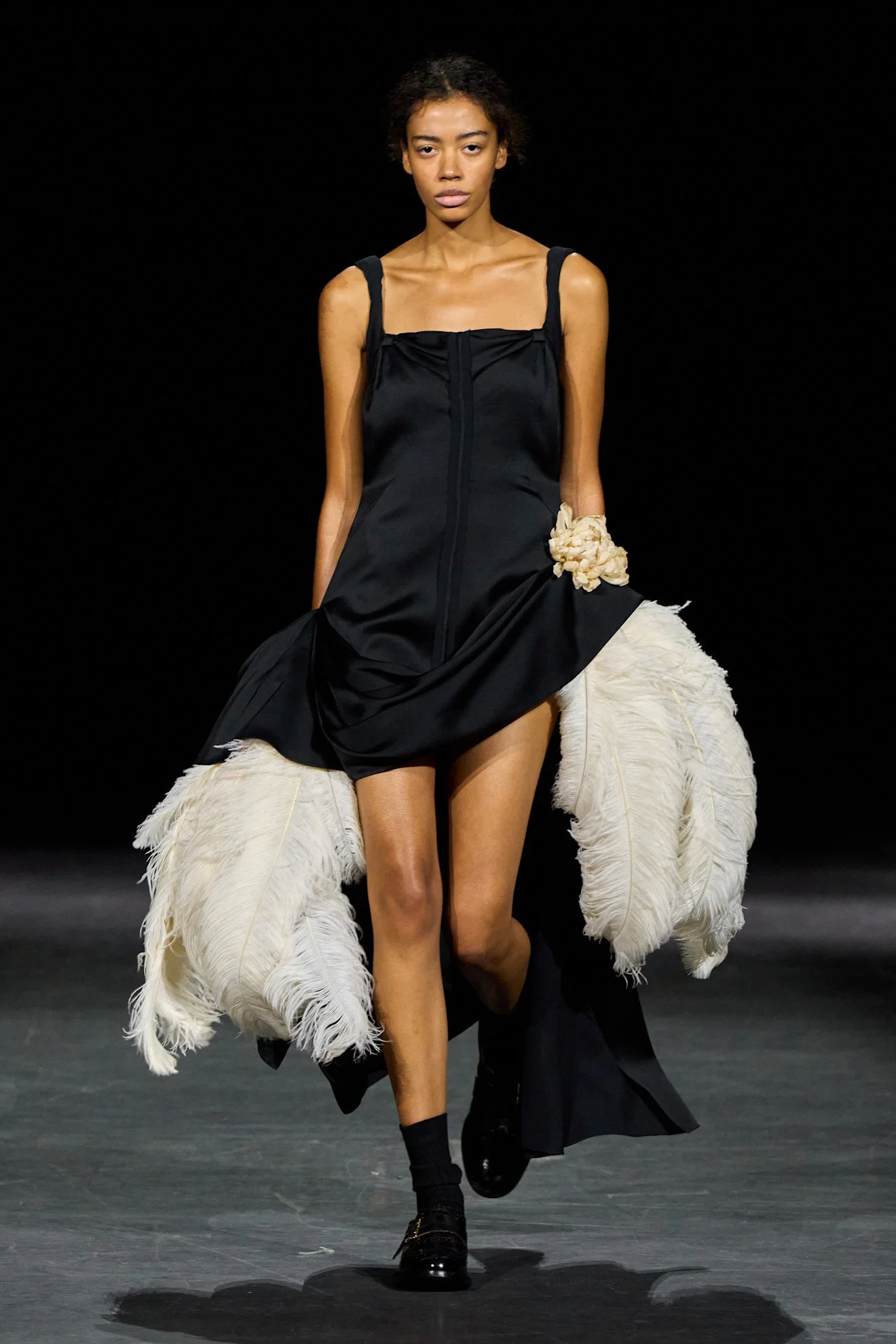
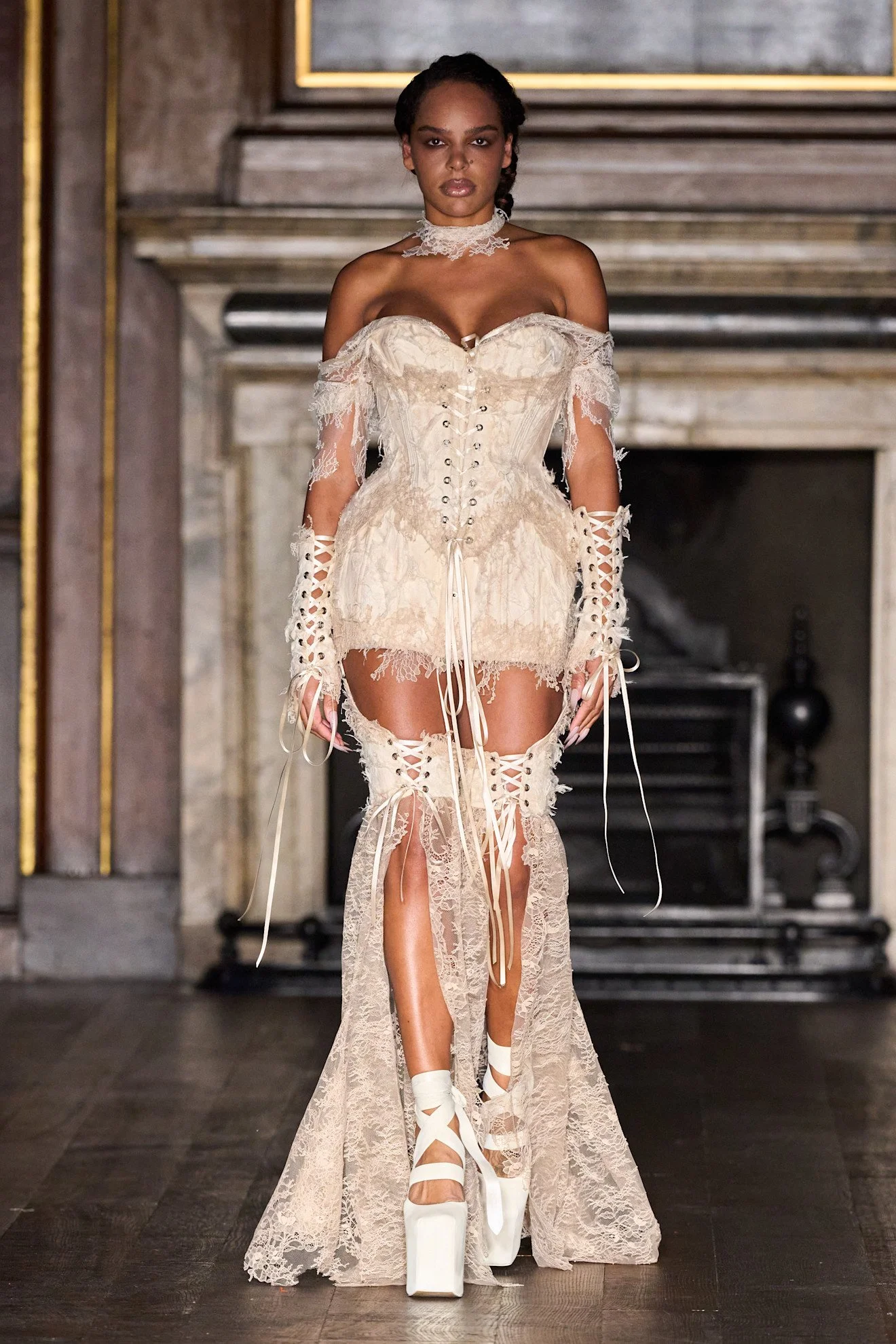
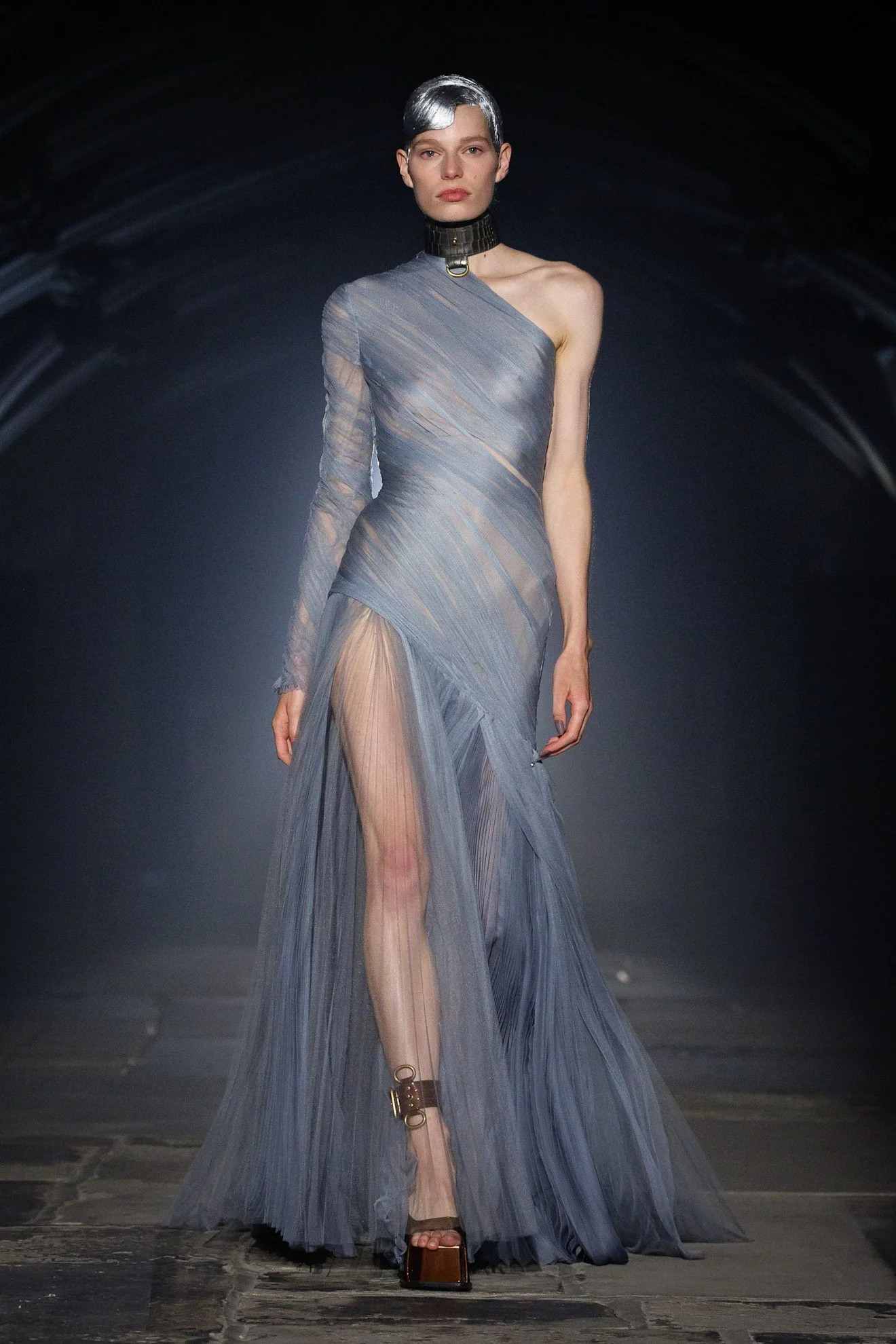
London Fashion Week SS27 unfolded with the kind of electricity only this city can generate a collision of heritage and experimentation, of young designers testing boundaries and established houses rewriting their own codes. London remains fashion’s most unpredictable capital, where creativity doesn’t trickle but erupts, shaping the streets, the runways, and the conversations that follow.
The most anticipated moment of the week was the return of Alexander McQueen to London. For years, the house has been anchored to Paris, with only rare exceptions. Seán McGirr’s decision to show in London felt like a deliberate reconnection to the brand’s birthplace a reclaiming of the raw British energy that shaped its earliest identity.
McGirr’s references were unexpected: Piero della Francesca’s The Baptism of Christ intertwined with the nocturnal world of London’s young ravers. The result was a collection built on contrasts liquid silks held in place by assertive belts, metallic elements crafted by Shaun Leane, and silhouettes that oscillated between tenderness and provocation. It wasn’t the operatic drama of Lee McQueen nor the sculpted femininity of Sarah Burton. It was something new: a tension between softness and edge, sensuality and structure, signalling a fresh era for the house.
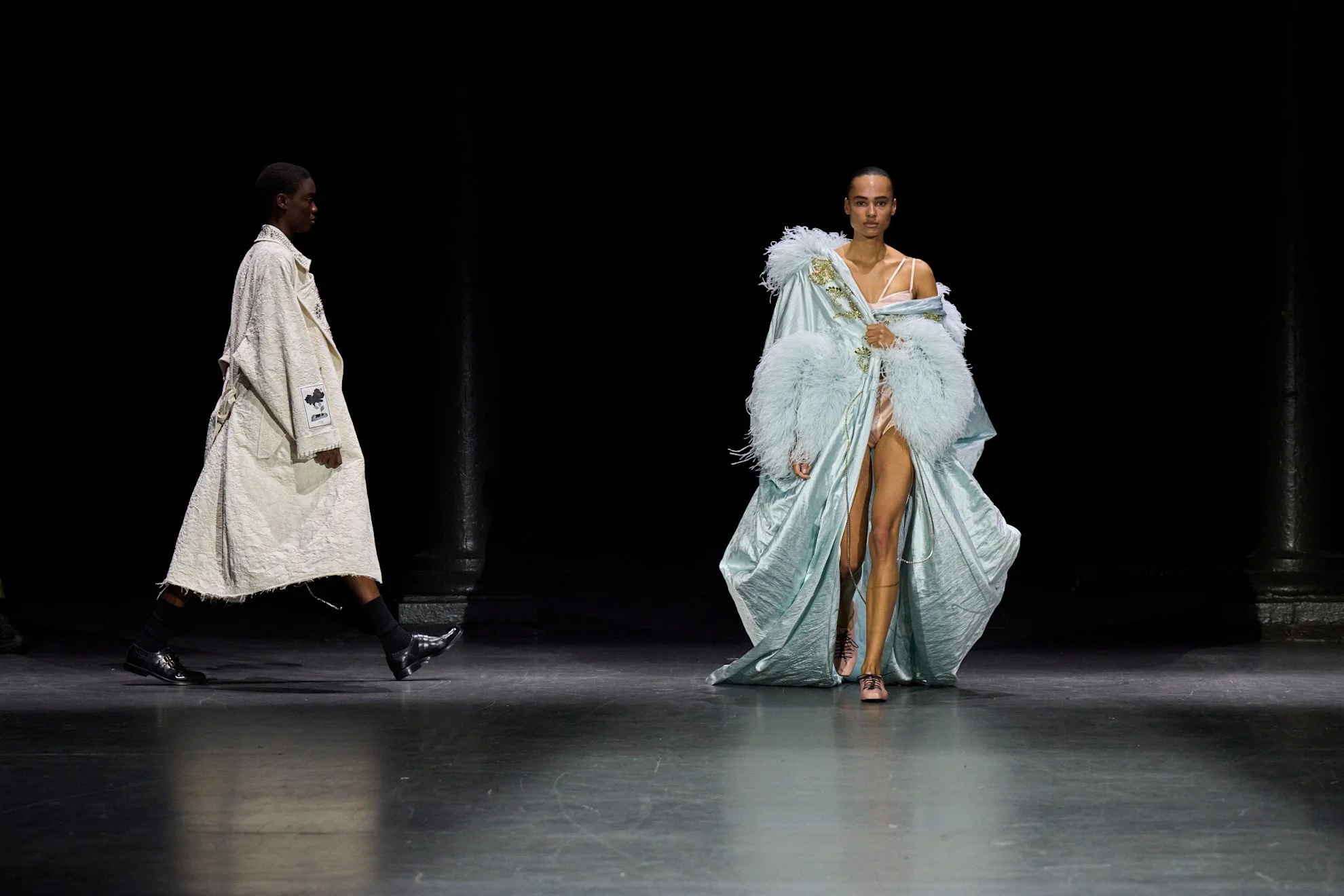
Erdem
Erdem shifted its usual stately setting to Camden’s Roadhouse, transforming the show into a nocturnal performance. Models emerged through clouds of dry ice, their crystal‑studded bodysuits and sharply tailored silhouettes cutting through the darkness.
The collection drew inspiration from Barbette, the 1920s trapeze artist and female impersonator known for elegance and illusion. Erdem translated this into sculptural shapes, elongated proportions, and a femininity that felt both theatrical and deeply intimate. It was a reminder that drama, when handled with precision, becomes a form of poetry.
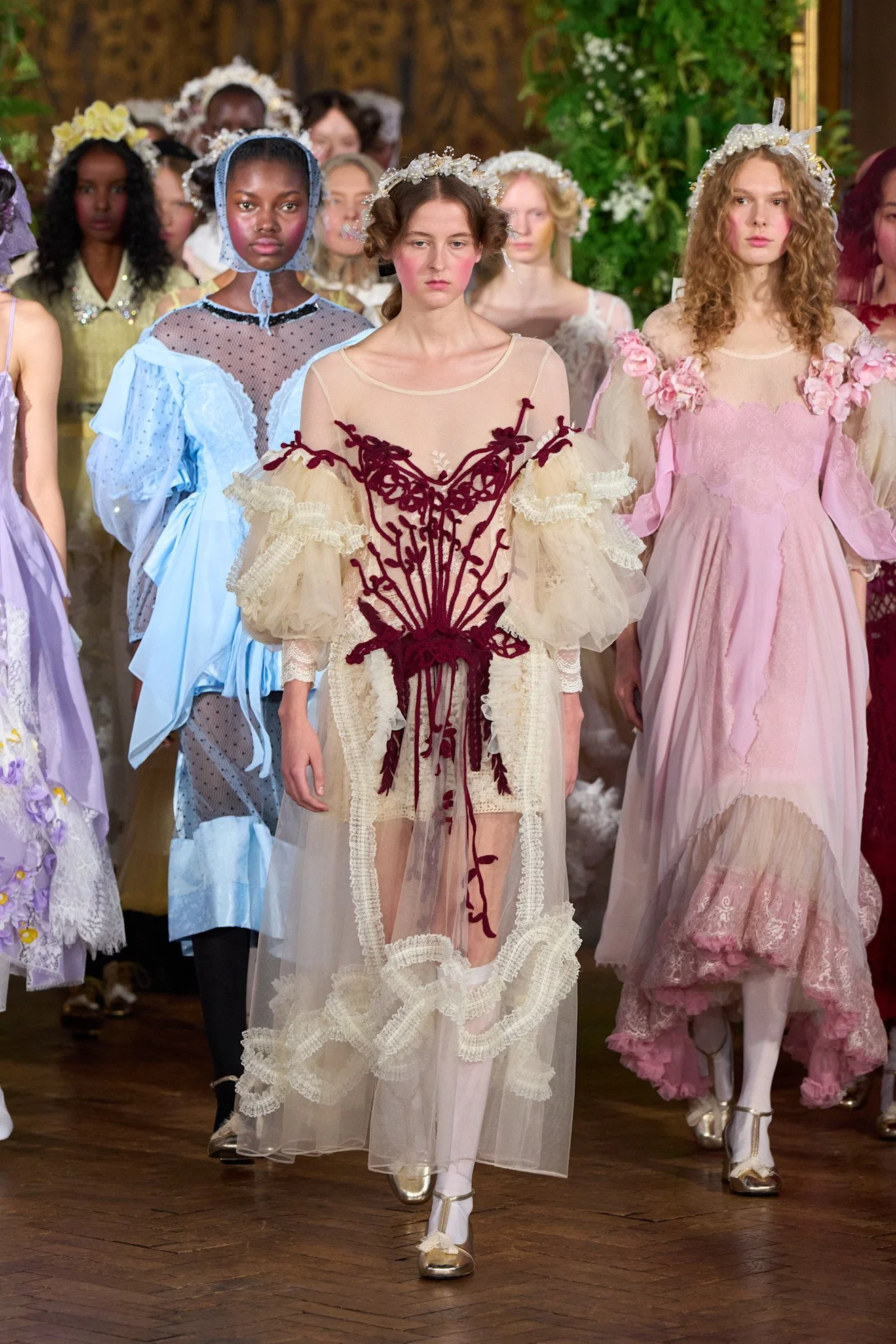
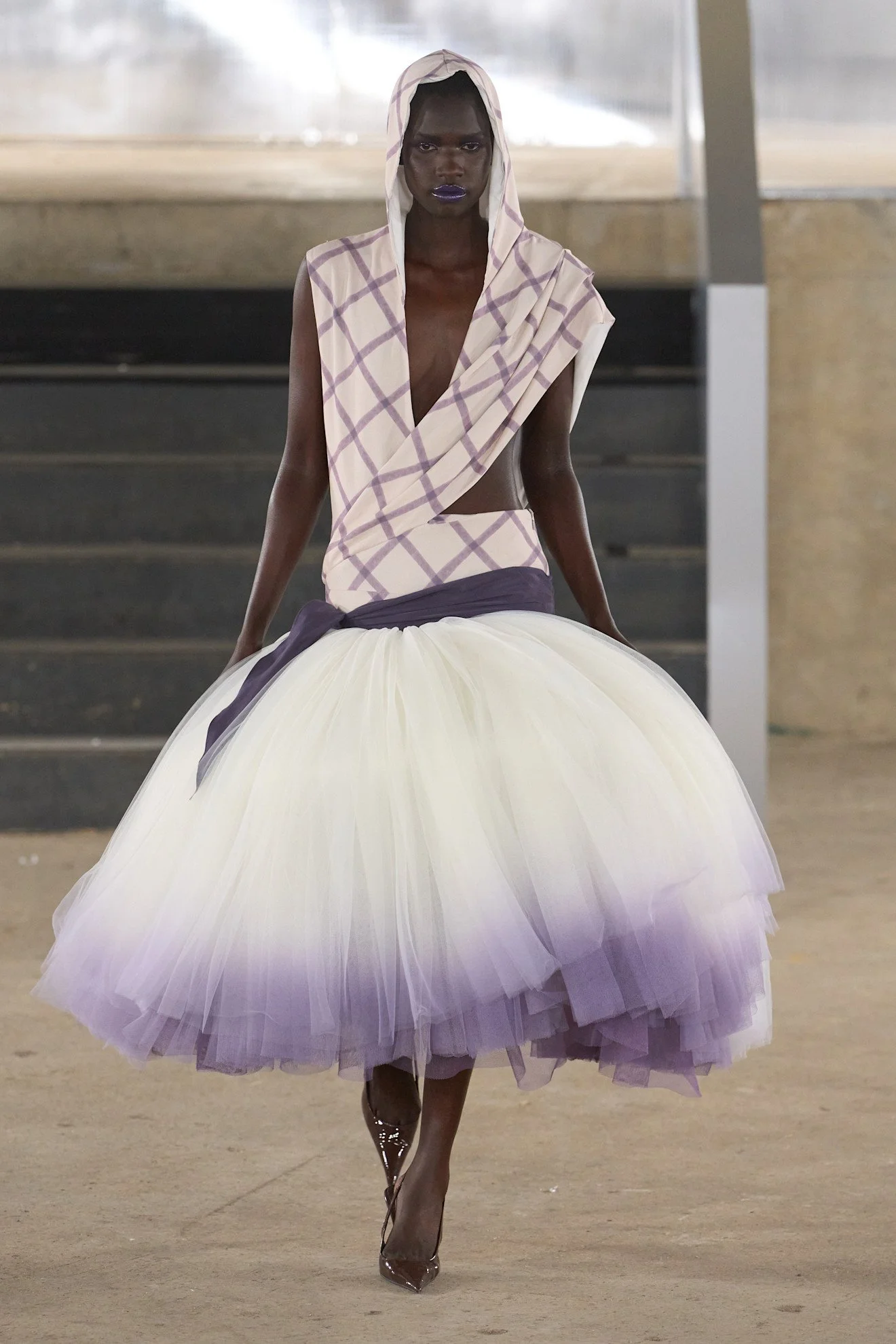
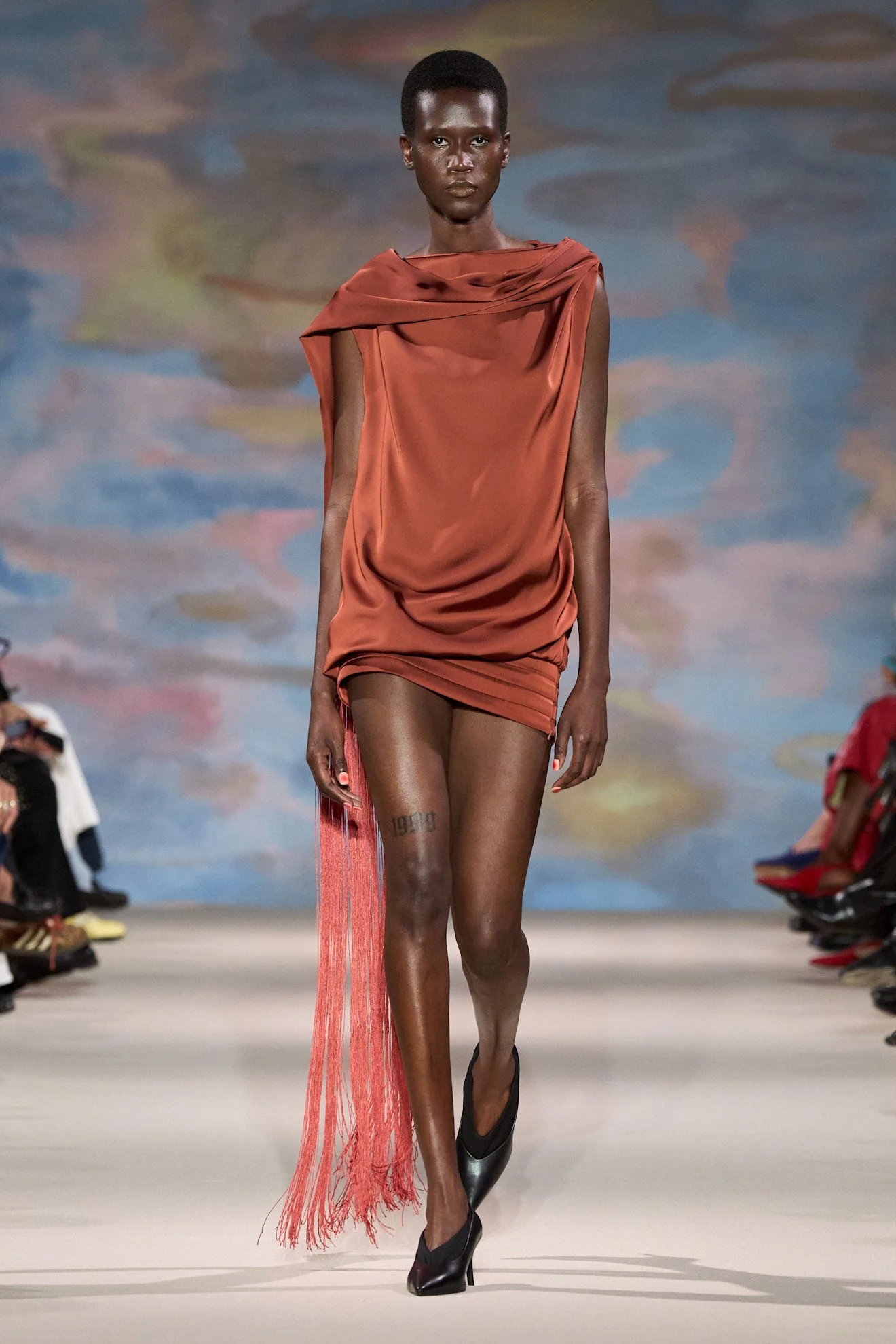
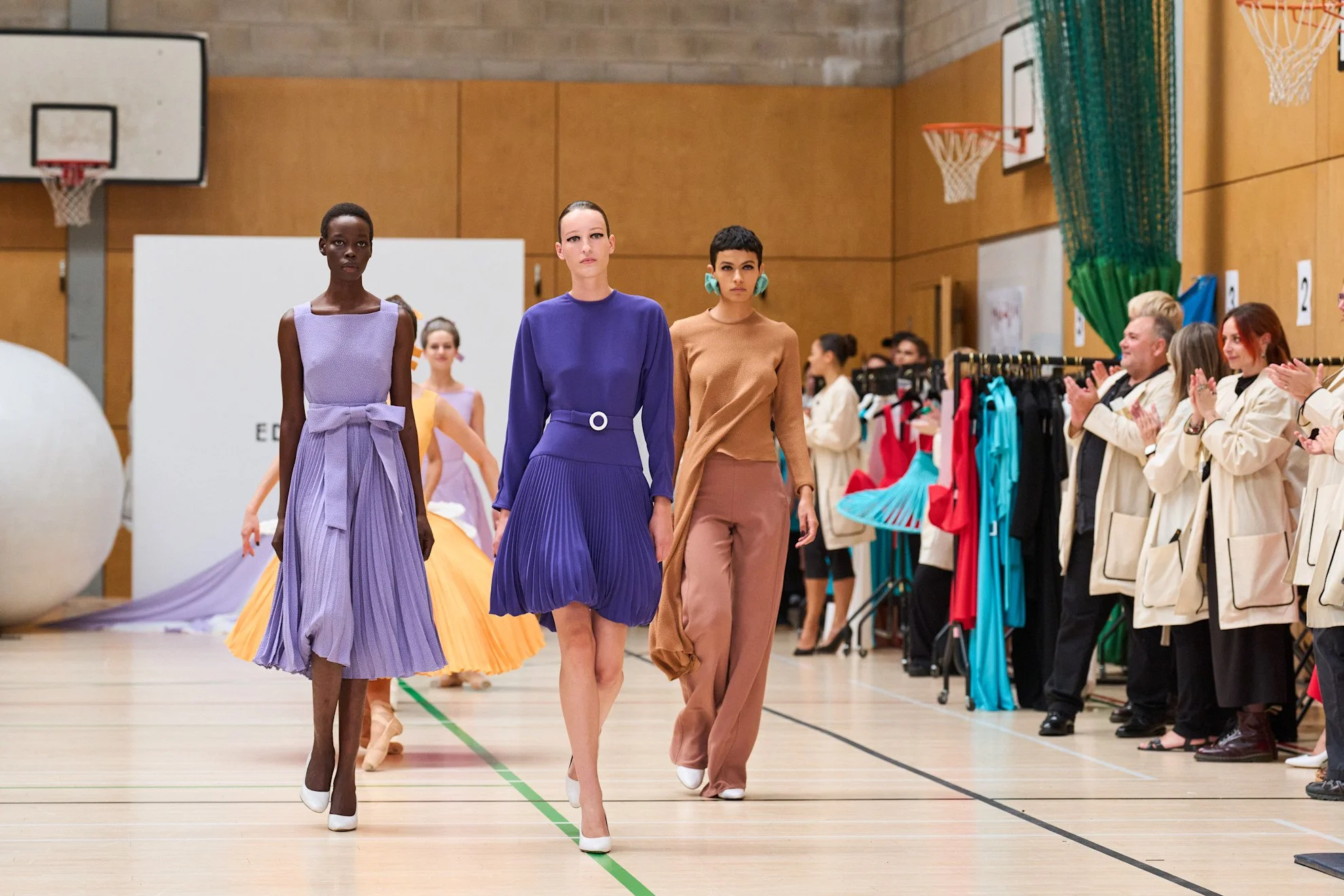
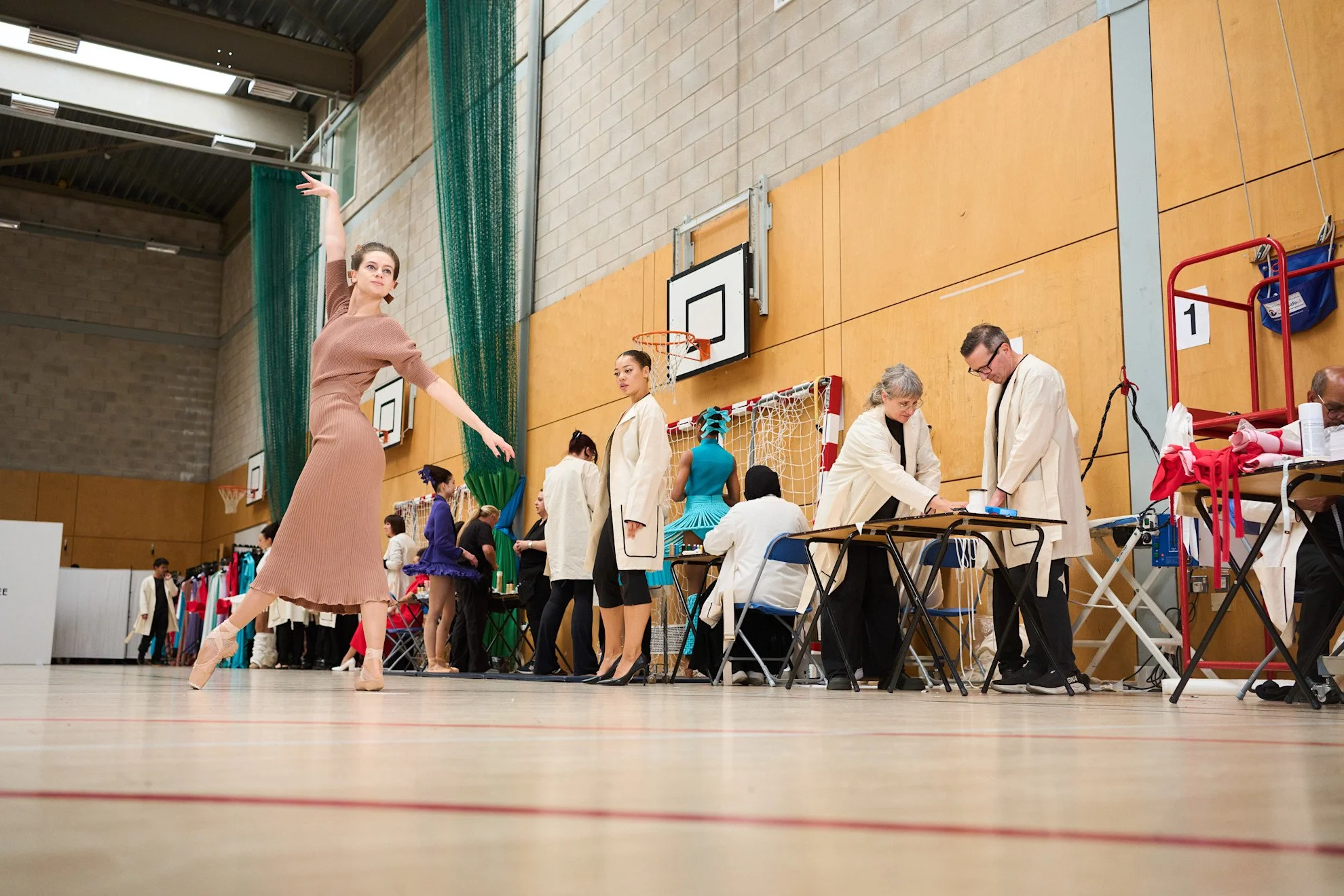
Edeline Lee offered one of the week’s most emotionally resonant presentations. Her team dressed and refined models in full view, revealing the choreography of craftsmanship that usually remains hidden backstage. Around the space, screens played a film featuring dancers choreographed by Xolisweh Ana Richards, creating a dialogue between movement, making, and performance.
In a season saturated with conversations about AI and digital models, Lee’s show felt like a tribute to human hands — the quiet labour that gives fashion its soul.
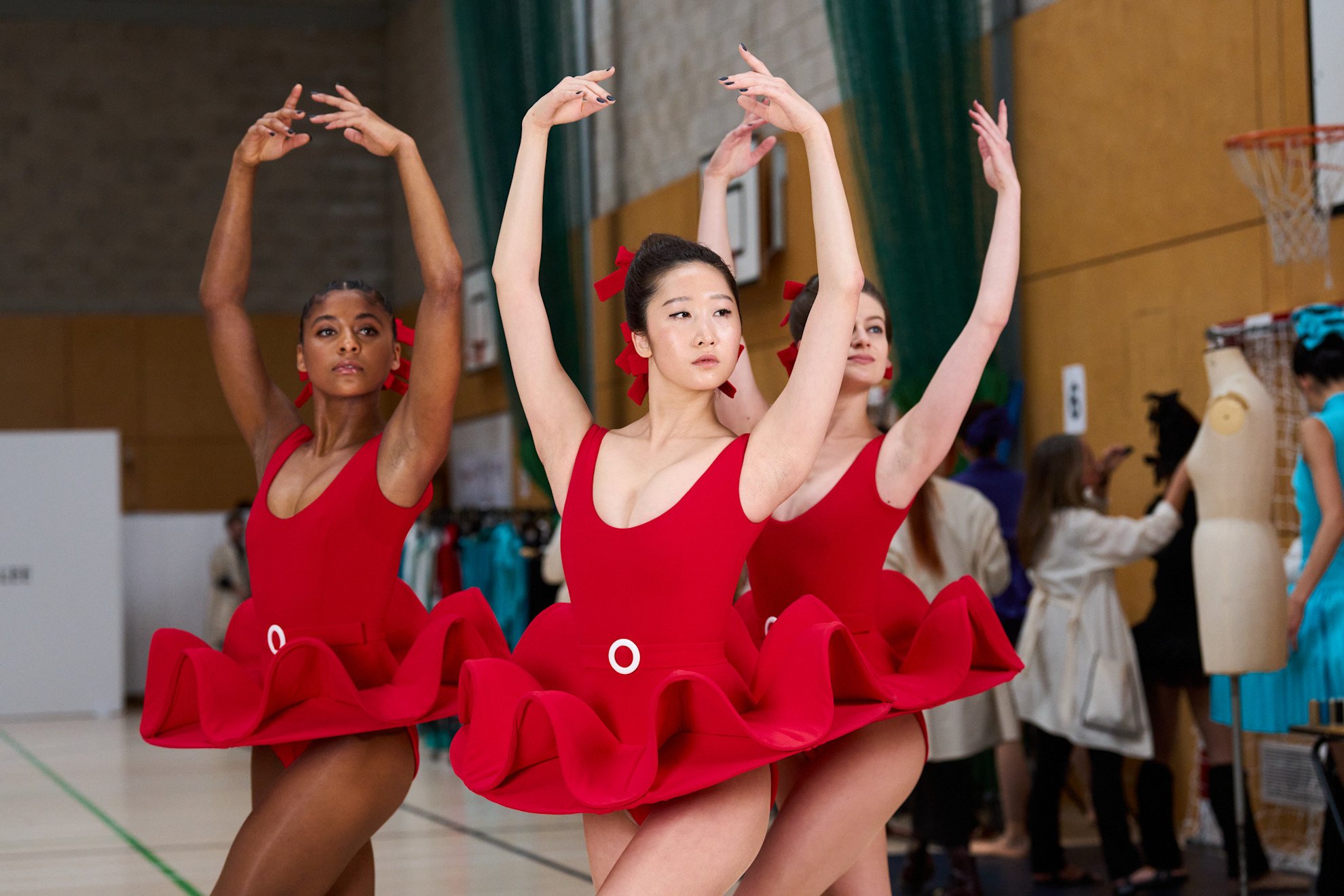
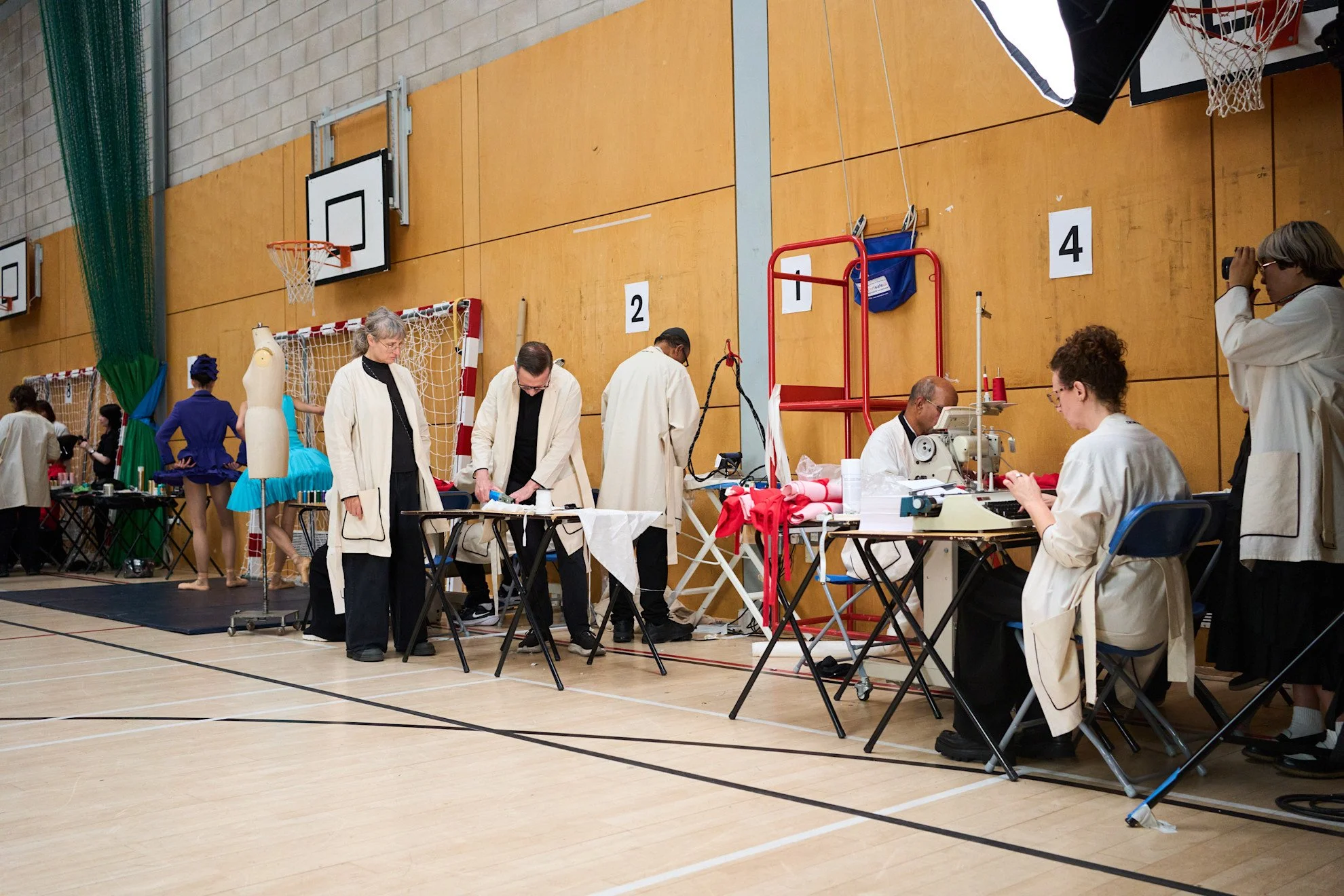
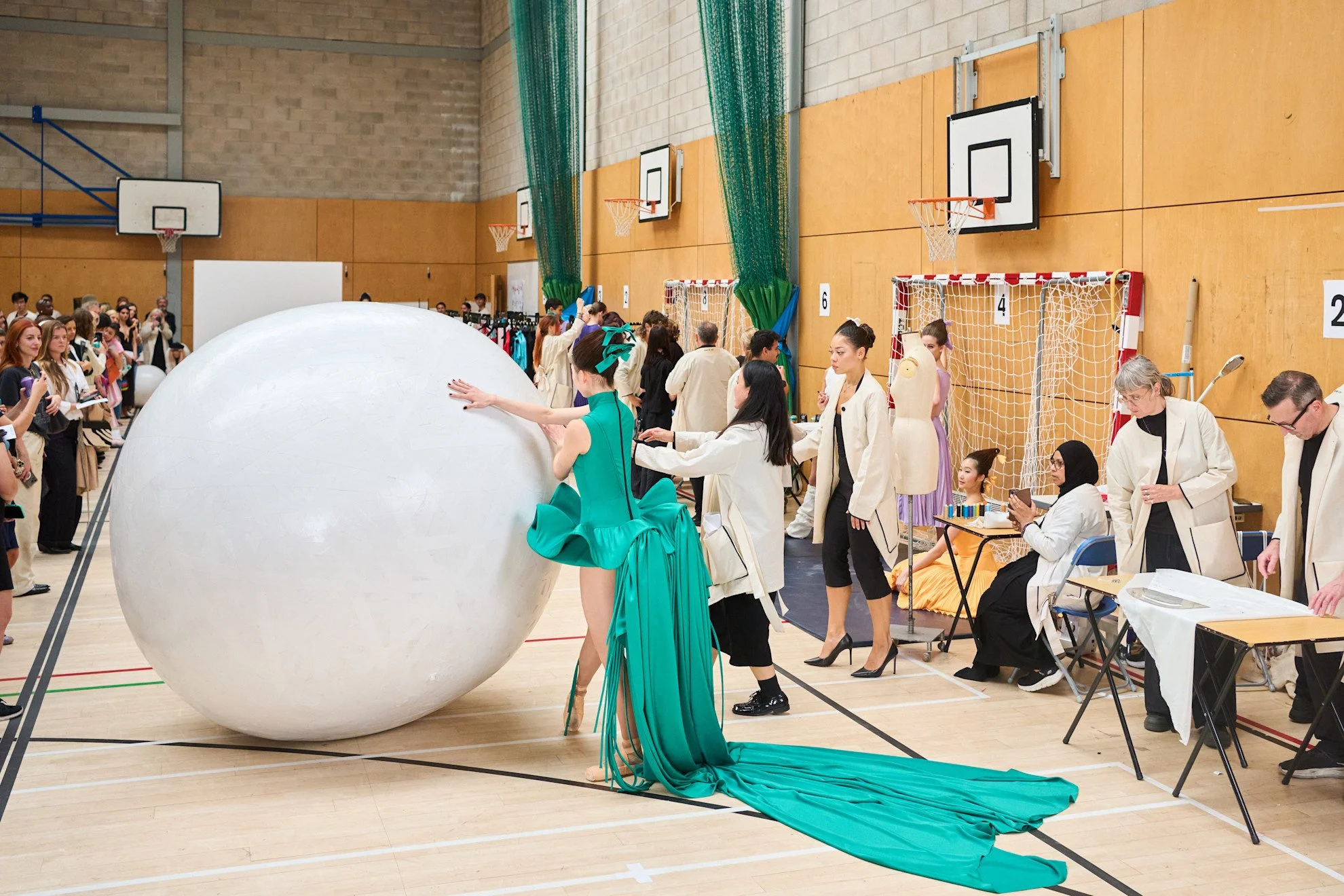
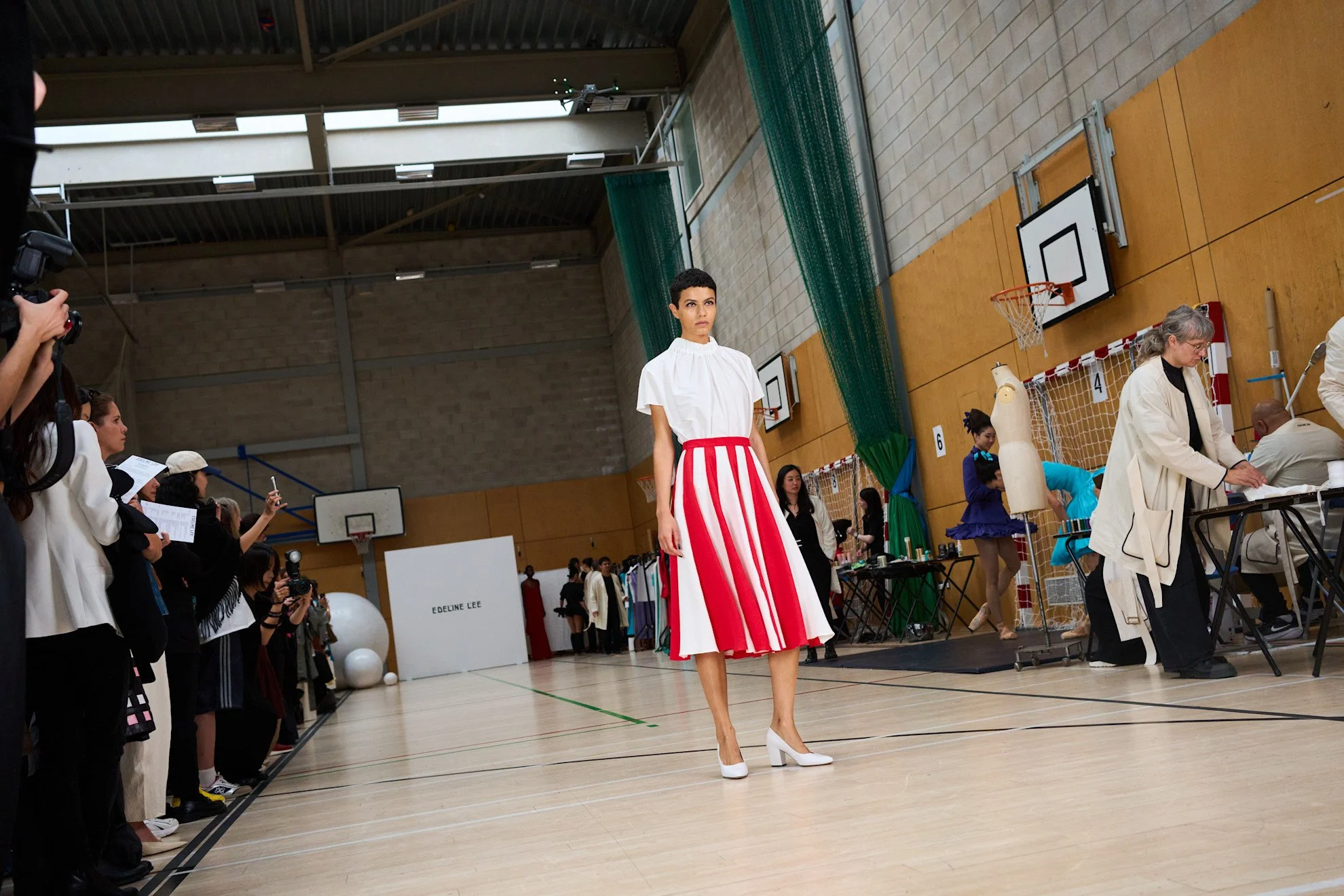
Edeline Lee
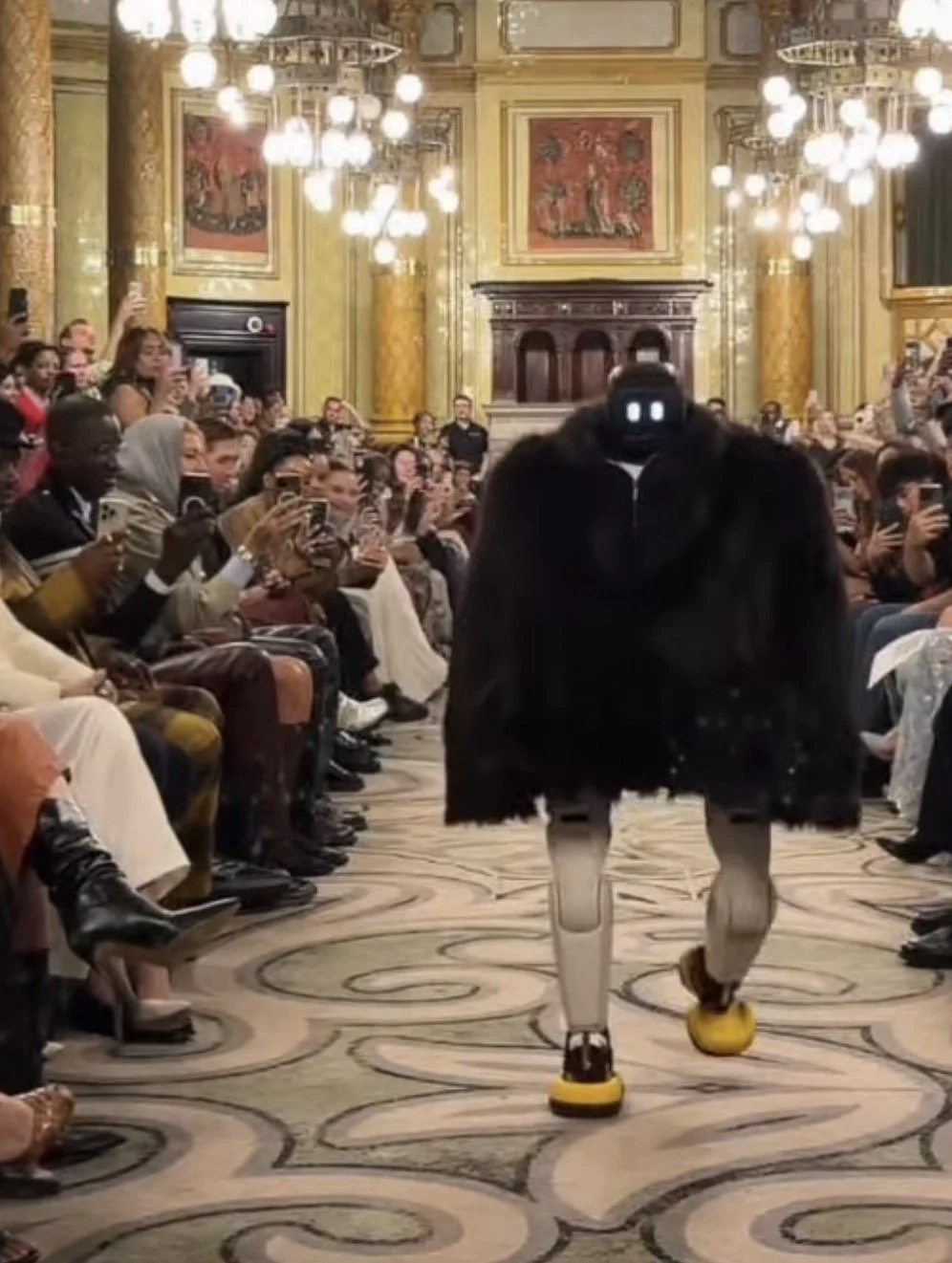
In a season where the industry is loudly debating AI imagery and the rise of non‑existent digital models, Tulasi delivered the most unexpected and genuinely viral moment of London Fashion Week. While many designers flirt with technology through screens and filters, Tulasi brought innovation into the physical space: a robot gliding down the runway, dressed in a full look from the collection.
Tulasi
Tulasi’s robot look became one of London Fashion Week’s most viral moments not because it mimicked AI, but because it rejected it. While the industry debates artificial models and app‑generated images that feel flat and unreal, Tulasi brought technology into the physical world: a robot gliding down the runway in a full look. It was innovation with presence, proving that fashion’s future is human imagination made tangible.
It wasn’t a gimmick. It was a statement about the tension between authenticity and artificiality, about the future of fashion presentation, and about how technology can be integrated without erasing the human element. The robot moved with eerie precision, its presence contrasting sharply with the emotional energy of the human models. In a week saturated with conversations about digital aesthetics, Tulasi’s choice felt both provocative and refreshingly real a reminder that innovation becomes meaningful only when it is experienced, not simulated.
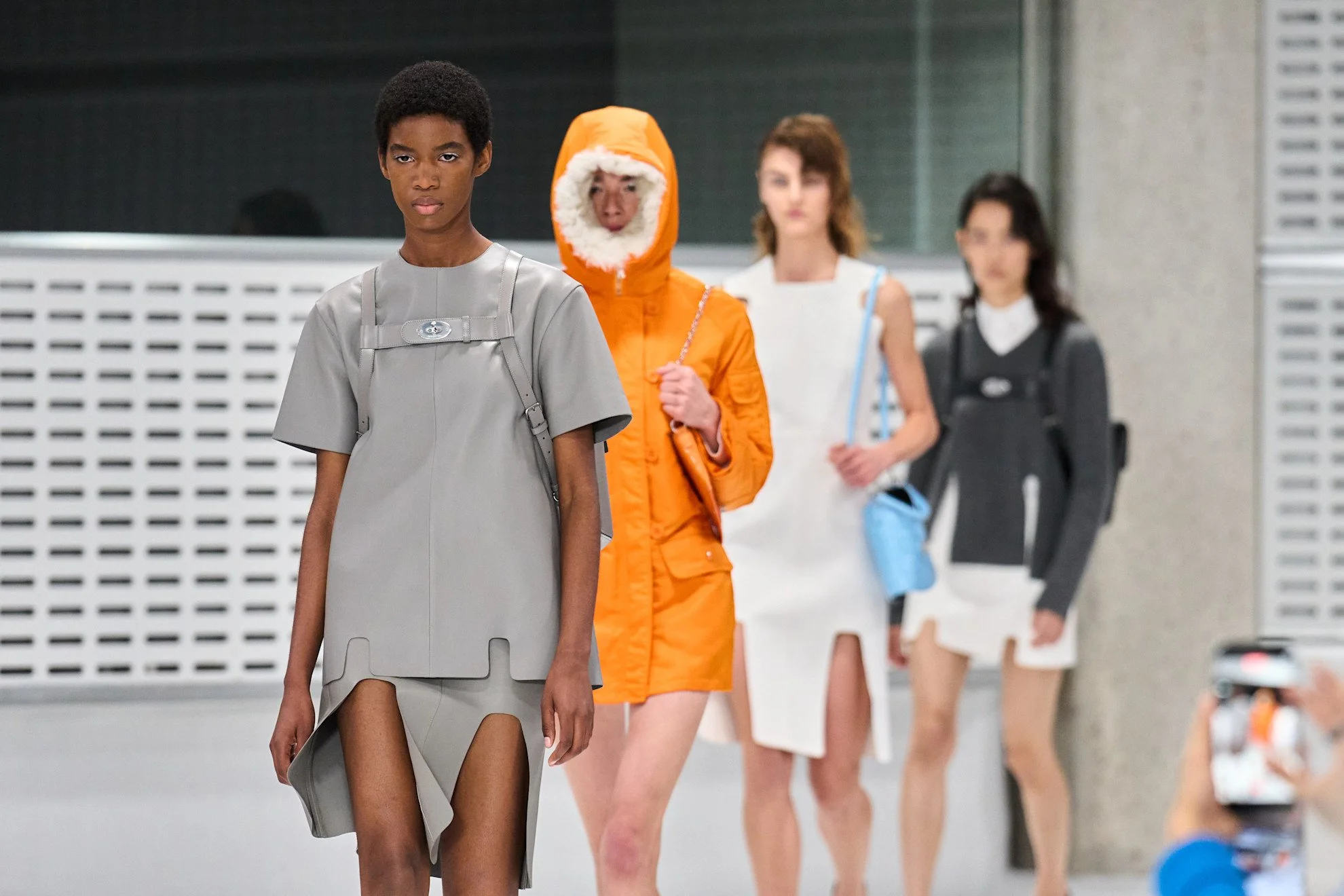
The debut of Christopher Kane at Mulberry introduced a new dynamic to the British house. Kane’s geometric sensibility met Mulberry’s everyday practicality, resulting in a collection that felt commercial yet sharply defined. Clean lines, structured shapes, and a focus on wearability suggested a strategic evolution for the brand one that aligns with modern luxury’s shift toward functional elegance.
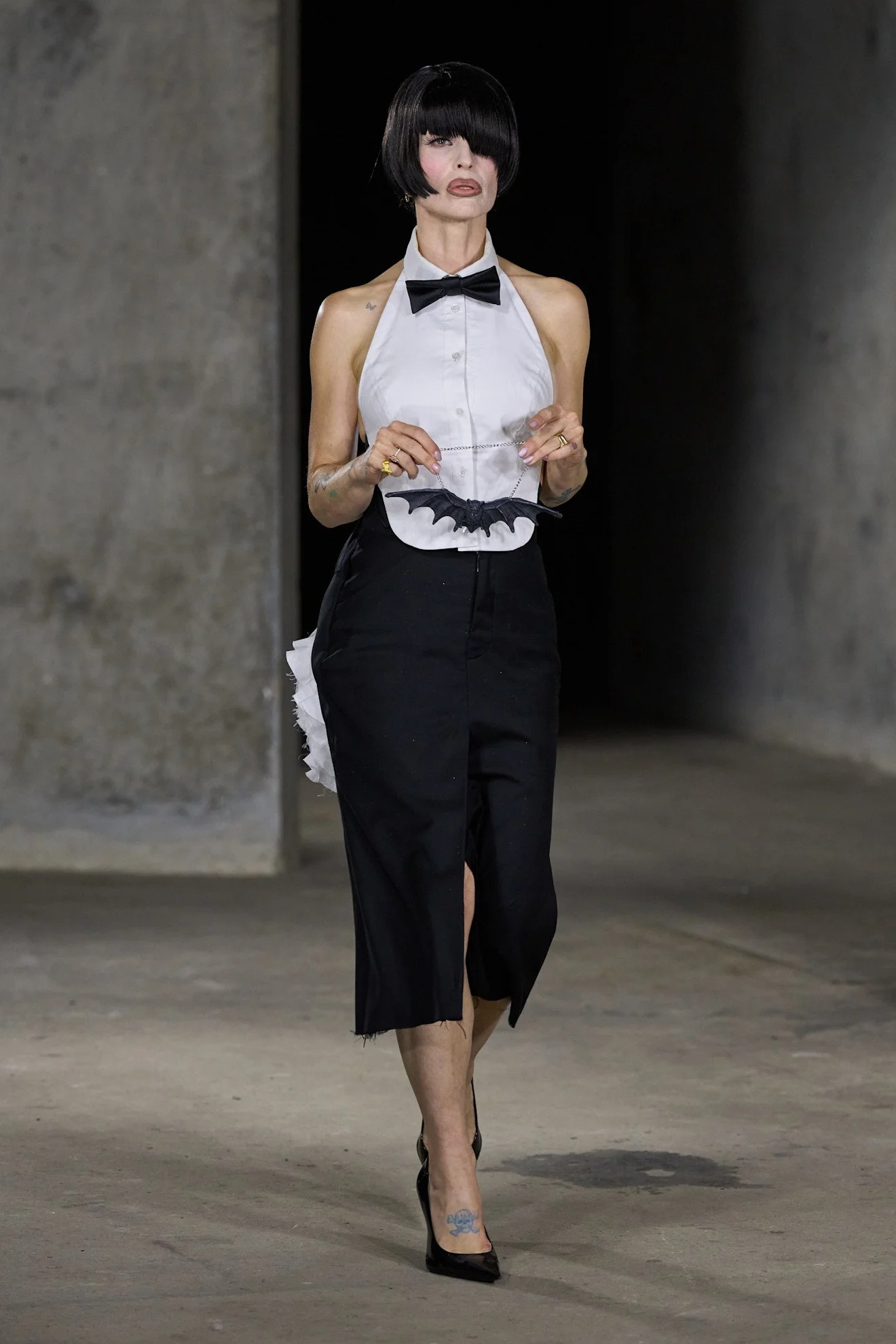
Ashley Williams delivered a collection rooted in domestic surrealism, filtered through her signature London irreverence. Models walked in identical bob‑cut wigs, wearing satin babydolls printed like wooden walls, torn tights stuffed with bunnies, and knitted teddies. Dresses reconstructed from bedding and curtain fabrics evoked nostalgia, memory, and the strange poetry of life lived indoors. Williams continues to prove that humour, when executed with intelligence, becomes a powerful design language.
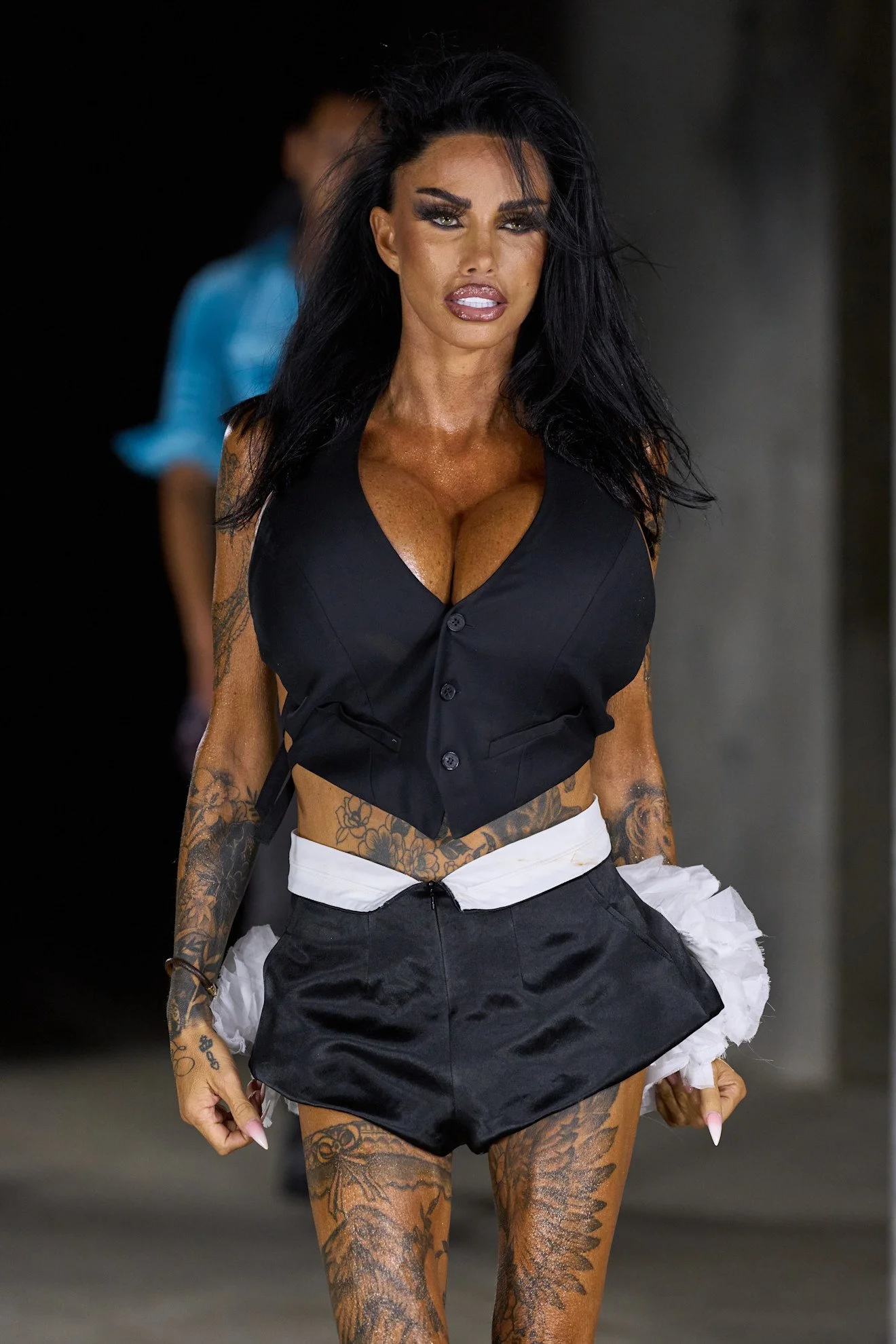
Natasha Zinko turned her lens toward attention‑seeking, voyeurism, and consent in the age of smartglasses and social media. Her show, Pay Per View, created with OnlyFans, featured Kelly Osbourne, Drea de Matteo, and Katie Price — a cast chosen to amplify the conversation around visibility and the monetisation of personal image. Zinko’s work remains one of London’s most provocative voices, using fashion as a tool for cultural critique.
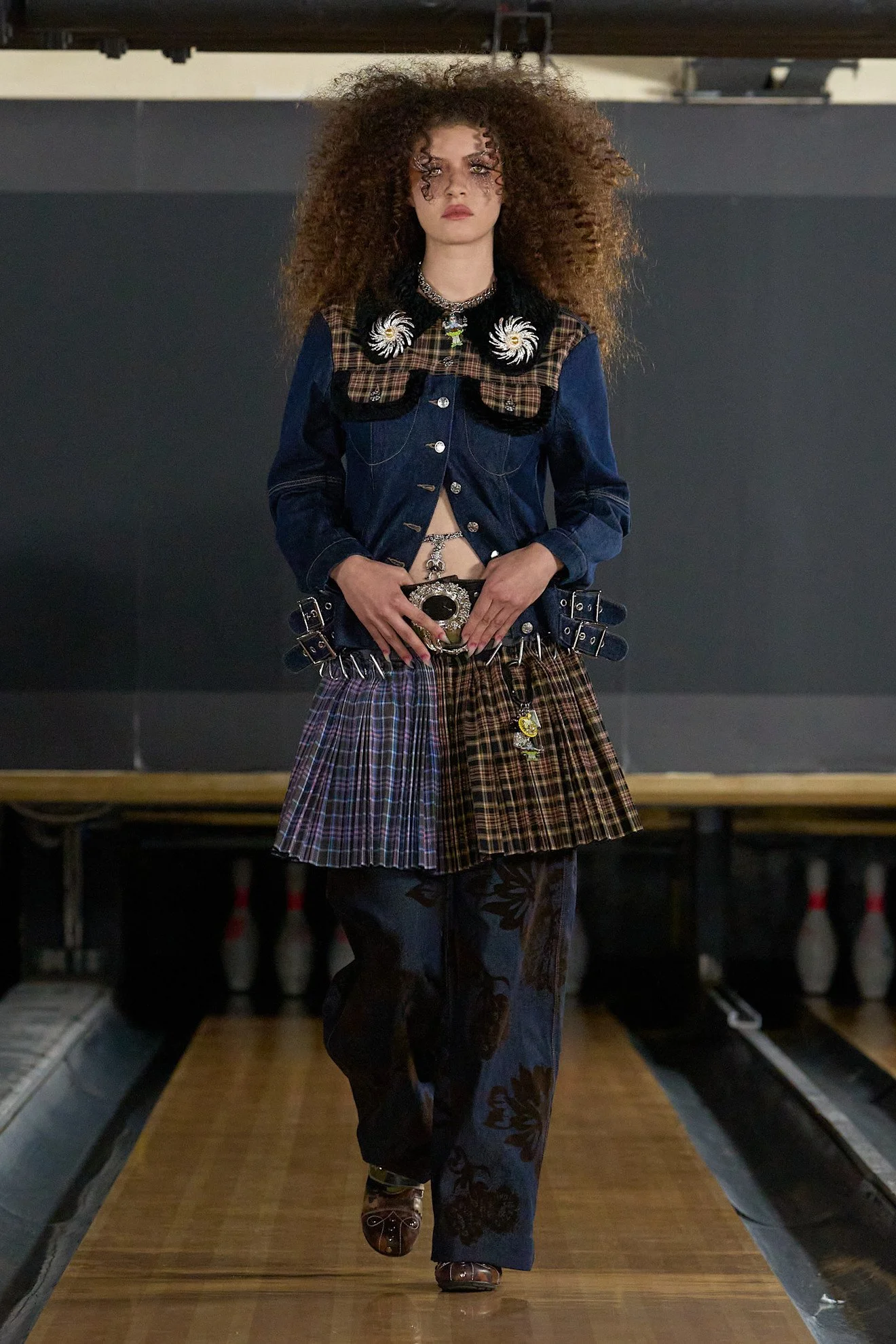
With Halloween approaching, Chopova Lowena embraced witchcraft as a badge of honour. For Emma Chopova and Laura Lowena, being called a witch is an invitation into their world of folklore, humour, and subculture. Their iconic carabiner skirt remains a Gen Z staple, anchoring a collection that blended mischief with craftsmanship and a playful sense of rebellion.
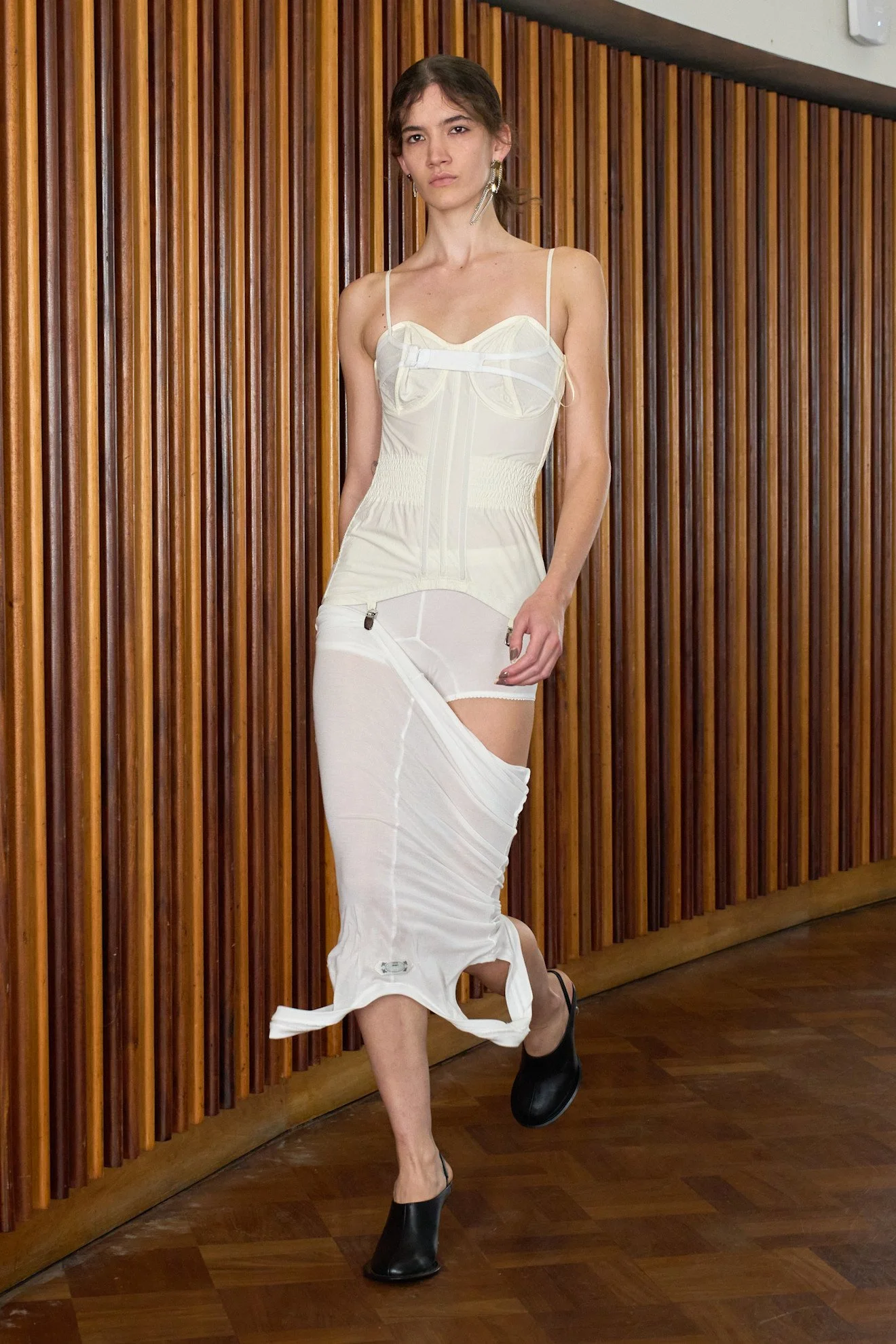
KNWLS, by Charlotte Knowles and Alexandre Arsenault, expanded their vocabulary of tension — between protection and exposure, softness and structure. Bodycon leathers, a ruffle‑collar trench, a shrunken leather jacket, and a plush shearling coat created a wardrobe that felt like armour softened by sensuality. The duo continues to refine their language of empowered seduction.
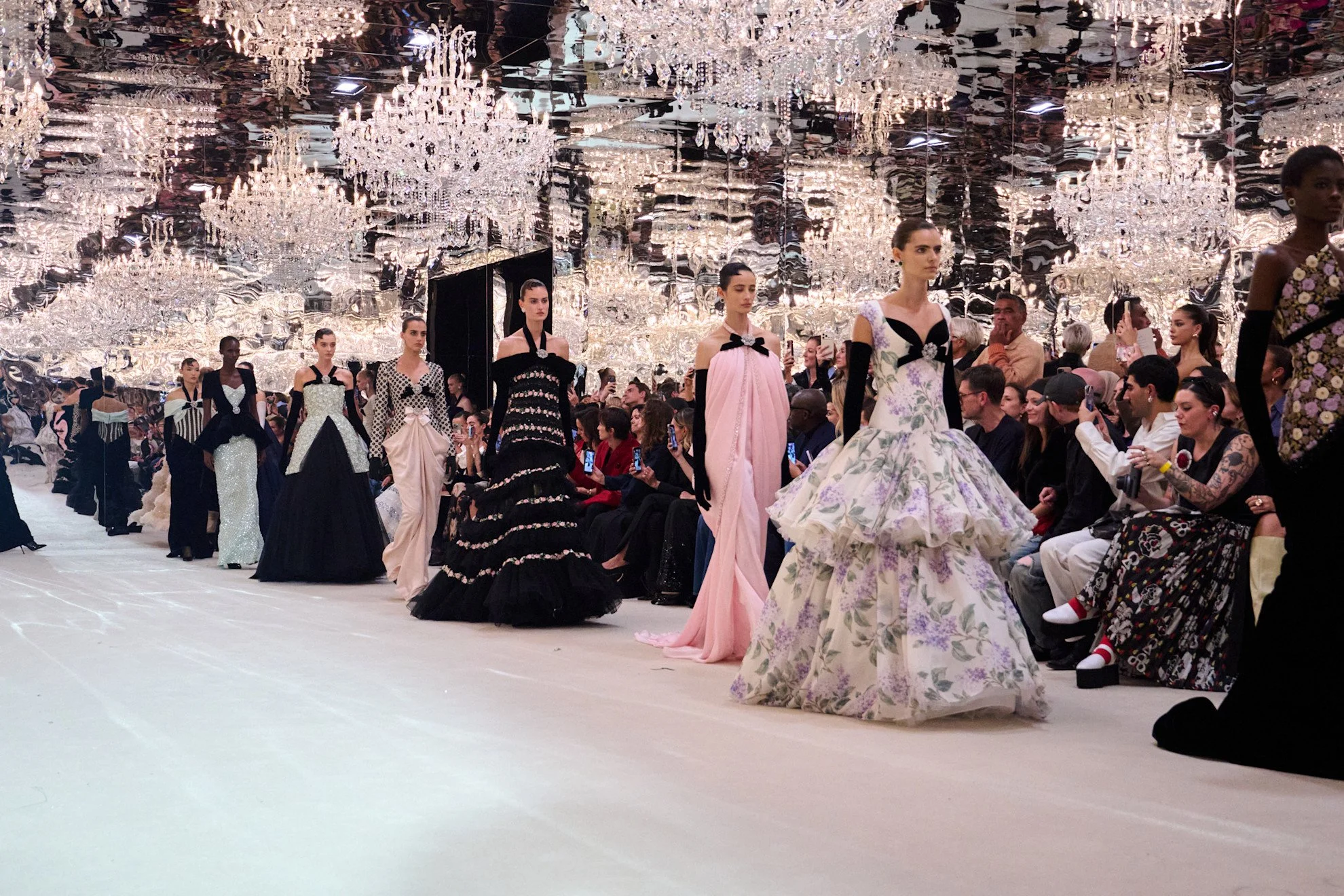
Richard Quinn delivered one of the week’s most spectacular shows. Chandeliers hung across the ceiling, gowns referenced 1950s couture, and 1990s supermodels walked the runway. Quinn’s mastery of spectacle remains unmatched — a reminder that London glamour can be as grand as Paris when executed with conviction.
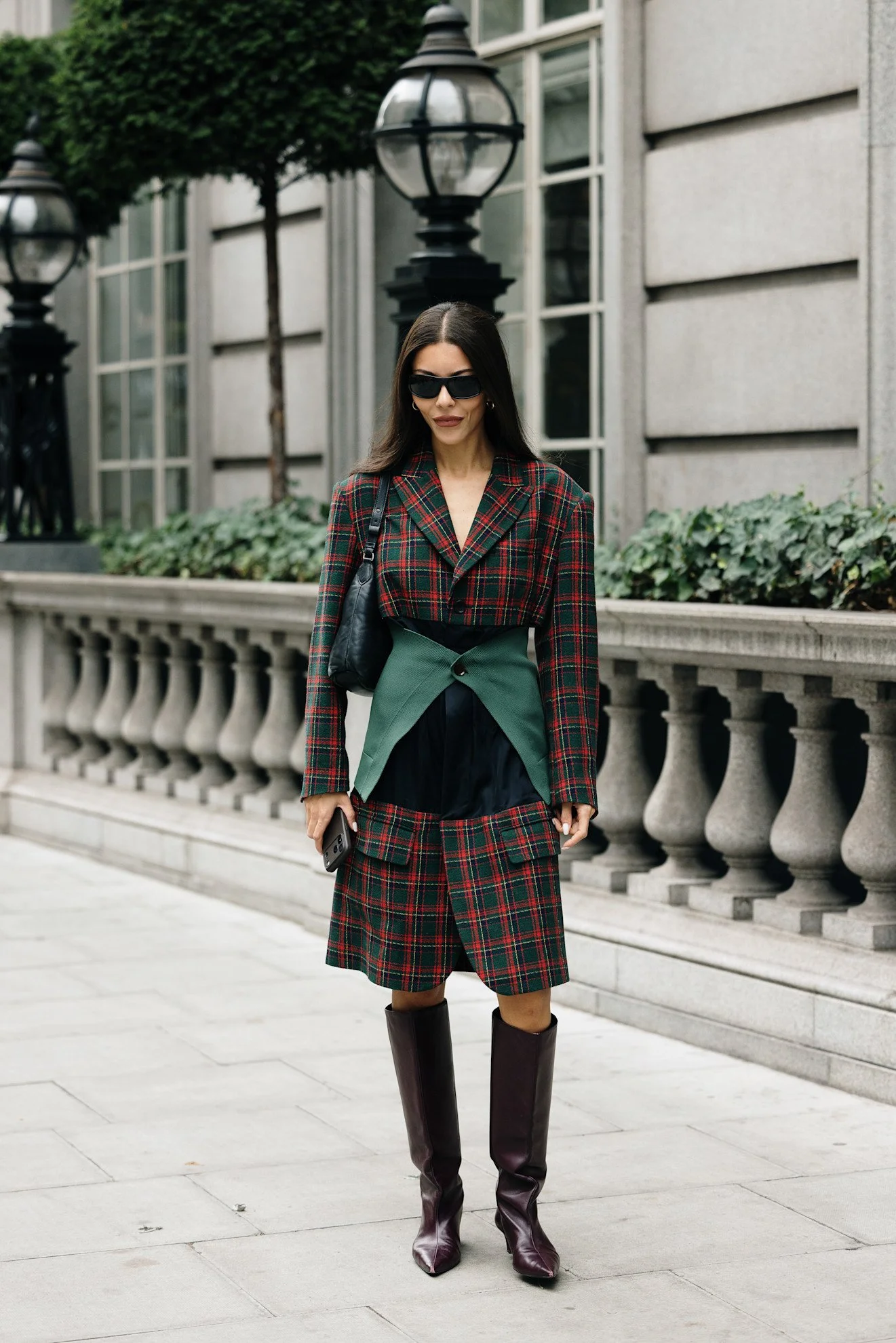
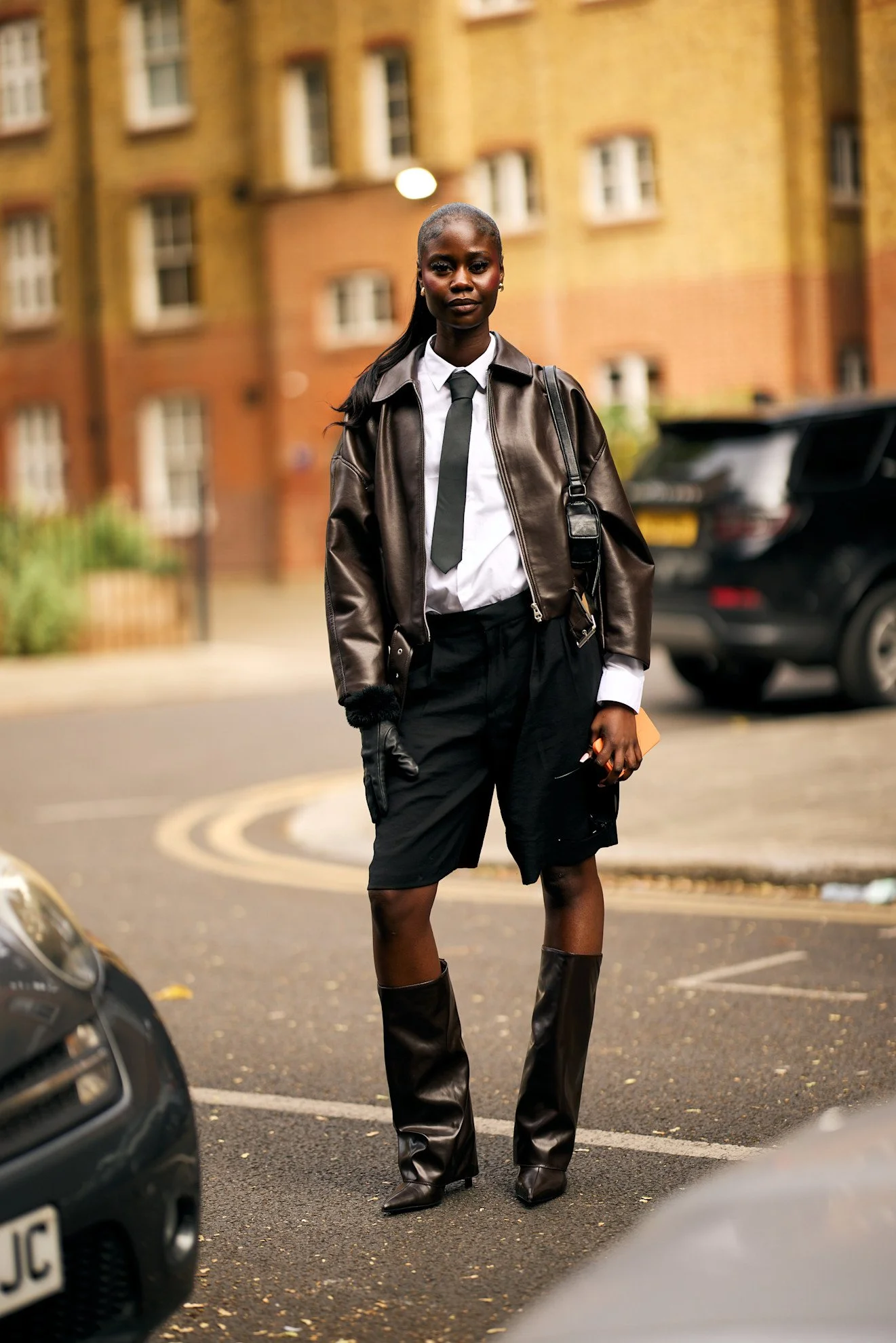
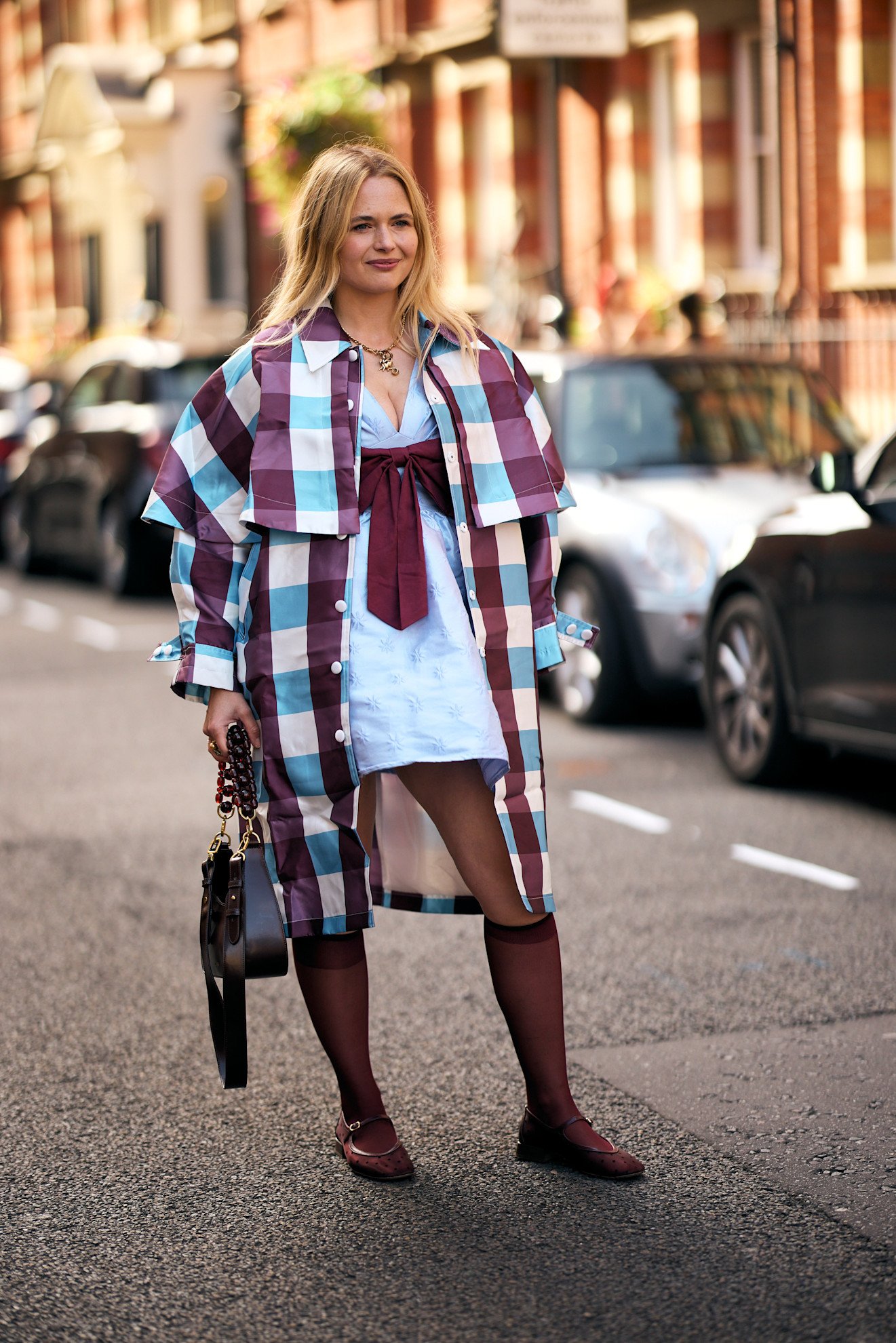
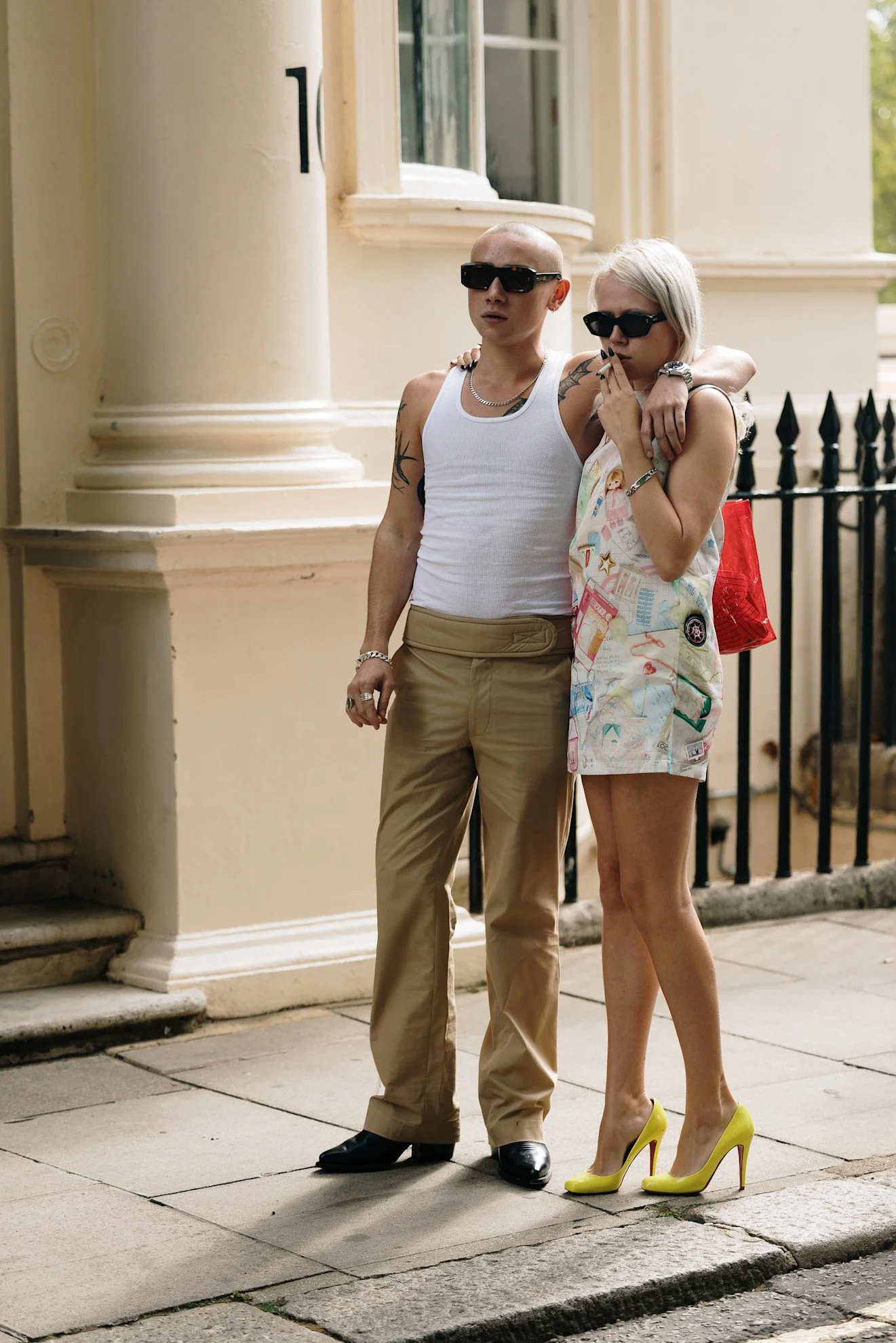
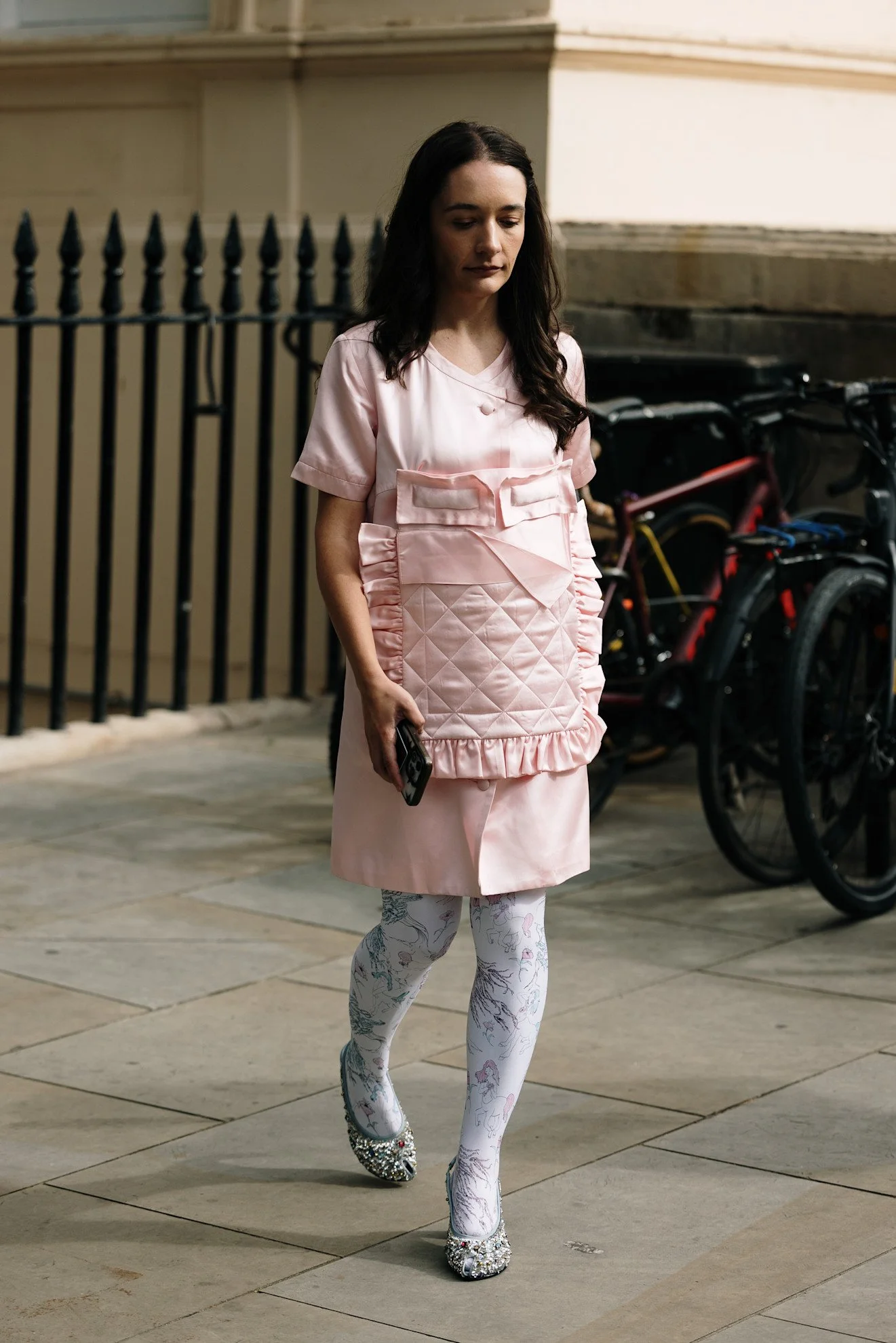
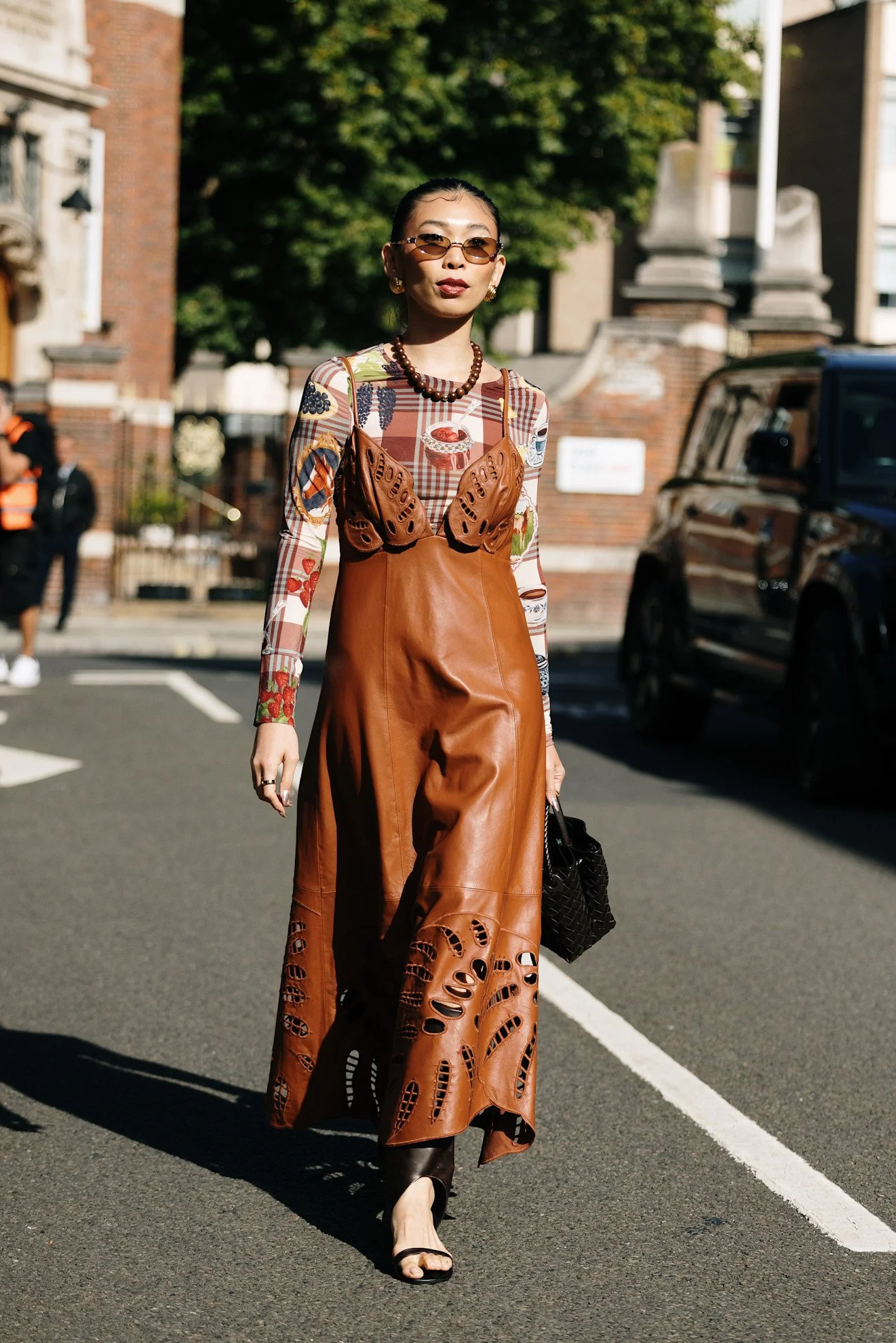
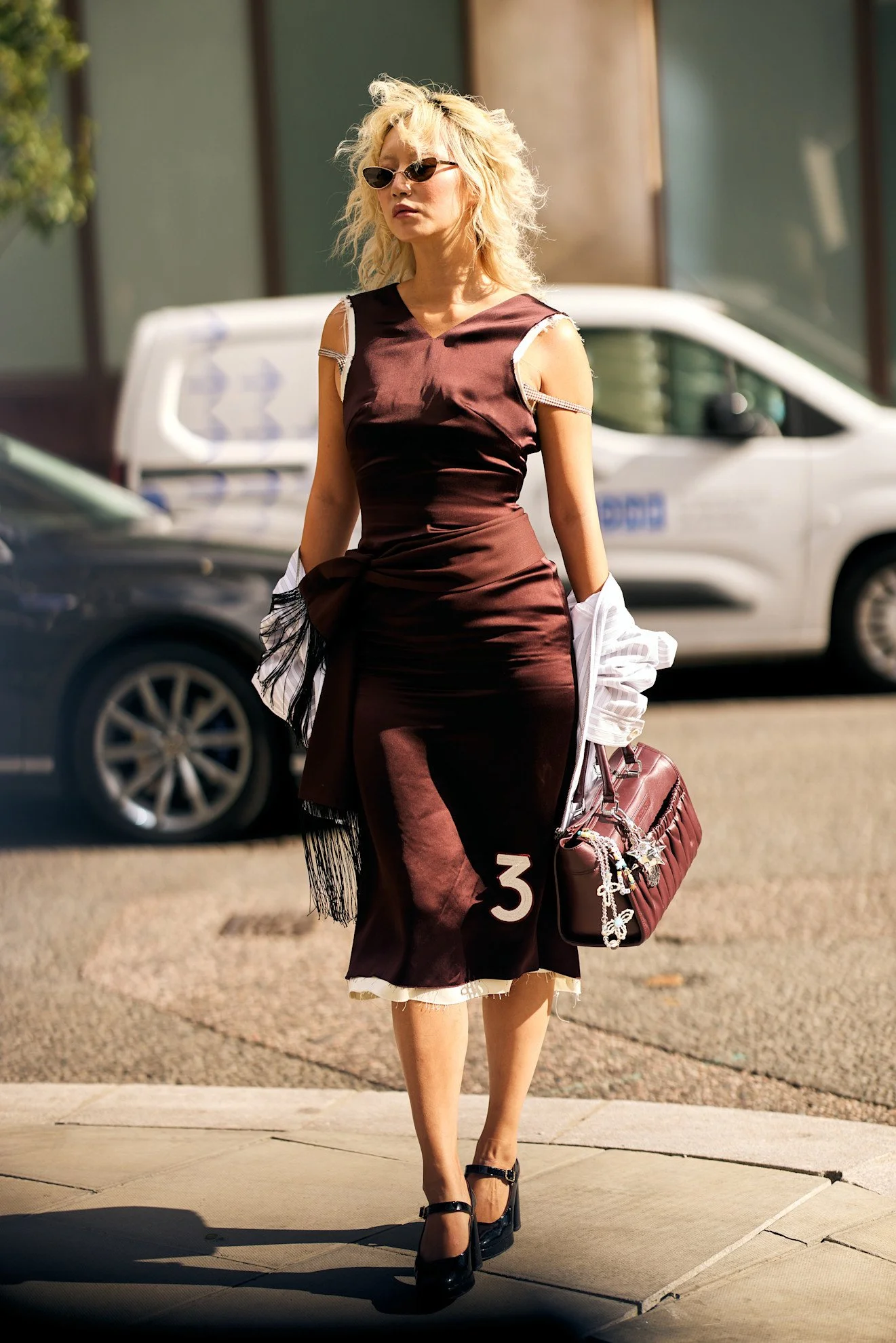
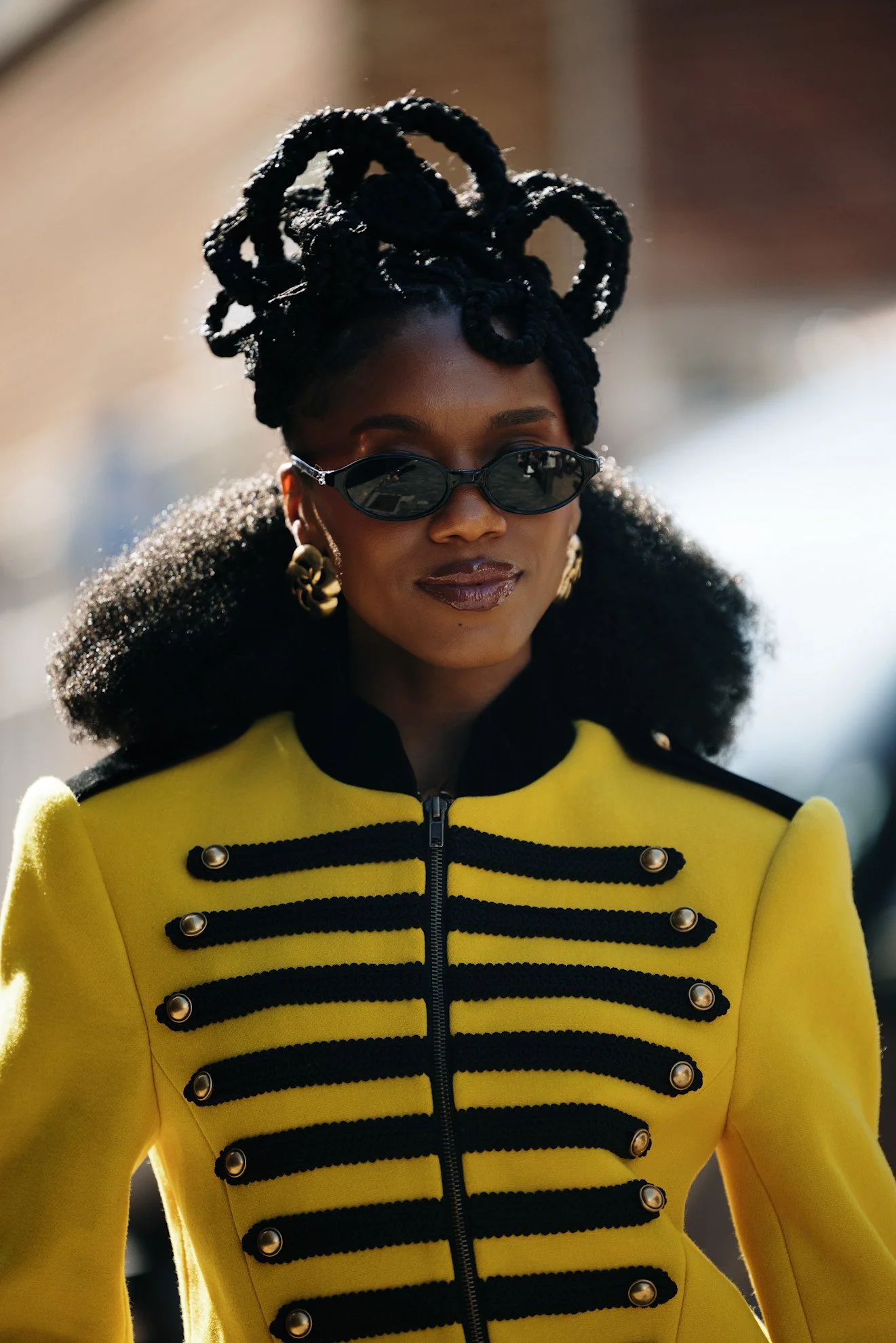
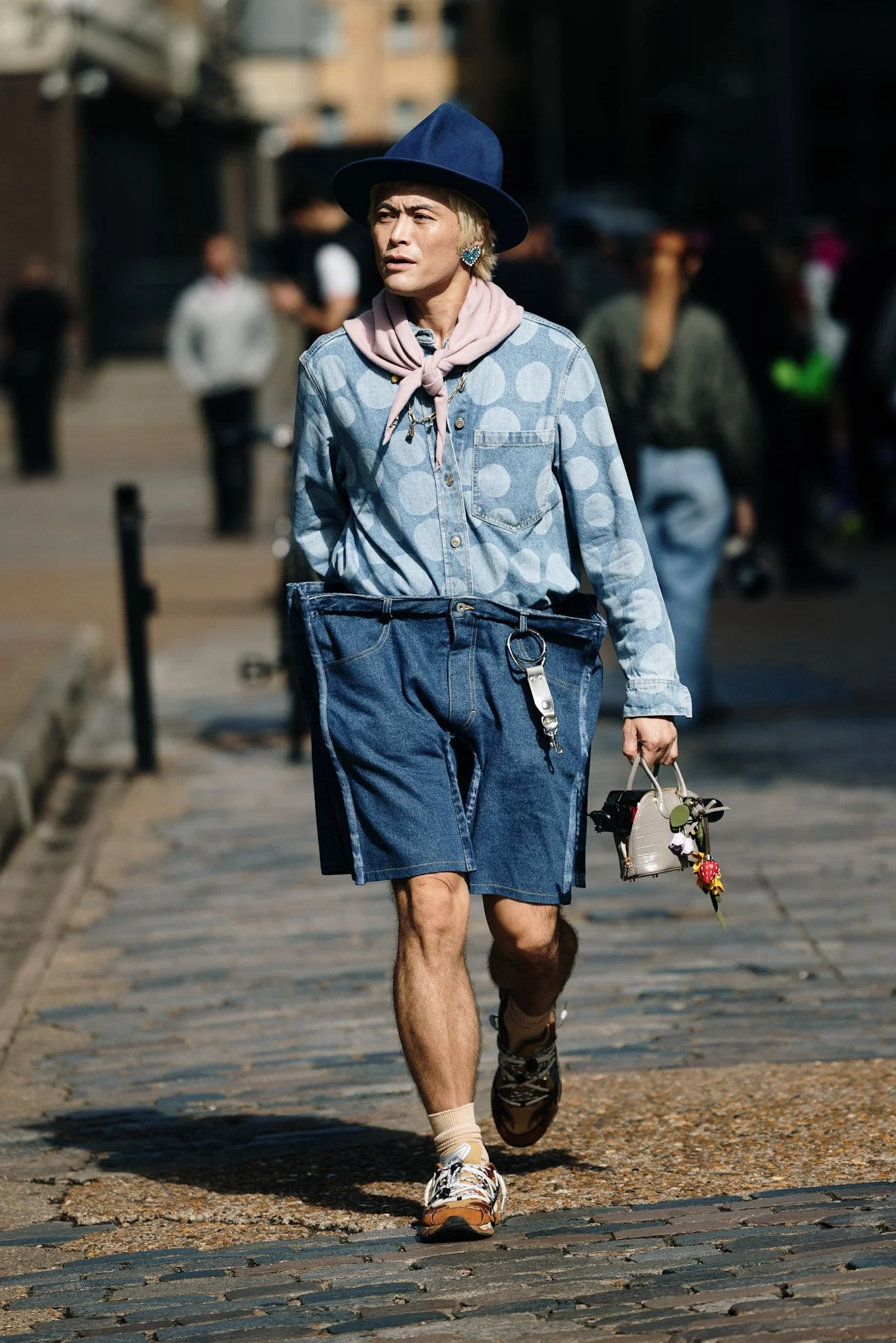
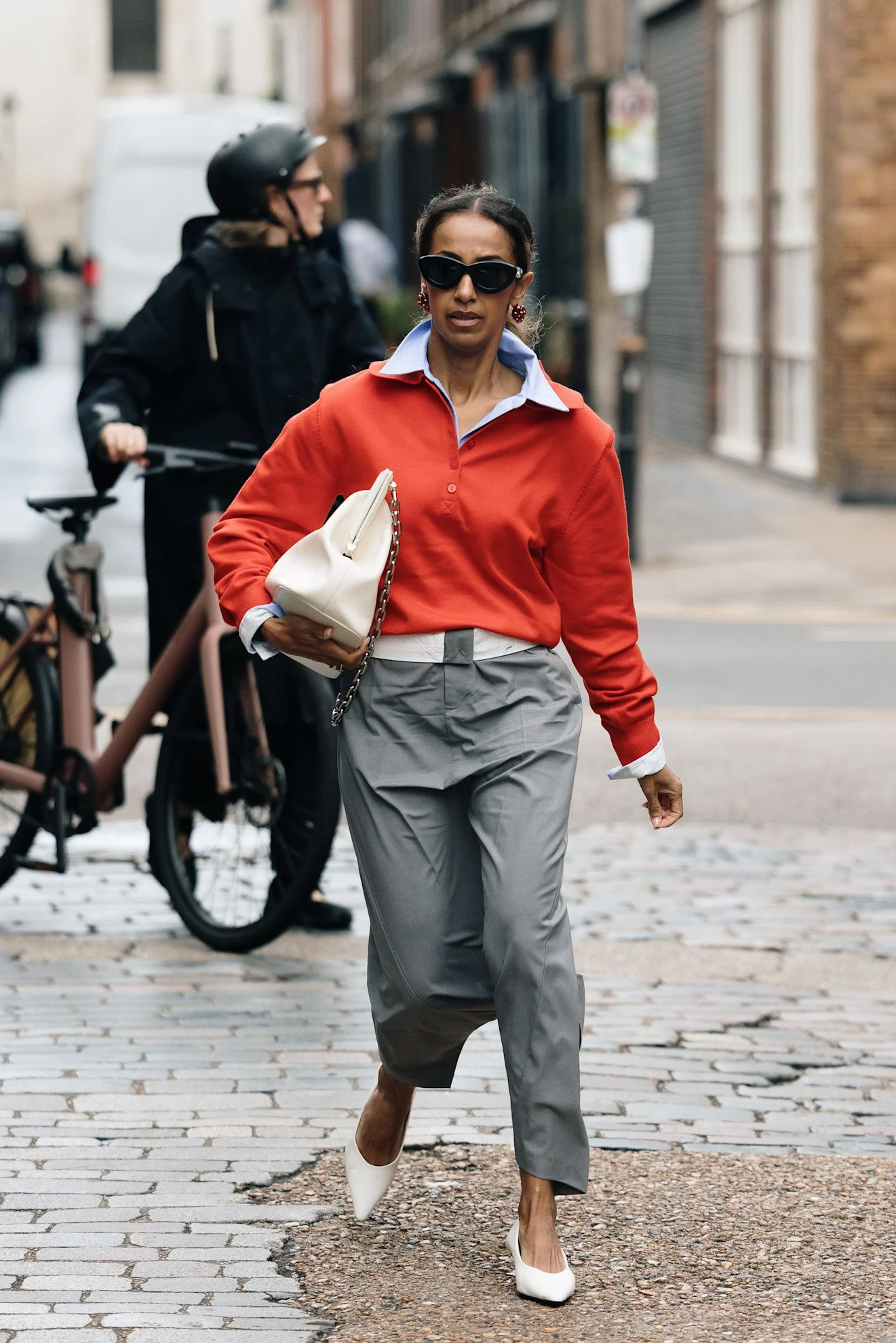
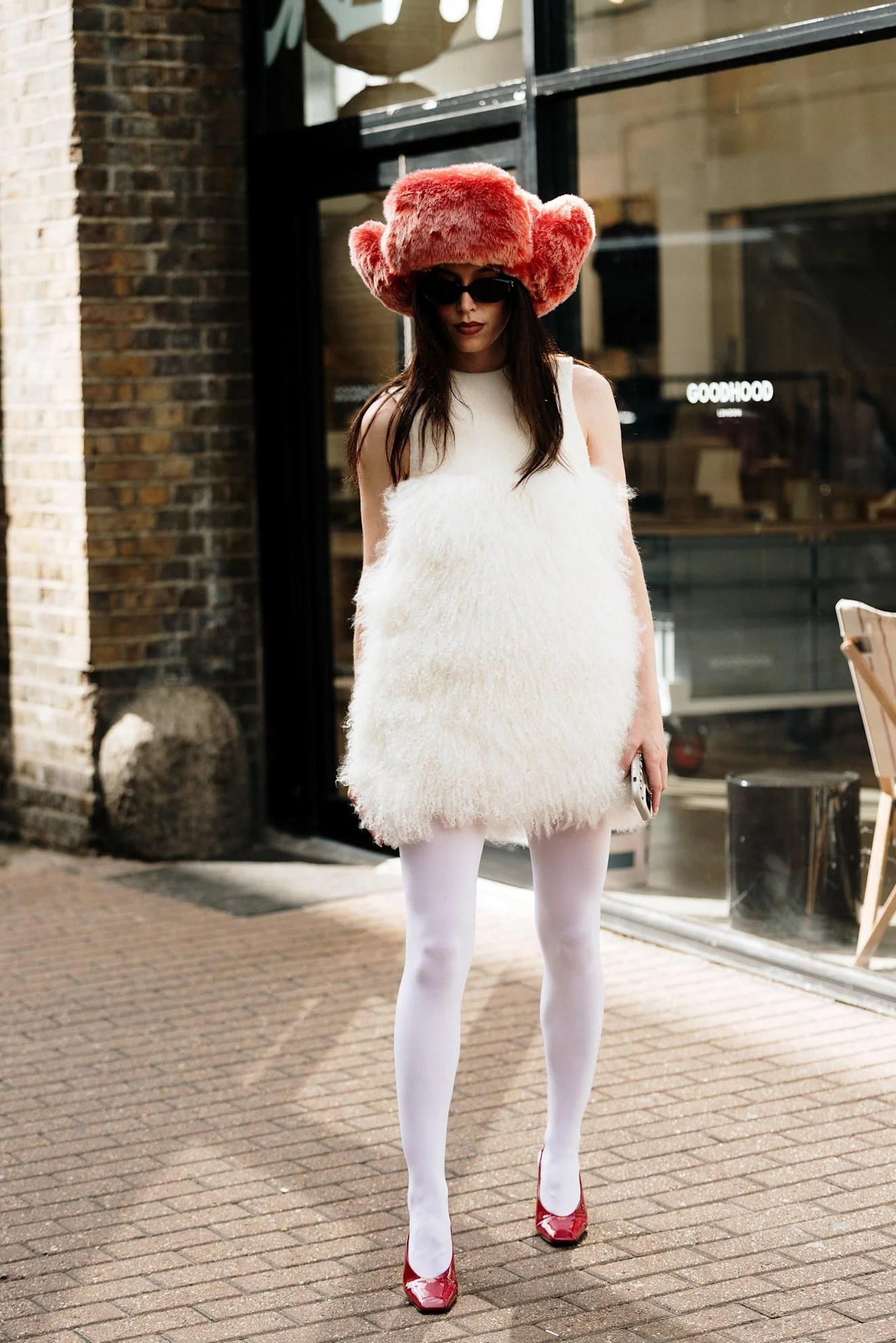
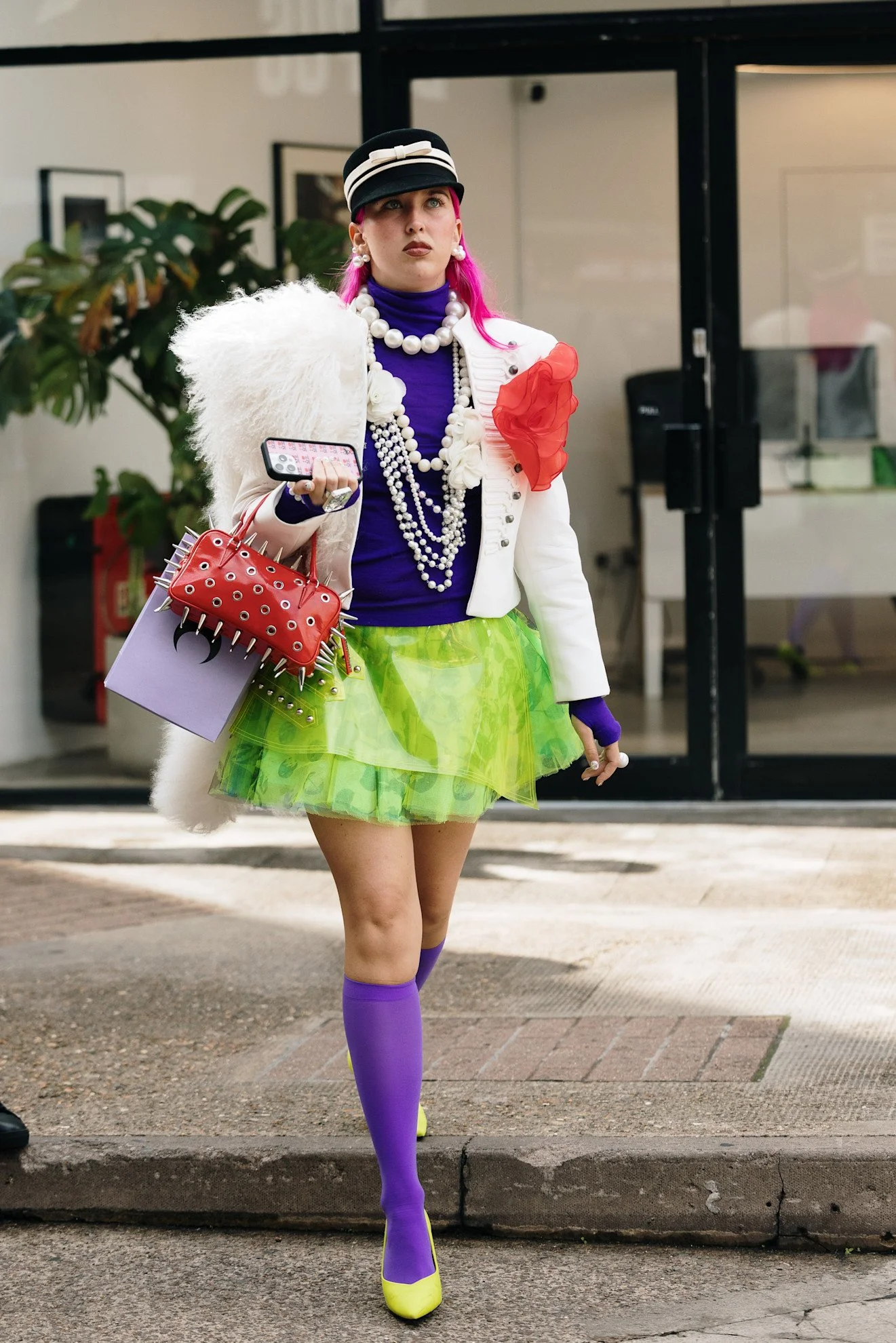
London Street Style
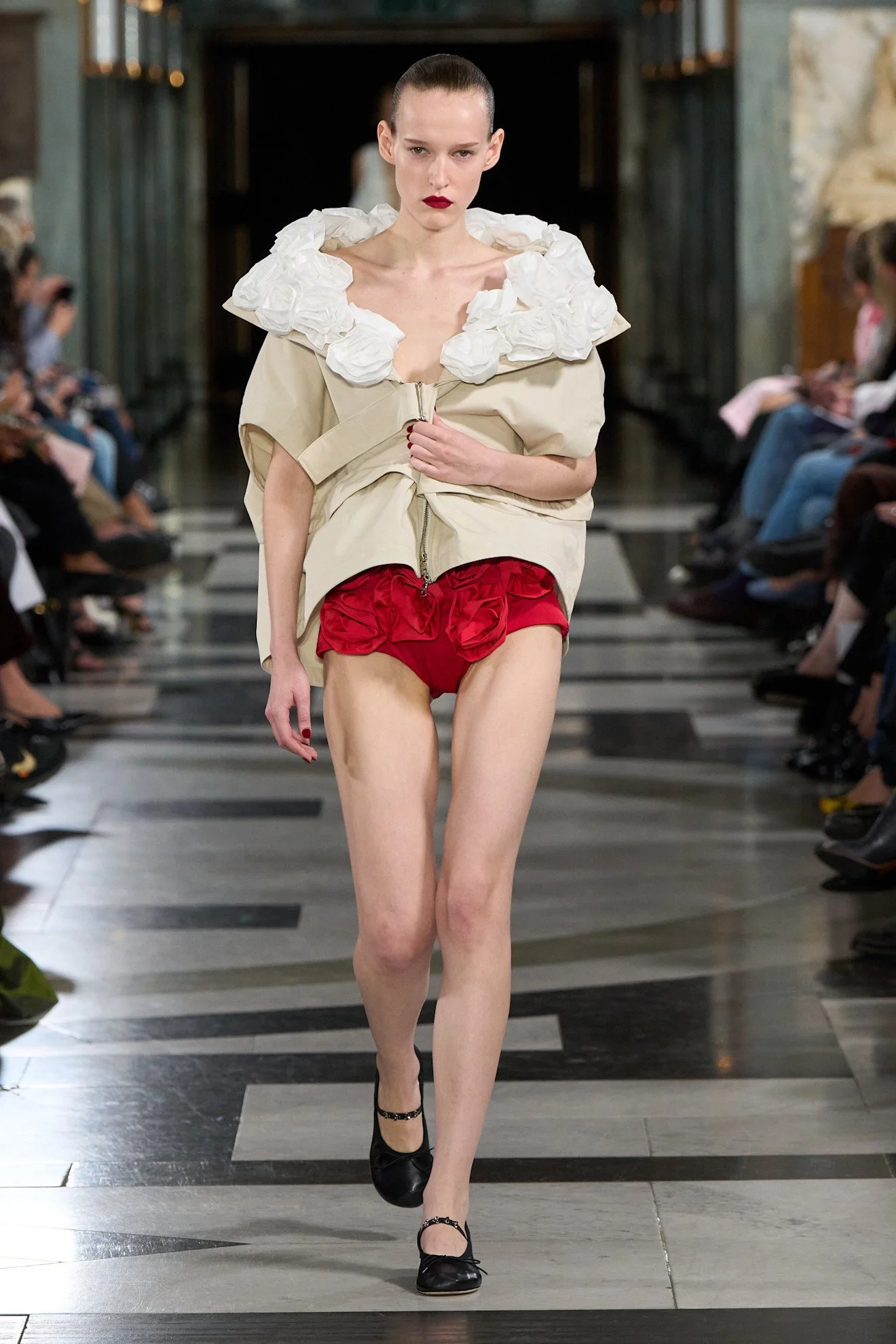
Finally, Simone Rocha returned to the Old Bailey, London’s historic criminal courthouse. Her collection was rich with rosettes, sensual draping, and romantic tension. Rocha’s ability to merge fragility with strength continues to make her one of London’s most compelling voices.
London Fashion Week SS27 reaffirmed the city’s role as fashion’s creative engine a place where ideas are born, challenged, and transformed. It is a week that proves fashion is not just clothing; it is culture, performance, and imagination in motion.