
Milan Fashion Week Fall Winter 2026: Key Debuts, Runway Highlights, and the New Mood of Milan
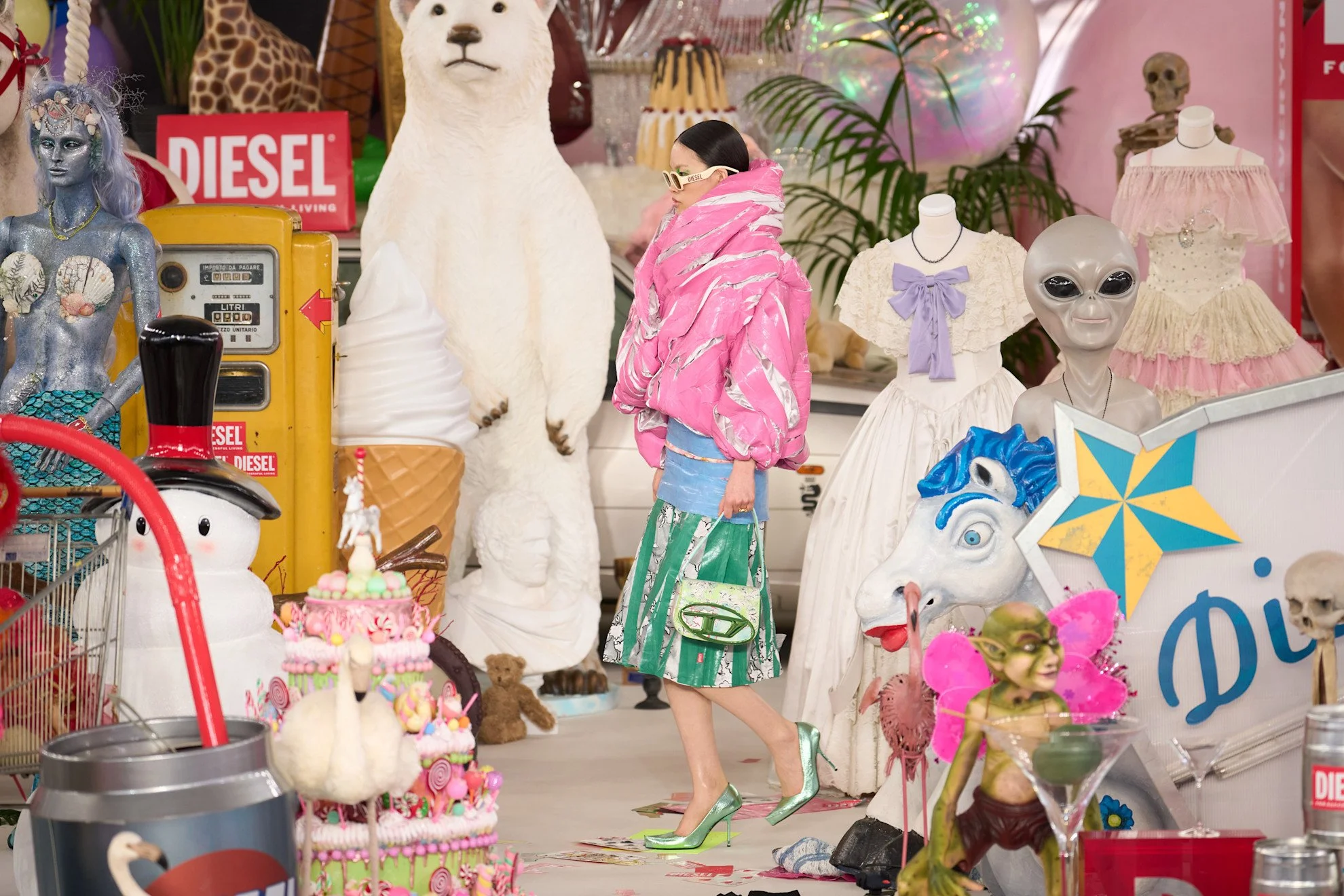
Diesel
Milan Fashion Week Fall Winter 2026 unfolded with a renewed sense of purpose and intensity, shaped by major creative debuts, a return to sensuality, and a powerful reaffirmation of Milan’s identity as the city where fashion is not merely imagined but lived. After London’s closing bow, the industry moved as tradition dictates to Milan, a city that thrives on rhythm, craft, and the unmistakable Italian conviction that fashion must be desirable, wearable, and rooted in real life. Milan does not treat fashion as distant art; it treats it as a language spoken on the street. This season, that philosophy was more evident than ever.
The week opened with a sense of anticipation heightened by the arrival of three new creative directors at major houses: Desma Gvasalia at Gucci, Meryl Rogge at Marni, and Maria Grazia Chiuri at Fendi. Their debuts set the tone for a season defined by new voices, new visions, and a recalibration of what Milanese fashion should represent in 2026. These were not quiet transitions; they were statements of intent.
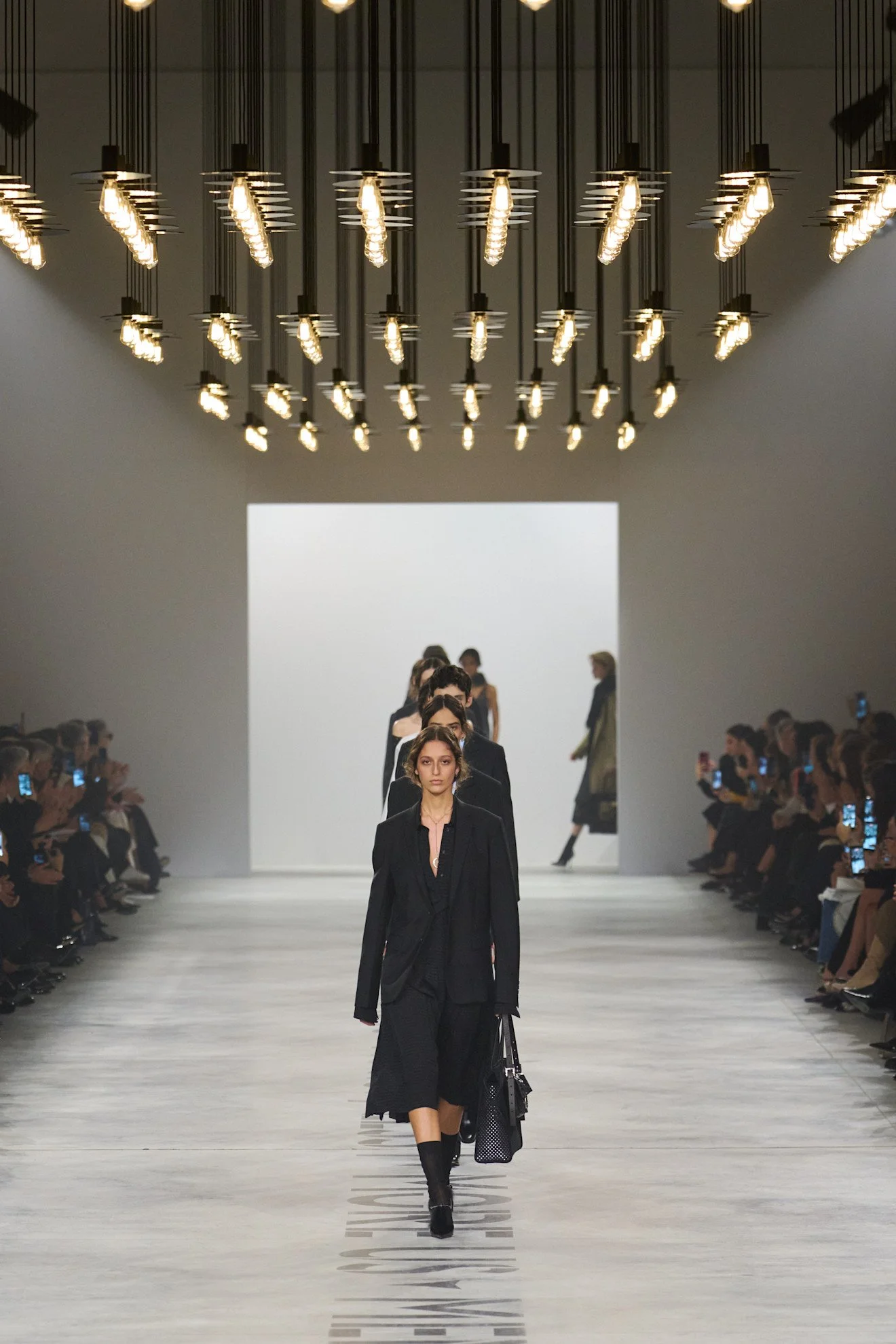
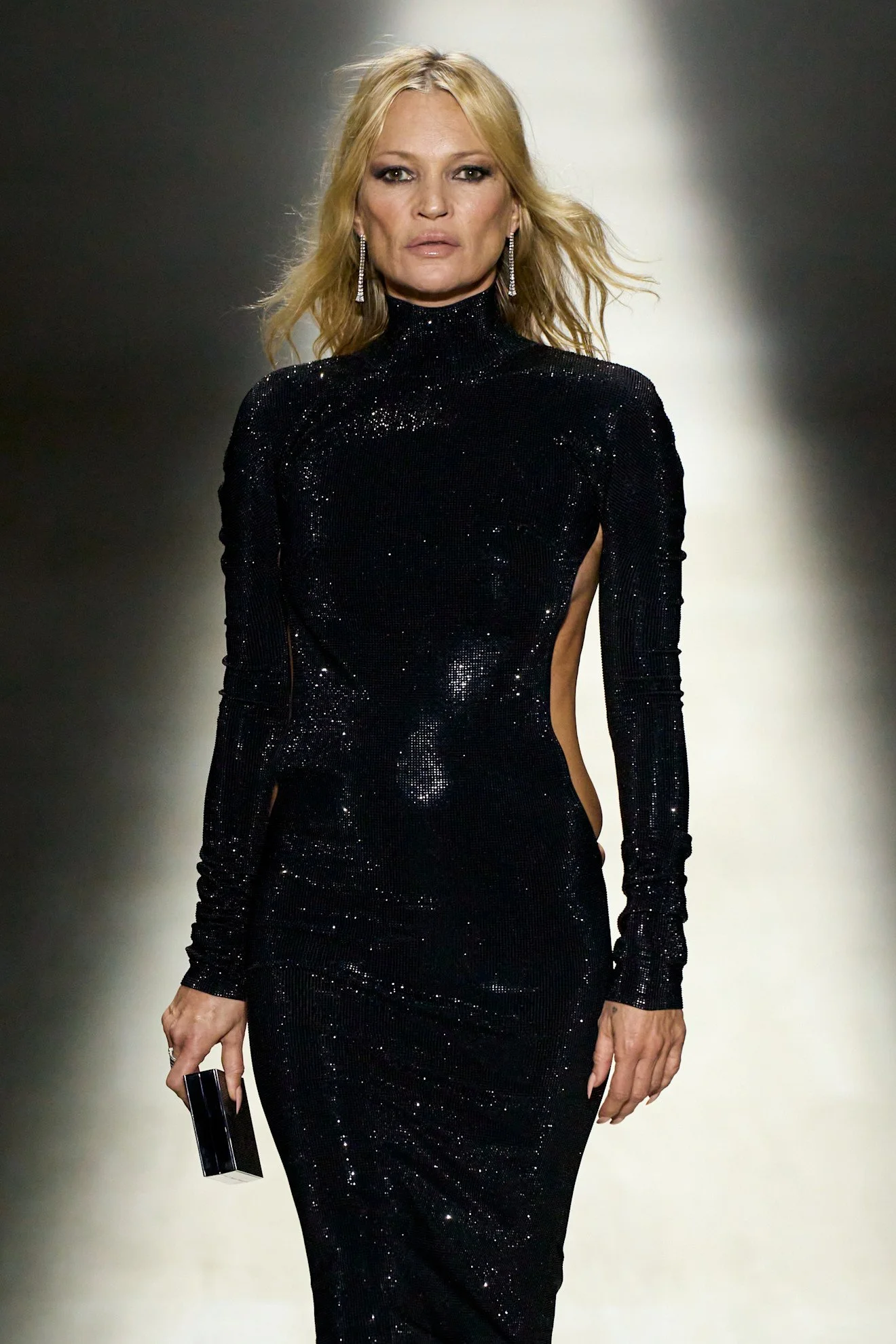
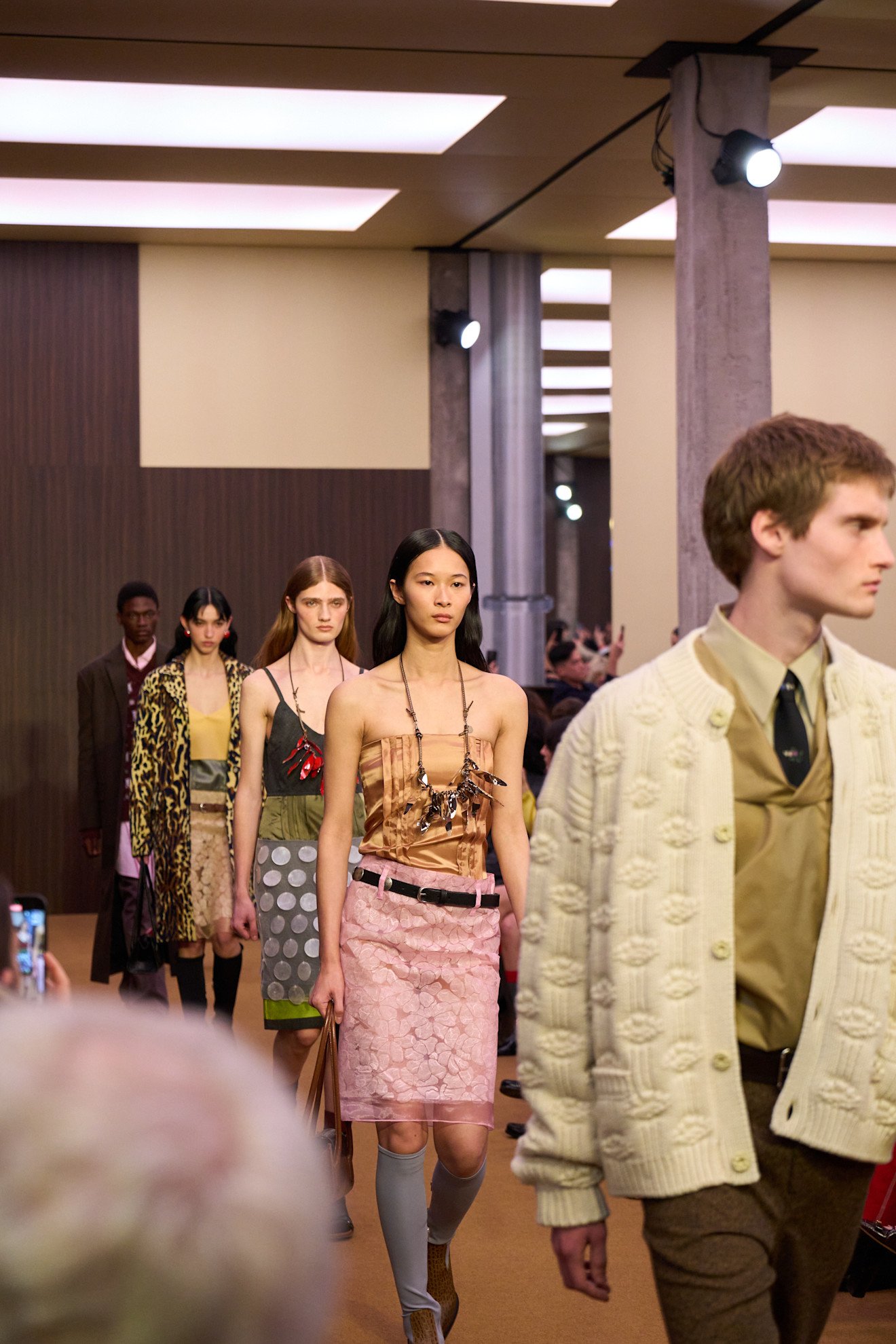
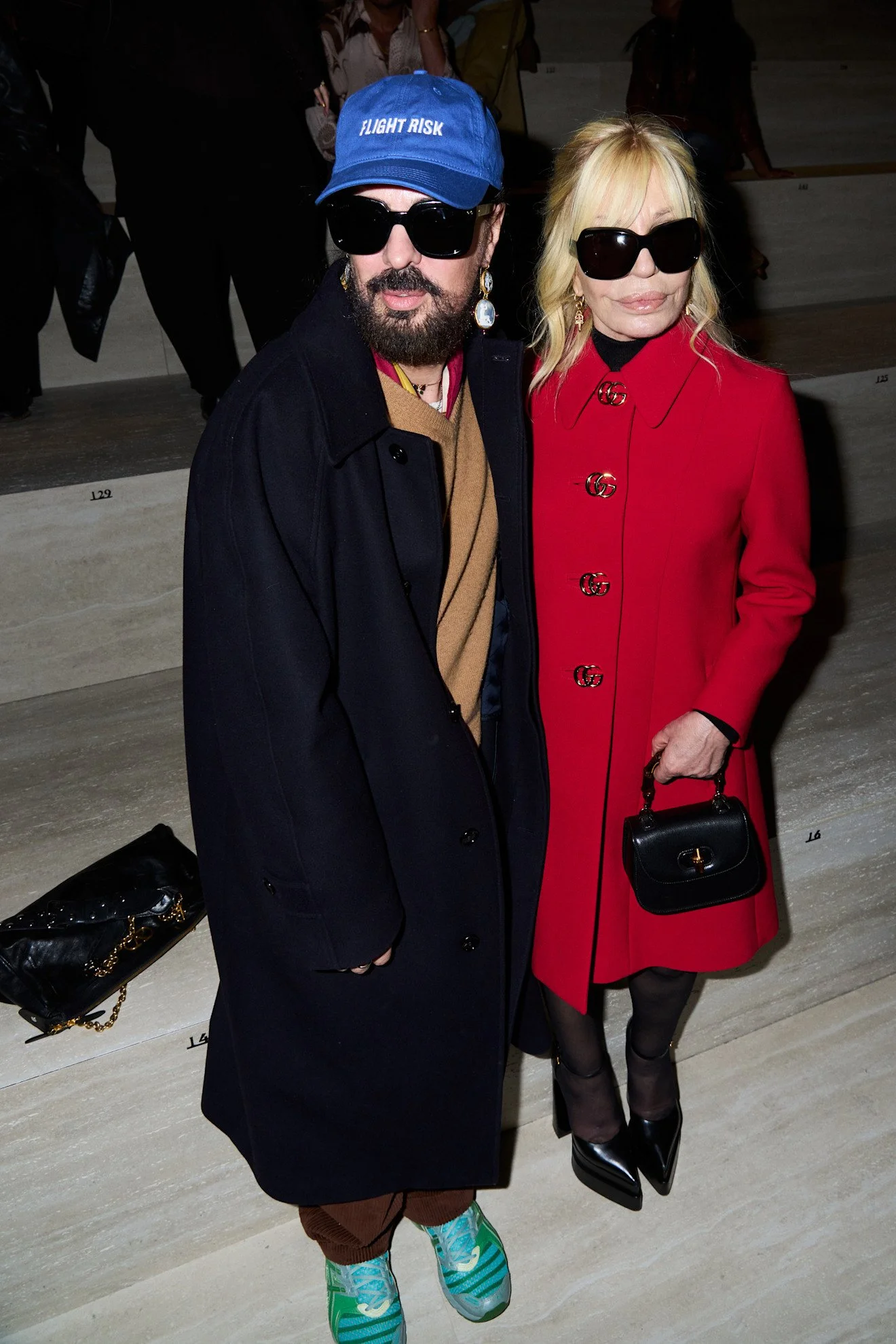
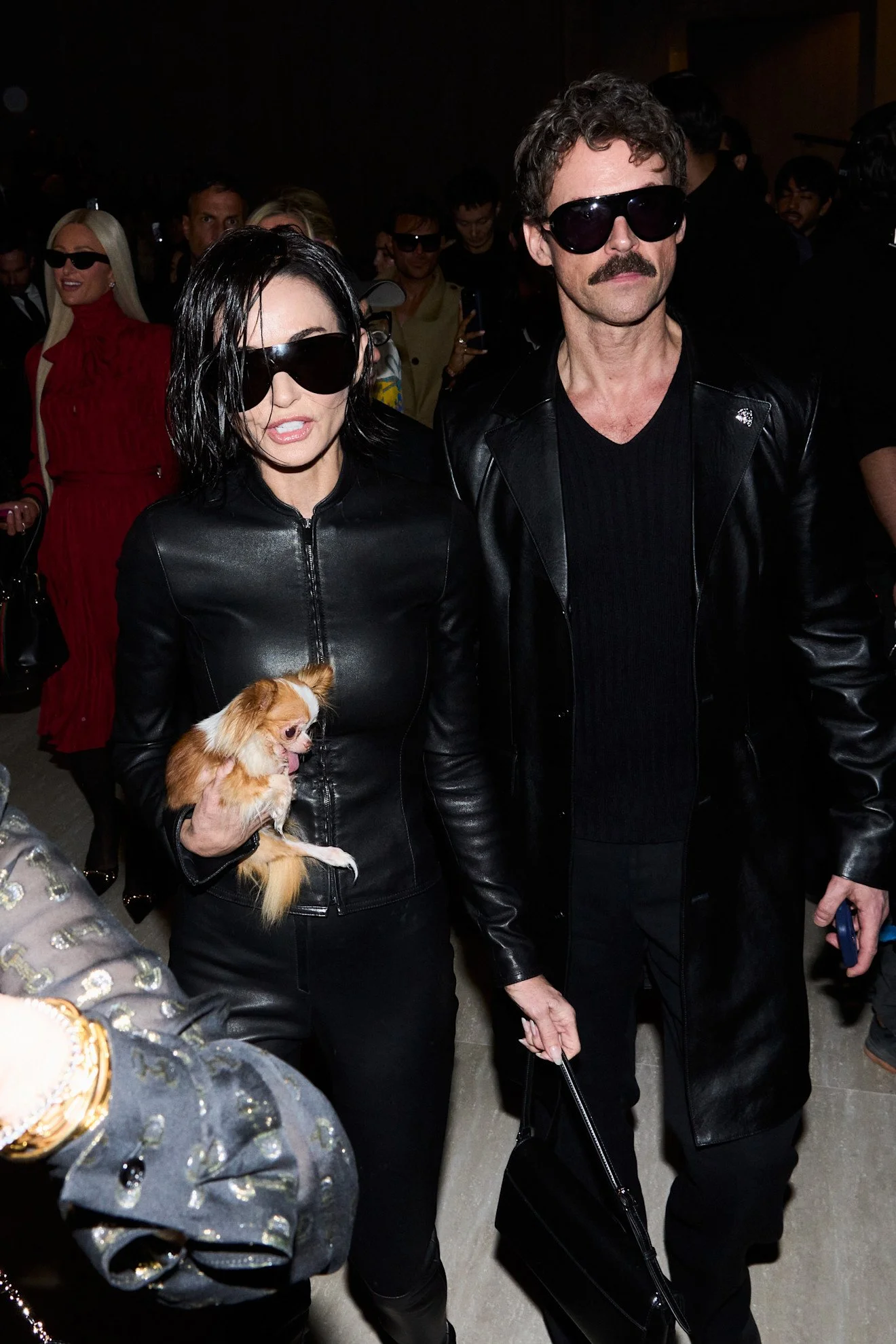
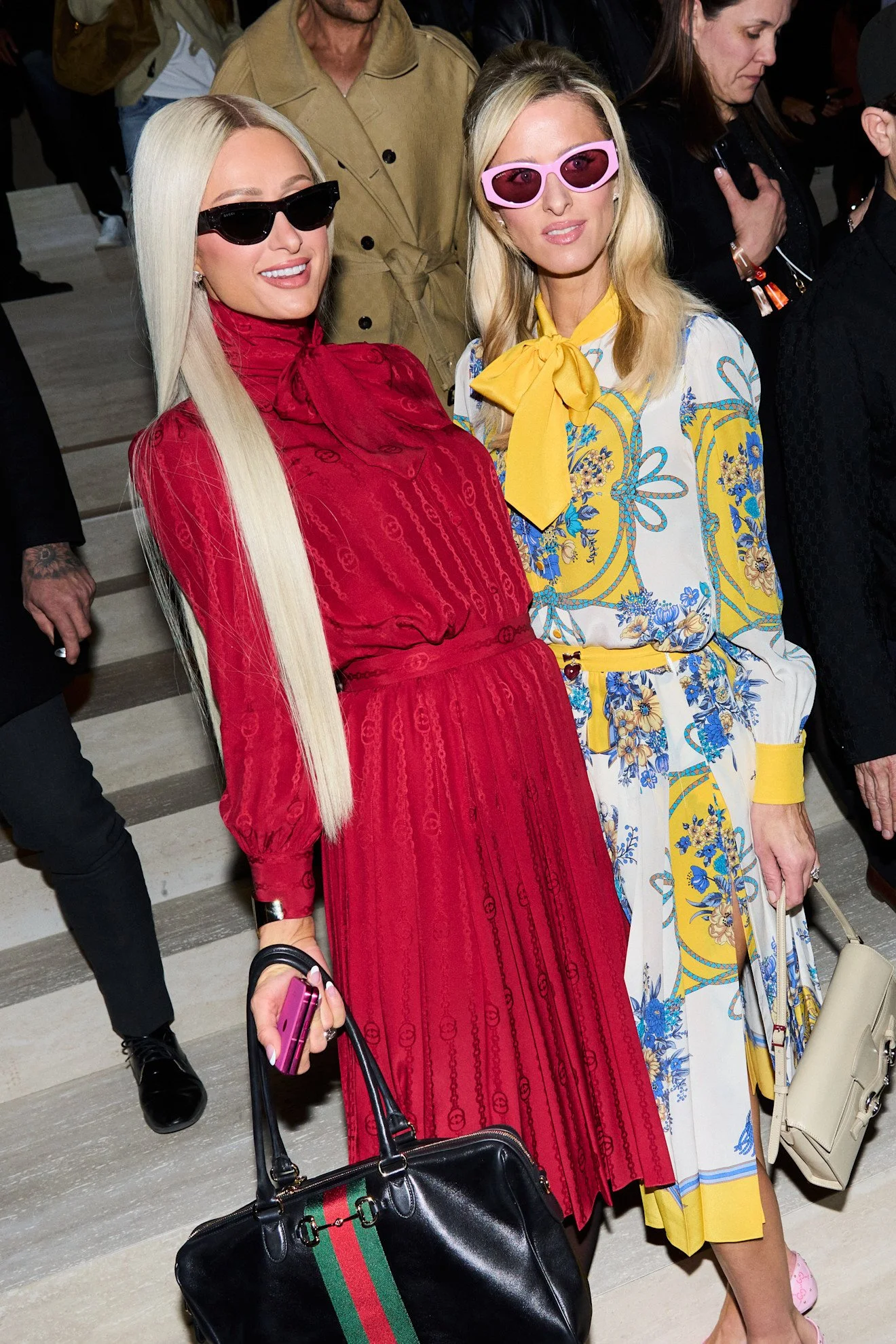
At Gucci, Desma Gvasalia delivered the most talked‑about show of the week, a seductive reset that merged the provocative glamour of the Tom Ford era with a distinctly contemporary, youth‑driven attitude. It wasn’t nostalgia; it was a reinterpretation of seduction for a generation fluent in irony, digital identity, and self‑expression. The attitude was the message. The clothes—sharp, sensual, unapologetically confident were only part of the story. Desma understands the young generation, and in 2026, that is the only way to stay relevant. The finale belonged to Kate Moss, who appeared in a black sequined gown with a high neck and long sleeves—modest from the front, but revealing a plunging back accented by a minimal metal‑logo thong. It was a masterclass in controlled provocation, a reminder that seduction today is about nuance, not excess. The front row was a constellation of loyalty and star power: Demi Moore, the Hilton sisters, Donatella Versace dressed entirely in Gucci, and Alessandro Michele, who arrived to support Desma a symbolic gesture that bridged eras and underscored the sense of family that defines Milan.
At Marni, Meryl Rogge’s debut felt like a homecoming. She spoke candidly about her early days interning under Consuelo Castiglioni, never imagining she would one day lead the brand. Her first collection honoured that legacy with tactile craft, artistic playfulness, and a return to the Marni DNA that first captivated the industry. It was emotional, sincere, and deeply rooted in authenticity. The silhouettes were expressive, the textures rich, and the mood unmistakably Marni intellectual, artistic, and slightly off‑beat in the most beautiful way.
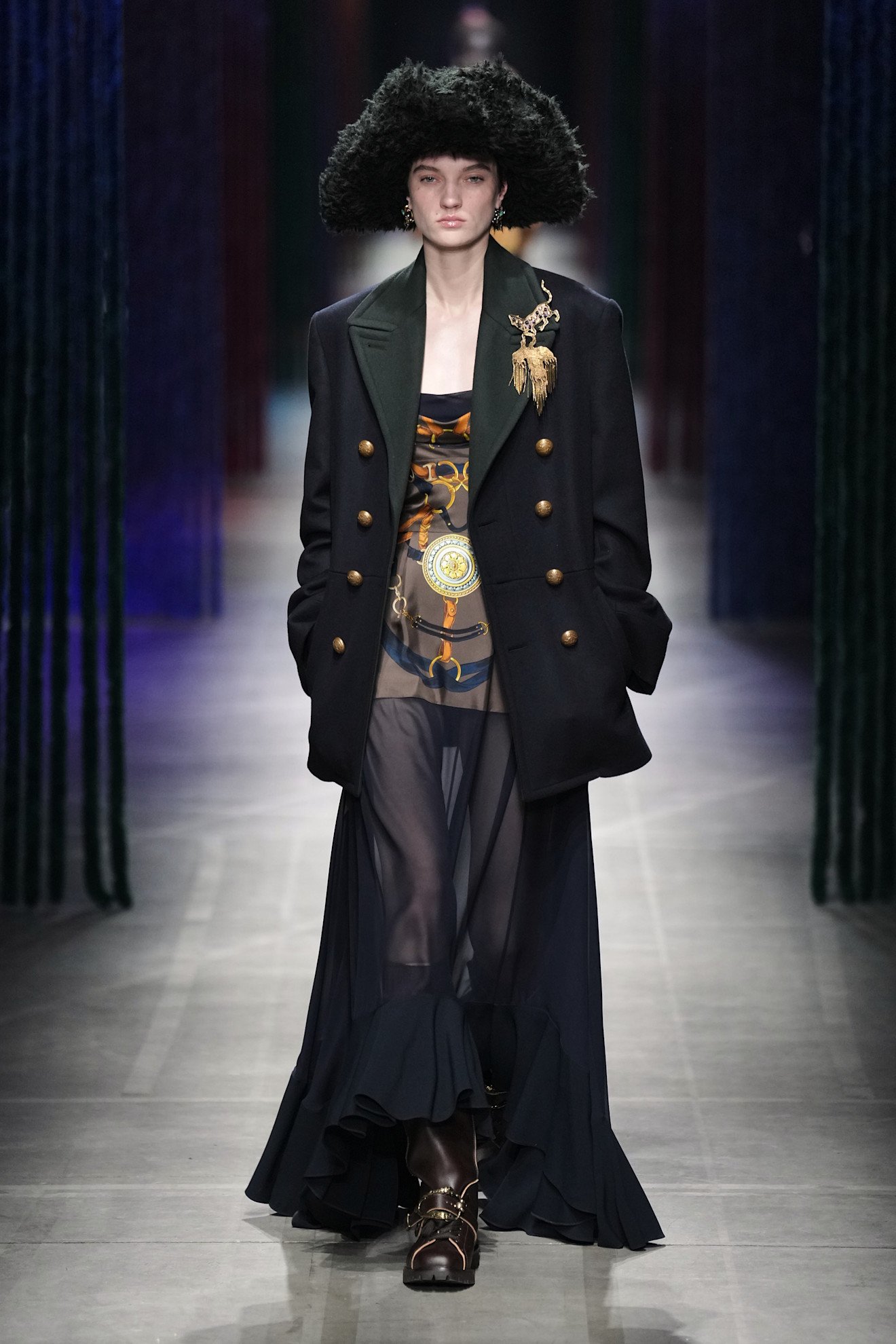
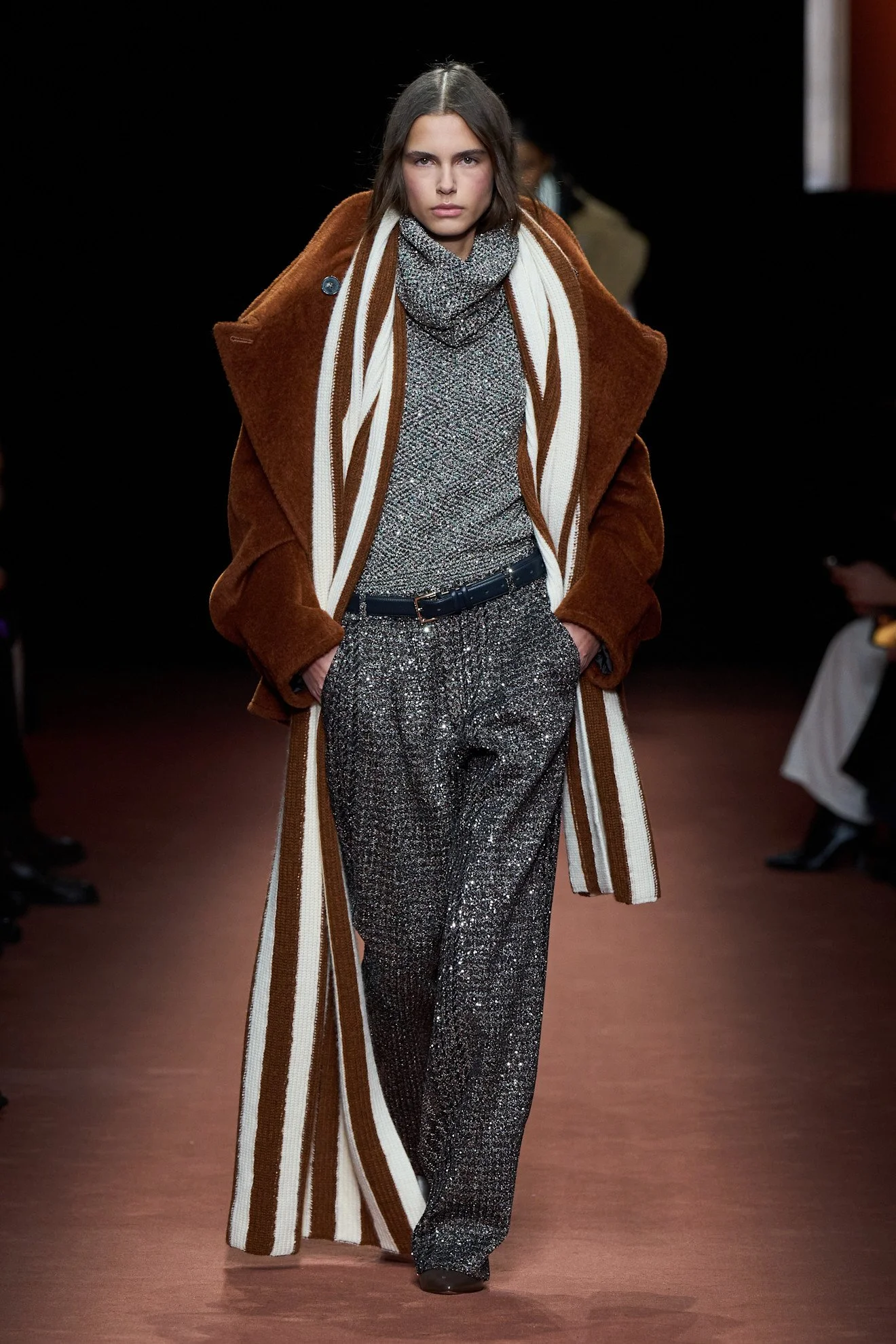
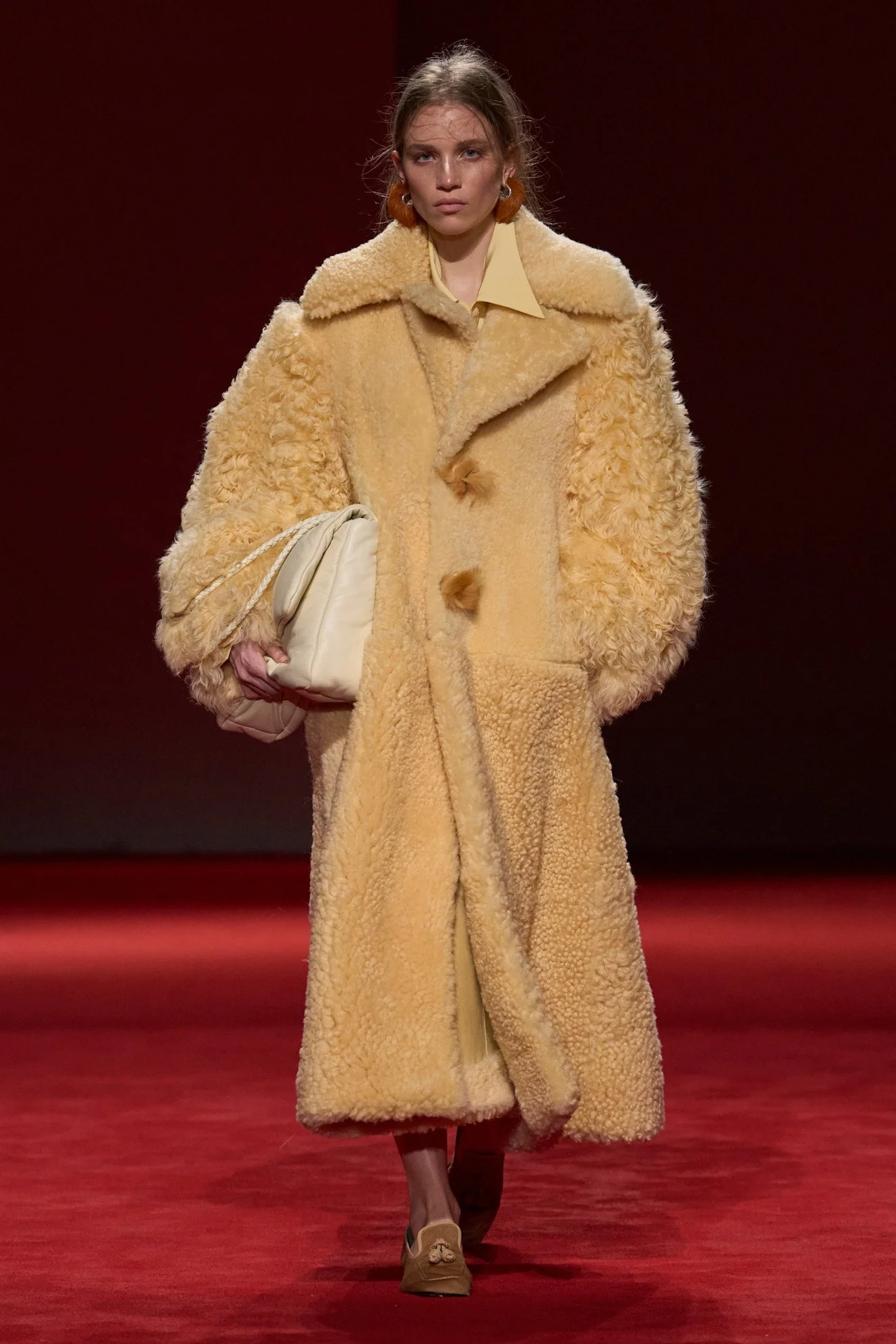
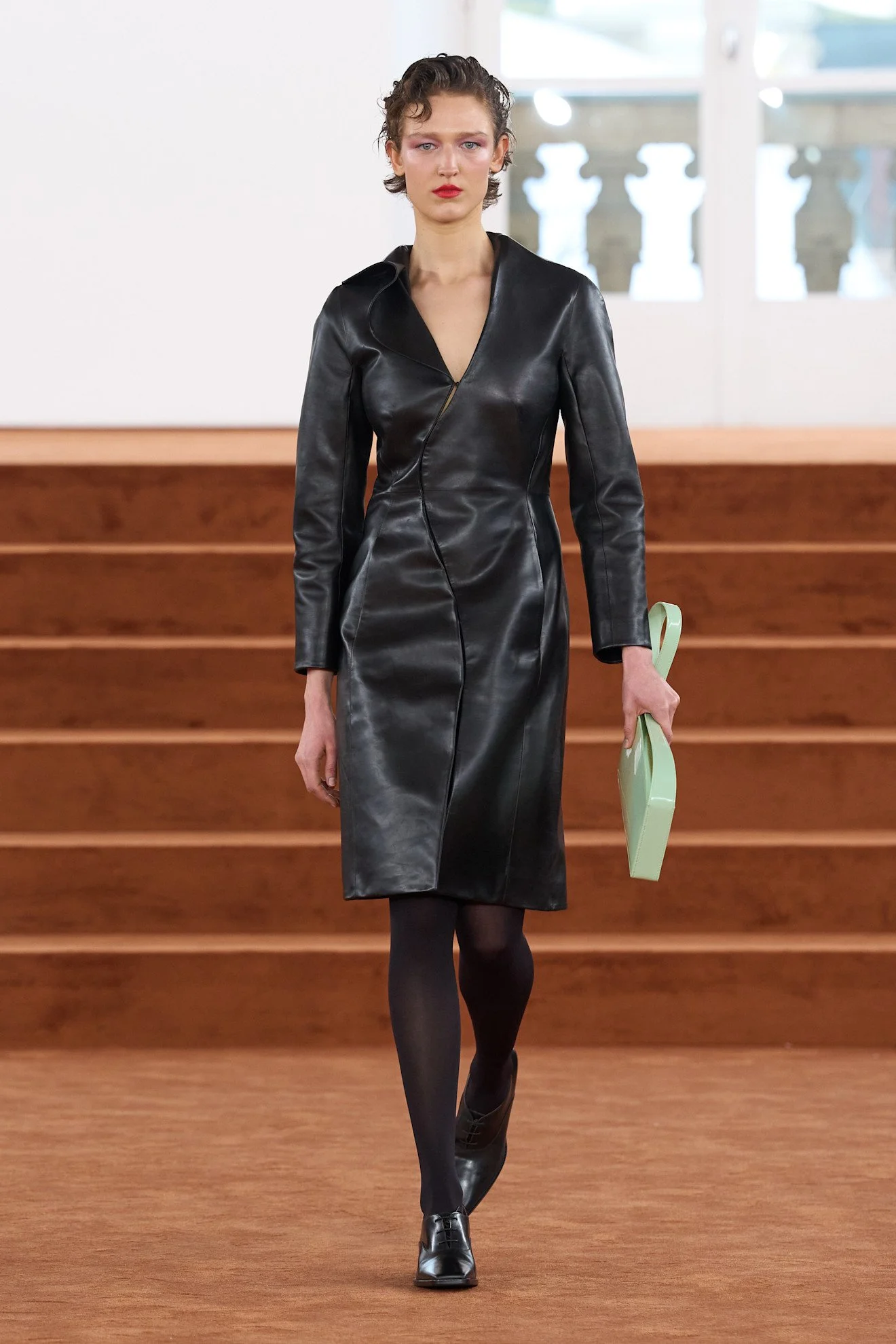
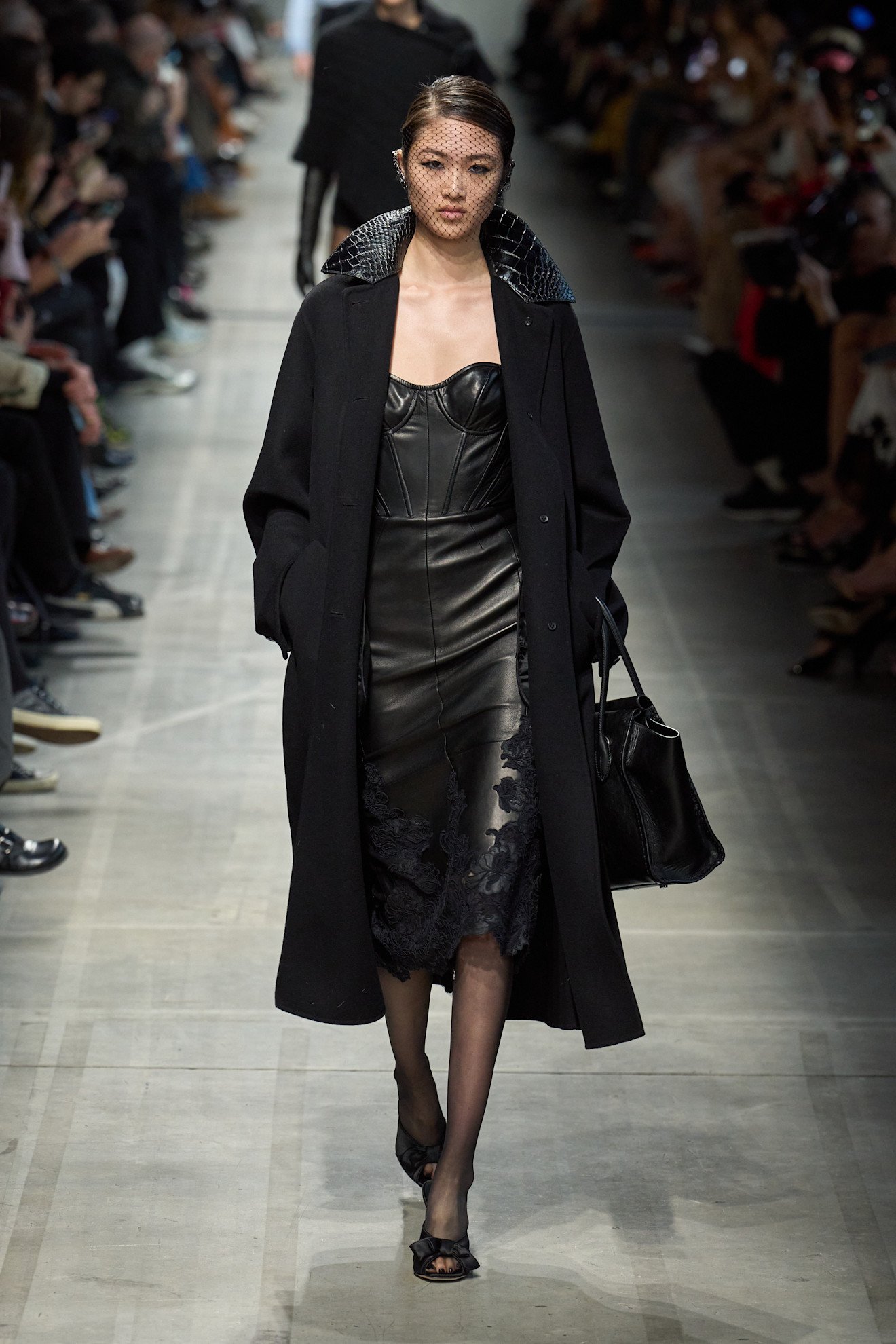
At Fendi, Maria Grazia Chiuri delivered a debut that surprised many. The collection almost entirely black felt more aligned with her Dior aesthetic than with the joyful, playful spirit Silvia Venturini Fendi had cultivated in recent seasons. It was rigorous, structured, and serious, signalling a more austere chapter for the house. The contrast was striking: where Silvia had embraced colour, softness, and a sense of ease, Chiuri leaned into discipline and severity. It was a bold move, one that will undoubtedly shape the brand’s direction in seasons to come.
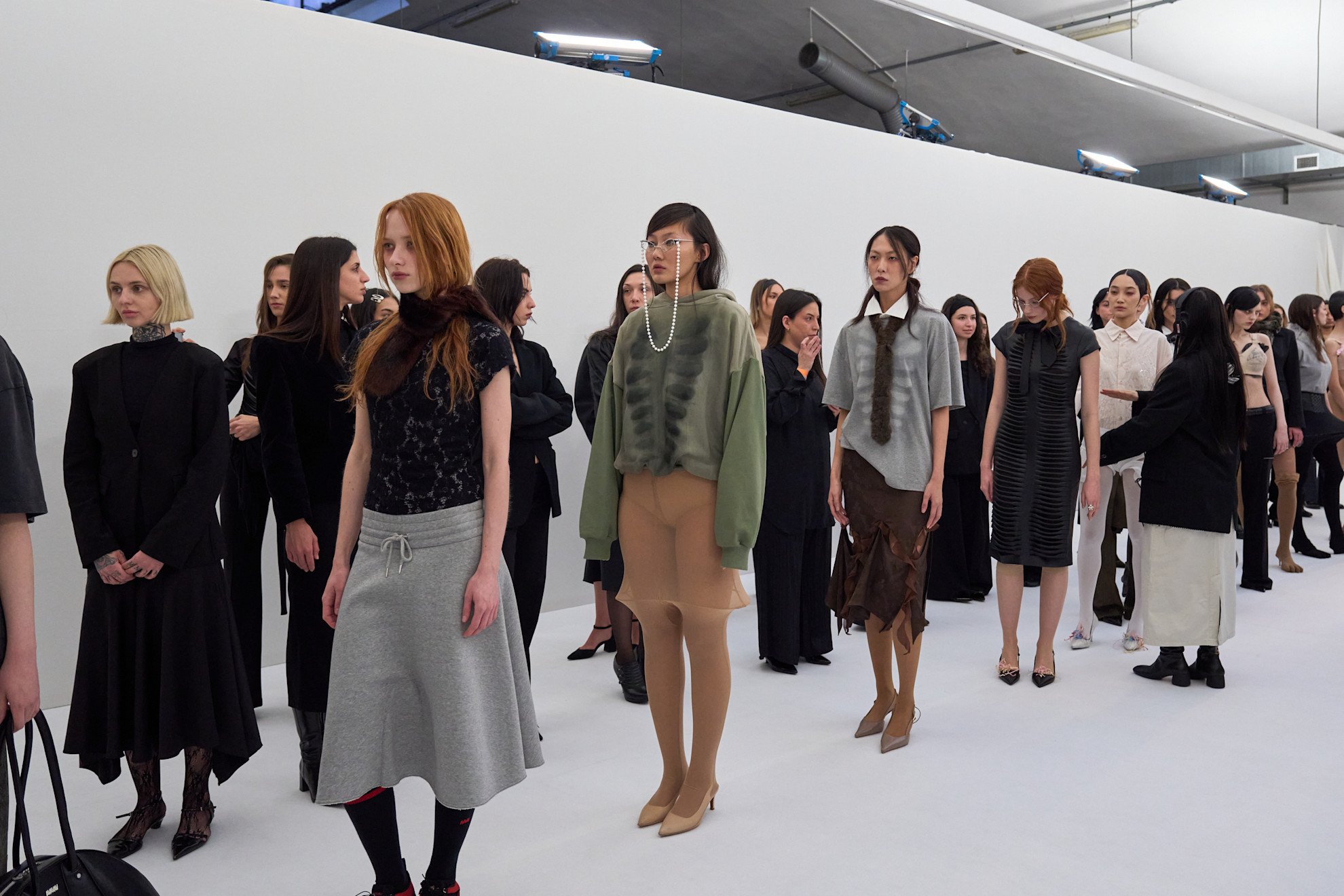
Avavav
Aesthetically, Milan oscillated between two poles: stark black minimalism and vibrant, collectible pieces. The city has never embraced fashion as pure conceptual art; Milanese fashion is grounded in desirability, wearability, and commercial intelligence. This duality shaped the week.
Diesel opened with a spectacle that set the tone for the season’s more playful side. The invitation a sensual yellow plexiglass banana was destined to become a collector’s item. The set was a riot of pop objects: statues, street signs, ice cream carts, disco balls, condoms, plastic skulls, garden gnomes, even props from past shows. It was a visual archive of 49 years of Diesel’s irreverent identity, a colourful amusement park of pop culture references. The collection remixed fabrics and textures: compressed felt‑effect bombers made from yarn scraps, floral empowerment dresses, and denim reimagined in countless ways. It was playful, rebellious, and unmistakably Diesel Instagram‑ready but grounded in craft.
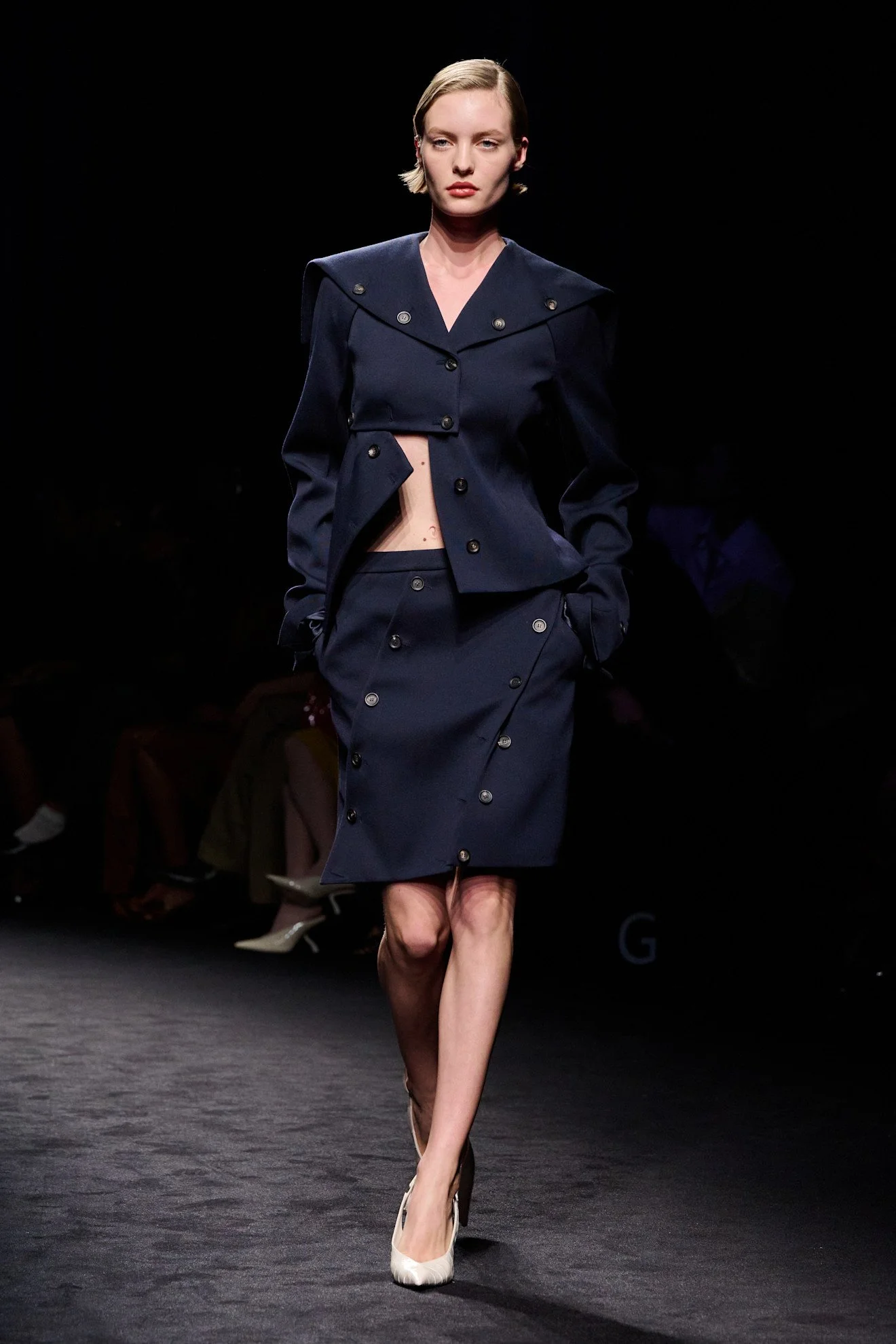
Jil Sander continued its exploration of absolute minimalism. Order, sobriety, and rigor defined the collection, each piece executed with precision and emotional restraint. Simone Bellotti delivered a meditation on purity, proving once again that minimalism can be deeply emotional when executed with mastery. Every line had purpose; every silhouette carried quiet power.
Missoni offered a winter 2026 collection built on dusty earth tones, whispered stripes, and XL volumes. It felt lived‑in yet powerful, effortless yet sculptural. The palette was soft, the textures comforting, and the silhouettes generous. It was a collection that whispered rather than shouted, radiating quiet confidence.
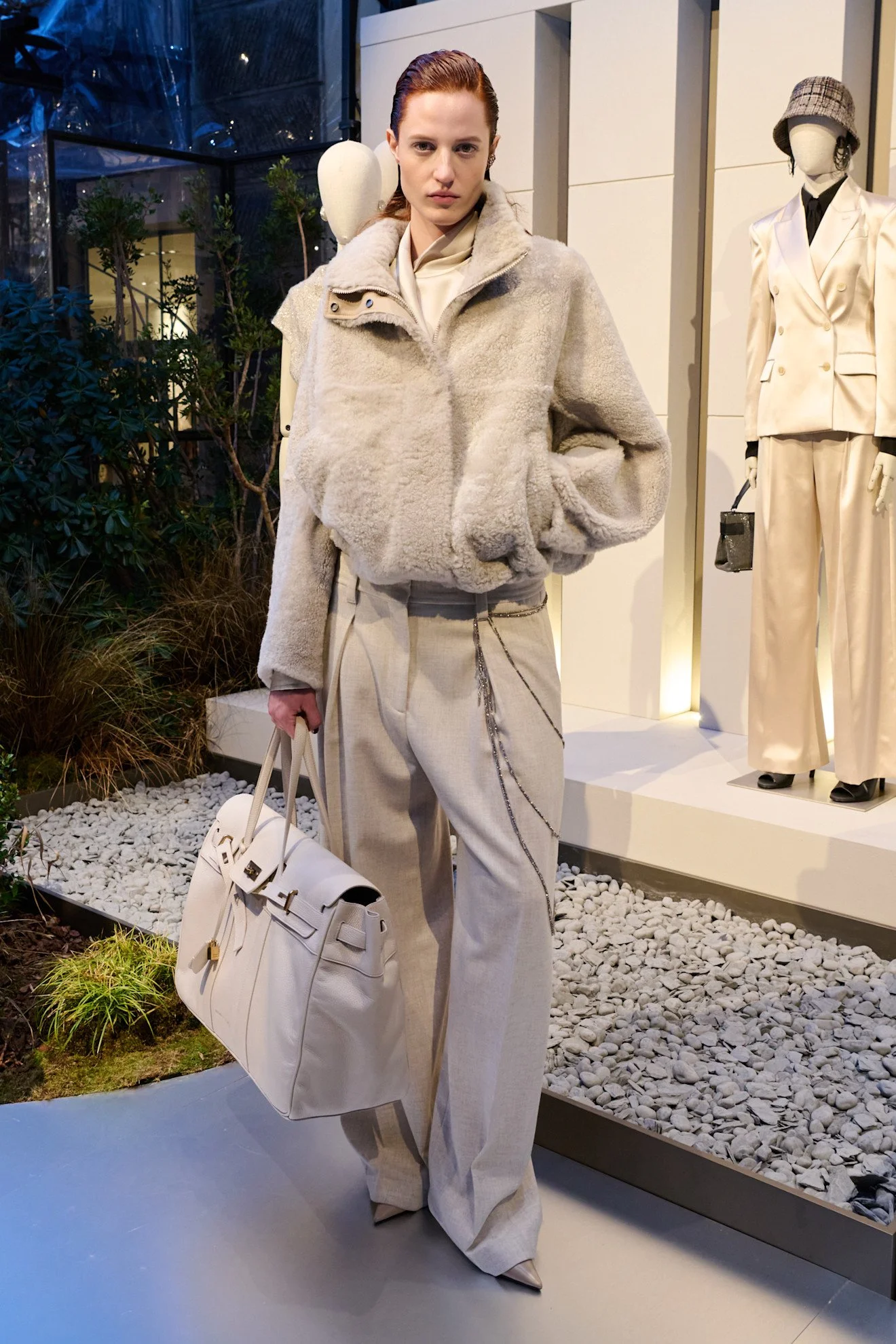
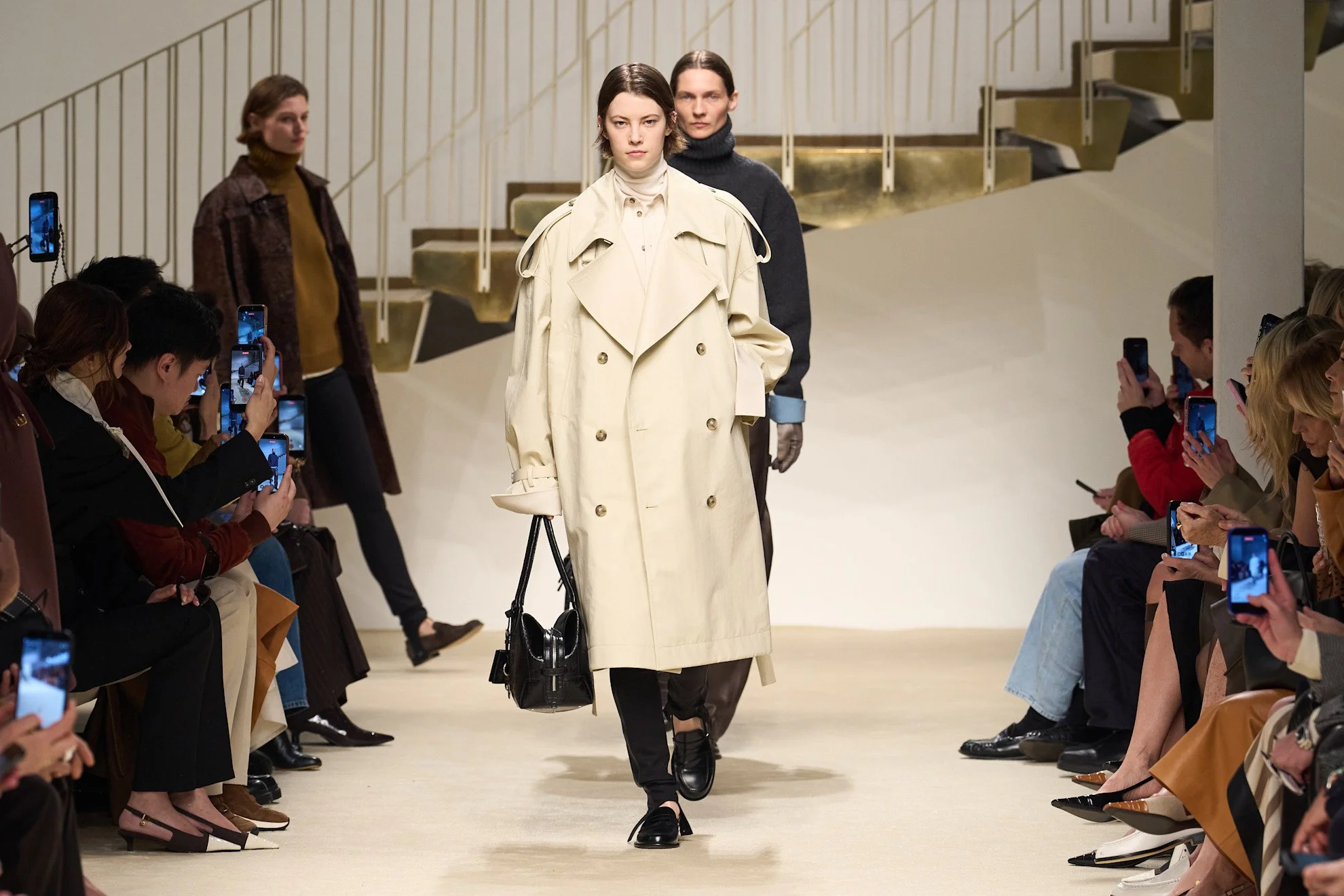
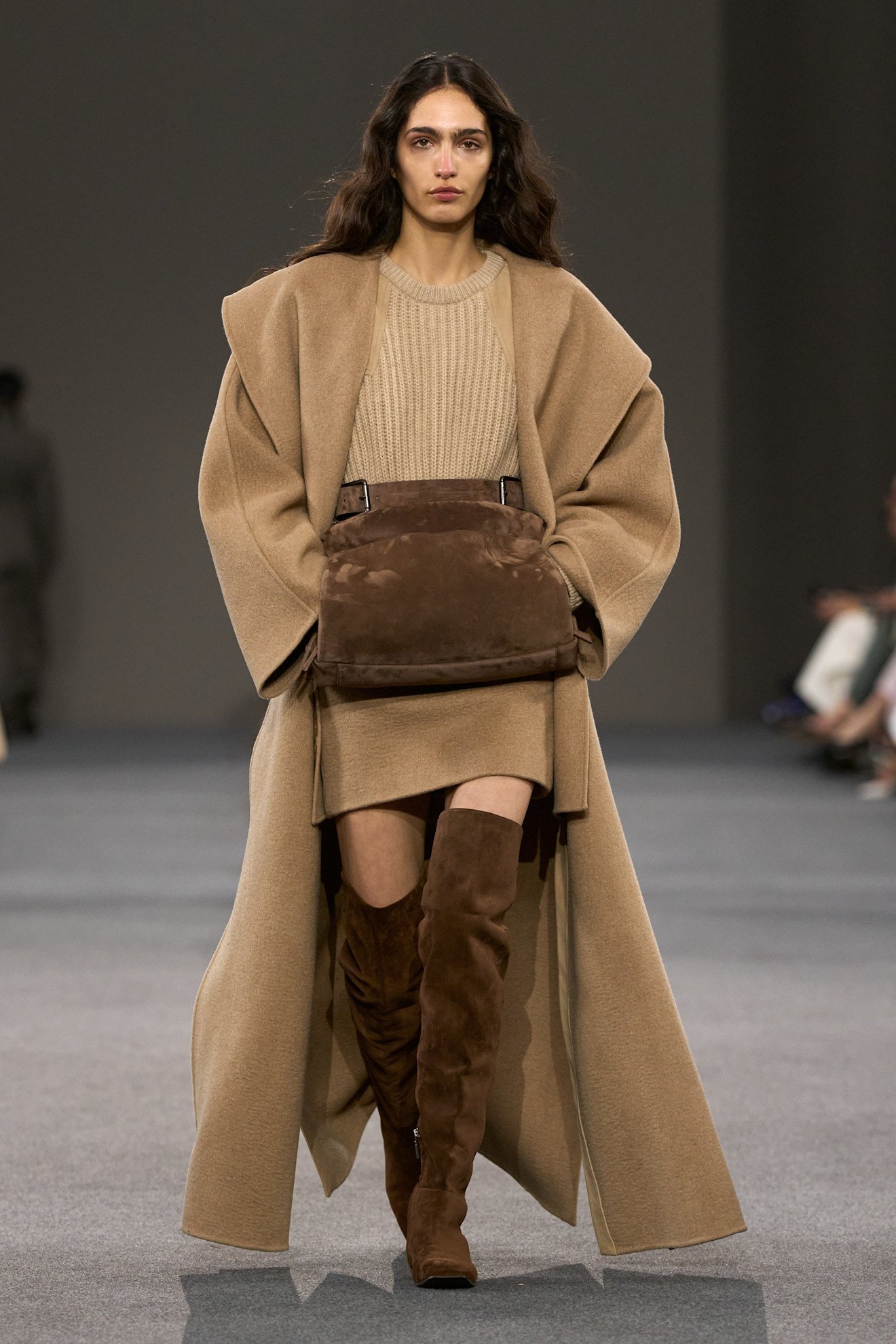
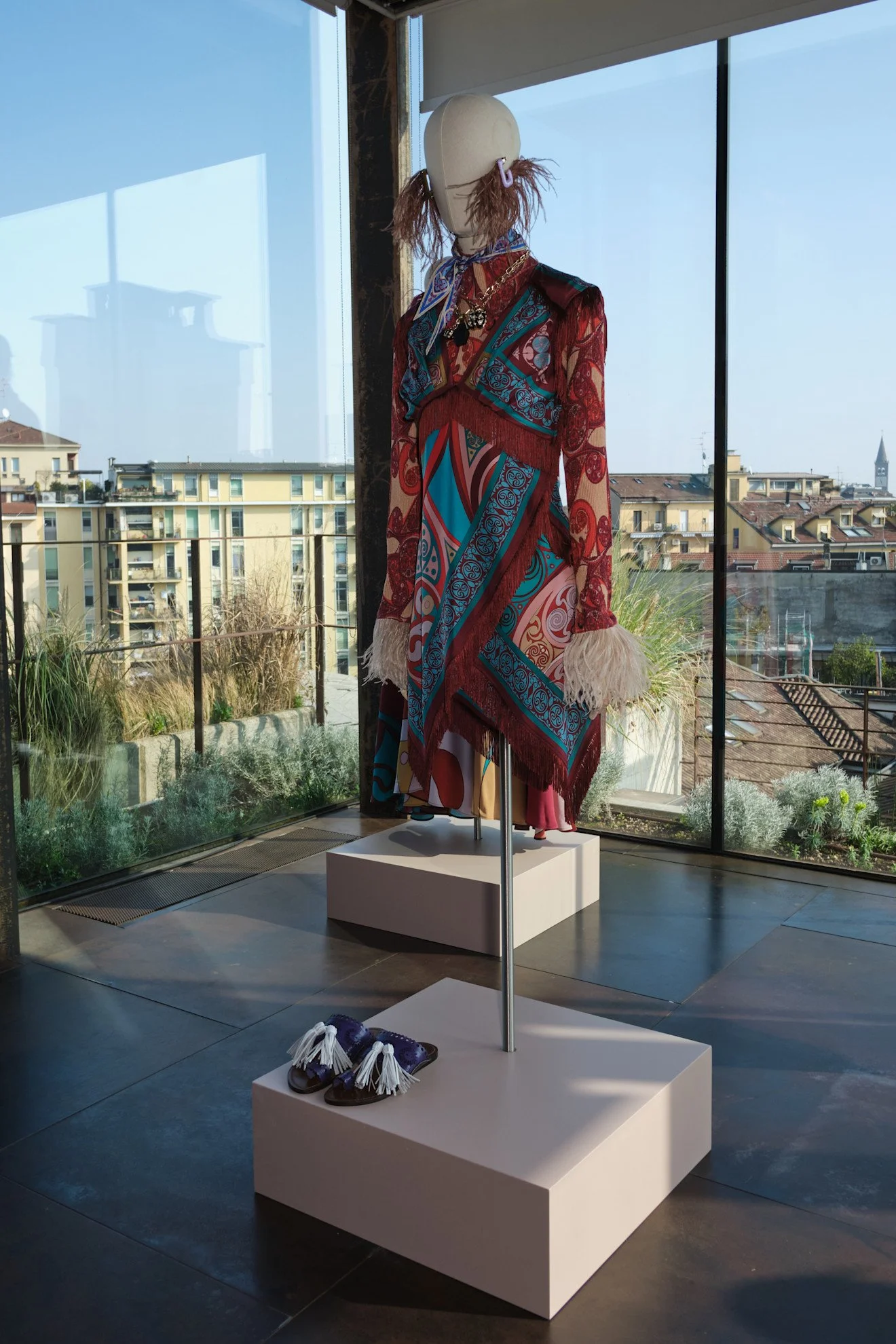
Etro, under Marco De Vincenzo, embraced eclecticism with a bohemian spirit that pushed back against the city’s wave of dry minimalism. Military coats layered over prints, a finale of sequins and feathers, and a joyful rebellion that felt distinctly Etro. It was a celebration of individuality, color, and craft.
Prada anchored the week intellectually with a bold decision: only fifteen models walked the runway, each appearing multiple times, including Bella Hadid, who emerged four times. The intention was to highlight layering the modern way of dressing in a world where seasonal wardrobes are increasingly fluid. The re‑see revealed the richness of the collection: intricate embroideries, sophisticated textures, and the intellectual rigor that defines Prada. The front row included Mark Zuckerberg and his wife, a reminder that tech titans are becoming fixtures at fashion week, following the path carved by Jeff Bezos in recent seasons. Prada’s message was clear: fashion today is about adaptability, intelligence, and the interplay of structure and softness.
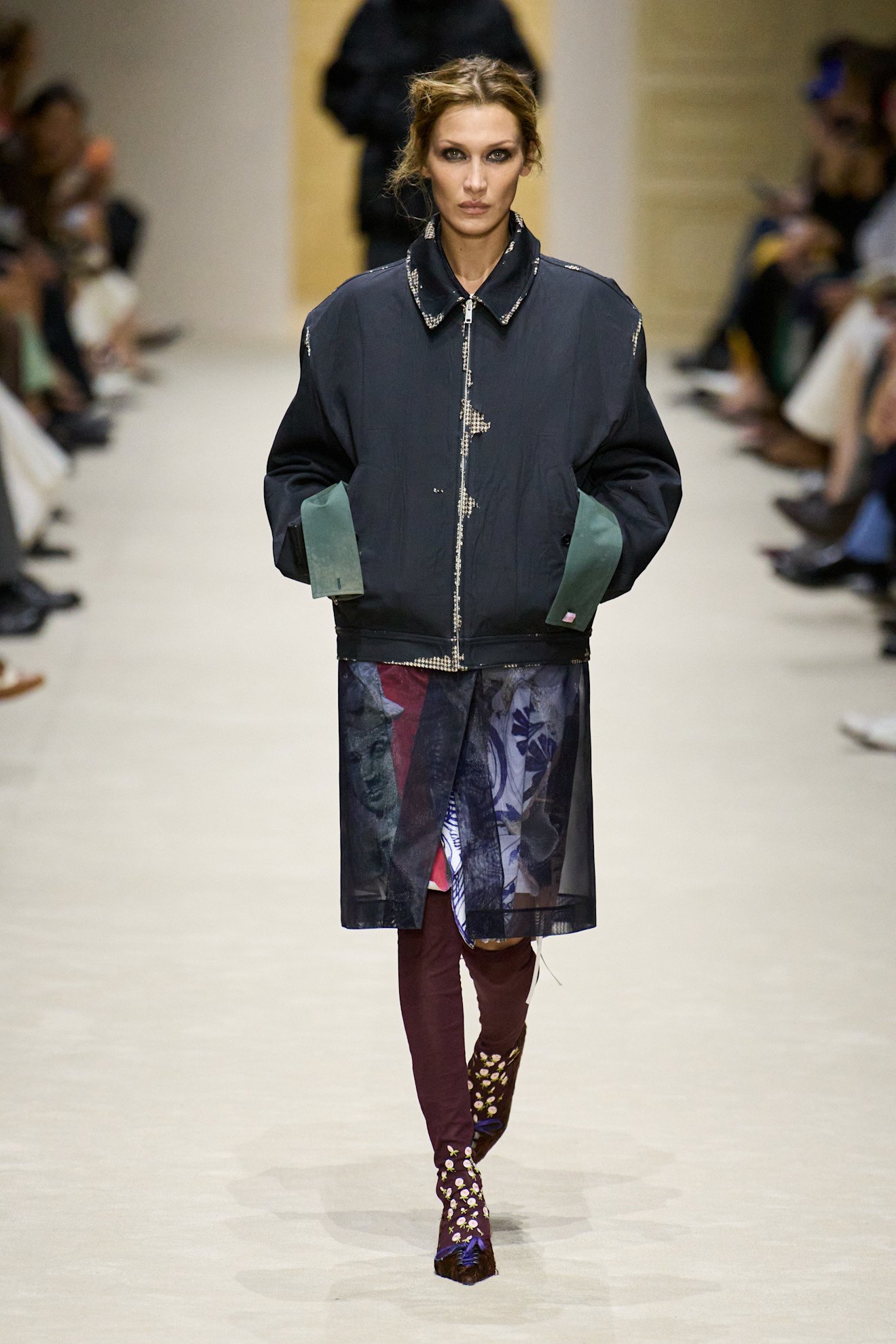
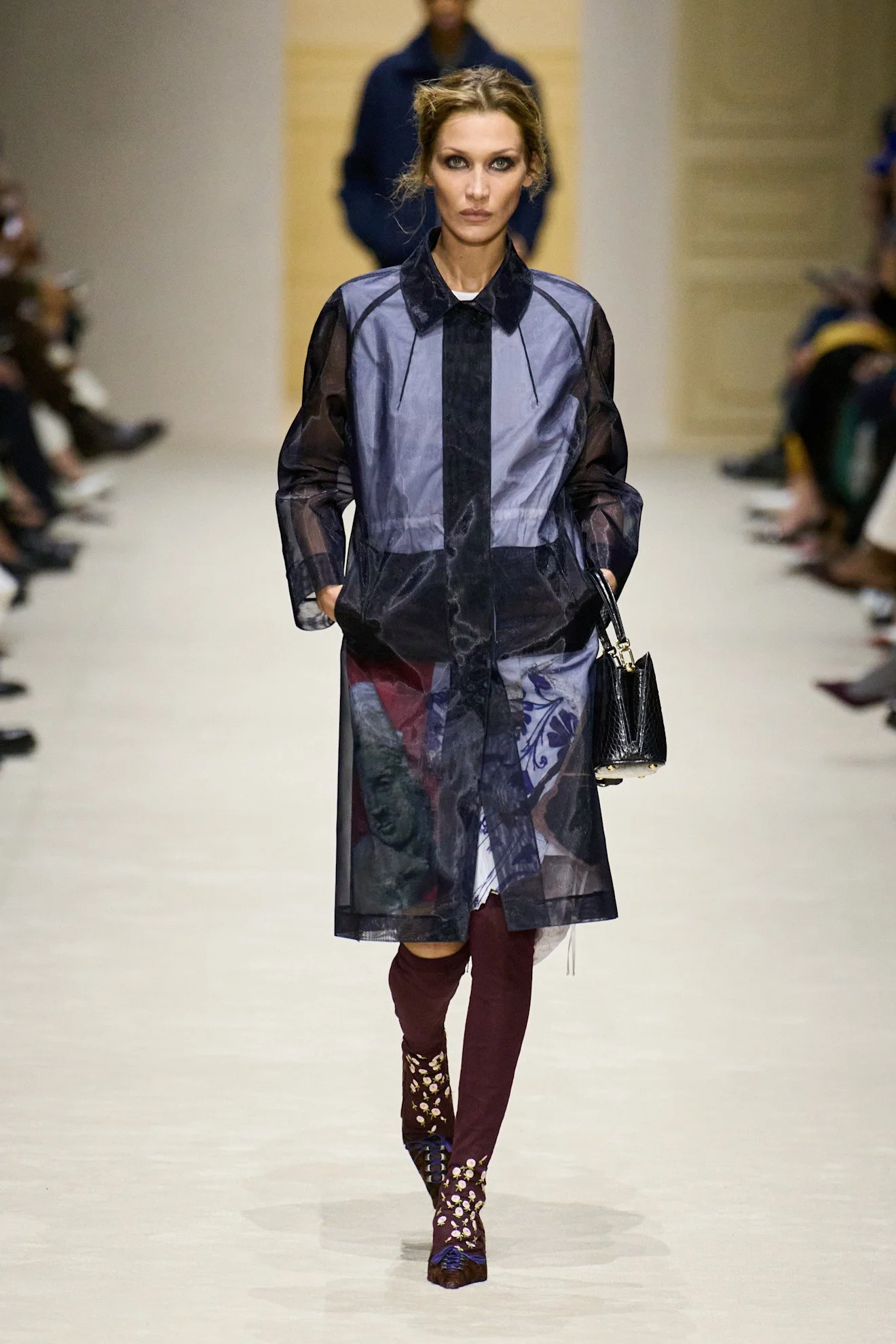
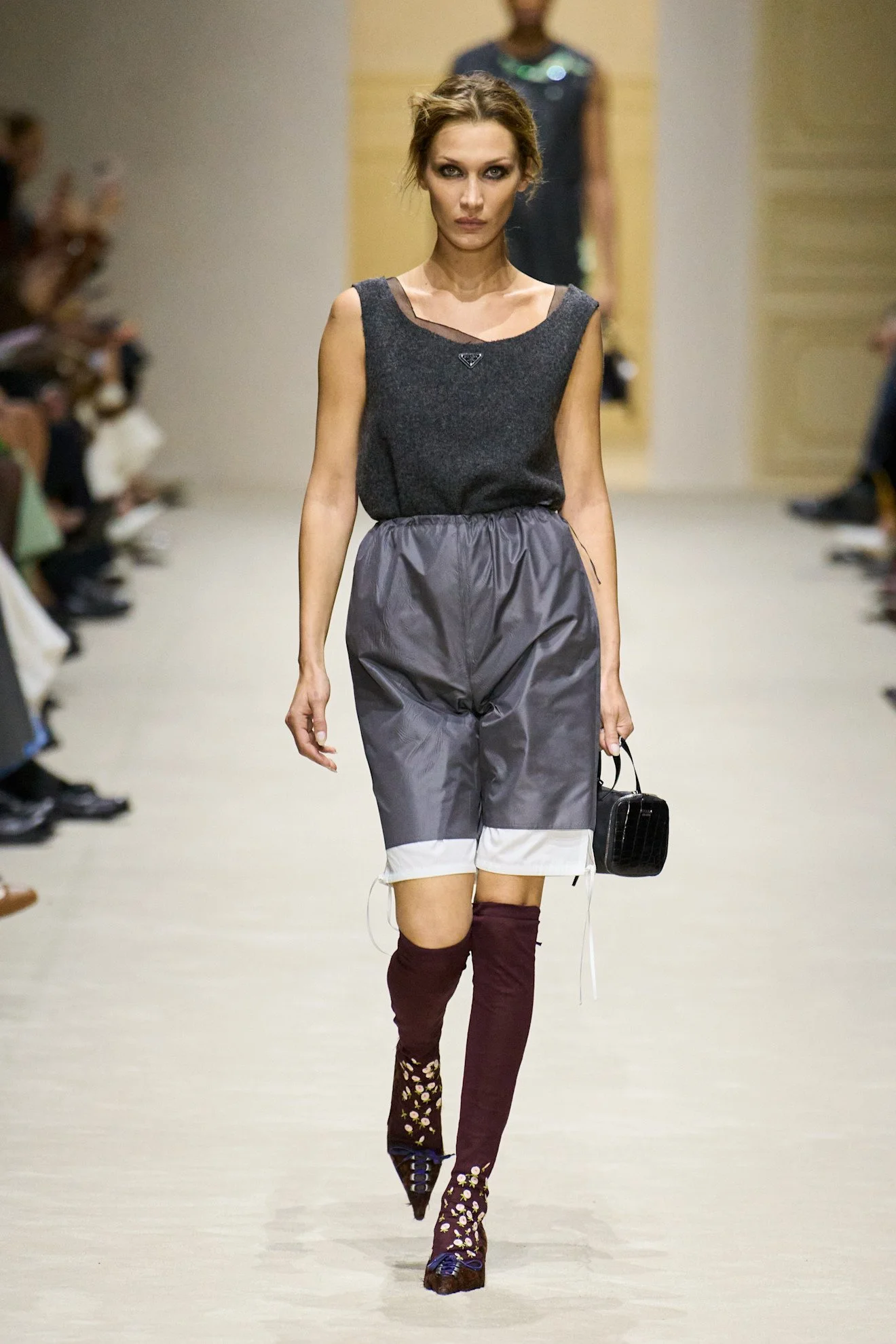
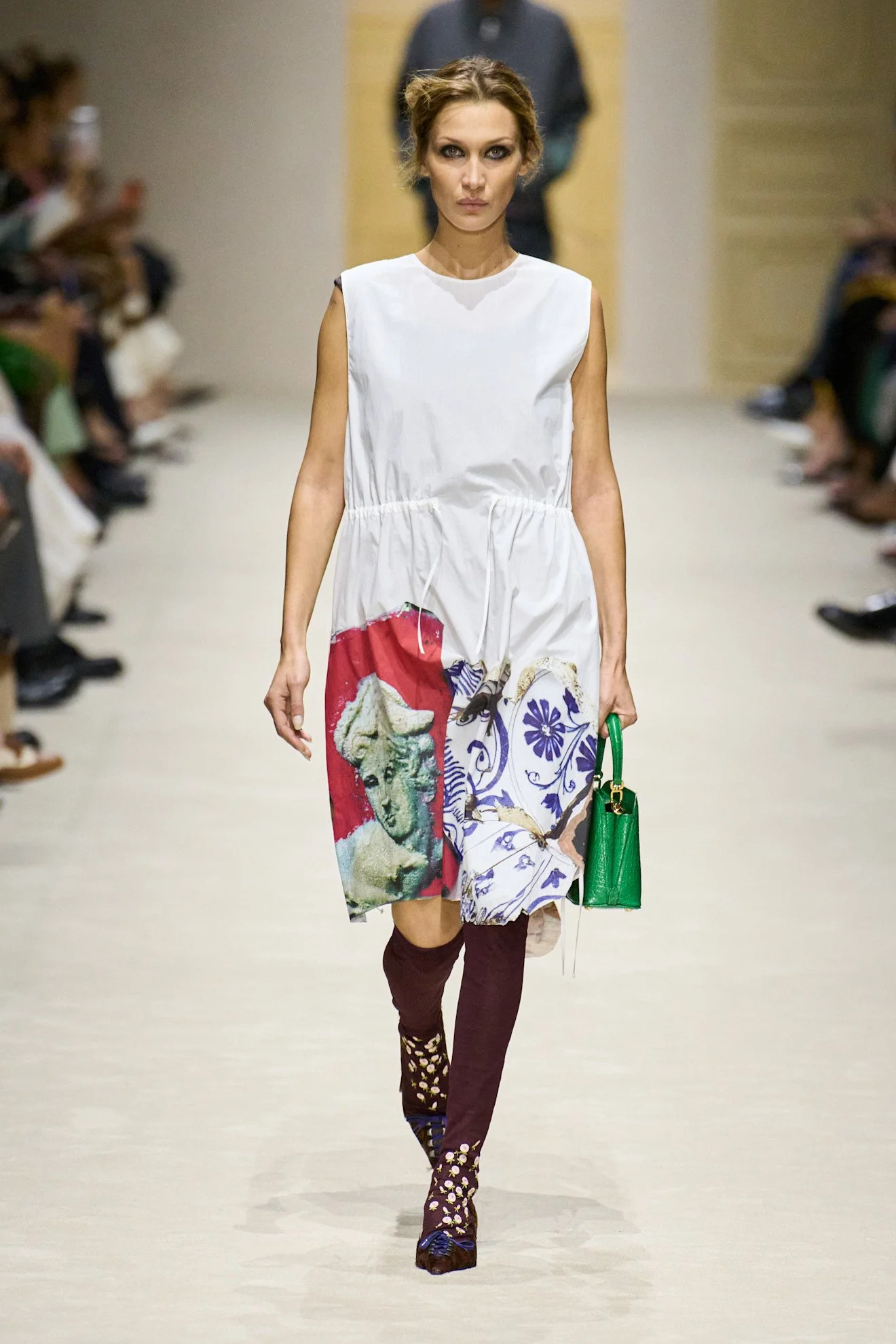
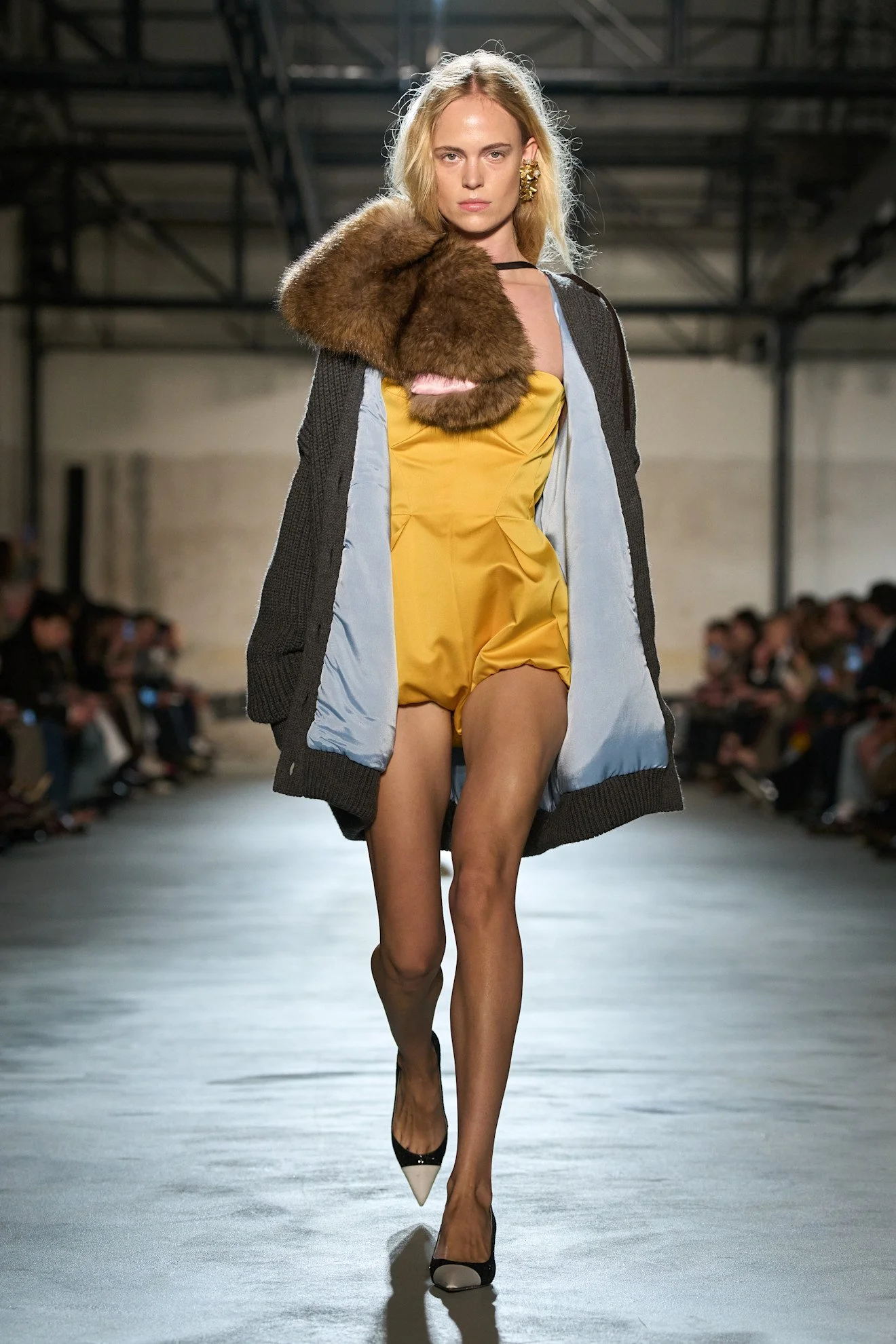
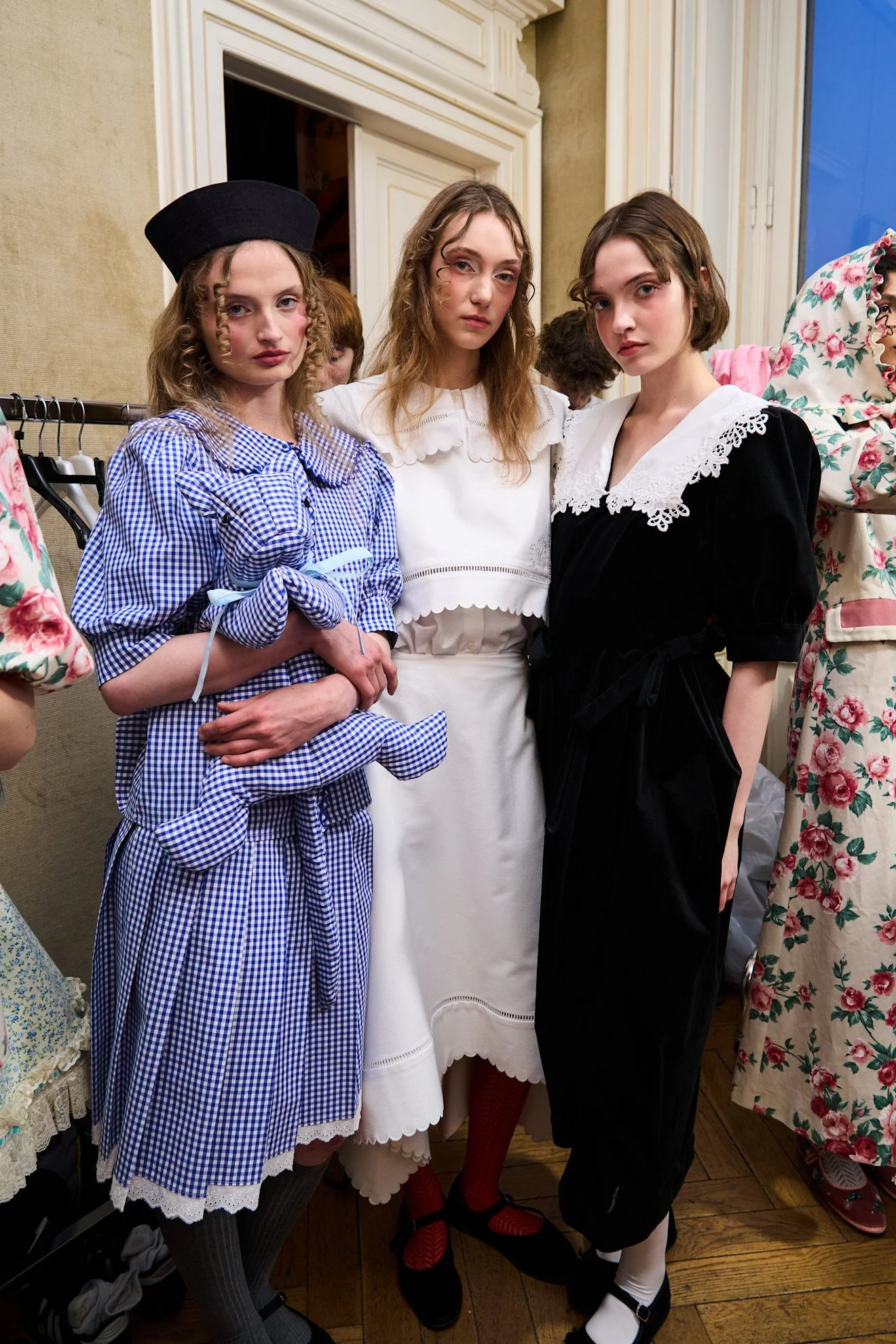
Other houses delivered strong, emotionally resonant moments. At Bottega Veneta, Louise Trotter focused on sartorial precision, closing with colorful statement coats that reaffirmed the brand’s mastery of craft. Roberto Cavalli, under Fausto Puglisi, delivered a powerful, red‑carpet‑ready show set to “Sweet Dreams Are Made of This,” embracing the house’s signature glamour. N°21 opened with minimal black before transitioning into intellectual, colorful mix‑and‑match pieces. Vivetta Ponti presented her new brand, Venerdì Pomeriggio, with a romantic, playful mood that felt refreshing and sincere. Avavav staged a conceptual presentation with over forty models standing on both sides as guests walked through the middle, emphasizing that fashion today is as much about experience as clothing. Tod’s celebrated timeless luxury and Italian craftsmanship with quiet confidence.
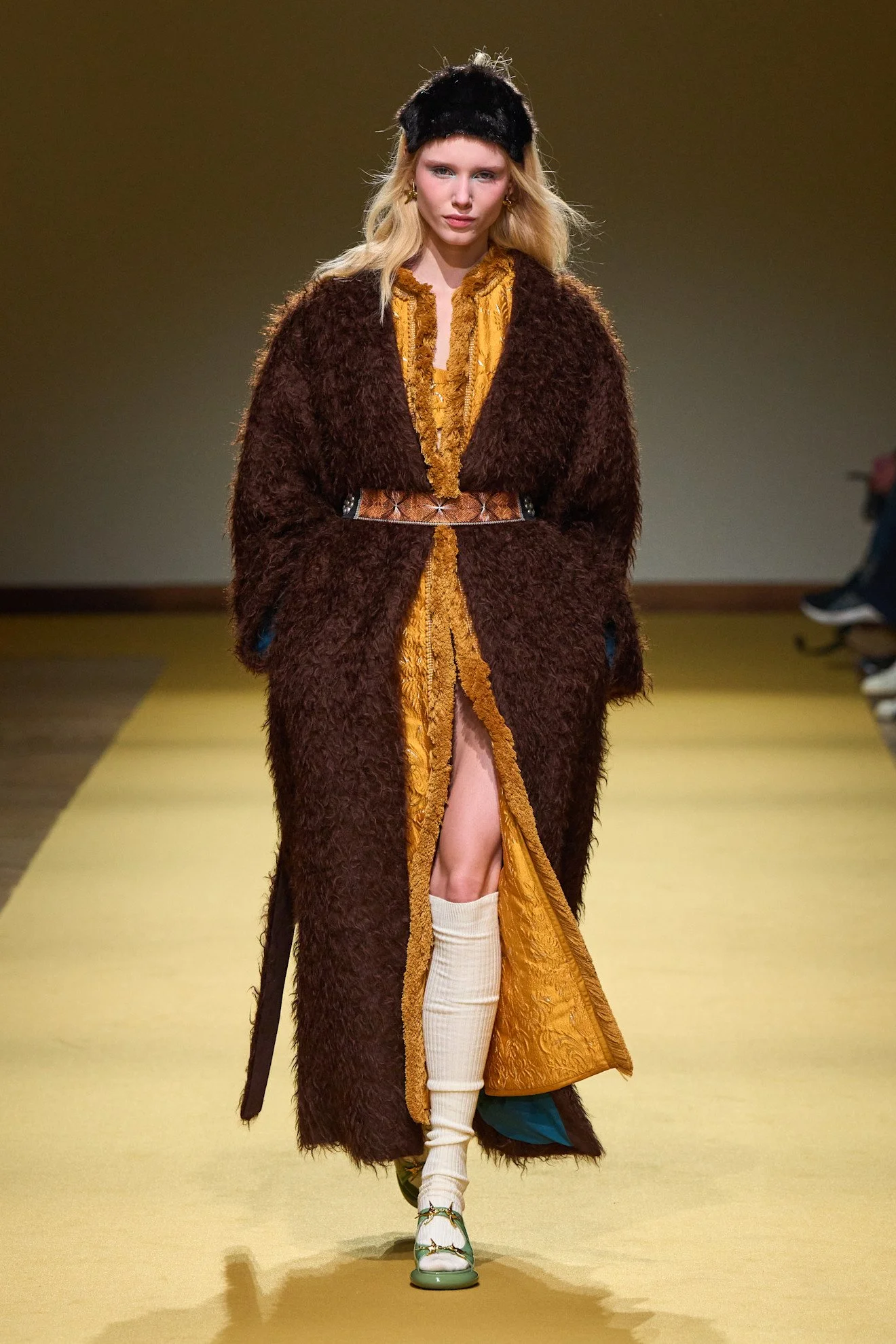
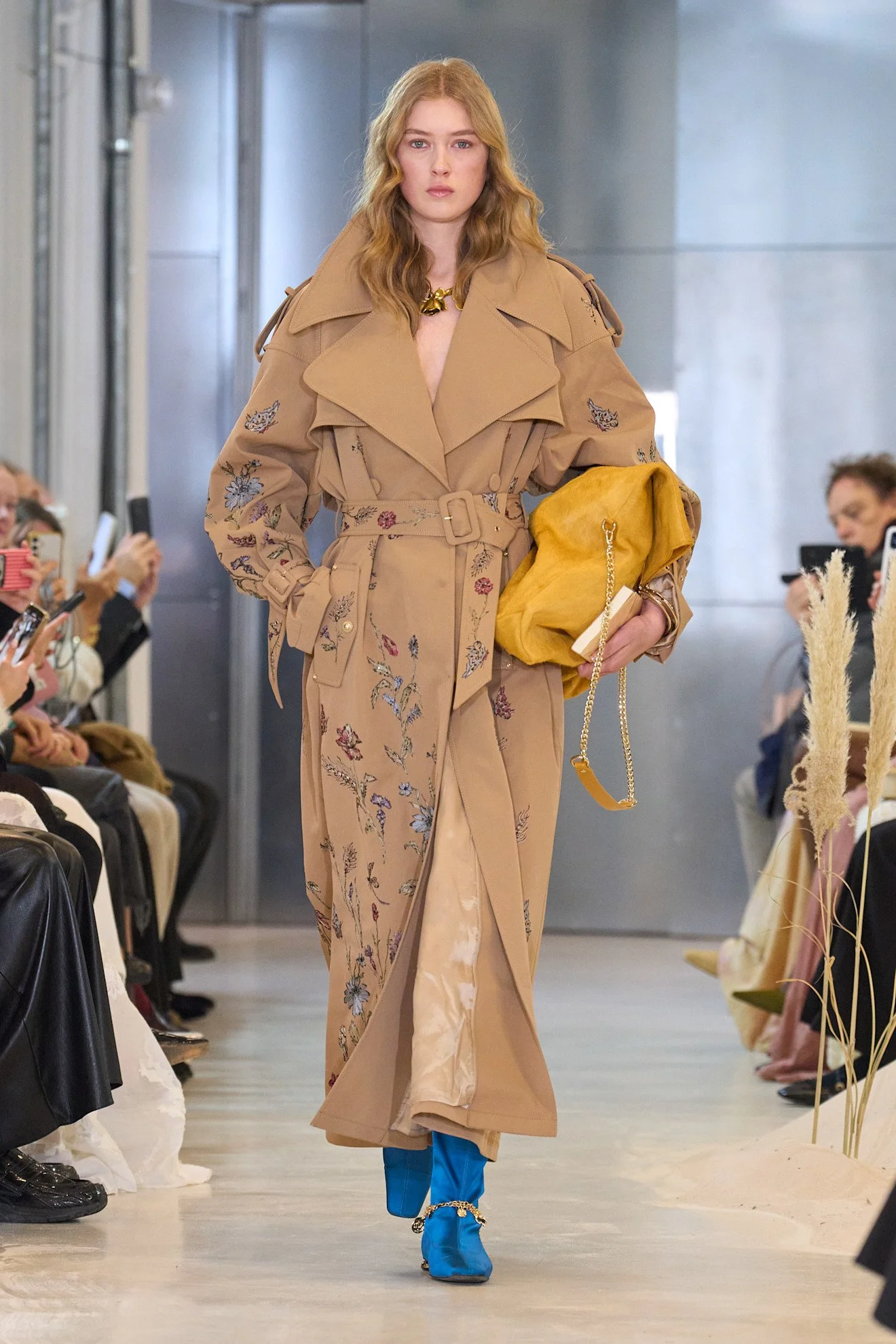
One of the most poignant moments of the week came from Ferragamo, where Maximilian Davis presented his final collection for the house. Masculine and feminine elements flowed together, with classic wools and cashmeres meeting laminated fabrics that shimmered like liquid gold. A standout look a maxi bomber‑cape in loden worn over a 24‑karat draped tunic captured the poetic tension between couture and streetwear. From next season, Sabato De Sarno will take over, and the industry is watching closely to see where Davis will land next, with whispers pointing toward Paris. His departure felt emotional; his tenure, though brief, left a lasting imprint.
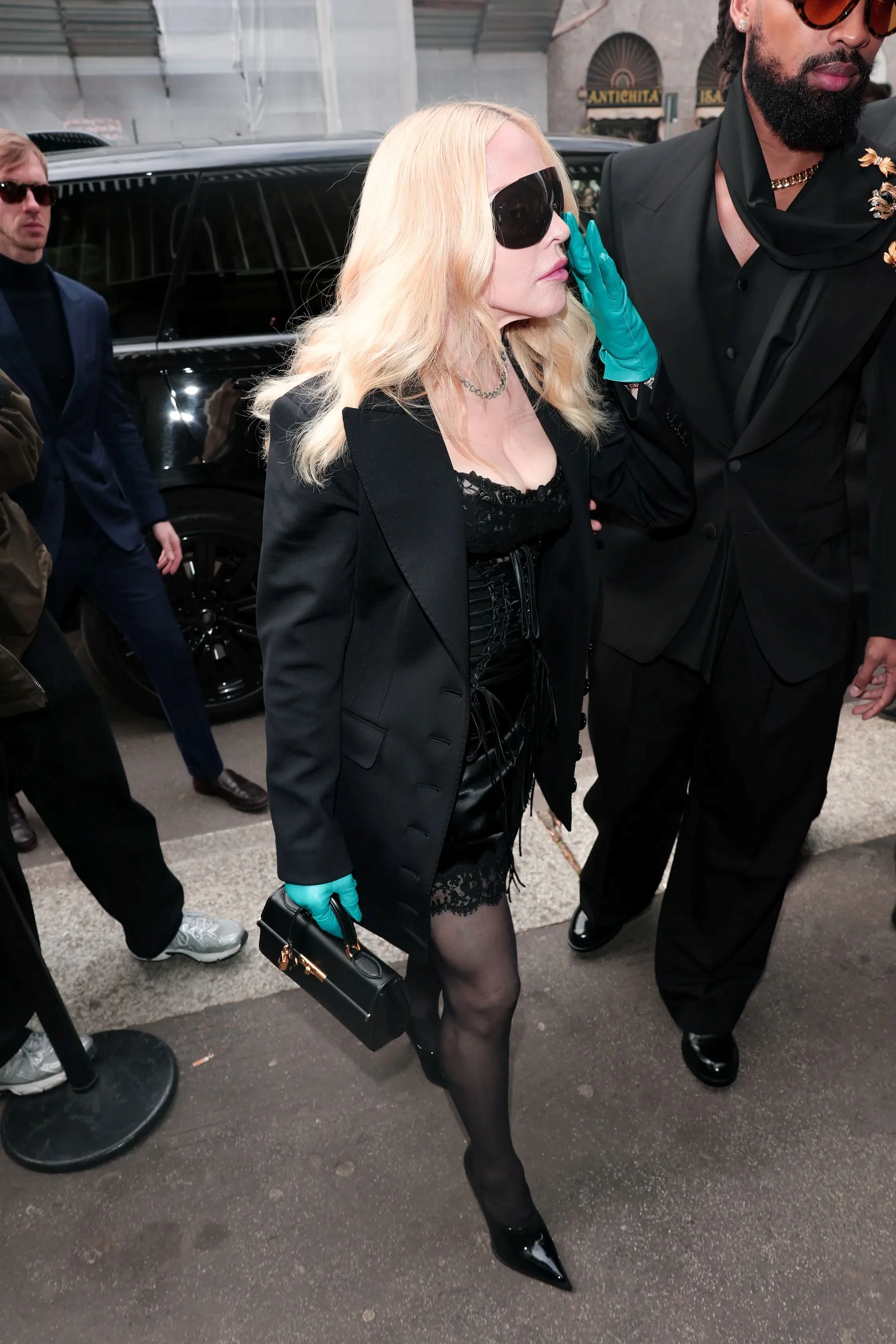
Madonna arriving at Dolce & Gabbana show
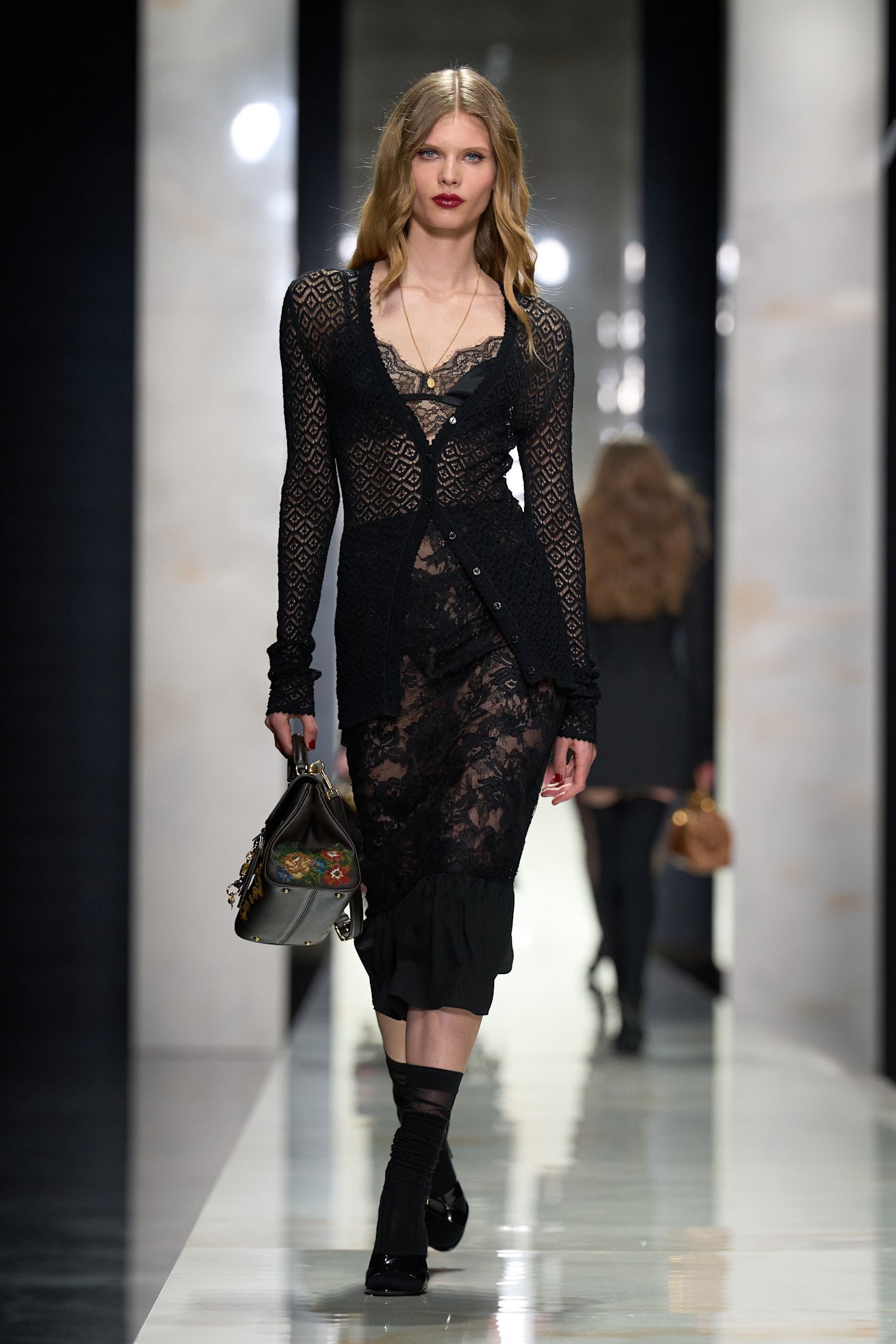
Dolce & Gabbana returned to their roots after a relaxed pajama‑inspired summer collection. Sicilian sensuality dominated: lace, tailoring, pinstripes, and black. The mood was seductive, theatrical, and unmistakably Dolce & Gabbana. Madonna, seated next to Anna Wintour, was the guest of honor a nod to the 1990s, when her presence helped propel the brand into global fame. It was a moment of nostalgia and celebration, a reminder of the brand’s enduring cultural impact.
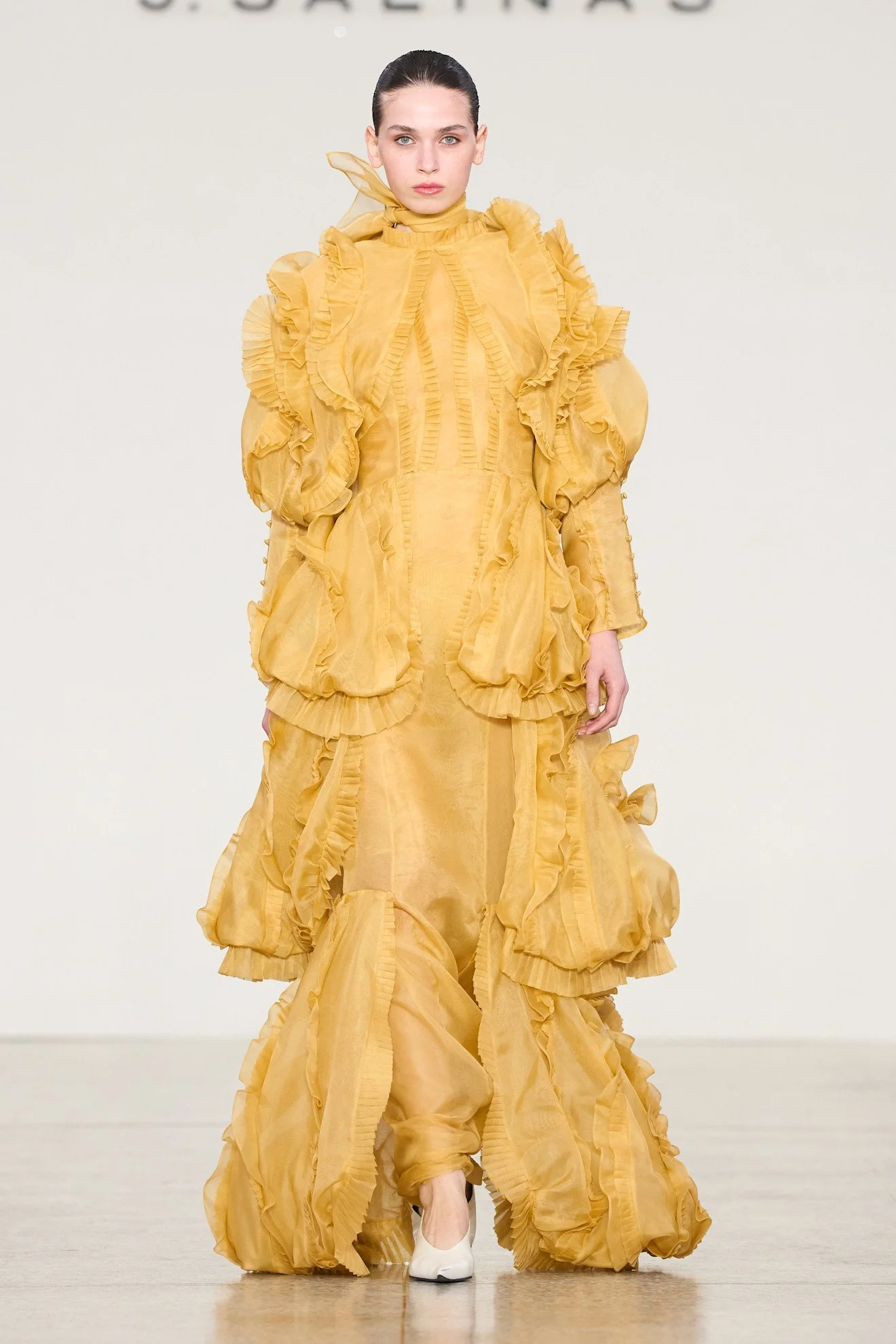
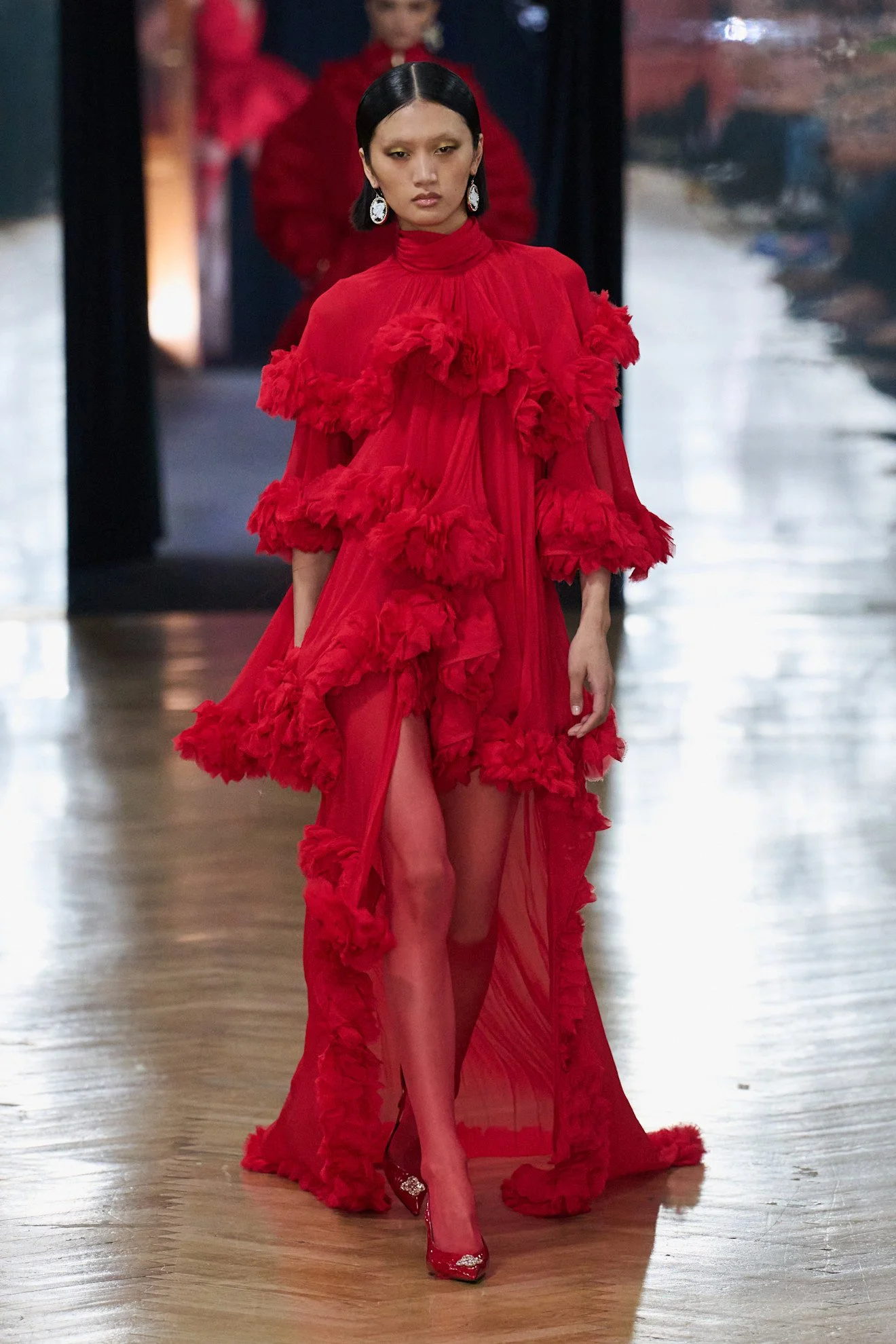
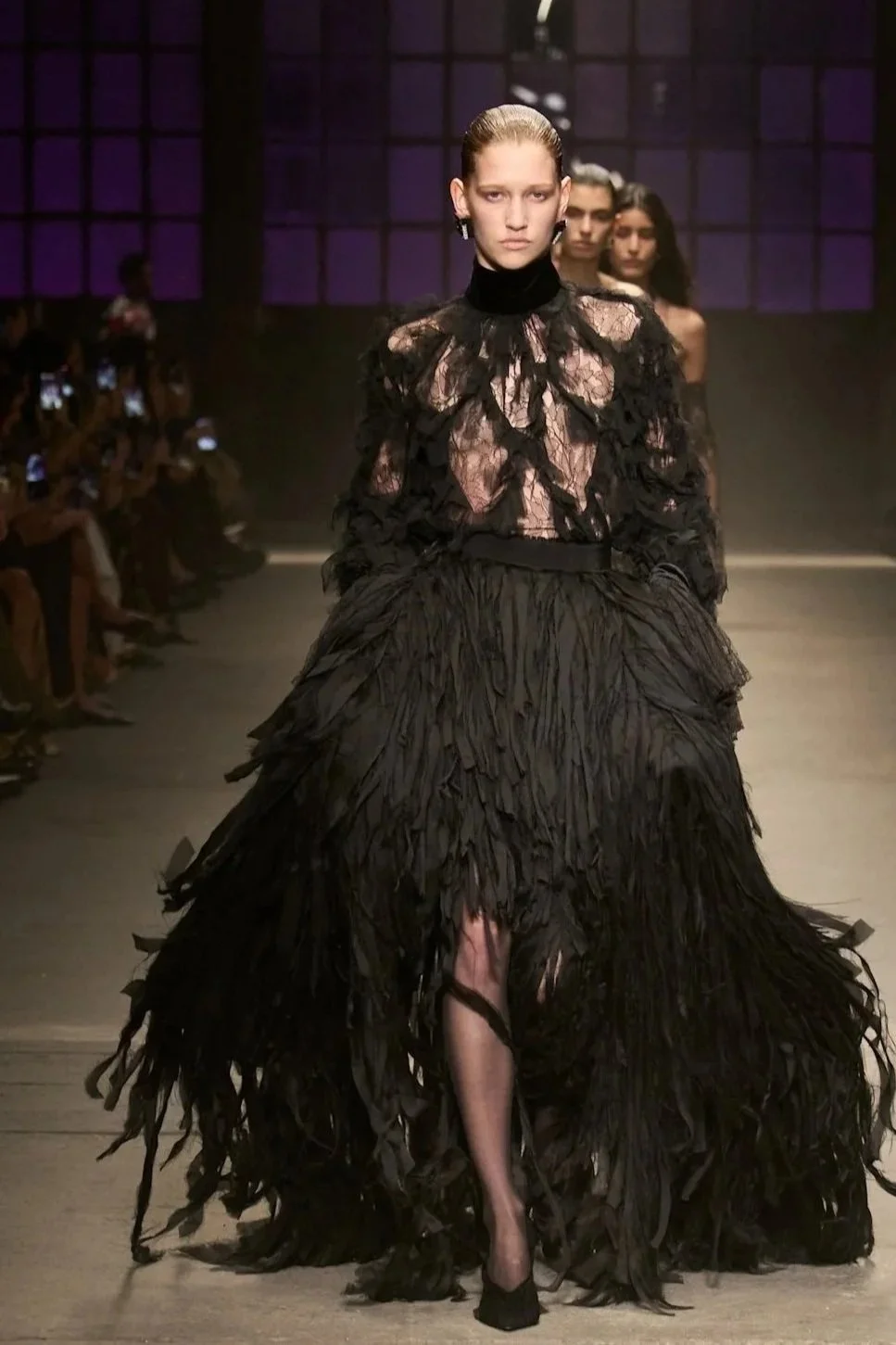
Beyond the runway, one theme emerged with striking clarity: community. Designers supporting designers, celebrities showing loyalty, creative directors attending each other’s shows Milan radiated a sense of family that felt uniquely Italian. In a moment when fashion can feel fragmented and digital, the week reminded the industry that relationships, mentorship, and shared history remain its emotional backbone. The presence of Donatella at Gucci, Michele supporting Desma, and the cross‑pollination of creative friendships underscored the idea that fashion is not just an industry; it is a community built on trust, admiration, and shared passion.
Milan Fashion Week Fall Winter 2026 ultimately reaffirmed the city’s identity as the place where craft meets commerce, where emotion meets pragmatism, and where heritage meets innovation. Fashion here is not distant or conceptual; it is lived, touched, worn, and desired. In a season marked by debuts, farewells, and a renewed sense of community, Milan offered not just a showcase of clothes but a celebration of the people and the spirit that make fashion what it is. It was a reminder that Milan remains the beating heart of fashion’s most human qualities: connection, craftsmanship, and the belief that beauty must be lived, not simply observed.