
New York Fashion Week Fall 2026: From Minimalism to Maximal Craft, A City Redefining Style
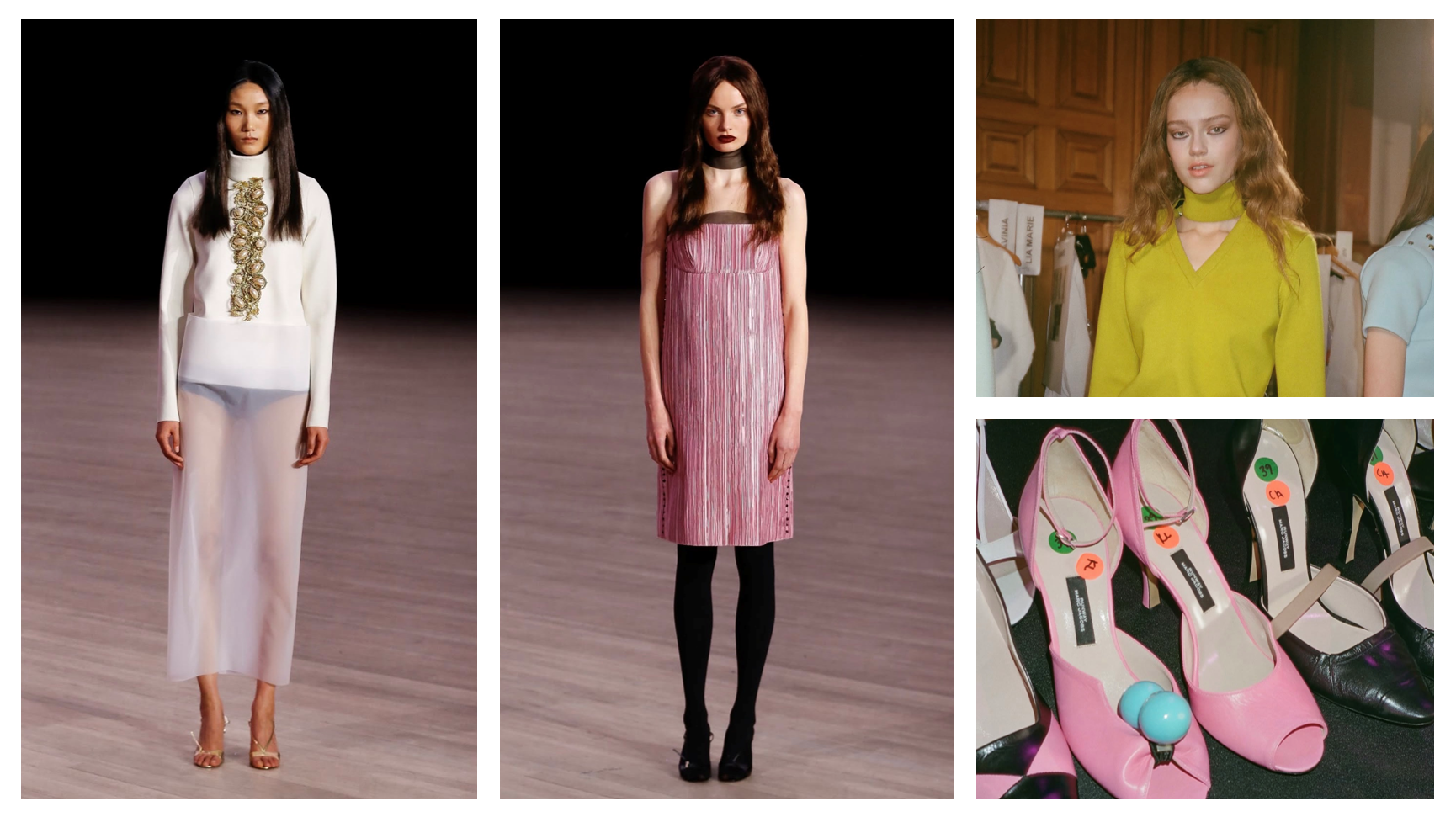
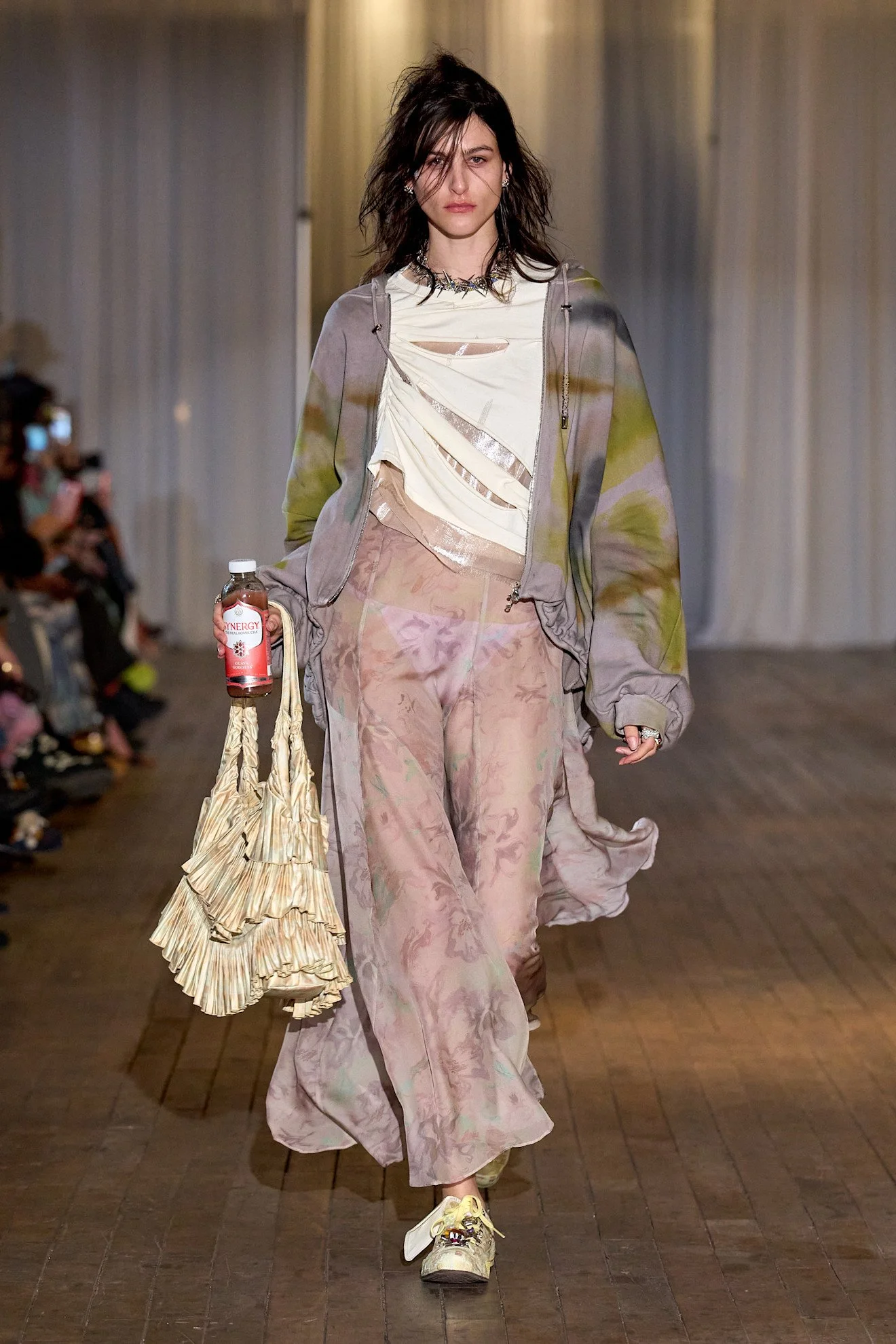
Marc Jacobs
New York Fashion Week has always been a study in contrasts uptown polish against downtown grit, heritage houses beside boundary‑pushing newcomers, the ghosts of Park Avenue socialites mingling with the energy of streetwear kids. But Fall 2026 arrived with a different kind of electricity, a sense that the city was ready to reclaim its place as the beating heart of American fashion. And it began, fittingly, with a man who has shaped the industry for nearly four decades: Marc Jacobs.
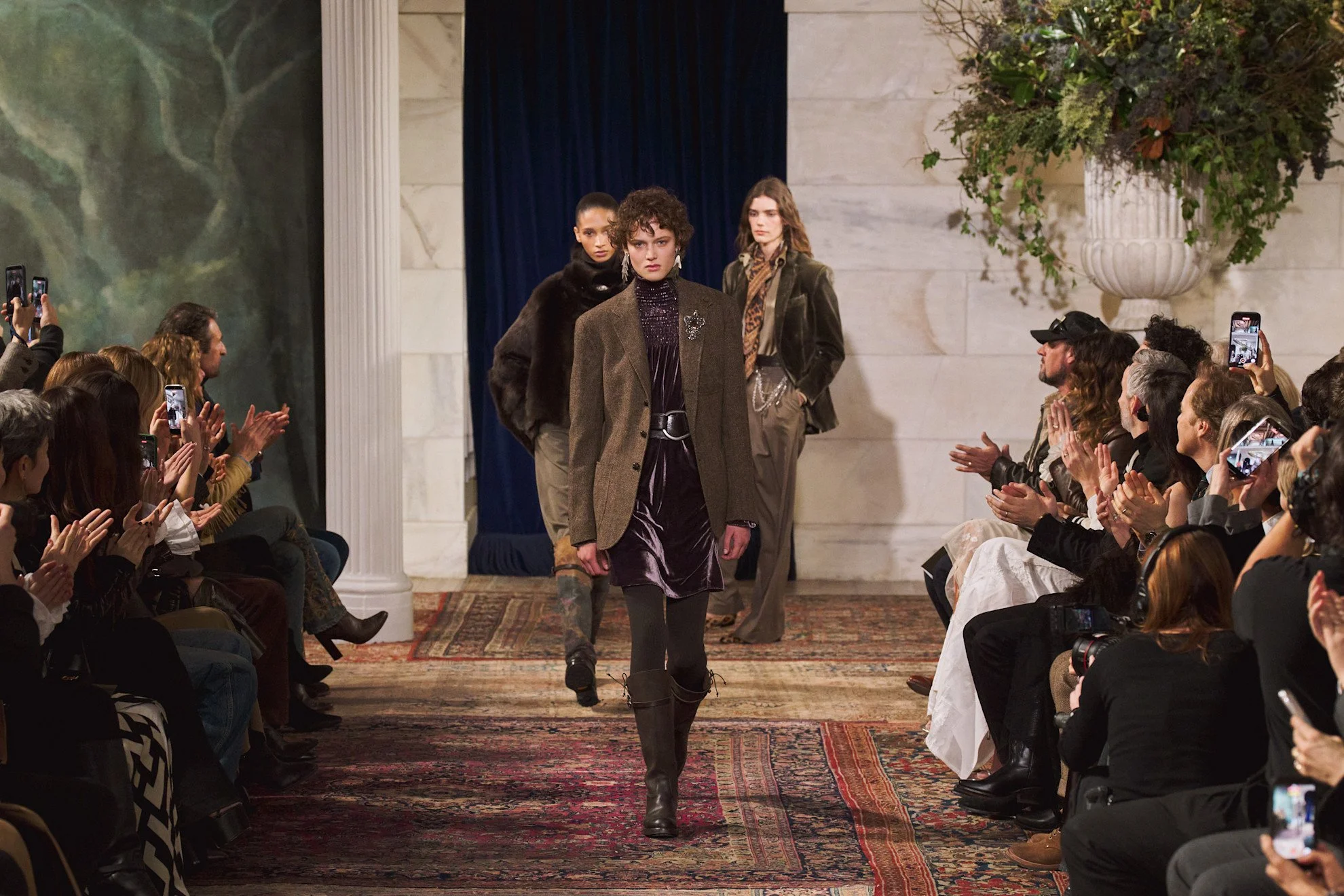
Ralph Lauren
Jacobs opened the week a day early a privilege only a handful of designers could ever dare to take and the industry accepted it without question. When Marc speaks, fashion listens. After several seasons of ballooned silhouettes and sculptural exaggeration, he surprised everyone by pivoting toward something sharper, more intimate, almost nostalgic. The collection felt like a love letter to femininity: lady‑like silhouettes with a subversive edge, vintage cool refracted through the unmistakable Marc Jacobs lens. It was a reminder that reinvention is his native language, and that New York’s fashion identity begins with its ability to shift, adapt, and surprise.
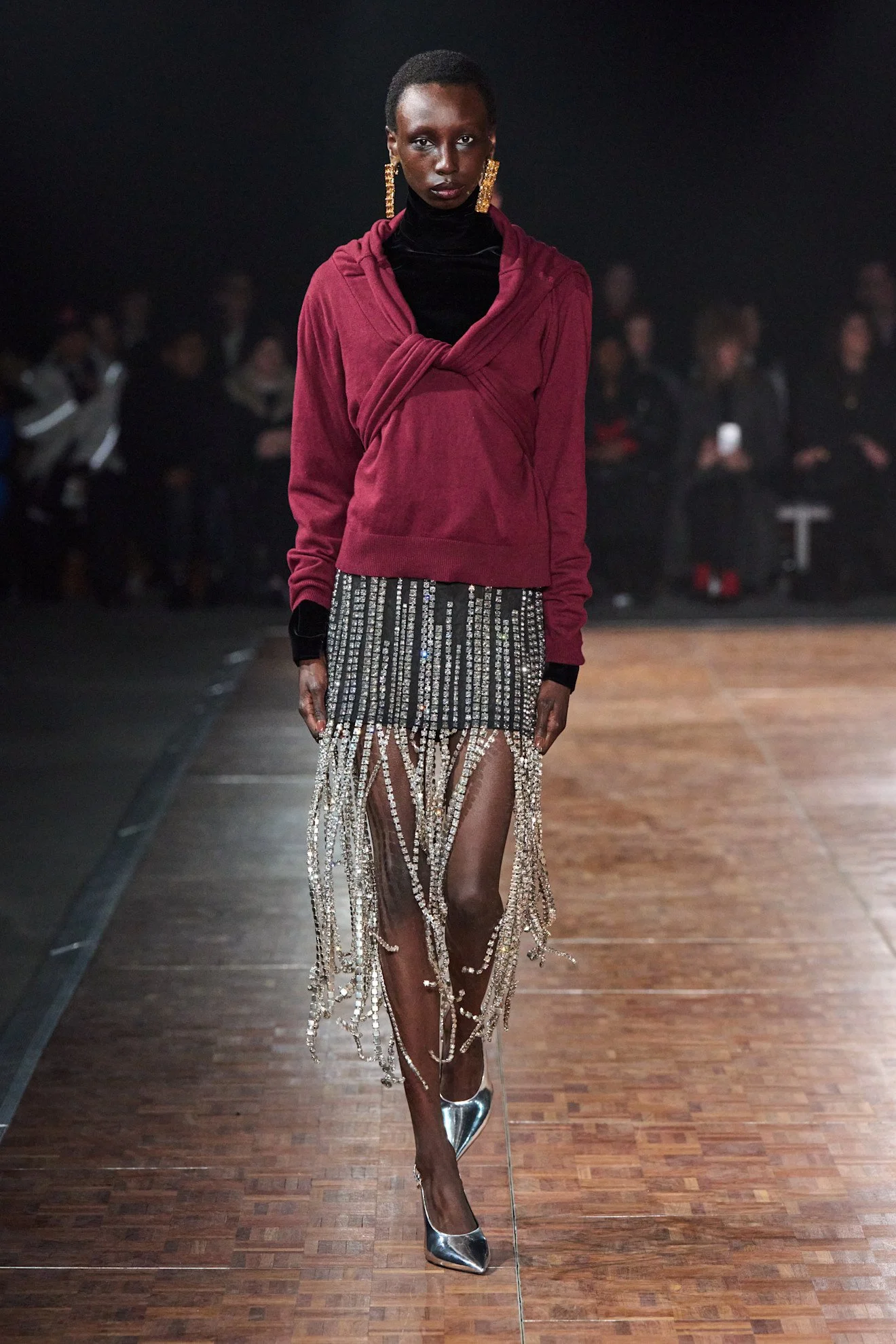
From there, the week unfolded with a sense of grandeur and emotional resonance. Ralph Lauren, the eternal storyteller of American luxury, transformed the Jack Shainman Gallery into a dreamscape inspired by his Bedford estate. The venue draped in velvet curtains, layered with vintage rugs, furnished with worn leather and animal prints felt like stepping into Ralph’s private world. His Fall 2026 collection upheld the brand’s signature craftsmanship: rich textures, equestrian tailoring, and an effortless glamour that only Ralph can conjure. Gigi Hadid opened in boucle tweed and closed in a brown velvet halter gown cinched with a chunky O‑ring belt, her chainmail sleeves fluttering like liquid metal. It was classic Ralph Lauren cinematic, romantic, and deeply American.
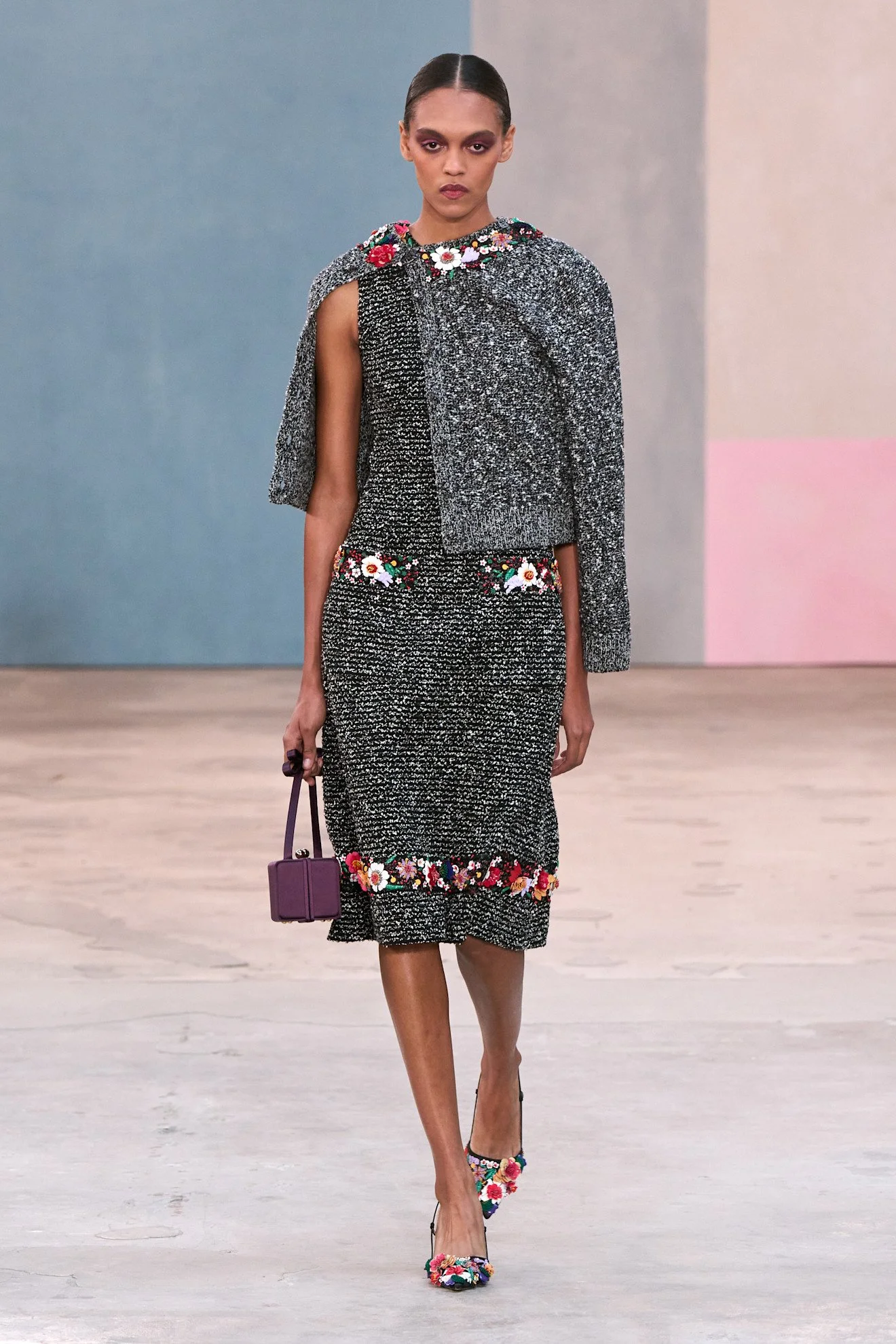
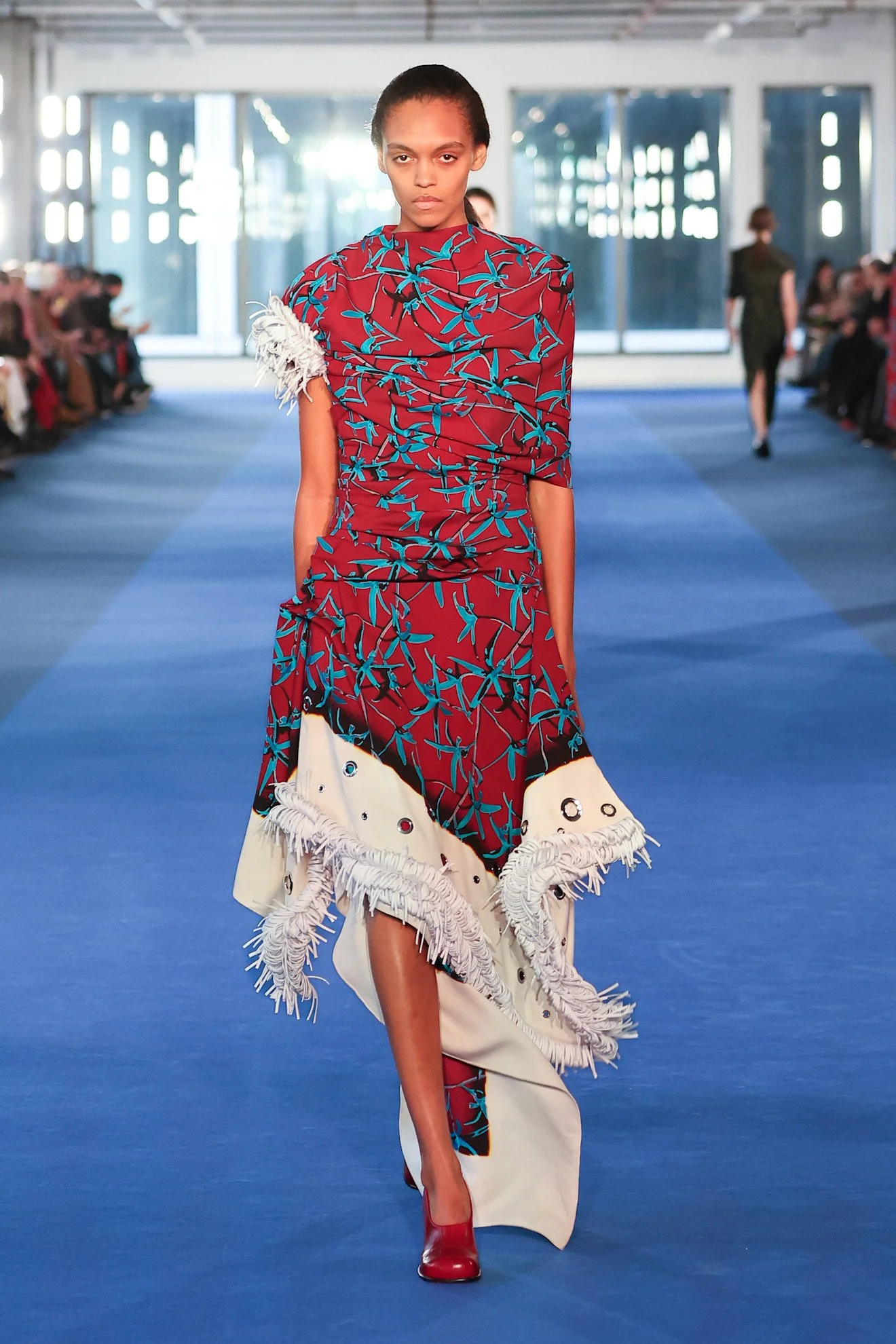
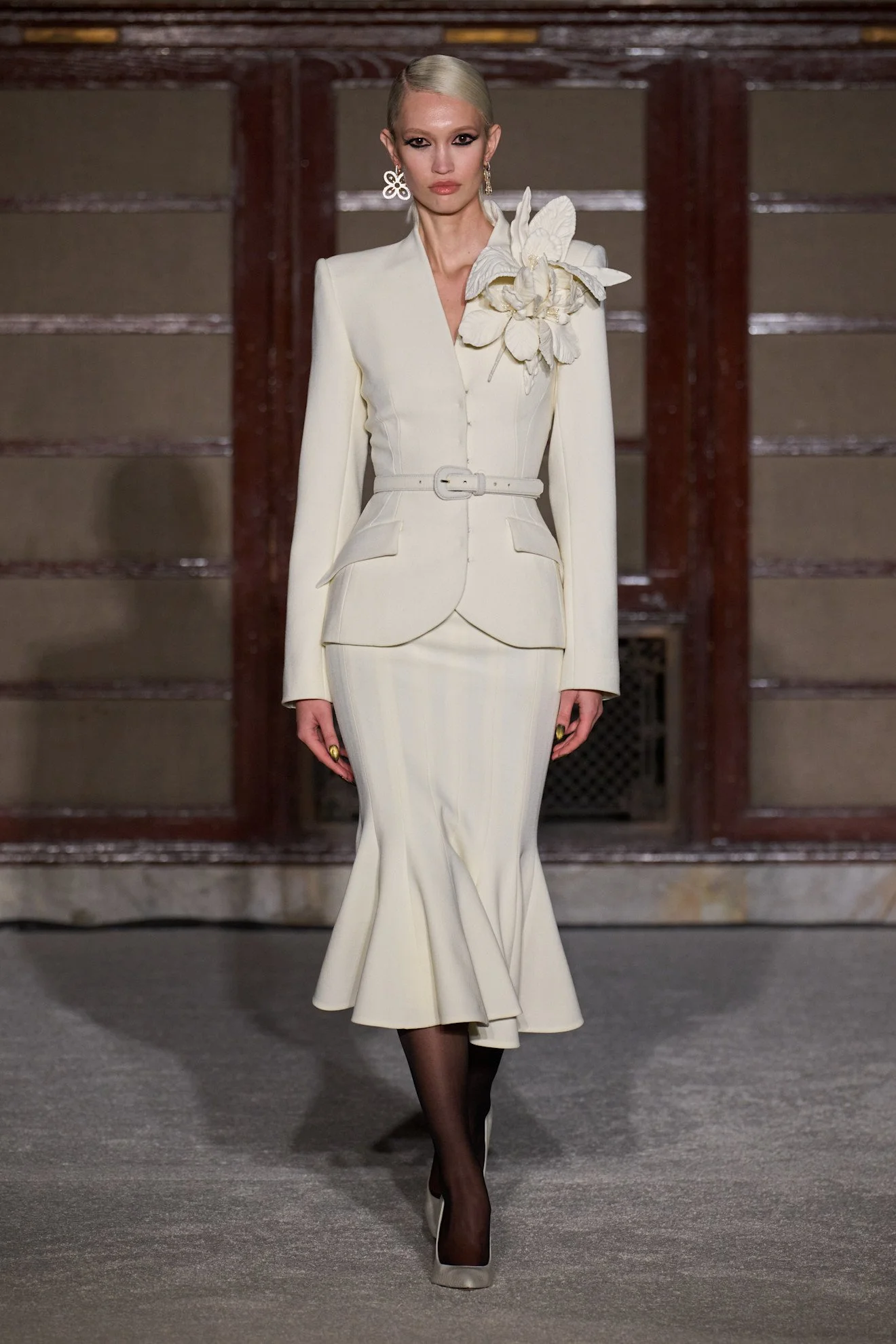
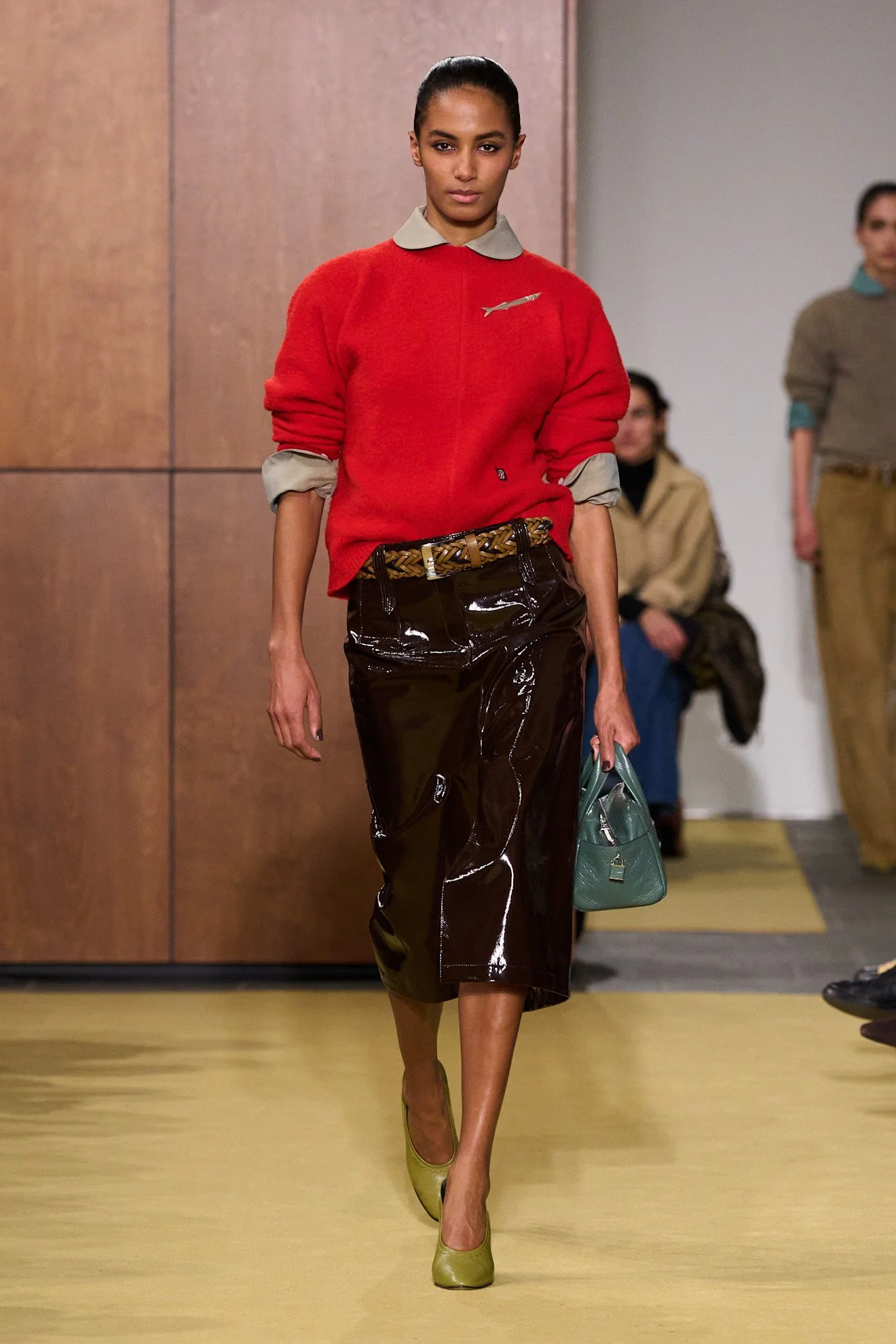
Across town, Tory Burch brought a different kind of energy to Sotheby’s new Breuer Building headquarters. Her front row — Pamela Anderson, Tessa Thompson, Amanda Seyfried — reflected the brand’s cross‑generational appeal. The collection was a study in color‑blocked sophistication, with low‑waist skirts styled with belts already destined for wish lists. Emily Ratajkowski returned to the runway, embodying the modern Burch woman: confident, polished, and quietly daring. Burch’s vision for Fall 2026 felt rooted in the way women dress now — mixing structure with softness, practicality with play.
Michael Kors
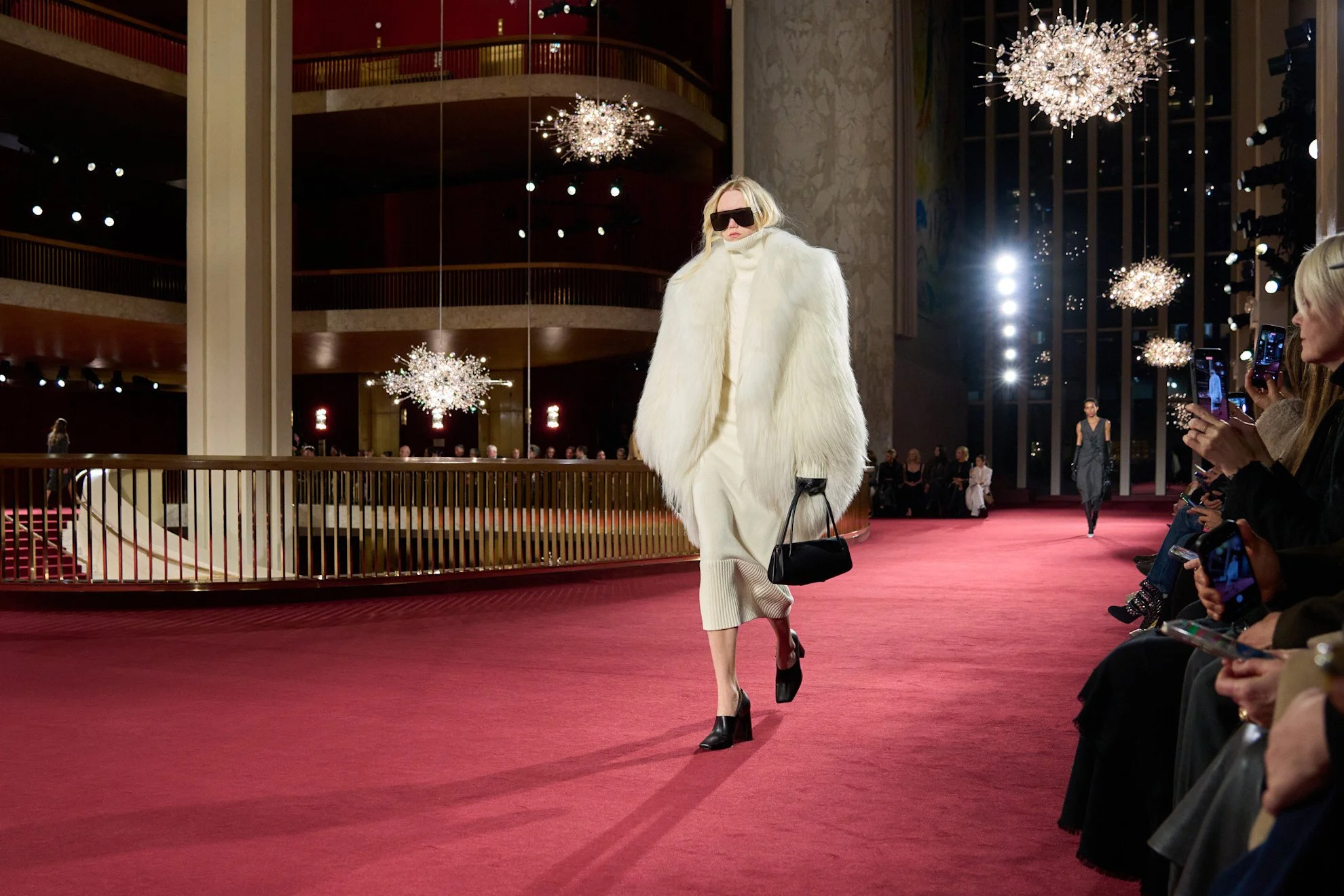
Then came a milestone moment: Michael Kors’ 45th anniversary. To celebrate, he staged a spectacular evening at Lincoln Center’s Metropolitan Opera House, transforming its red‑carpeted entry into a two‑floor runway beneath shimmering chandeliers. The show was a reminder of Kors’ enduring ability to capture the joy of fashion. His Hollywood‑studded front row Uma Thurman, Gabrielle Union‑Wade, Dakota Fanning — watched as Christy Turlington, the face of his first campaign, closed the show in a billowing black top with the ease of a T‑shirt and the elegance of couture, paired with microscopic paillette‑covered trousers. The collection was a feast of hand‑embroidered florals, feather‑trimmed coats, and glittering georgette a celebration of glamour without apology.
AWGE by A$AP Rocky
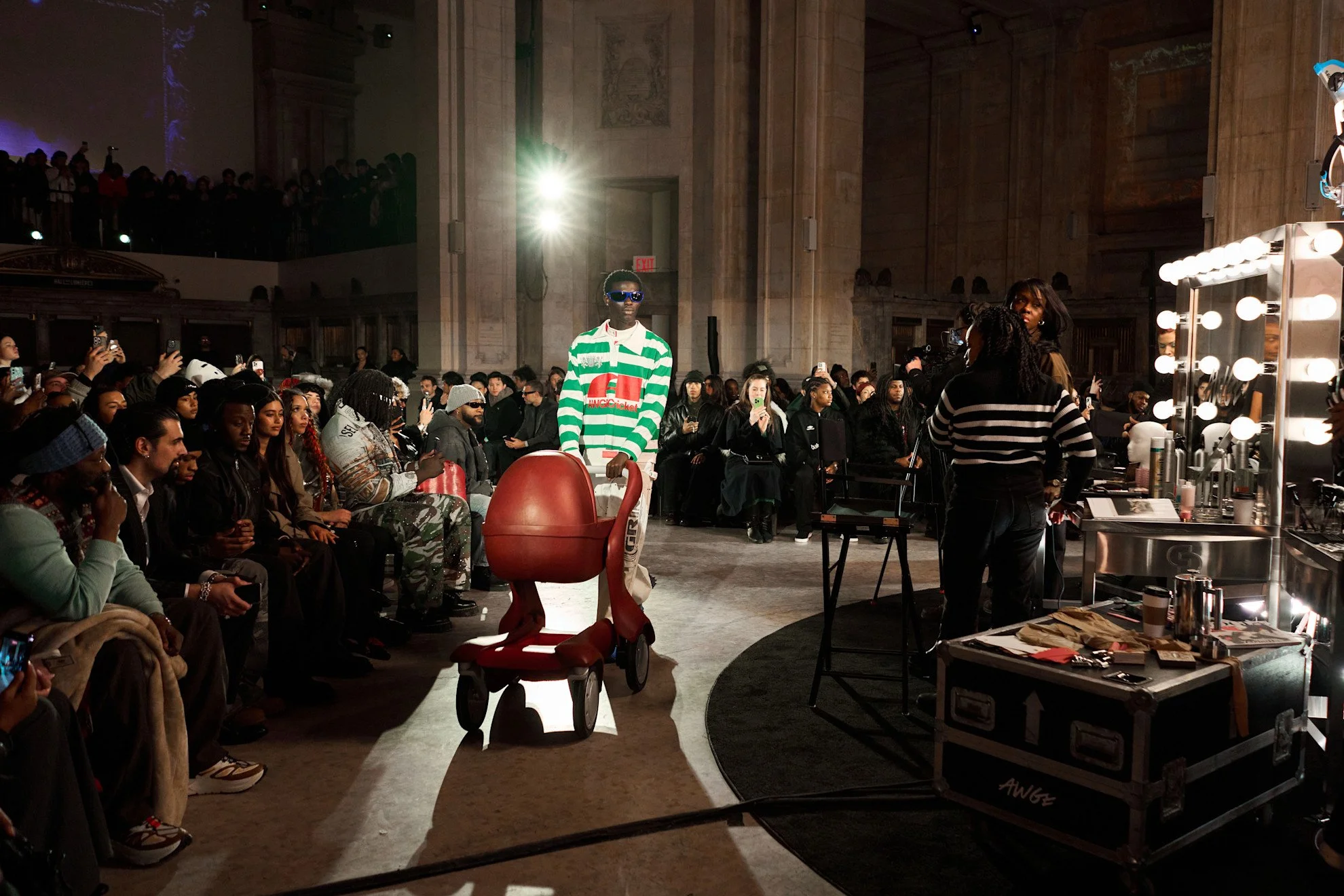
But New York Fashion Week is never just about the established names. It thrives on disruption, and this season, disruption arrived in the form of A$AP Rocky’s AWGE. After showing in Paris for two seasons, the brand staged a surprise show in New York, upending the calendar and injecting a raw, personal narrative into the week. The set resembled a dressing room and makeup station intimate, chaotic, lived‑in with baby prams and front‑carriers woven into the runway choreography. Rihanna, glowing and expecting their fourth child, sat front row as the collection unfolded like a visual diary of their life. It was grounded, emotional, and defiantly authentic a reminder that fashion can be storytelling at its most personal.
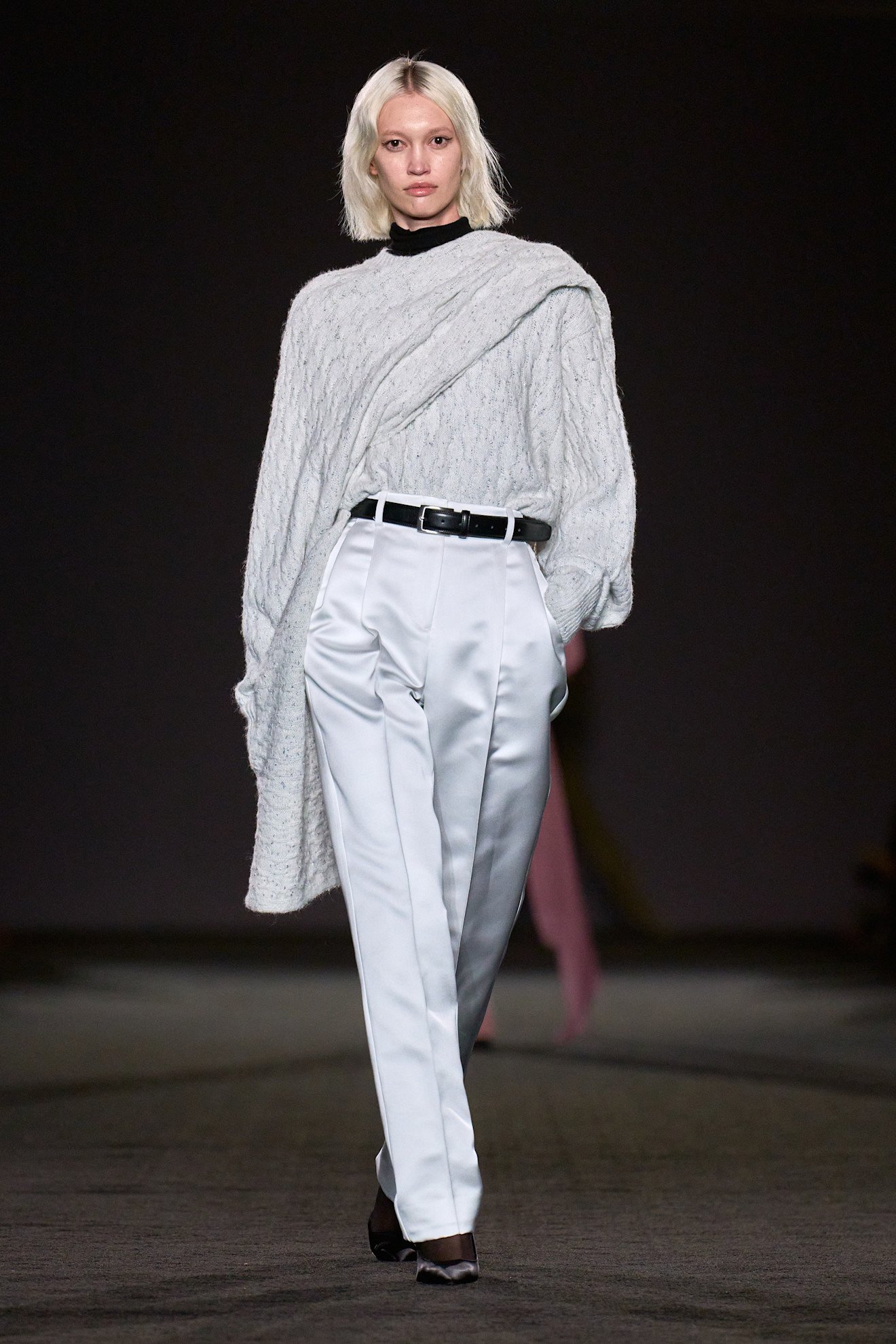
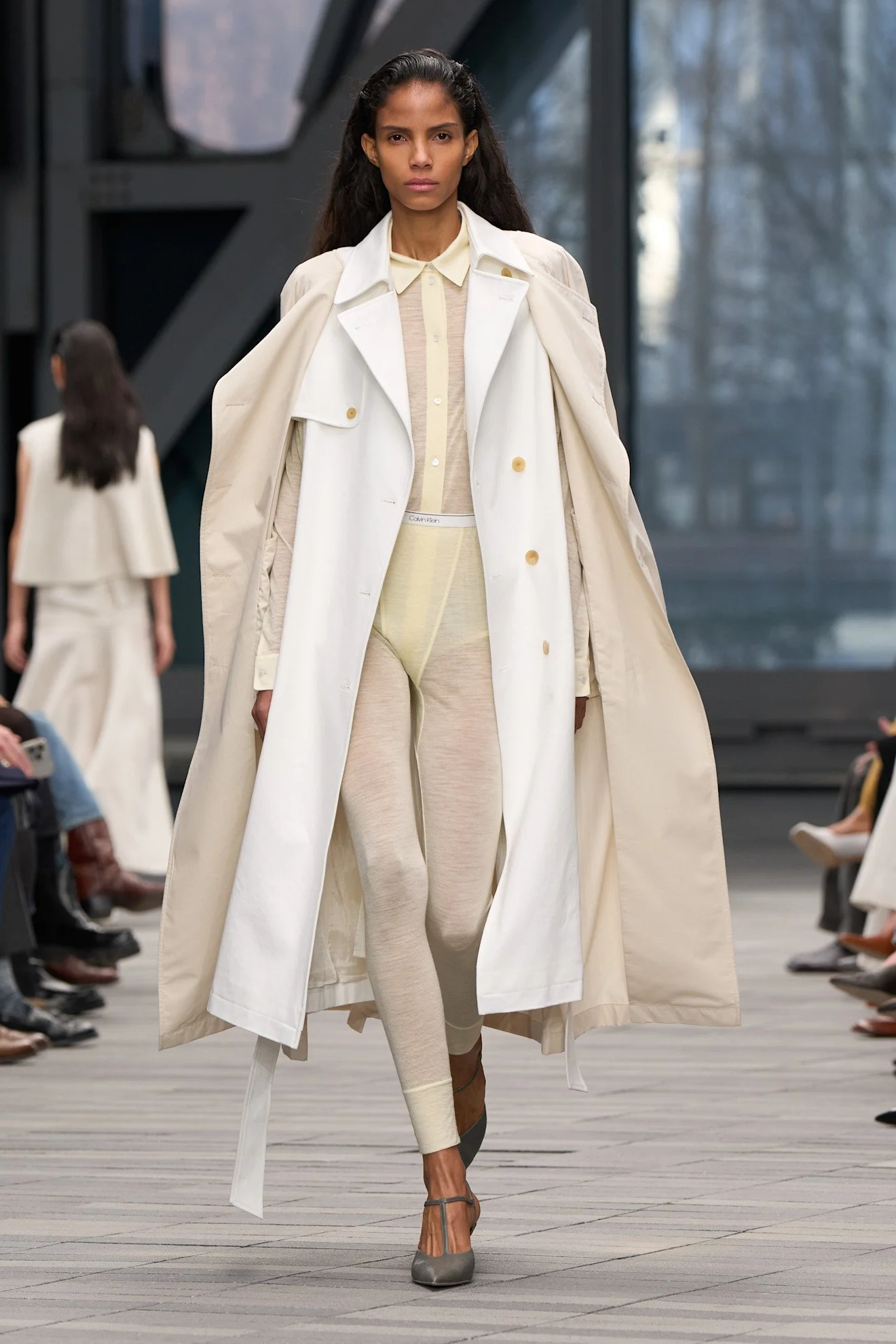
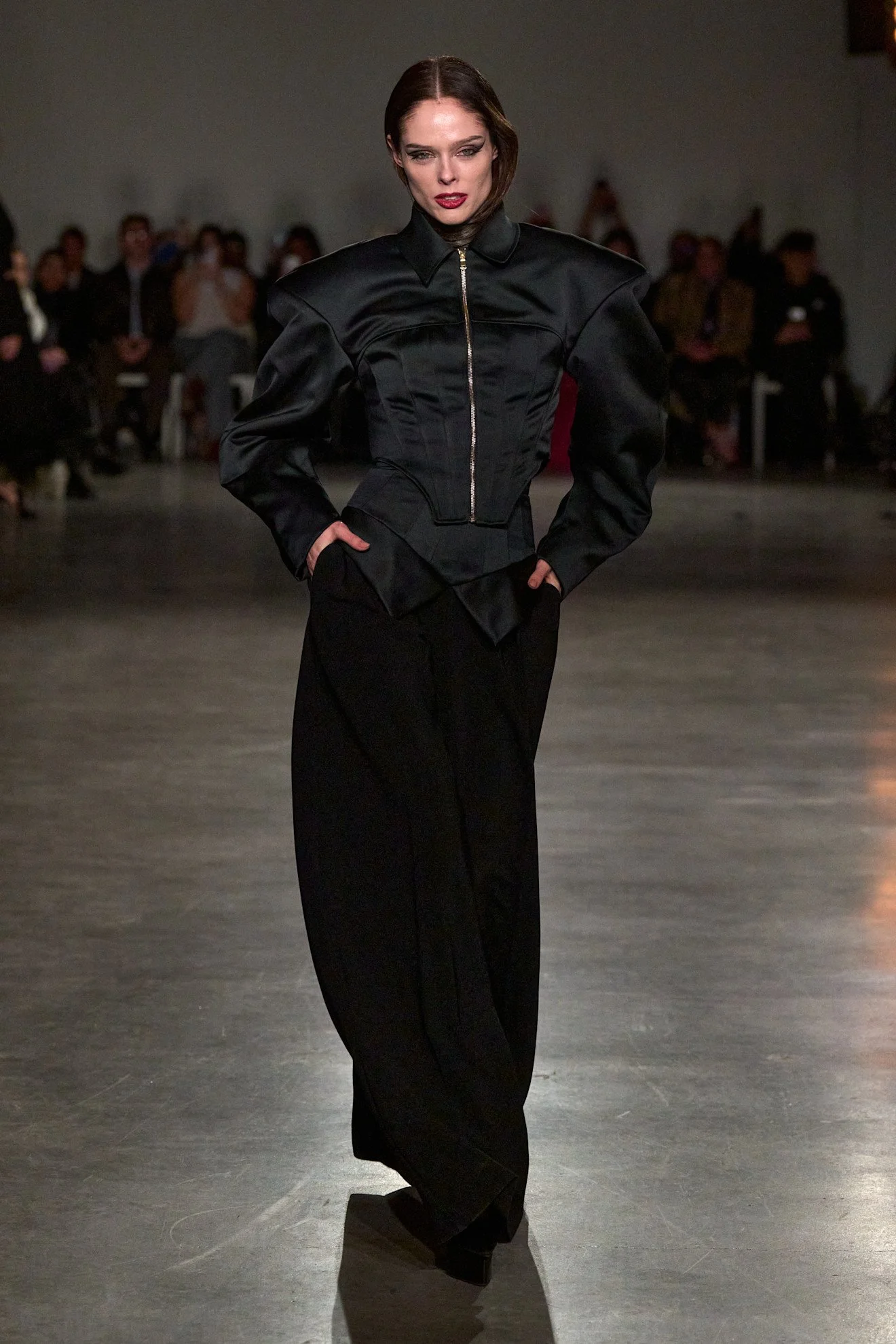
At Calvin Klein Collection, Veronica Leoni delivered her most directional line-up yet. Held inside The McCourt at The Shed, the show was a meditation on the brand’s heritage. Though the mood board referenced the 70s and 80s the era of Calvin’s rise the runway felt distinctly 90s, a nod to the cultural moment surrounding the release of Love Story, the new series on John F. Kennedy Jr. and Carolyn Bessette. Their romance has reignited global fascination with 90s minimalism, and Leoni leaned into that energy with precision. Clean tailoring, sensual simplicity, and a whisper of nostalgia defined the collection. Yet the show also sparked conversation: many attendees murmured about the absence of Raf Simons, whose tenure at Calvin Klein remains beloved. Still, Leoni’s vision felt confident a bridge between past and present, restraint and seduction.
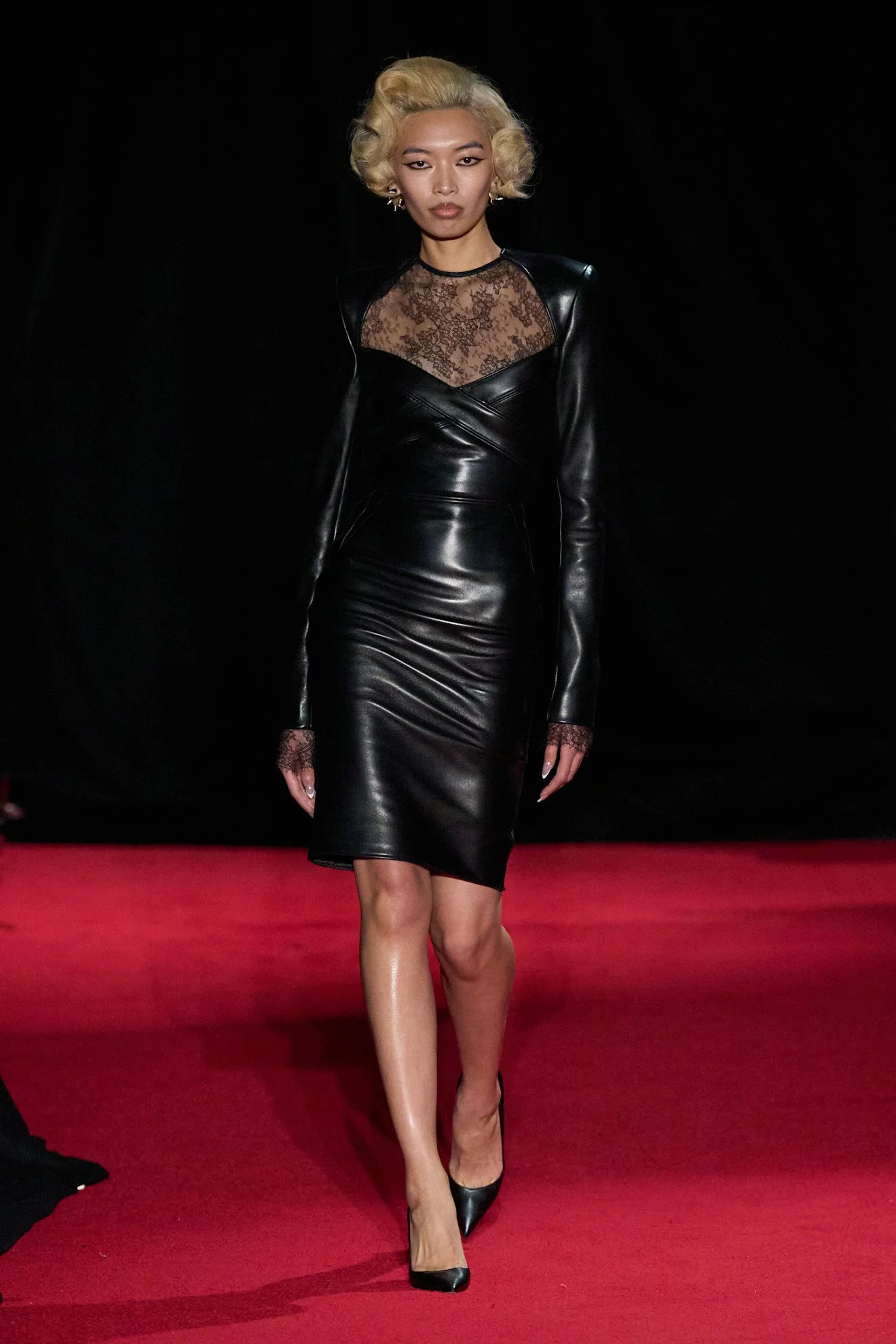
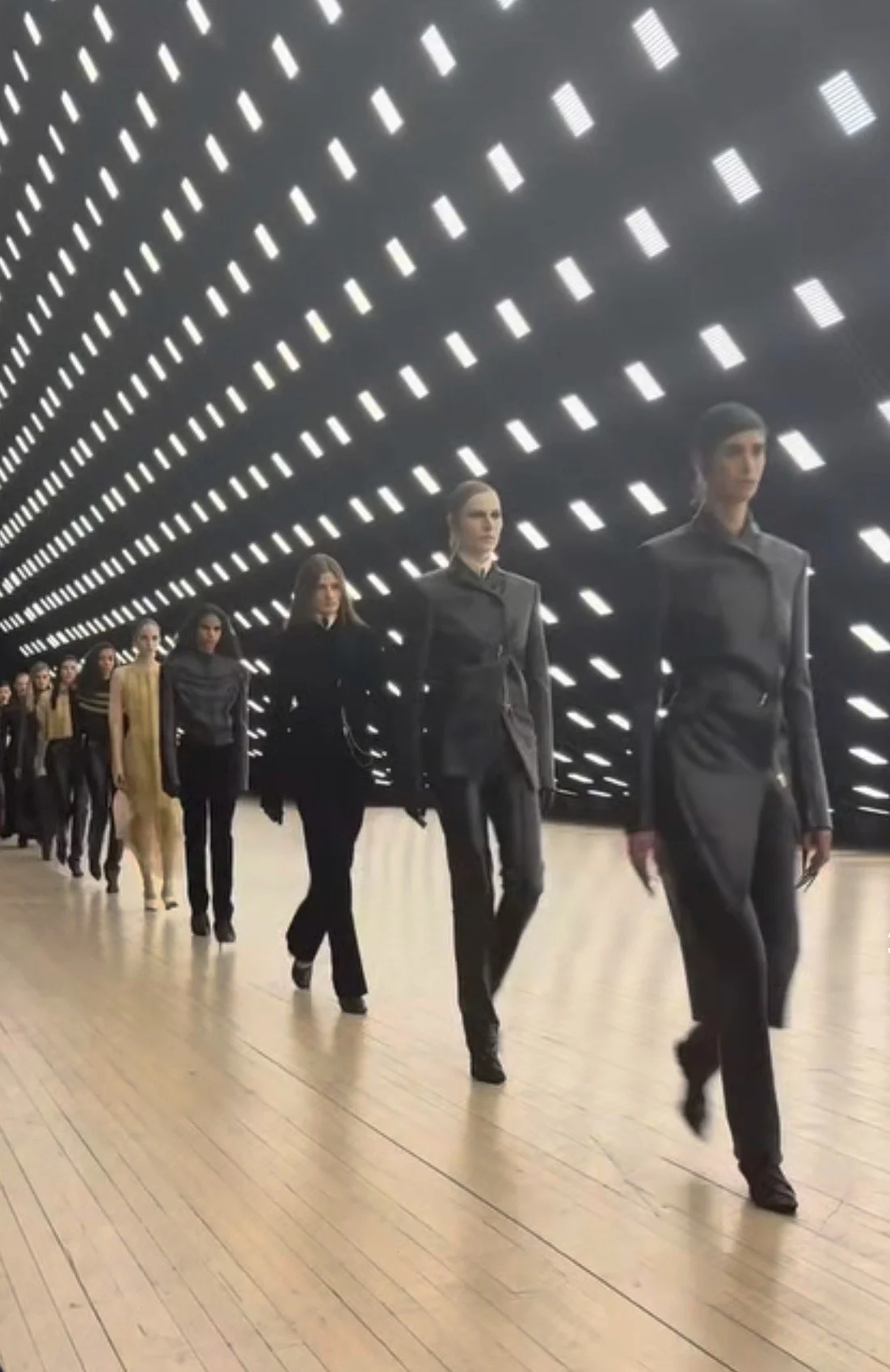
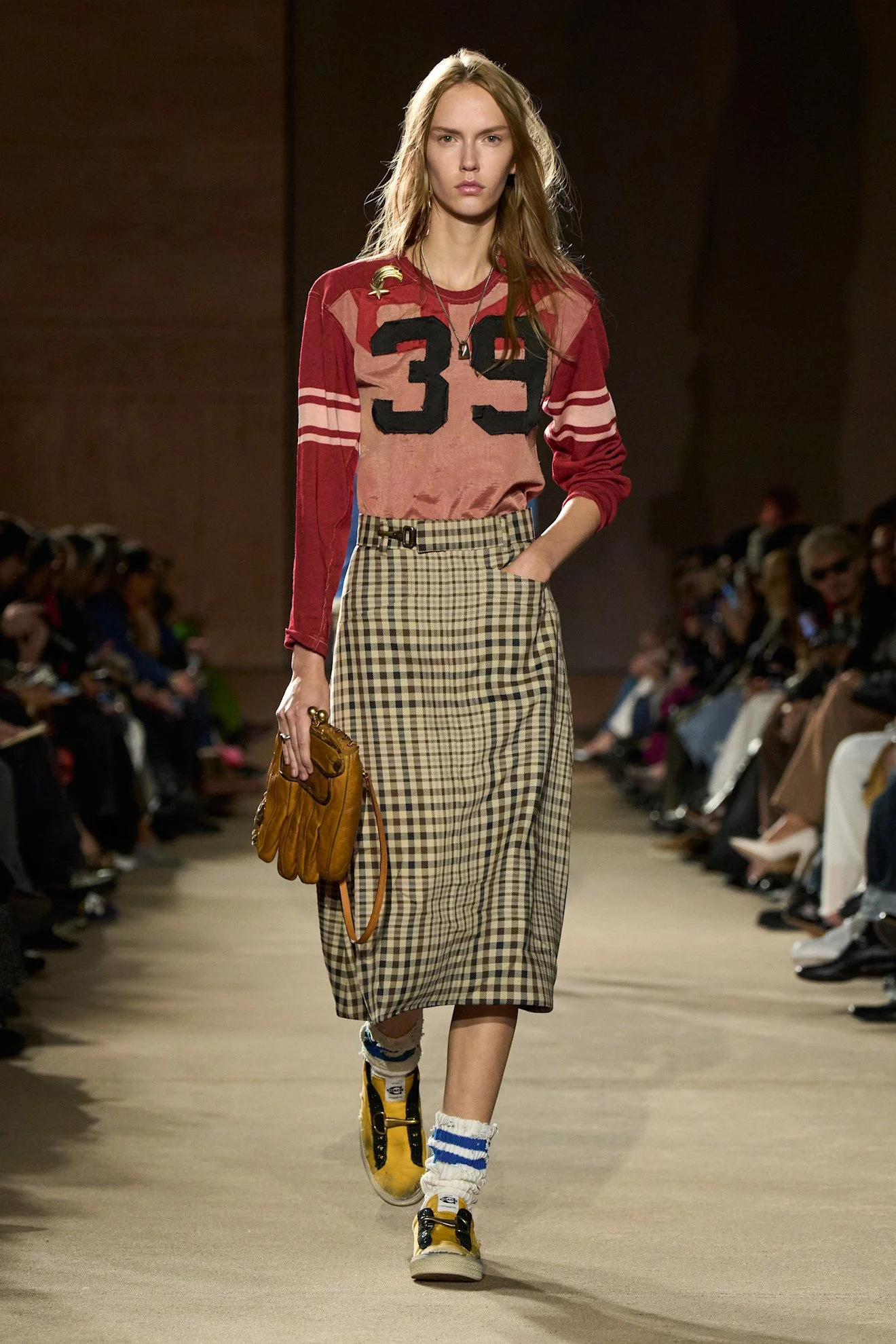
Coach, under Stuart Vevers, offered one of the most imaginative interpretations of American fashion this season. Vevers, who has masterfully steered the 85‑year‑old brand through generational shifts, drew inspiration from The Wizard of Oz. After watching the 1939 film with his children, he became fascinated by its transition from sepia to Technicolor a metaphor for optimism, transformation, and the magic of reinvention. The show opened in moody greys and blacks before bursting into colour at Look 12, echoing Dorothy’s arrival in Oz. Cherry reds, soft blues, deep violets the palette unfolded like a cinematic journey. Vevers’ ability to merge nostalgia with youth culture, craftsmanship with rebellion, continues to make Coach one of New York’s most relevant houses.
7 For All Mankind
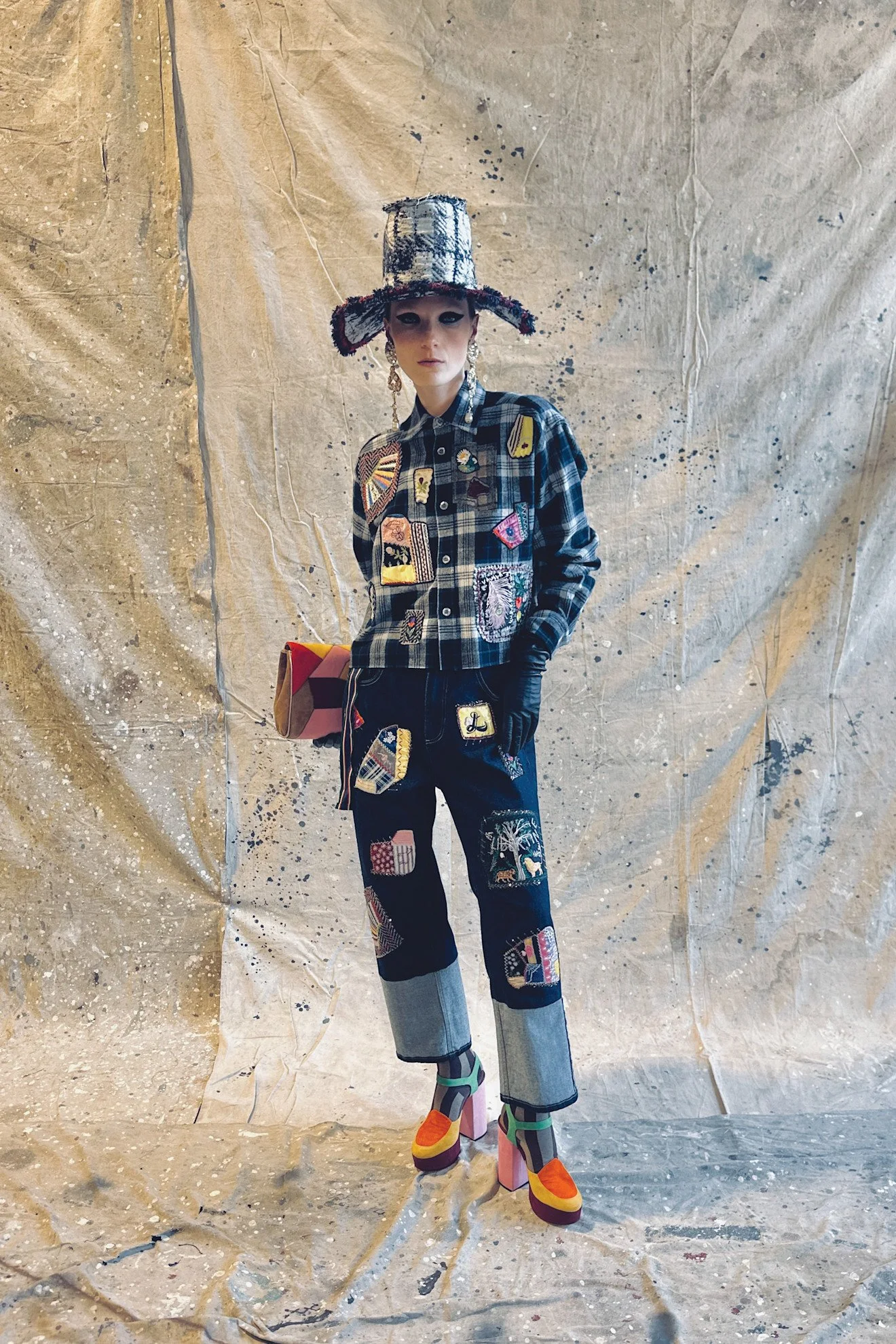
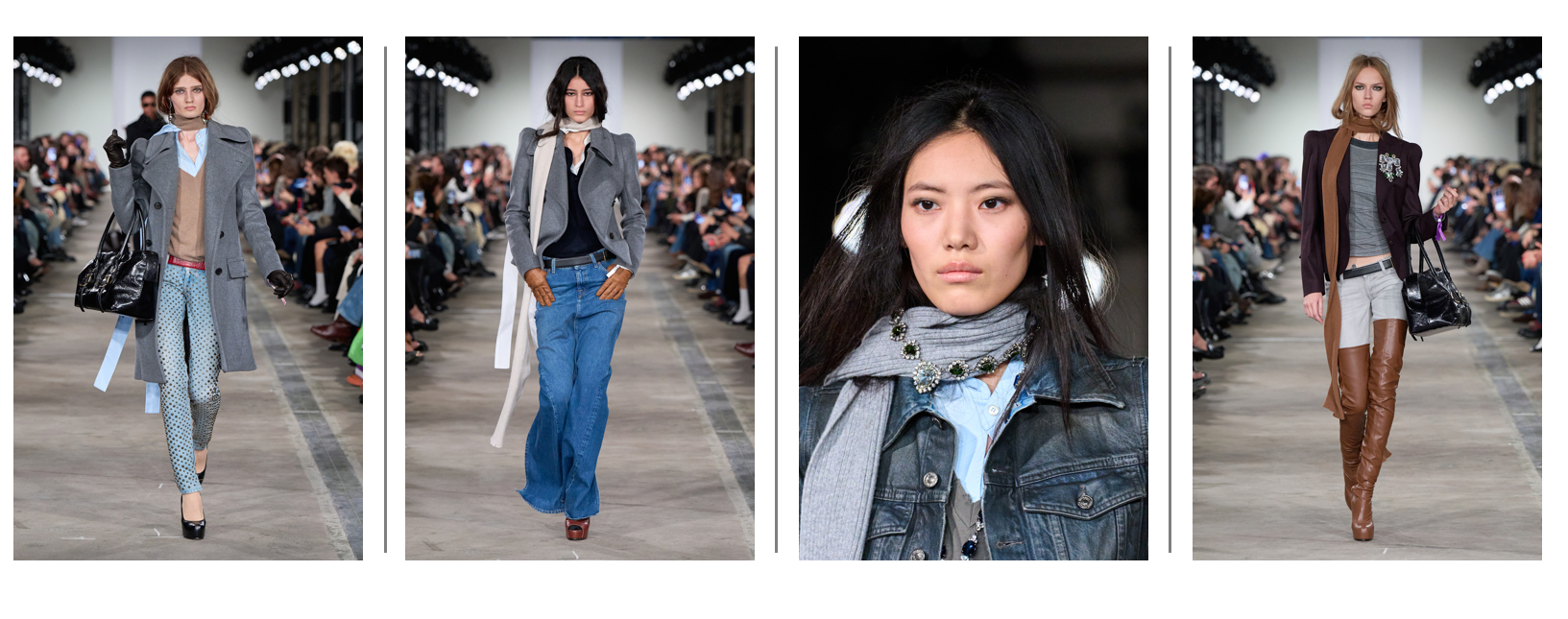
A standout newcomer moment came from Nicola Brognano, now creative director of 7 For All Mankind. Known for his Y2K revival at Blumarine, Brognano spent months in the brand’s factories studying denim manipulation and it showed. His debut was one of the strongest shows of the season: energetic, confident, and meticulously styled. The runway pulsed with attitude, each look a testament to denim’s endless possibilities. It was a reminder that New York thrives when designers push materiality to its limits.
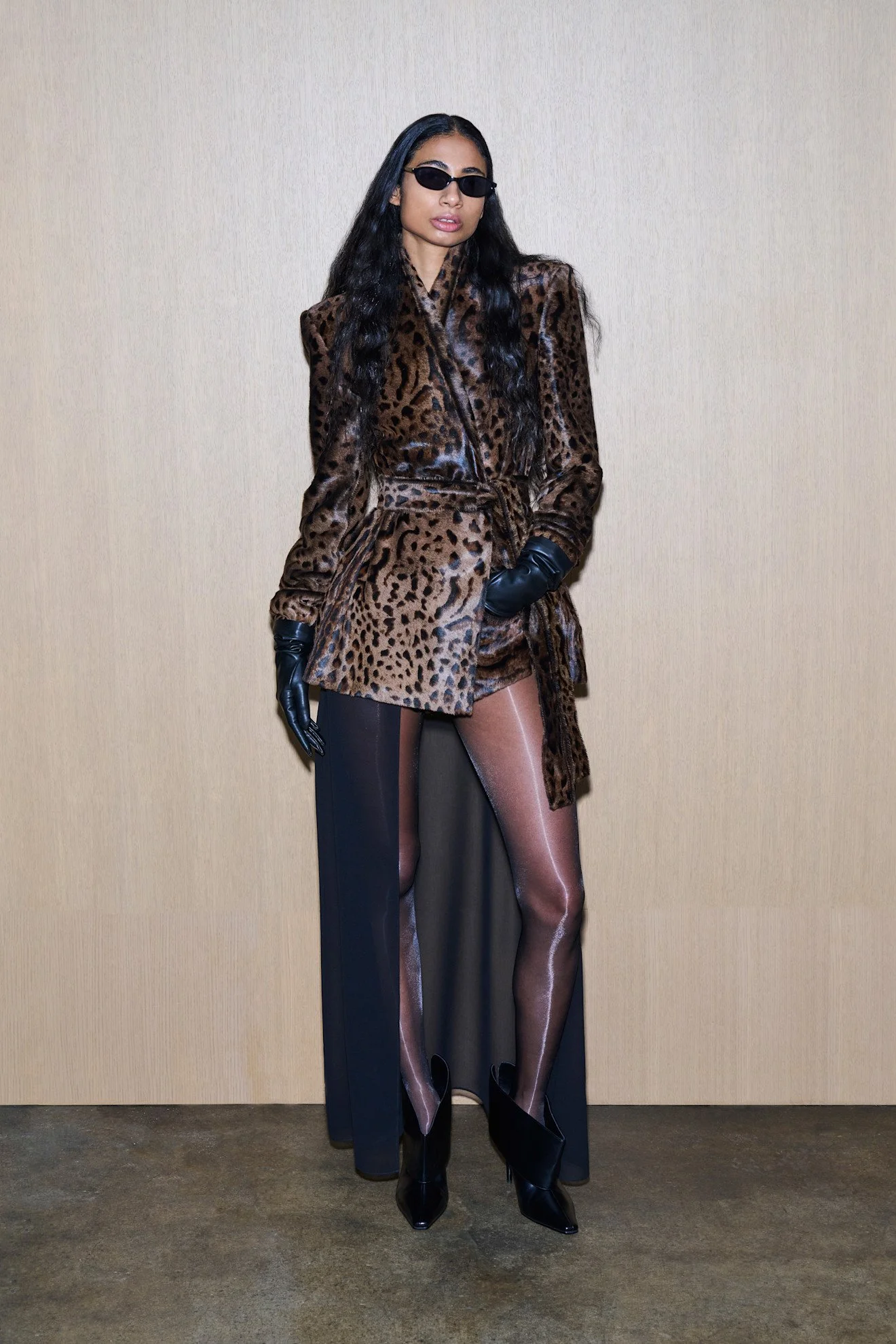
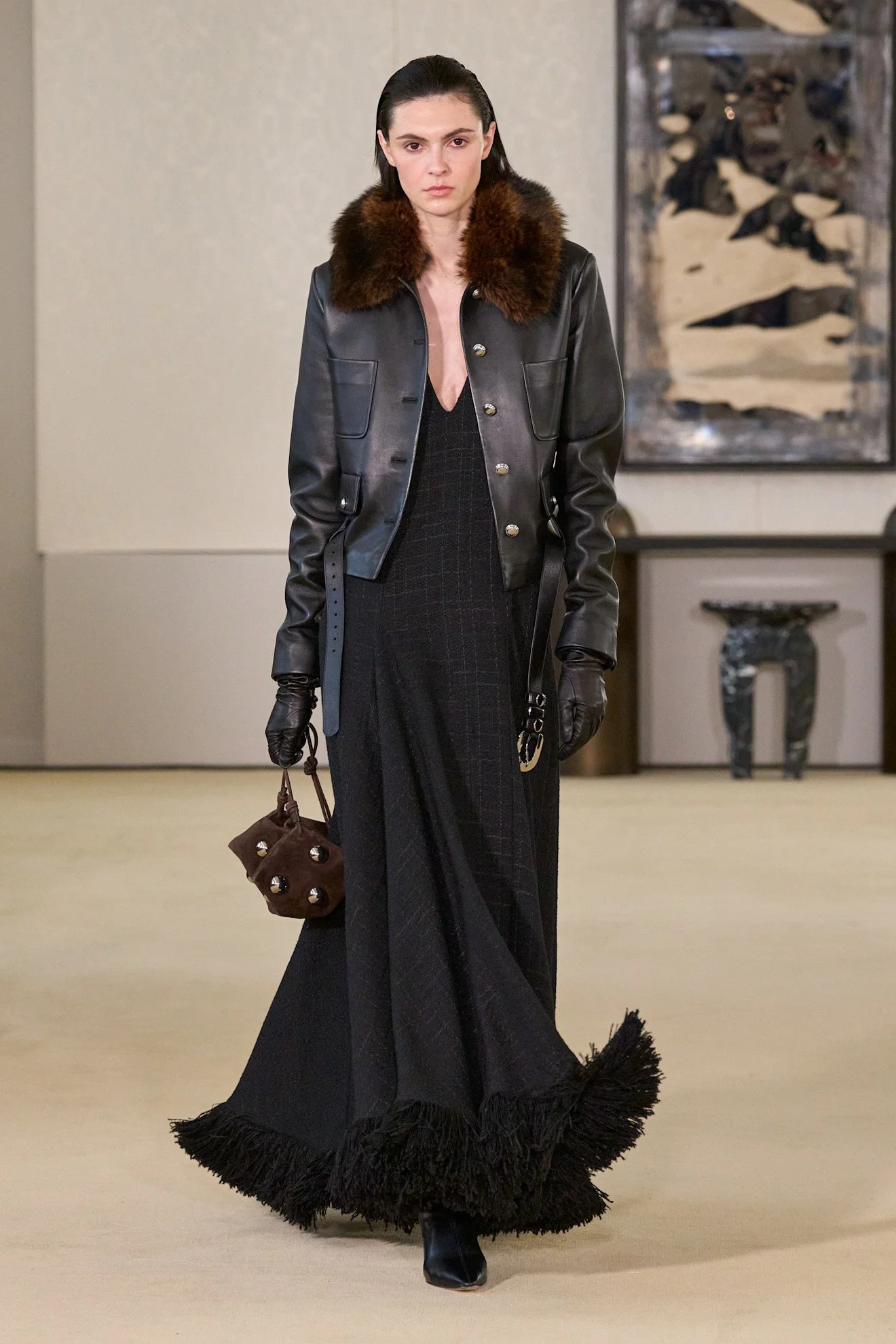
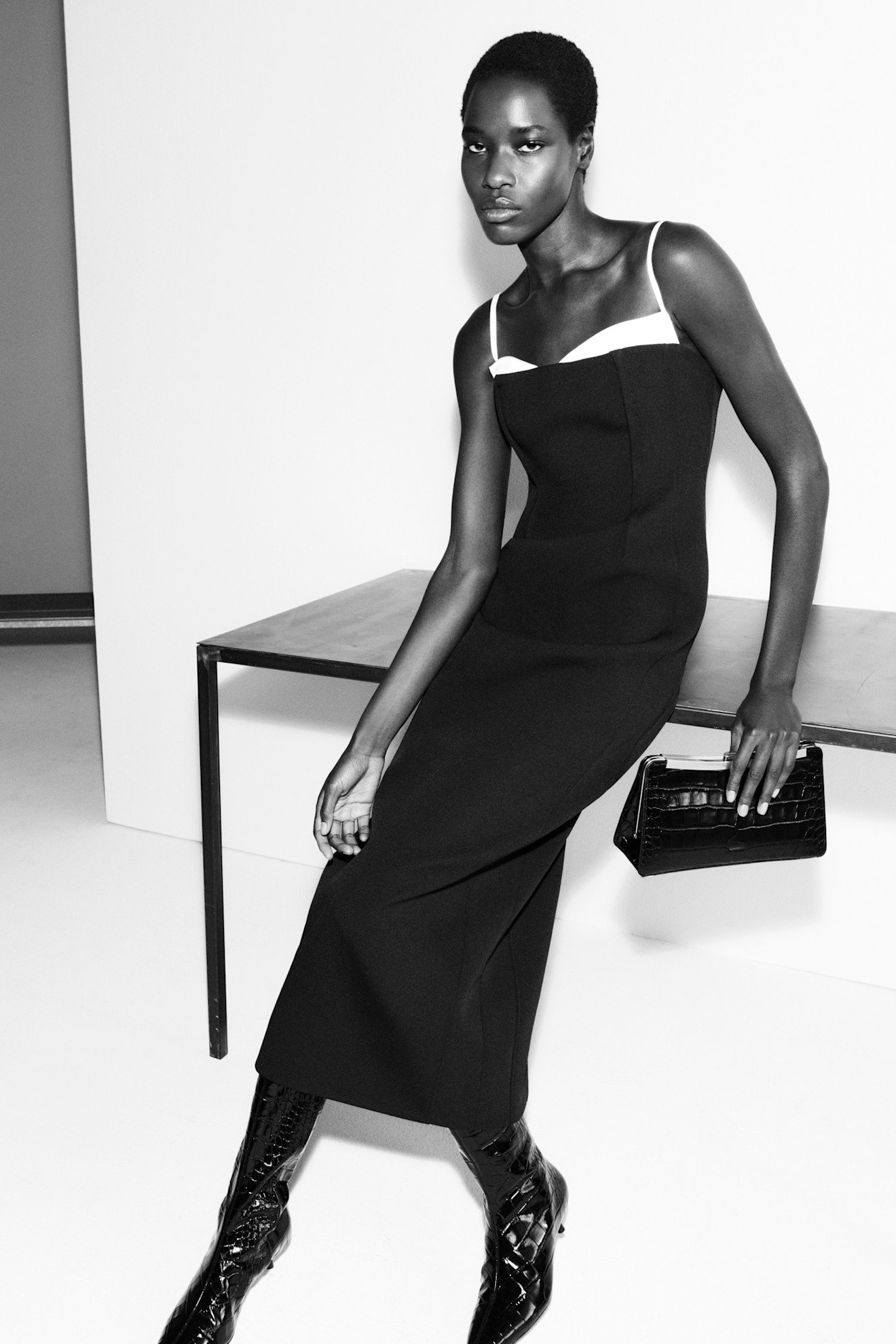
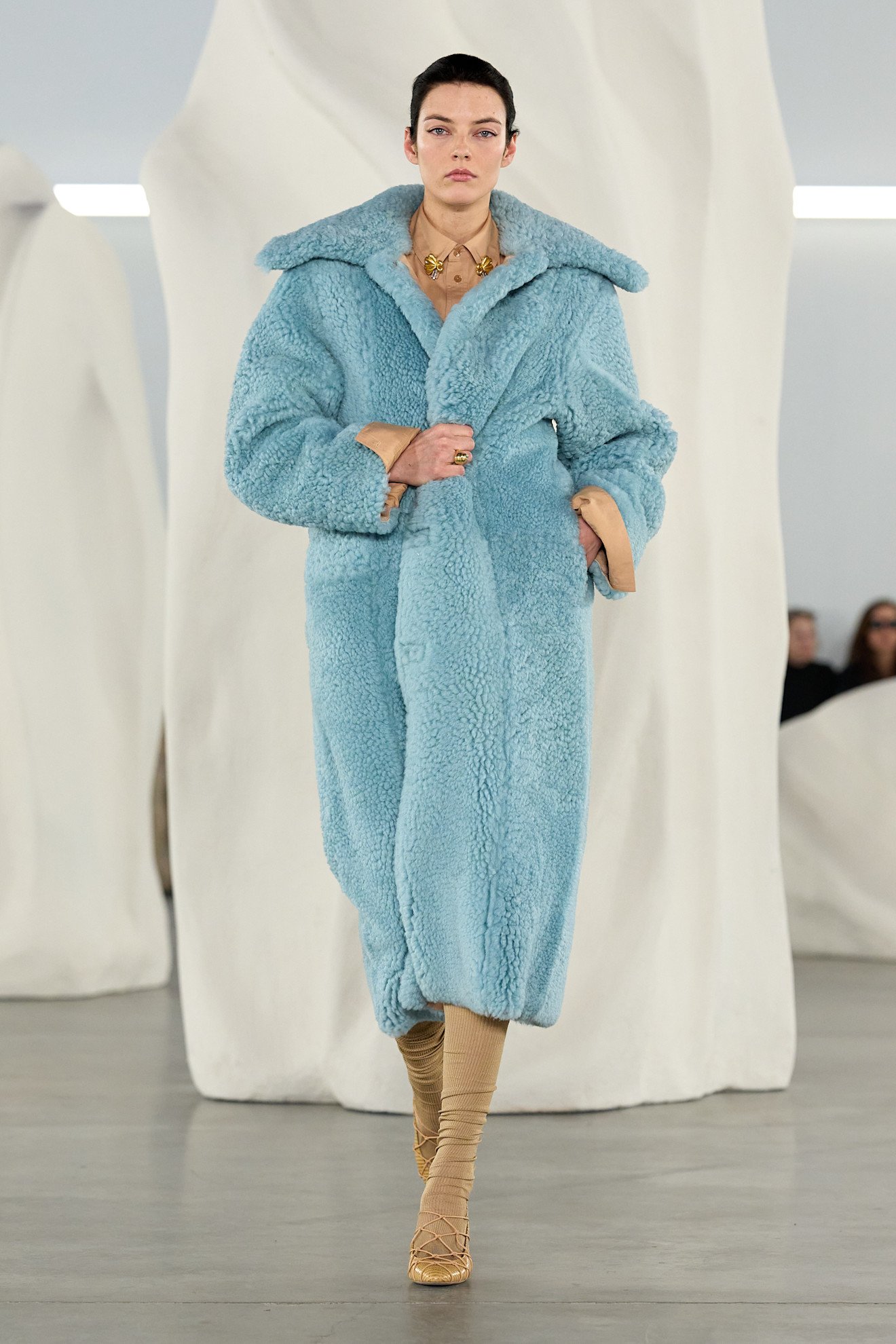
Khaite, meanwhile, delivered a masterclass in modern femininity. Catherine Holstein’s Fall 2026 collection explored the tension between structure and softness: cinched hourglass tailoring, shearling against gauzy knits, leather paired with delicate draping. Khaite continues to define the new American luxury: confident, textural, and quietly powerful.
And then there was Carolina Herrera, who brought her collection back to New York after a grand presentation in Madrid. The runway was a return to her Park Avenue‑meets‑Palm Beach aesthetic crisp silhouettes, bold florals, and the kind of polished glamour that feels timeless. Herrera’s world is one of elegance without irony, and in a week filled with experimentation, her clarity of vision felt refreshing.
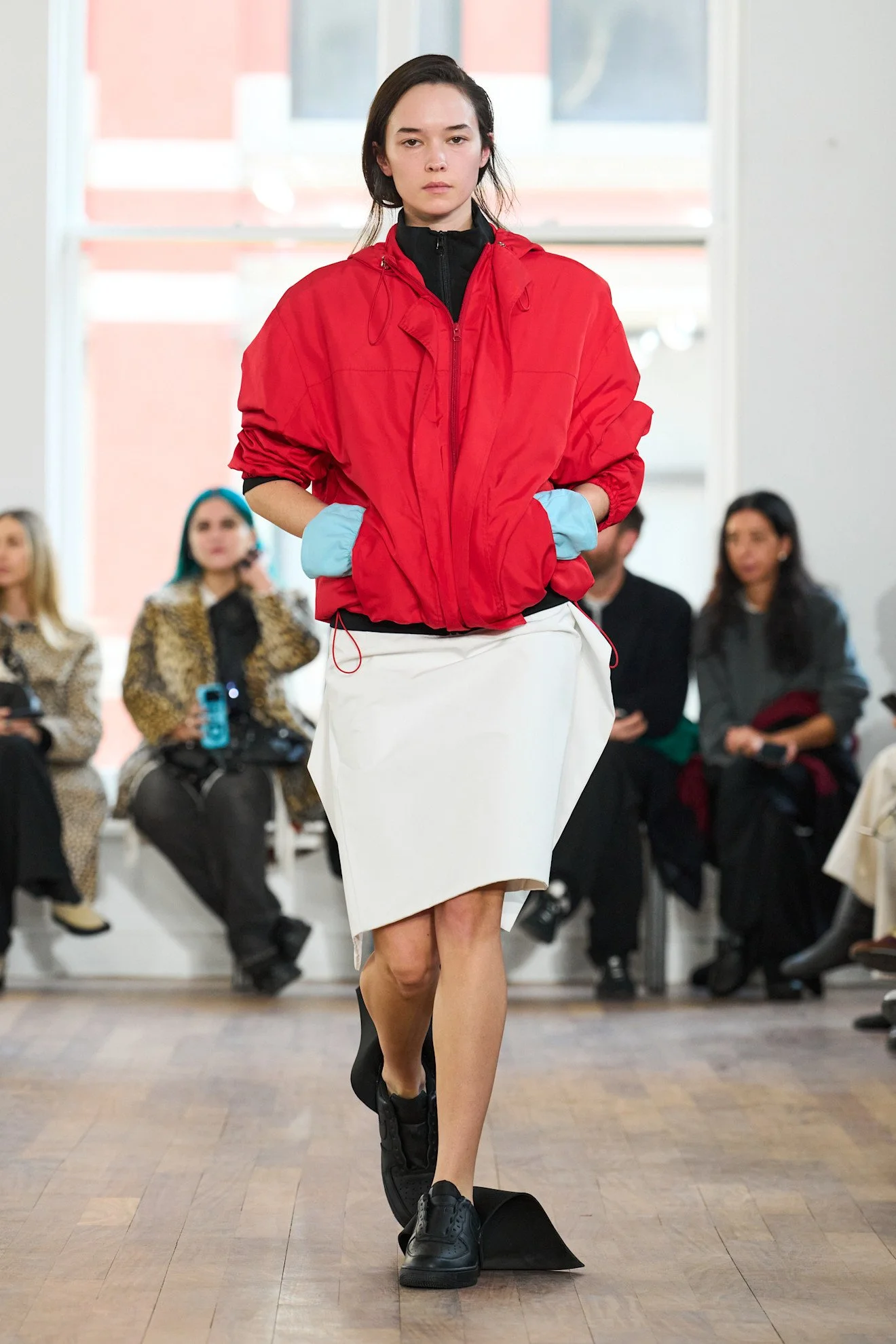
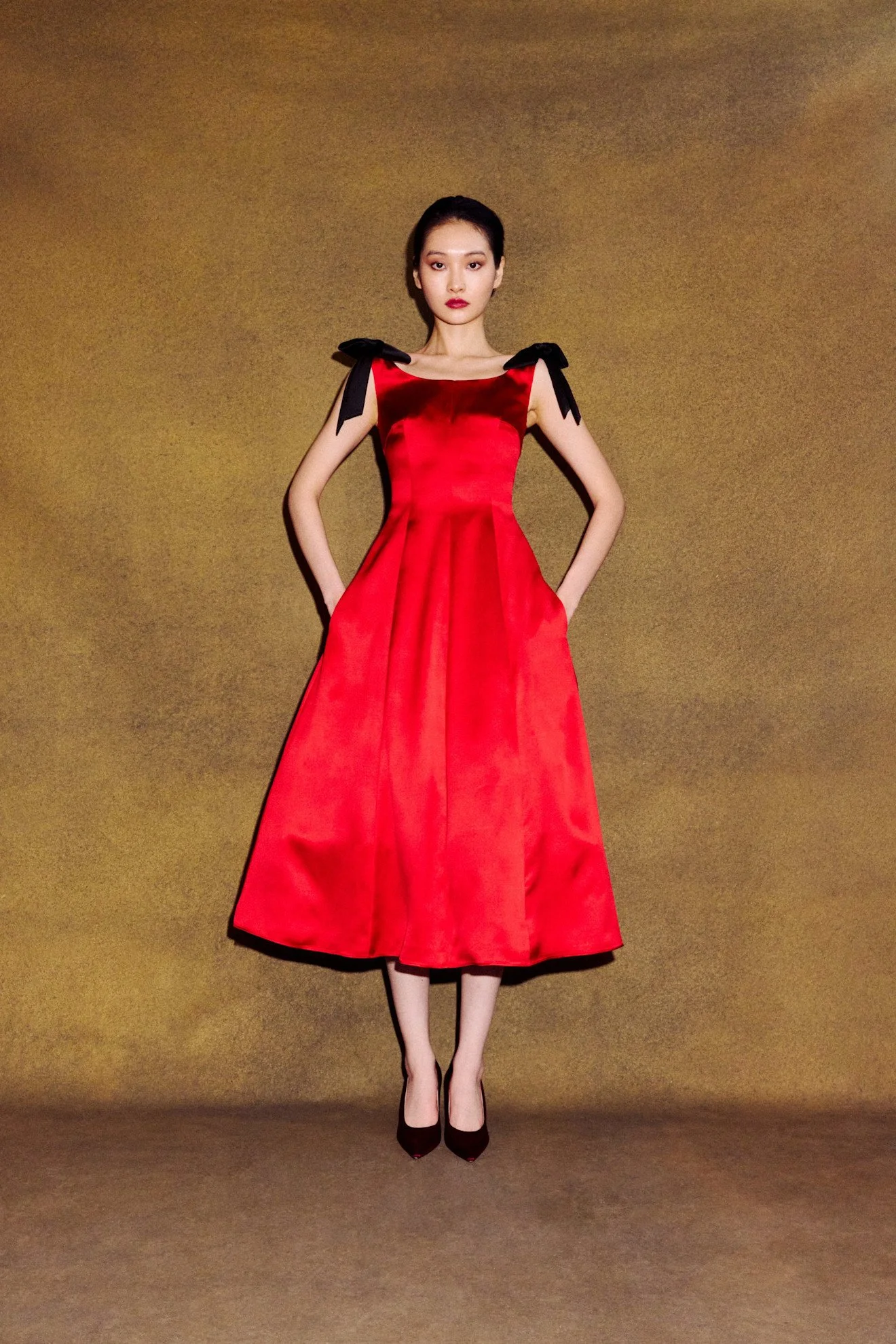
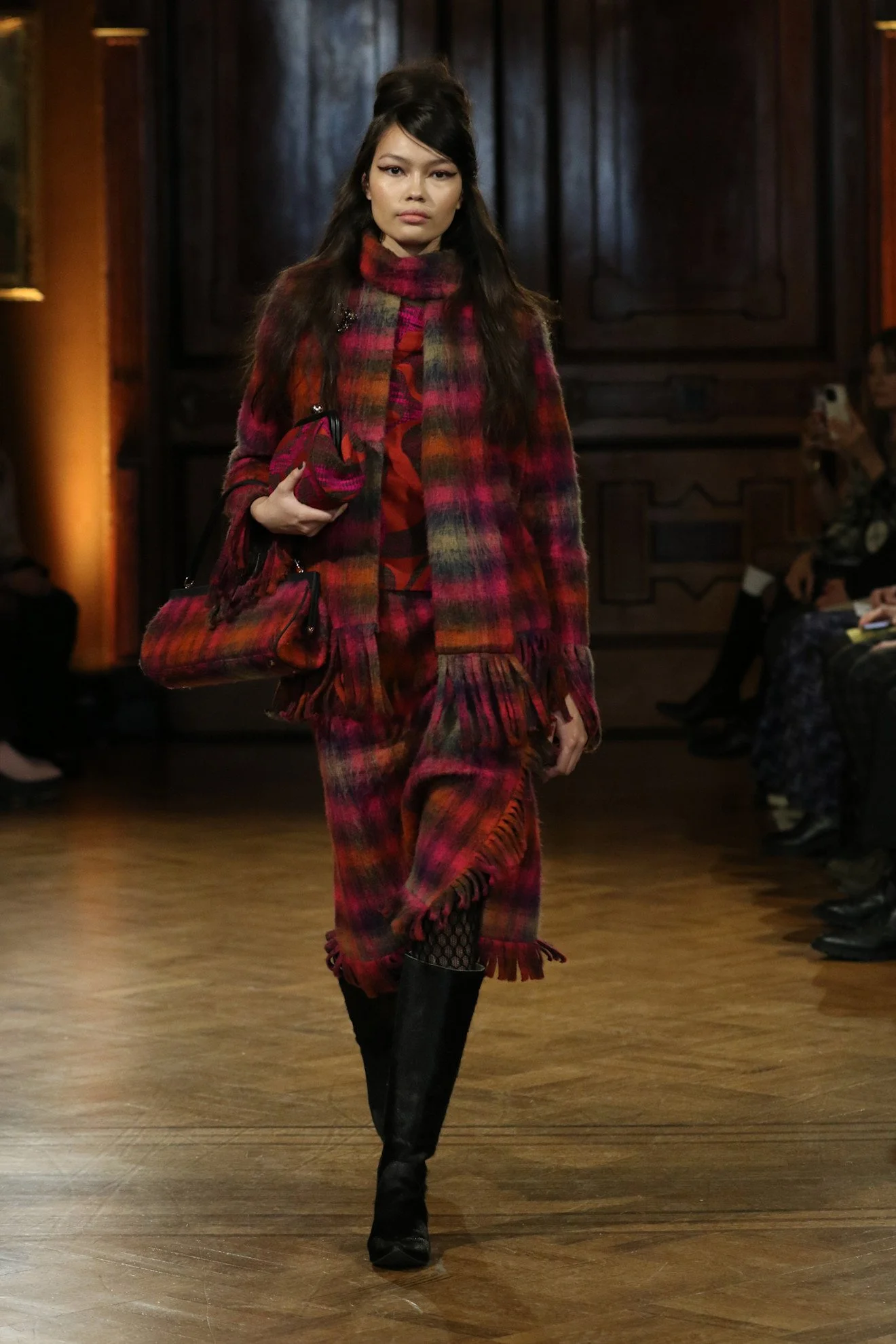
As the week progressed, one theme became clear: New York Fashion Week remains a dialogue between its past and its future. The city’s fashion identity has always been a blend of uptown refinement and downtown edge, and Fall 2026 captured that duality with precision. From Ralph Lauren’s aristocratic Americana to AWGE’s intimate chaos, from Calvin Klein’s minimalist revival to Coach’s cinematic optimism, the season reflected a city in full creative bloom.
New York is never just one thing. It is the 80s Park Avenue fantasy and the rawness of streetwear. It is the heritage houses that built American fashion and the young designers rewriting its codes. It is nostalgia and reinvention, glamour and grit, tradition and disruption.
Fall 2026 proved that New York Fashion Week is not merely a schedule of shows it is a cultural moment, a mirror of the city’s soul, and a reminder that fashion here is always alive, always evolving, always ready for its next chapter.