
Paris Fashion Week Winter 2026: The Runway Stories That Defined the Season
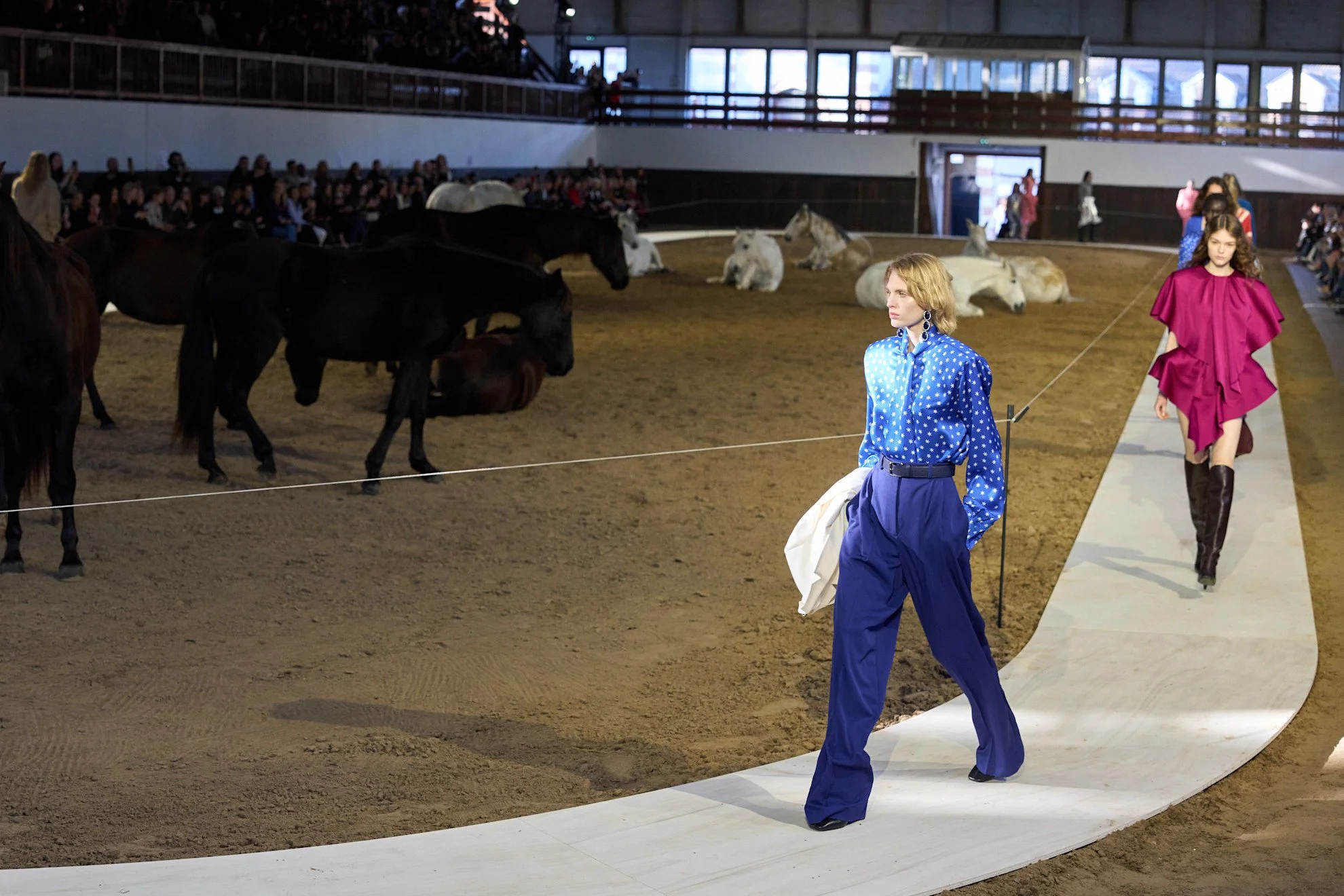
Stella McCartney
Paris Fashion Week Winter 2026 opened in full force, setting the tone from the very first day. This season felt like a declaration: Paris remains the global stage where avant‑garde experimentation meets elite desirability, where conceptual artistry coexists with effortless wearability. It is the city where fashion is not only presented but performed a cultural barometer, a mood board for the world, and a reminder that creativity still thrives at the highest level.
Across ten days, the runways delivered a rare balance of nostalgia and futurism, restraint and excess, intimacy and spectacle. From the introspective sustainability of Hodakova to the architectural fantasy of Louis Vuitton, Winter 2026 unfolded as one of the most dynamic seasons in recent memory.
A Powerful Opening Hodakova and Vaquera Set the Tone
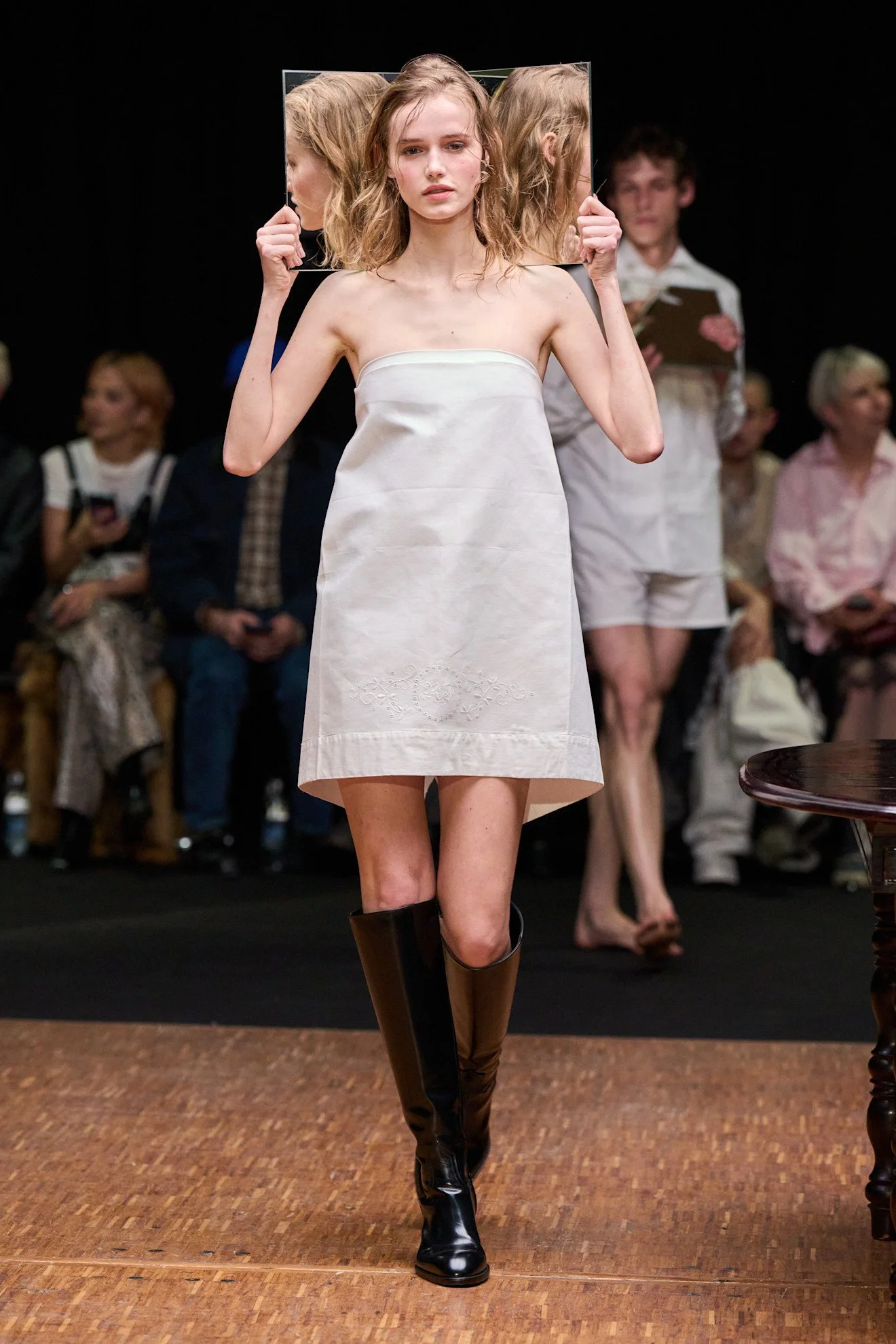
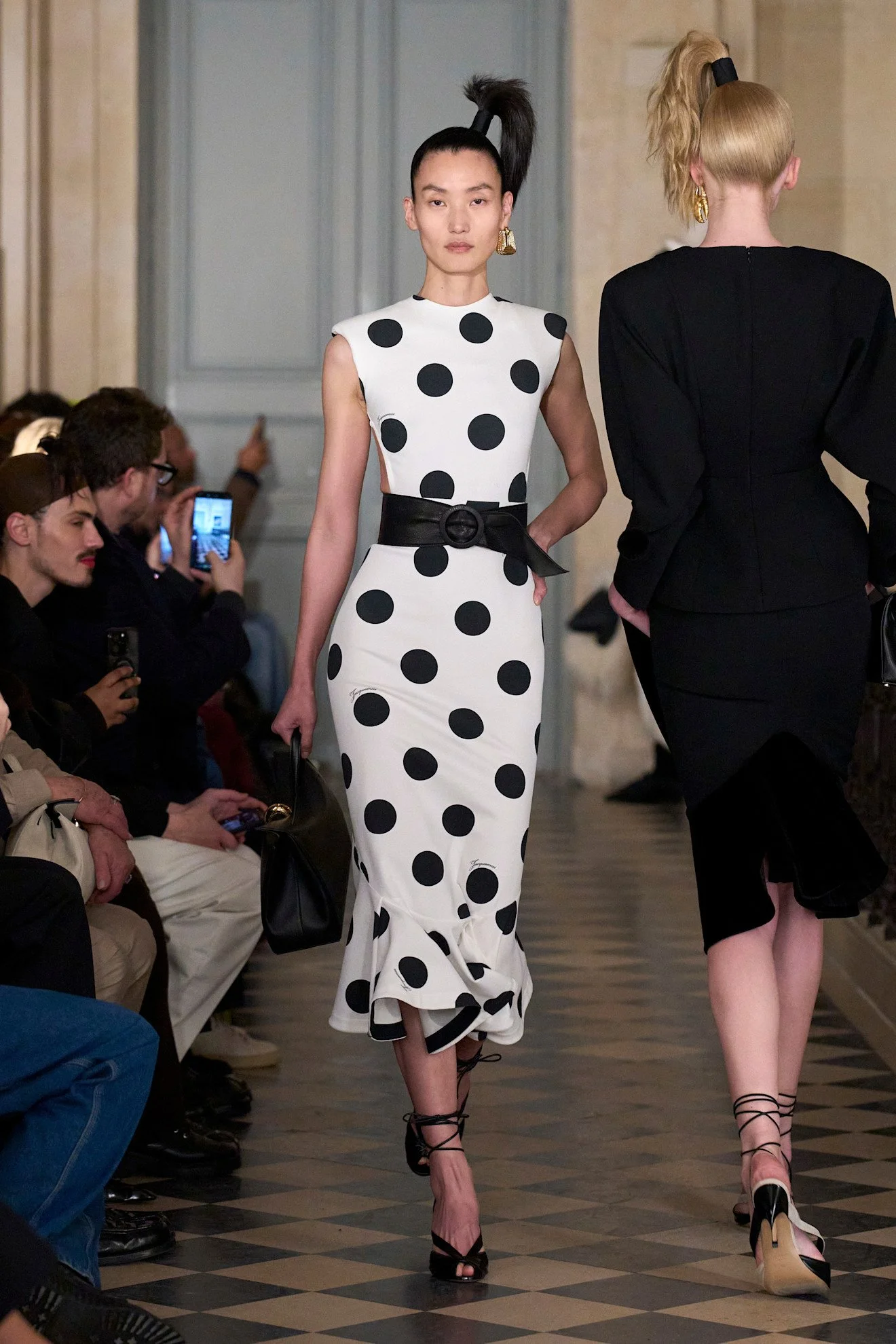
The week began with a jolt of creativity. Hodakova, designed by Ellen Hodakova Larsson, presented one of the most talked‑about shows of the day. Her theme home and personal identity manifested in garments that blurred the line between object and clothing. Rugs became dresses, chair upholstery transformed into sculptural tops, and teacup bras added a surreal wink. This was upcycling elevated to couture‑level craftsmanship: seams refined, silhouettes sensual, and the message unmistakably mature. Hodakova proved that sustainability can be both introspective and seductive.
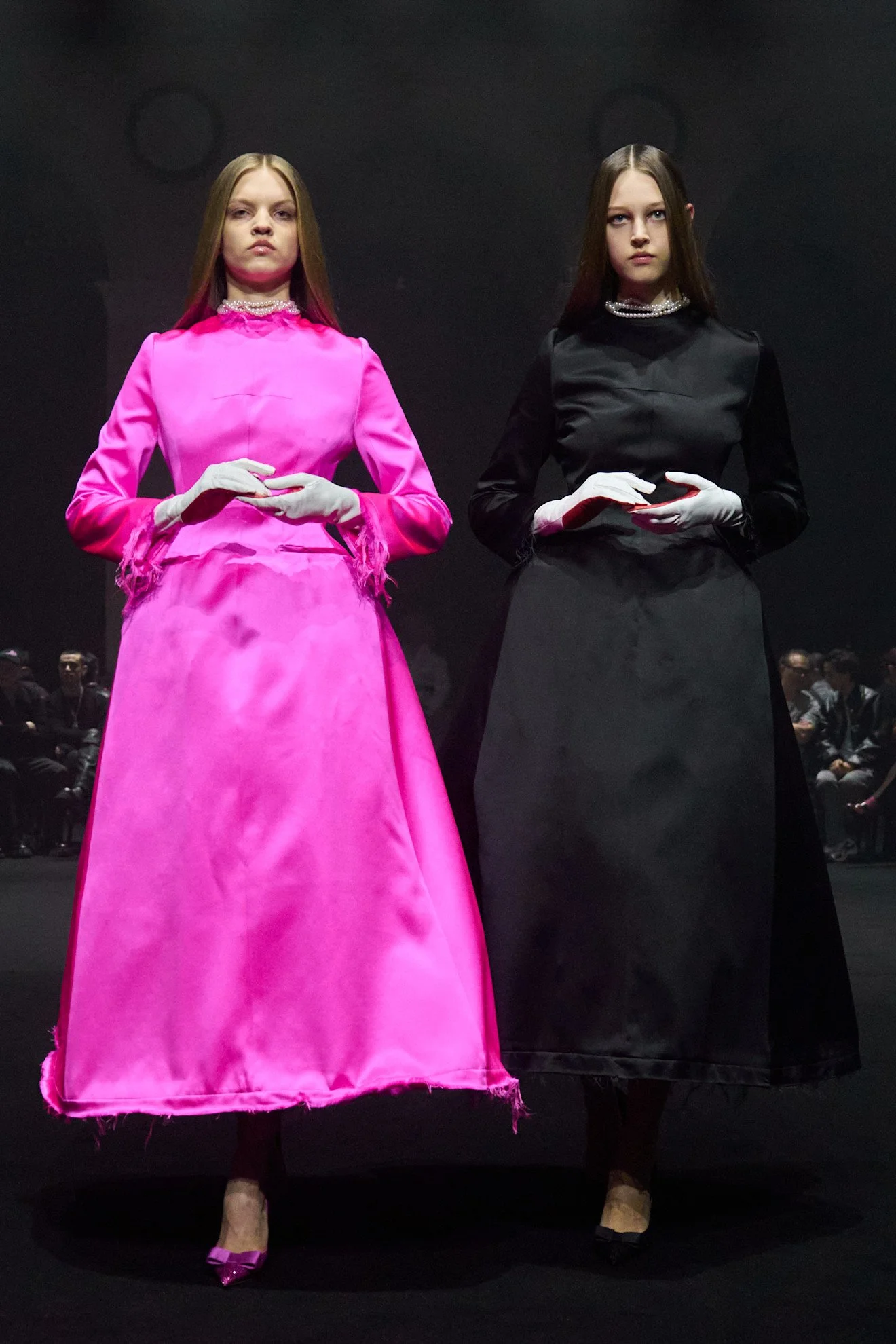
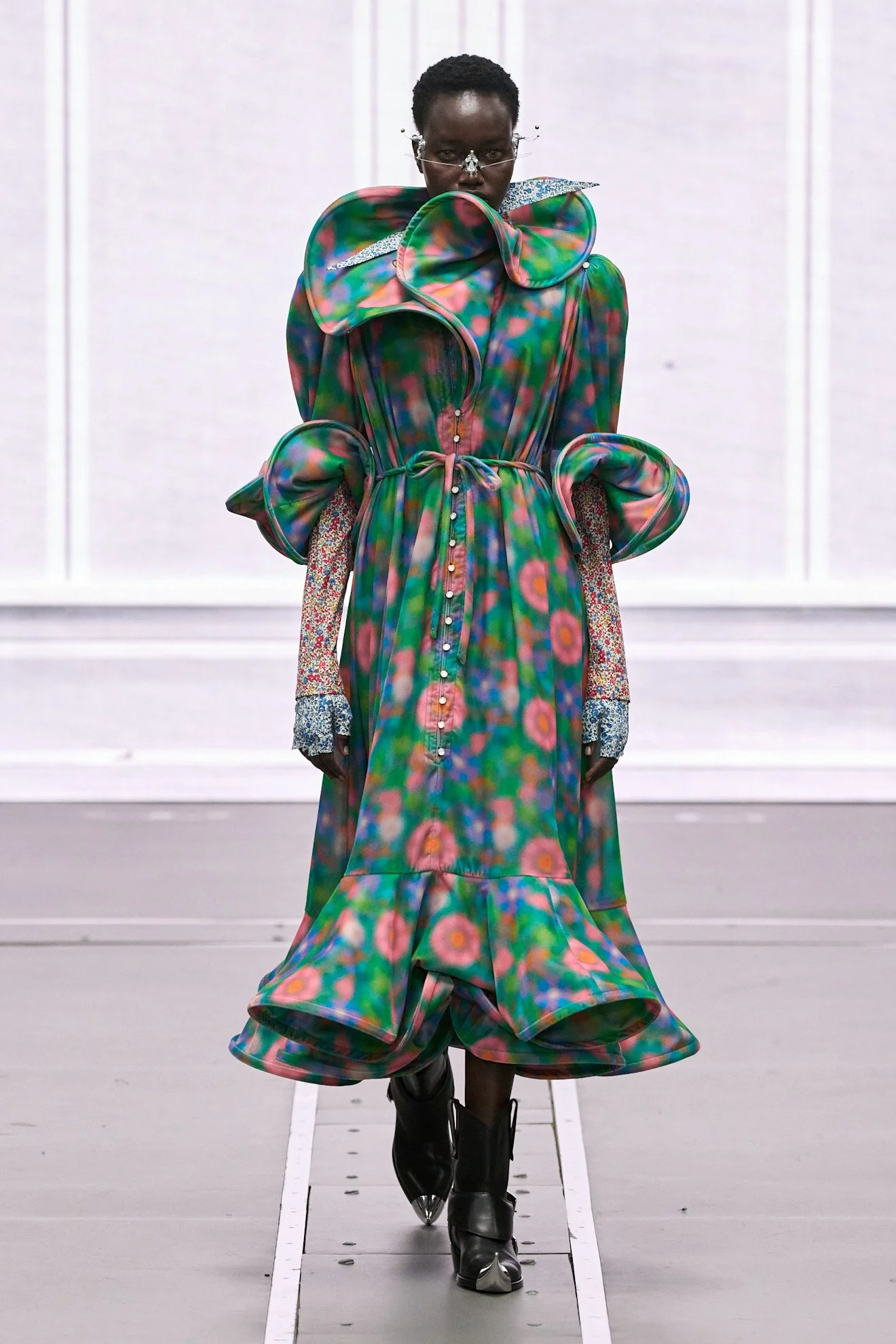
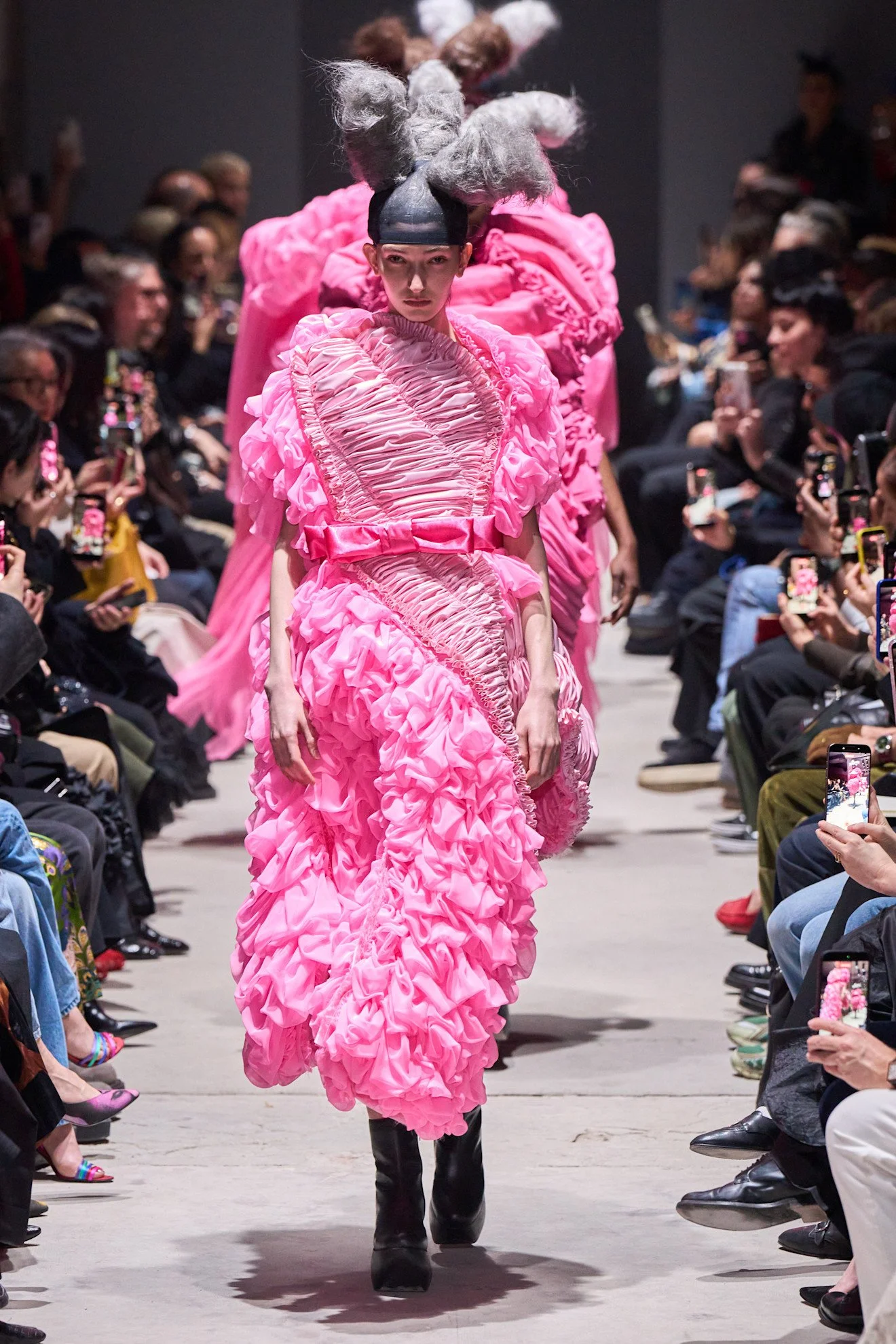
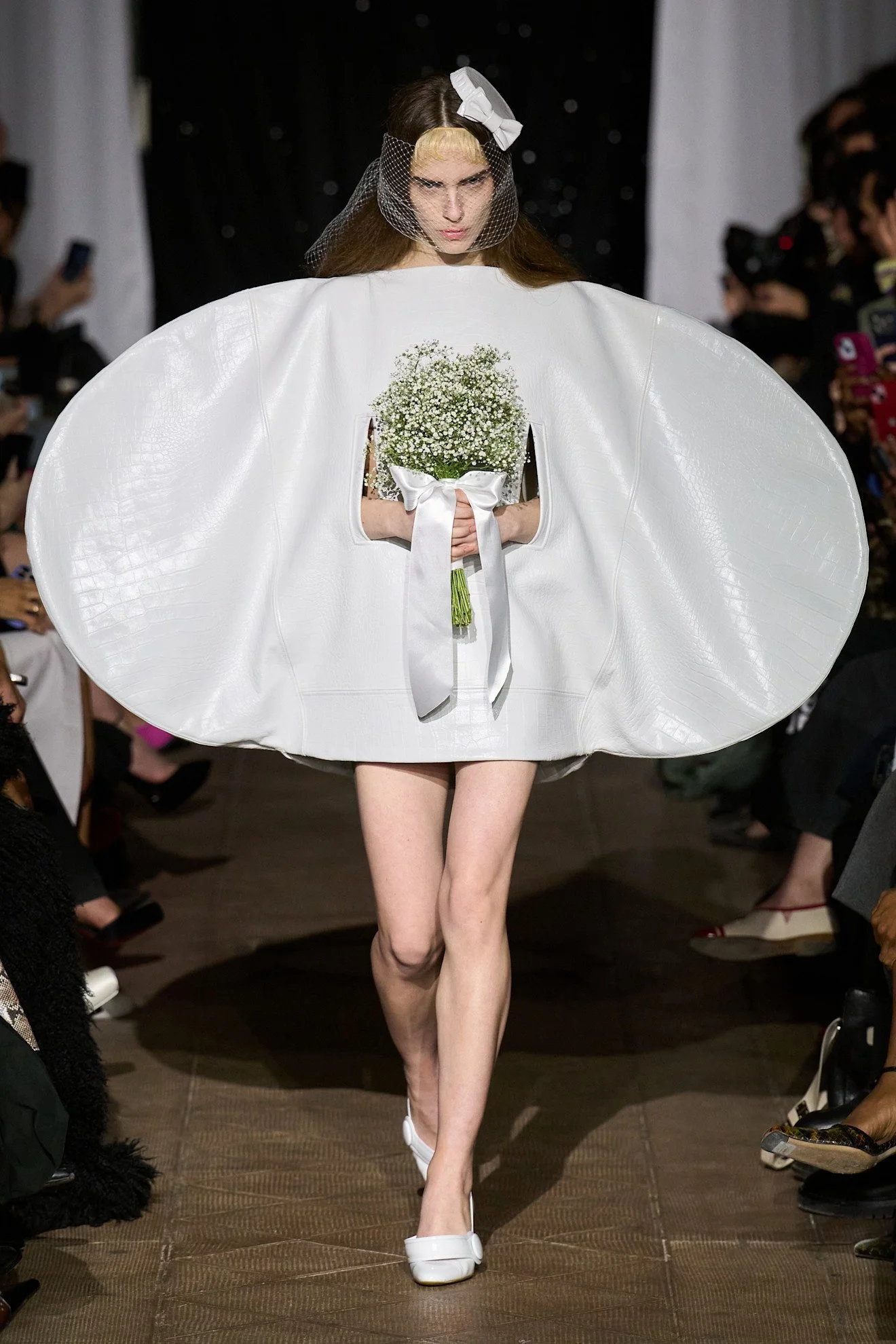
Closing the first day, Vaquera delivered a show that felt like a cinematic fever dream. Staged in a church, the collection embraced exaggerated silhouettes and a darker, more surreal mood. Masked headwear, “leather daddy” references, and structured garments evoked 1960s surrealism rather than the brand’s usual 1980s irreverence. It was a reminder that Paris Fashion Week thrives on contrasts quiet introspection on one end, theatrical provocation on the other.
Dior
Dior’s Garden Reverie and Saint Laurent’s Sharp Precision
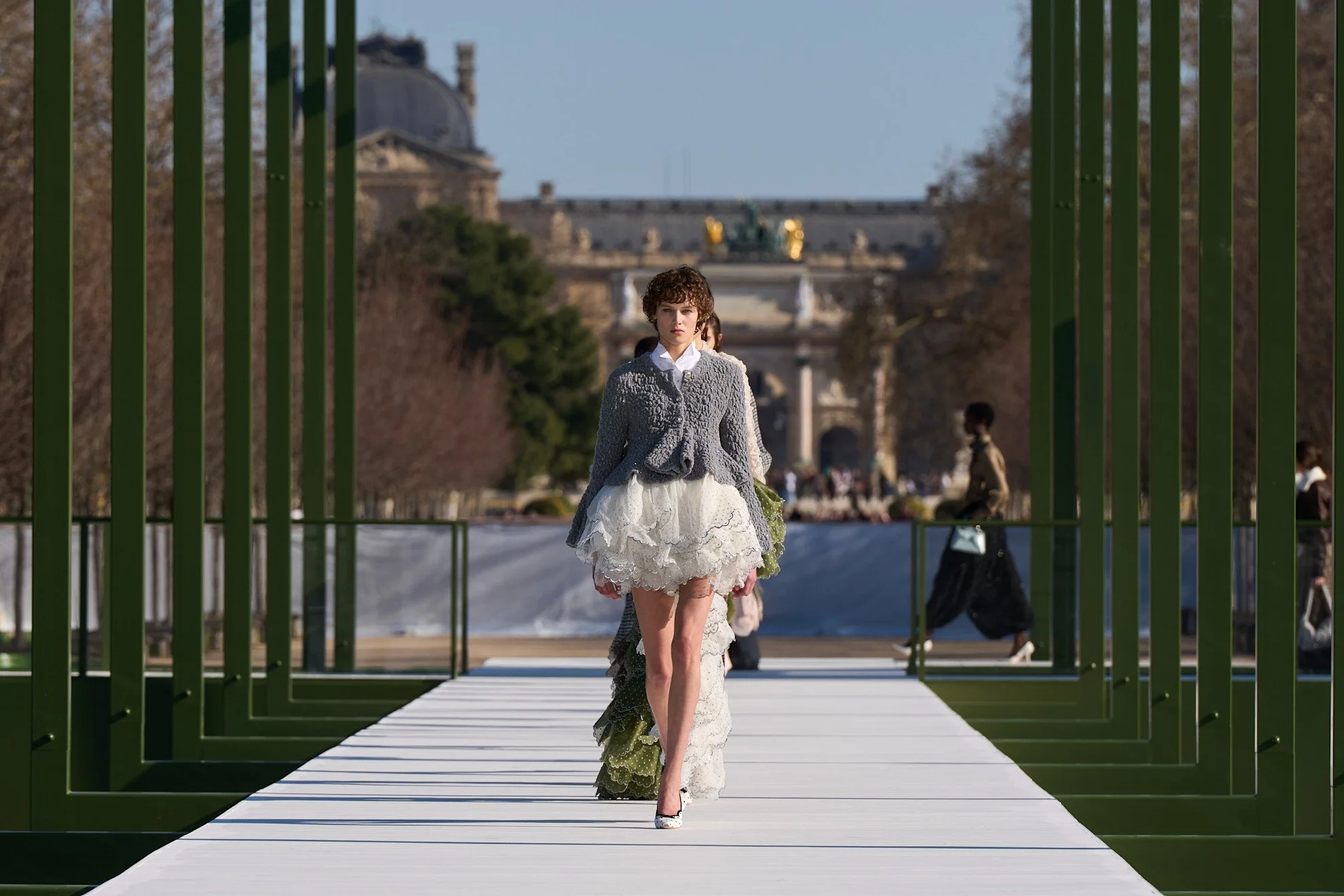
Paris was blessed with early spring weather 20 degrees, blue skies, and florists filling the streets with mimosa and vibrant blooms. It was the perfect backdrop for Dior, which sent out show invitations shaped like classic Parisian garden chairs and hosted the presentation in the gazebo of the Jardin des Tuileries.
Jonathan Anderson created a mood that felt both transportive and intimate. He reflected on the park as a place “to see and be seen,” and the clothes echoed this duality. Ruffled mini skirts moved with aquatic ease, petal‑layered dresses bloomed with every step, and asymmetrical hems curved like leaves caught in a breeze. Central to the collection was Anderson’s evolving reinterpretation of the Bar jacket, softened and reimagined for a modern Marie Antoinette romantic, liberated, and subtly rebellious.
Saint Laurent
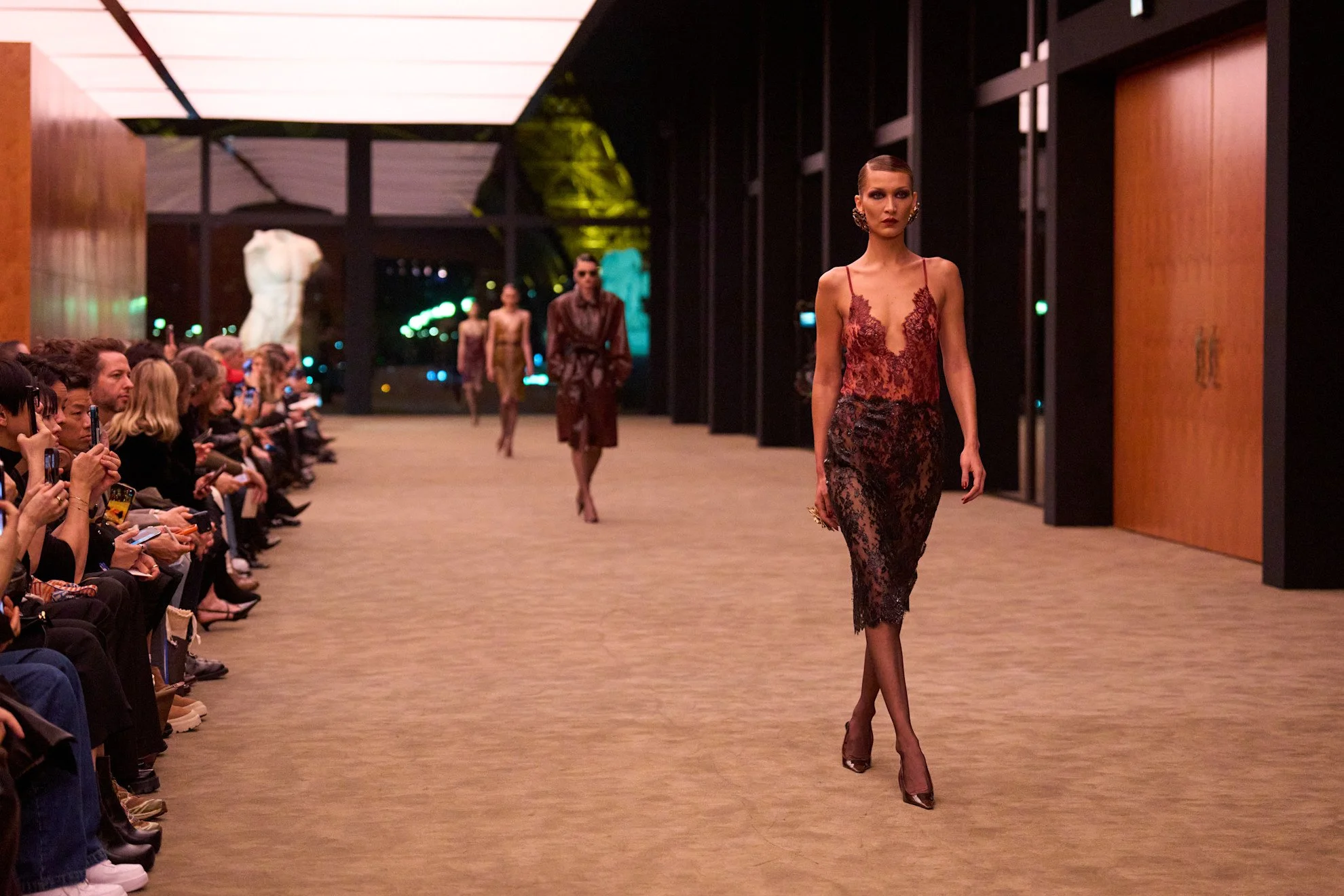
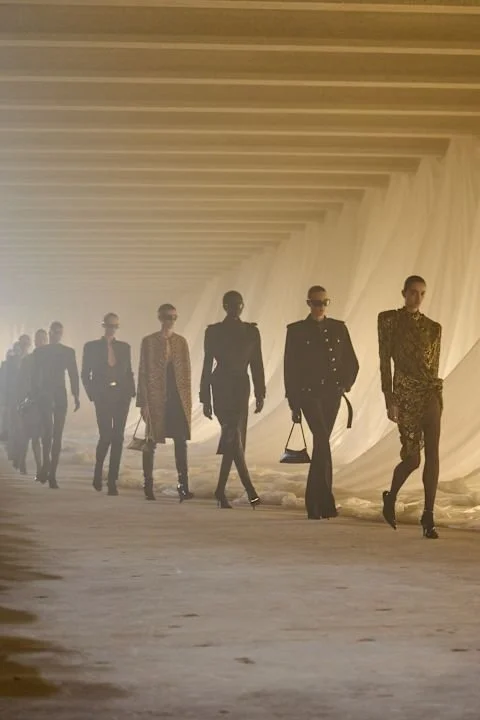
The day closed with Saint Laurent, where Anthony Vaccarello reaffirmed the power of repetition. Held at the house’s usual venue opposite the Eiffel Tower, the show drew major celebrities and delivered a masterclass in sharp tailoring. Le Smoking the iconic tuxedo introduced by Yves Saint Laurent in 1966 returned as the collection’s backbone. Strong shoulders, precise cuts, and a monochromatic palette created a vision of timeless seduction. Vaccarello reminded the industry that when a house has codes this strong, evolution can be achieved through refinement rather than reinvention.
Day 3: A Day of Debuts, Playfulness, and Equestrian Drama
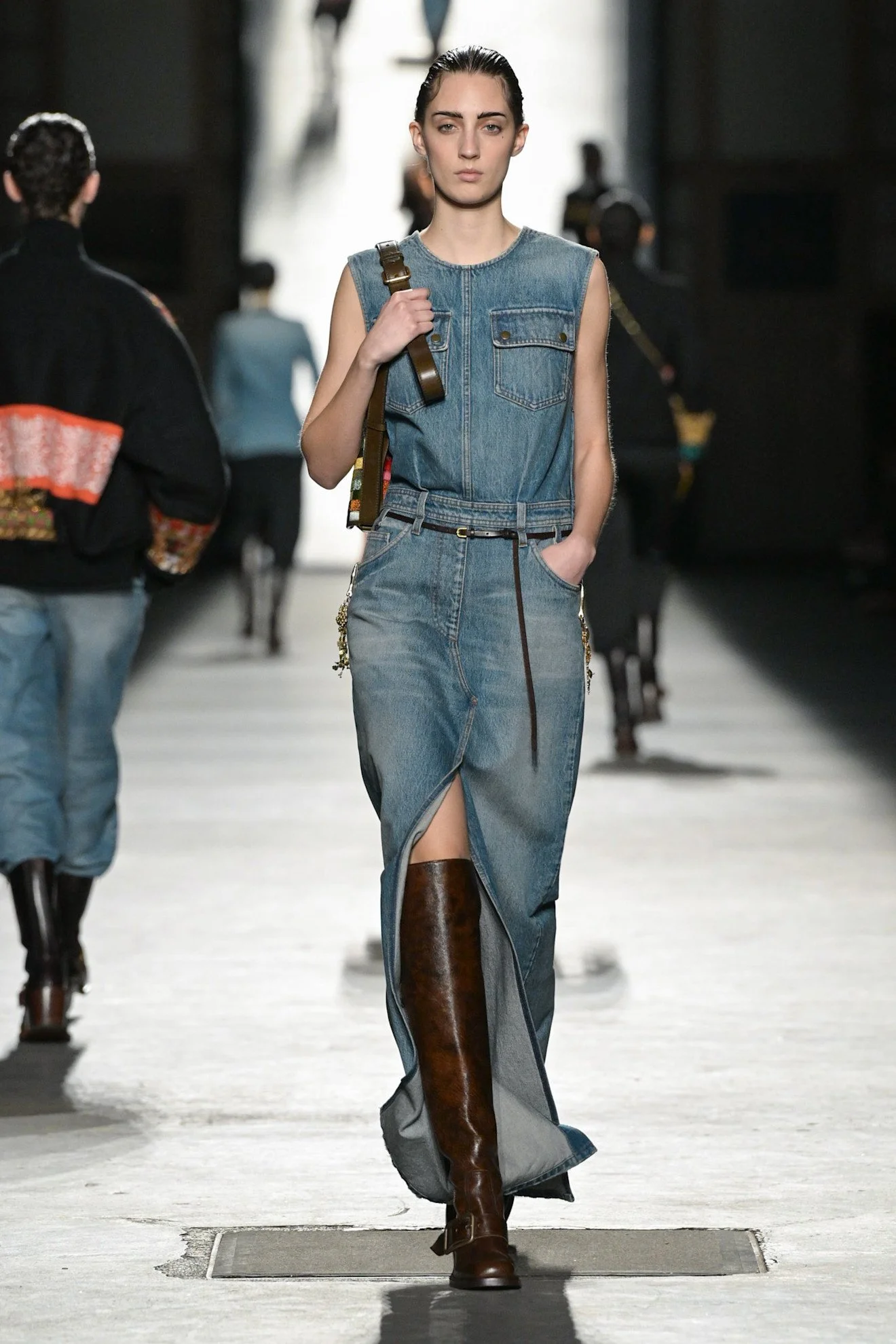
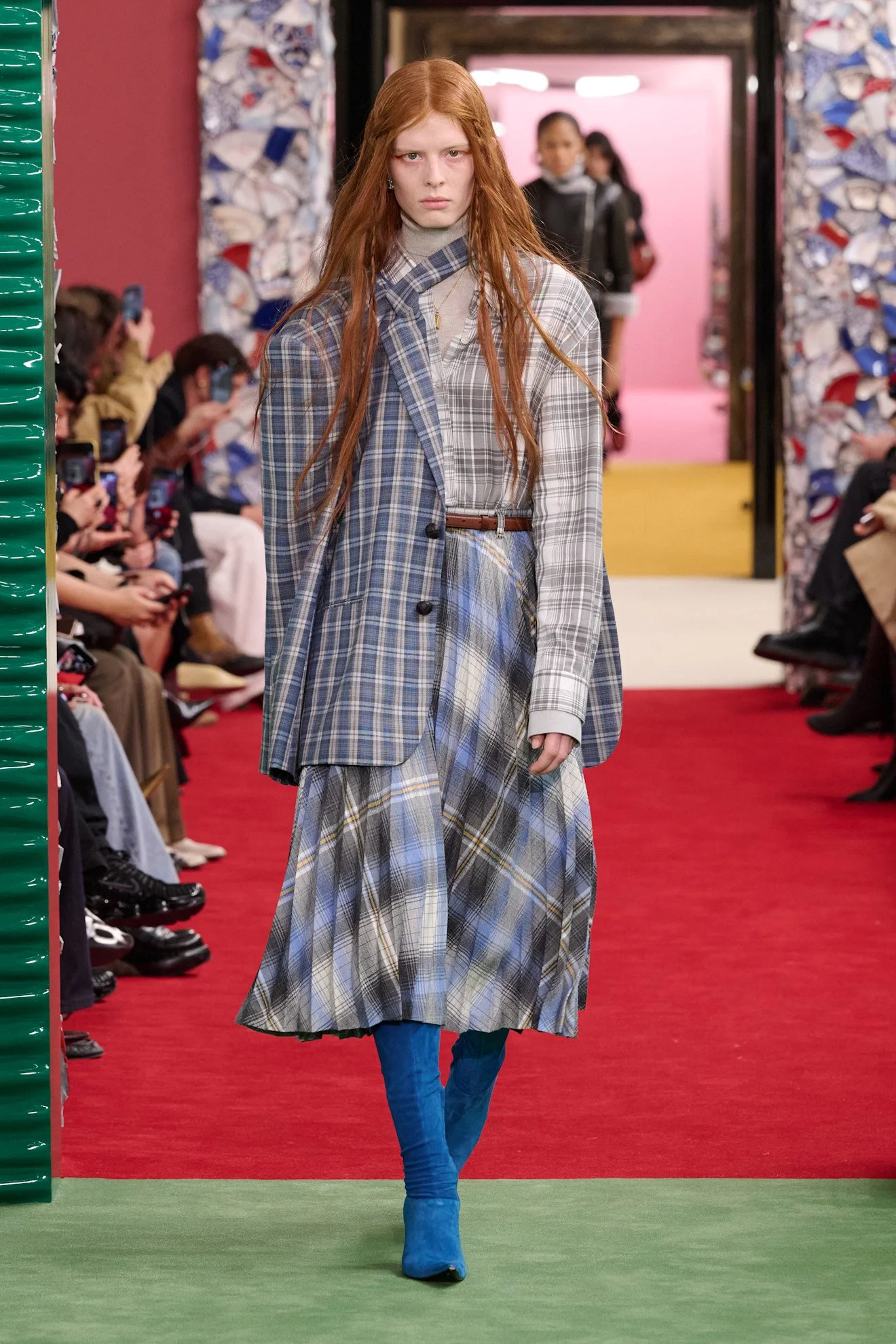
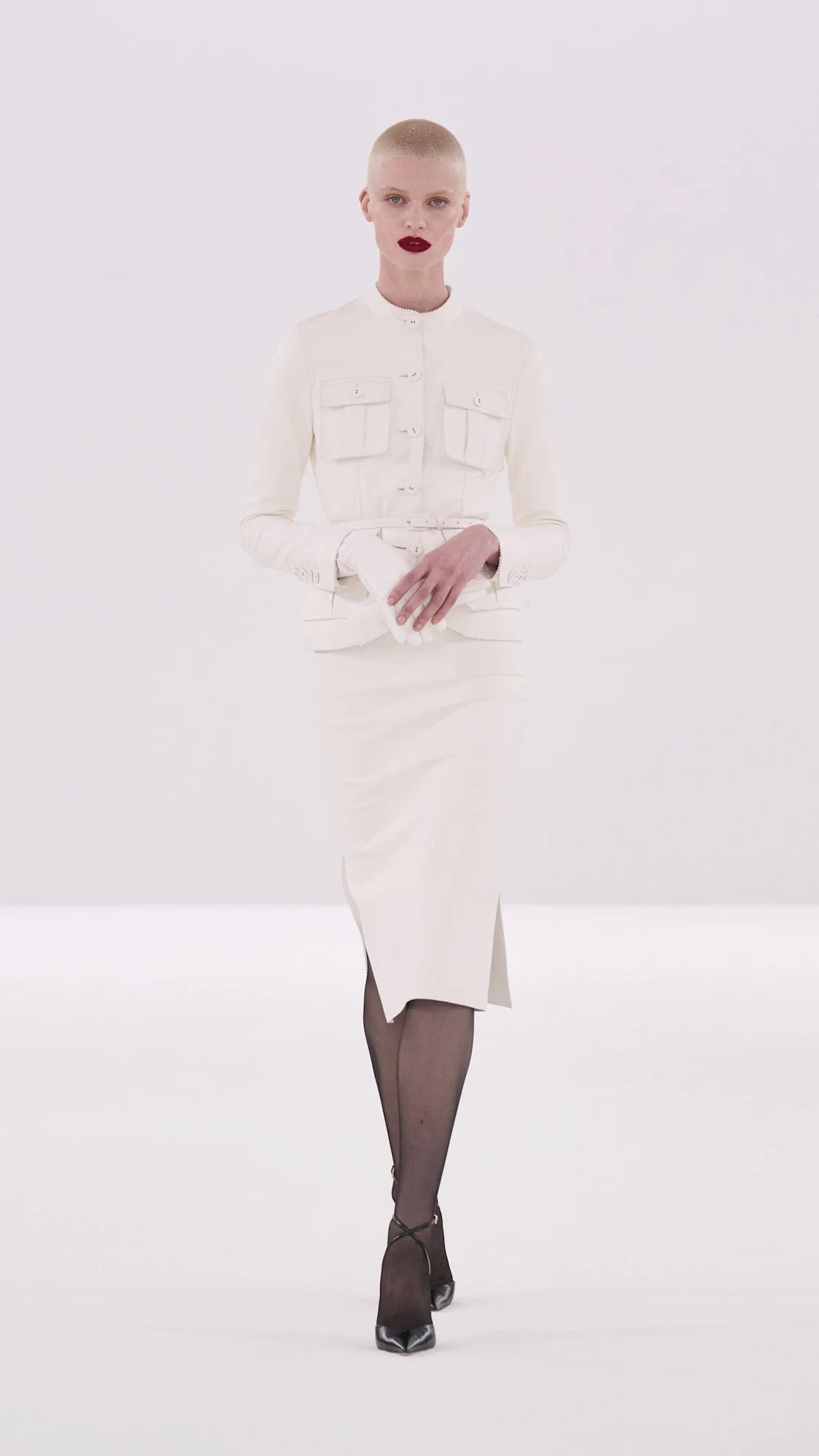
The third day was one of the most exciting of the week, marked by bold debuts and unexpected narratives.
Balmain introduced its new creative lead, Antonin Tron, who delivered what he calls “minimal opulence.” Gone were the excessive embellishments of recent seasons; in their place came sensual, sculpted silhouettes with a hint of danger. It felt like a reset—a new era defined by discipline, power, and a quieter kind of glamour.
Dries Van Noten offered a playful, vibrant collection shaped by Julian Klausner’s eclectic inspirations: Antwerp’s 16th‑century multicultural “treasure box,” Flemish still‑life paintings, and the emotional chaos of 21st‑century high school. The result swung effortlessly between polished and raw, sophisticated and youthful a reminder of the house’s unique ability to blend art and emotion.
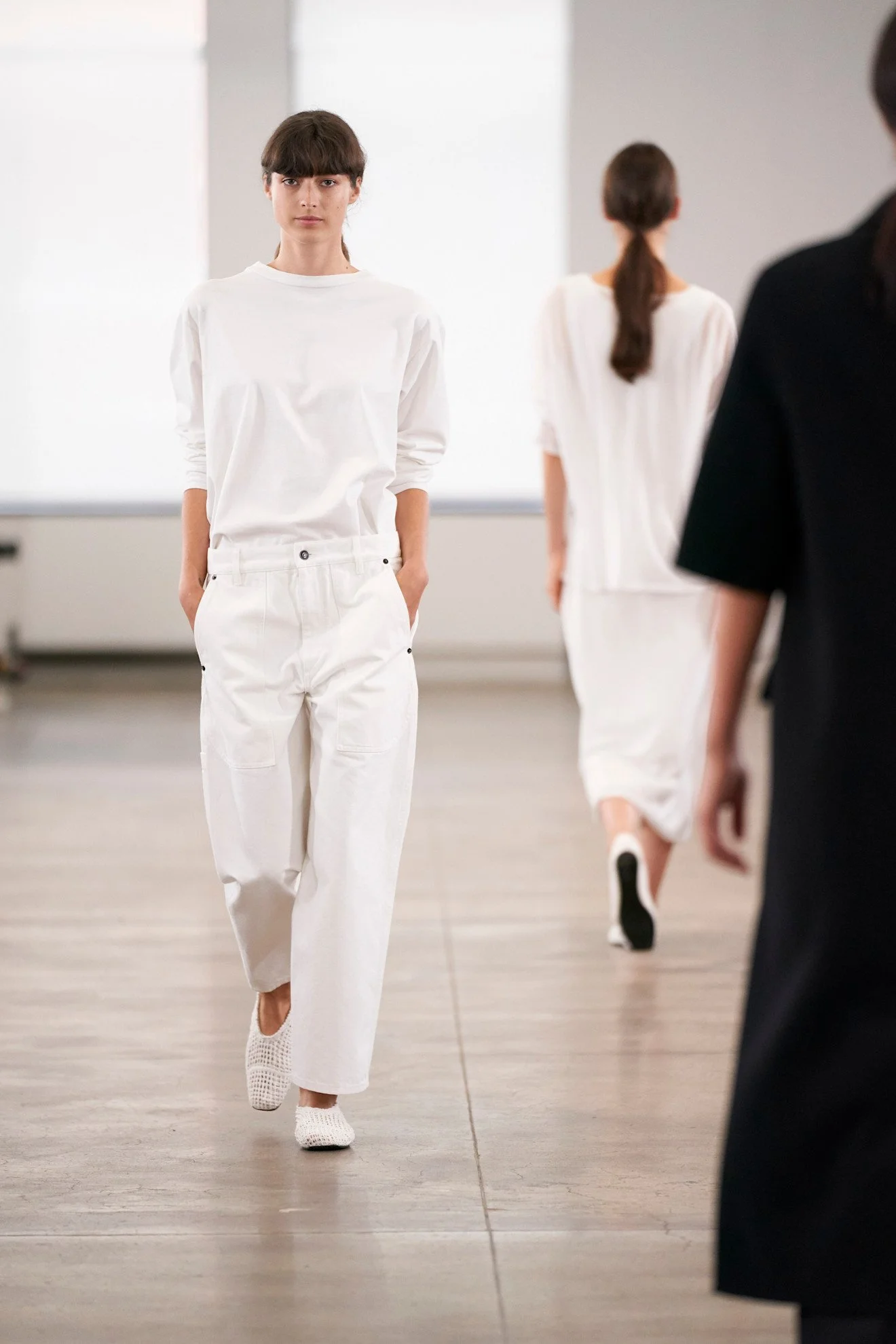
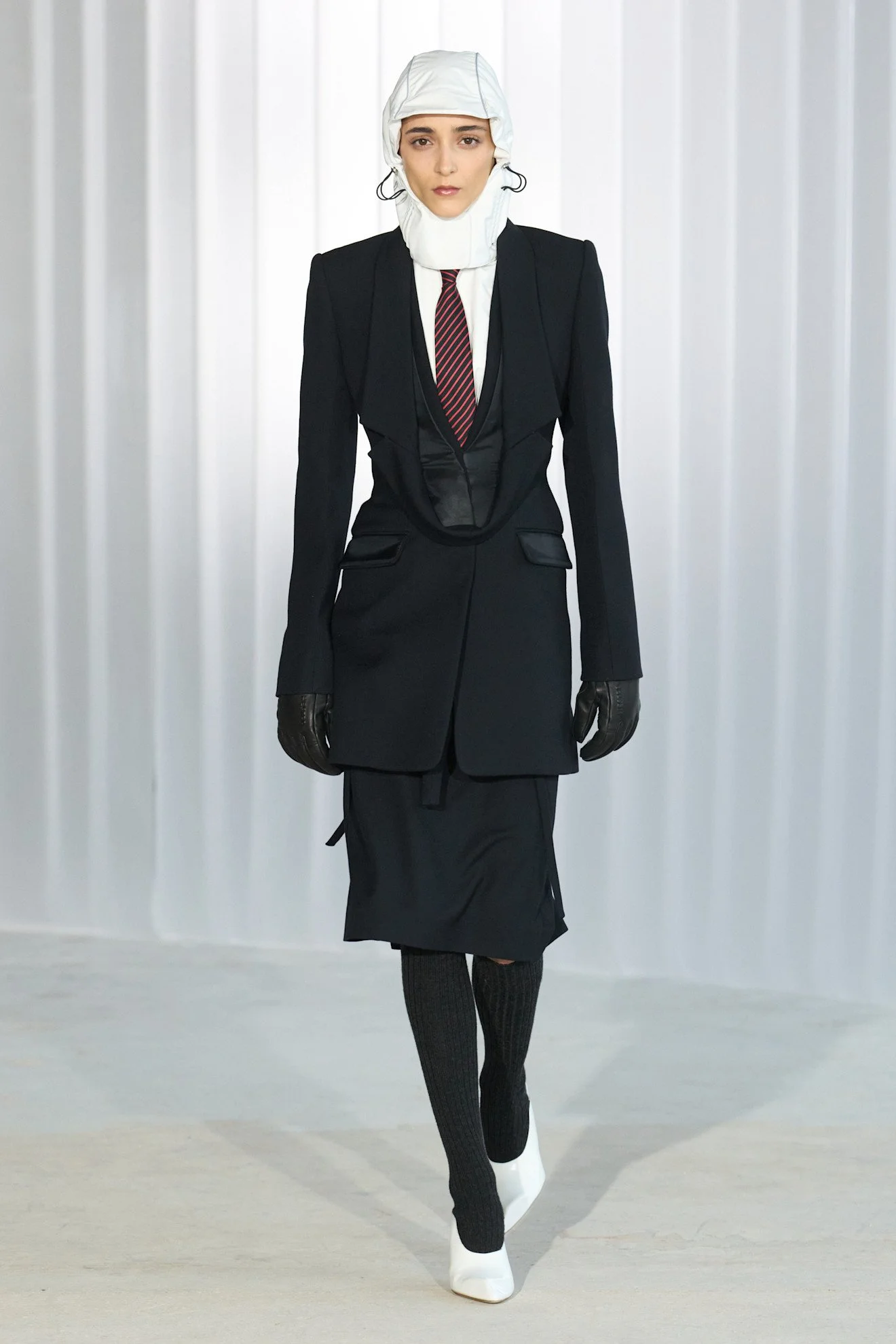
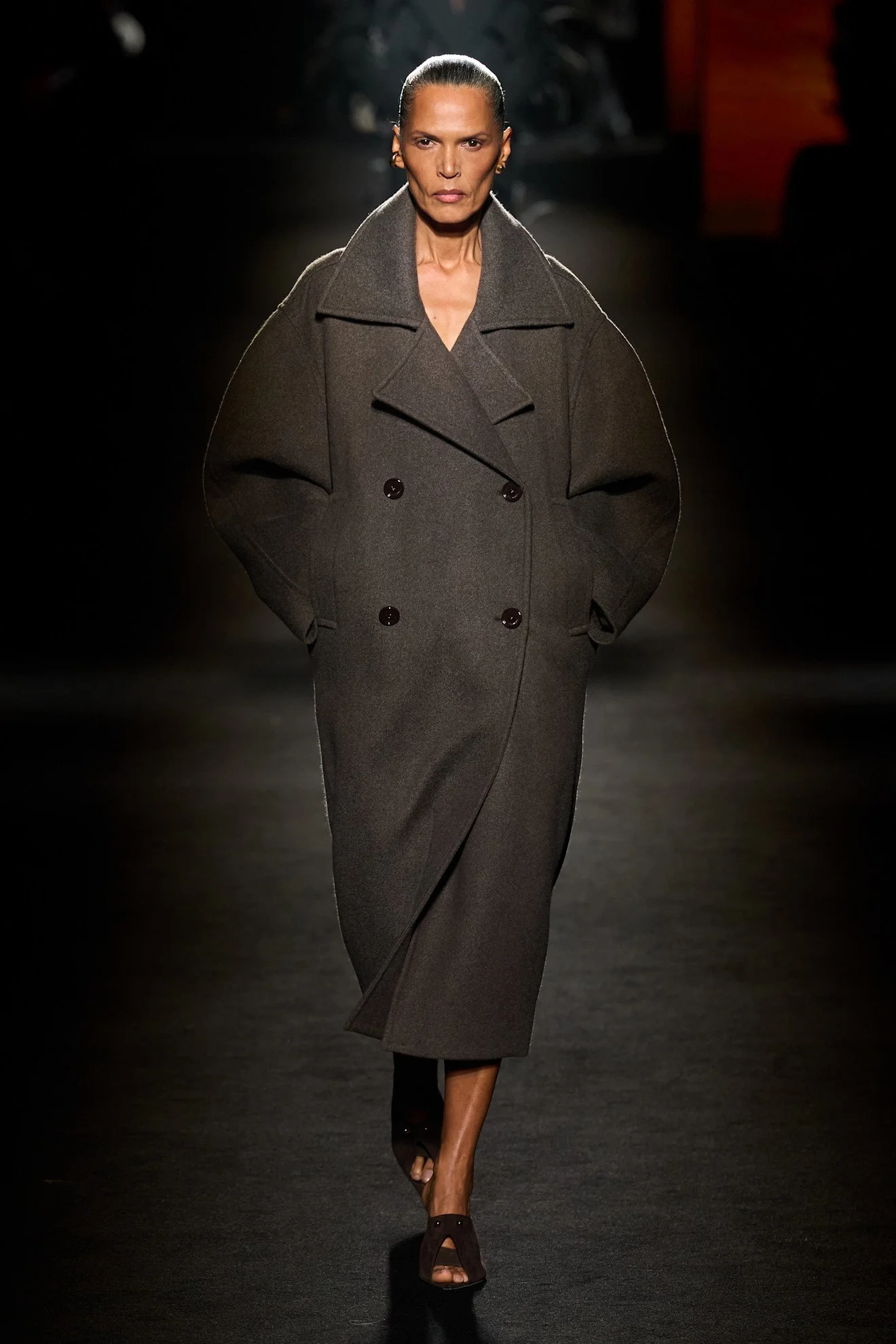
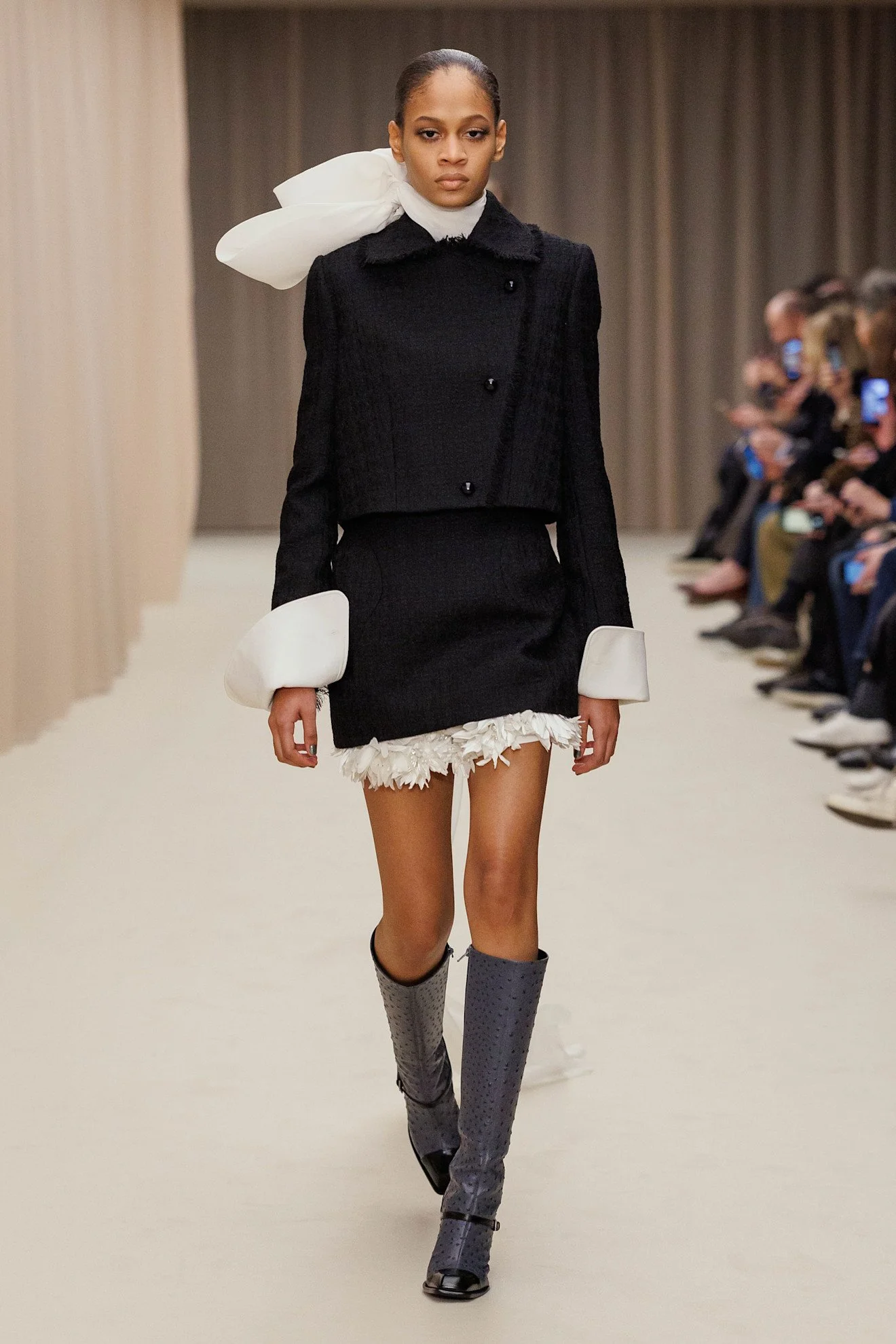
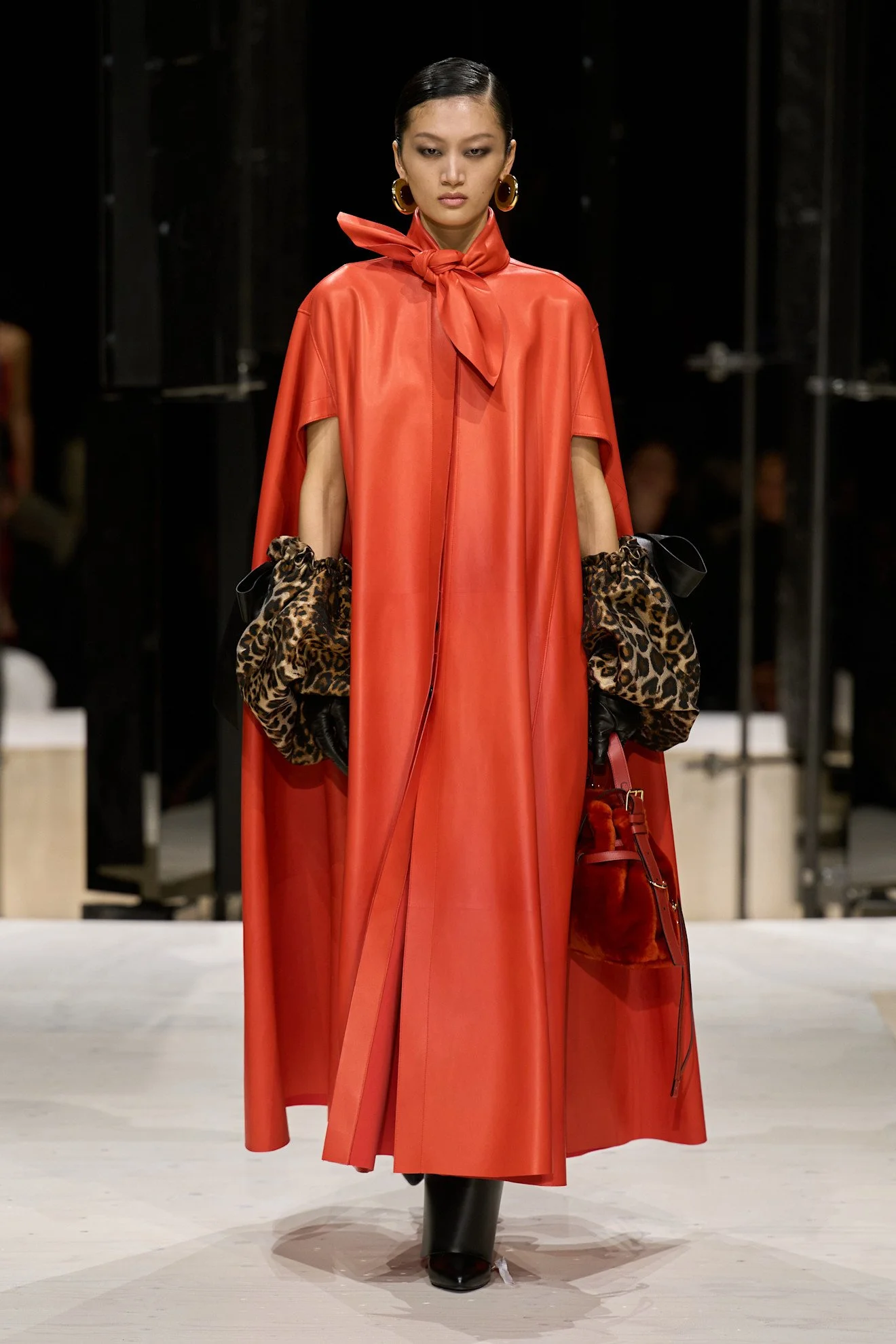
Stella McCartney delivered one of the most memorable shows of the week. Staged like a riding arena, complete with black and white horses, the presentation was an equestrian fantasy. McCartney explored multiple silhouettes, weaving together riding references, 1980s energy, and her signature sustainable ethos. It was confident, theatrical, and unmistakably Stella.
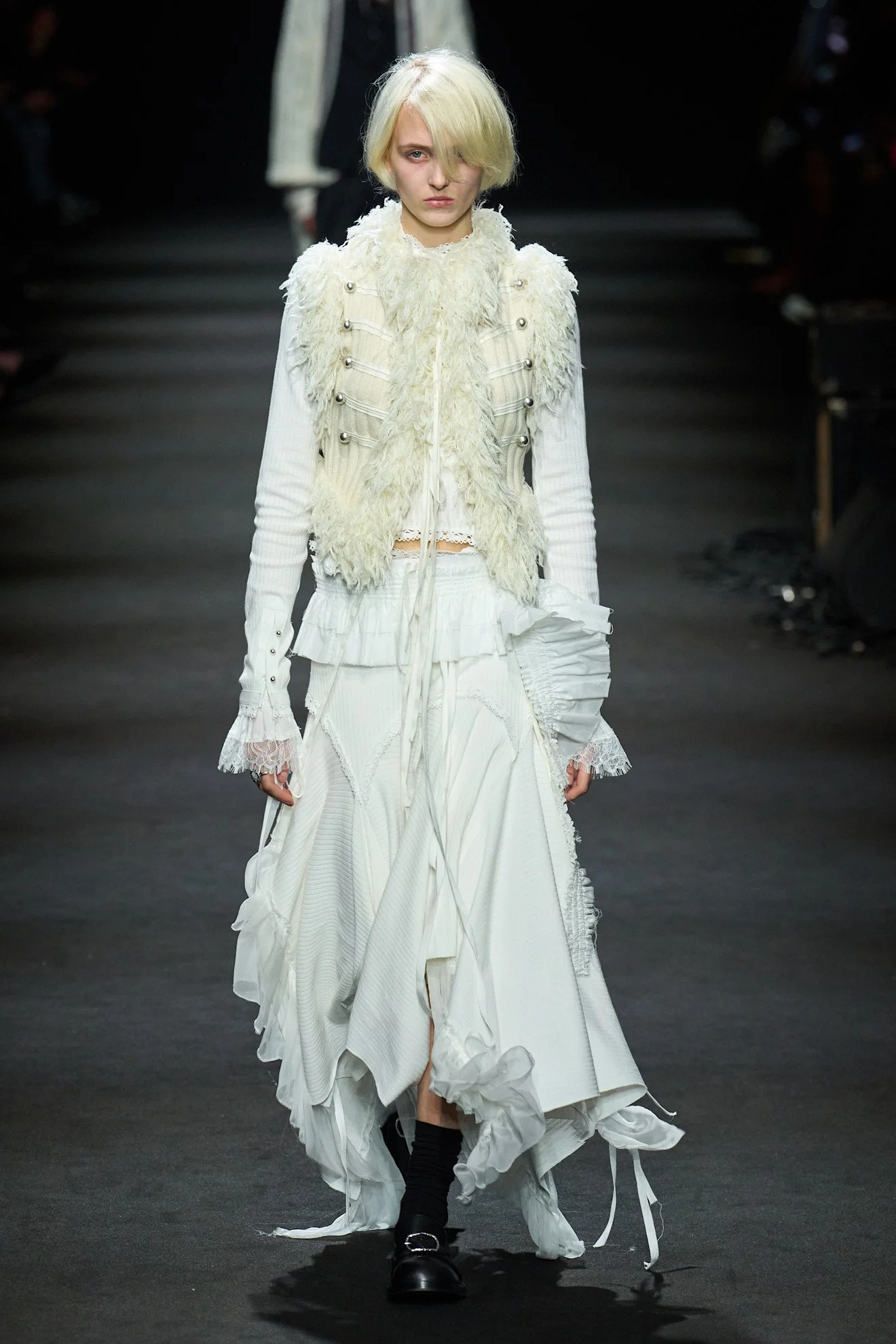
Acne Studios celebrated its 30th anniversary with a “remixed” approach to heritage. Cropped biker jackets, revived 1996 denim, fur‑lined capris, and trailing silk scarves created a fusion of aristocratic fashion, Scandi minimalism, and gritty youth culture. It was a love letter to the brand’s past and a bold step into its future.
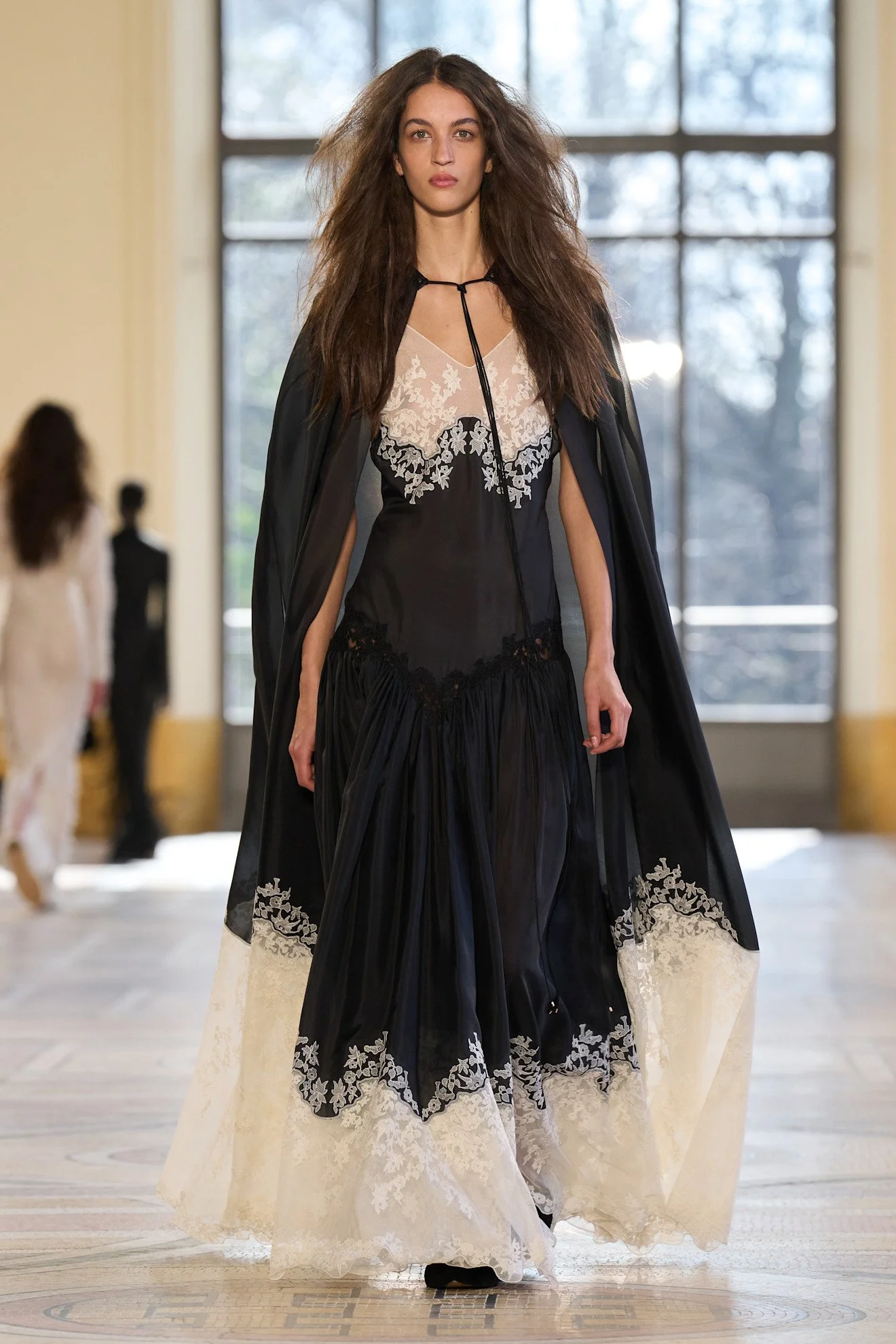
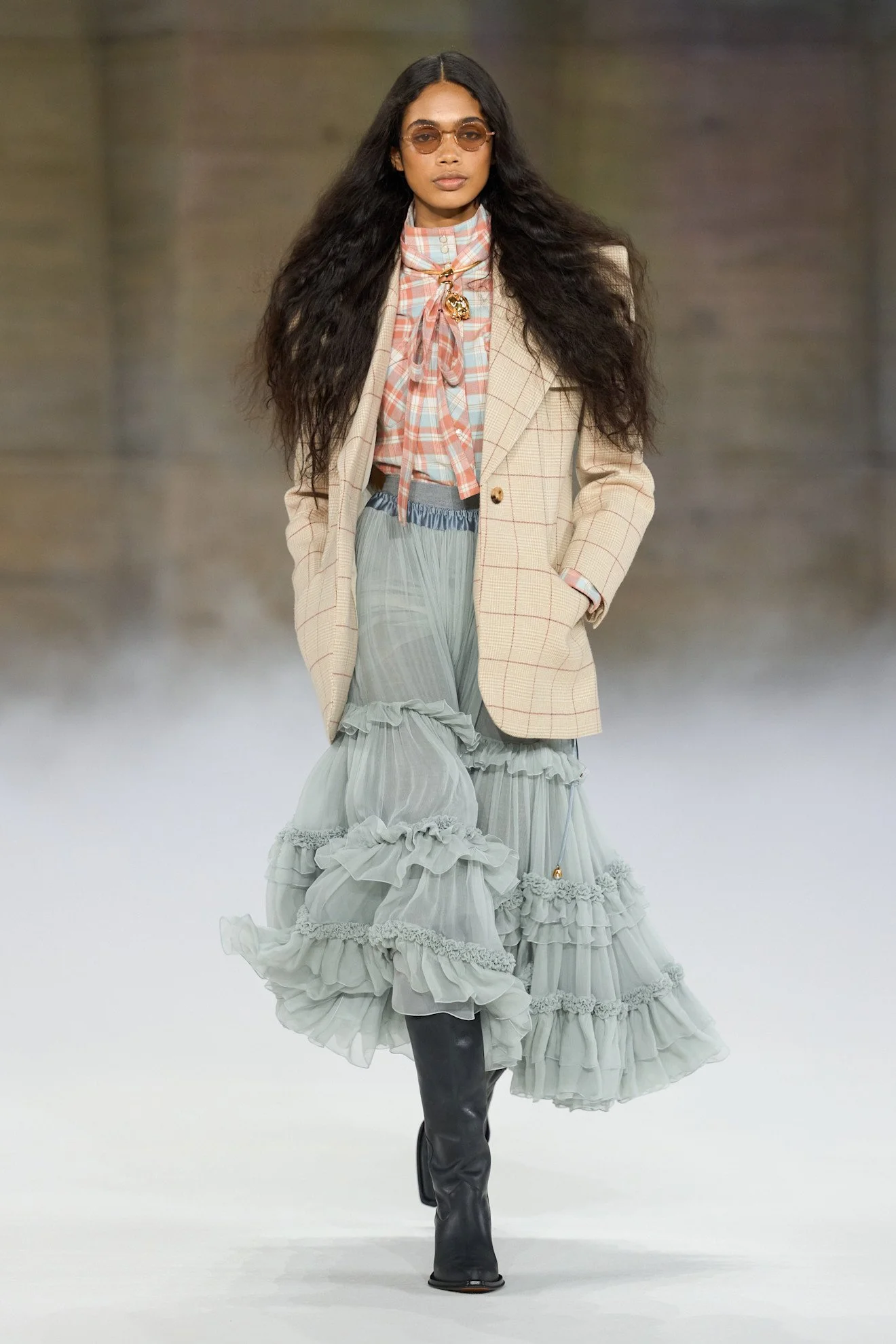
Tom Ford, Alaïa, Chloé, Rabanne: A Quartet of Reinventions
Paris continued its momentum with a series of standout shows from iconic houses.
Tom Ford embraced a late‑1990s revival, echoing the sleek minimalism and jet‑set glamour of the era. With Kate Moss sitting front row, the collection felt like a time capsule yet updated with modern corpcore influences and sharp tailoring.
Alaïa presented Pieter Mulier’s final collection for the house before his move to Versace. Rather than spectacle, he chose intimacy: sculptural silhouettes, disciplined draping, and a deep respect for the house’s codes. With Raf Simons and Chanel’s Matthieu Blazy in attendance, the show felt like a heartfelt farewell a love letter to Alaïa’s legacy.
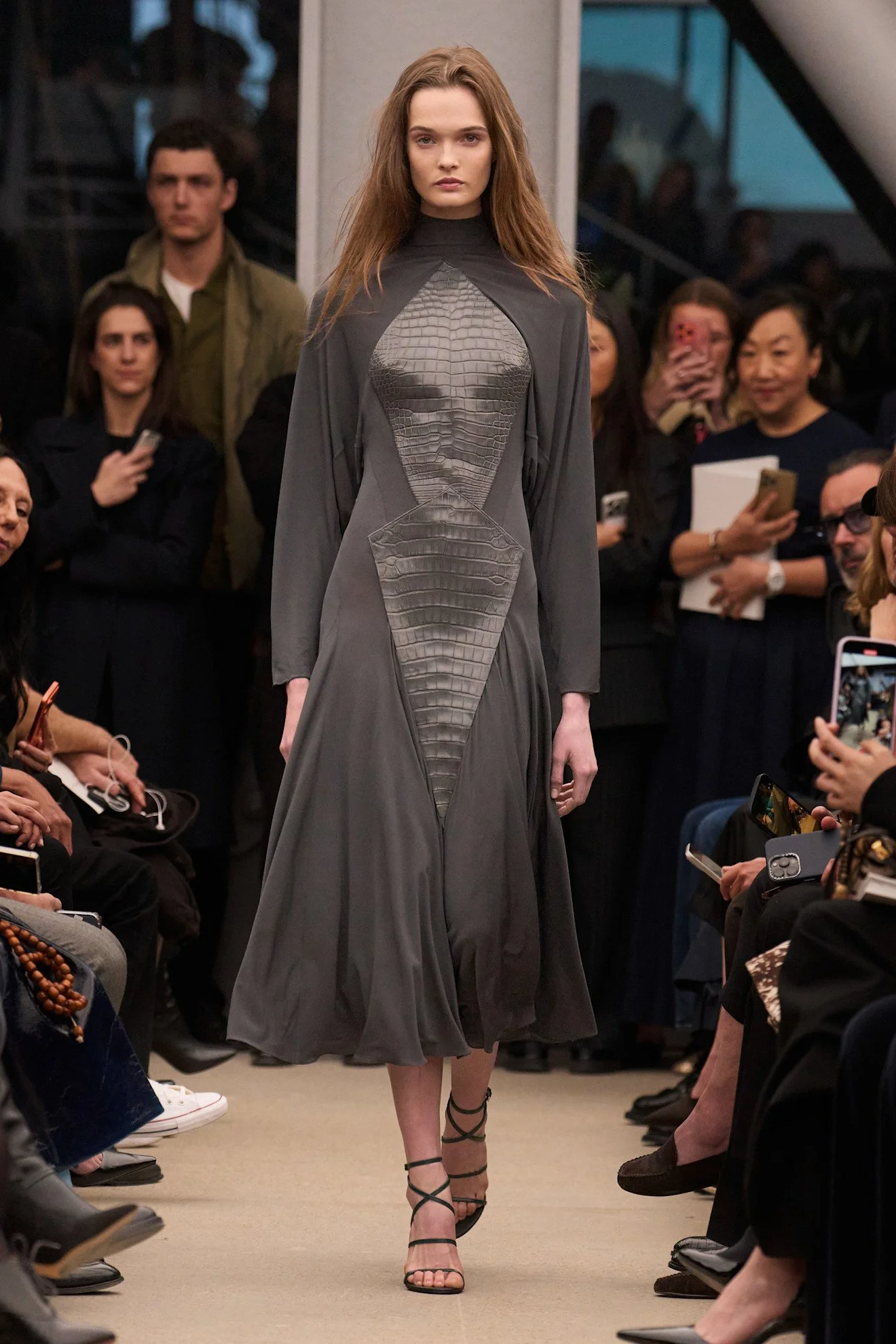
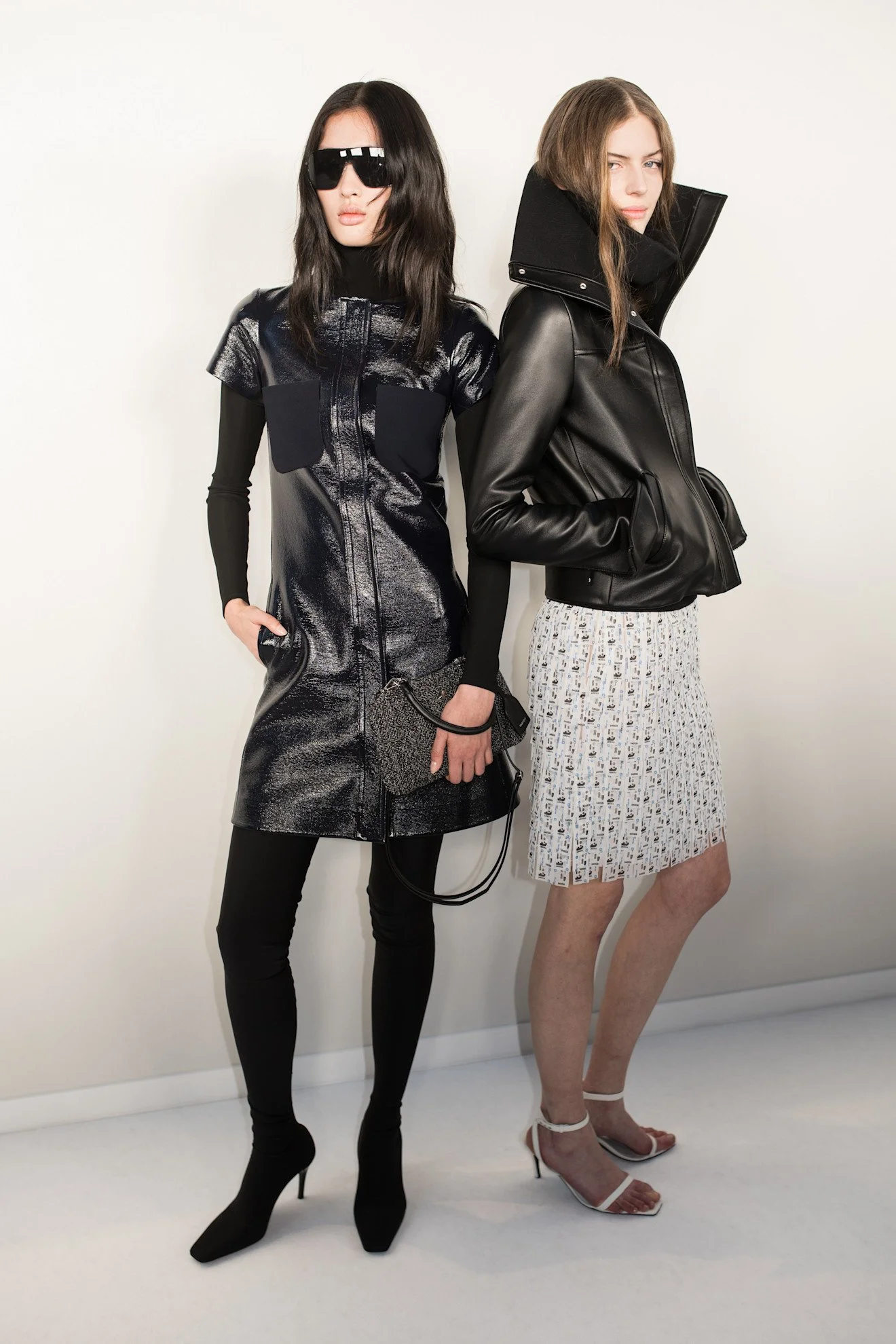
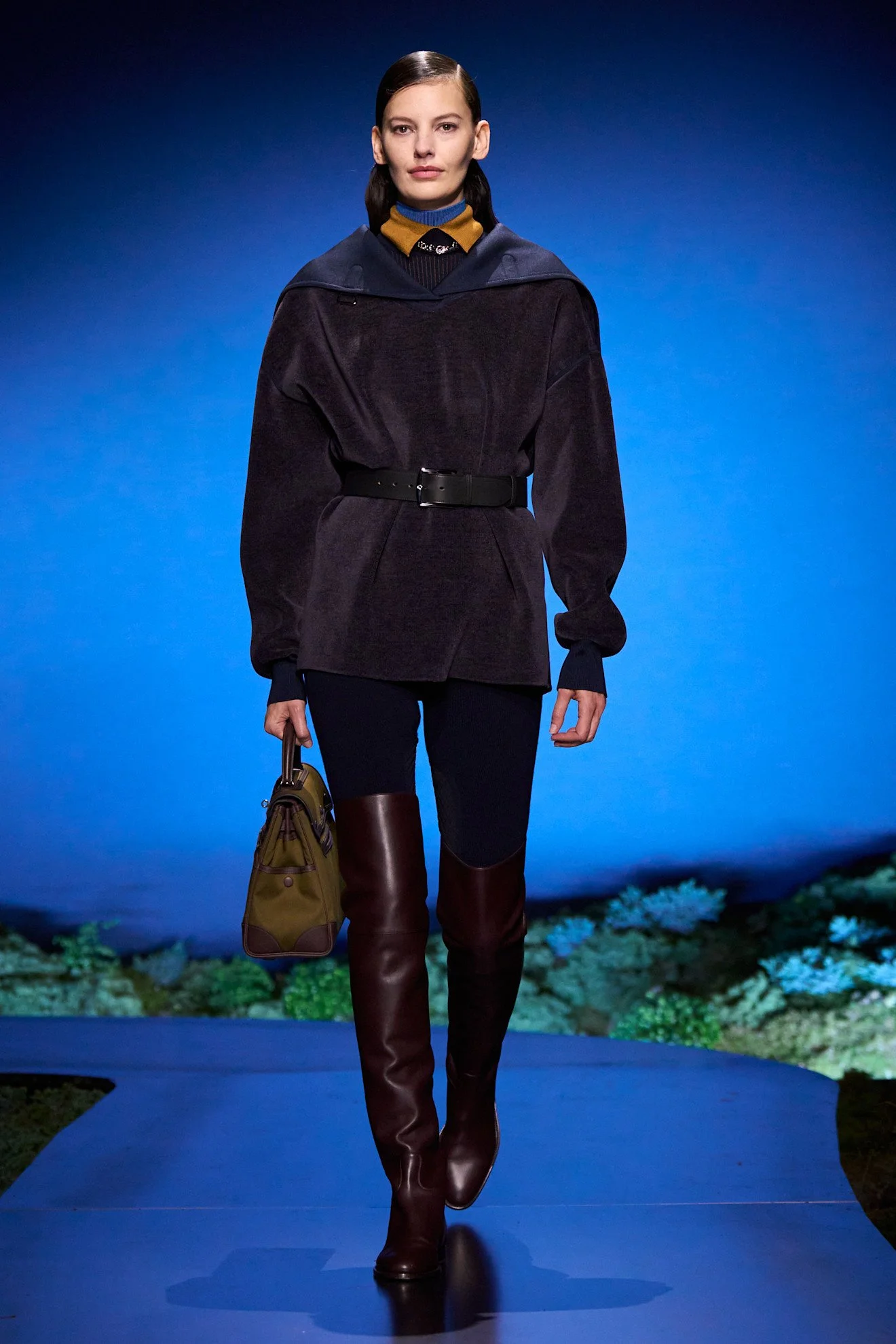
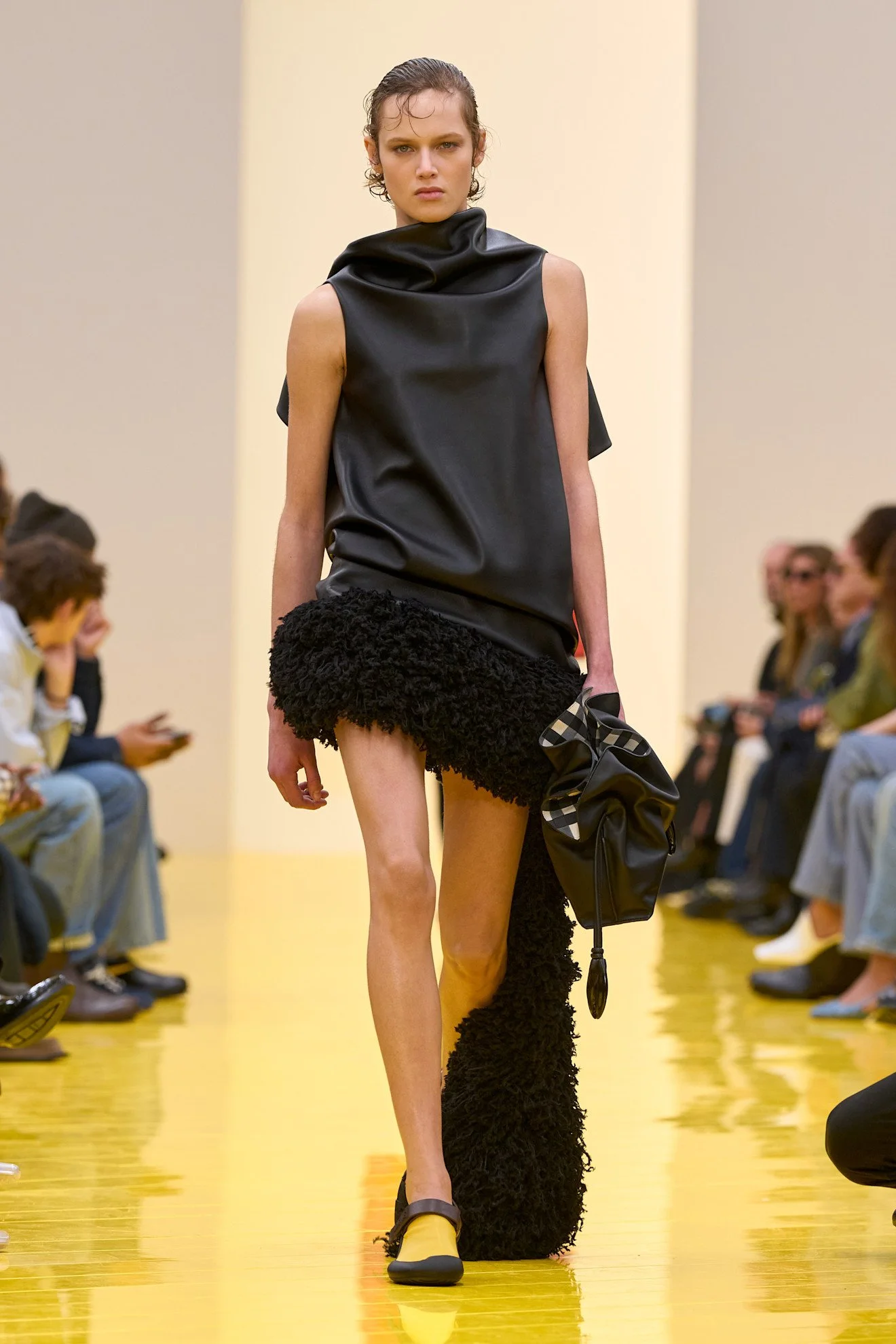
Chloé, under Chemena Kamali, shifted from its 1980s signatures to the bohemian spirit of the late 1960s. Maxi skirts, ruffled collars, and folkloric embroidery created a romantic, nostalgic world rooted in craft and femininity.
Rabanne, led by Julien Dossena, delivered a louche, chaotic, and confident collection blending 1940s vintage influences with punk, grunge, and the house’s iconic metalwork. Chainmail dresses, faux‑fur coats, leather trousers, and Fair Isle knits created a “tough femininity” that felt both modern and timeless.
Schiaparelli, Lanvin, Givenchy, Hermès: The Houses of Heritage
Schiaparelli remained one of the hottest tickets of the week. Daniel Roseberry presented a moody, wearable collection that balanced sculptural tailoring with surrealist details chicken‑foot motifs, wired pencil skirts, crushed‑CD tops, and kitten heels that seemed to hiss. It was dreamlike yet grounded, proving once again that Schiaparelli is the place where art meets reality.
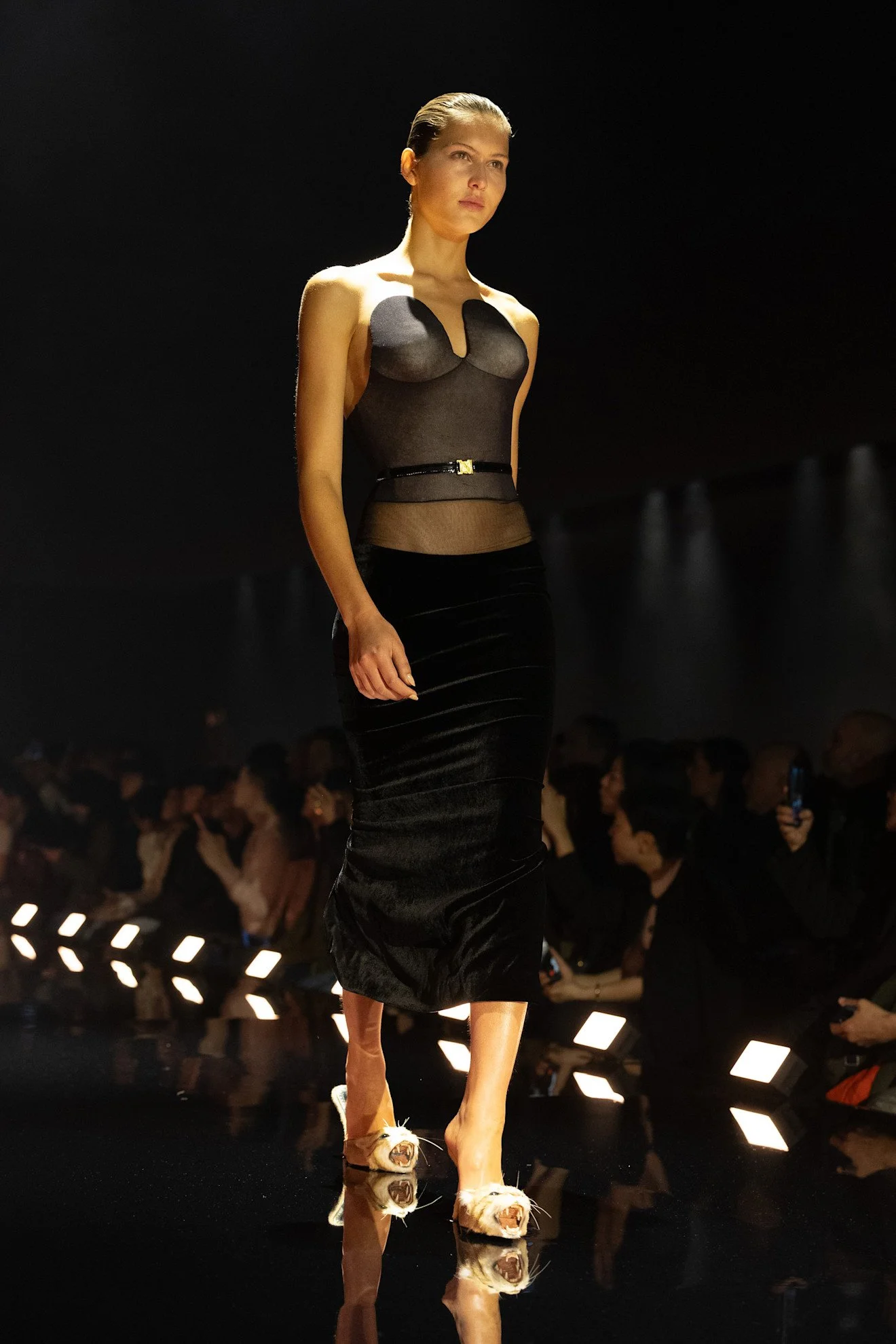
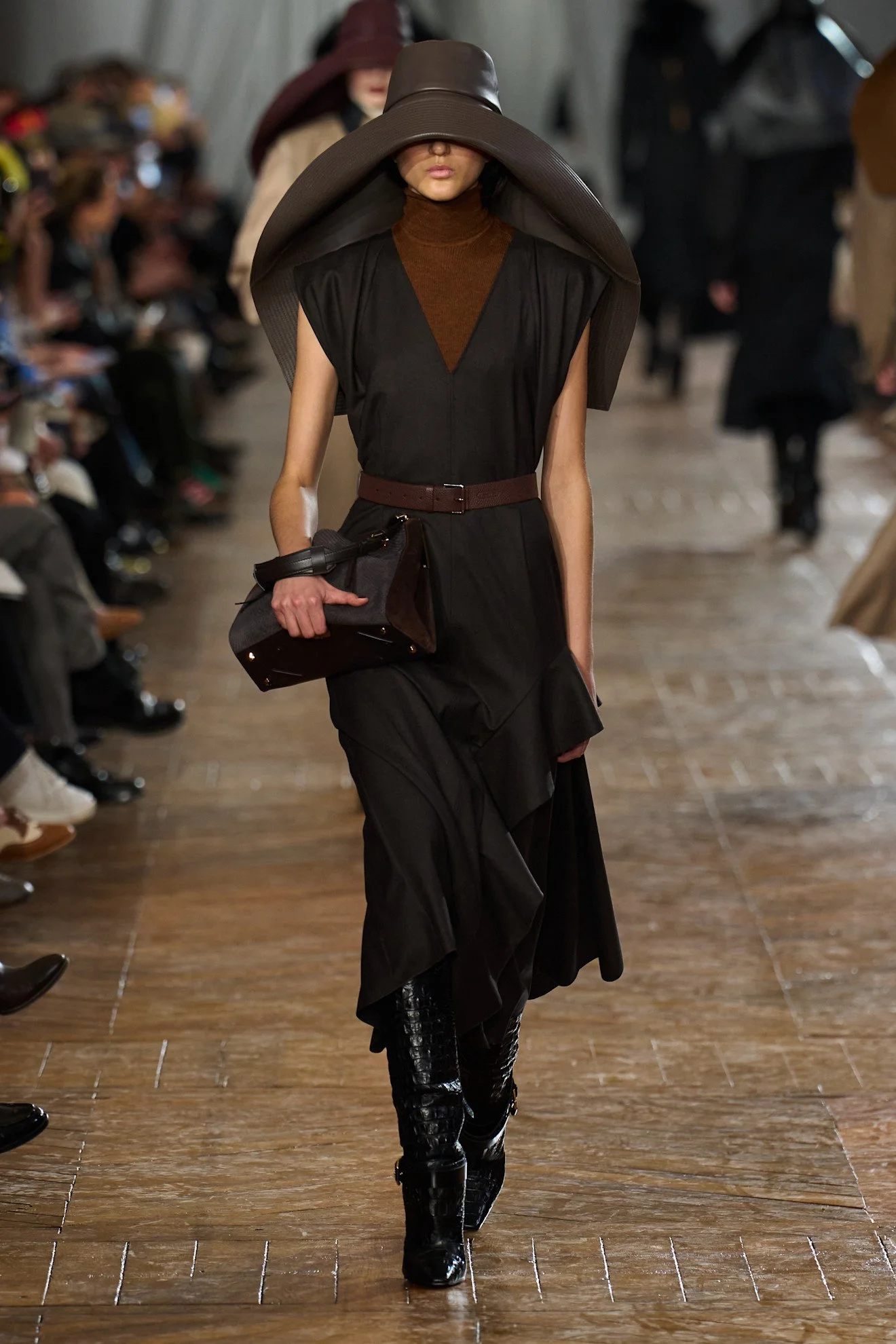
Lanvin, under Peter Copping, delivered a “grown‑up chic” collection that many called the house’s strongest since Alber Elbaz. Cinched waists, fluid draping, and impeccable outerwear paid homage to the brand’s 1920s heritage while feeling entirely modern.
Givenchy, designed by Sarah Burton, marked a refreshing return to feminine mastery after years of male creative directors. Her show invitation a maxi nappa scarf with a bow set the tone for a collection that balanced rigor and seduction. Burton moved effortlessly between tailored suits, lace dresses, biker jackets with velvety interiors, and sculptural eveningwear. It was a statement of confidence from a woman who understands both structure and softness.
Hermès leaned into a hyper‑specific mood: enigmatic, moody, and quietly compelling. In a fashion climate obsessed with shock value, Hermès chose atmosphere over spectacle. The show celebrated the house’s timeless, seasonless appeal an ode to craft, subtlety, and emotional resonance.
McQueen and Chanel: Two Houses, Two Directions
Alexander McQueen, under Seán McGirr, explored cinematic influences from Alfred Hitchcock to Todd Haynes’ Safe. The collection leaned into 1960s references while maintaining the brand’s signature tailoring. McGirr delivered commercial pieces without sacrificing soul a delicate balance in today’s market.
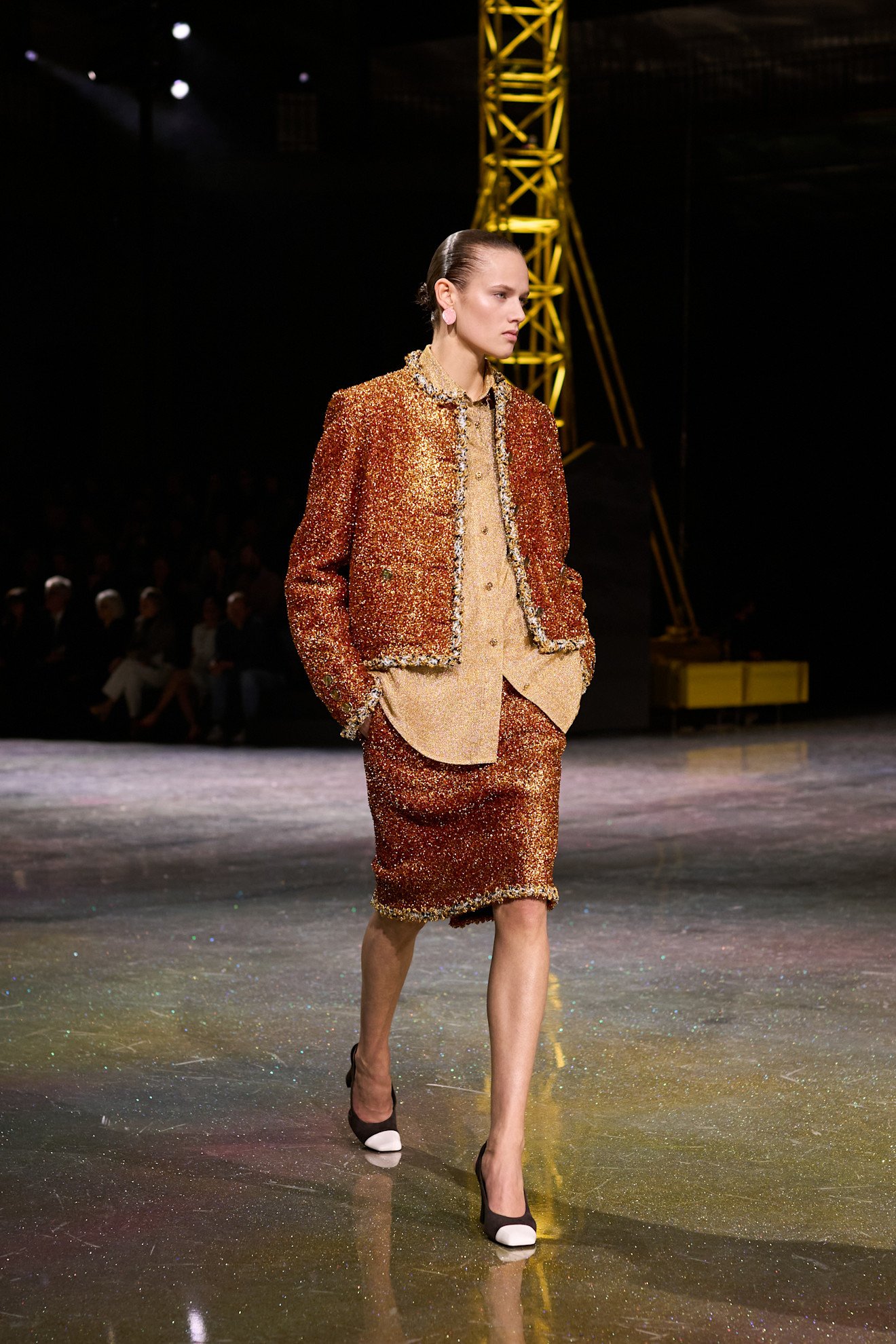
Chanel, with Matthieu Blazy presenting his second ready‑to‑wear collection, confirmed him as the perfect choice for the house. Luxury Endless dedicated an exclusive report to this collection, which blended construction‑site symbolism with runway fantasy. Blazy is reshaping Chanel with intelligence, modernity, and a deep respect for Gabrielle’s codes.
Louis Vuitton: A Finale of Architectural Fantasy
On the final day of fashion month, Louis Vuitton delivered an avant‑garde spectacle infused with childlike wonder. Futuristic outerwear, monumental earrings, and Cubist silhouettes created a world of geometric fantasy. Models walked through a room filled with faux mountains inspired by the Jura valleys of Louis Vuitton’s hometown. It was a hard reset in an era dominated by minimalism—a reminder that fashion can still dream big.
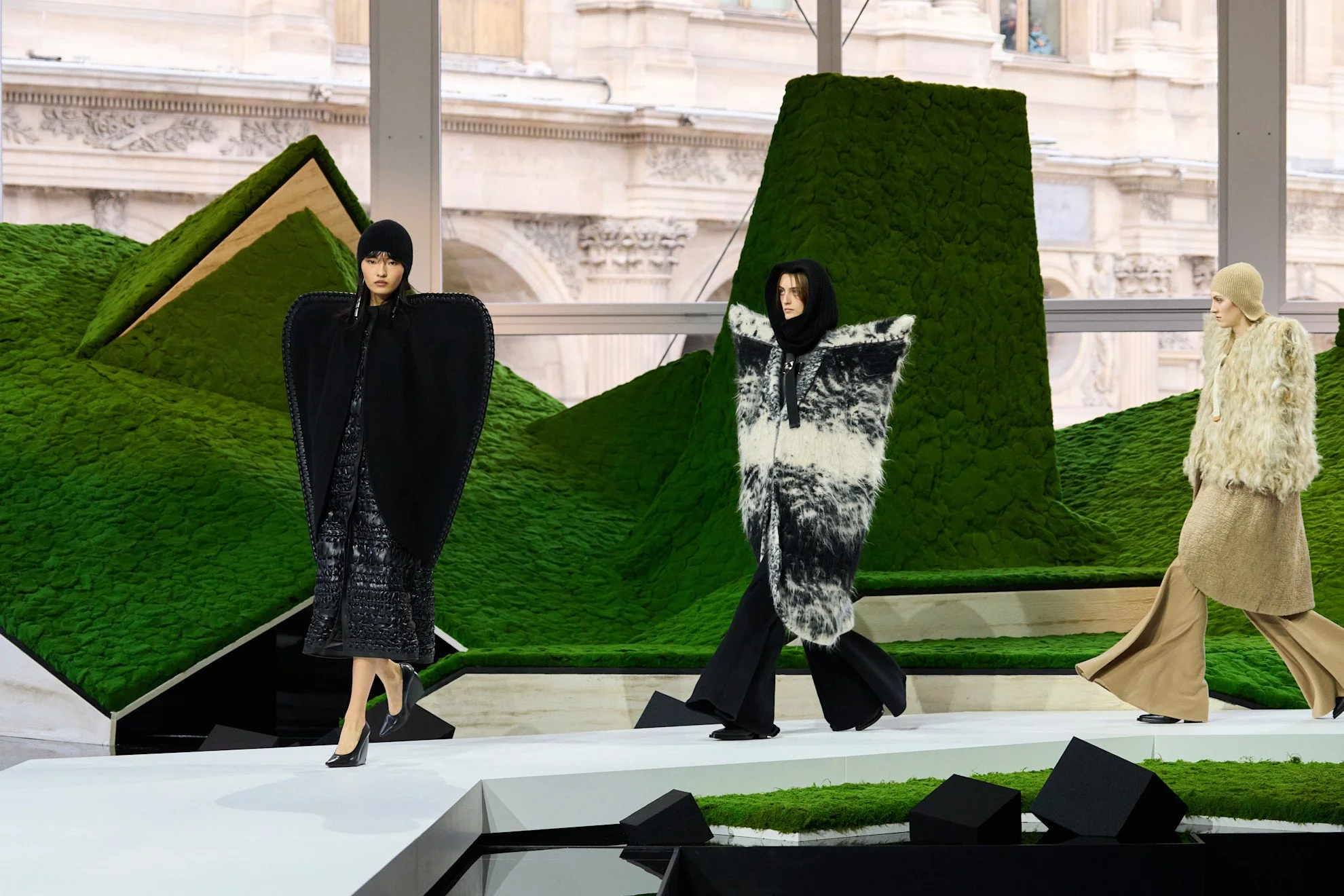
Louis Vuitton
A Season That Redefined Paris
Winter 2026 will be remembered as a season of reinvention. Designers embraced heritage while pushing boundaries, explored nostalgia without falling into repetition, and balanced commercial appeal with artistic integrity. Paris proved once again that it is not just a fashion capital it is the heartbeat of the industry.