
Re{form}: John Galliano’s Vision Reawakens at Zara
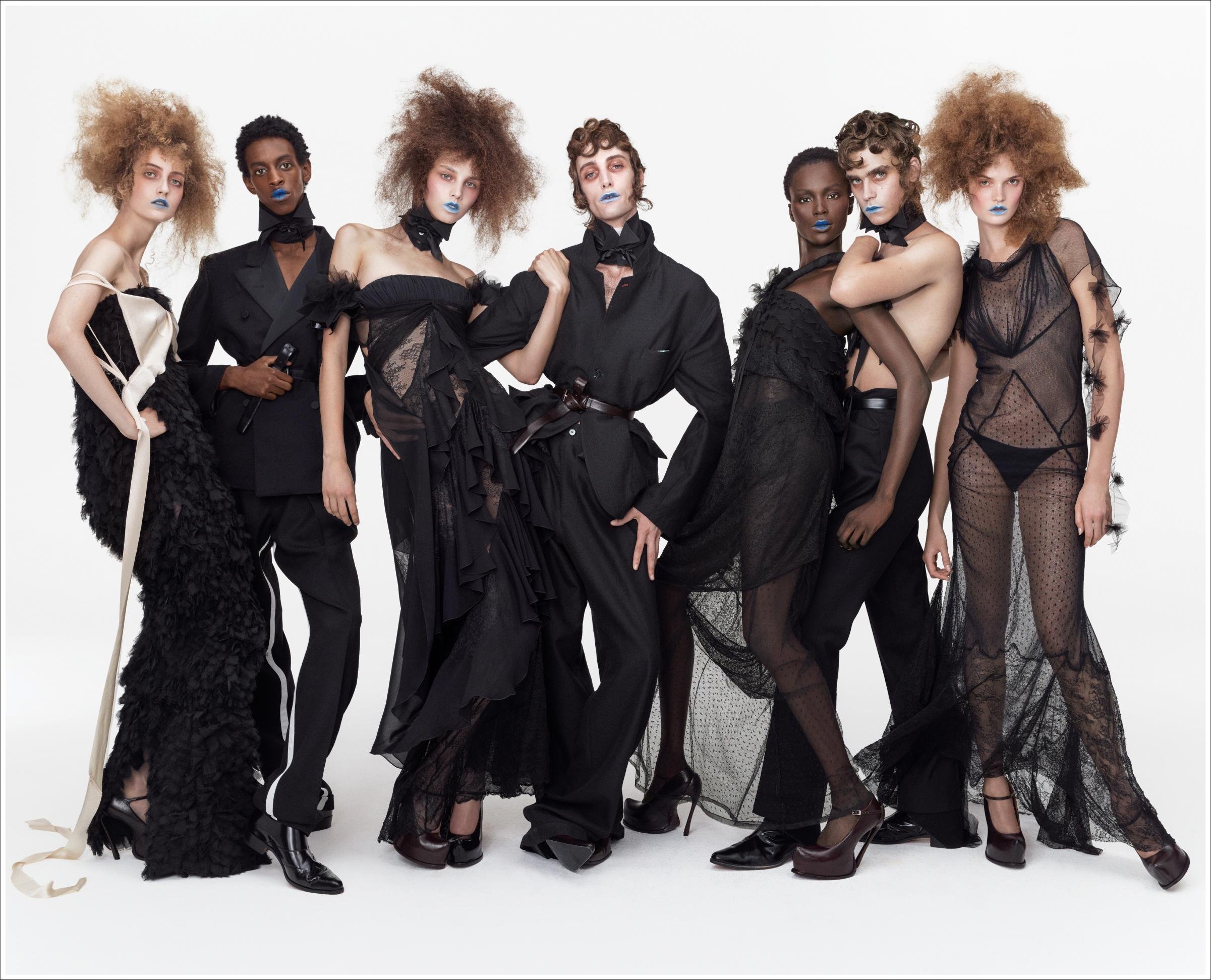
October 1st marked a moment fashion lovers had been anticipating for months: the release of Re{form}, the first chapter of the creative partnership between Zara and John Galliano. Expectations were sky‑high how could they not be? Galliano is one of the most influential, imaginative, and theatrically gifted creative directors of all time. And yet, the collection did more than meet those expectations. It reignited a certain electricity in the industry, the kind only Galliano can generate.
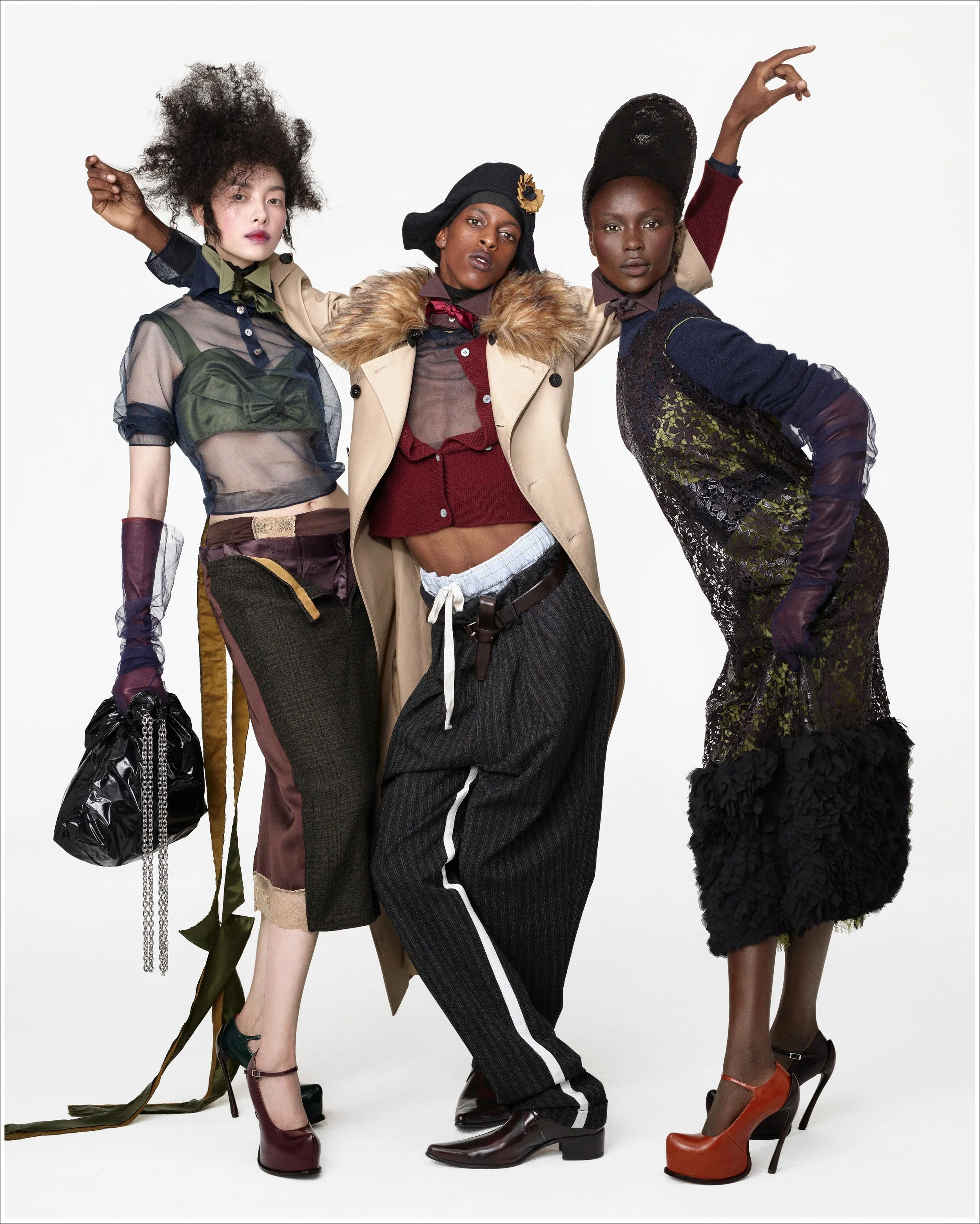
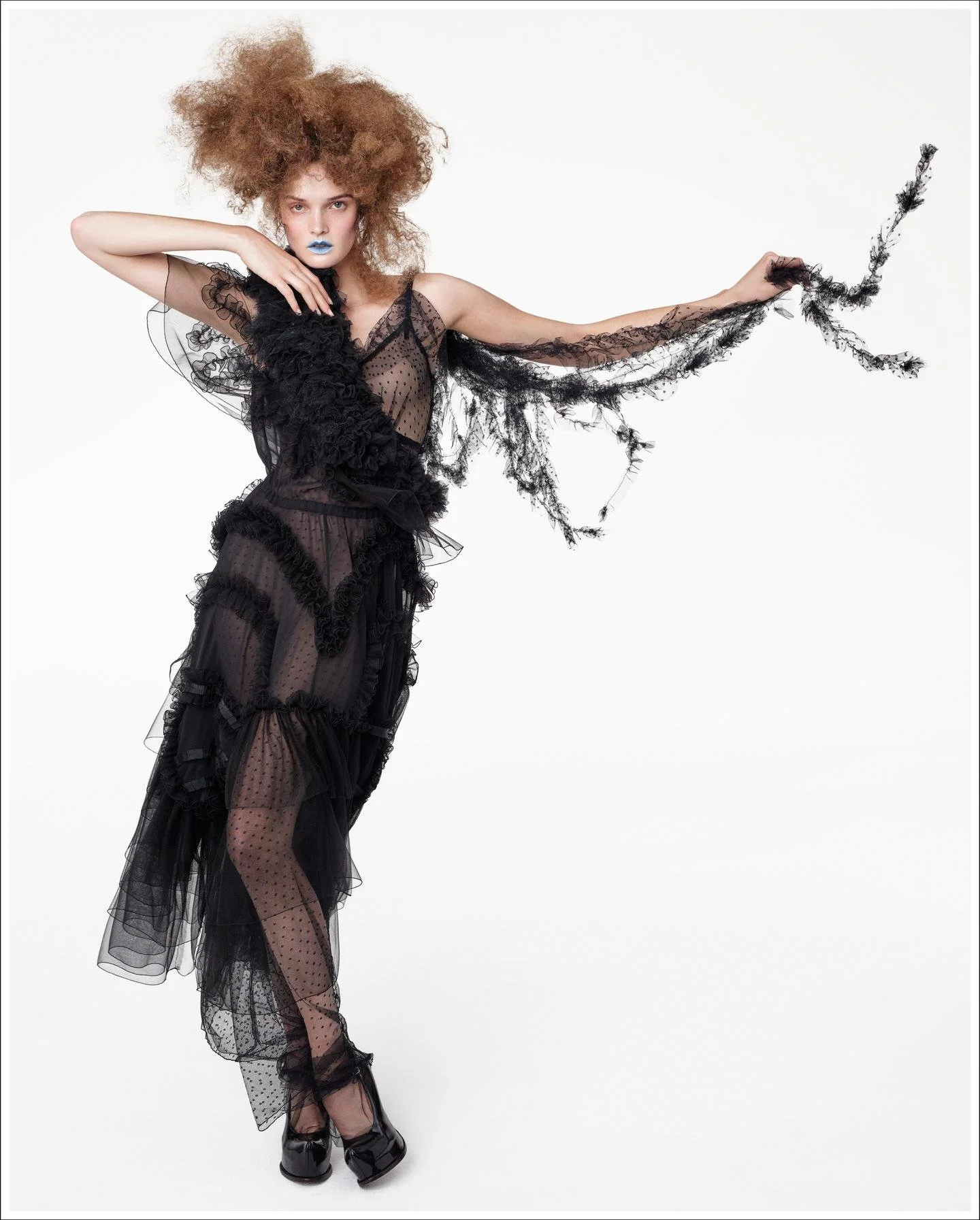
Photographed by Steven Meisel, the campaign carries the unmistakable visual language of Galliano’s most iconic eras the romantic drama of his Dior years, the deconstructed couture of Maison Margiela, the storytelling that always sits somewhere between fashion, theatre, and dream. Meisel’s lens doesn’t simply document the clothes; it frames Galliano’s world, his silhouettes, his characters, his emotional signatures. The result is a campaign that feels archival and futuristic at once.
Even the famously sharp fashion critic @boringnotcom, known for speaking only when something is wrong, found little to fault. The only complaint? That Zara did not stage a full runway show or at least a grand launch party. In a way, the absence of spectacle became the spectacle a quiet release that still managed to dominate the conversation.
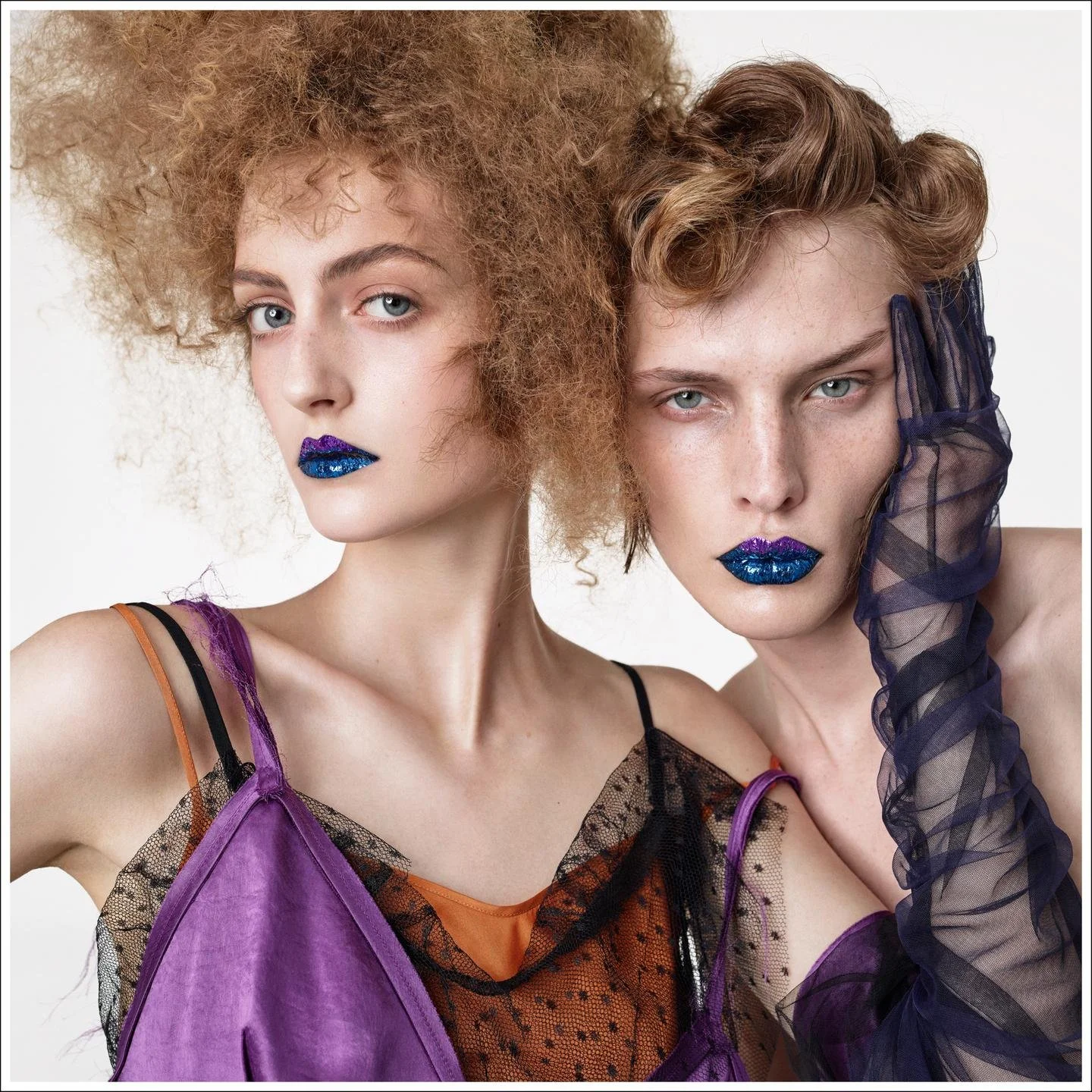

The collection itself is a study in transformation. Archival Zara pieces were pulled apart, exaggerated, stripped of their original form, and rebuilt through Galliano’s couture‑driven methodology. The result is a wardrobe that feels whimsical yet precise: dresses with a touch of fantasy, tailoring with unexpected proportions, outerwear that borders on costume in the most elegant sense. Accessories follow the same offbeat spirit pieces that feel like they belong to characters in a Galliano narrative, not simply to a season.
This is not a one‑off experiment. Re{form} is the first of several collections to be released over a two‑year partnership, signalling a long‑term creative dialogue rather than a fleeting collaboration. And the market has responded instantly: pieces available online are already moving toward sold‑out status, proving that Galliano’s vision even filtered through the accessibility of Zara retains its magnetic pull.
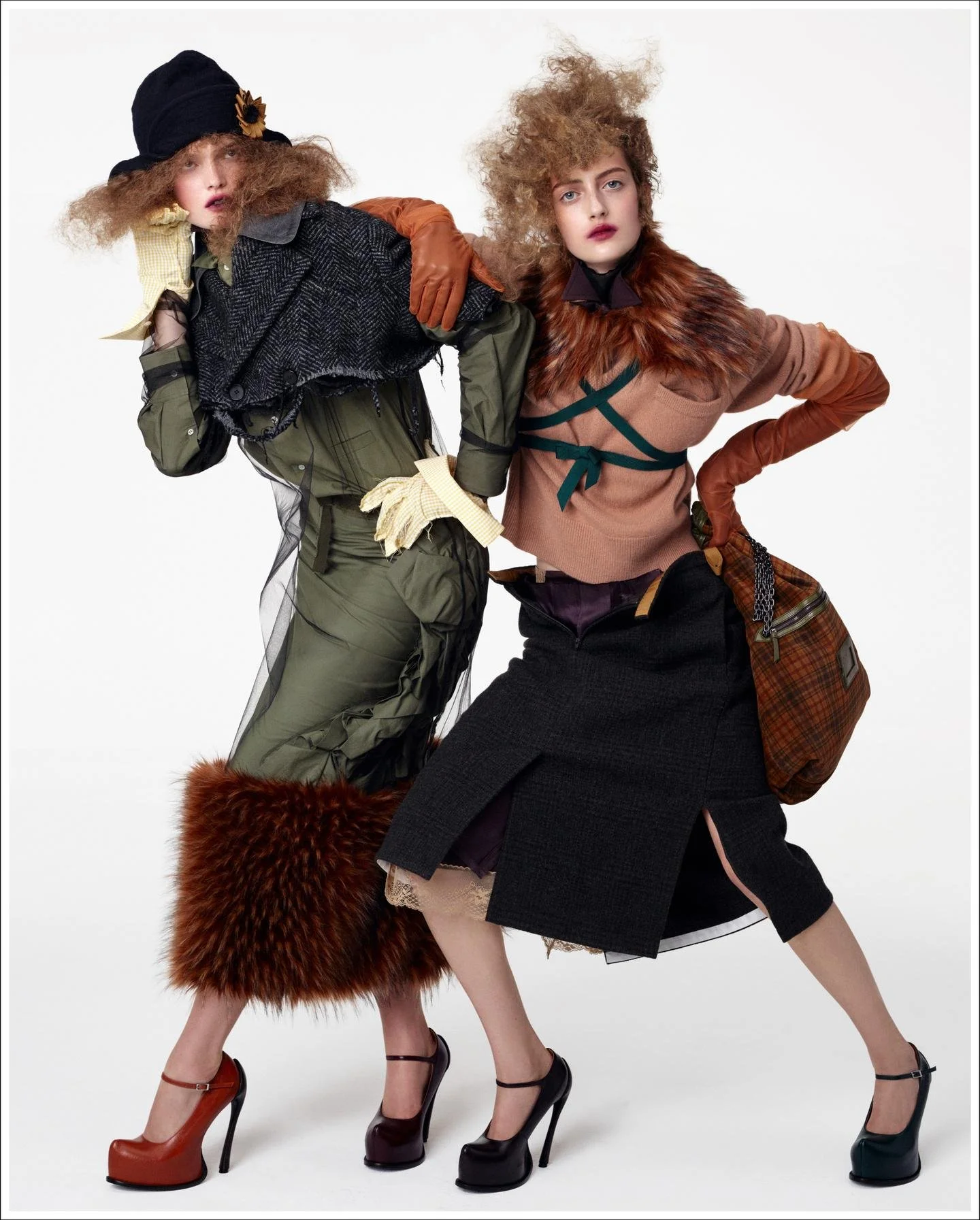
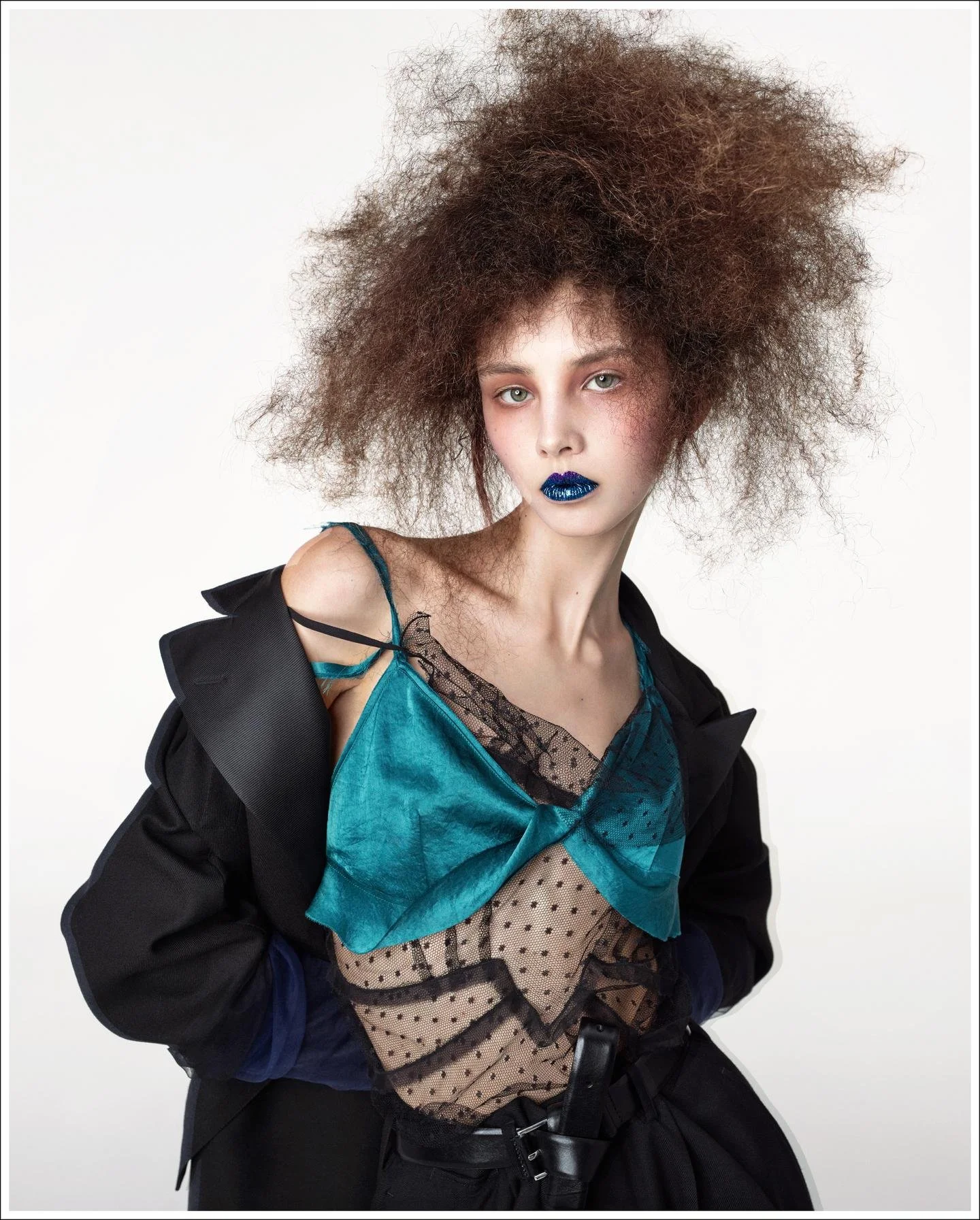
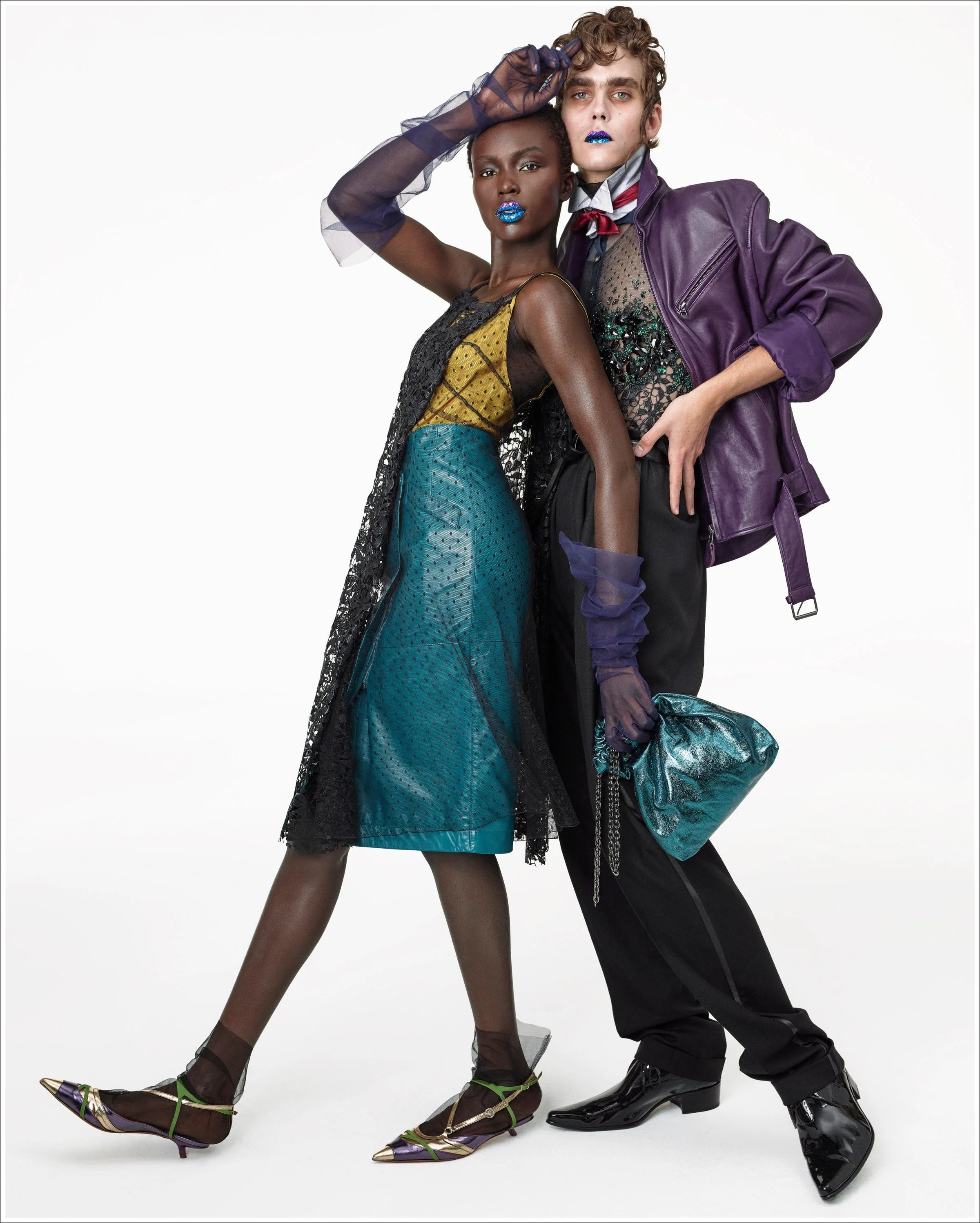
What makes Re{form} remarkable is not only the clothes, but the cultural moment it represents. It is rare to see a high‑street giant embrace a designer whose work is rooted in couture, narrative, and emotional complexity. It is even rarer to see that designer’s language preserved so faithfully. Galliano did not dilute his codes; Zara did not flatten them. Instead, the collaboration created a new space where creativity, accessibility, and fashion history coexist.
Re{form} is not just a collection. It is a reminder of what fashion can be when imagination leads the way and when a couturier’s hand reshapes the familiar into something extraordinary.