
Old money dressing has always understood this… The wardrobe is smart, the colours are quiet, and the fibres are pure: cashmere, silk, cotton, linen, fine wool. Nothing shouts, and everything feels extraordinary. These are the fabrics I want next to my skin, and the pieces worth buying once and wearing for years.
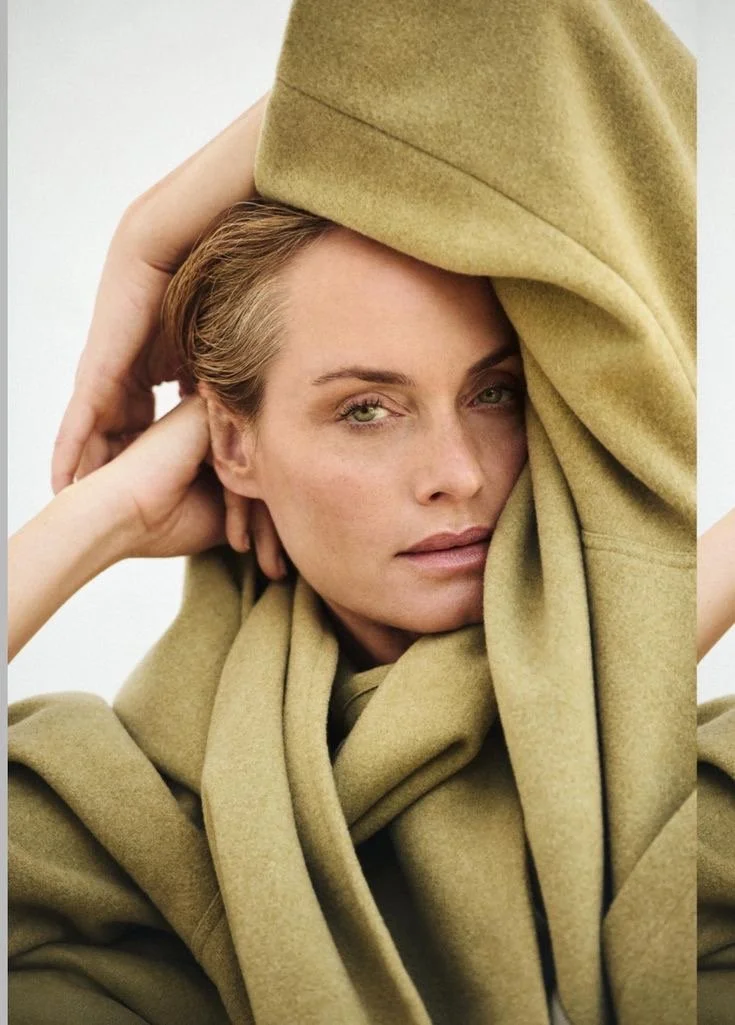
There’s no going back…
There is a moment, usually around the third wear, when you know whether a piece is staying. It has nothing to do with the label. It is the way a cashmere crew settles on the shoulders, or how a silk shirt warms to the body within a minute of putting it on. Real luxury is what you feel and that’s what matters. So when it comes to fashion it’s the fabric that sits against your skin from the first coffee to lights out. That ladies and gentlemen is priceless and worth investing in. Lets take a look and consider your wardrobe ‘must haves’ and what’s out there next time you shop.
“Buy fewer, buy pure, and wear them every day. That is the whole philosophy, and your skin will thank you for it from
morning until night.”
Cashmere: the one you never take off
Good cashmere is the closest thing fashion has to a hug. It comes from the soft undercoat of the cashmere goat, combed out once a year, and the finest fibres are long and fewer than 16 microns across. That length is what matters. Long fibres pill less, hold their shape, and get softer with every wash.
Be wary of cashmere that feels impossibly fluffy in the shop. That softness is often brushed in to flatter short fibres, and it will bobble within weeks. The good stuff feels smooth, dense and slightly cool, with a quiet spring when you stretch it.
The staples
The fine-gauge crew neck. Two-ply, in navy, camel, grey marl or ivory. Worn alone against the skin, under a blazer, or over the shoulders.
The roll neck. Slim enough to sit under tailoring, fine enough that it never scratches the jaw.
The long cardigan. The piece you reach for on a Sunday and at 30,000 feet.
The oversized wrap. Scarf by day, blanket on the sofa by night.
The lounge set. Wide trousers and a matching knit: the uniform for evenings at home.
Bed socks. A small thing that changes winter entirely.
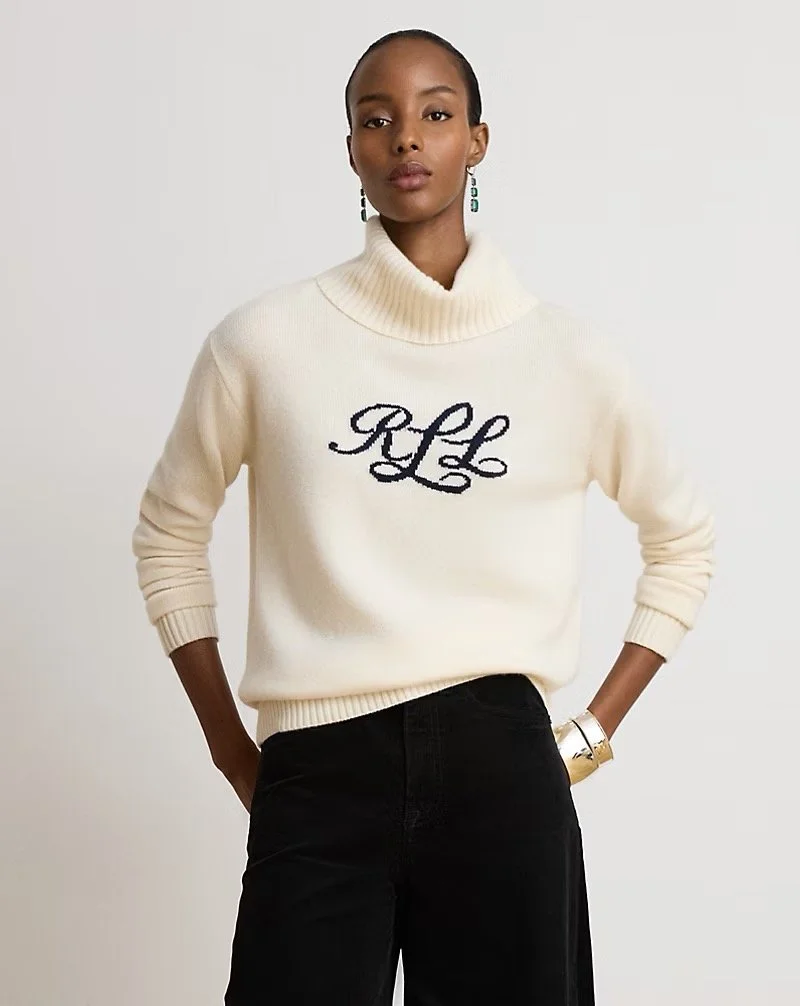
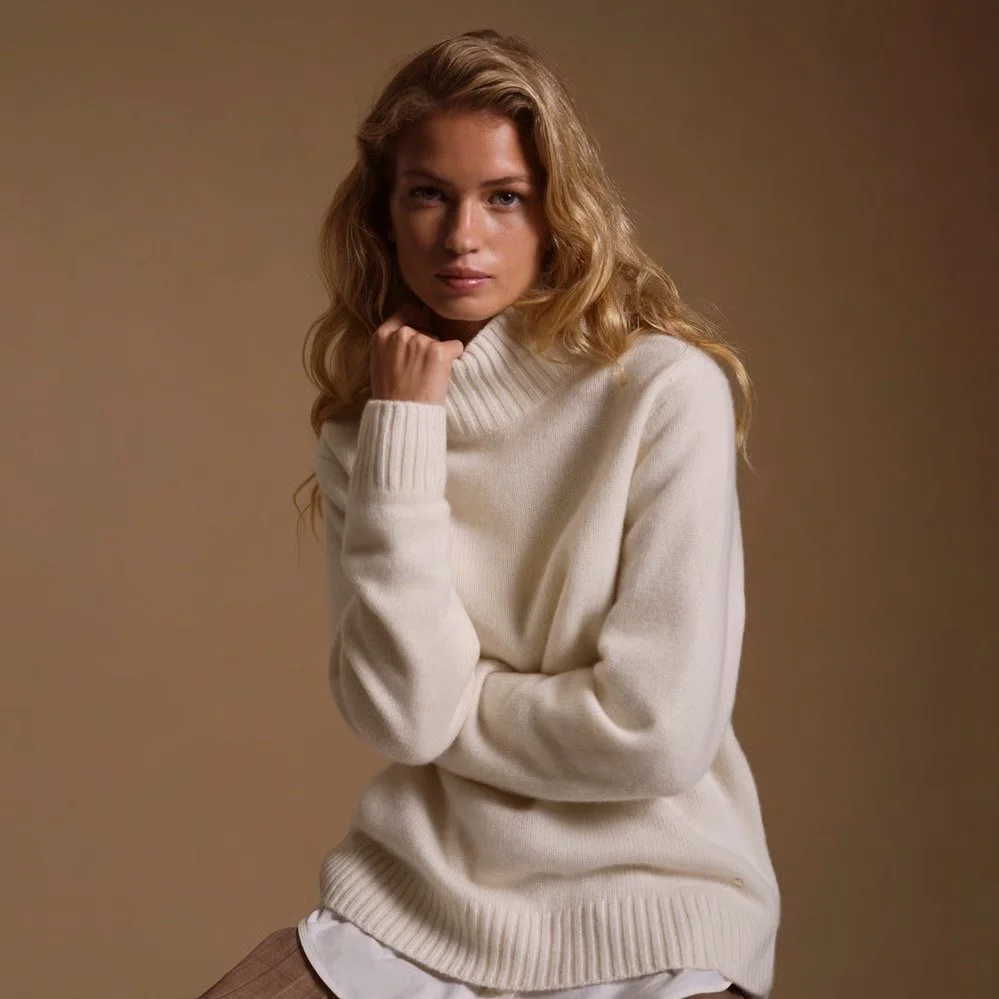
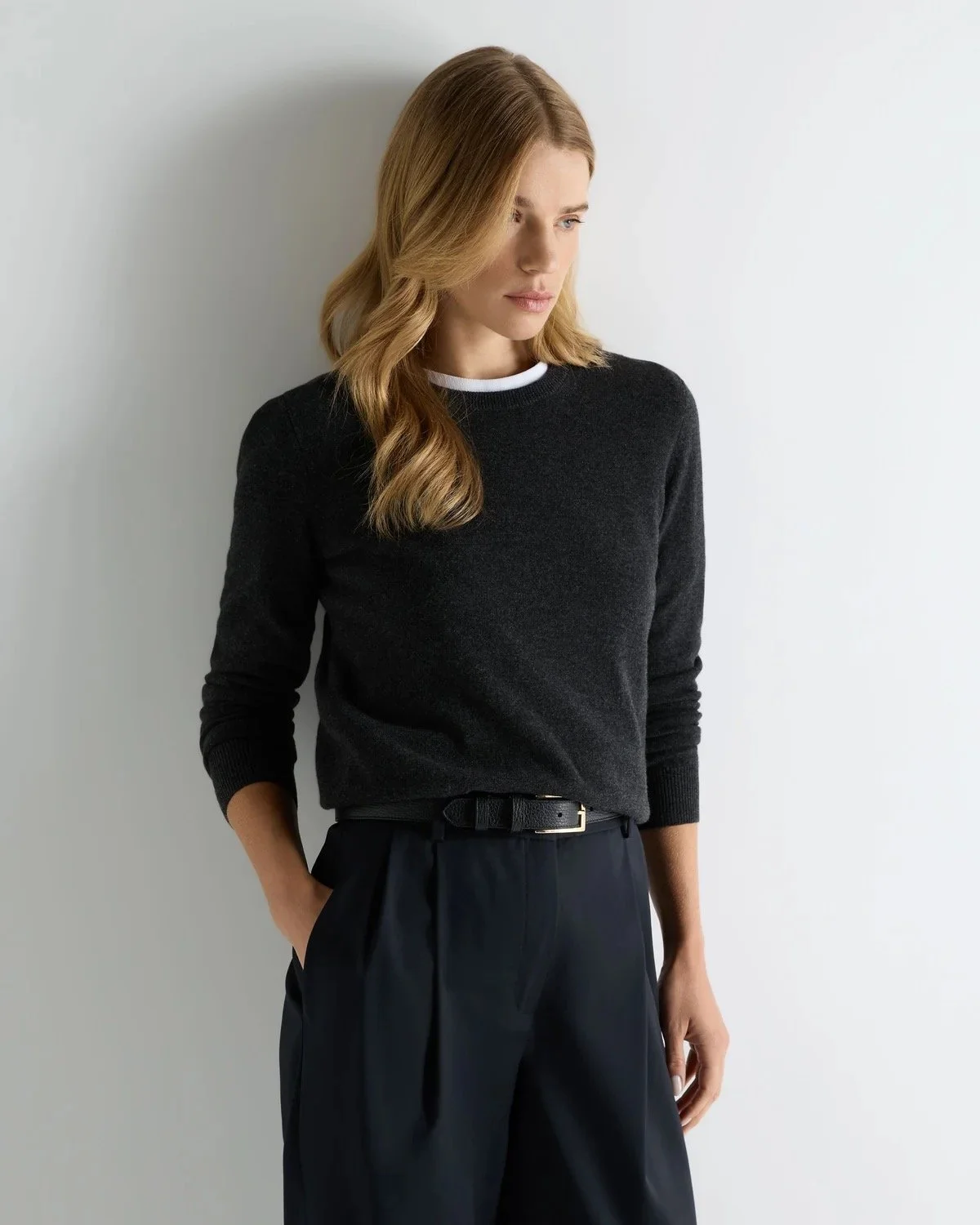
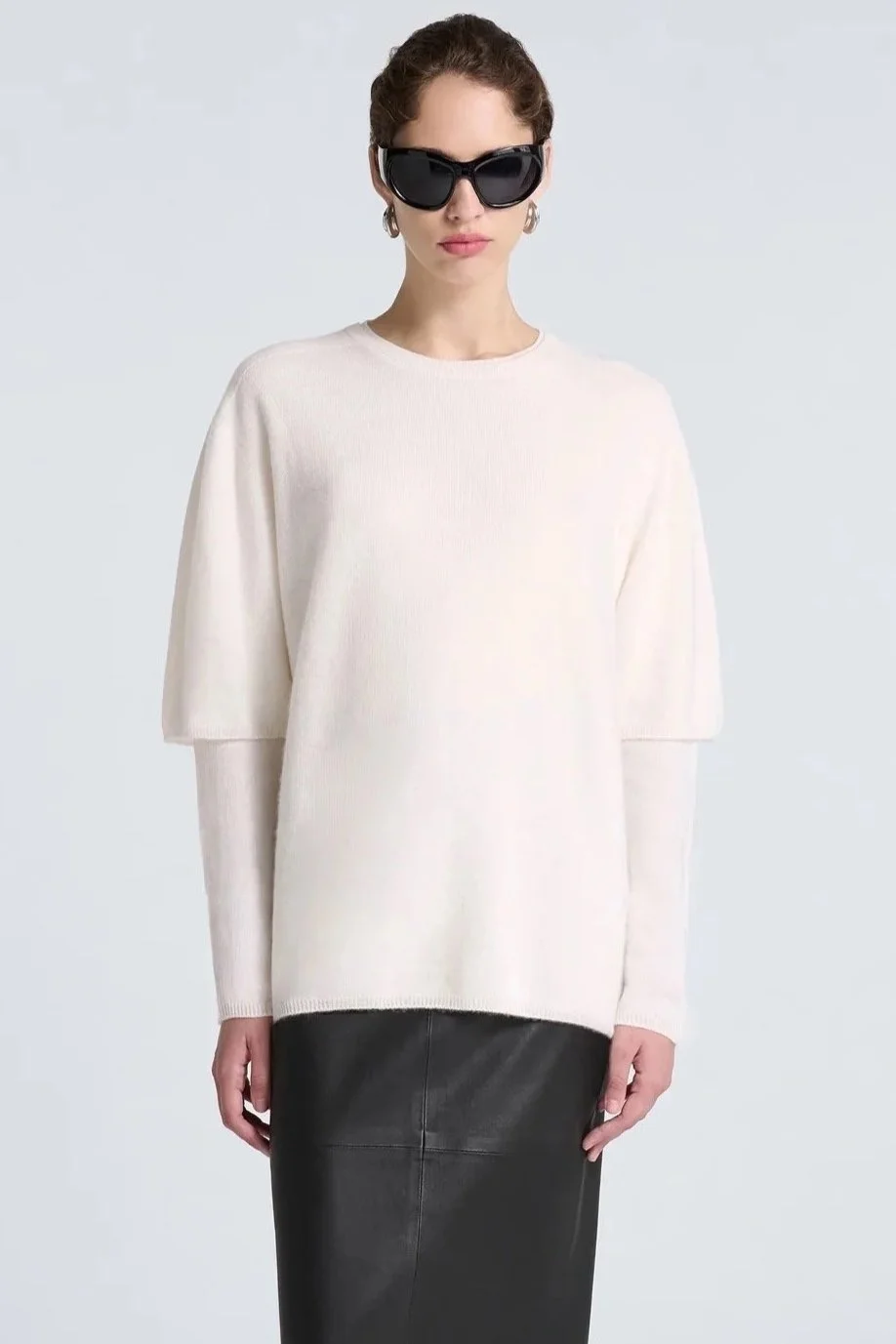
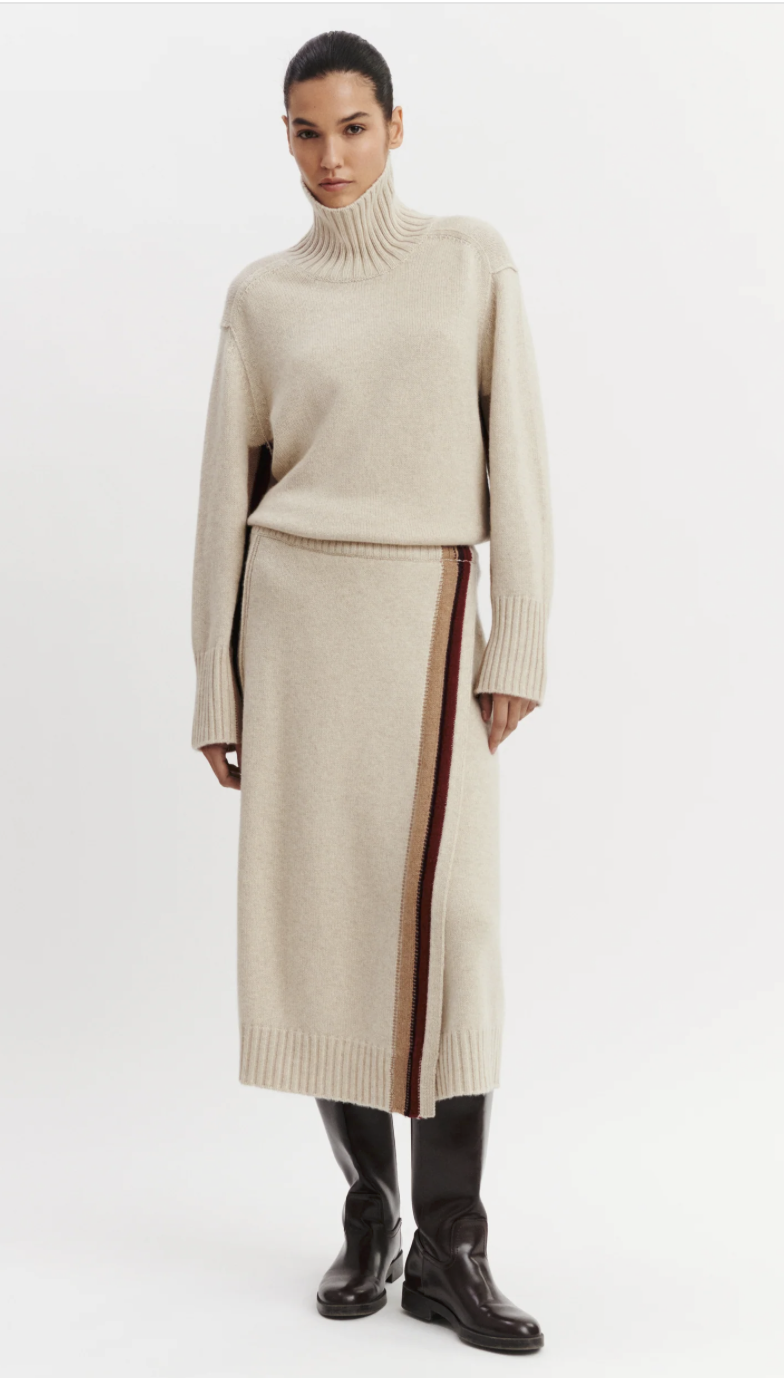
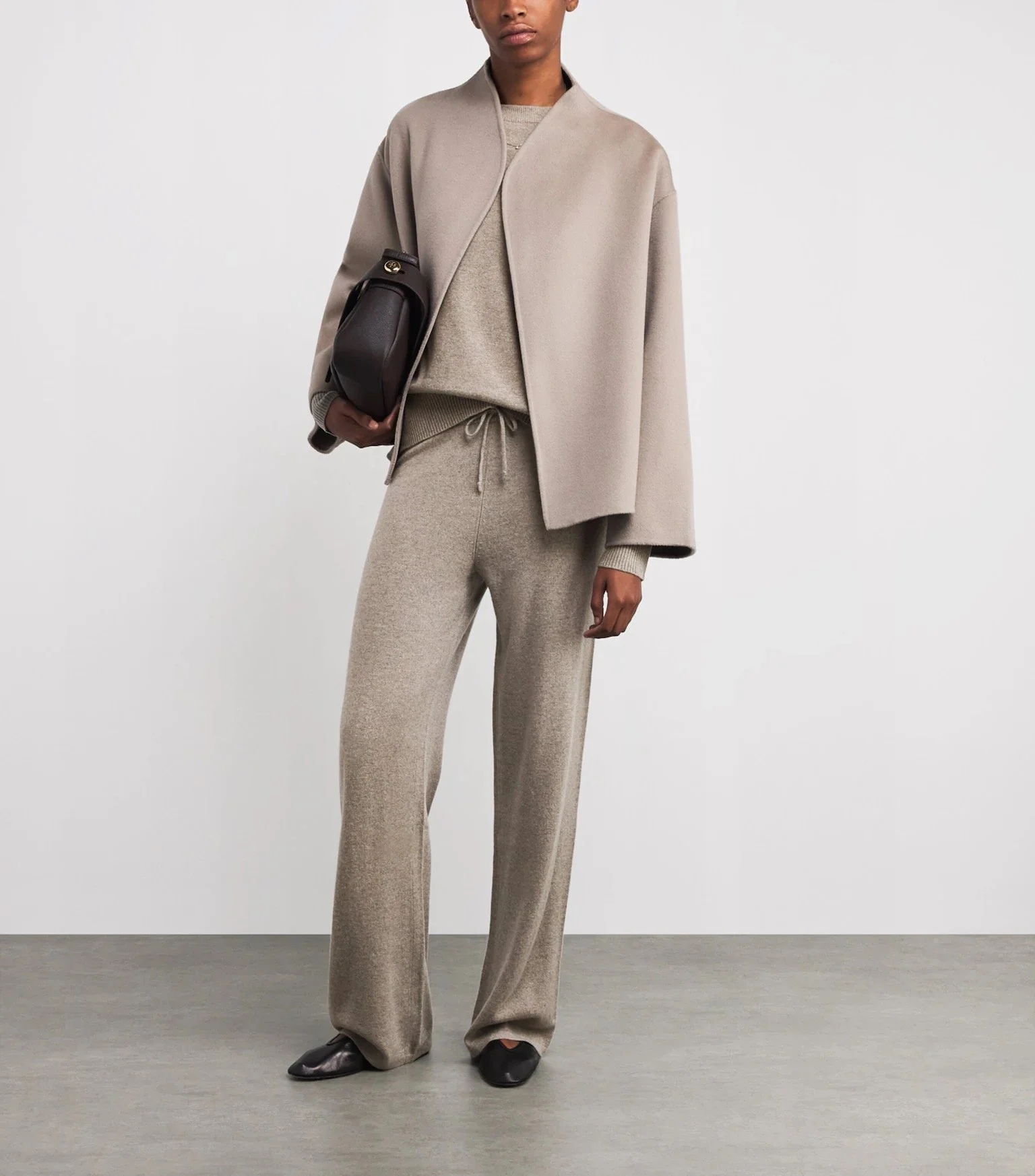

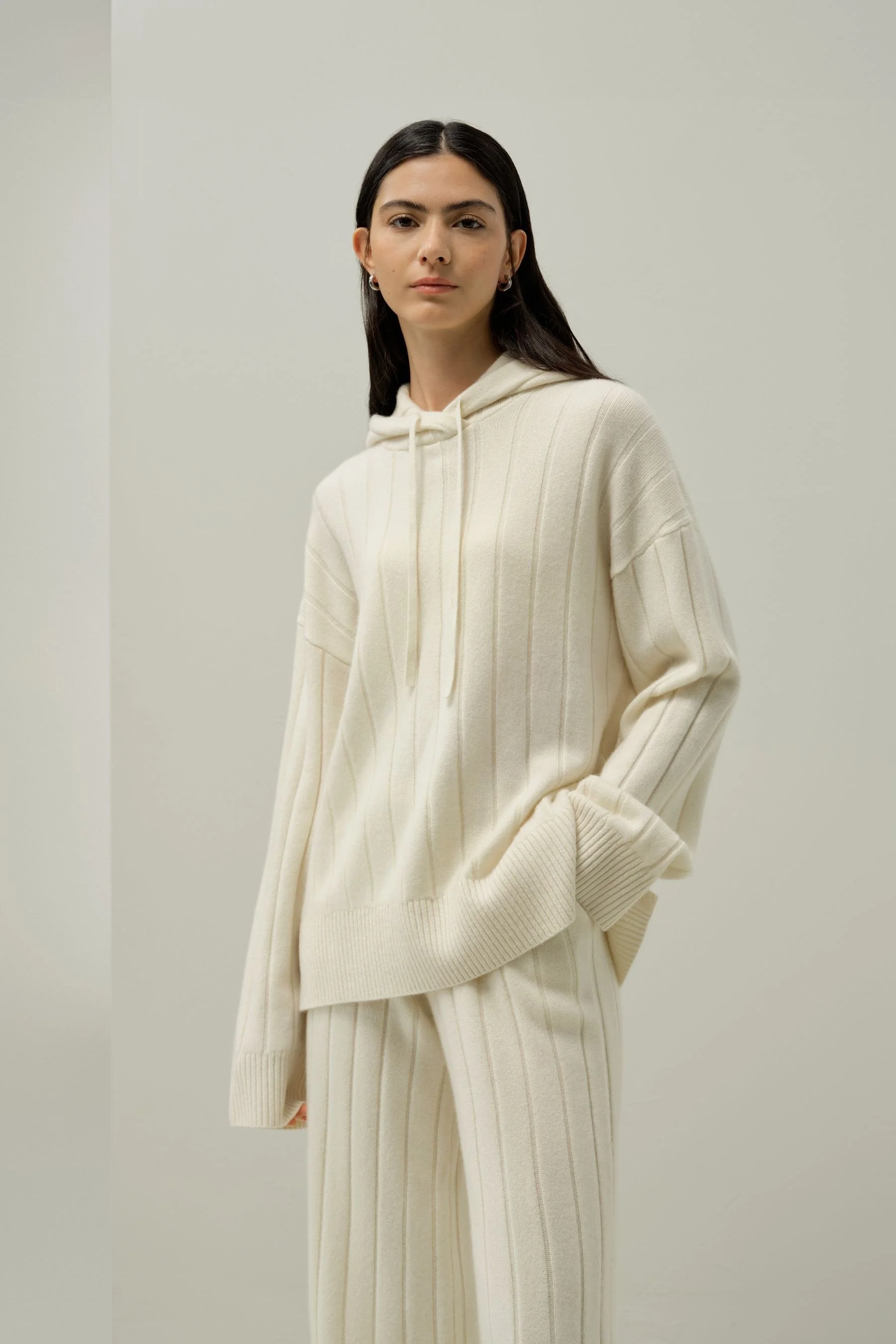
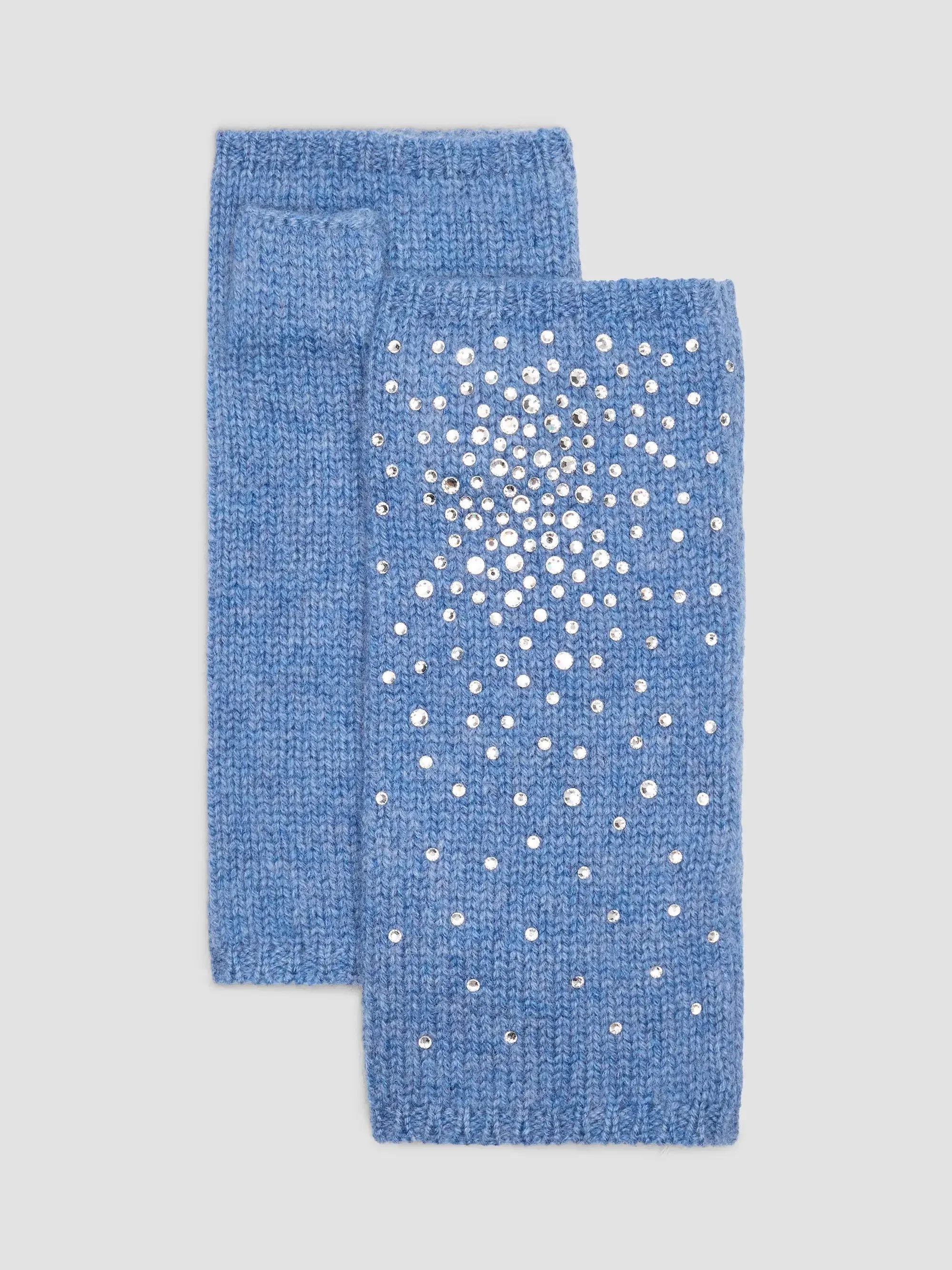
Cashmere: the accessories you didn’t know you need.
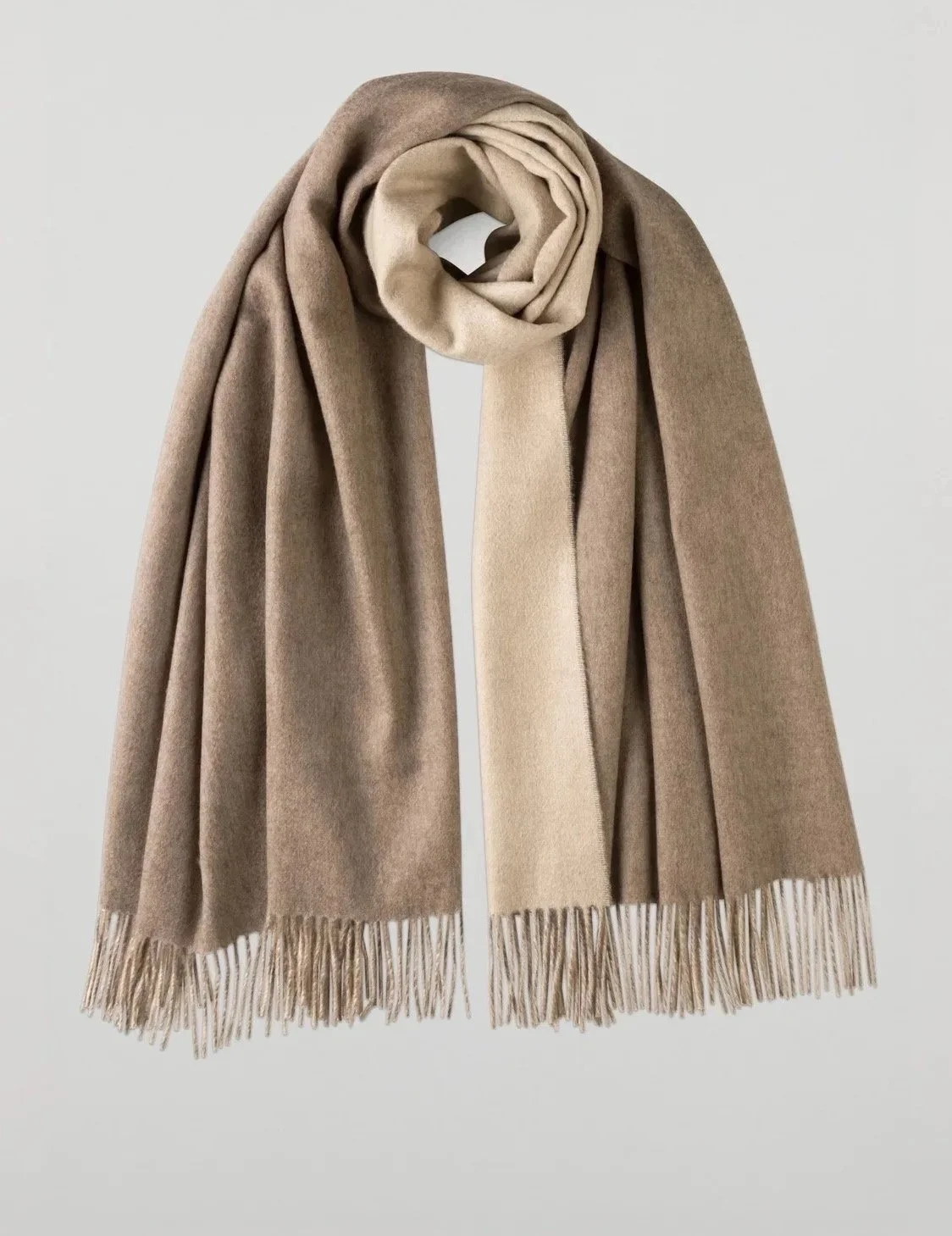
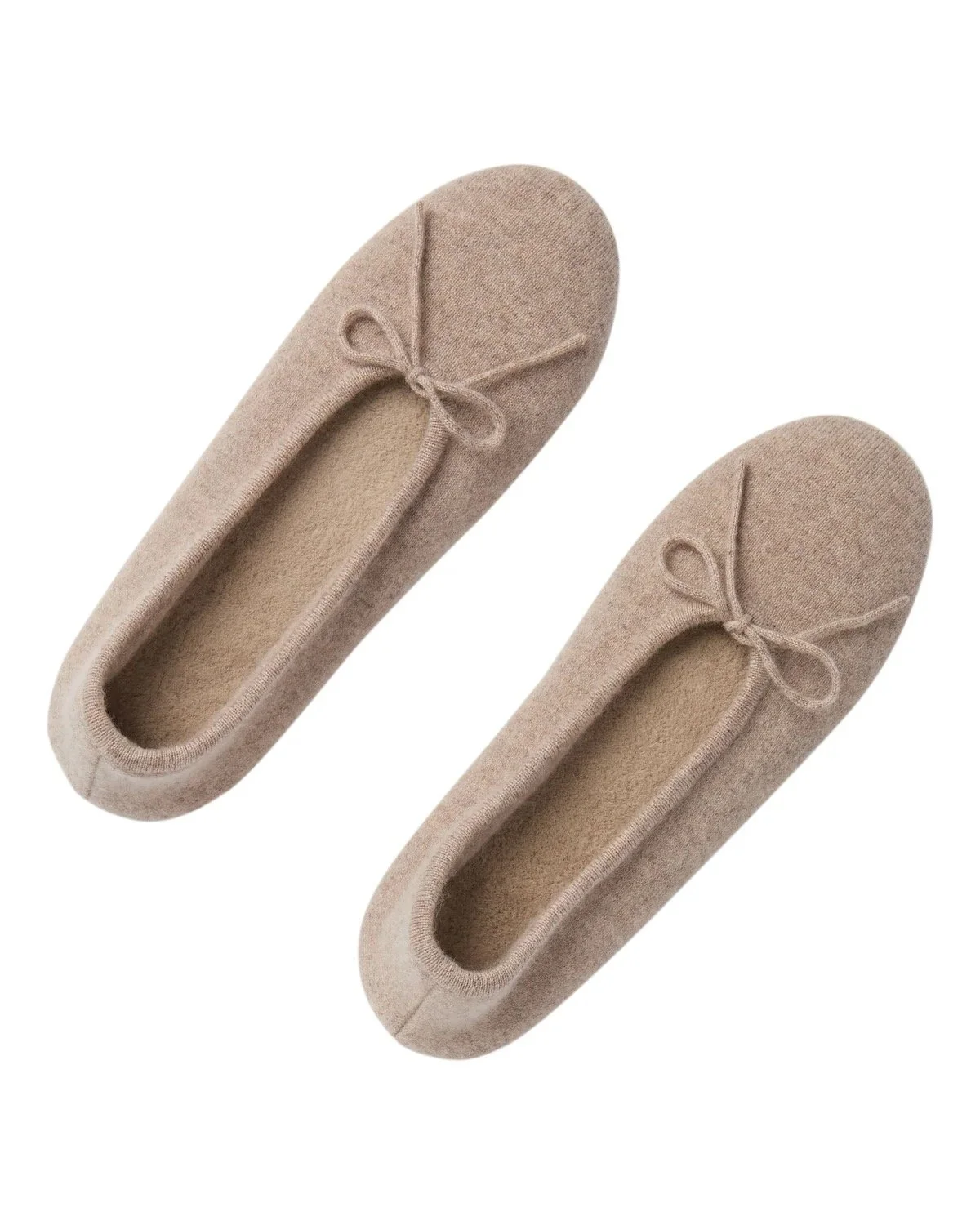
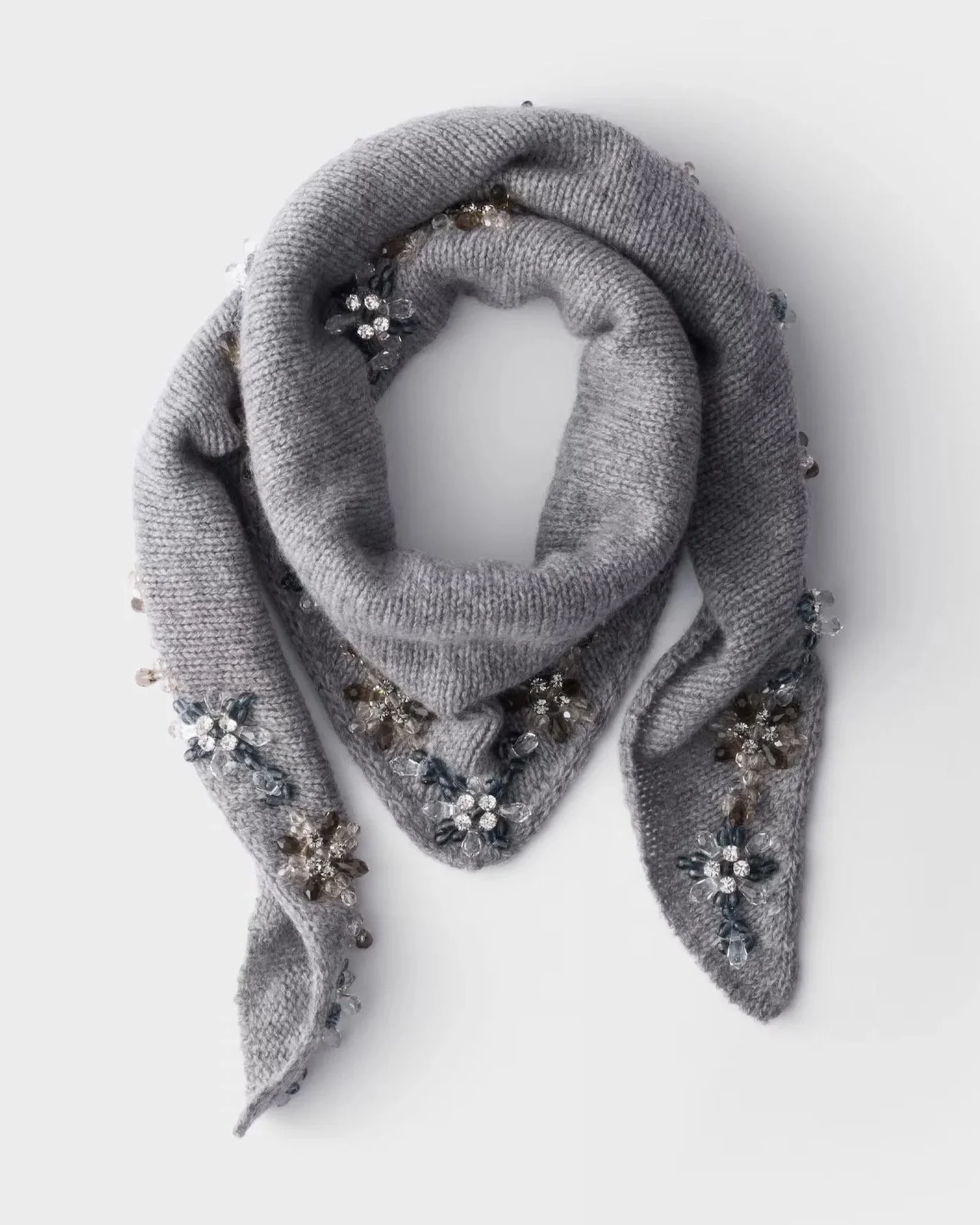
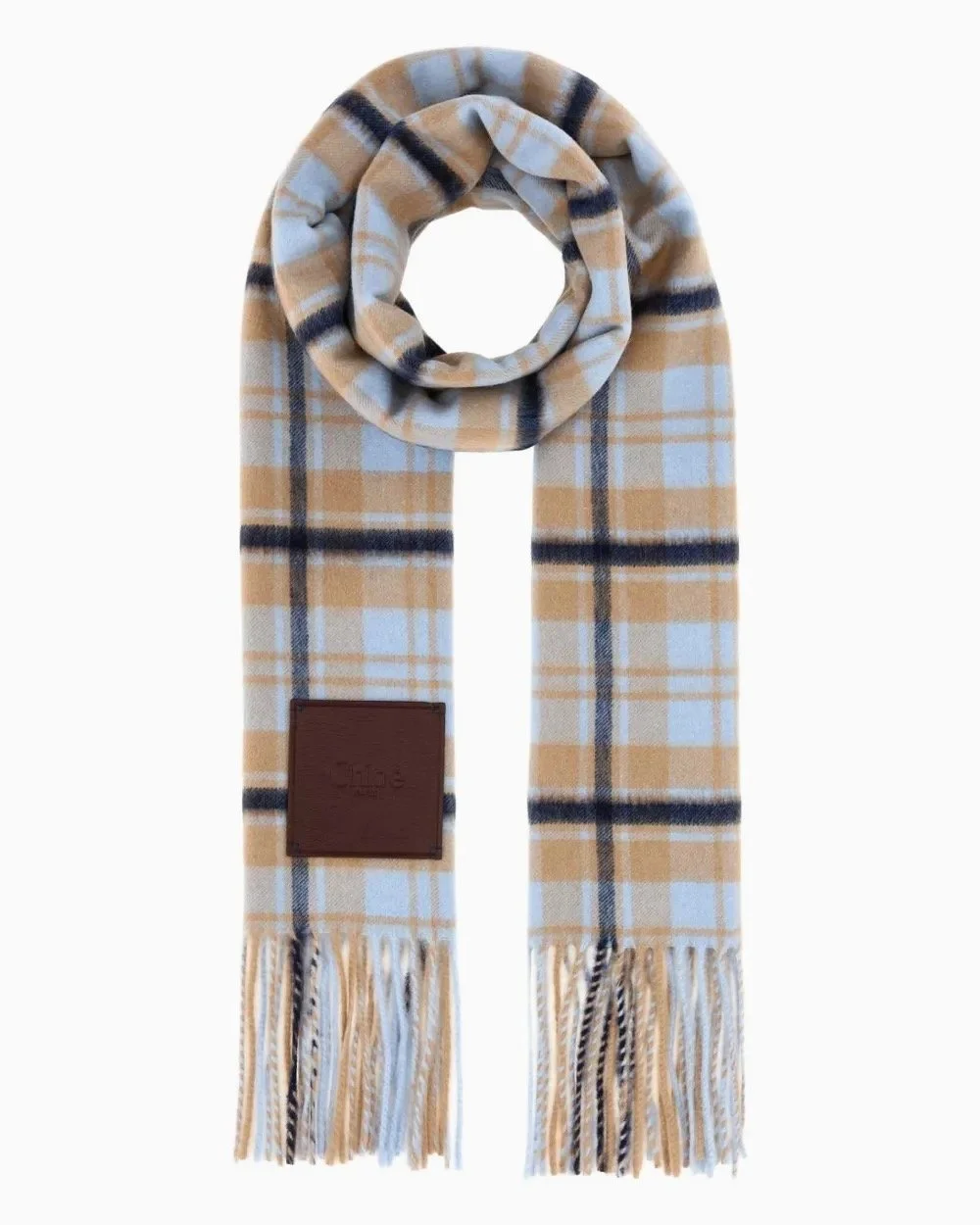
Silk: cool in the morning, warm at night
Silk is the cleverest fibre in the wardrobe. It breathes in heat, insulates in the cold, and glides over skin and hair without friction. Look for mulberry silk, and learn one word: momme. It is the measure of weight, and it tells you more than any price tag. Around 16 to 19 momme makes a fluid shirt; 19 to 22 is right for pyjamas and pillowcases; anything heavier drapes like liquid.
The finish sets the mood. Charmeuse has the high, glossy shine of evening. Crepe de chine is matte and understated, which makes it the better choice for daytime. Washed or sandwashed silk has a soft, suede-like hand and is the most forgiving of all.
The staples
The ivory silk shirt. Crepe de chine, cut slightly loose, sleeves pushed up. It works with denim, tailoring and a black-tie skirt.
The camisole. The quiet layer under knitwear and jackets that makes everything else feel better.
The bias-cut slip. A dress under a blazer at dinner, a nightdress at home.
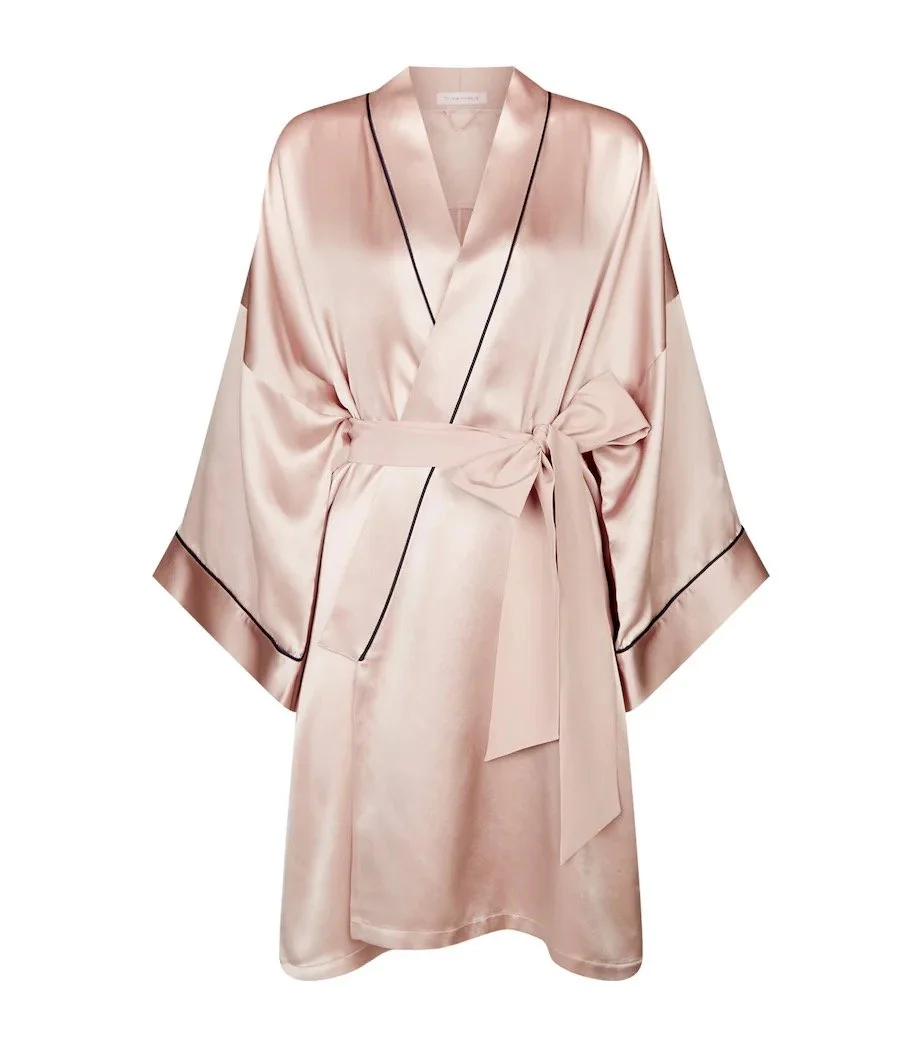
Piped pyjamas. The definition of day to bed. The shirt alone, tucked into trousers, is a legitimate daytime look.
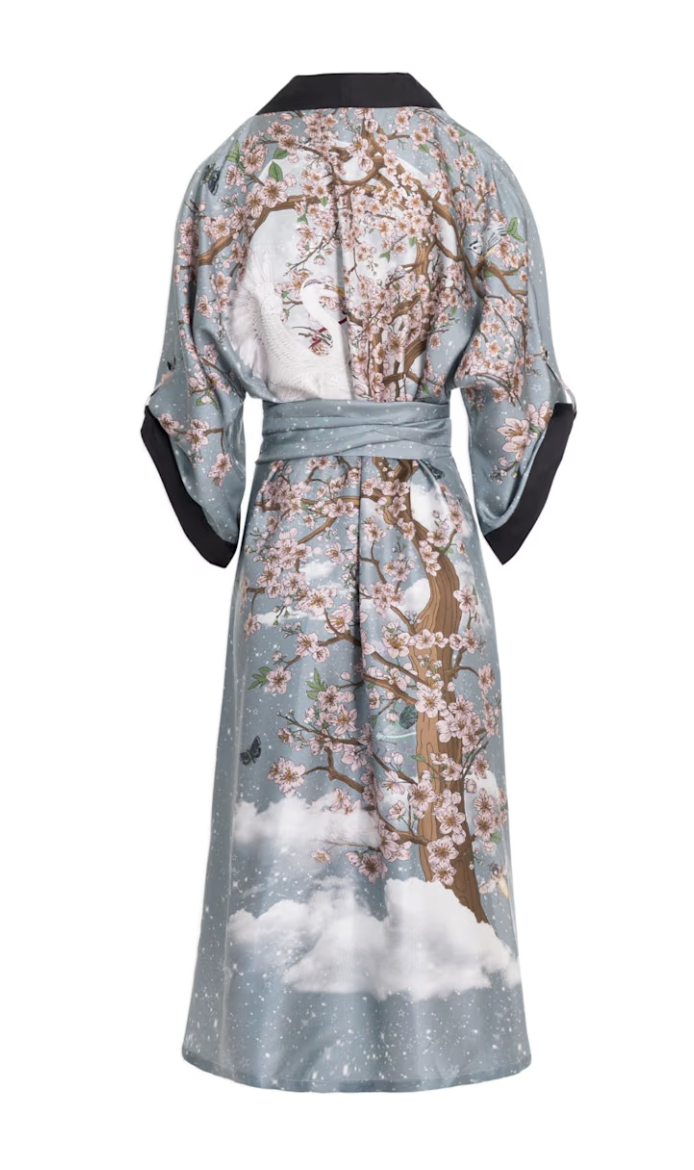
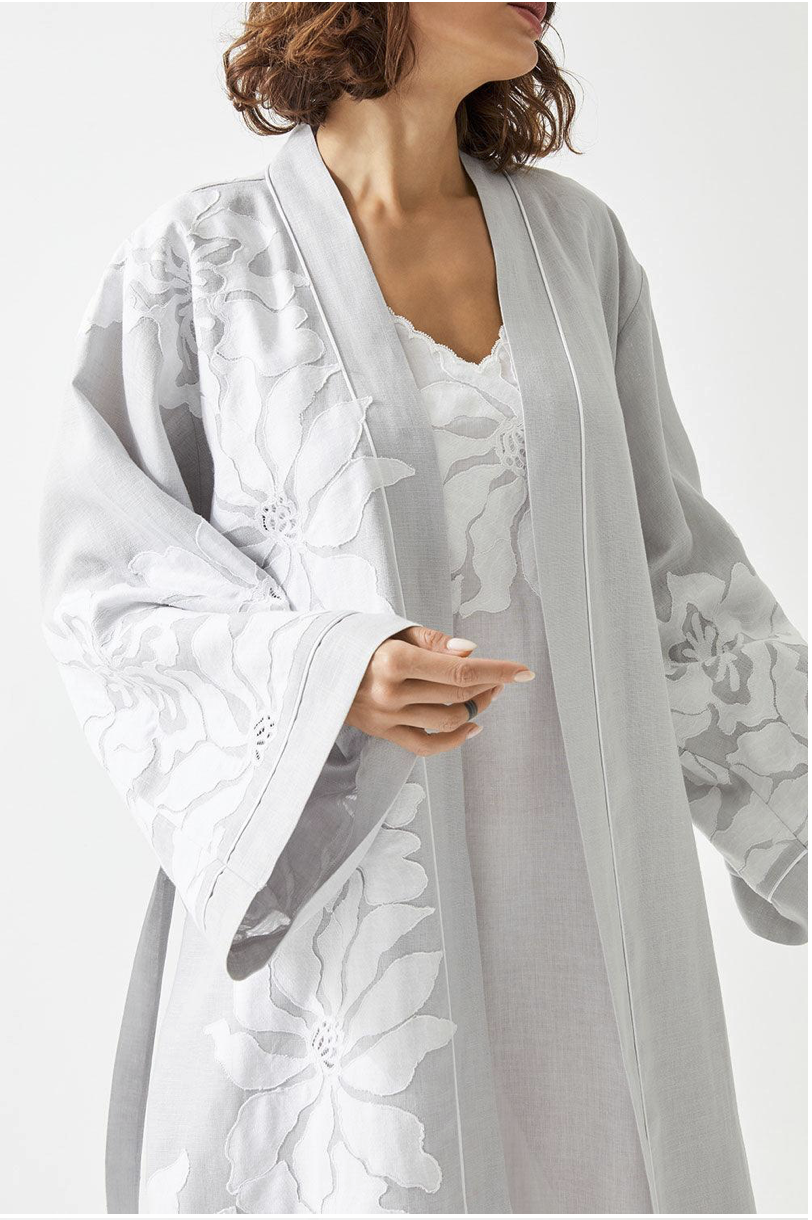
The long robe. Worn over pyjamas, or over nothing at all.
The pillowcase. Your skin and your blow-dry will notice within a week.
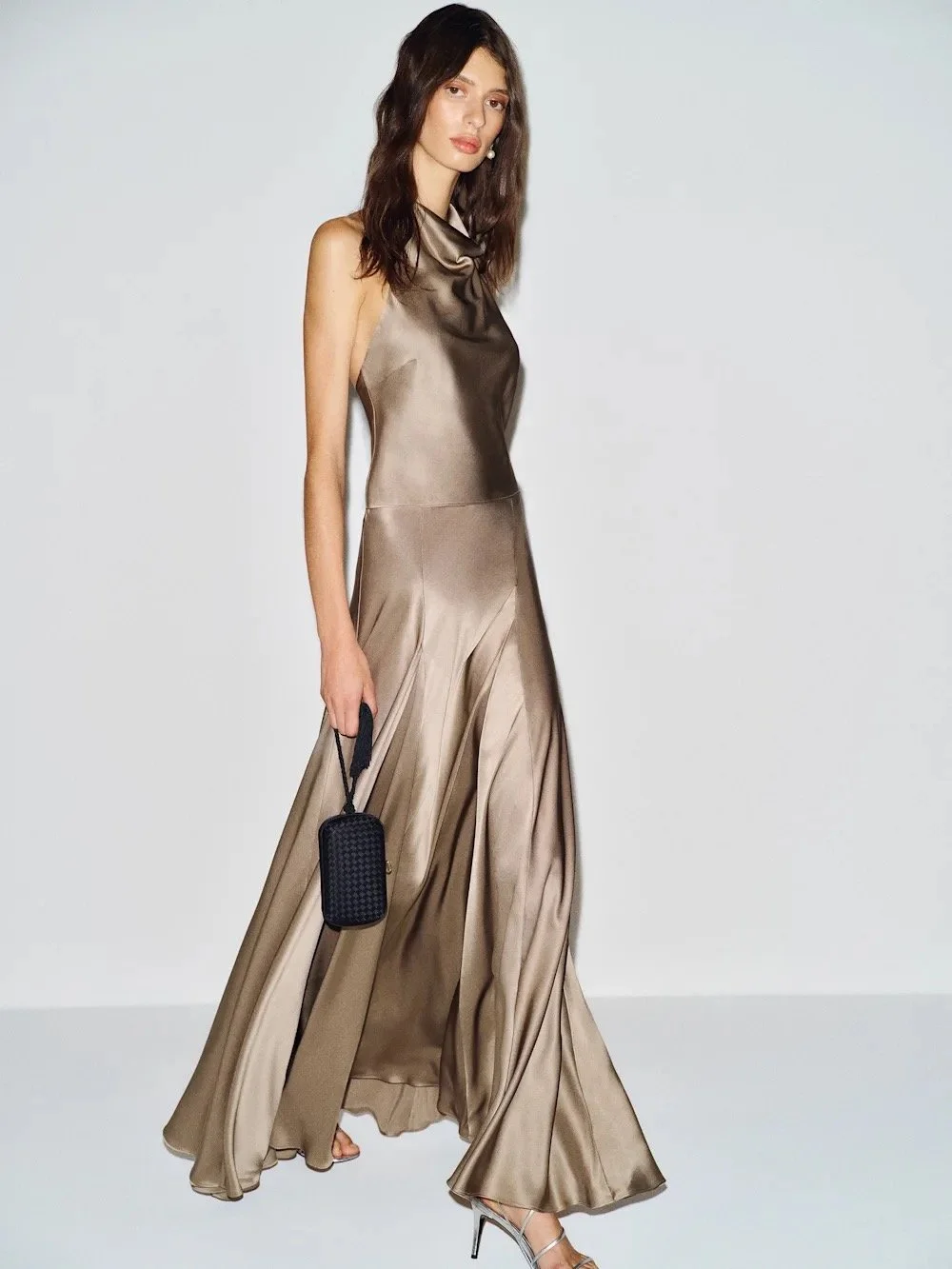

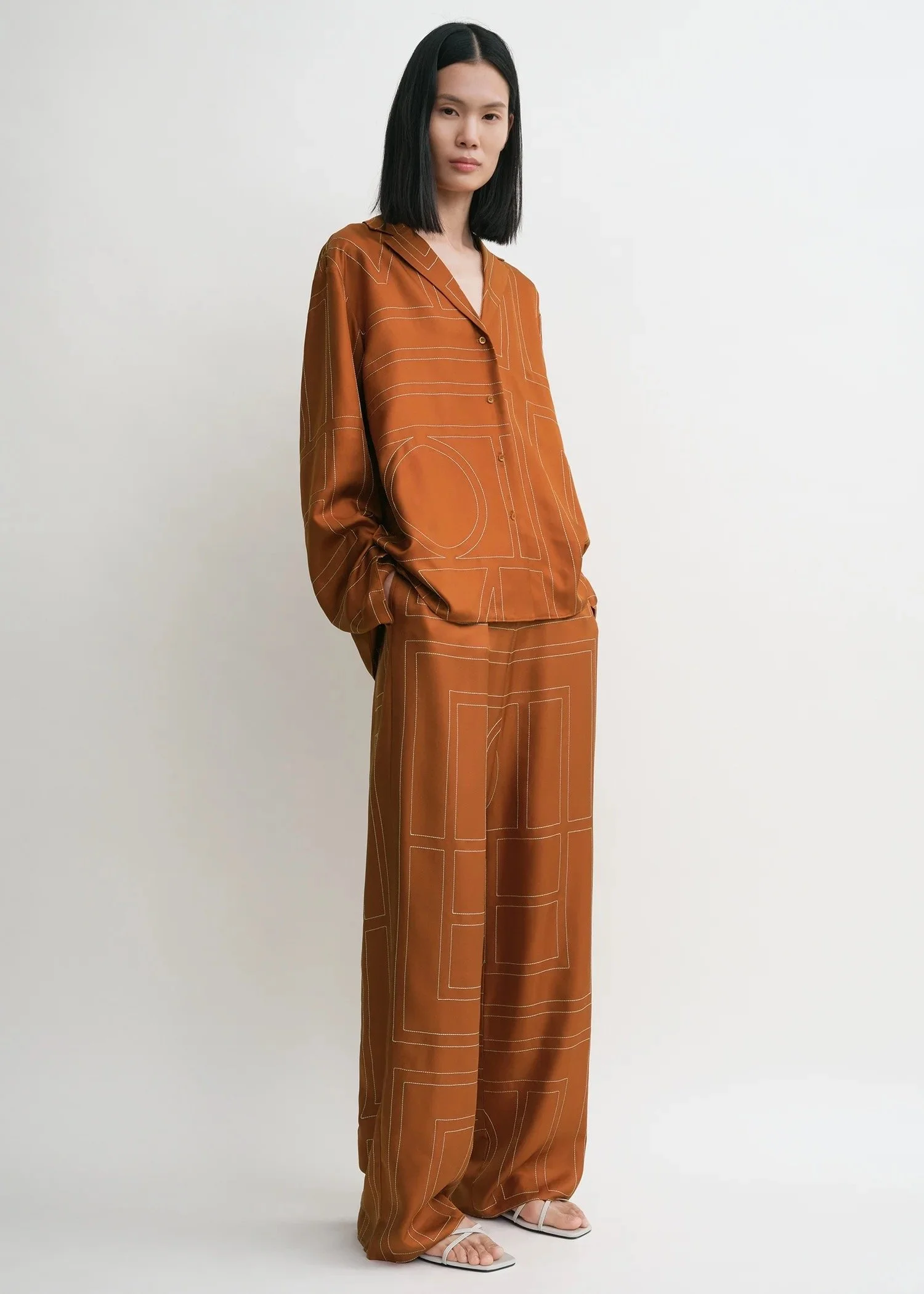
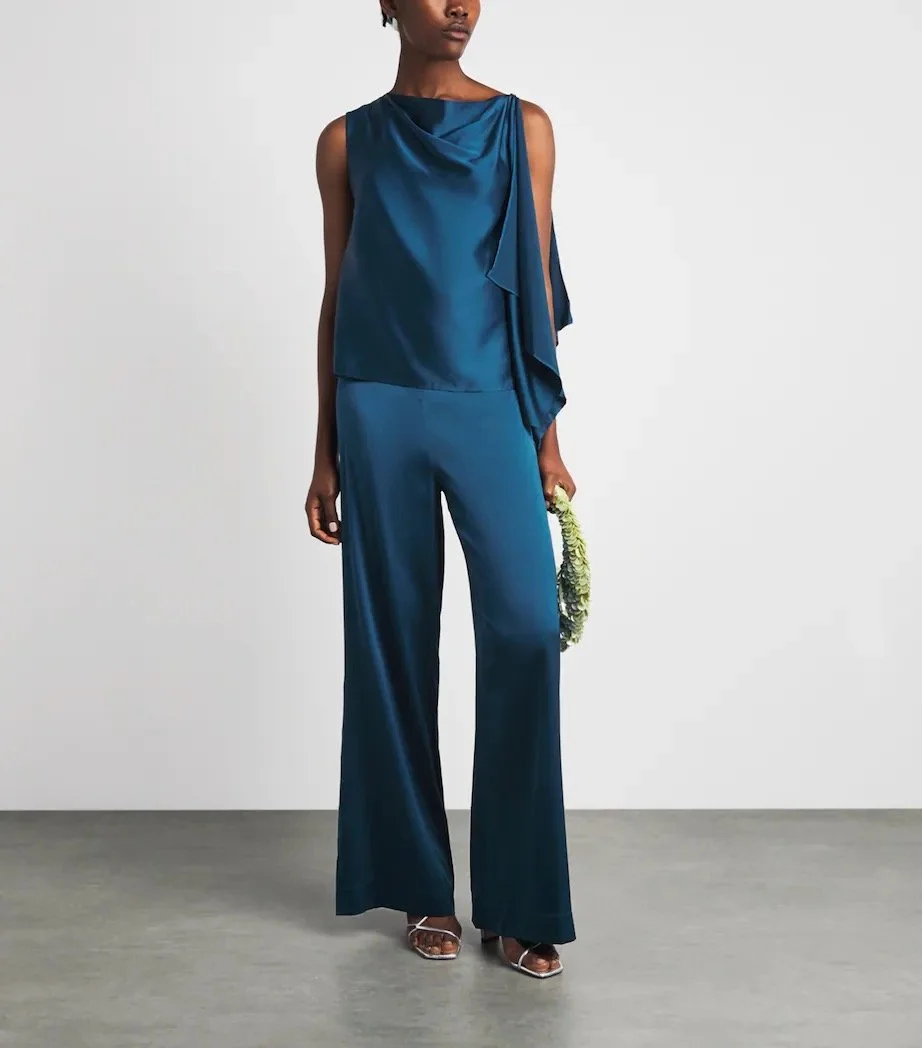
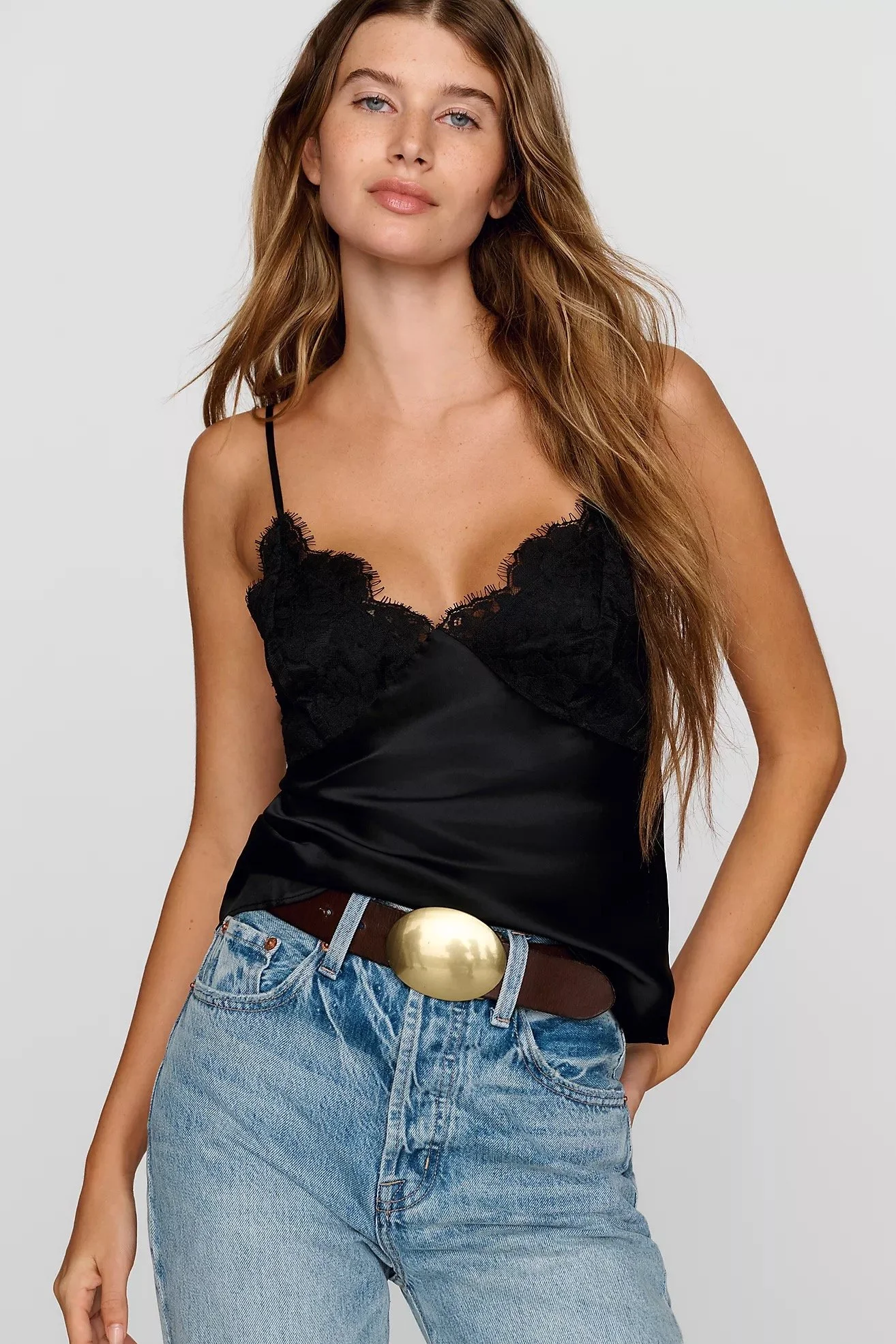
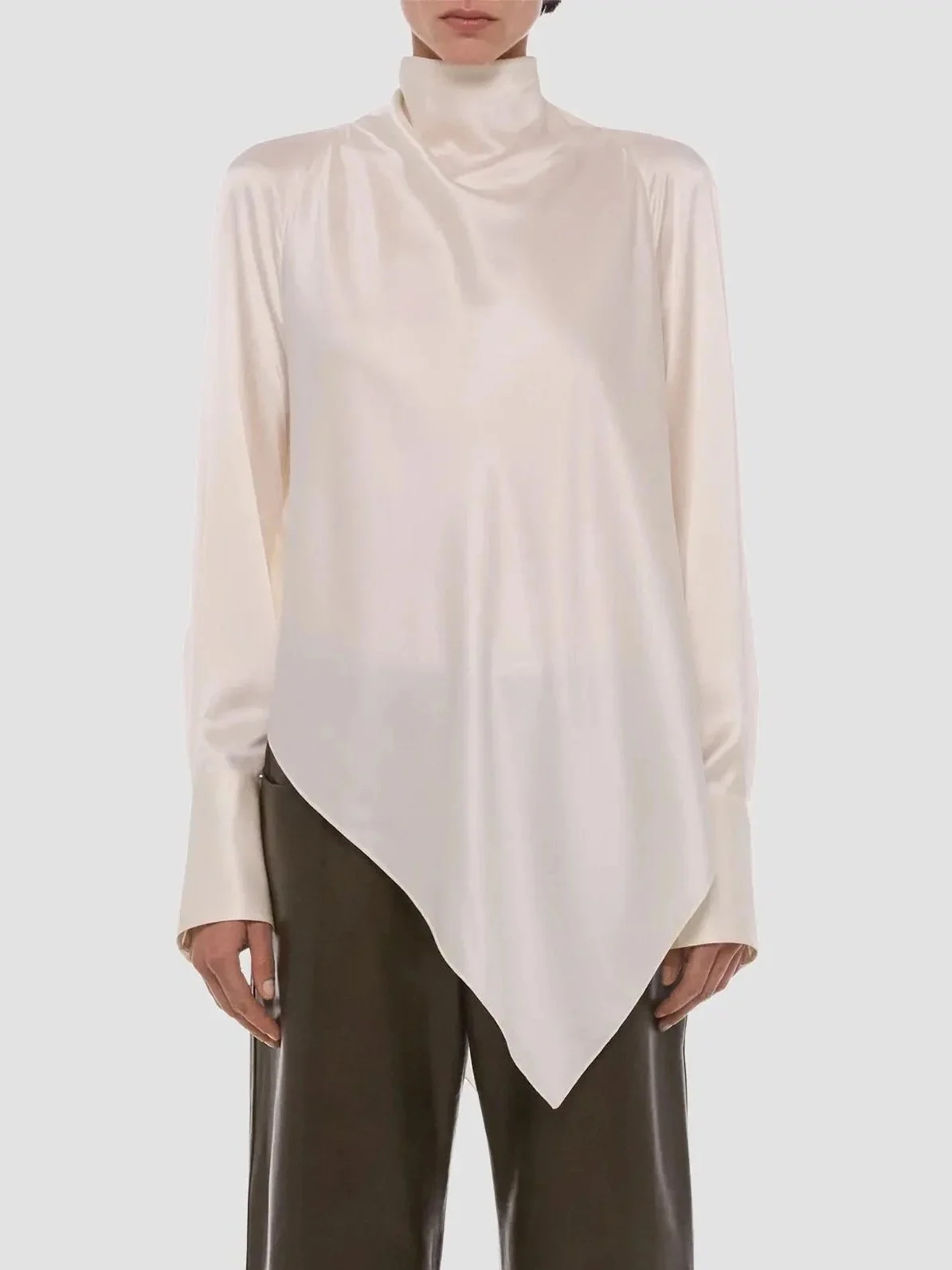
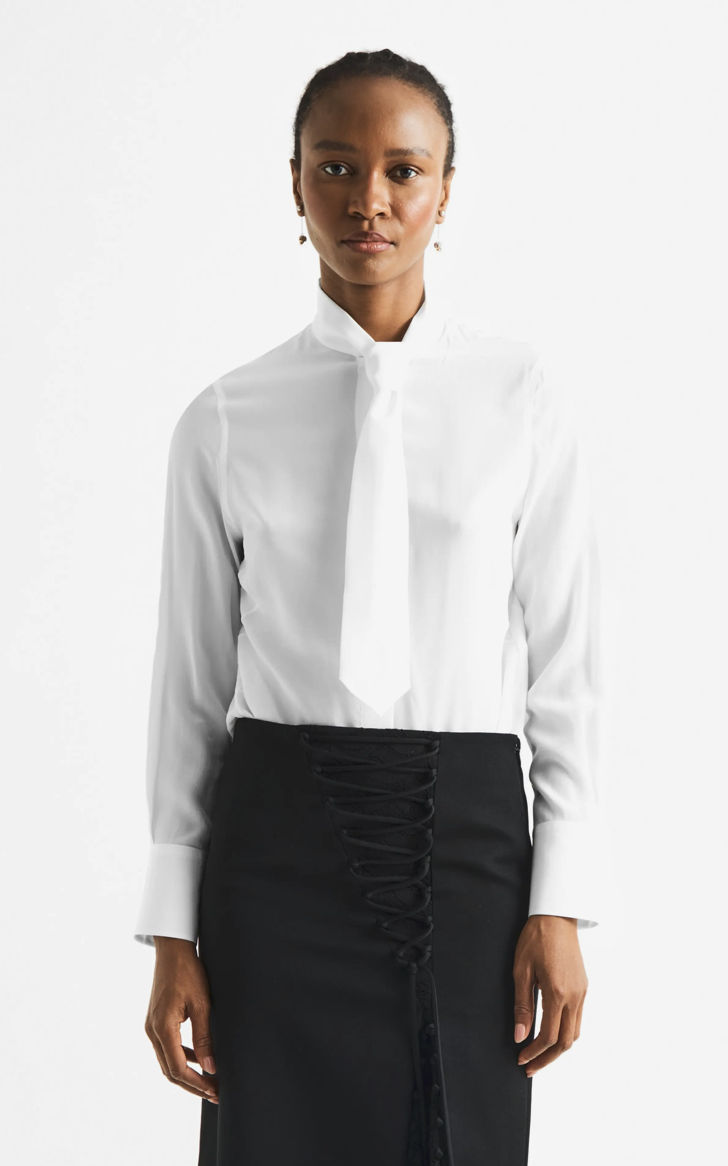
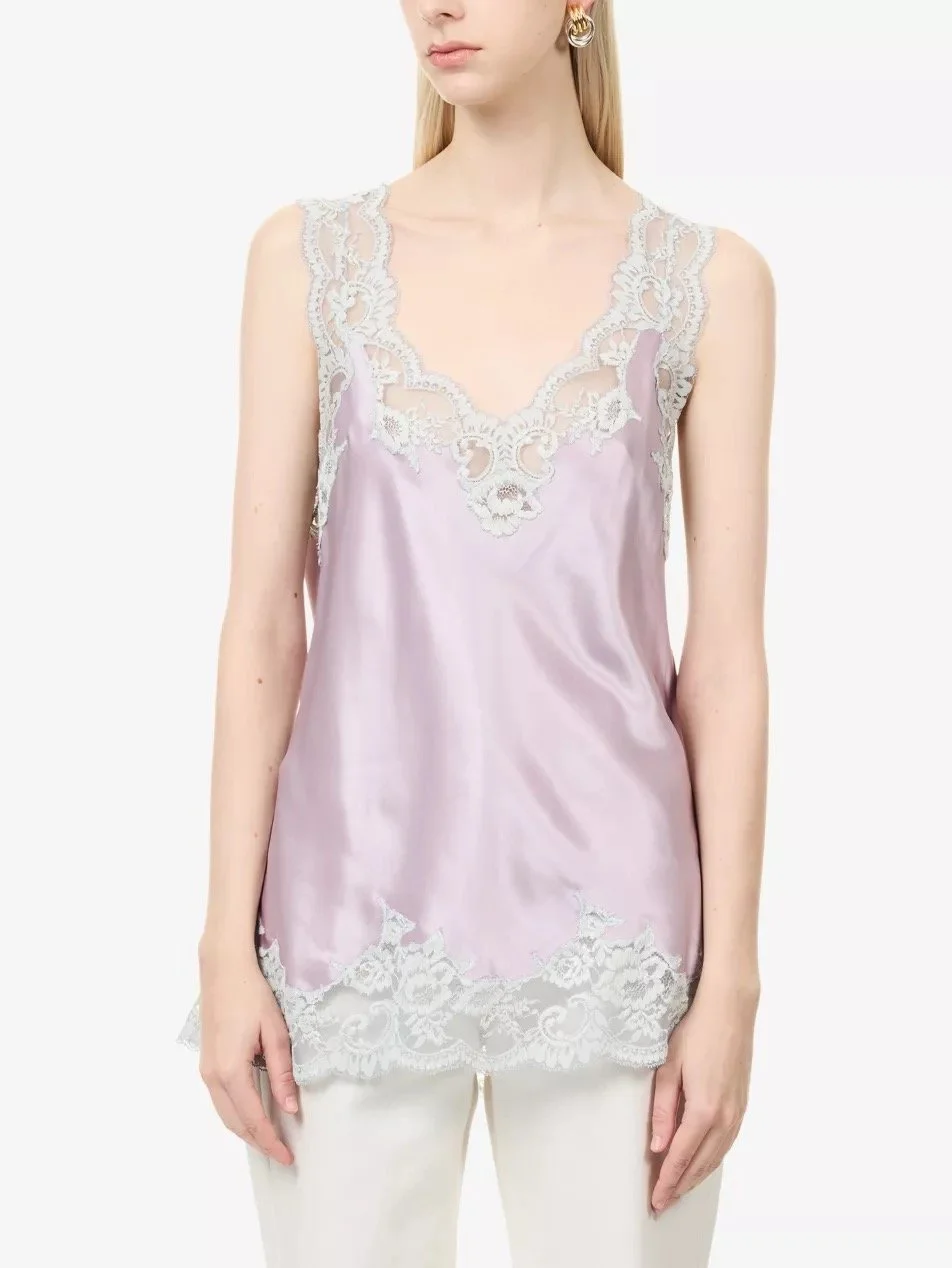
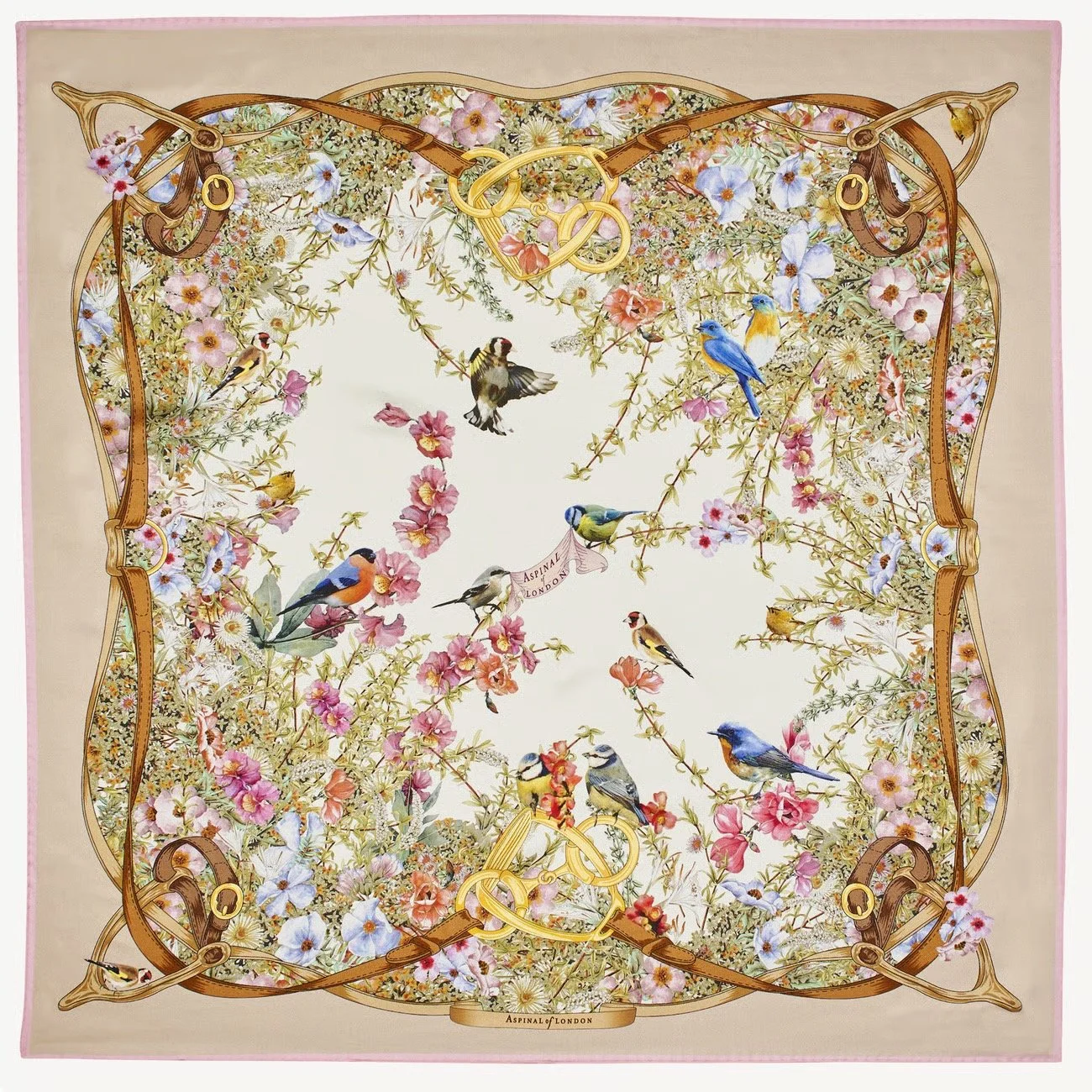
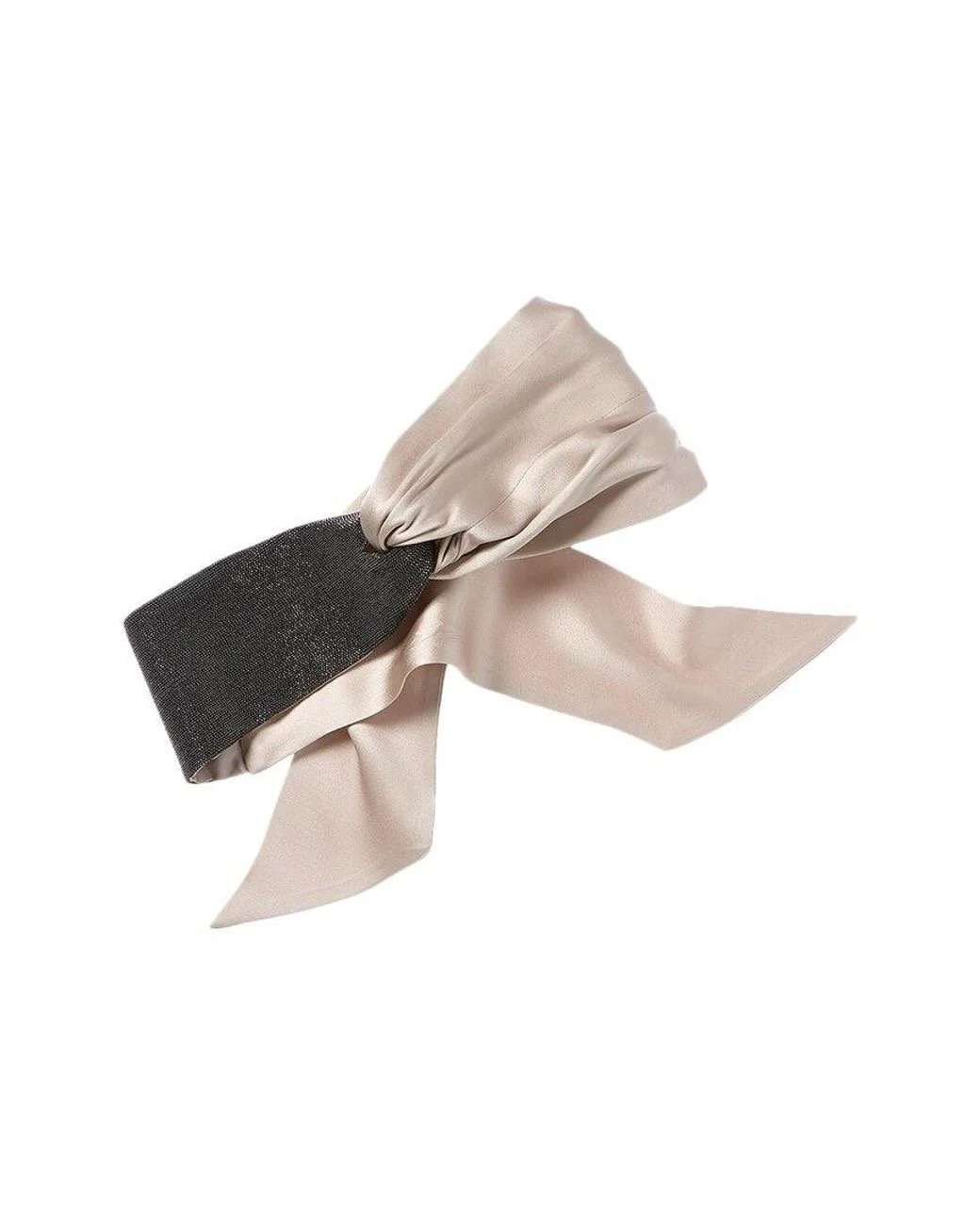
Silk: the smooth extras
Cotton: the quiet foundation
Cotton is where pure dressing begins, and where most wardrobes cut corners. The difference is staple length. Extra-long staple cottons such as Sea Island, Egyptian Giza and Supima spin into finer, stronger yarns, so the cloth feels silkier and lasts far longer. Once you have worn a T-shirt made from one of them, the ordinary kind feels like paper.
The weave matters too. Poplin is crisp and cool, the classic shirt cloth. Voile and batiste are almost weightless, made for nightwear and summer. Jersey should be dense enough to hang, never cling.
The staples
The white T-shirt. Heavy enough to be opaque, fine enough to tuck. Buy three.
The poplin shirt. White and pale blue, borrowed-from-him proportions.
Everyday underwear. Pure cotton, or cotton with a silk trim. The layer nobody sees deserves the most thought.
The cotton nightshirt. Voile or batiste, with mother-of-pearl buttons.
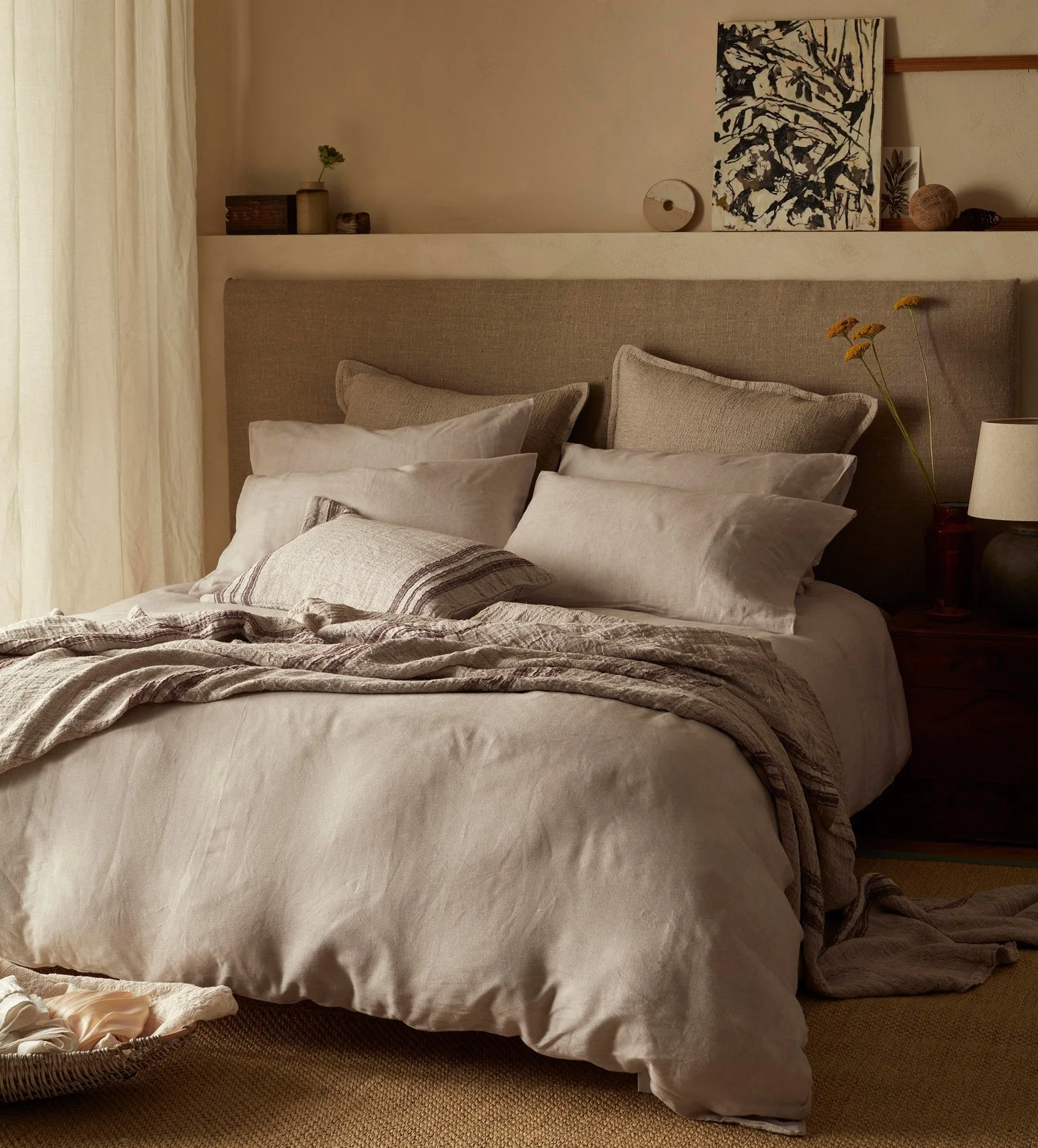
Percale bed linen. Technically not clothing, but it spends more hours against your skin than anything you own.
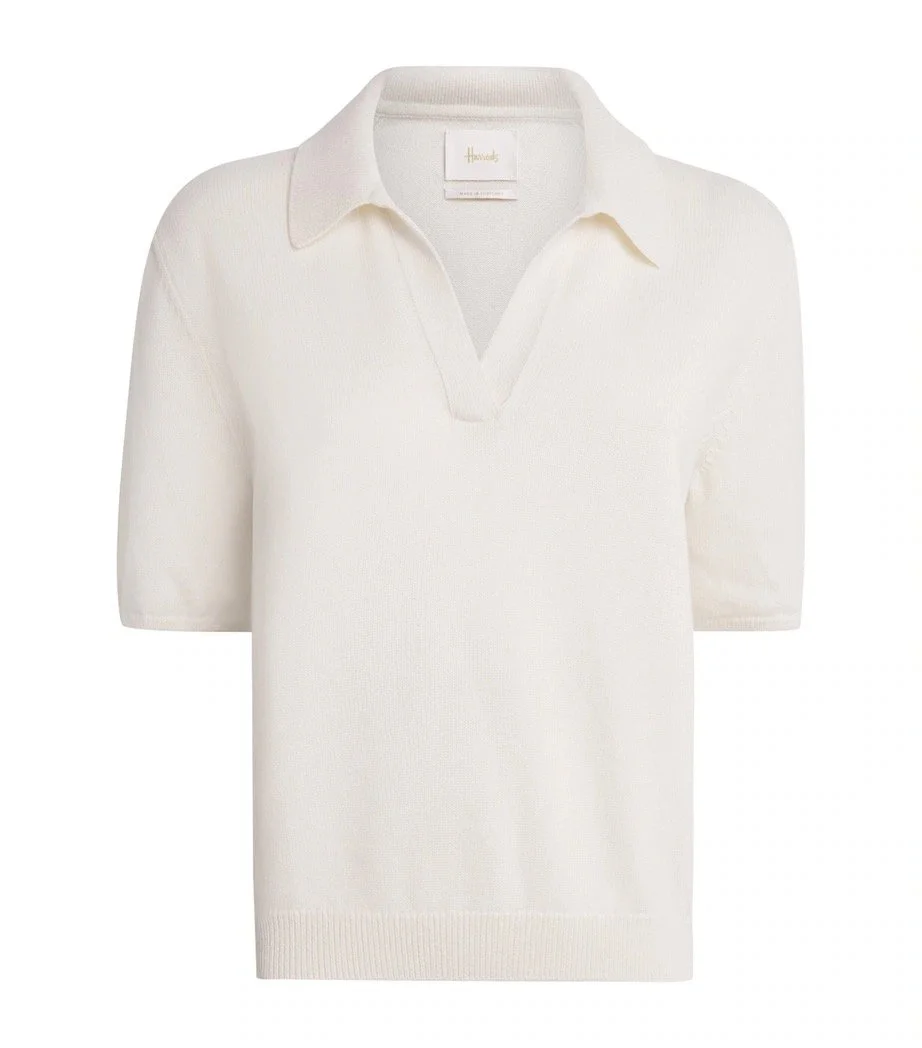
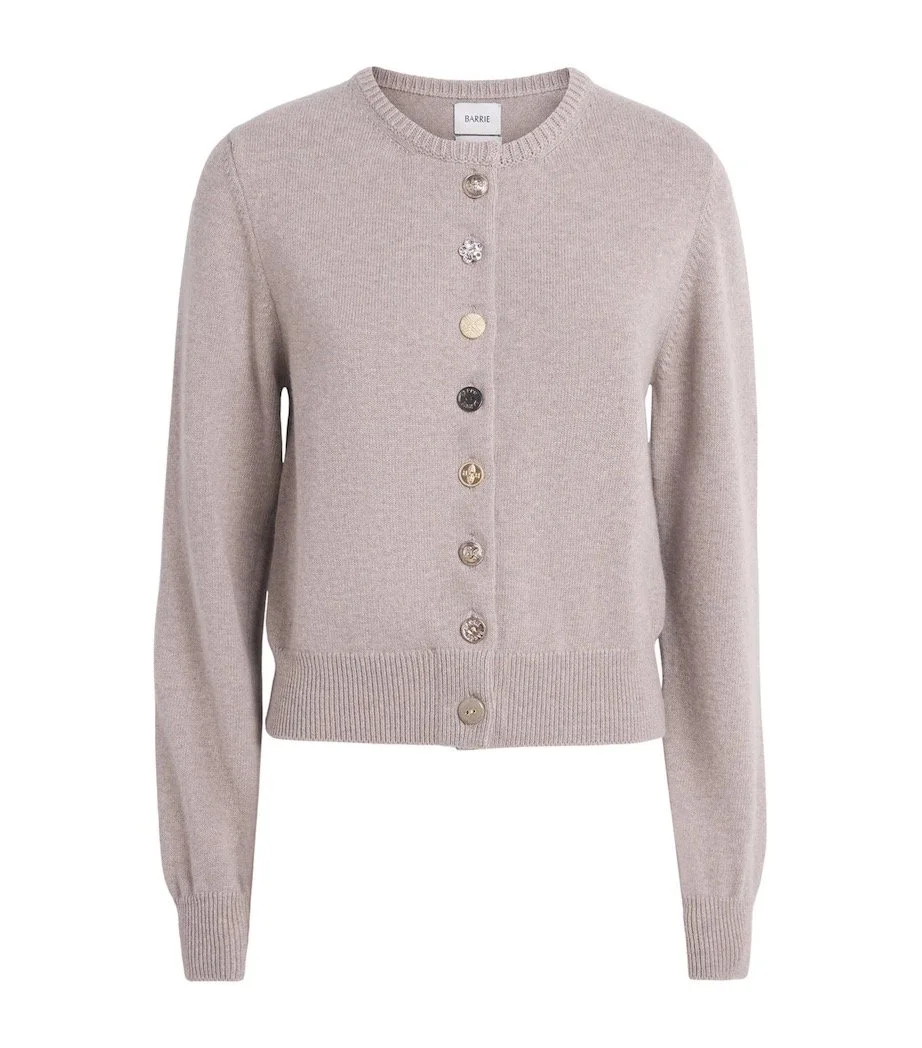
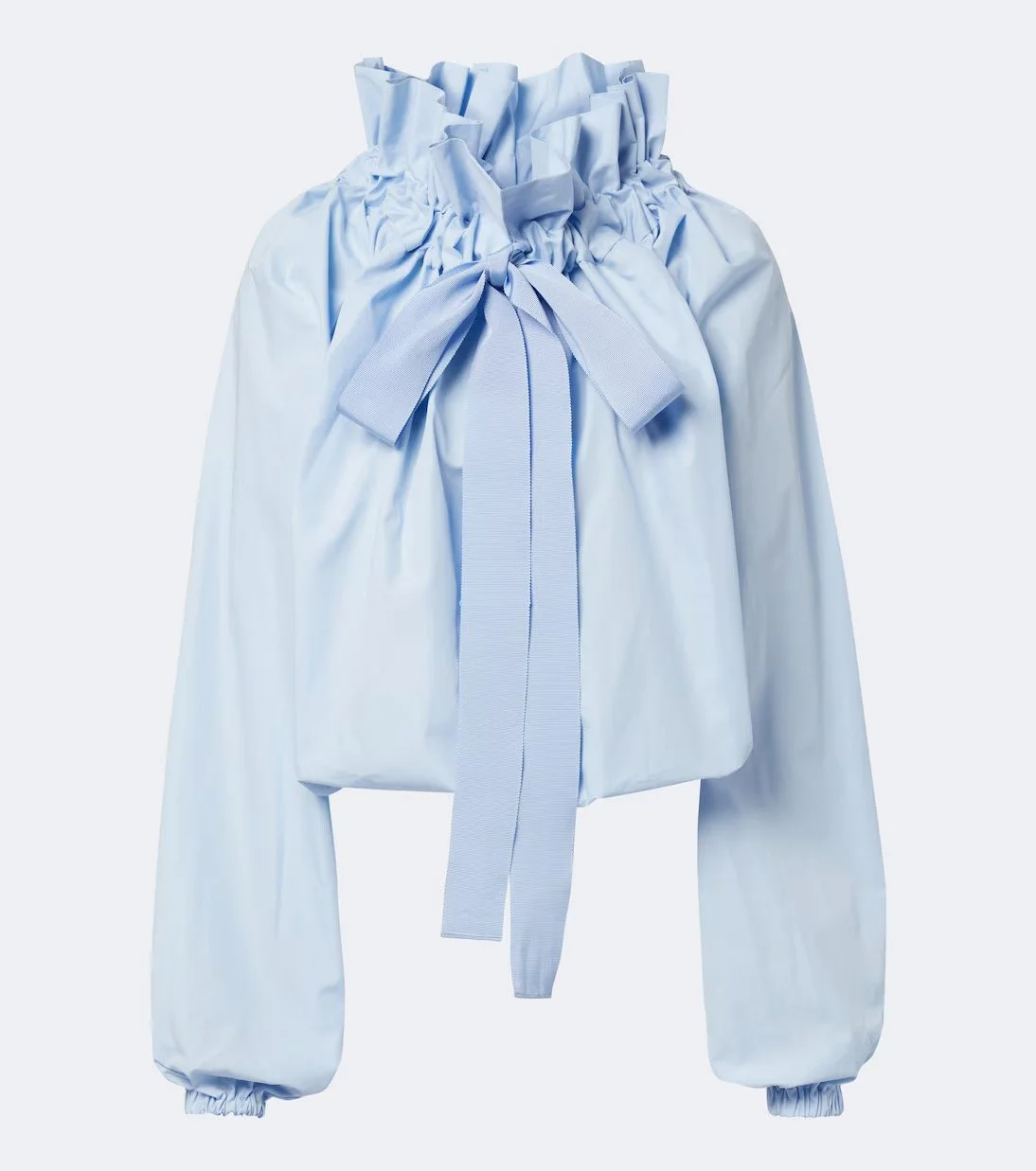
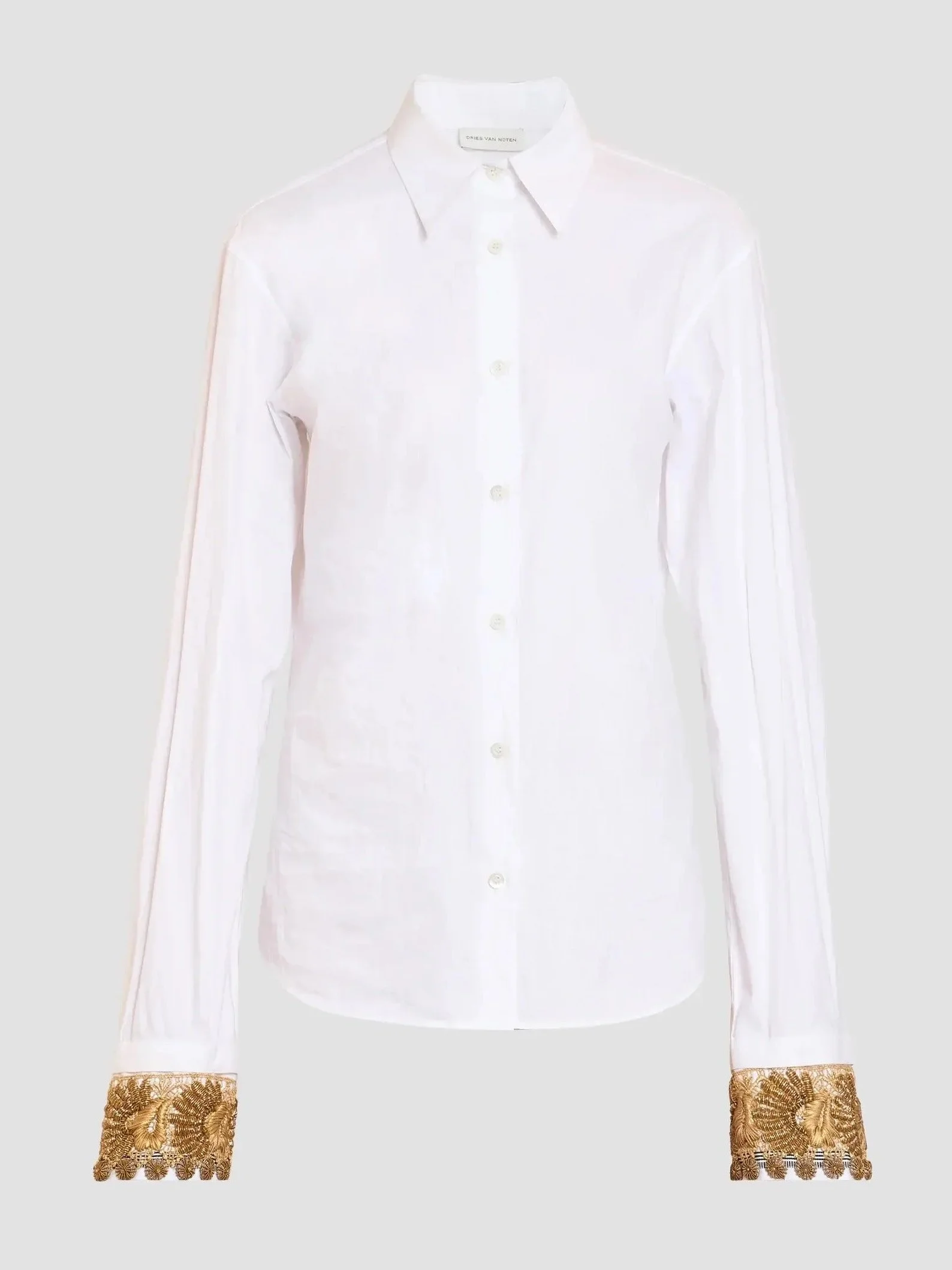
Linen and fine wools: the supporting cast
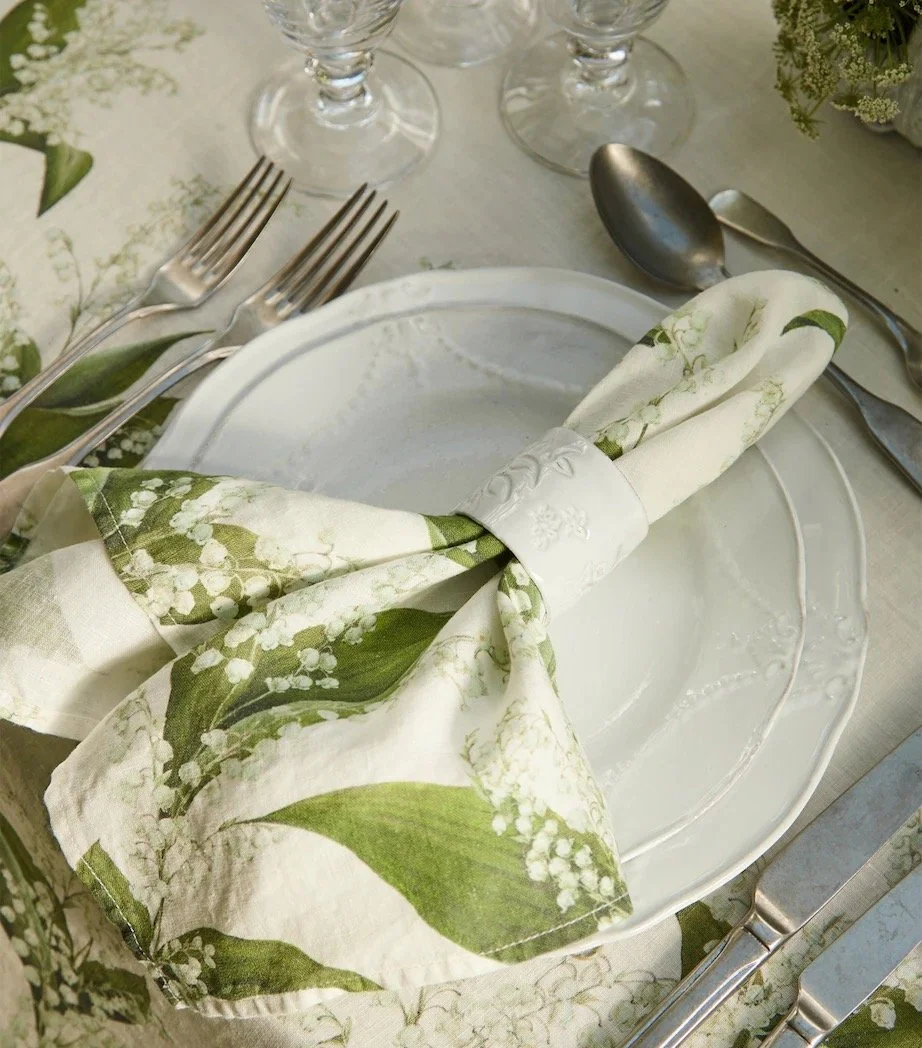
Linen is the fabric of long lunches and old houses by the sea. Woven from flax, it is cool, strong and better with age, and its creases are part of the charm. A white linen shirt, wide drawstring trousers and a linen robe will carry you from May to September.
Superfine merino is cashmere's practical sister. At under 18.5 microns it is soft enough to wear with nothing underneath, it regulates temperature, and it resists odour, which makes it the ideal travel knit and base layer.
Baby alpaca and baby camel bring a deeper, drier warmth, and they come in the natural shades old money has always loved: oatmeal, tobacco, caramel.
Vicuña sits at the very top. Gathered from wild animals in the Andes and finer than any cashmere, it is the rarest cloth you can wear. One scarf is an heirloom.
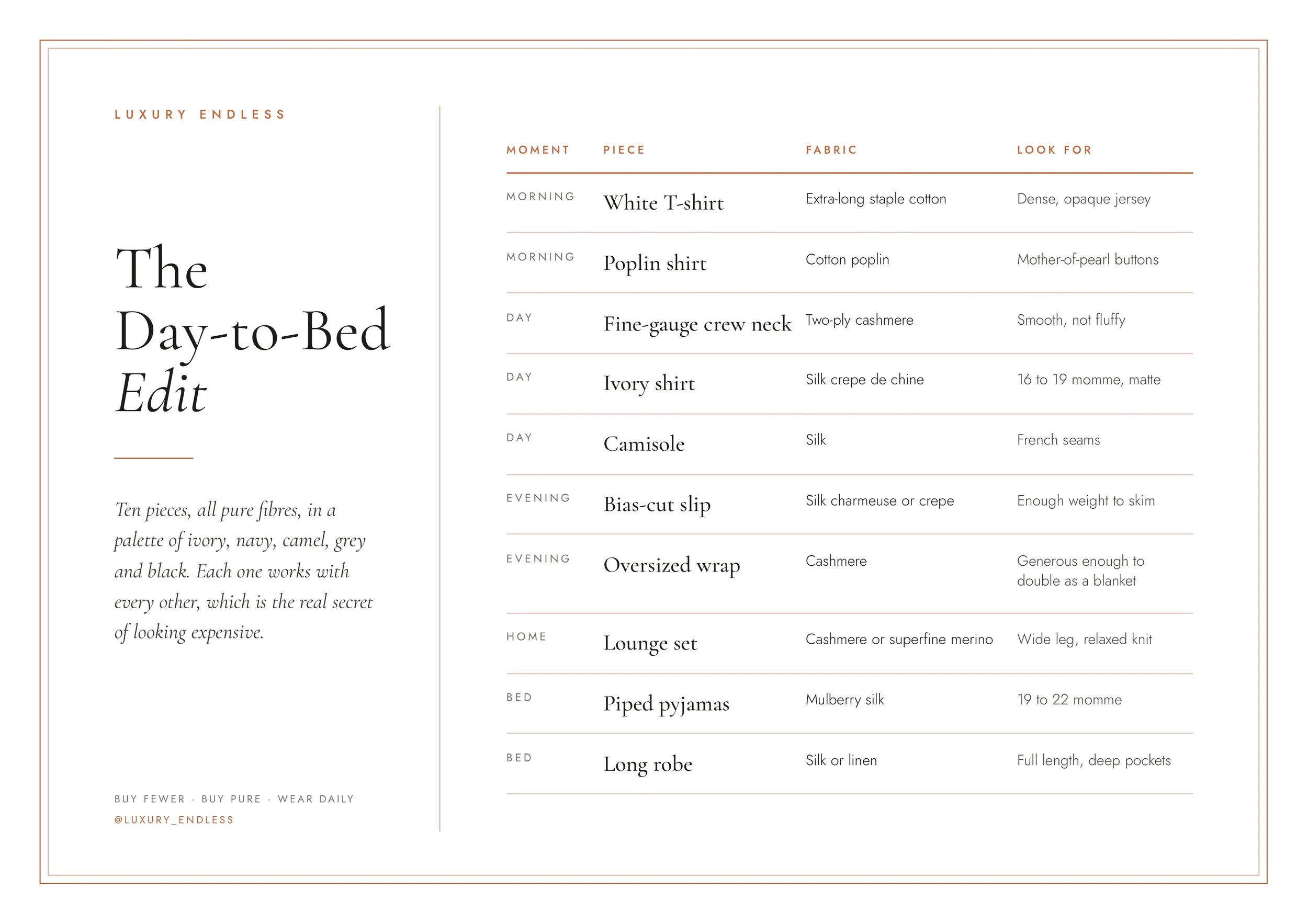
To get you started.
*The products featured here may contain affiliate links.
Click on image to reach product