Tartan: A Winter Essential
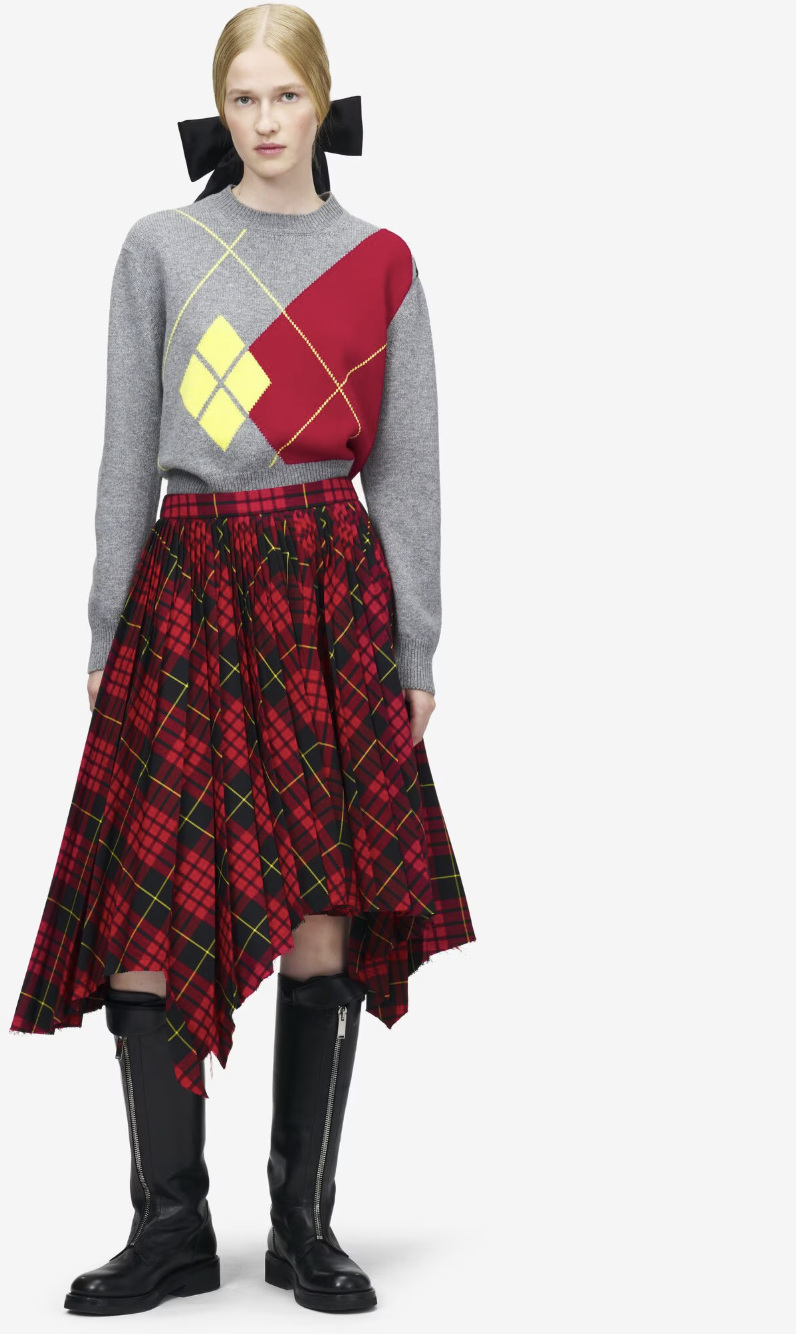
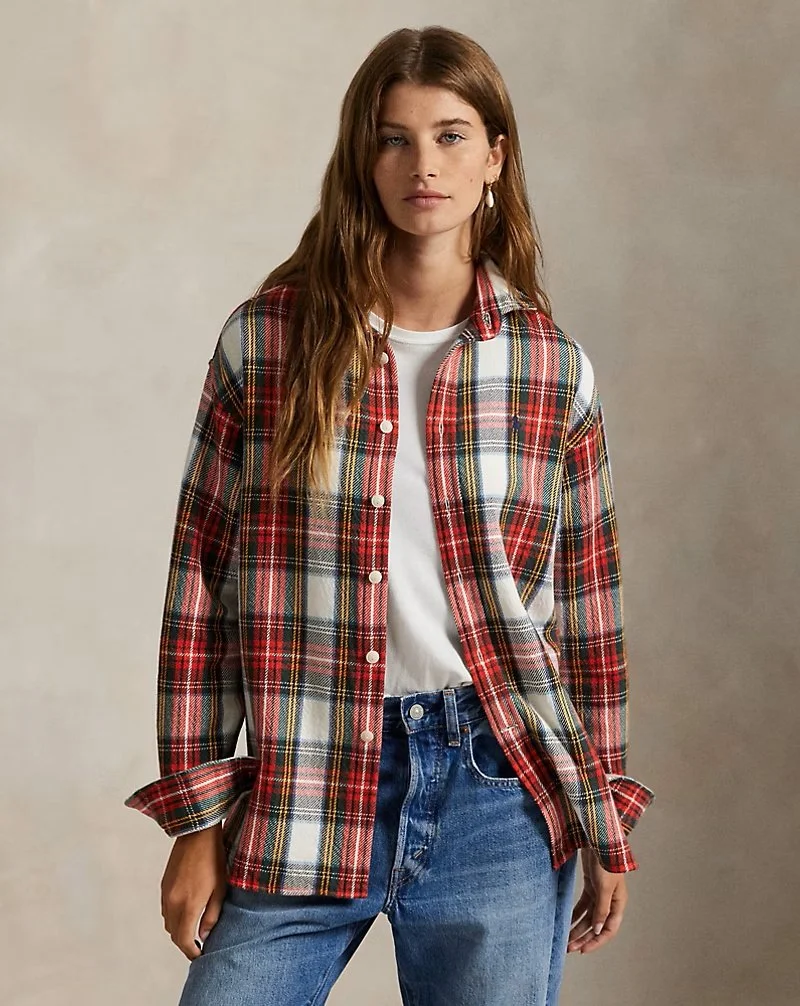
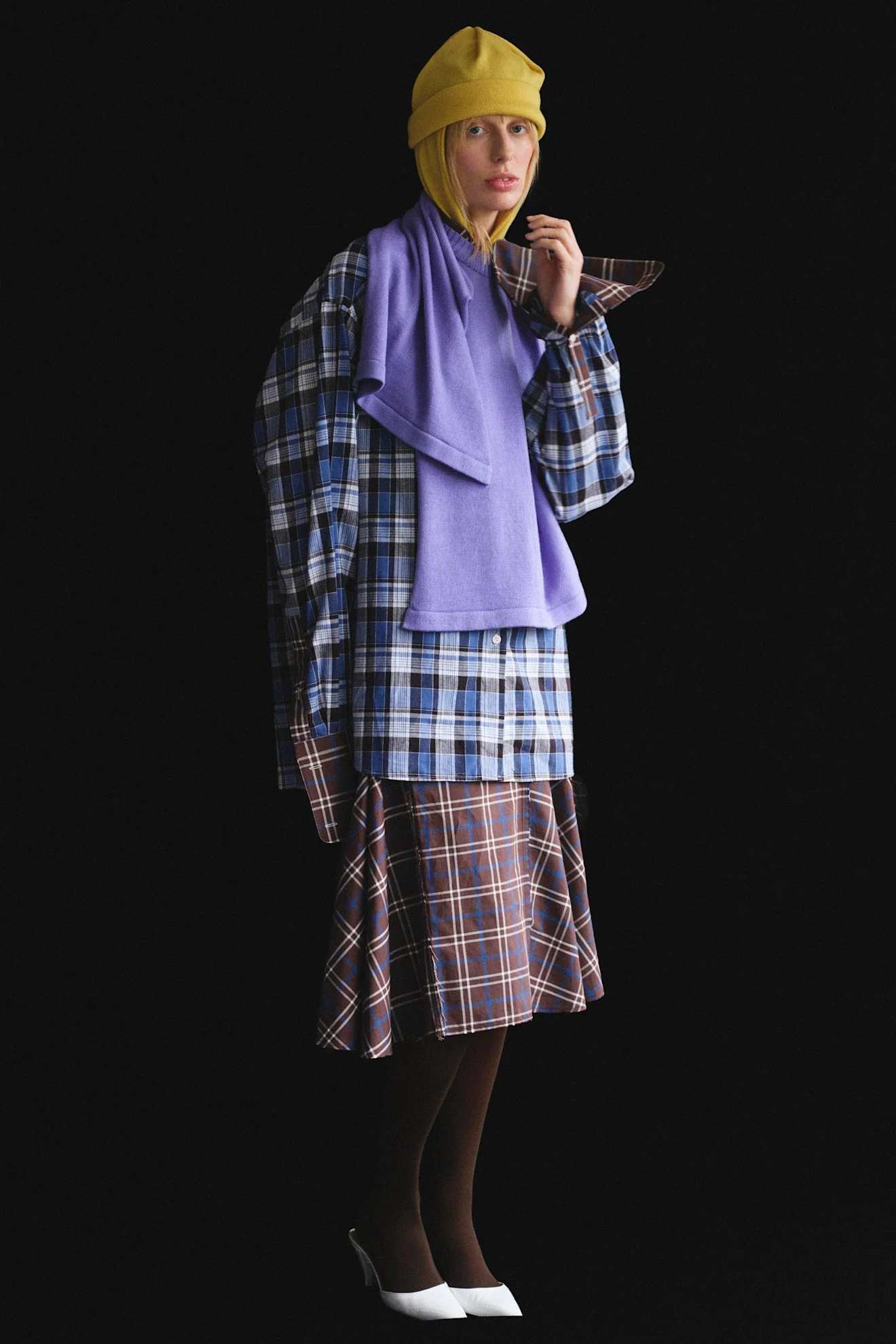
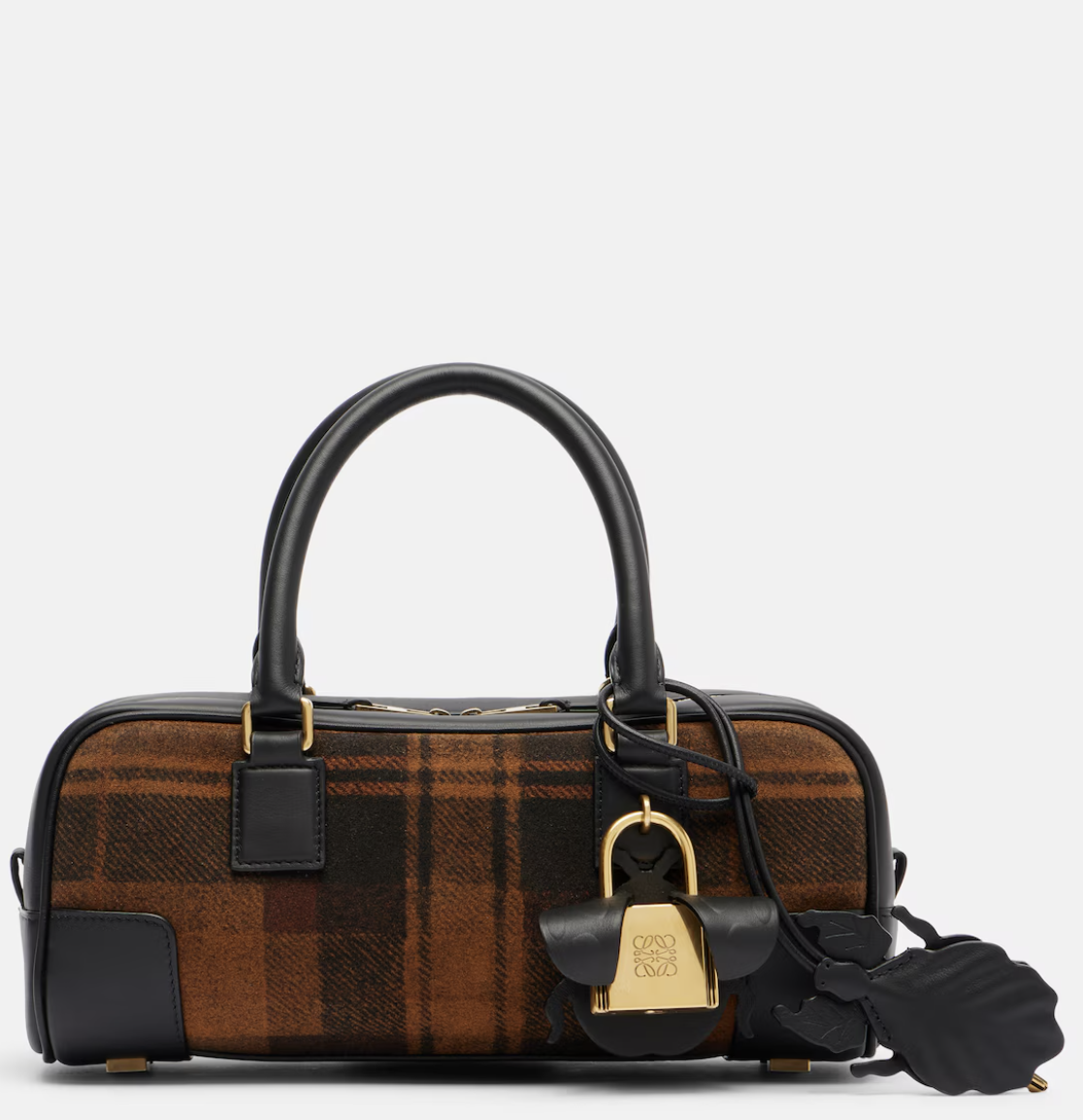
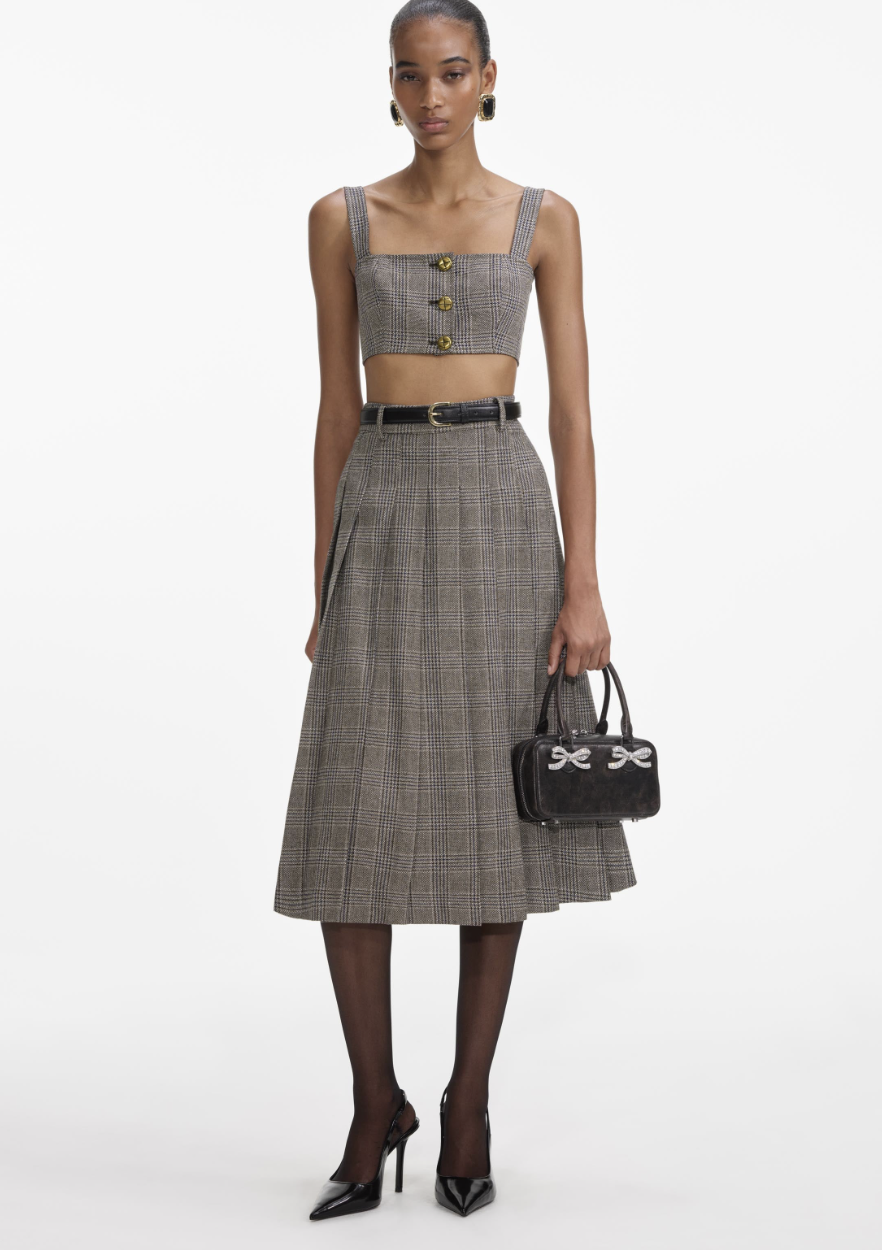
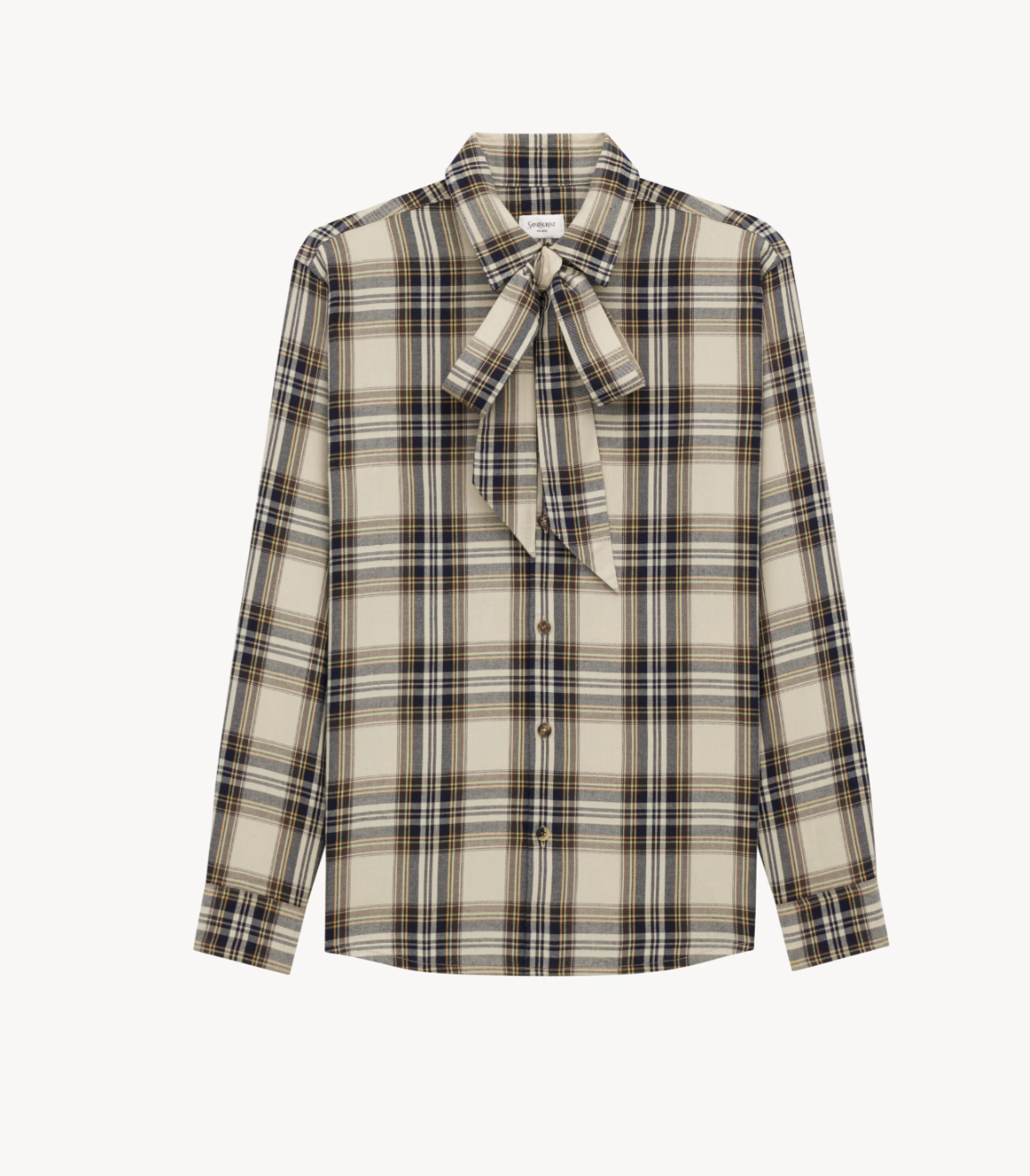
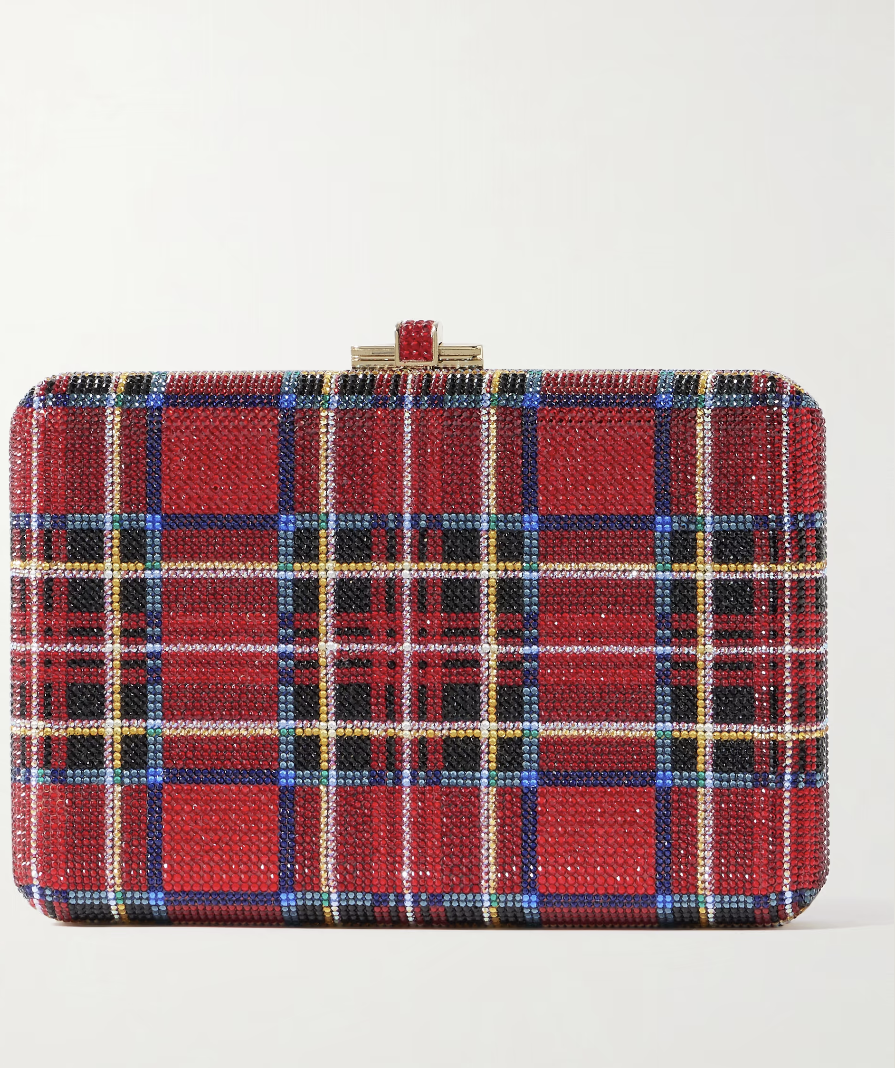
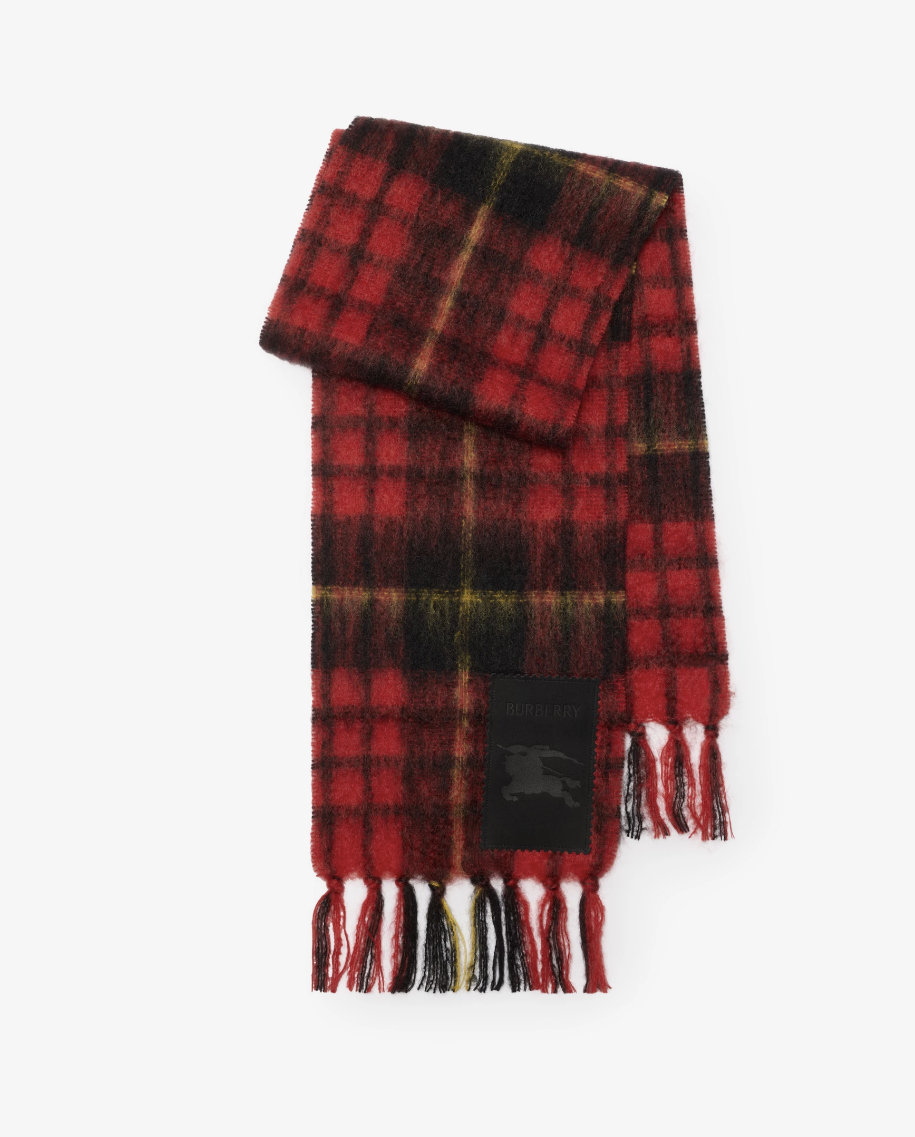
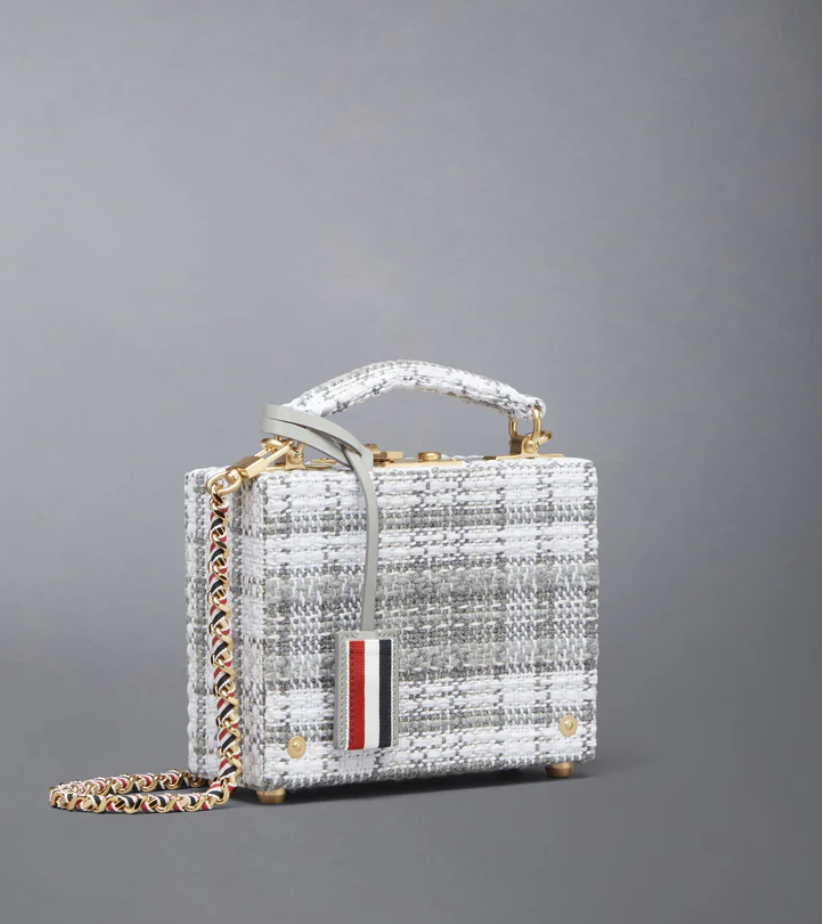
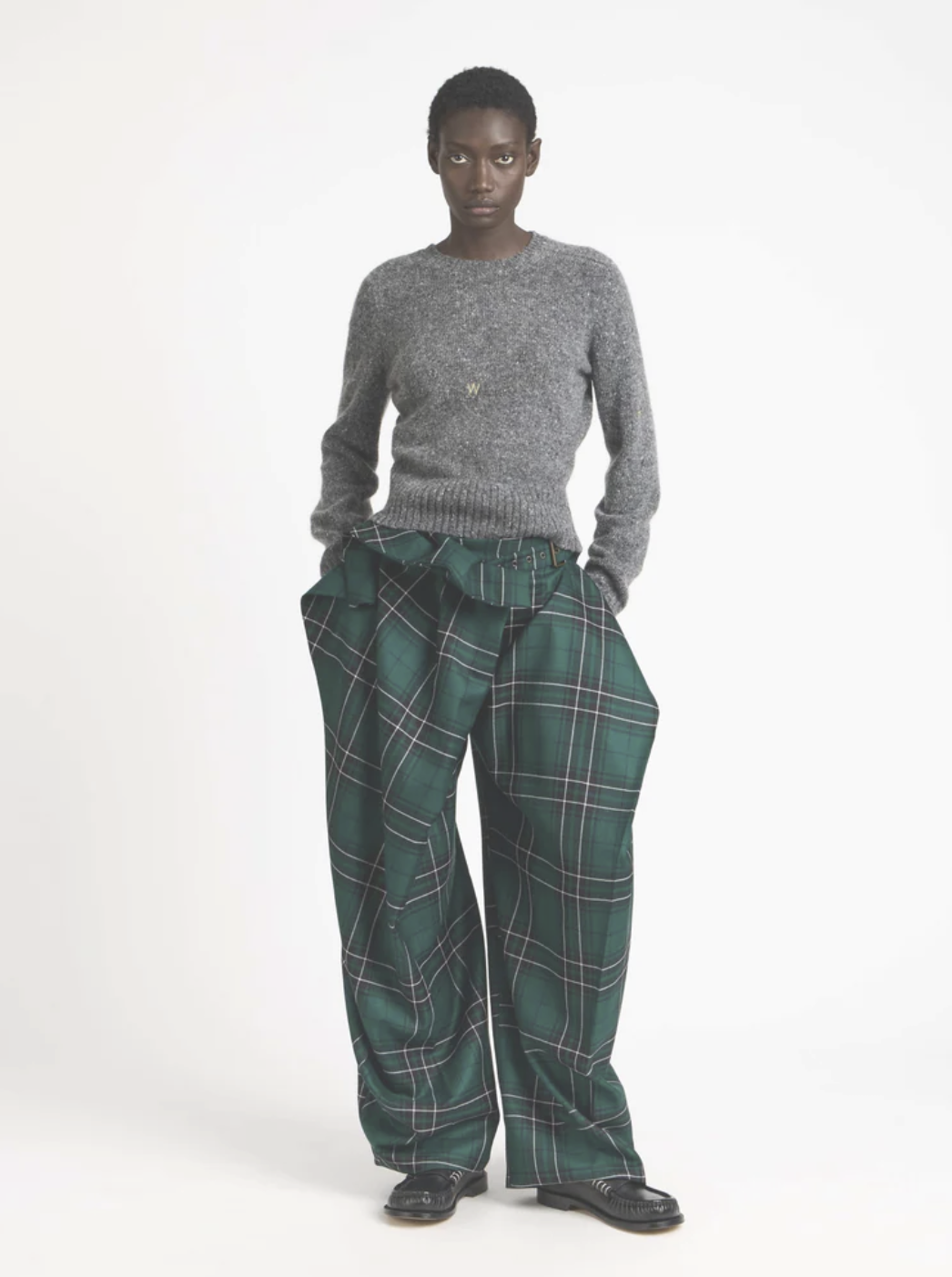
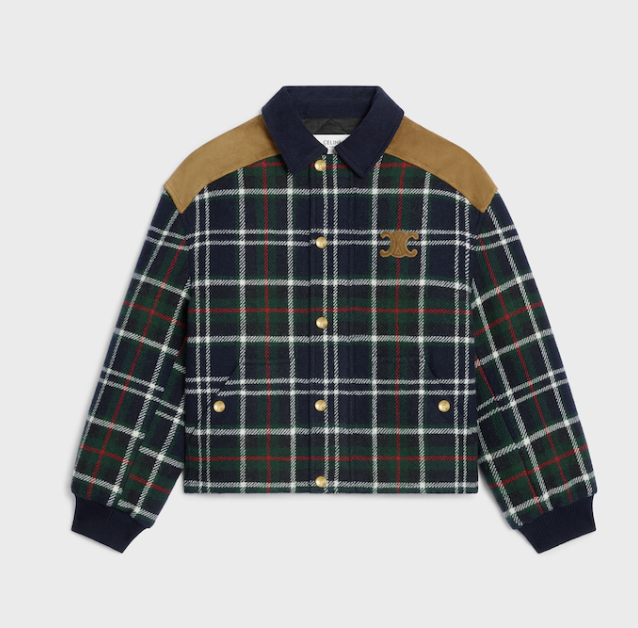
Few prints capture the essence of winter quite like tartan. The moment temperatures drop, skirts in classic checks are faithfully pulled from wardrobes, signalling the season’s shift. Yet in 2025, tartan has broken free from its pleated-skirt stereotype. Recent street-style galleries reveal its versatility: flannel shirts layered under oversized coats, tailored trousers in bold checks, and accessories emblazoned with punkish flair. Whether worn head-to-toe or as a single statement piece, tartan and its cousins plaid and checks has become omnipresent.
Runway Renaissance
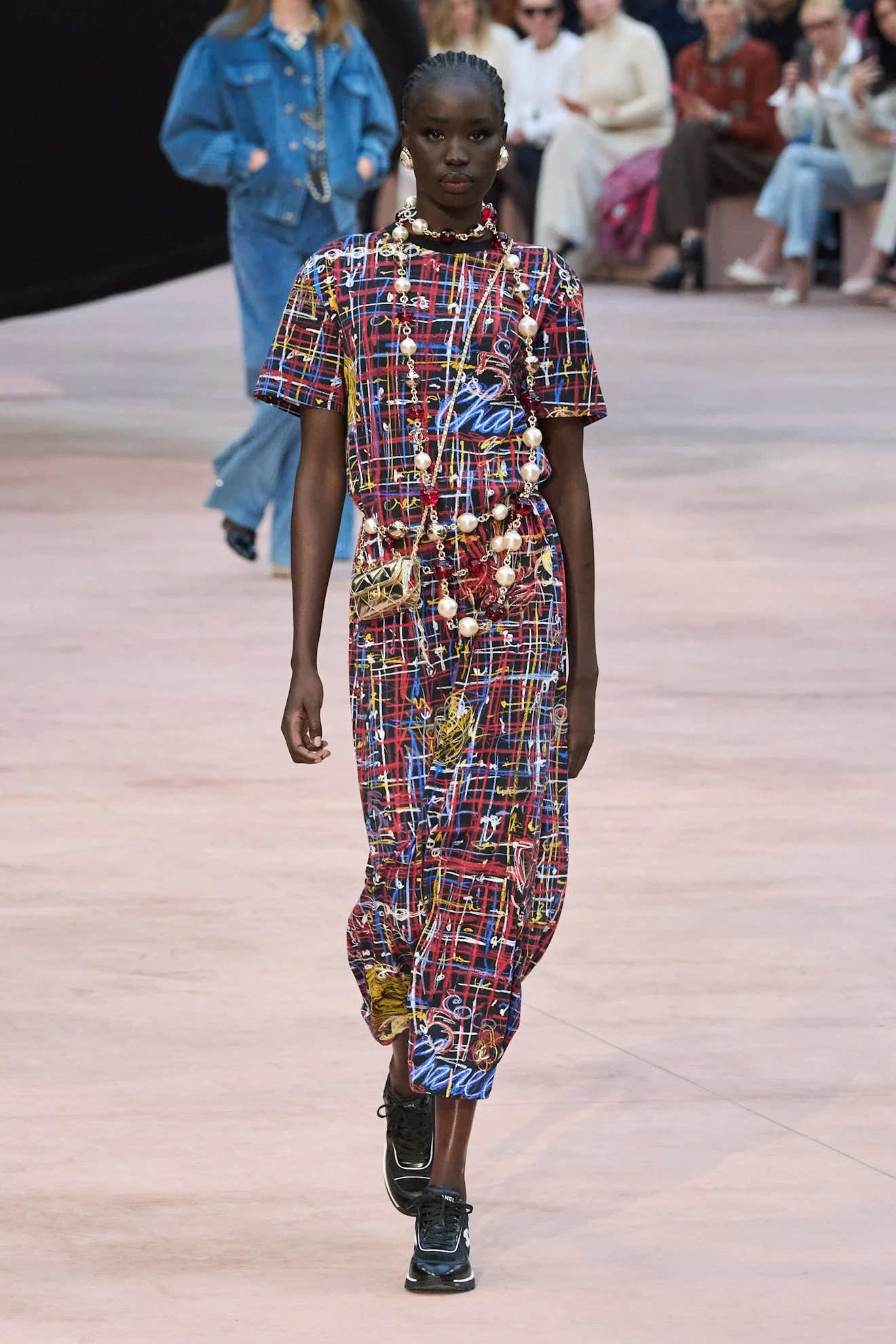
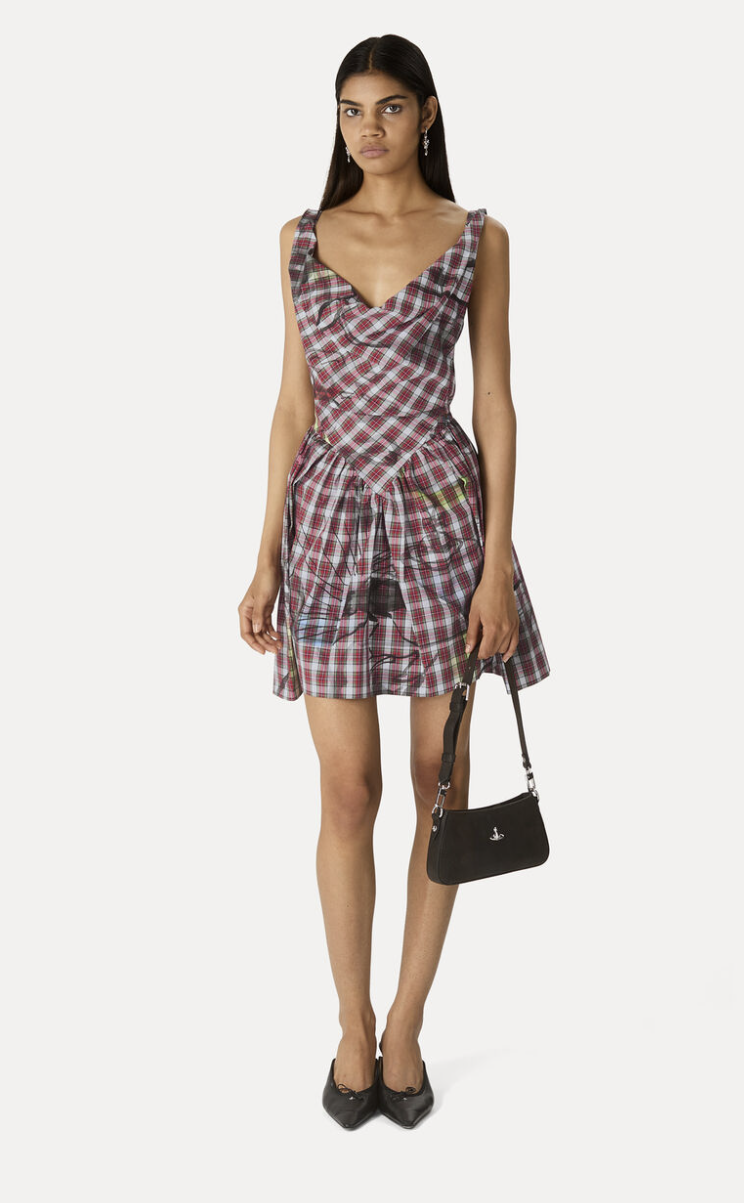
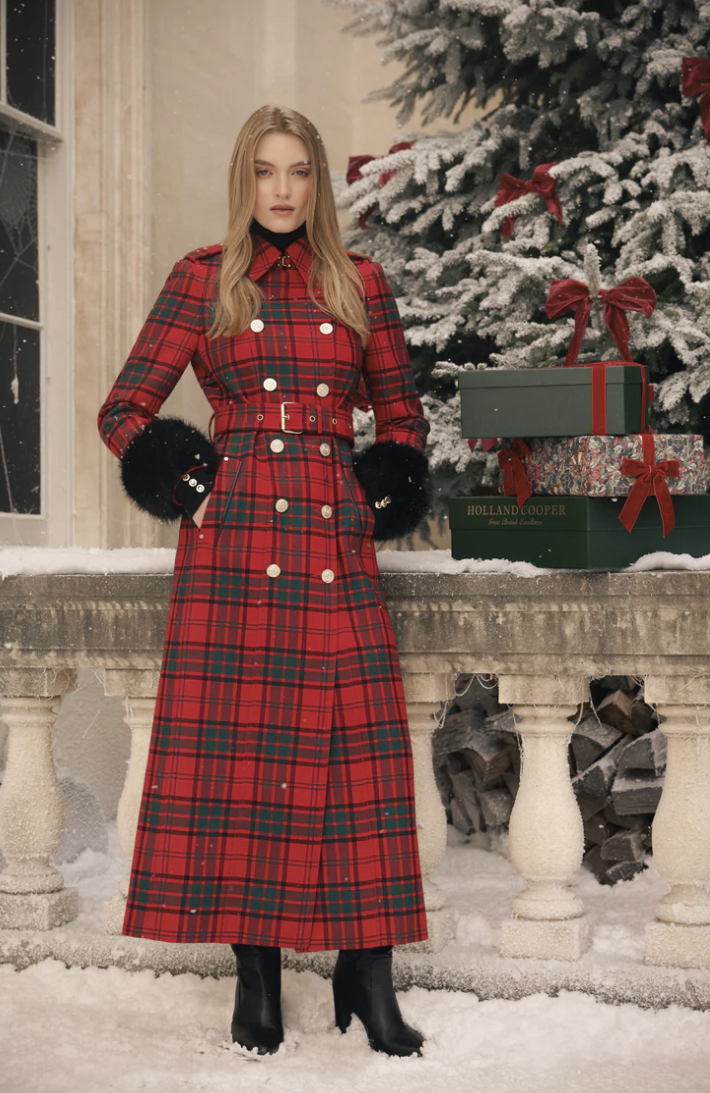
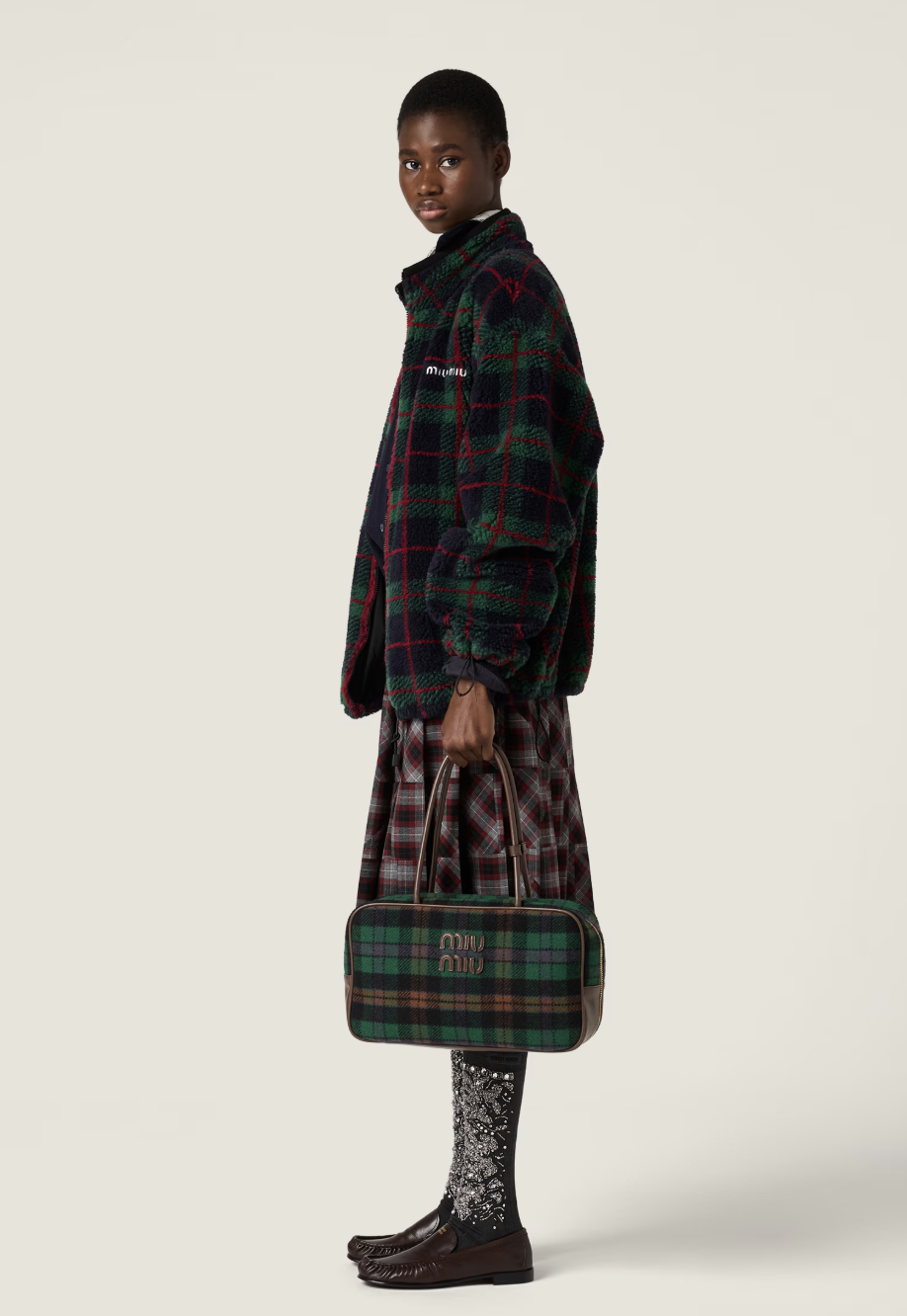
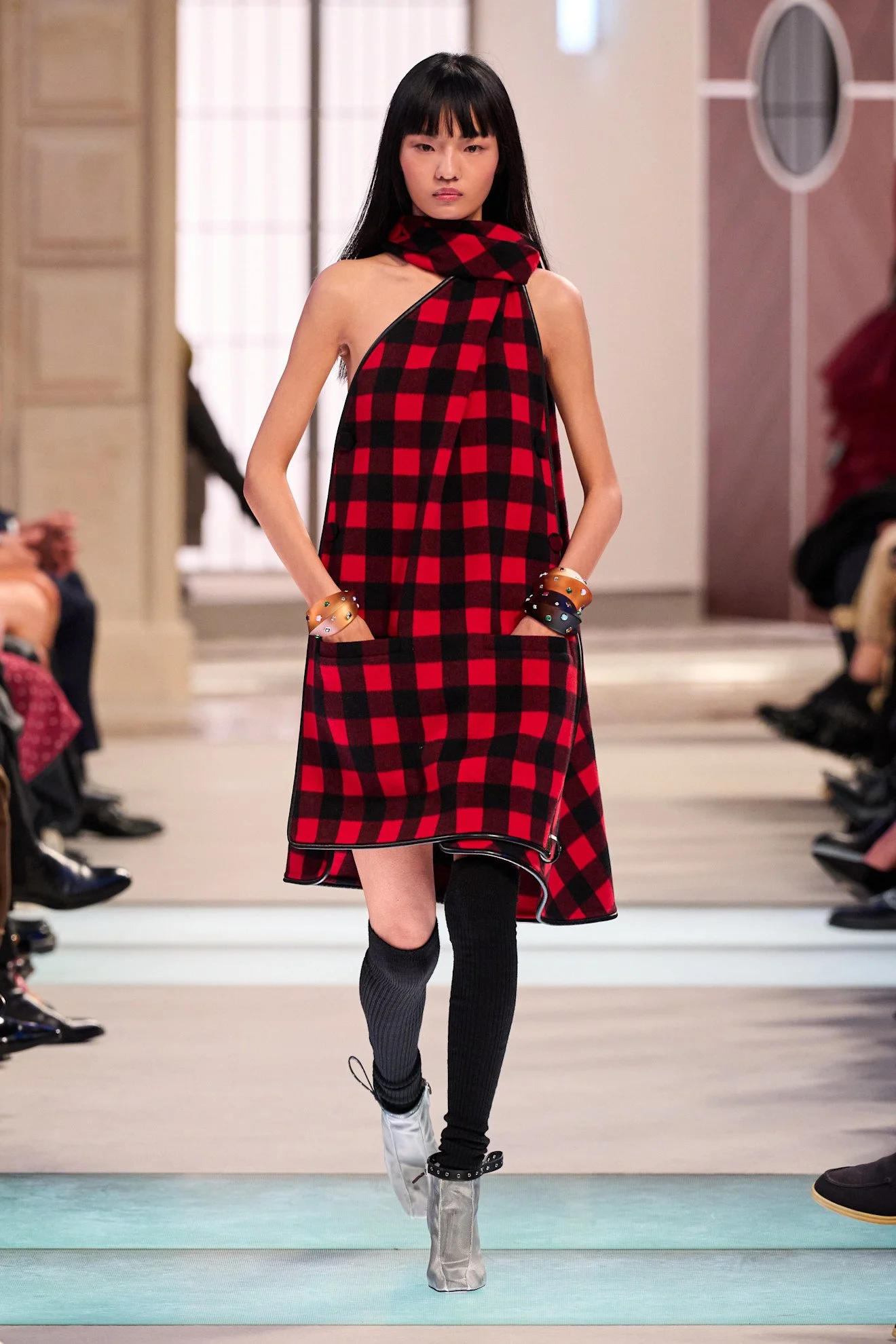
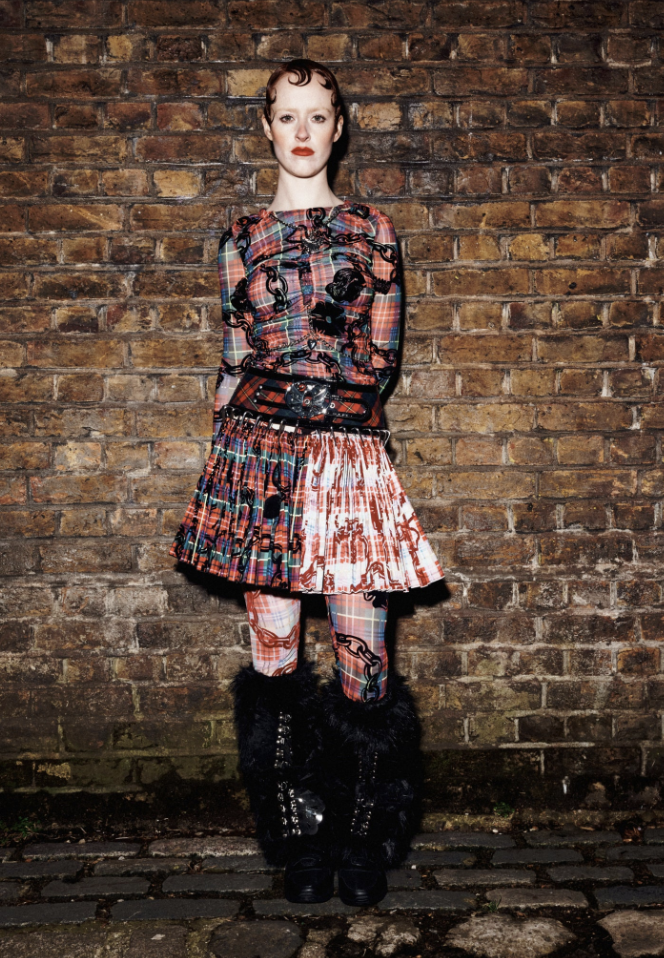
British fashion has long embraced tartan, with Vivienne Westwood immortalizing it in her anarchic collections. This season, Louis Vuitton’s Winter 2025 runway showcased tartan in abundance, from coats to accessories reinterpreted with modern luxury. Chanel added graffiti and logos atop tartan, styling it with cascades of pearl necklaces, while Chopova Lowena’s “Carabiner” skirt offered a punk-meets-aristo twist. Holland Cooper leaned into tradition with long, classic coats, while Miu Miu and Talia Byre pushed boundaries by mixing multiple tartans together a Gen Z approach to layering heritage with irreverence.
American and British Heritage
Across the Atlantic, Ralph Lauren, a champion of New England style, continues to weave tartan into his collections. His takeover of London’s Sloane Square this holiday season featured a Christmas tree adorned with gold and tartan baubles a festive spectacle that married tradition with joie de vivre.
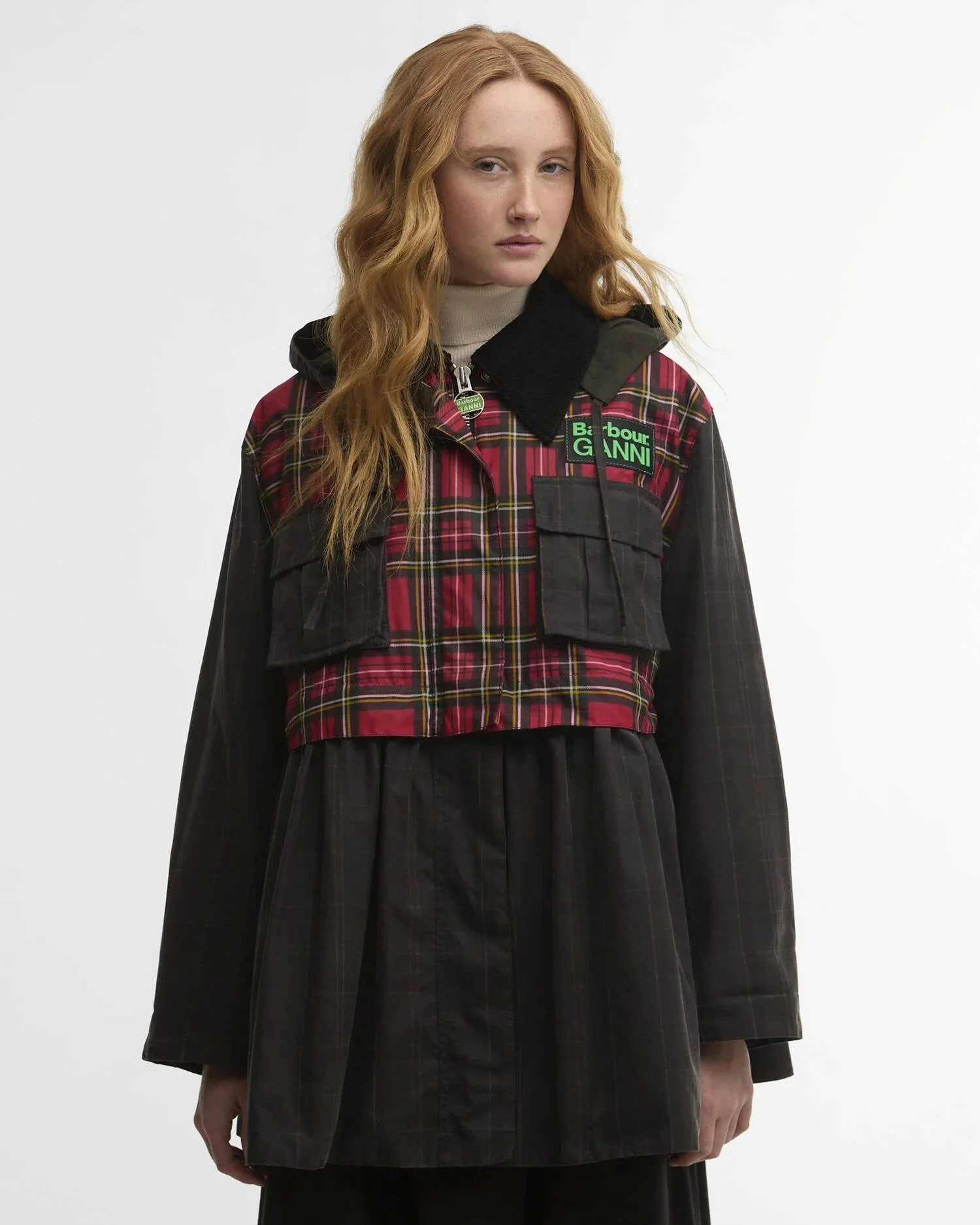
Closer to home, Barbour, with over 130 years of heritage and now in its fifth generation, remains a custodian of tartan. Its Bedale and Beaufort wax jackets, still hand-crafted in Britain, are lovingly re-waxed and repaired to extend their lives. Tartan is part of Barbour’s DNA, appearing in linings and collaborations, including a recent partnership with Danish designer Ganni.

Ralph Lauren has transformed London’s Sloane Square into a festive fashion destination, complete with the unmissable Ralph Café. Whether stopping for a chic coffee or soaking in the holiday atmosphere, this is the ultimate winter rendezvous an experience that cannot be missed this season.
Royal Endorsement
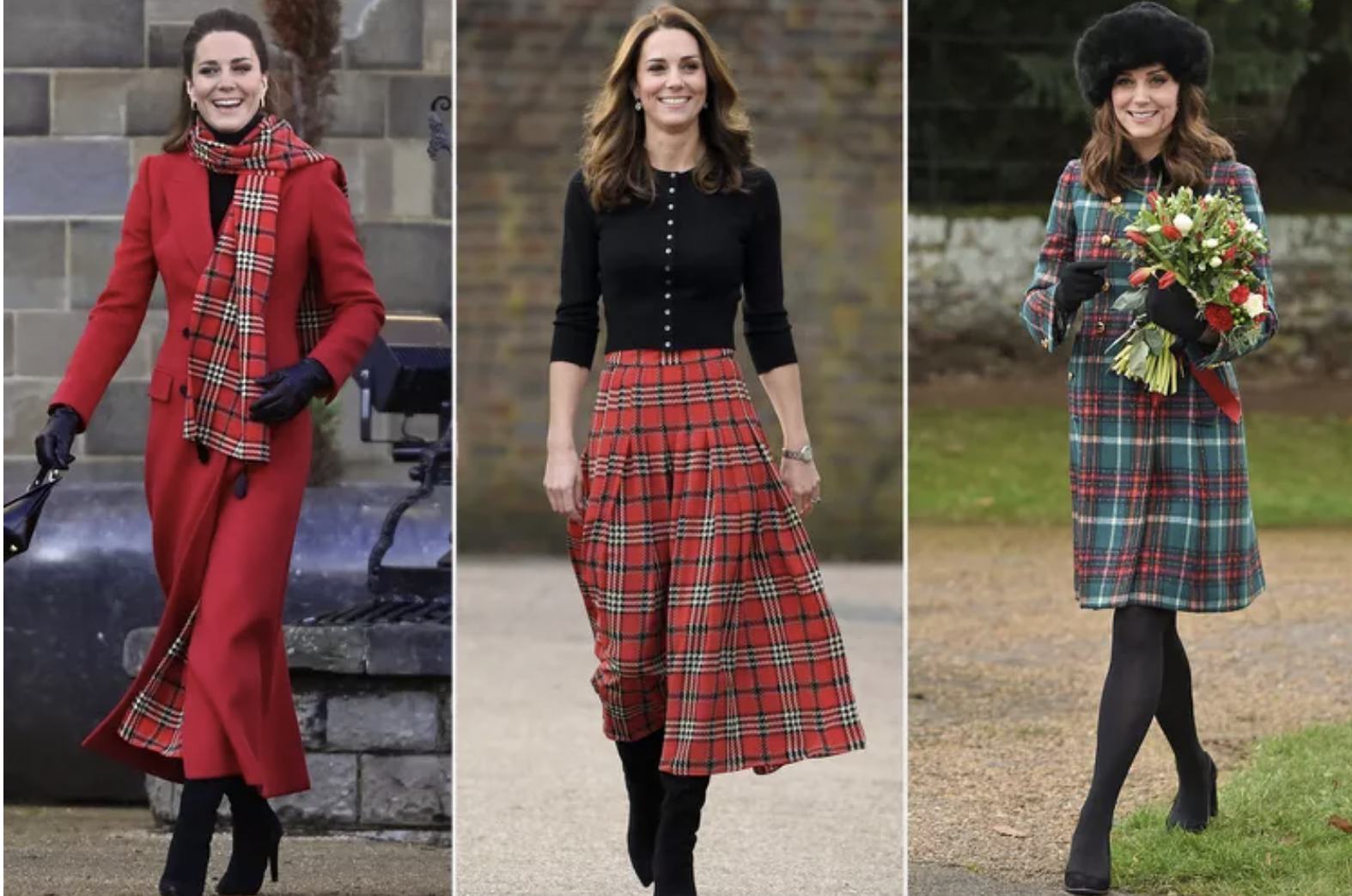
The British Royal Family has long been associated with tartan. King Charles and Princess Catherine are frequently seen in variations of the print, reinforcing its aristocratic yet accessible appeal. Their embrace of tartan underscores its dual nature: part-punk, part-aristo, and endlessly adaptable.
Princess Catherine of Wales
Styling the Print
Tartan thrives on contrast. Worn with black, it sharpens its edge; paired with bold colours, it highlights vibrancy. Designers this season have embraced both approaches, from Miu Miu’s clash of tartans to Holland Cooper’s restrained elegance. The print’s adaptability ensures it remains timeless, open to styling across generations.
The Historic Fabric of Scotland
Beyond fashion, tartan carries a profound cultural history. The earliest evidence of tartan dates back over 3,000 years, with remnants found in Central Europe. In Scotland, tartan became closely linked to Highland identity around the 16th century, when clans adopted unique patterns to distinguish themselves. Each clan’s tartan was a badge of pride, loyalty, and belonging.
Following the Jacobite Rebellion of 1745, tartan was banned under the Dress Act of 1746, as the British government sought to suppress Highland culture. For nearly 40 years, wearing tartan was illegal. Its revival came in the 19th century, when King George IV’s visit to Scotland in 1822 and Queen Victoria’s embrace of Highland traditions re-established tartan as a symbol of heritage and royalty.
Today, tartan is globally recognized, with the Scottish Register of Tartans (established in 2008) cataloguing over 3,000 designs. From military uniforms to sports teams, tartan continues to weave together identity, tradition, and modernity.
Tartan in 2025: Heritage Meets Innovation
What makes tartan enduring is its duality: it is both rebellious and regal, both punk and aristocratic. In Winter 2025, designers across the globe are reinterpreting tartan for new audiences. Whether emblazoned across Louis Vuitton’s runway, decorating Ralph Lauren’s Christmas tree, or lining Barbour’s wax jackets, tartan remains a print that speaks to heritage while embracing innovation.
As fashion cycles turn, tartan’s story continues to evolve. From clan loyalty in the Highlands to Gen Z layering on city streets, tartan is not just a fabric it is a narrative of resilience, identity, and timeless style.