The Best of Paris Fashion Week SS27: Maison Power, Cultural Moments, and a Futurist Finale
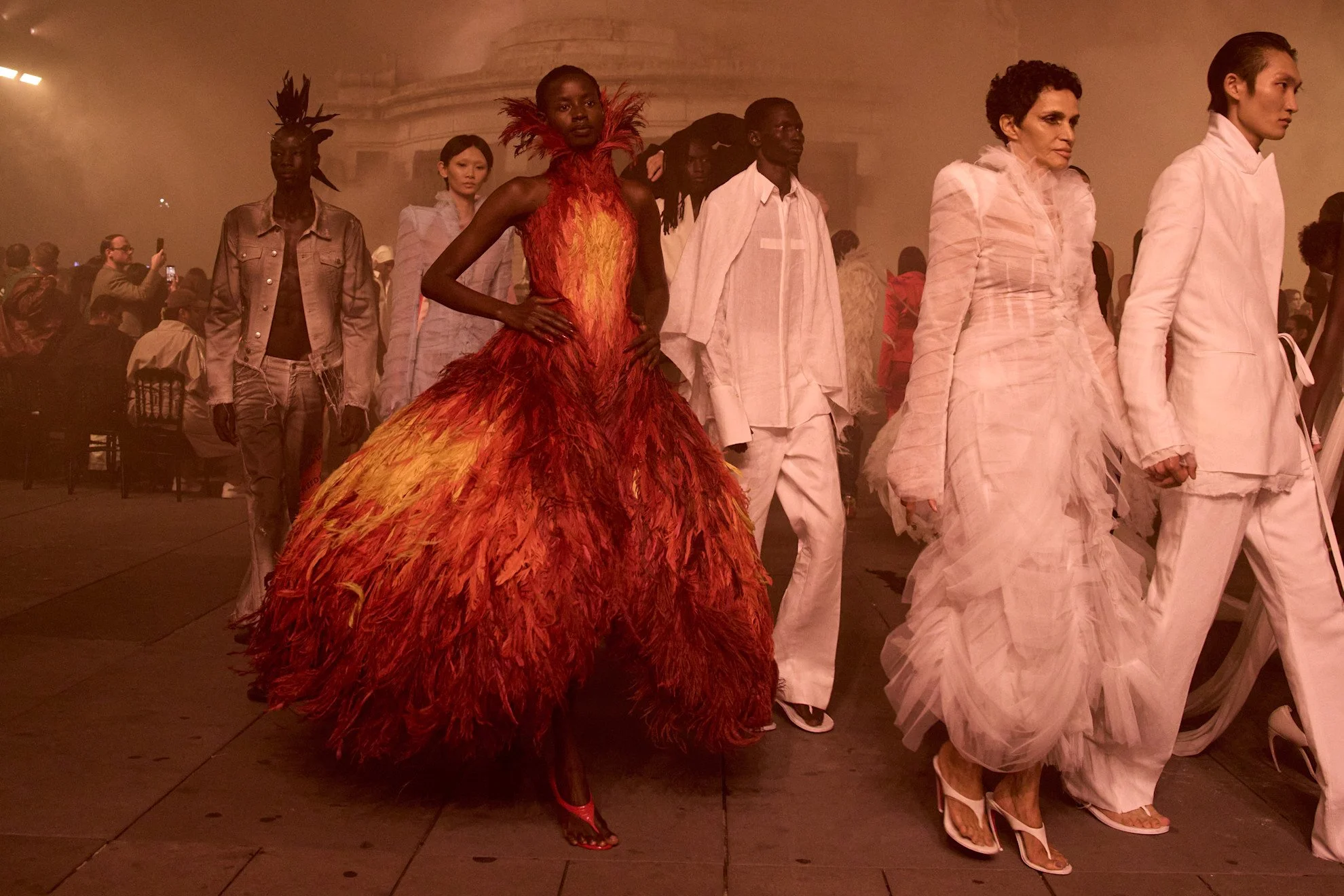
Metieres Fecales
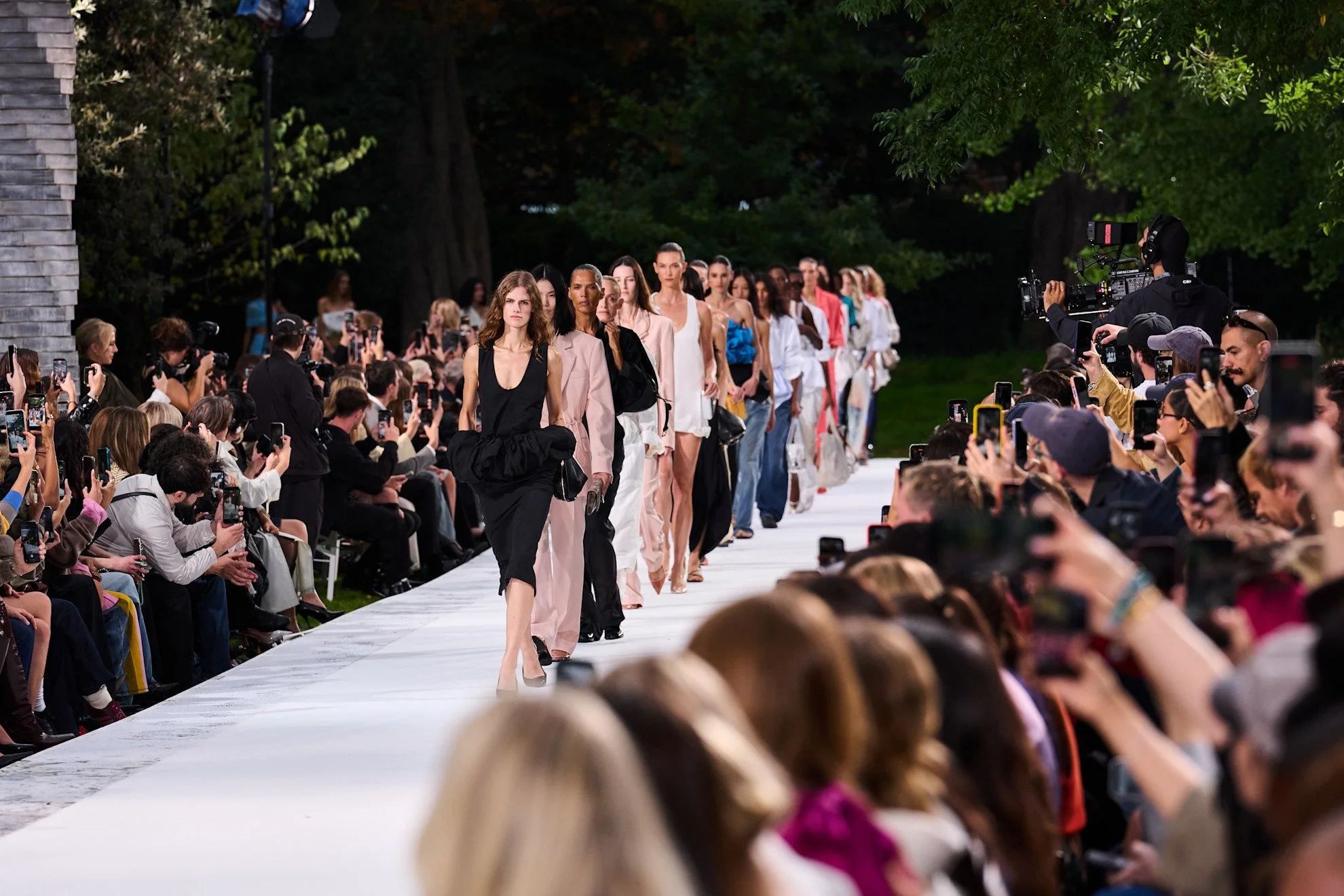
Paris Fashion Week closed last night with a major celebrity‑attended Louis Vuitton show, sealing the end of a full month of fashion across four cities. Paris remains a city of contrasts: the home of the grand Maisons, the place where luxury brands must communicate strategies that ripple across categories, and where beauty now influences fashion more than ever sometimes even shaping the direction of the brand itself. The week, which stretched into nine intense days, moved between the official Chambre de la Mode calendar and the new generation of designers whose names may one day become the next pillars of the industry.
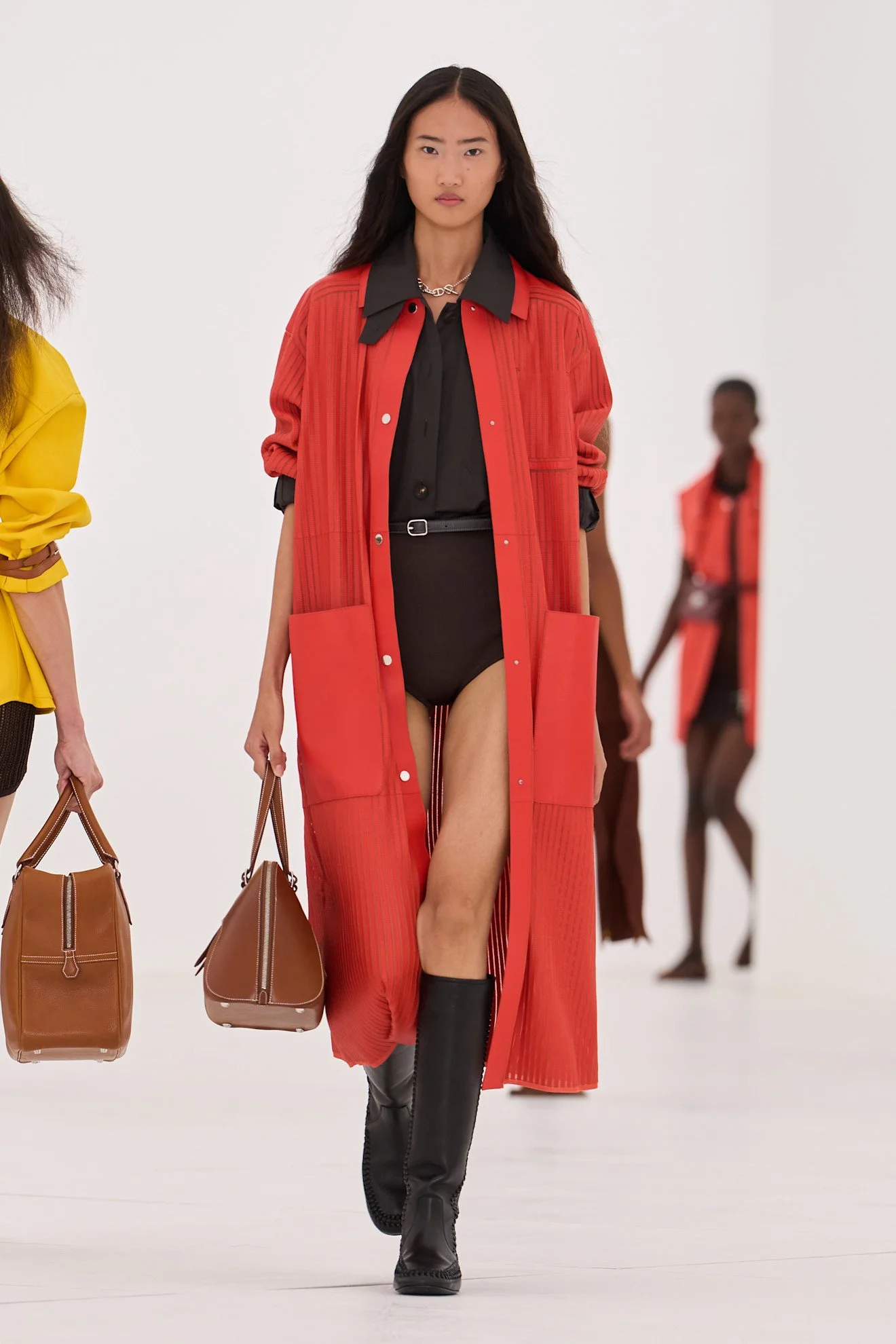
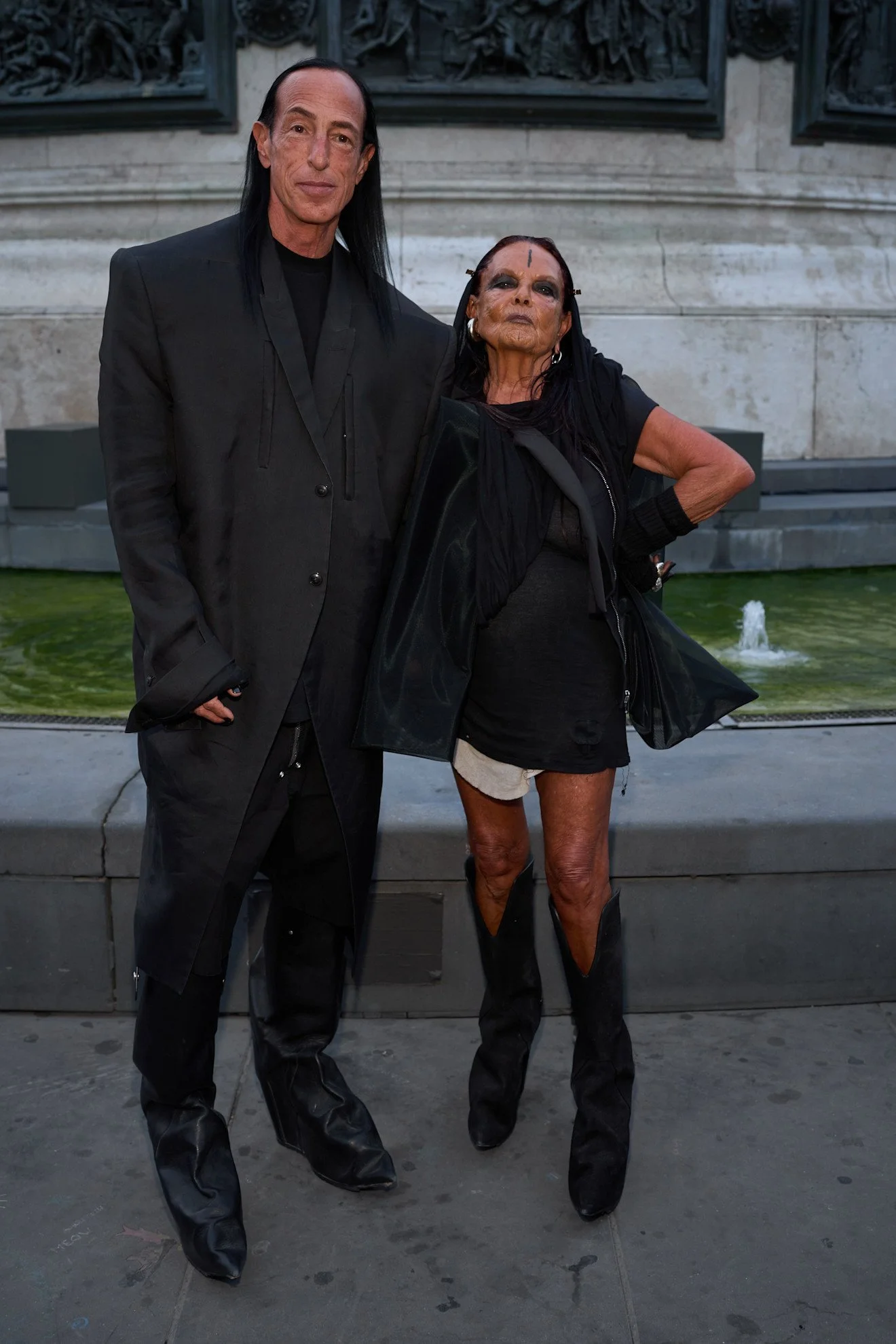
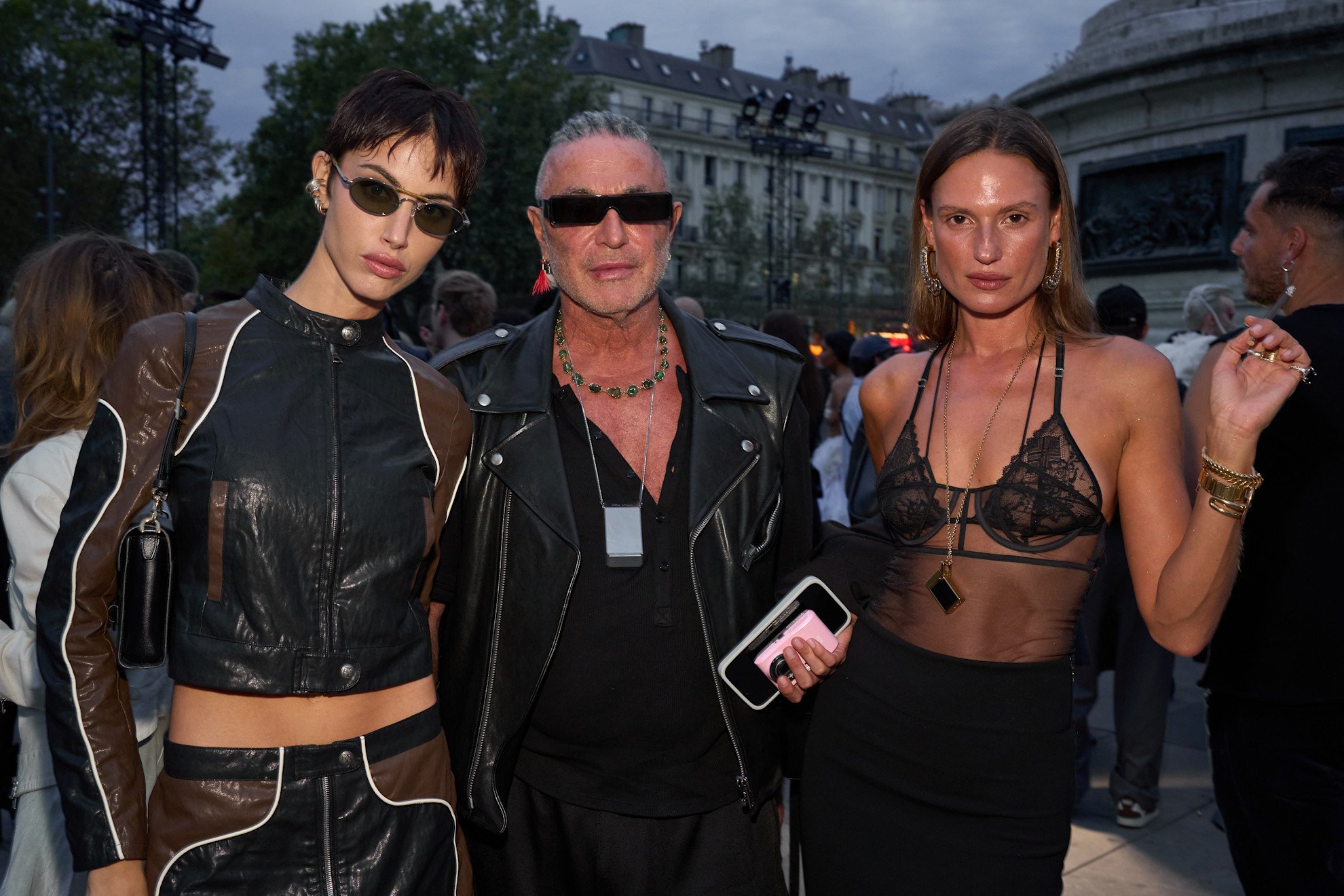
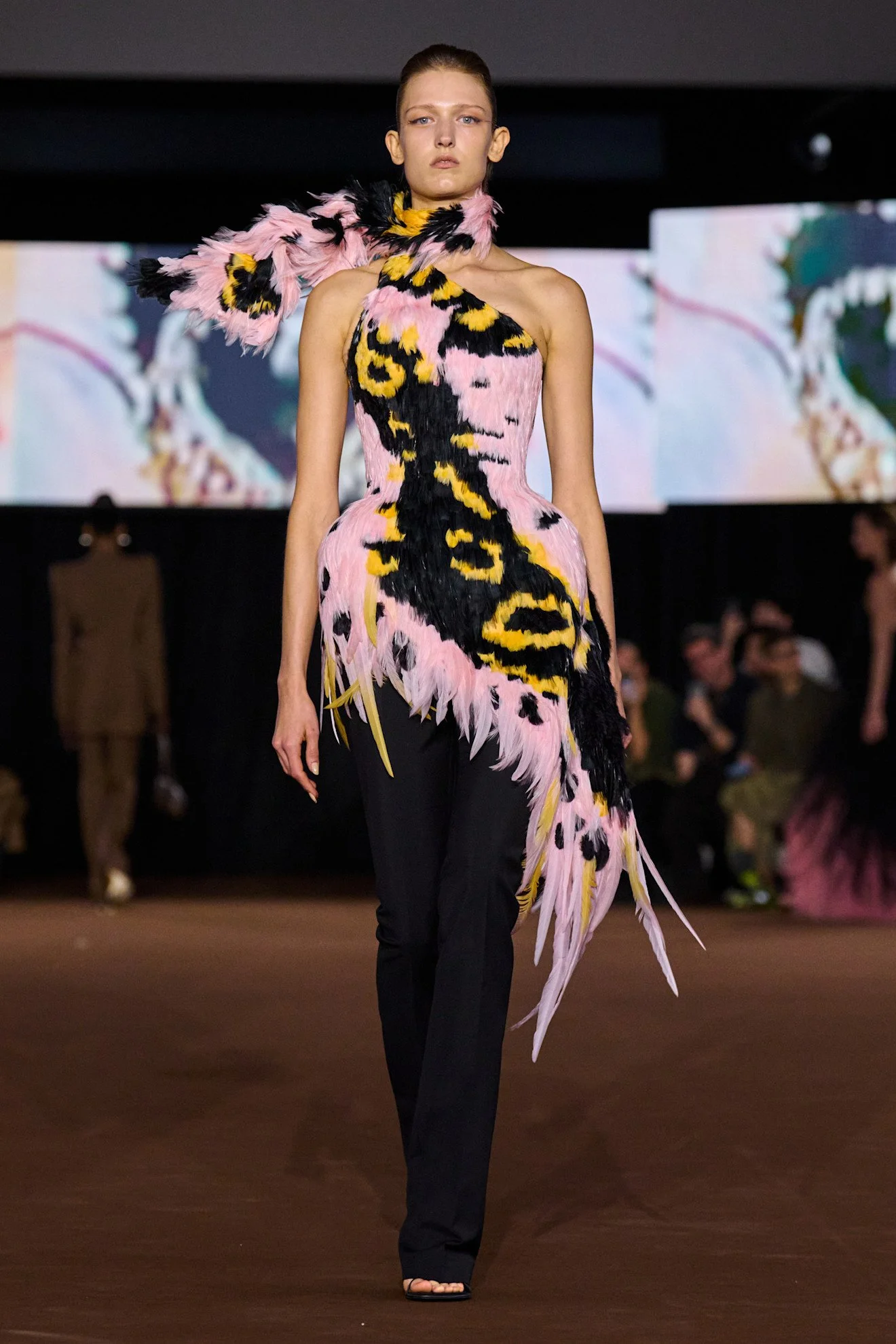
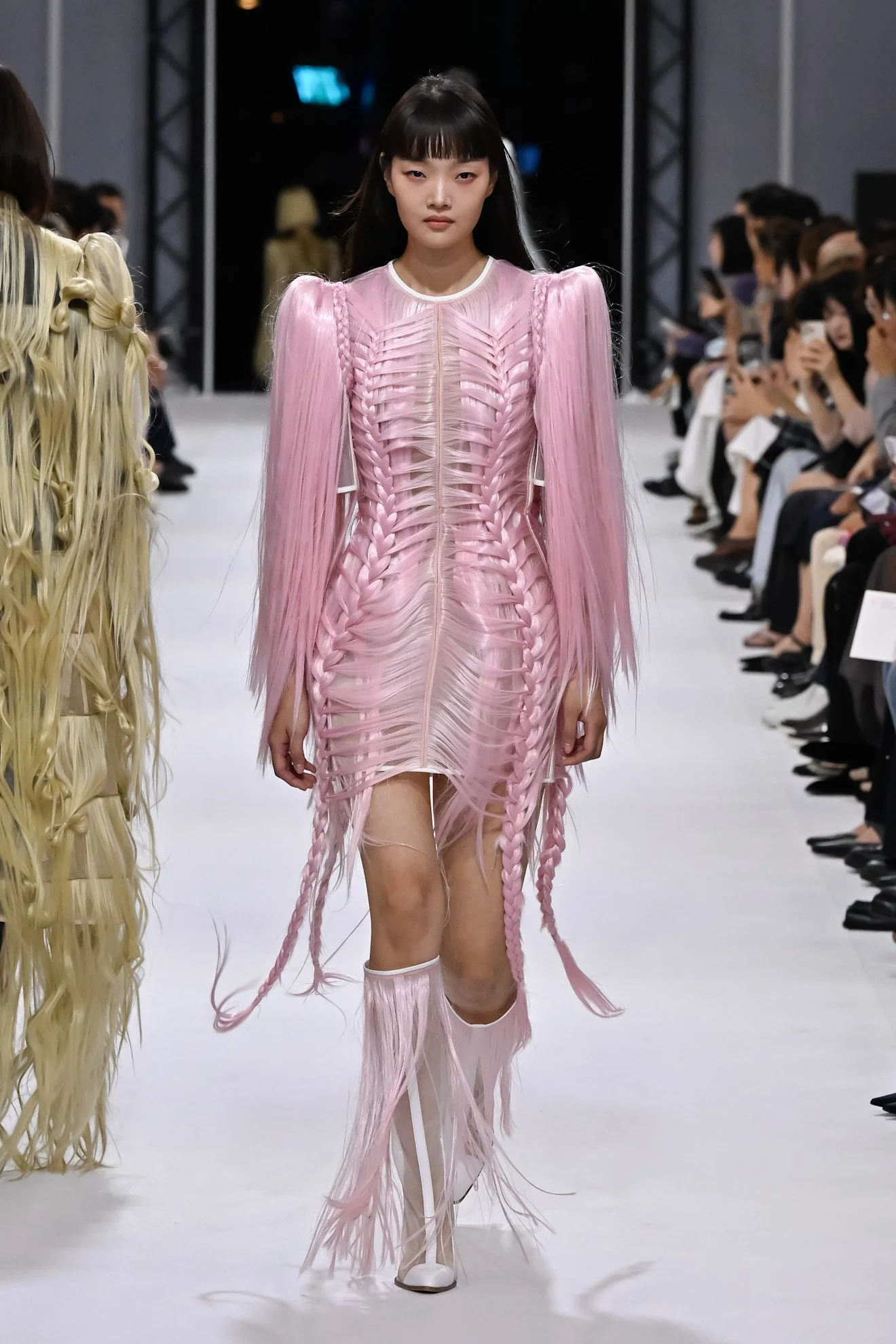
It began in full force with Matières Fécales on the first night, where Rihanna a true fashion obsessive sat filming the show beside Michelle Lamy and Rick Owens. Hannah Rose Dalton and Steven Raj Bhaskaran took over Place de la République with their richly allegorical show, “The 99 Percent,” chapter two of a narrative begun last season about the world’s wealthiest percentile. Ninety‑nine looks on ninety‑nine models of colour reflected Bhaskaran’s journey from poverty to the hallowed halls of Paris fashion. At a moment when many established labels struggle to connect with consumers, their display made a powerful case for a new kind of luxury — one built on inclusion rather than exclusion. On the same opening day, Korean designer KIMHĒKIM presented a deeply personal, playful puppet world inspired by the childhood dolls Kim In‑te used to dress in miniature versions of his own designs.
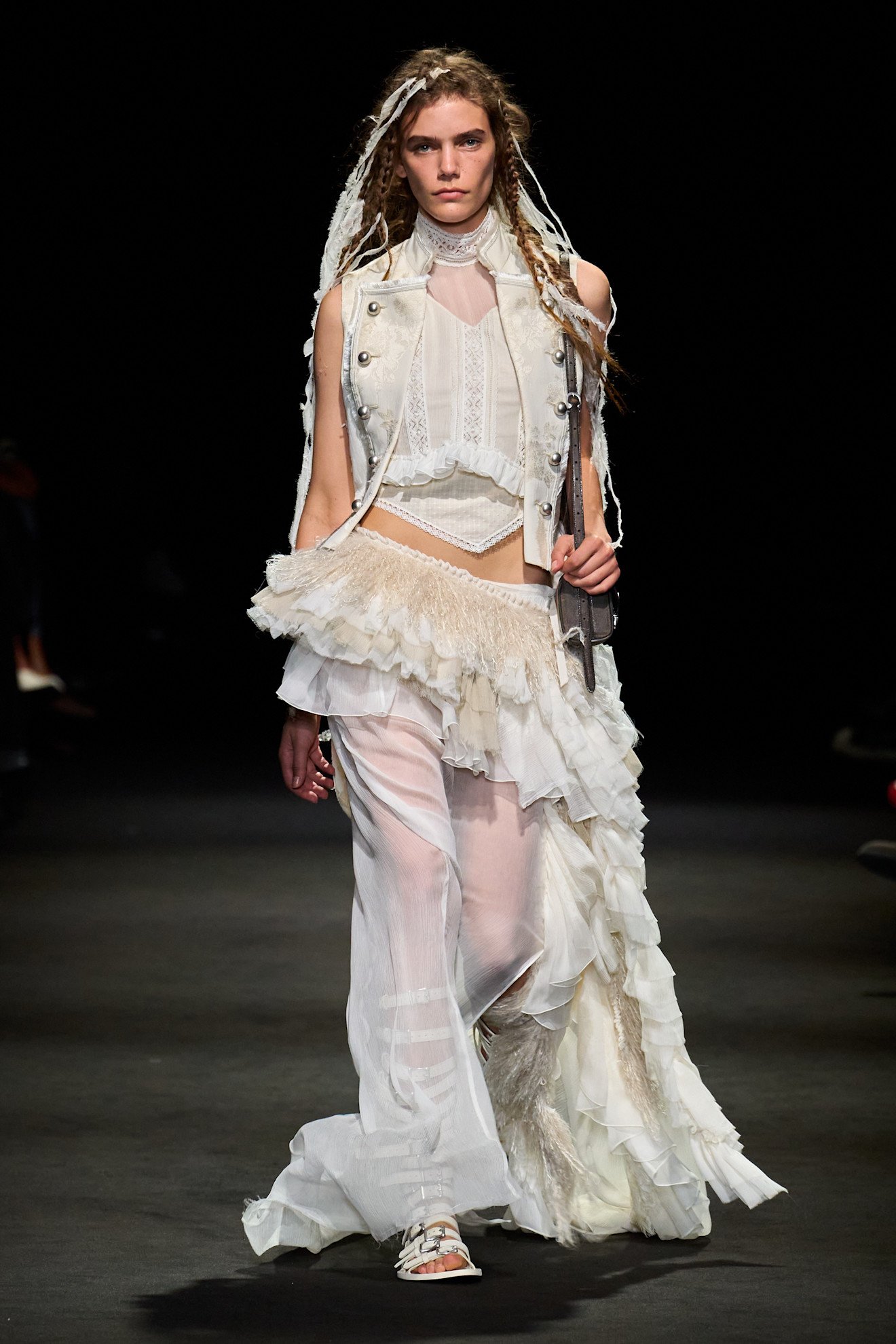
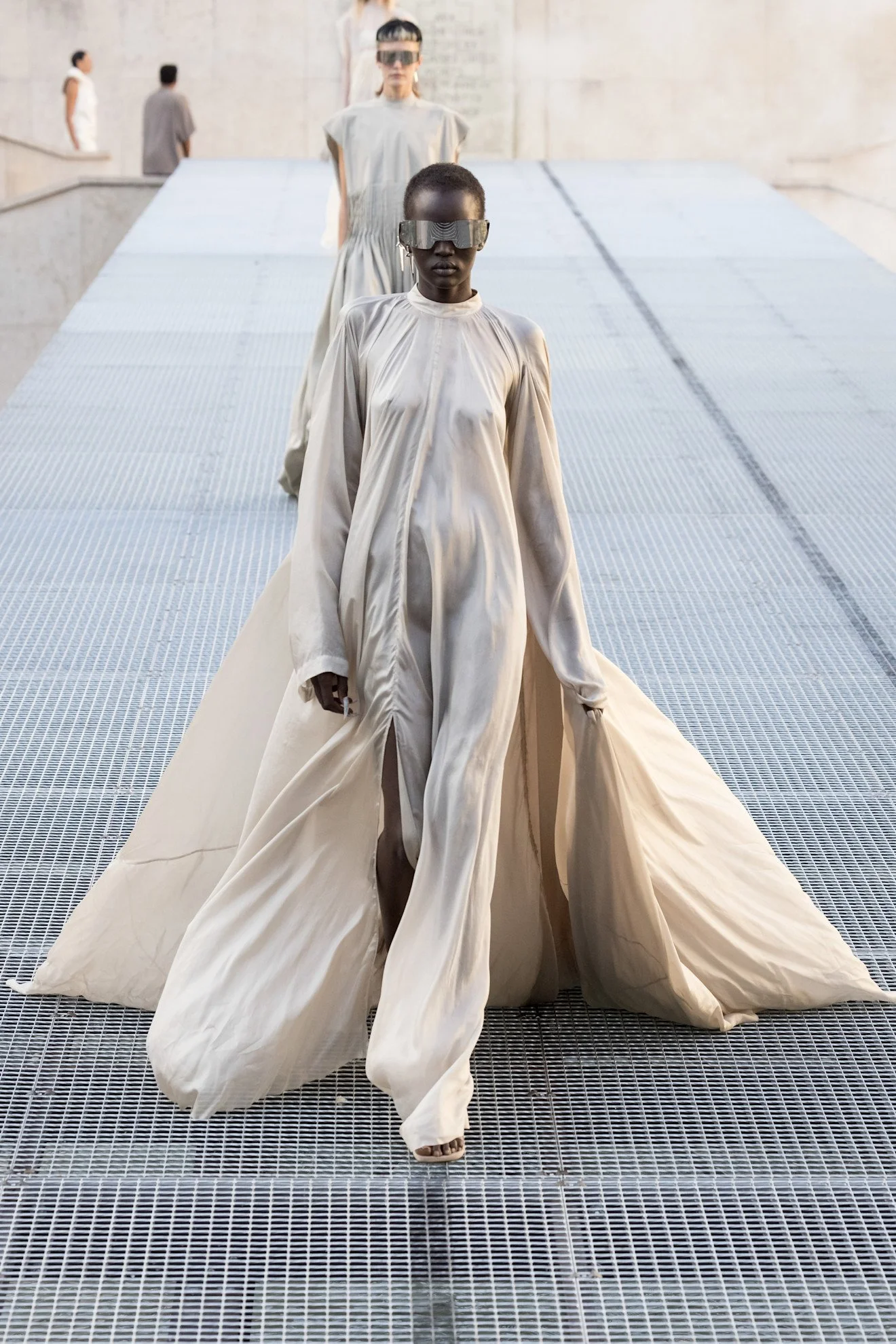
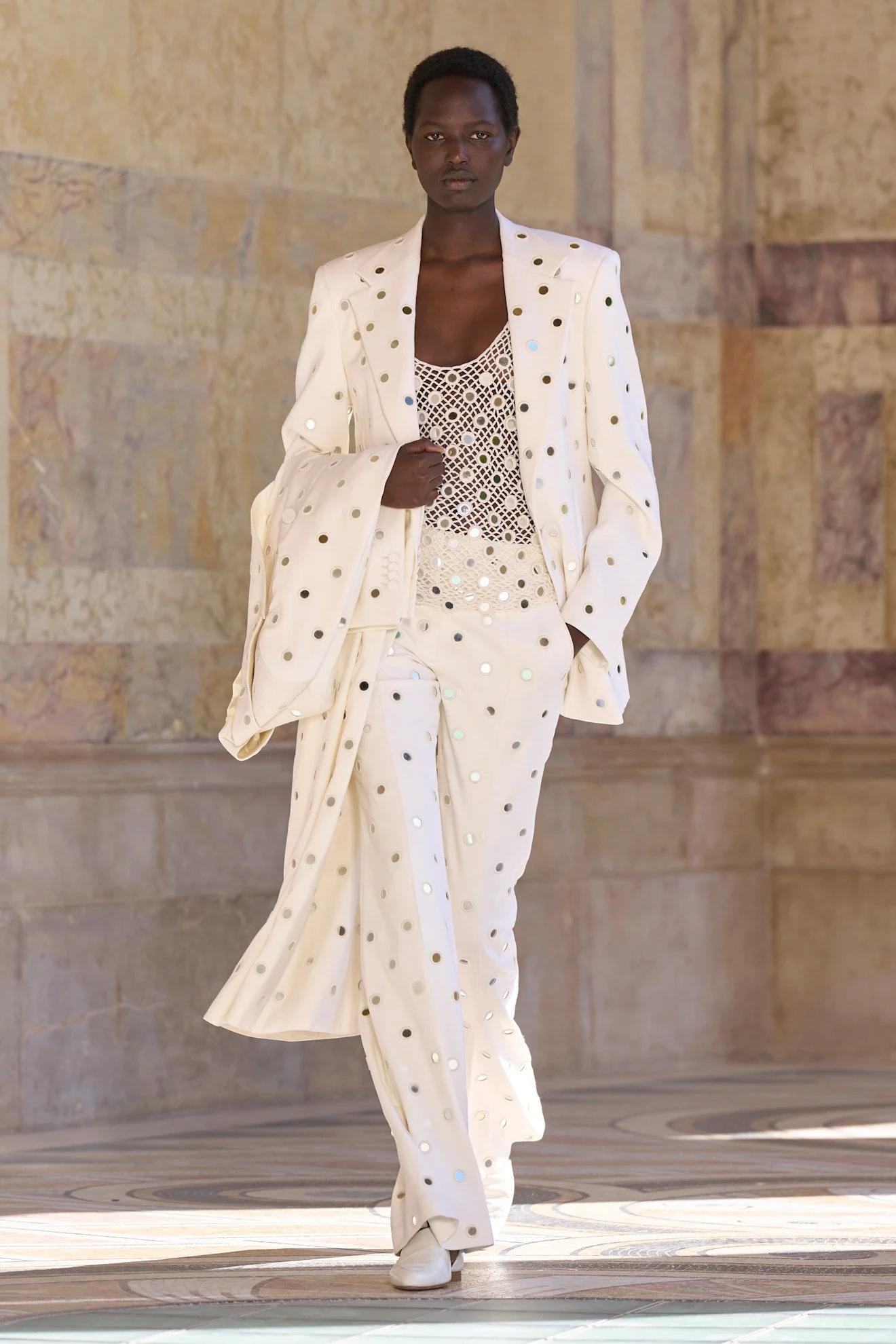
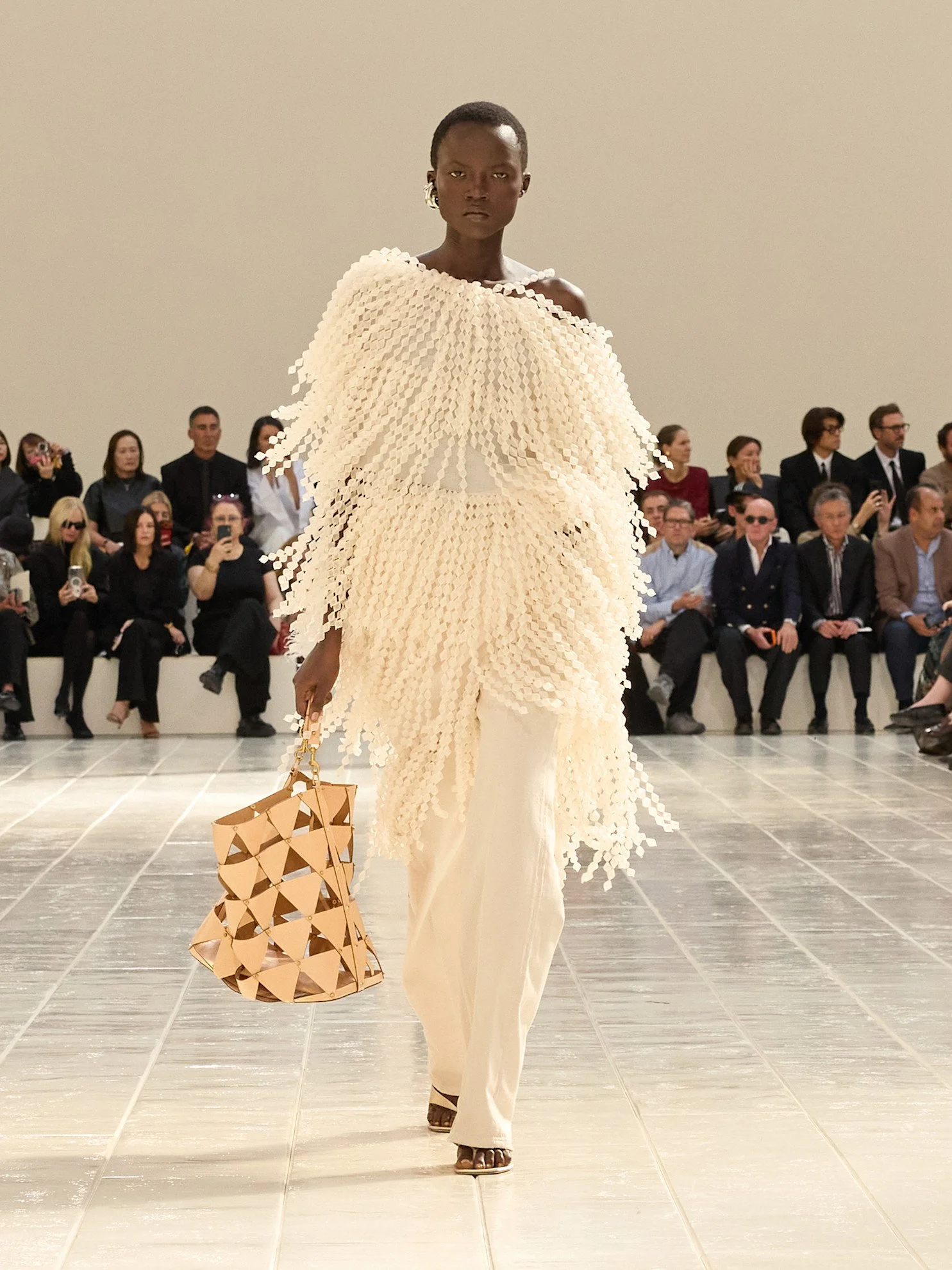
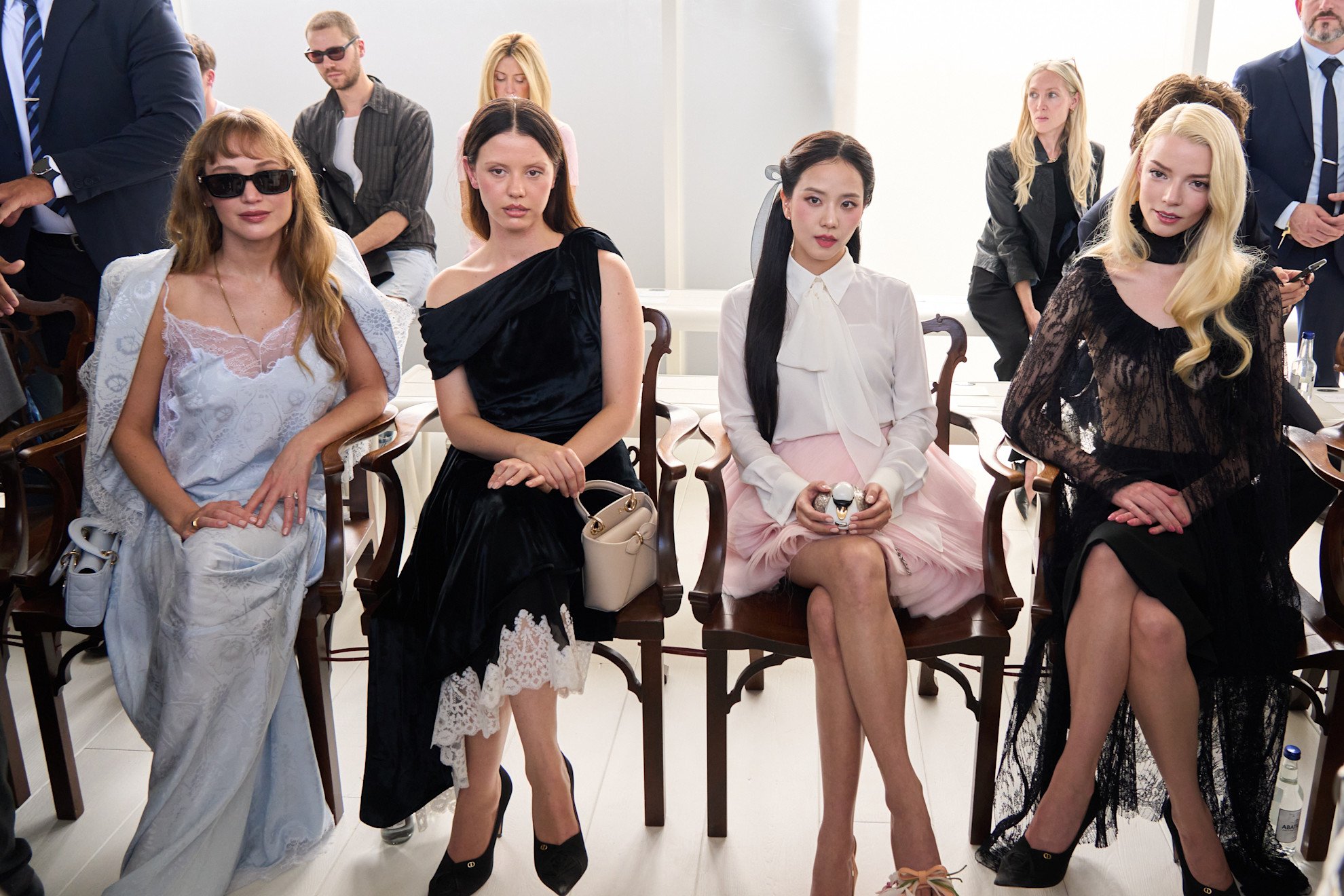
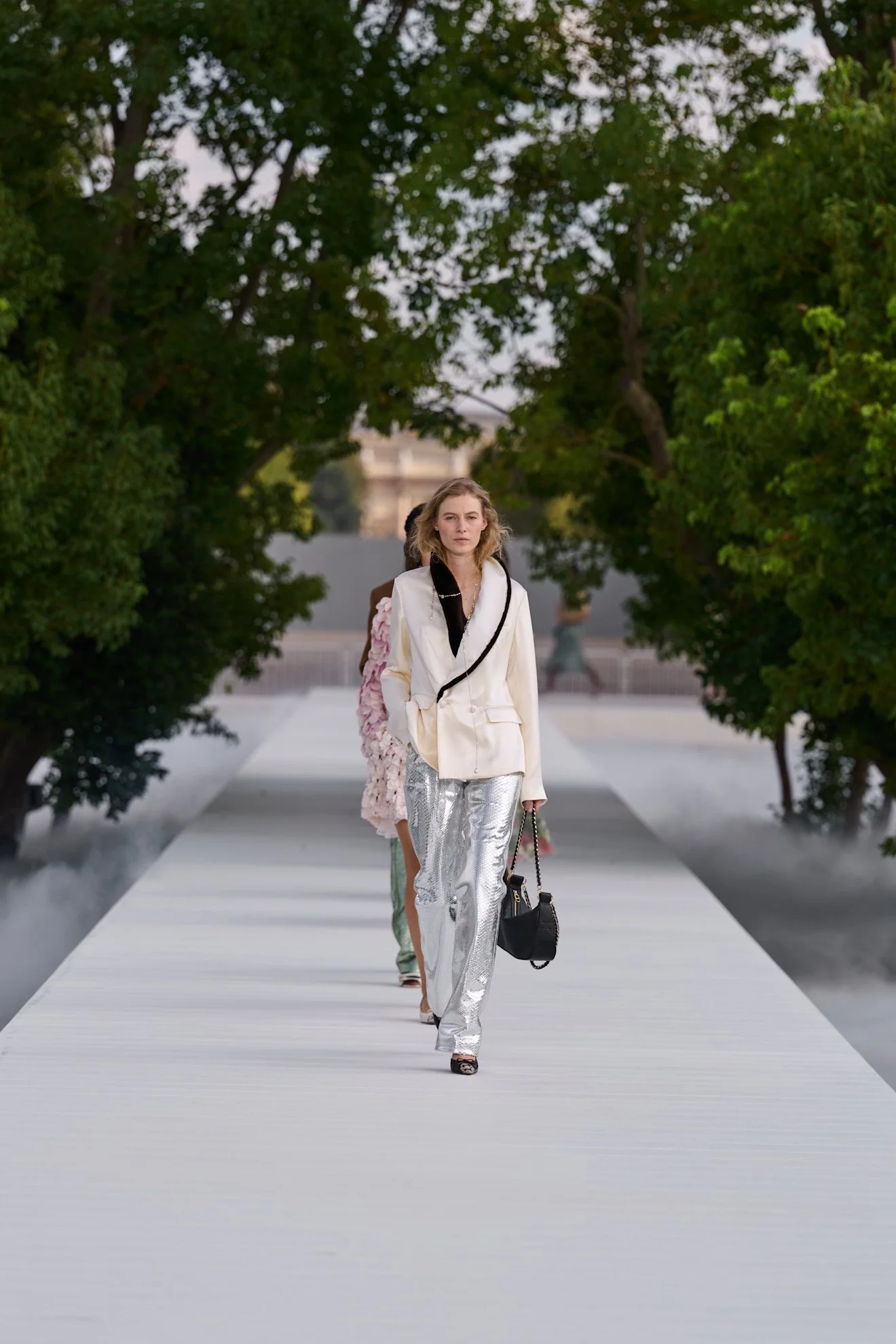
The second day opened with Dior in the Tuileries Gardens, a location deeply tied to the house’s heritage and its founder’s passion for gardens. The collection was romantic and pastel‑washed, dominated by an updated corolla skirt that paired a stiffer pleated peplum with a gauzy underlayer. Many looks had little structure, relying on an accumulation of pleats to project volume below the knee or over the hips. Couture codes were present but simplified, and the beauty look was almost bare a whisper of makeup that let the clothes speak.
Maison Margiela’s Spring/Summer 2027 collection by Glenn Martens focused on a tense dialogue between hard and soft. Sculptural coats and jackets, some appearing shaped from clay, were among the highlights of the week. And while many believe shows can be easily understood through pictures, Anrealage remains one of those houses where presence is essential. Morinaga’s 25th show in Paris coincided with the launch of a pop‑up and retrospective exhibition curated by Sarah Andelman on Rue Turenne a reminder that innovation often demands physical proximity.
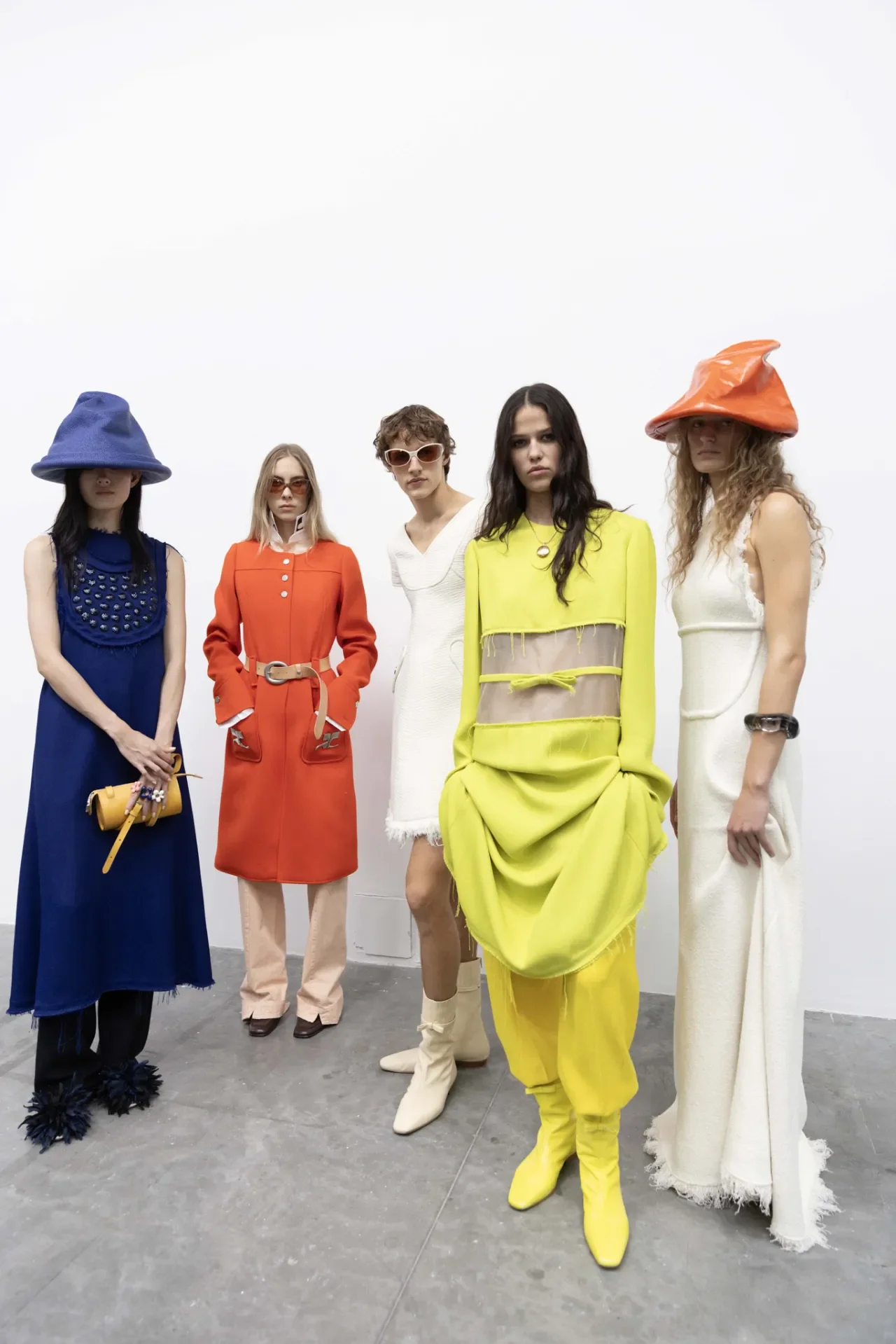
On the night of the second day, all that glittered was gold at Saint Laurent, which Luxury Endless covered immediately after the show. Drew Henry, previously senior design director at Burberry, debuted his first season at Courrèges at the Palais de Tokyo, capturing an upbeat spirit with ribbed knits, vinyl jackets, A‑line dresses and bold colour. It was also the second season for Antonin Tron’s Balmain Woman, revealing corsets, bare backs, and the sensual side of Pierre Balmain’s legacy a territory Christophe Decarnin explored roughly twenty years ago. Tron staged the show at Hôtel de Maison, the Left Bank mansion Karl Lagerfeld called home for decades, a wink to the fact that the late designer apprenticed at Pierre Balmain in the 1950s.
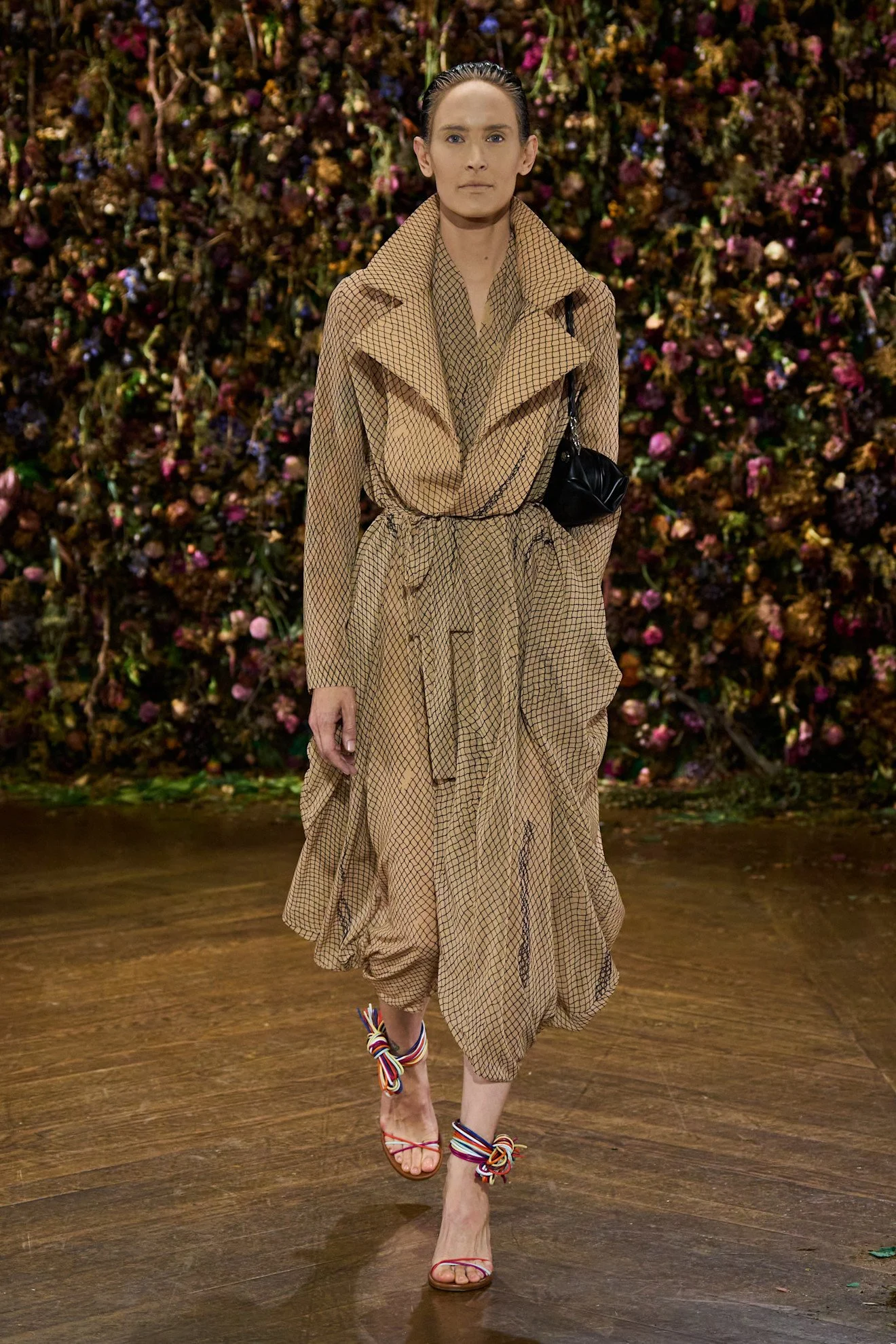
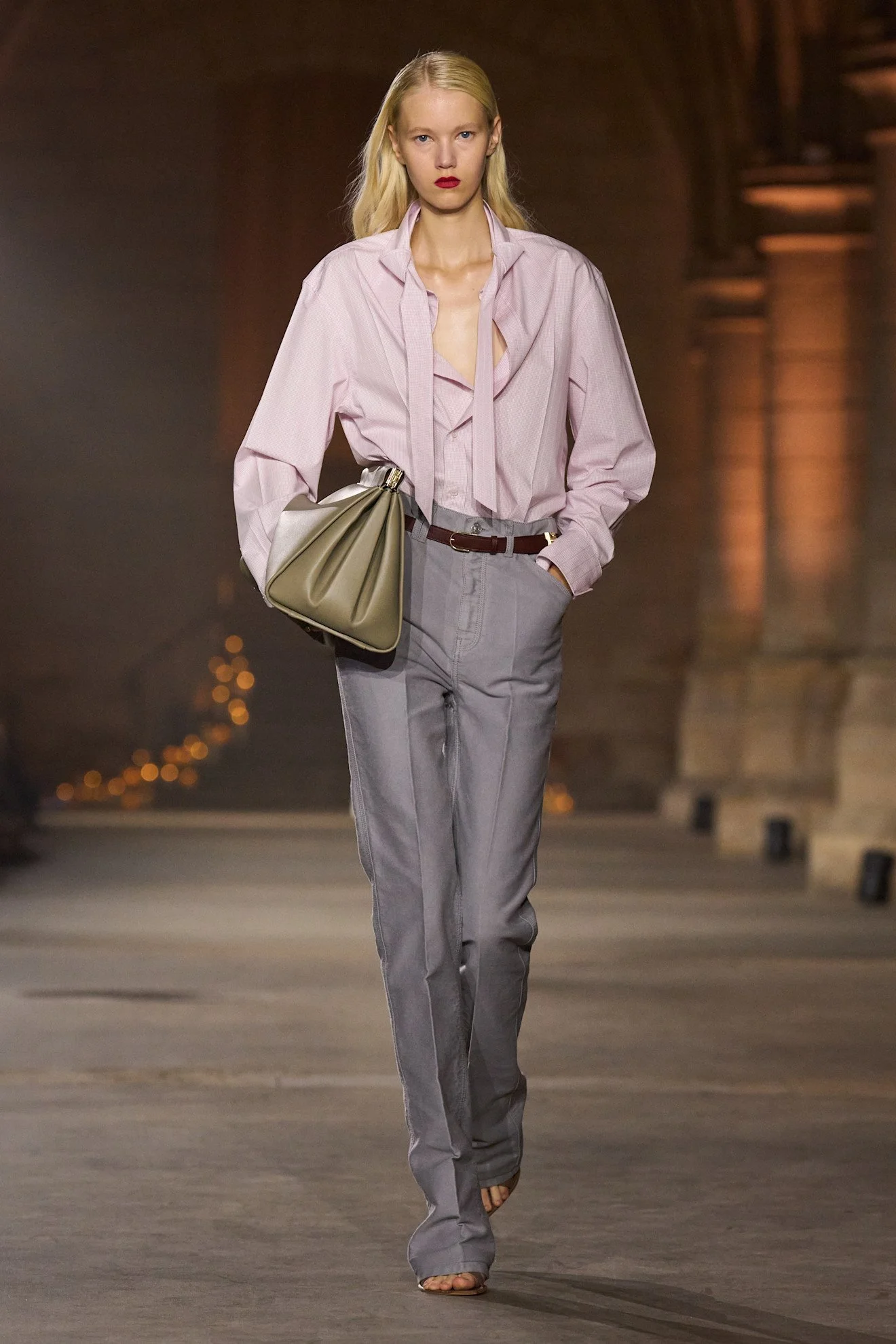
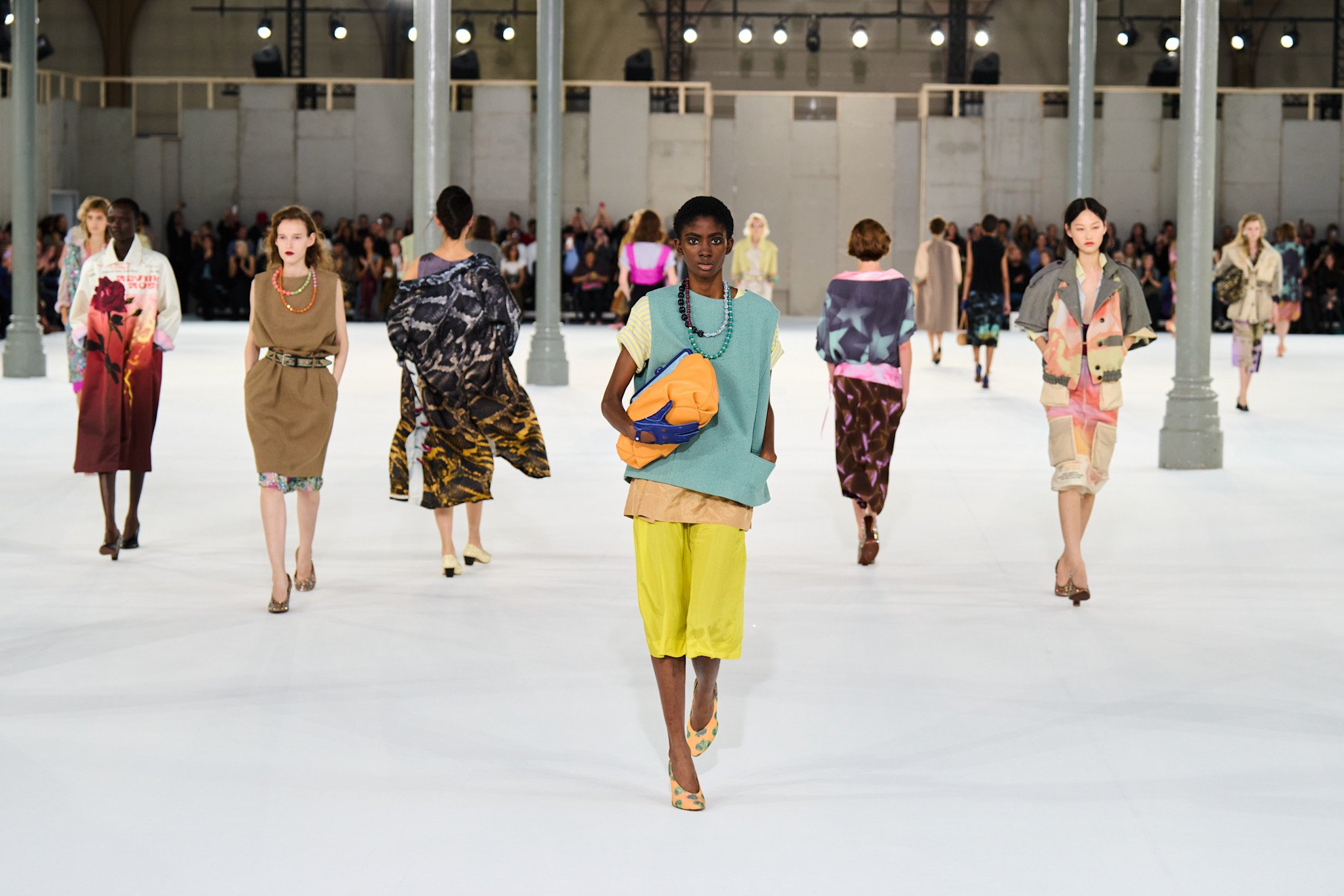
If there is a collection in the dream box for Summer 2027, it is Dries Van Noten a masterclass in layering, mixed prints, colour and embellishment, all so effortlessly put together in a fresh yet easy approach. Julian Klausner had fun for spring, exploring notions of glamour and imagining Hollywood actresses in their downtime, dashing out of the studio wearing glittering jewellery, mannish cardigans and sensible shoes, with just a flash of heel.
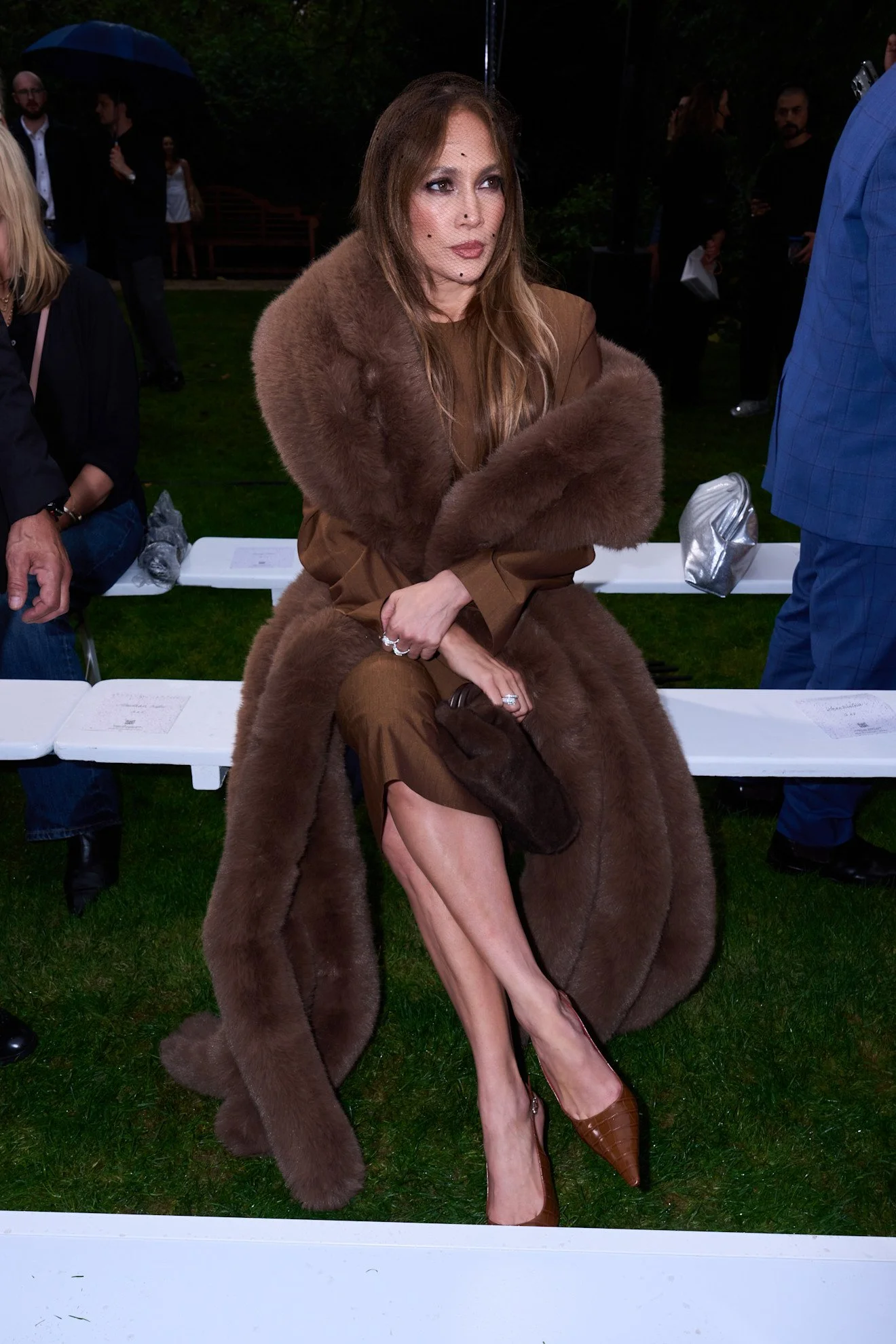
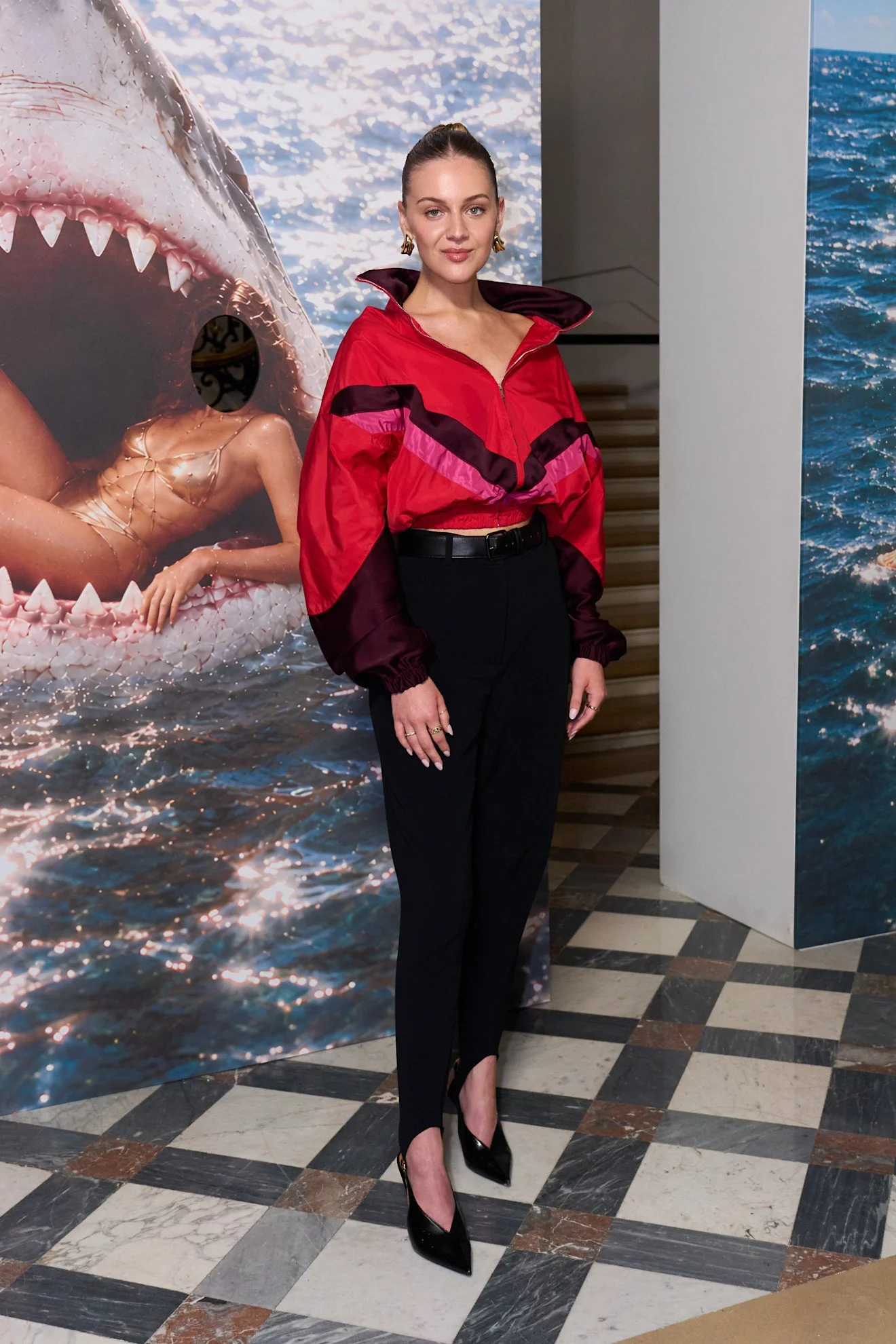
Stella McCartney, always aligned with strong messages, approached an ocean‑inspired lineup woven with sheer tailored layers, witty touches and sporty staples. The show opened with David Attenborough’s prologue to the 2025 Ocean documentary, reminding viewers that “the most important place on earth is not on land.” Among the guests was Jennifer Lopez, wrapped in a full winter fur stole despite the Paris heatwave a moment that did not go unnoticed.
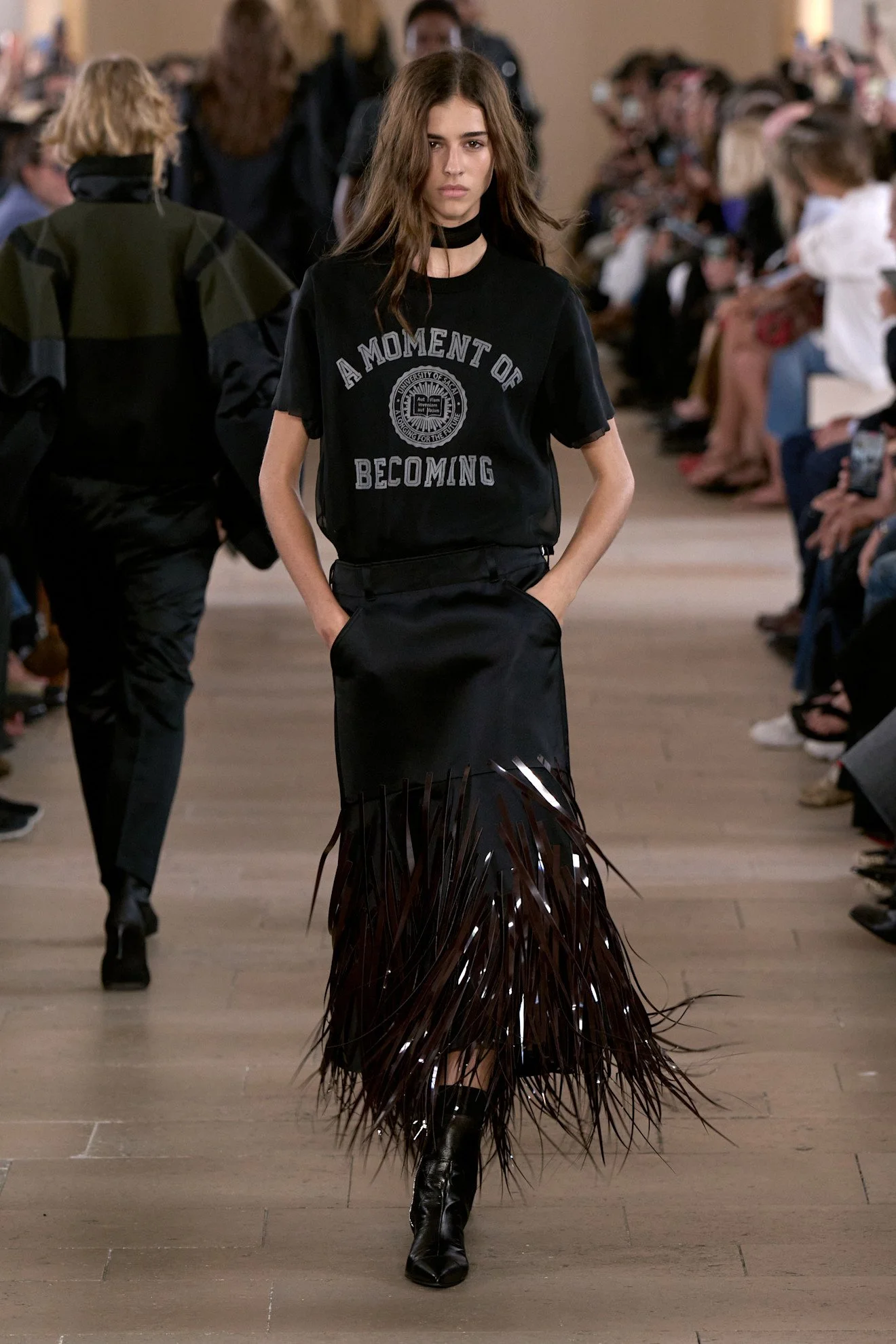
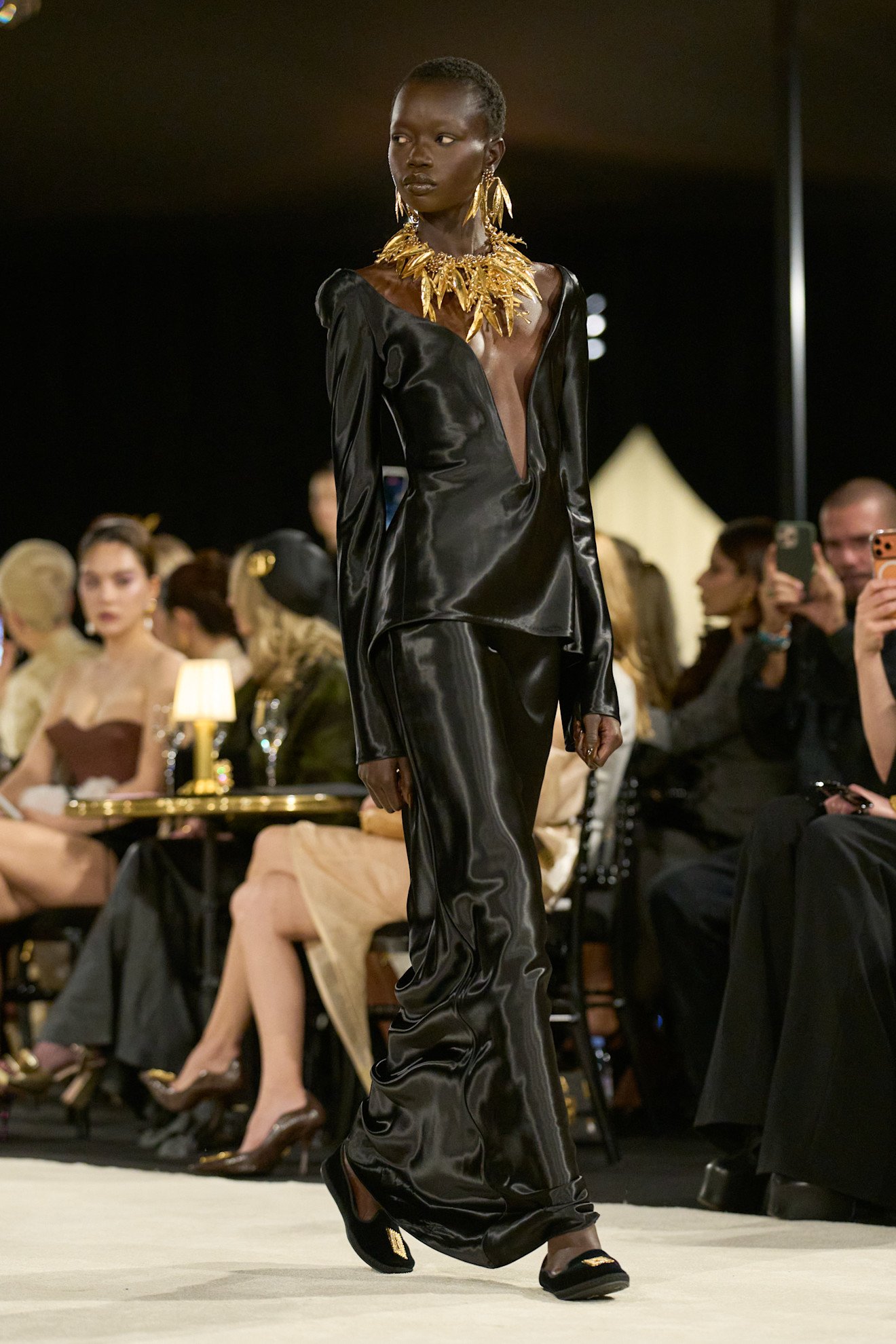
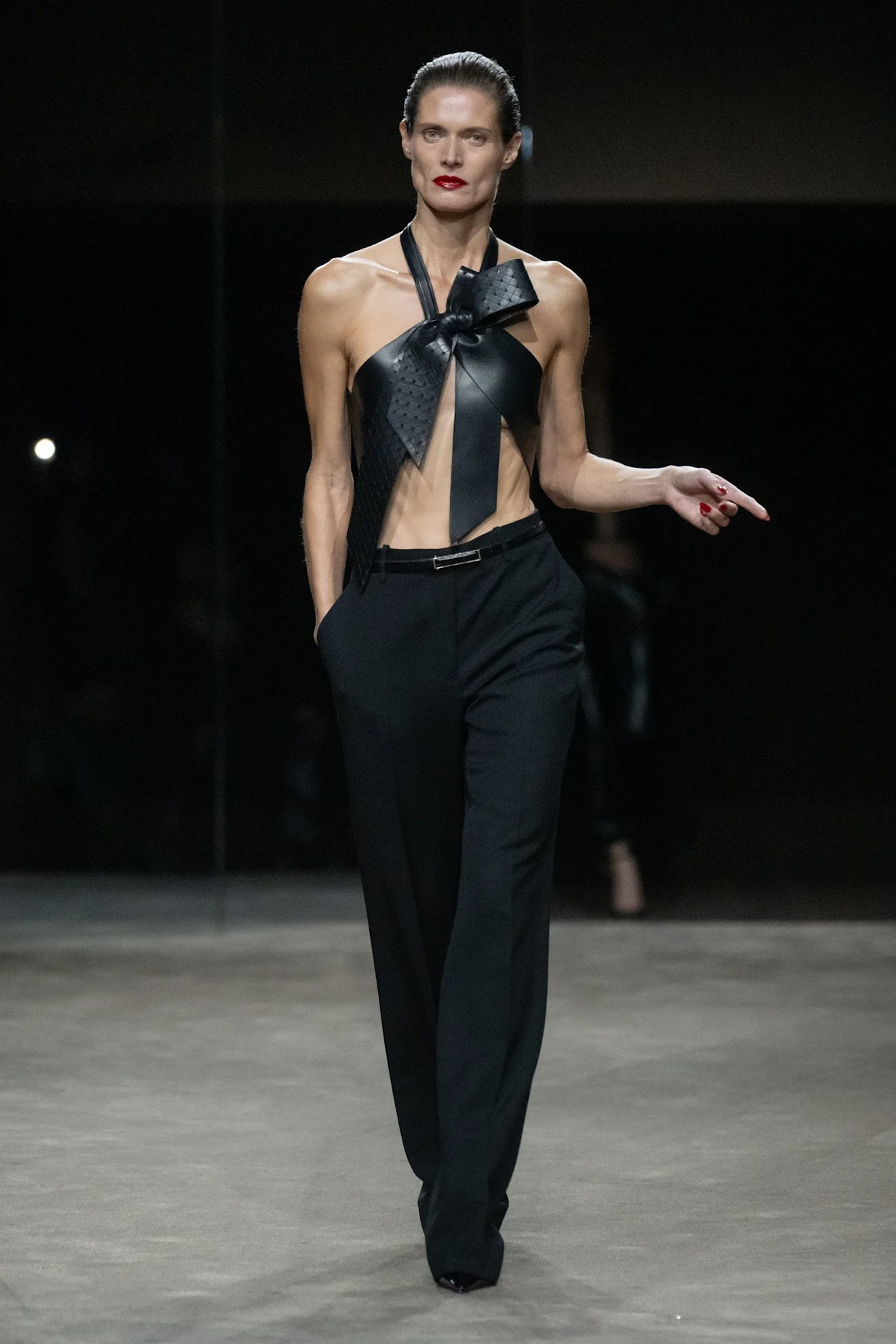
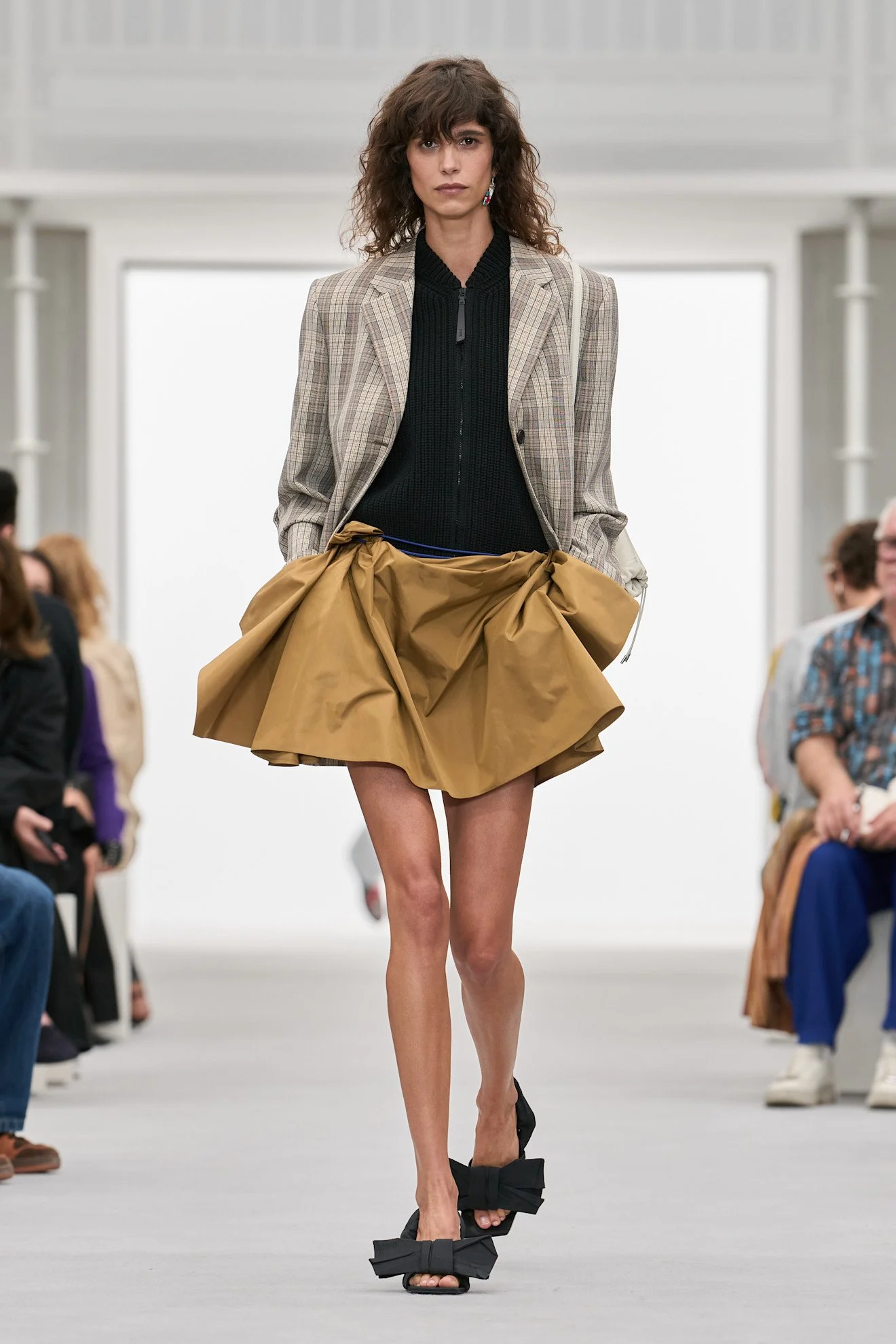
Still dealing with the aftermath of a European heatwave, many designers longed for lightness this season but not Jonny Johansson at Acne Studios. His central premise was a mashup of historical references stretching back to the Renaissance, blended with Acne’s own history as a denim maker. Audacity and decadence defined Haider Ackermann’s collection for Tom Ford, pure 1990s glamour reimagined for Summer 2027.
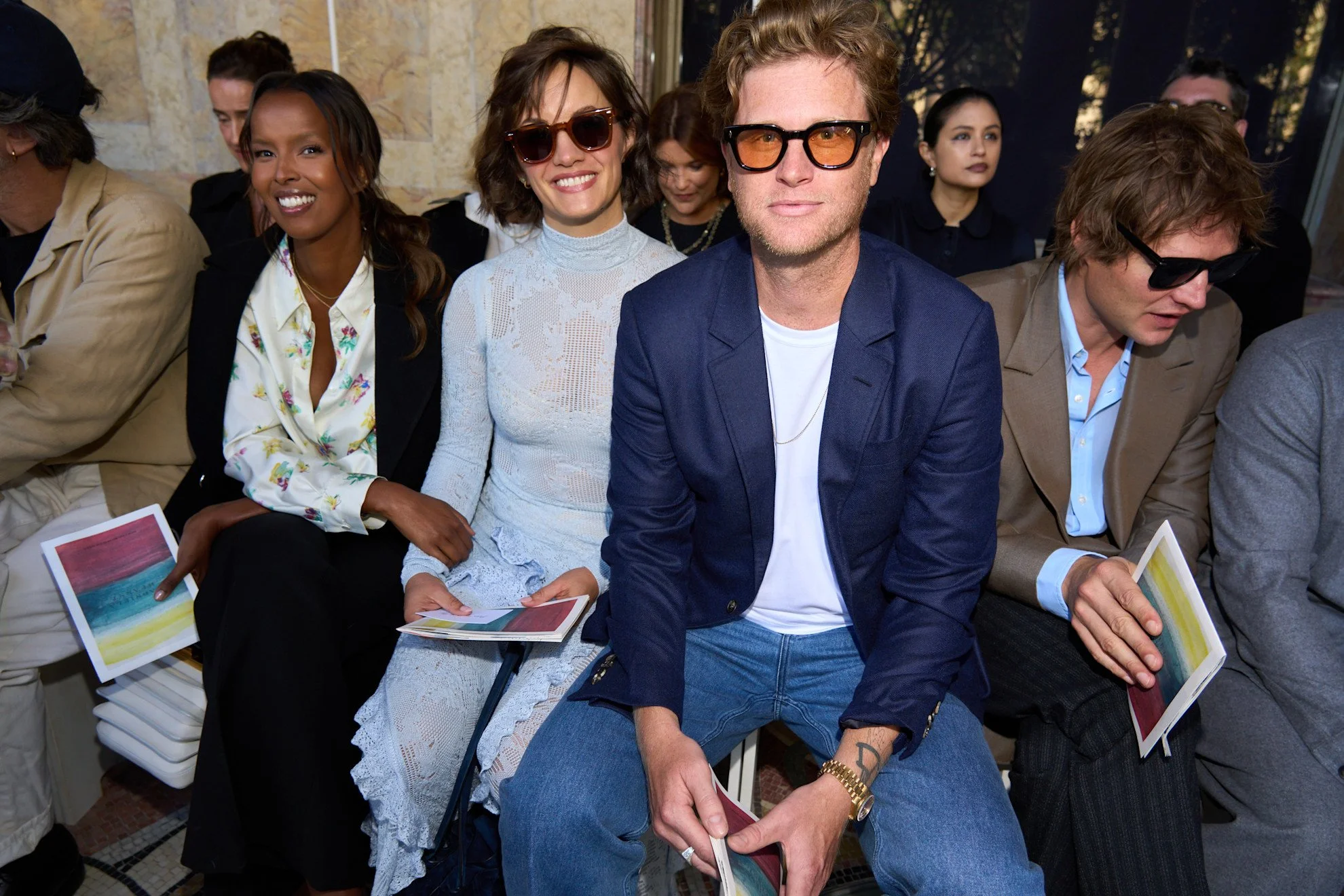
At Balenciaga, Pierpaolo Piccioli continued working between the vision he delivered during his years at Valentino and a direction more aligned with the original Balenciaga, while still carrying forward the work done for the brand by Demna Gvasalia, now leading Gucci. Brooklyn and Nicola Beckham sat front row next to Piccioli’s dog Miranda a charming, unexpected moment.
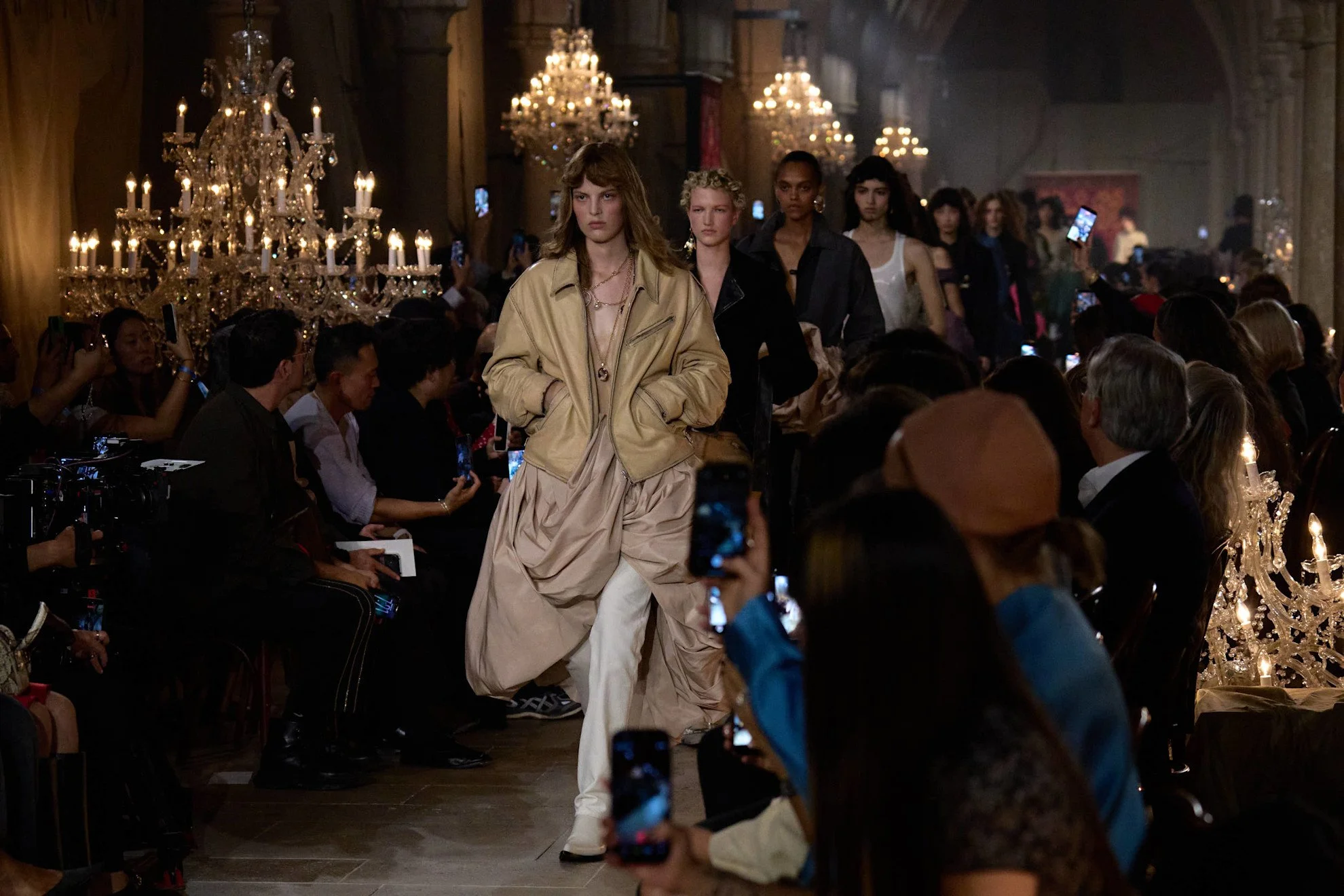
At Schiaparelli, Daniel Roseberry hosted the show at Carrousel du Louvre in a cozy speakeasy setting where guests sat around café tables sipping Champagne. The collection felt more minimal, almost entirely stripped of the surrealist items that had become statement pieces for the brand in recent years and were starting to feel too much like a logo. This season was about shape — modern, sculptural, and refined.
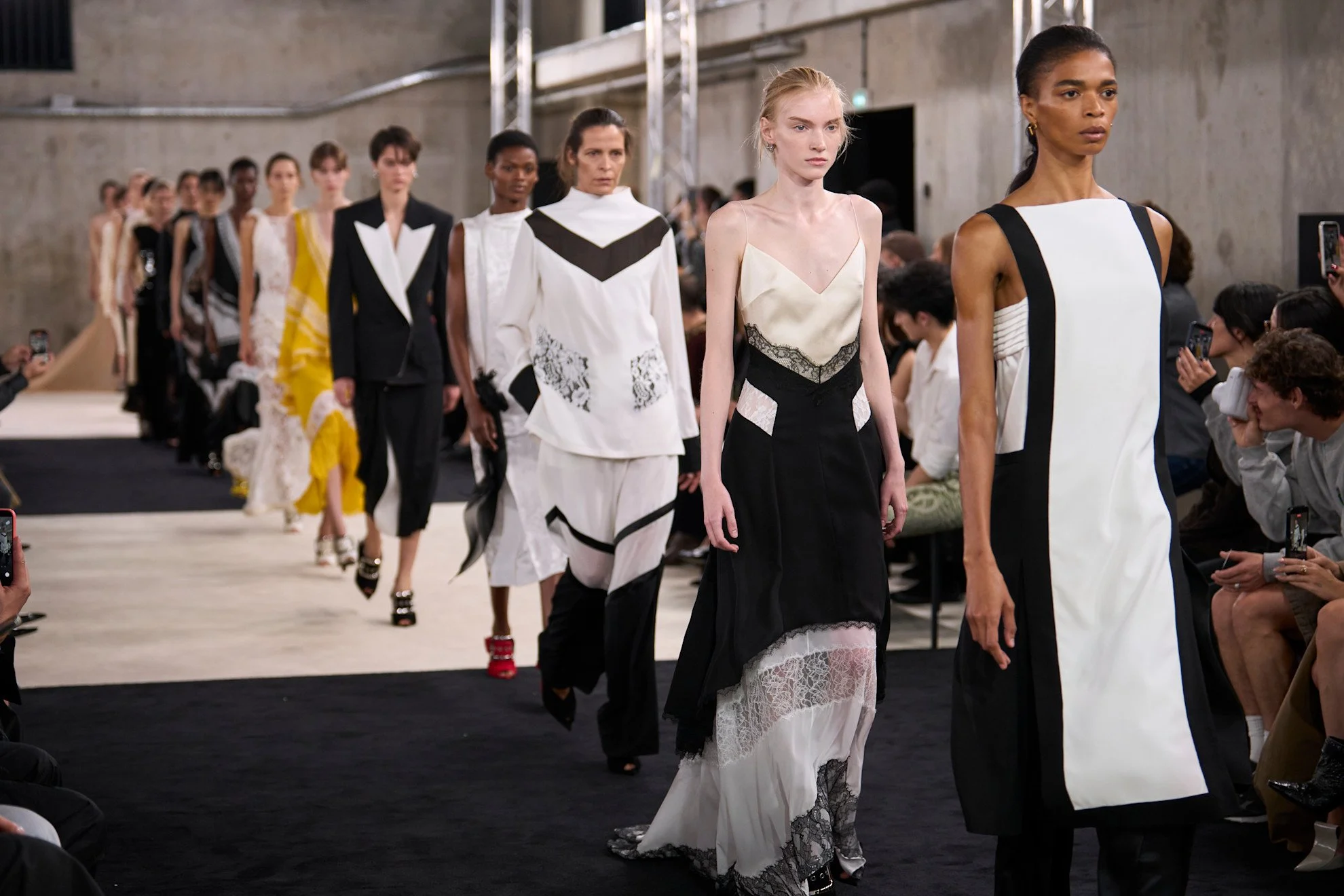
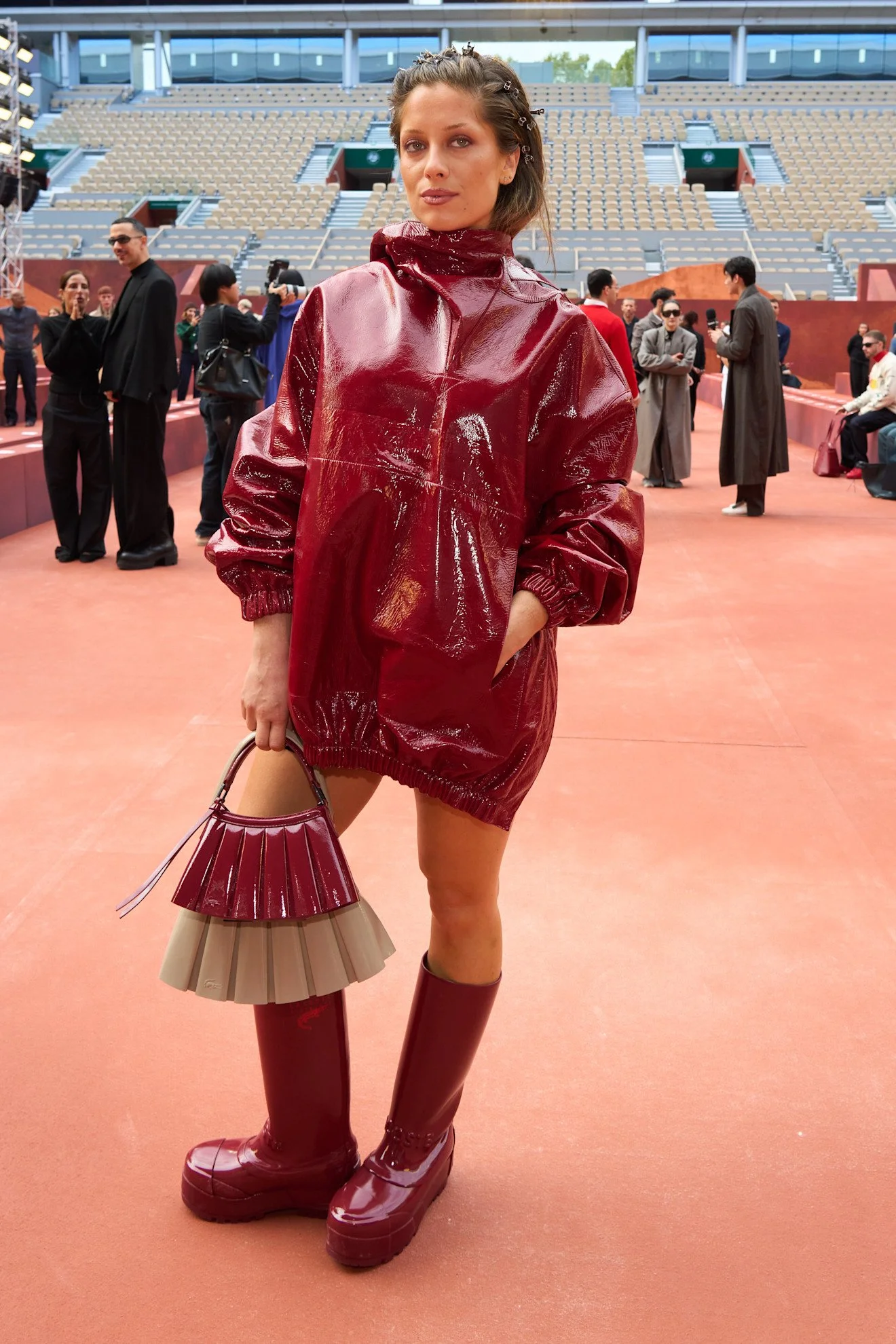
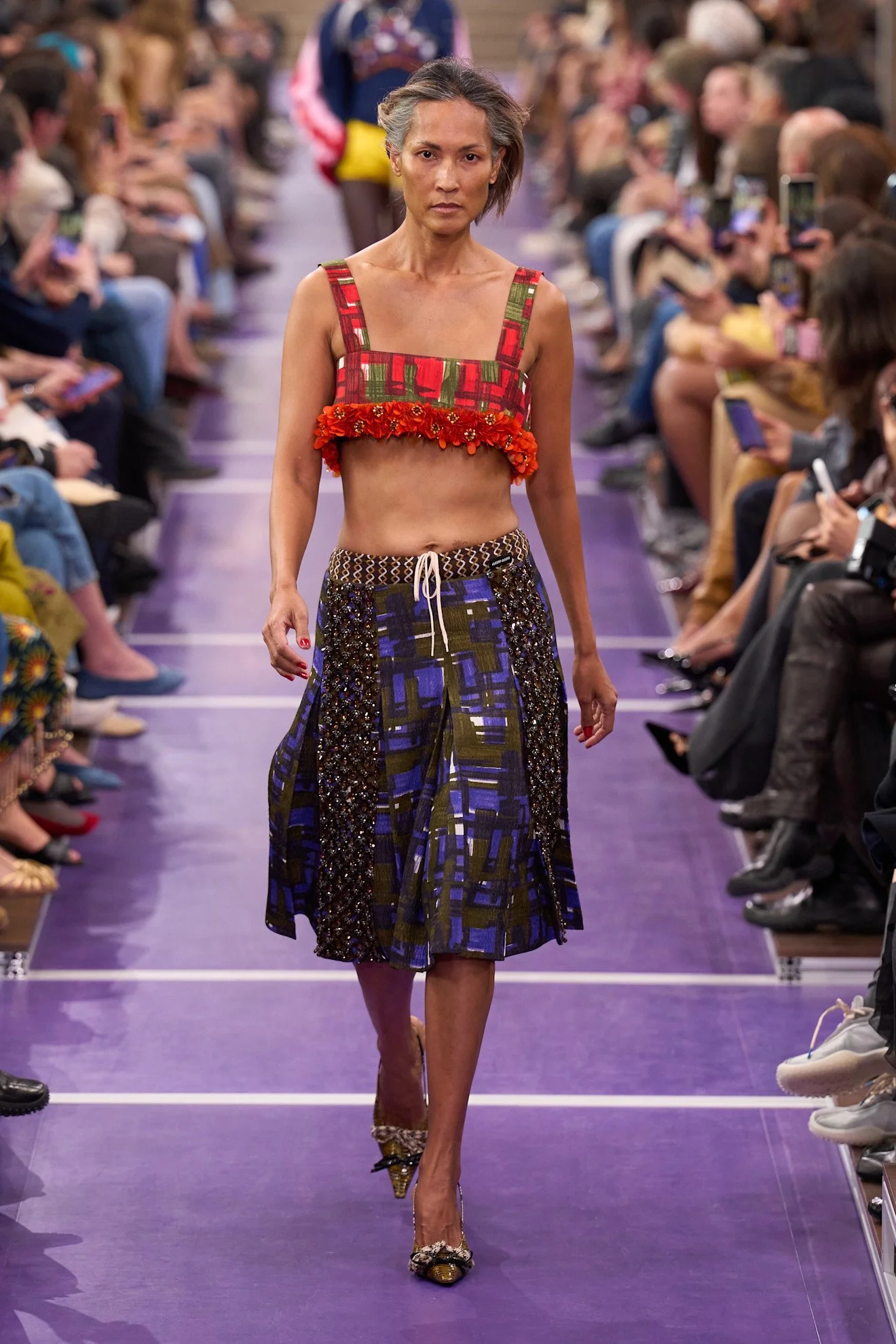
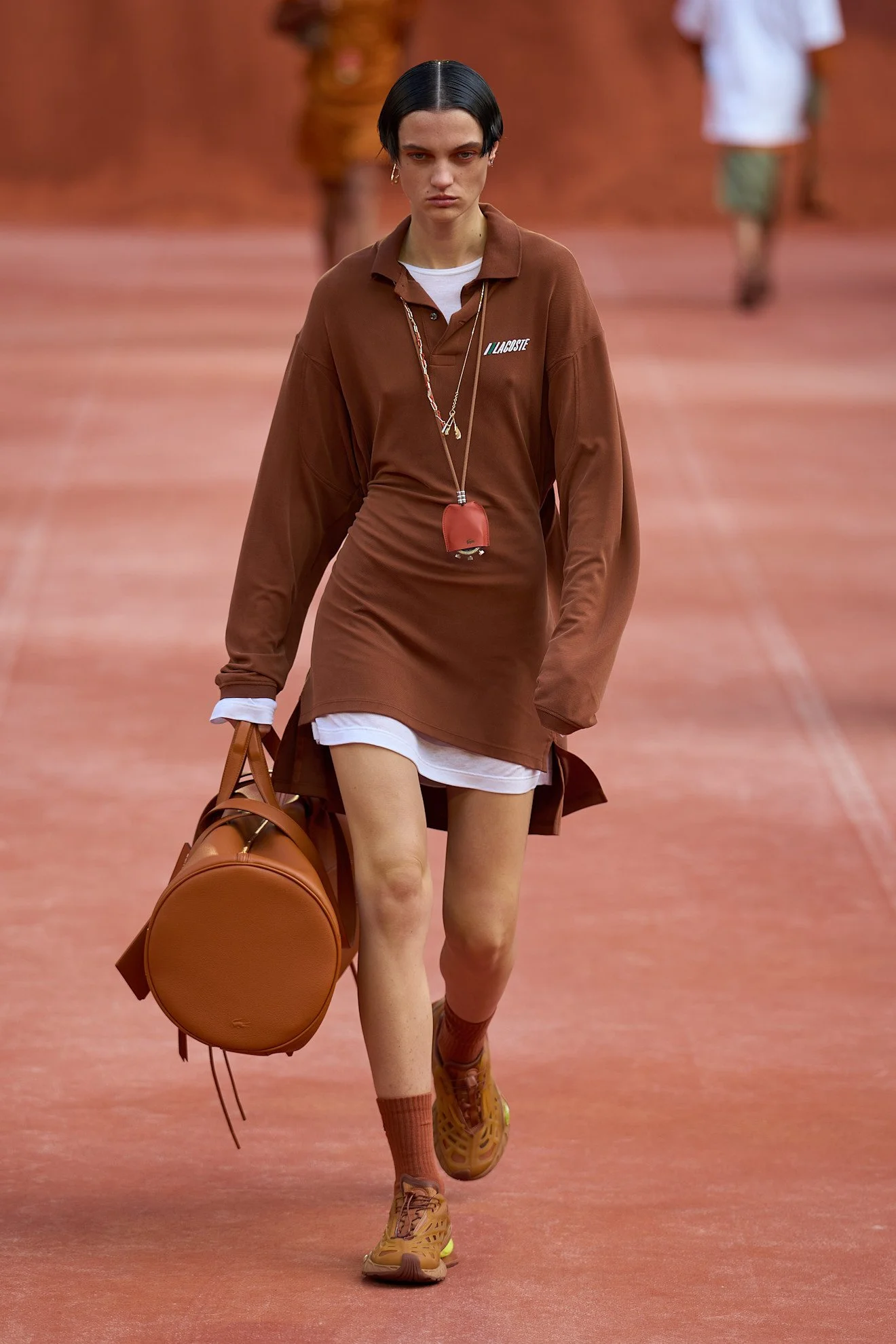
Lanvin’s Spring/Summer 2027 collection by Peter Copping blended historical house heritage with fluid, relaxed tailoring inspired by 20th‑century muses, resulting in a chic, lady‑like collection. At Miu Miu, Miuccia Prada mixed sports and preppy style, delivering another collaboration with New Balance. Lacoste debuted its Spring/Summer 2027 collection, titled “Dress Code: No White Required,” on Court Philippe‑Chatrier at Roland‑Garros. Sacai continued its exploration of utilitarian codes, deconstructing and hybridising silhouettes enriched with embellishment to reveal structure, vulnerability and femininity.
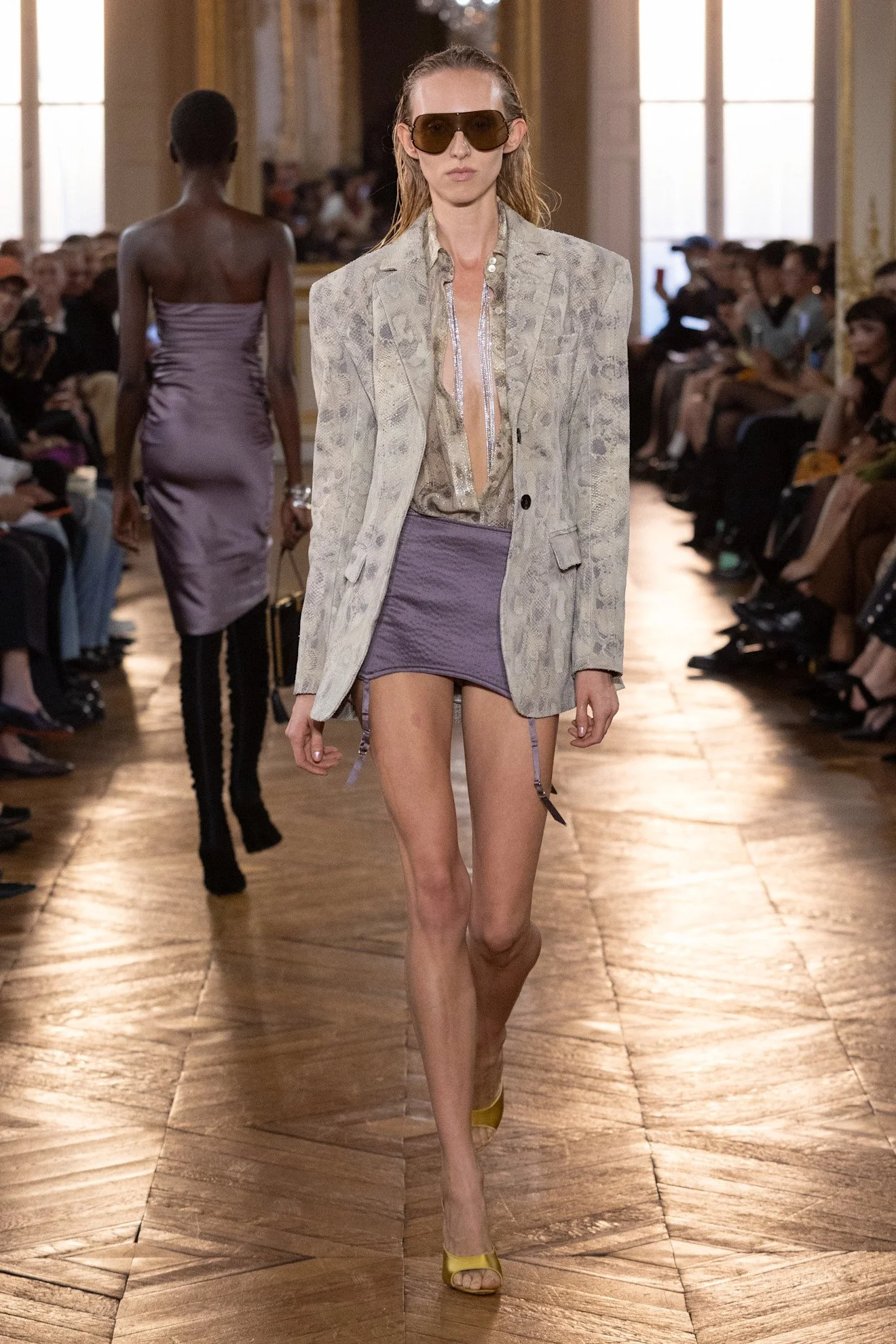
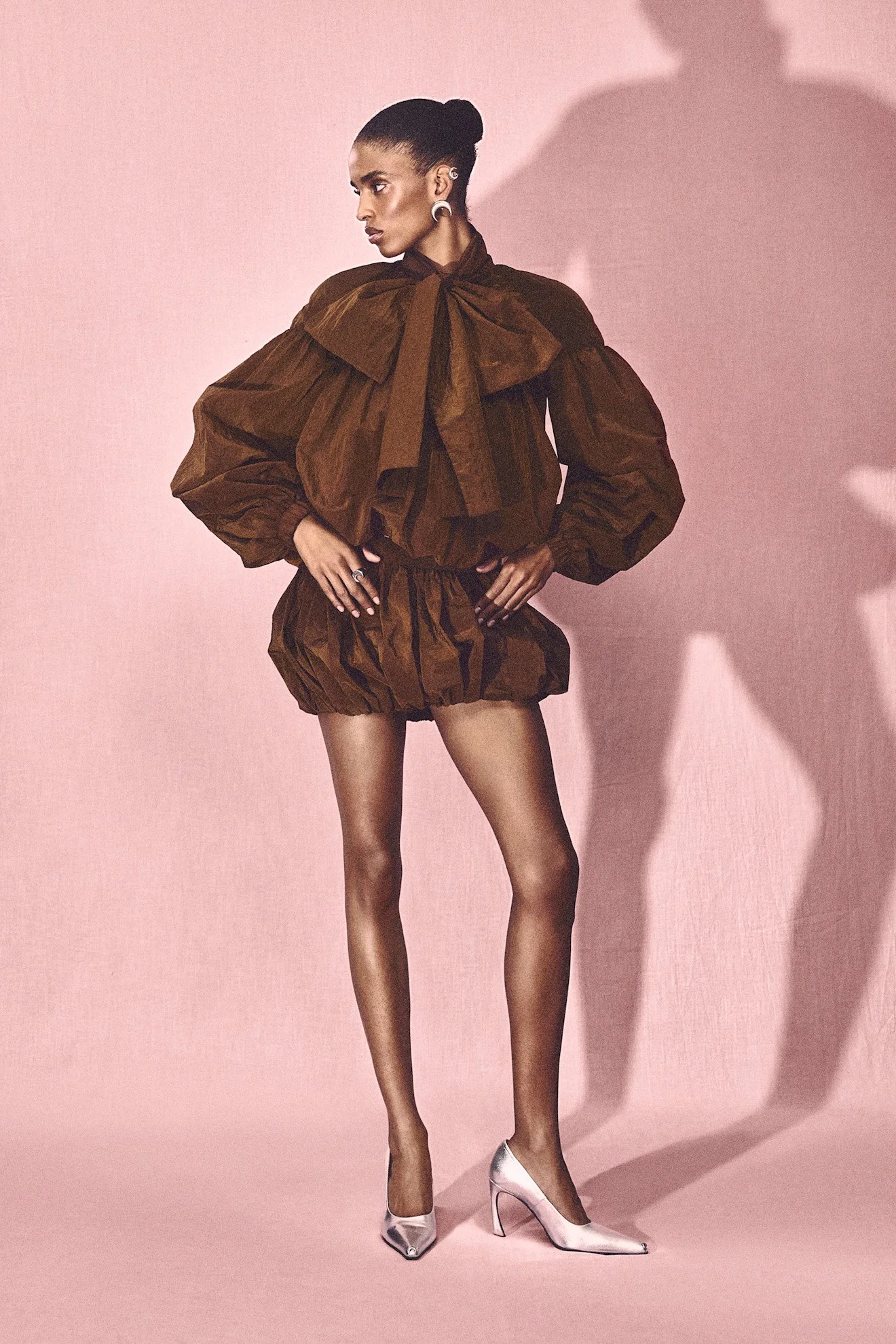
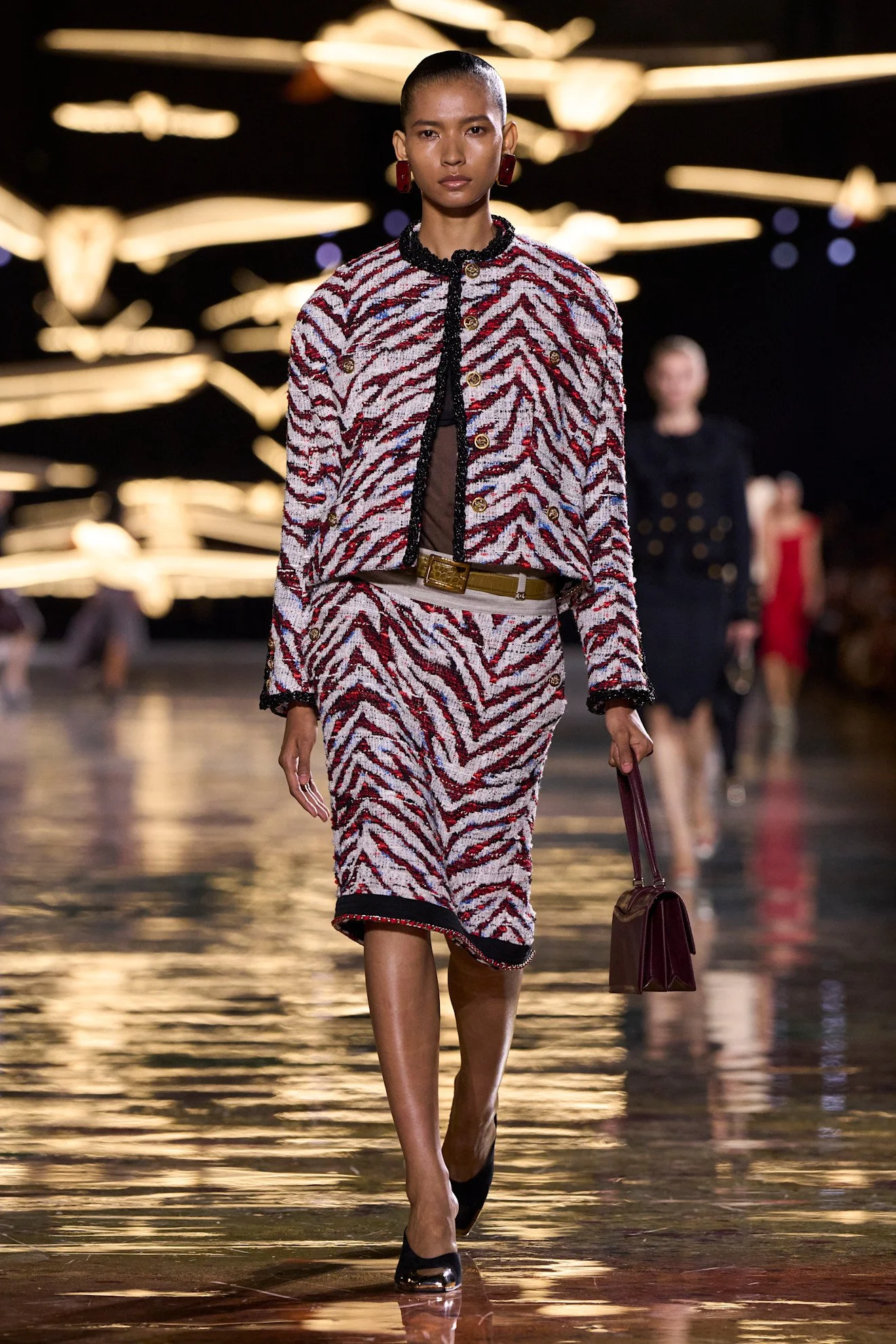
Only a year has passed since Matthieu Blazy debuted at Chanel, bringing a major change to the brand — now less dependent on the double‑C logo but still creating strong statements. Meanwhile, Virginie Viard released her book expressing her frustration at what she felt was a sudden dismissal from a brand she worked for nearly thirty years. Blazy’s boxy silhouettes have been a source of frustration for some Chanel loyalists, and he appeared to address that with a plethora of formfitting silhouettes: clingy, semisheer knits, pearl‑embroidered corsets worn with masculine black pants, wide cropped jackets with graphic motifs, patchwork jackets with corset‑inspired ribbon trims, sloping‑hem suiting jackets, and sleeveless styles like a zebra‑patterned gilet with an hourglass waist. The skirt emerged as the strongest piece of the collection.
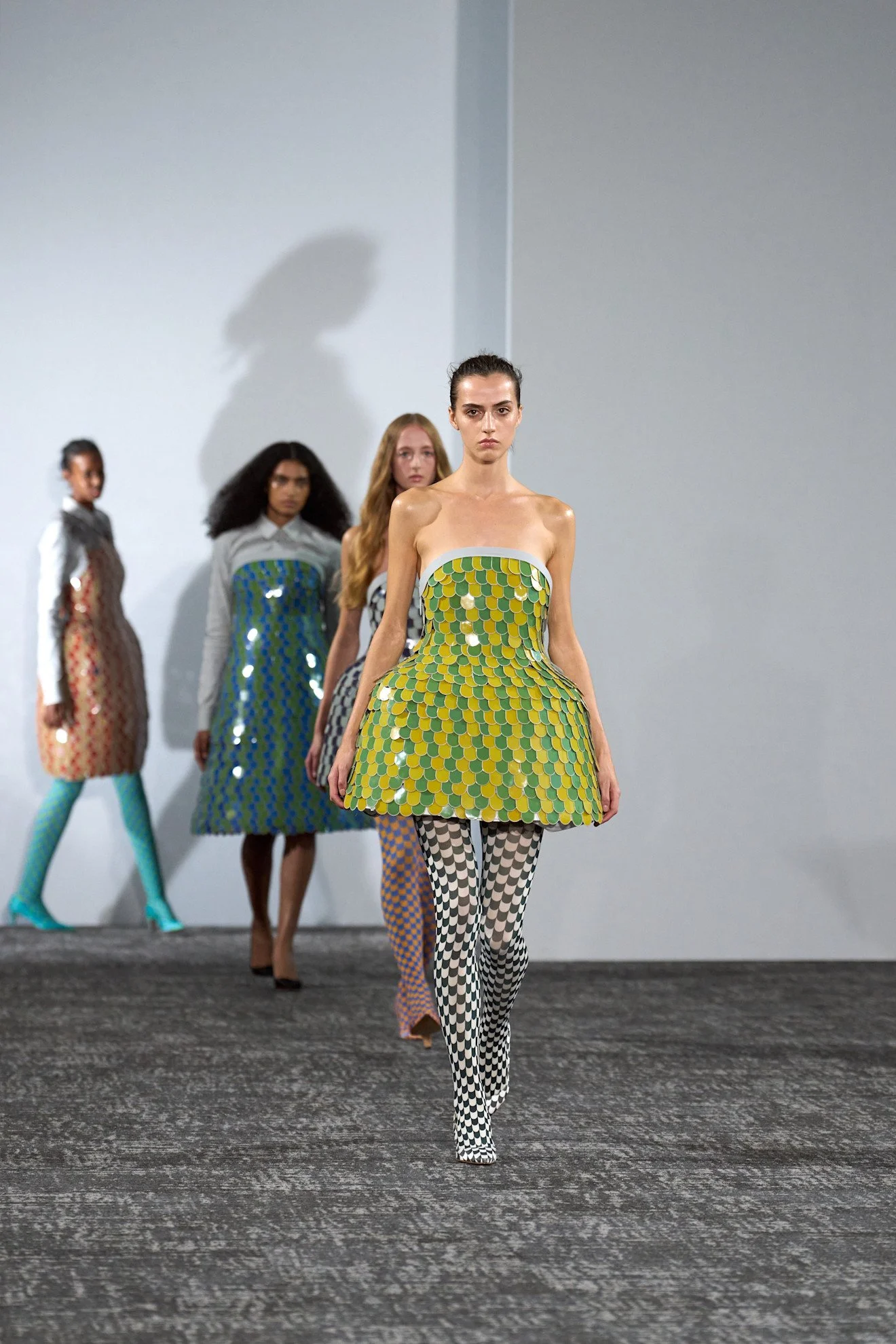
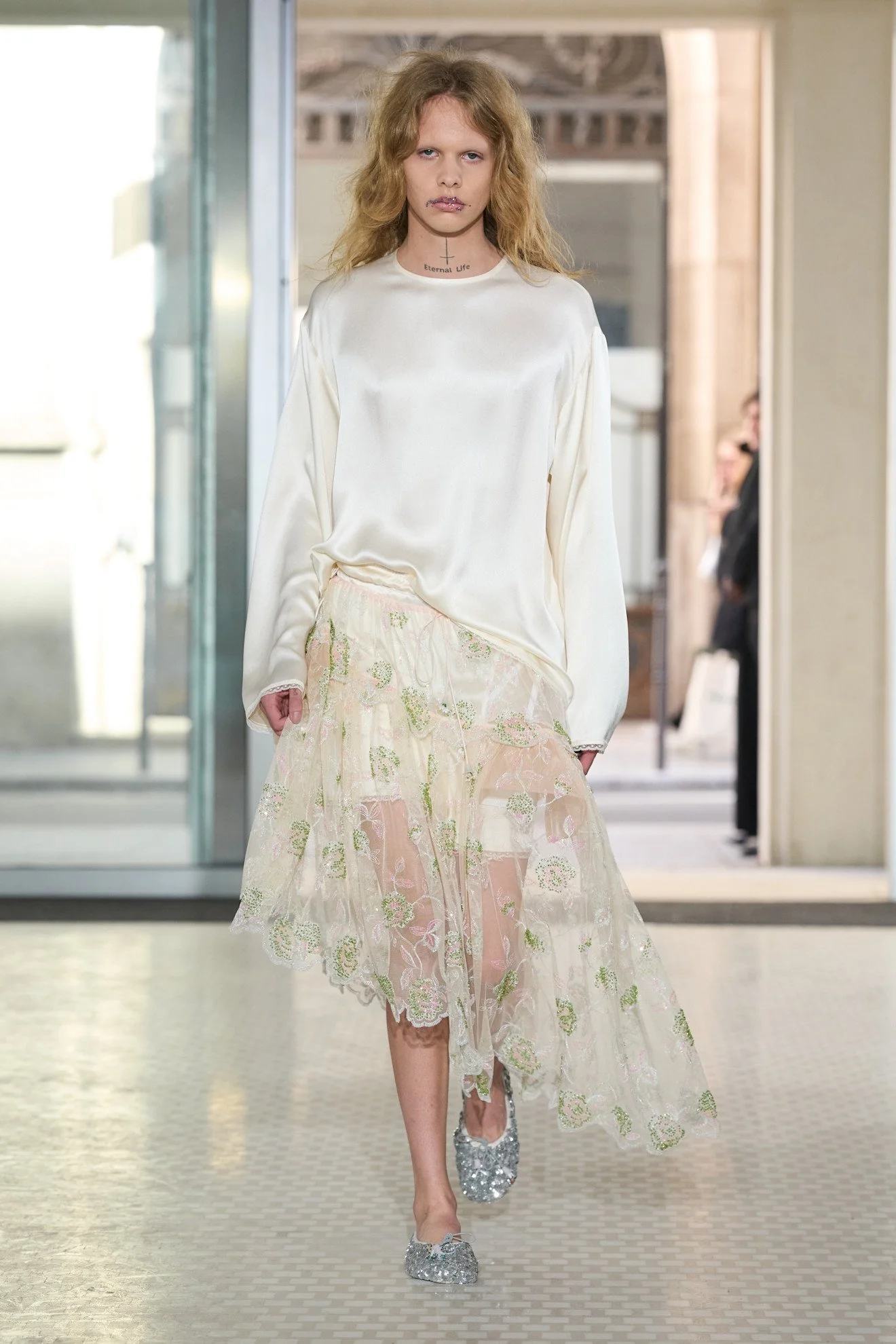
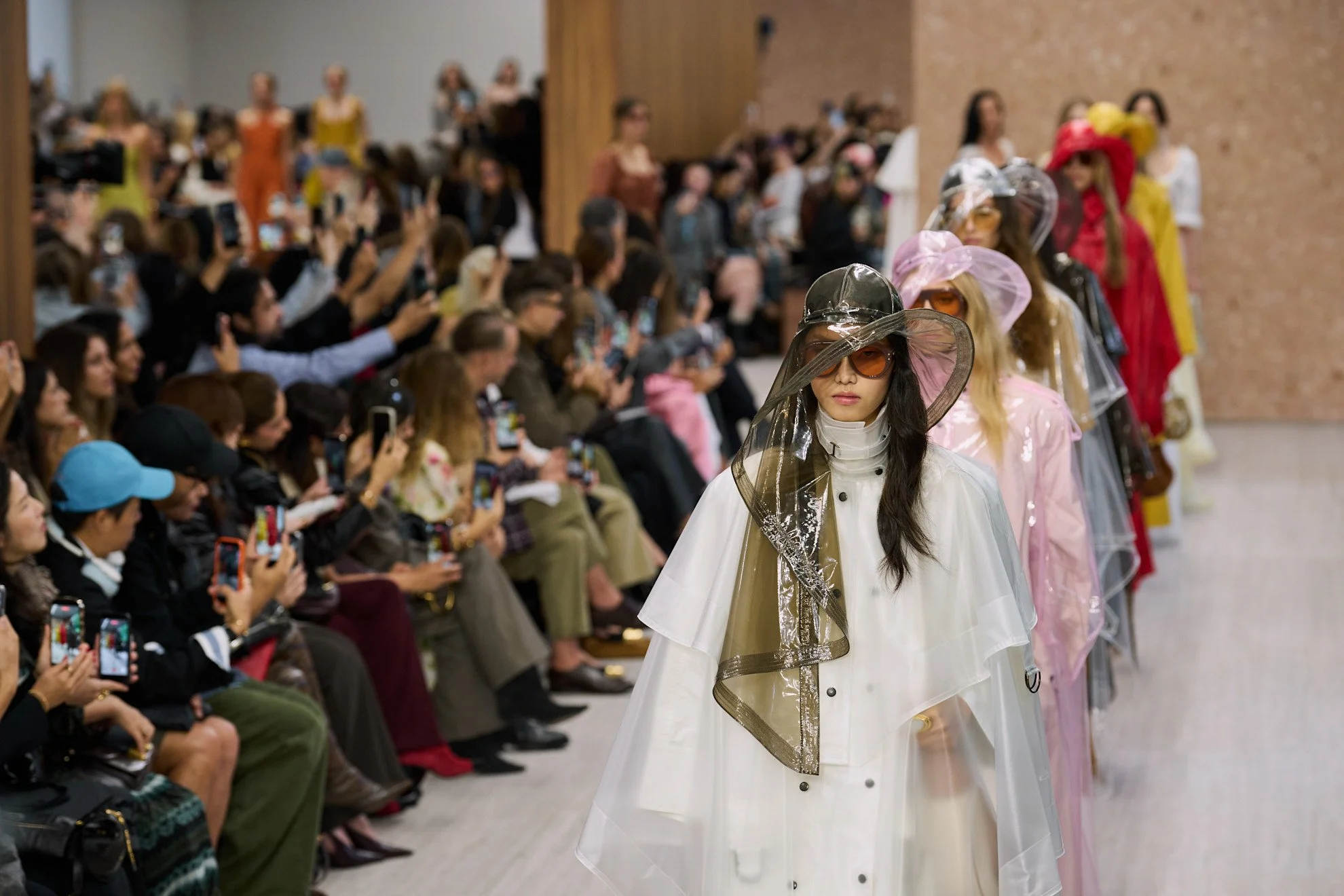
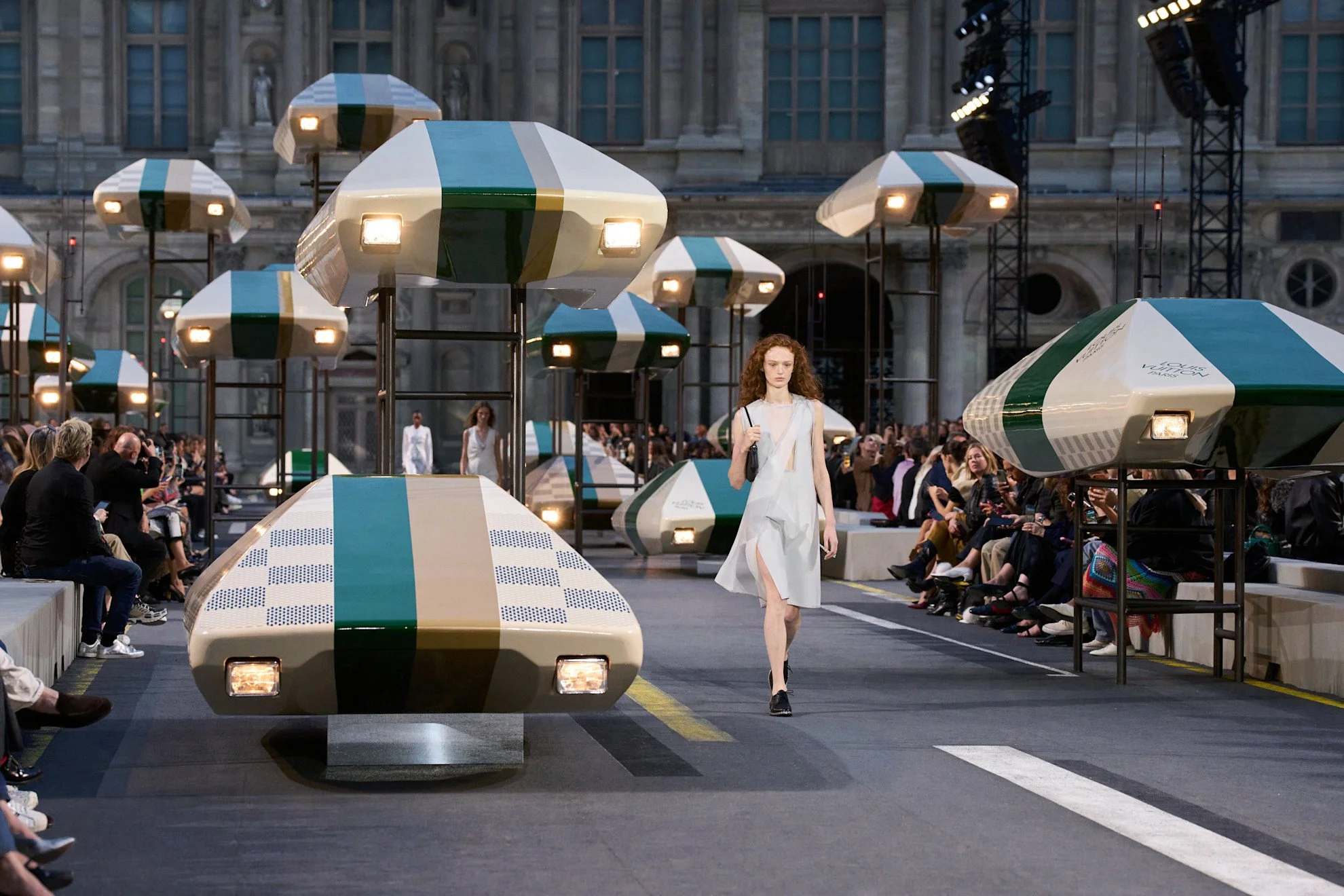
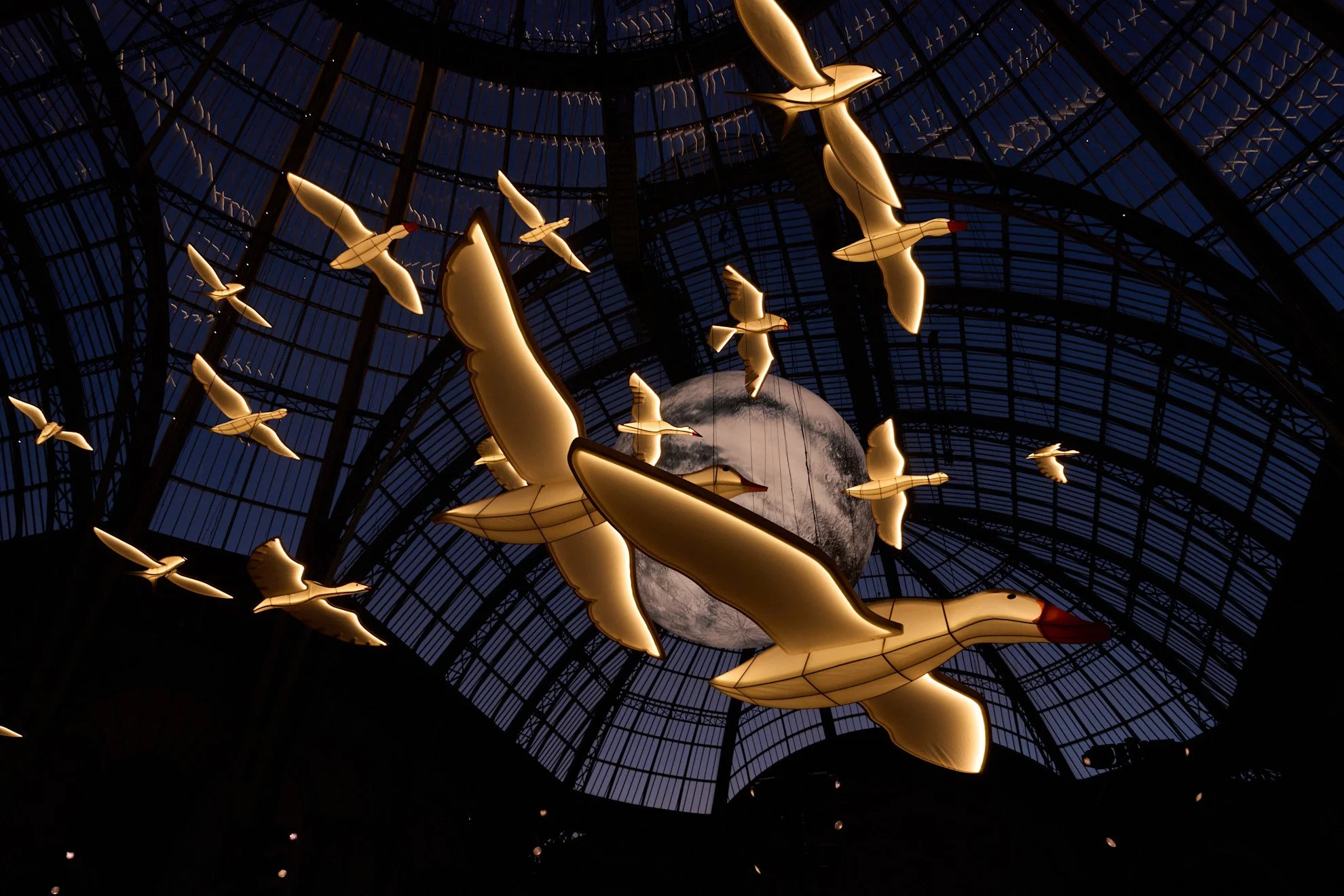
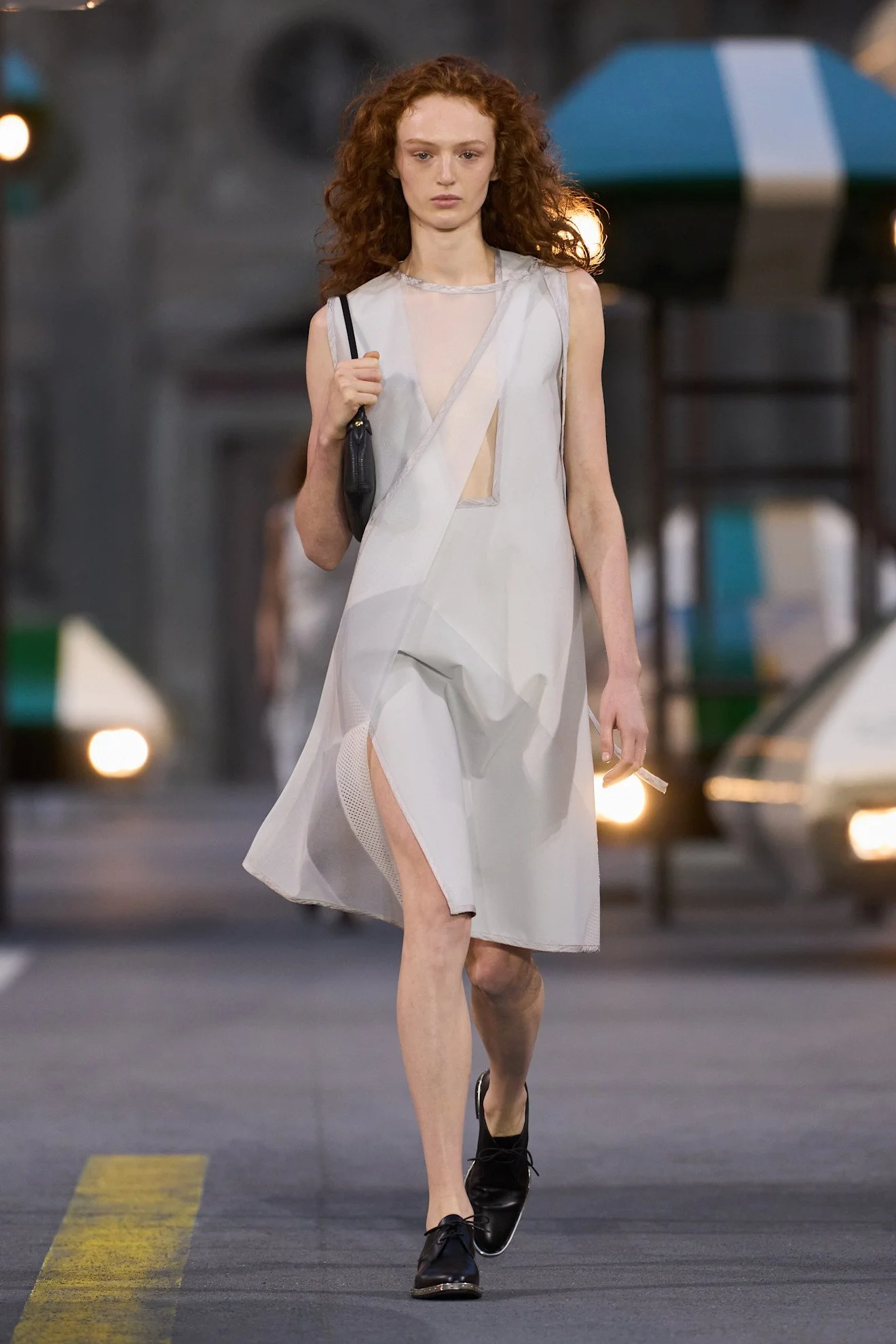
The month came to an end with Louis Vuitton, where Nicolas Ghesquière presented a spectacular set design at the Louvre inspired by futurism a mix between Blade Runner and graphic cartoon fantasy. Ghesquière, whose mood for the catwalk changes drastically every season, delivered a collection focused on pure minimalism. Perhaps it reflects a prediction for the future: a world where uniforms are imposed upon us, and fashion’s role is to preserve fantasy, imagination and the freedom to dream.
Paris Front Row