
The Librarian Look: How Miuccia Prada Turned Intellectual Dressing Into a Cultural Power Move
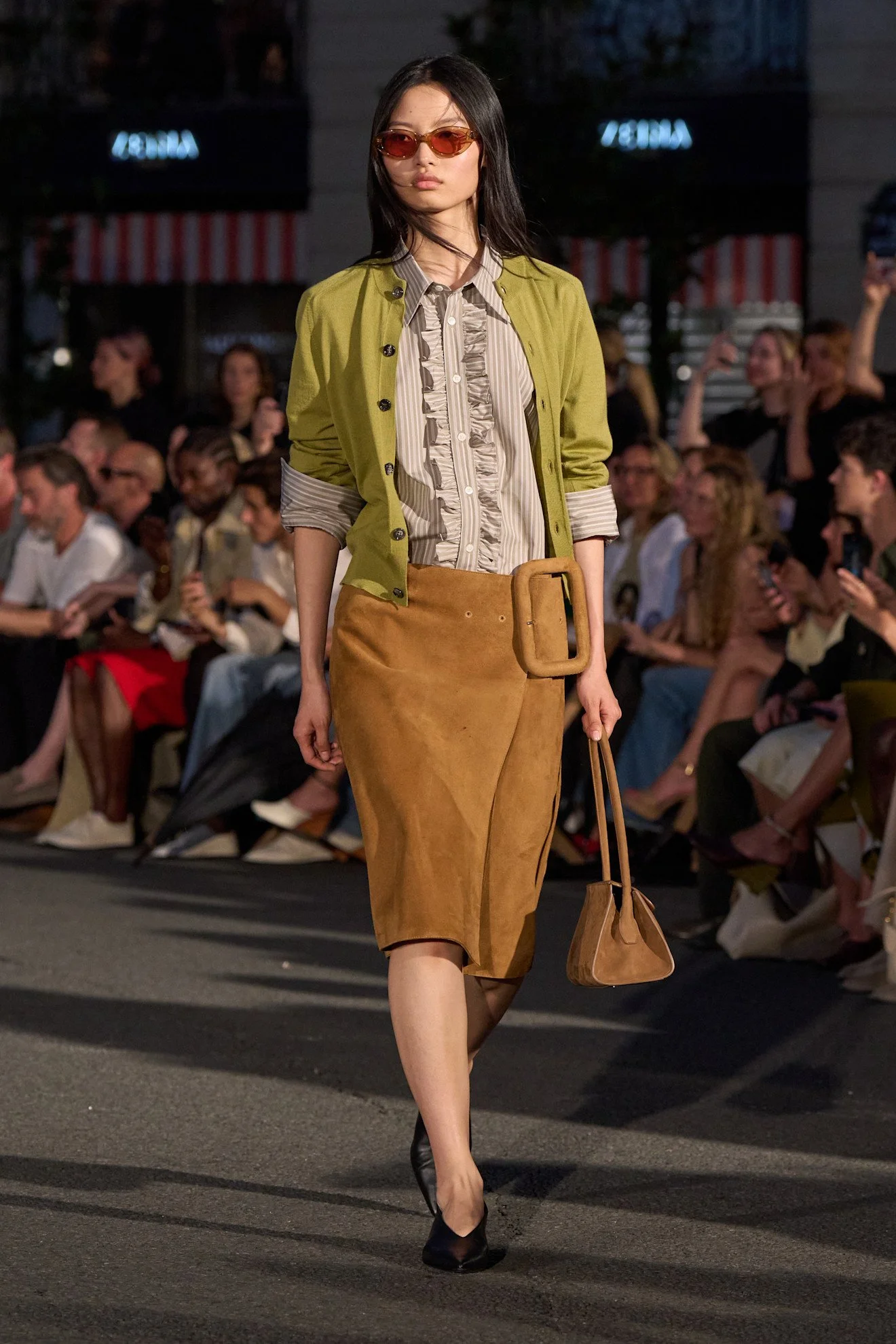
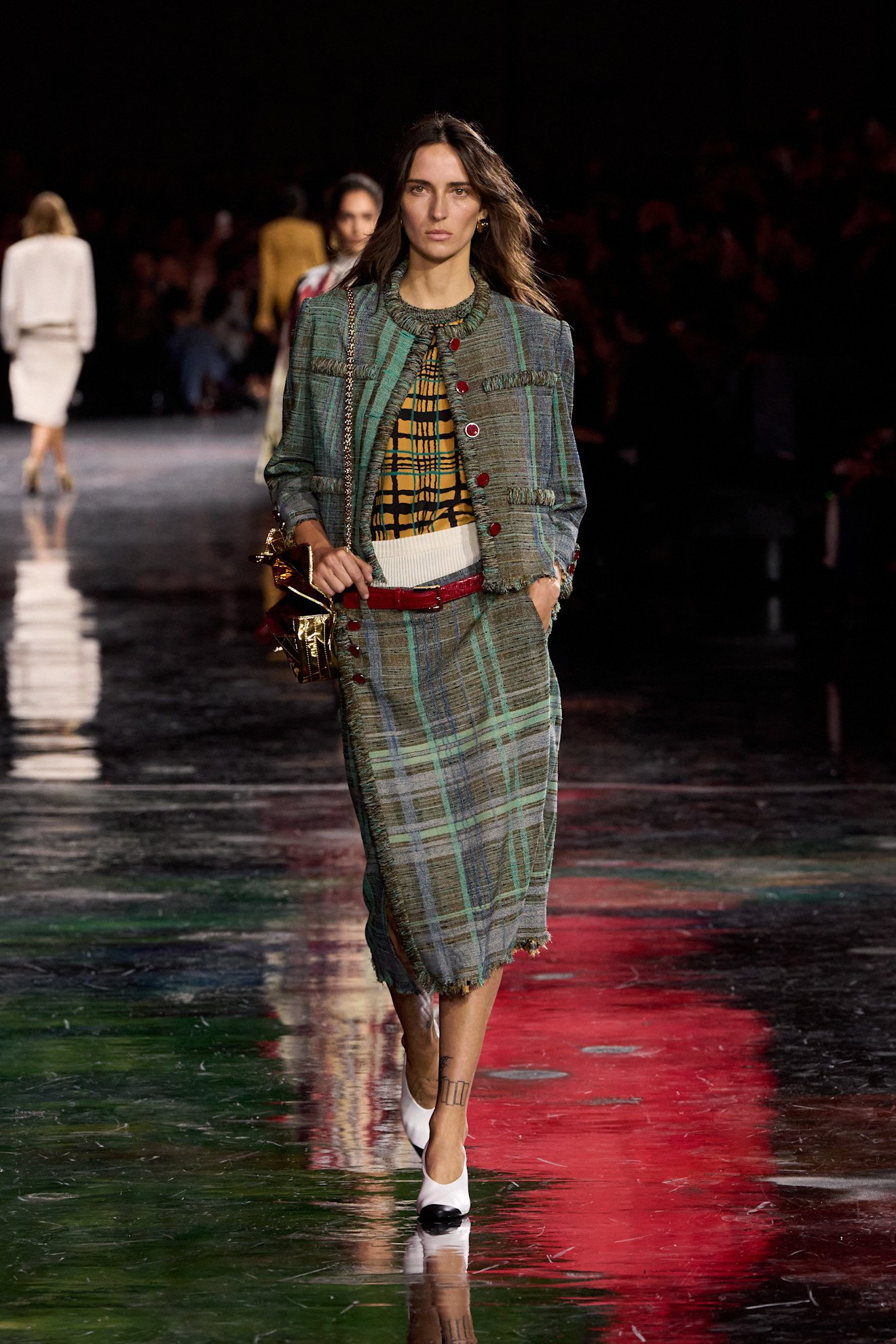
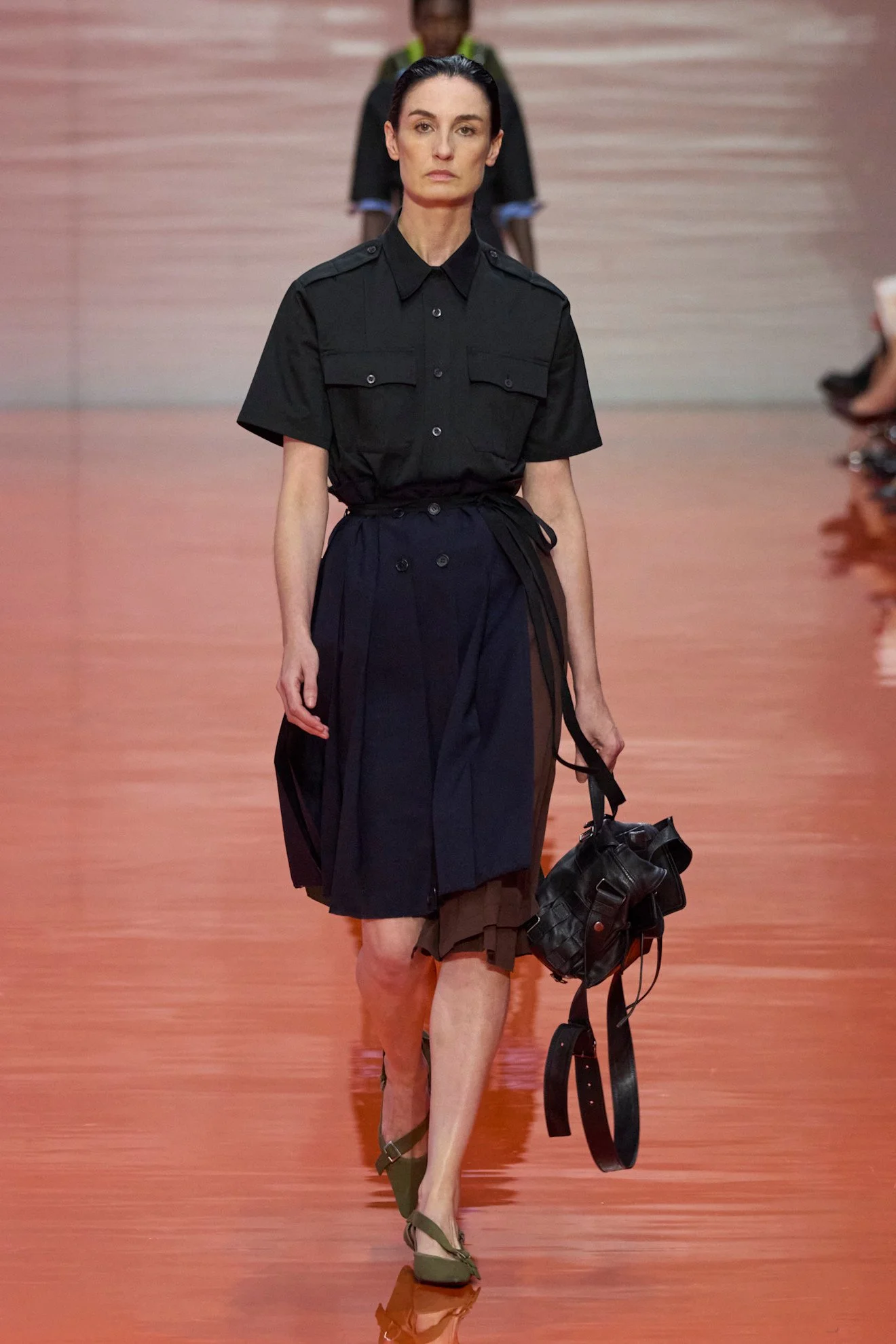
The librarian look has always carried a quiet magnetism, but it was Miuccia Prada who transformed it from a niche aesthetic into a full‑blown fashion attitude. At the end of the 1990s when hyper‑sexy silhouettes and loud, logo‑driven statements began to lose their grip Prada offered something radically different: a celebration of intellect, restraint, and subversive simplicity. It was the beginning of a new era, one where dressing smart didn’t just mean looking polished; it meant signalling a mindset. Prada made intelligence seductive.
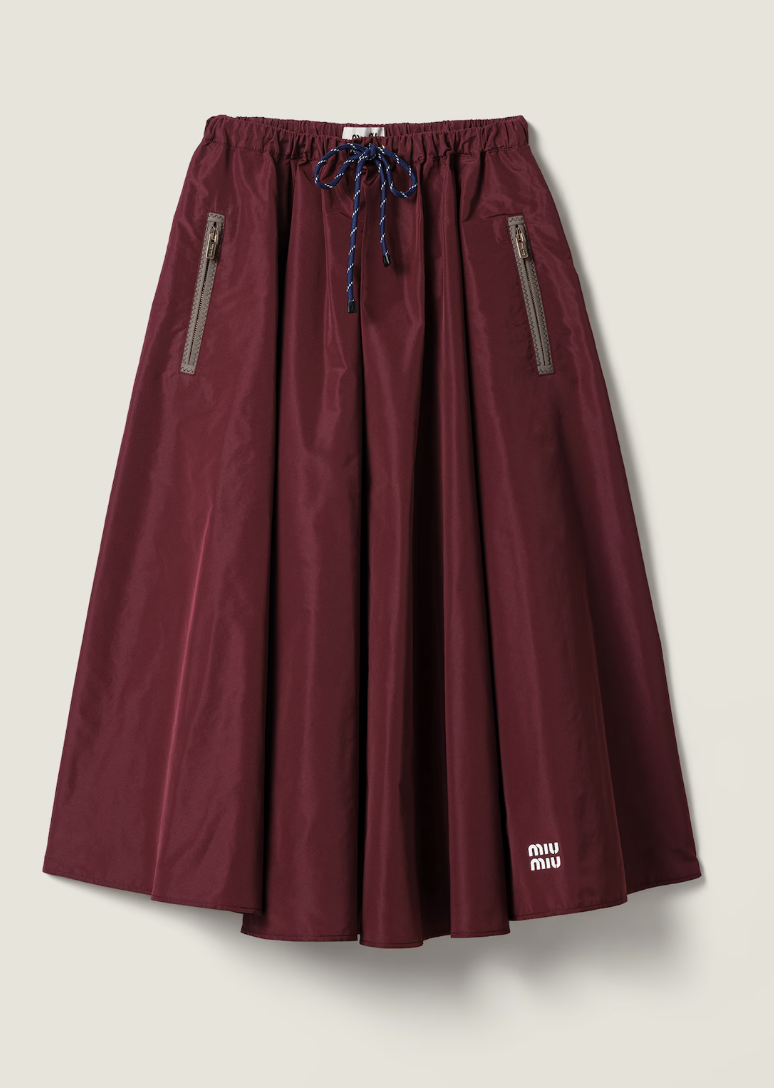
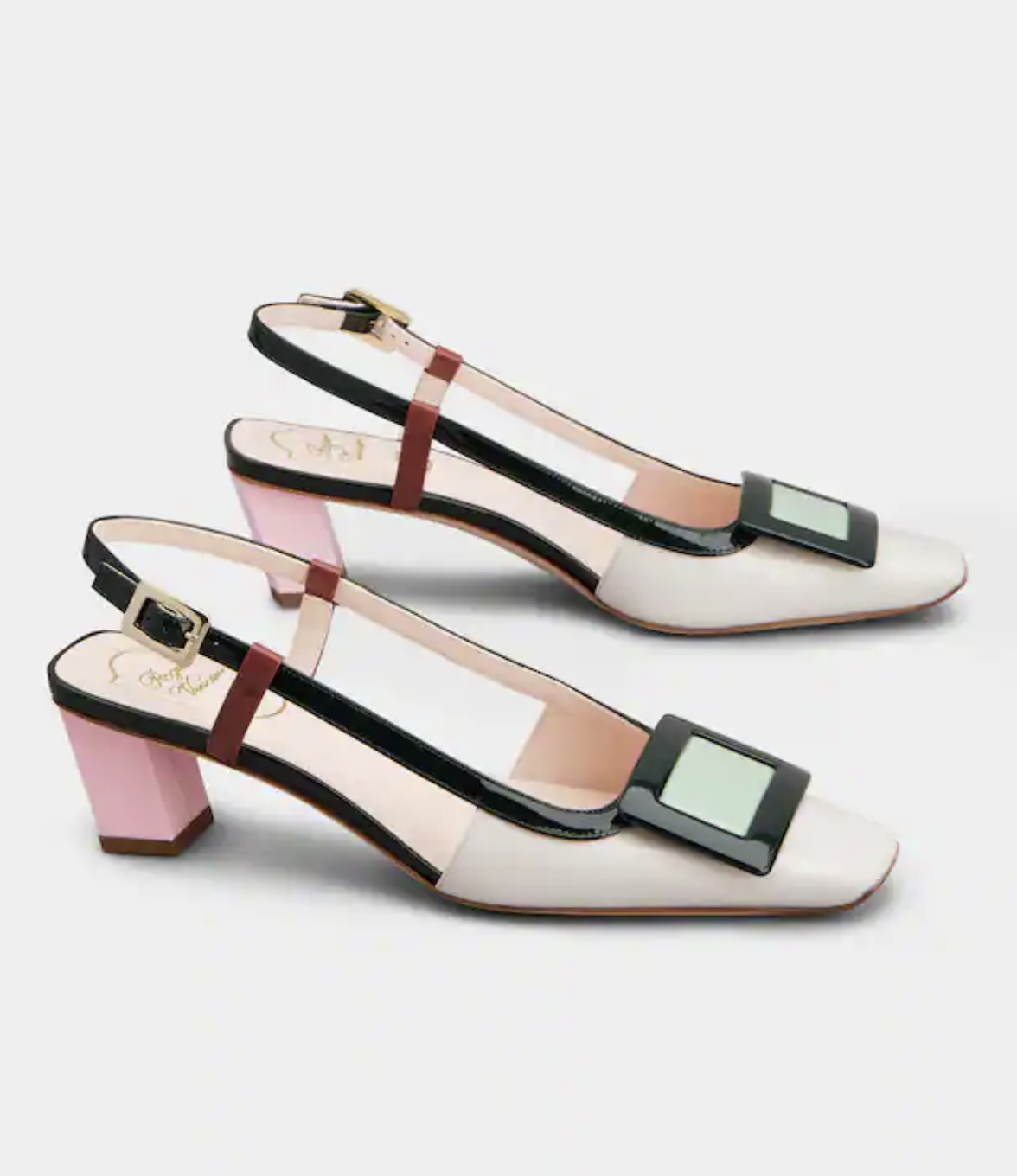
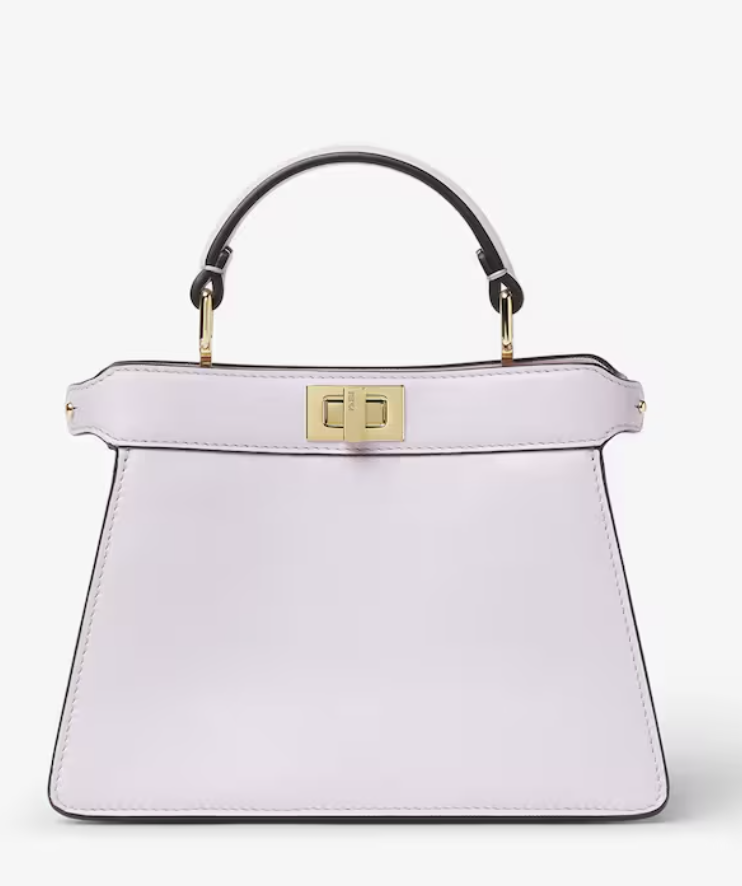
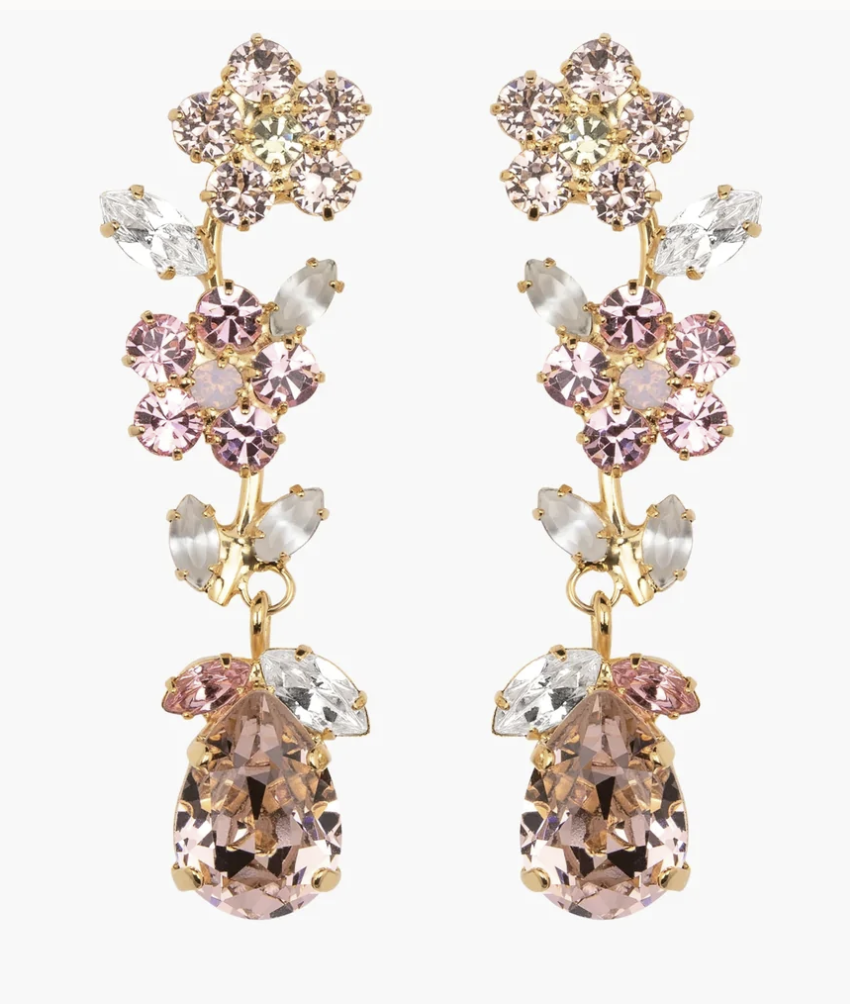
Her rise during this period was no coincidence. The now‑iconic nylon tech backpack, once a purely utilitarian object, became a status symbol for a generation craving modernity without excess. It was the anti–It bag that became the It bag. Suddenly, the woman who carried it wasn’t trying to seduce; she was trying to think. And that, paradoxically, became irresistible. Prada’s woman was not performing for the male gaze she was performing for herself, for her ideas, for her own internal world. It was a radical shift in the language of luxury.
This shift opened the door to what we now call the librarian look a style rooted in intellectual chic, where the power came from understatement. Wearing reading glasses in public, even without a prescription, became a fashion gesture. It wasn’t about vision; it was about visionaries. The glasses framed a new kind of allure: one that suggested curiosity, depth, and a refusal to perform femininity in predictable ways. The librarian look was not shy; it was quietly defiant.
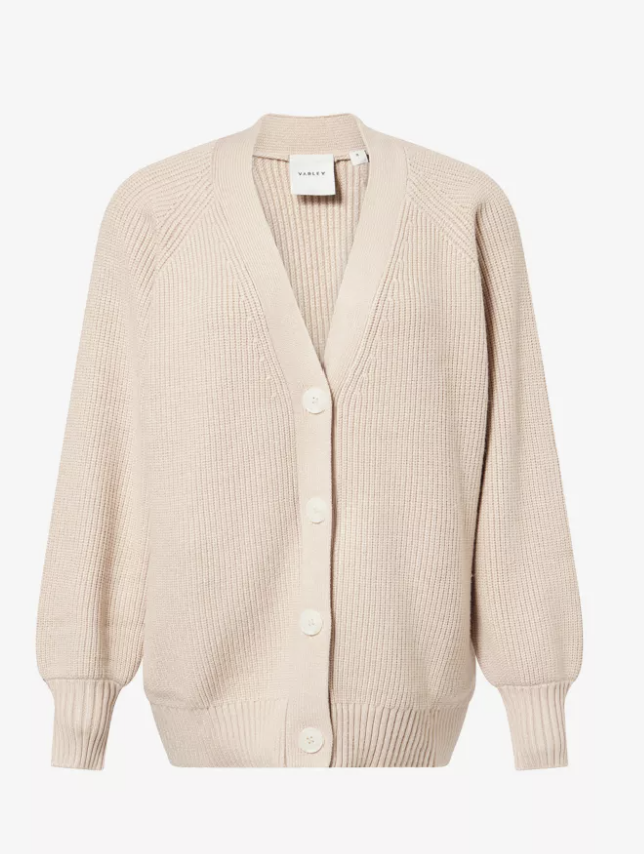
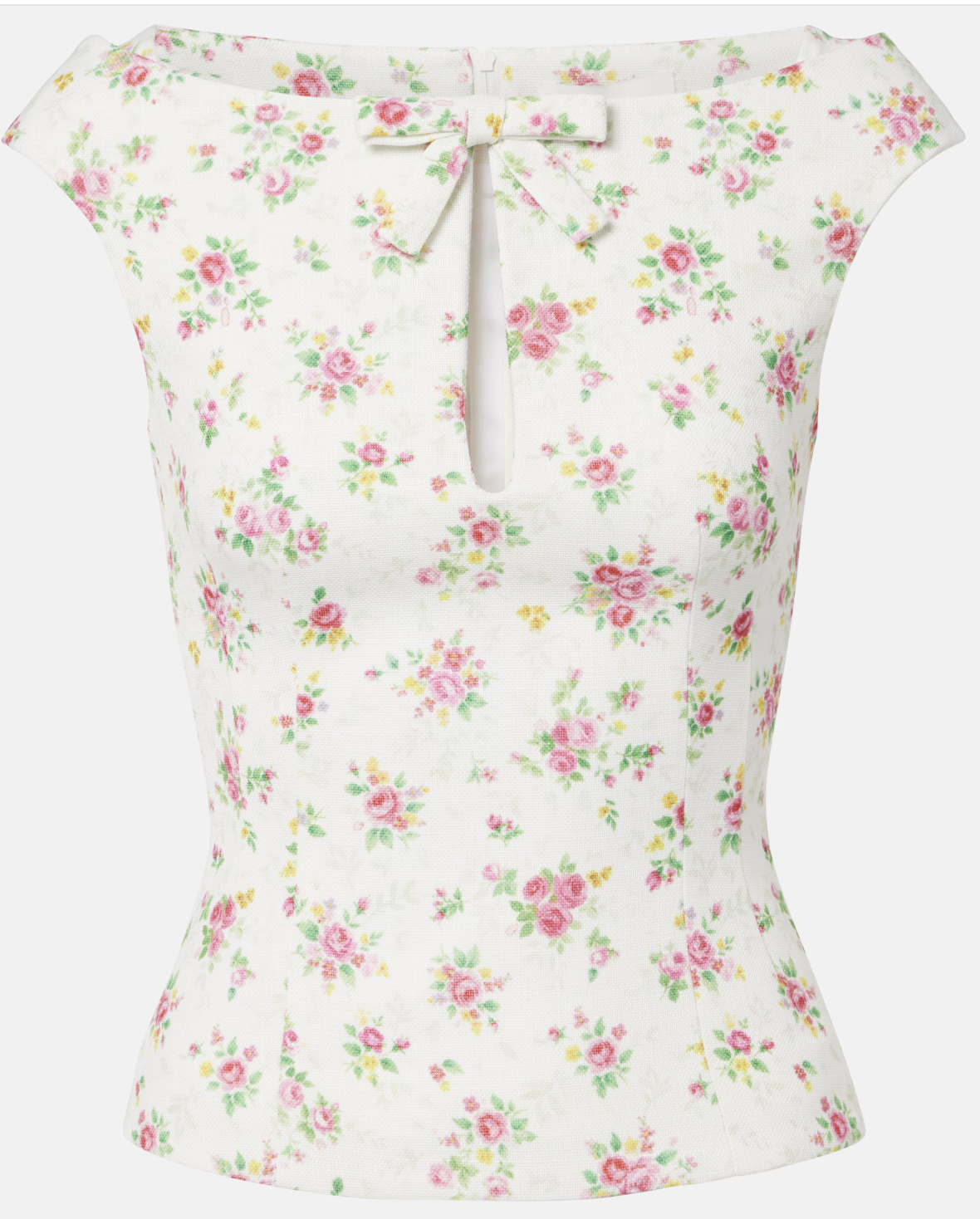
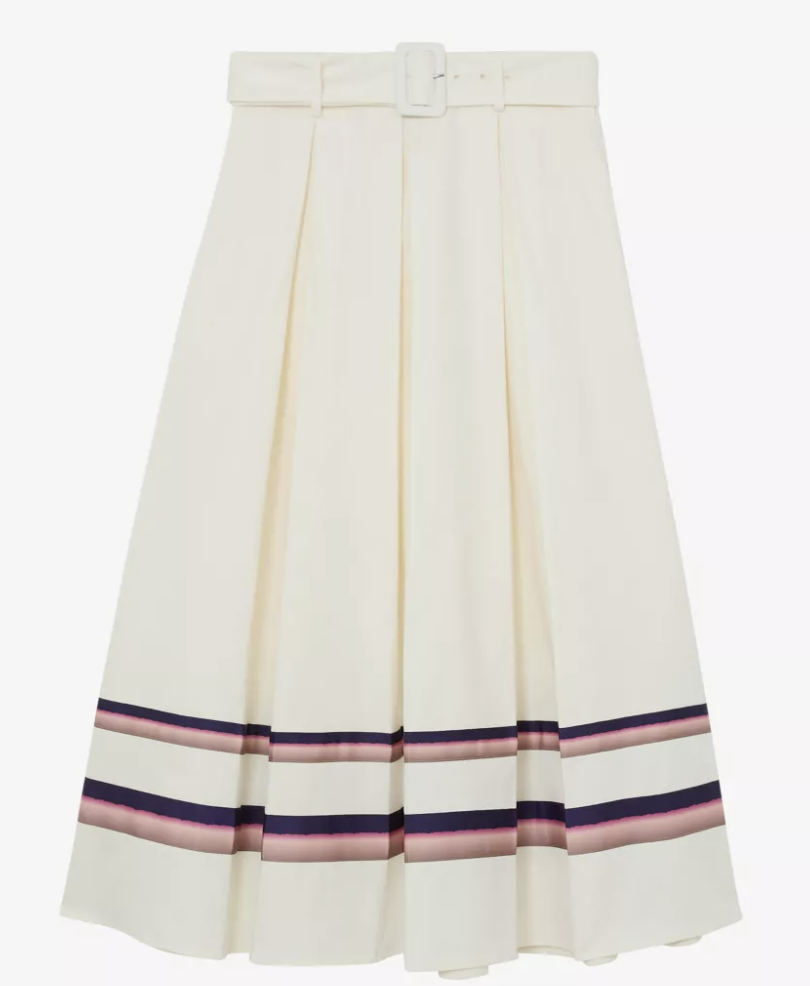
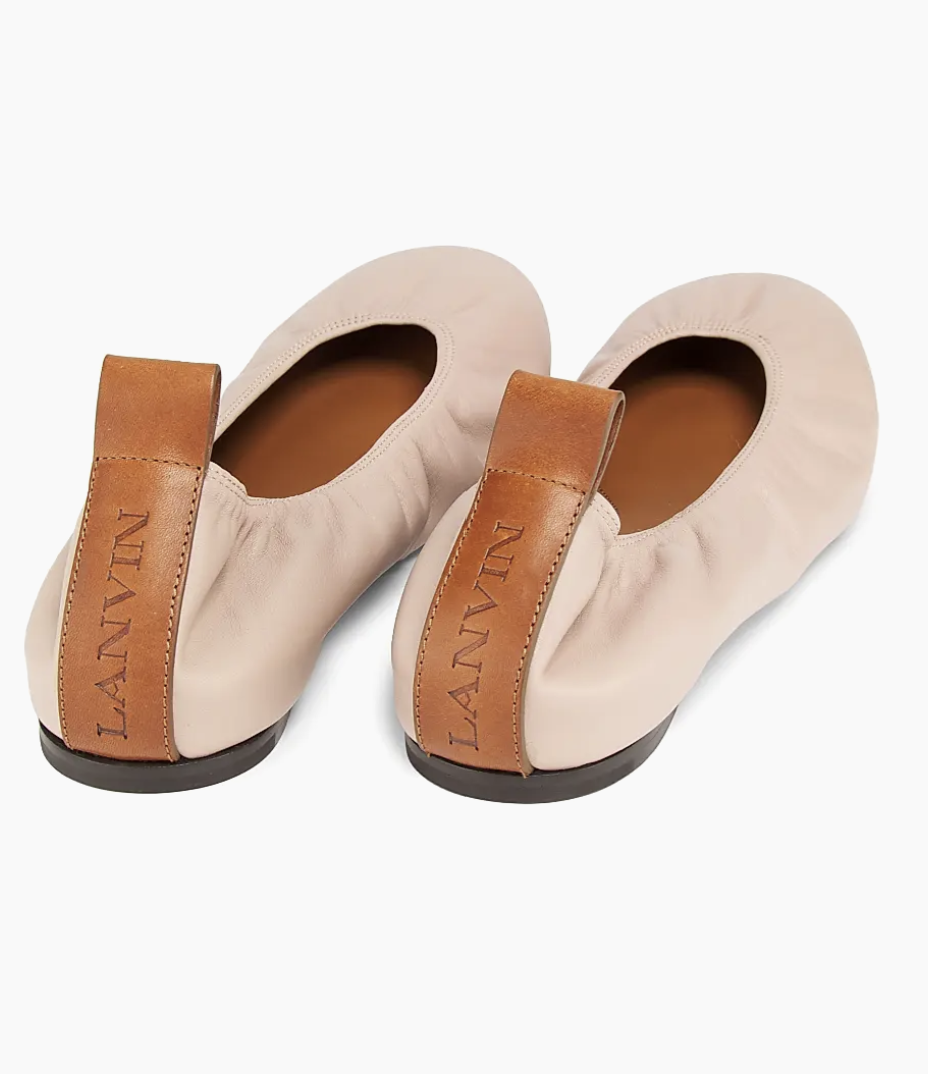
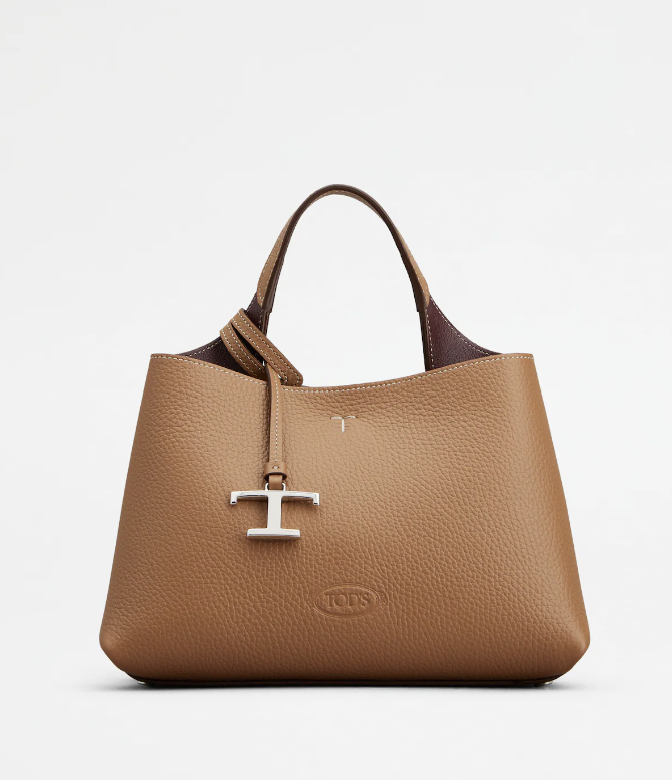
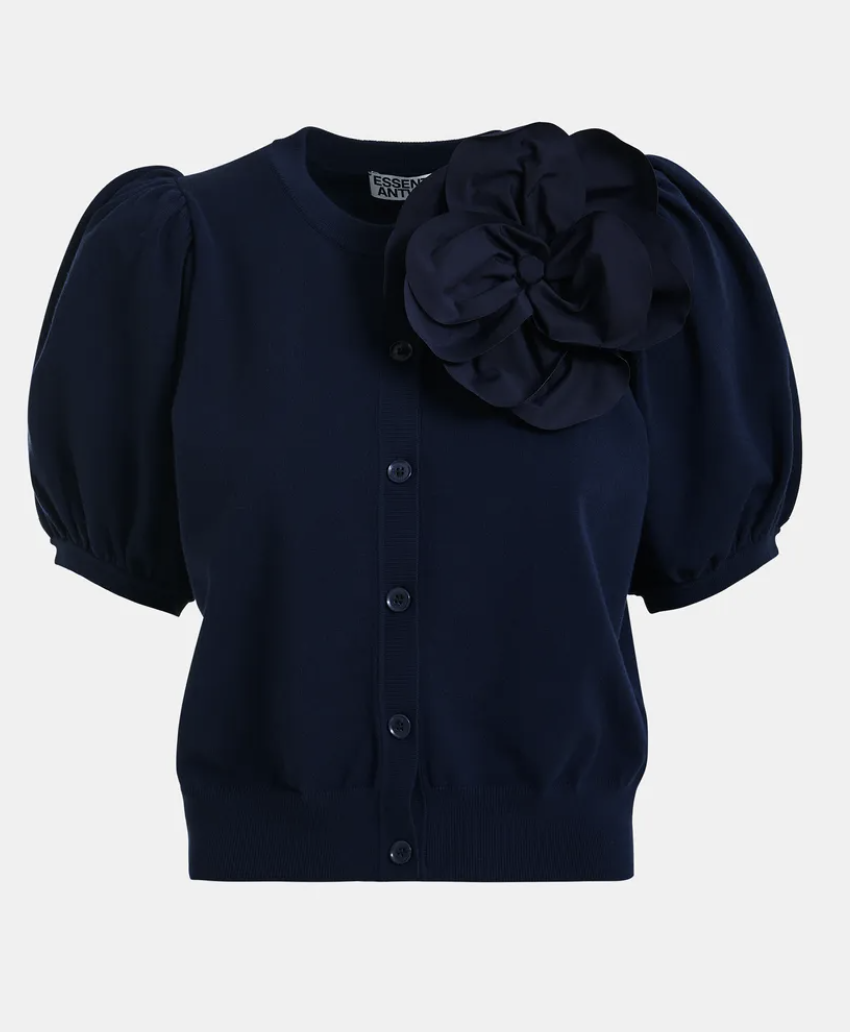
Prada’s runway vocabulary of the era cardigans, pleated skirts, sensible heels, muted palettes wasn’t nostalgic. It was disruptive. She recontextualised the everyday wardrobe of academics, archivists, and bookish women, elevating it into a luxury language. Her clothes whispered rather than shouted, but the whisper was sharp, intentional, and impossible to ignore. The librarian look became a rebellion against the overtly glamorous, a return to the power of subtlety. It was fashion for women who didn’t need to be loud to be seen.
What made Prada’s interpretation so compelling was the tension she created: the tension between softness and severity, between modesty and provocation, between the familiar and the futuristic. A simple cardigan became a statement. A knee‑length skirt became a manifesto. A pair of square‑framed glasses became a symbol of self‑possession. Prada understood that the most subversive thing a woman could do at the turn of the millennium was to look like she had a library card.
Years later, Alessandro Michele would revive and romanticise this aesthetic during his early tenure at Gucci. His interpretation was more maximalist, more eccentric, but the essence remained: a celebration of the intellectual outsider. Michele’s Gucci woman wore pussy‑bow blouses, oversized frames, brooches, and tweed as if she were curating her own personal archive. She was part librarian, part collector, part dreamer. Michele turned the librarian look into a fantastical universe one that honoured individuality, nostalgia, and the beauty of being slightly offbeat. If Prada’s librarian was a philosopher, Michele’s was a poet.
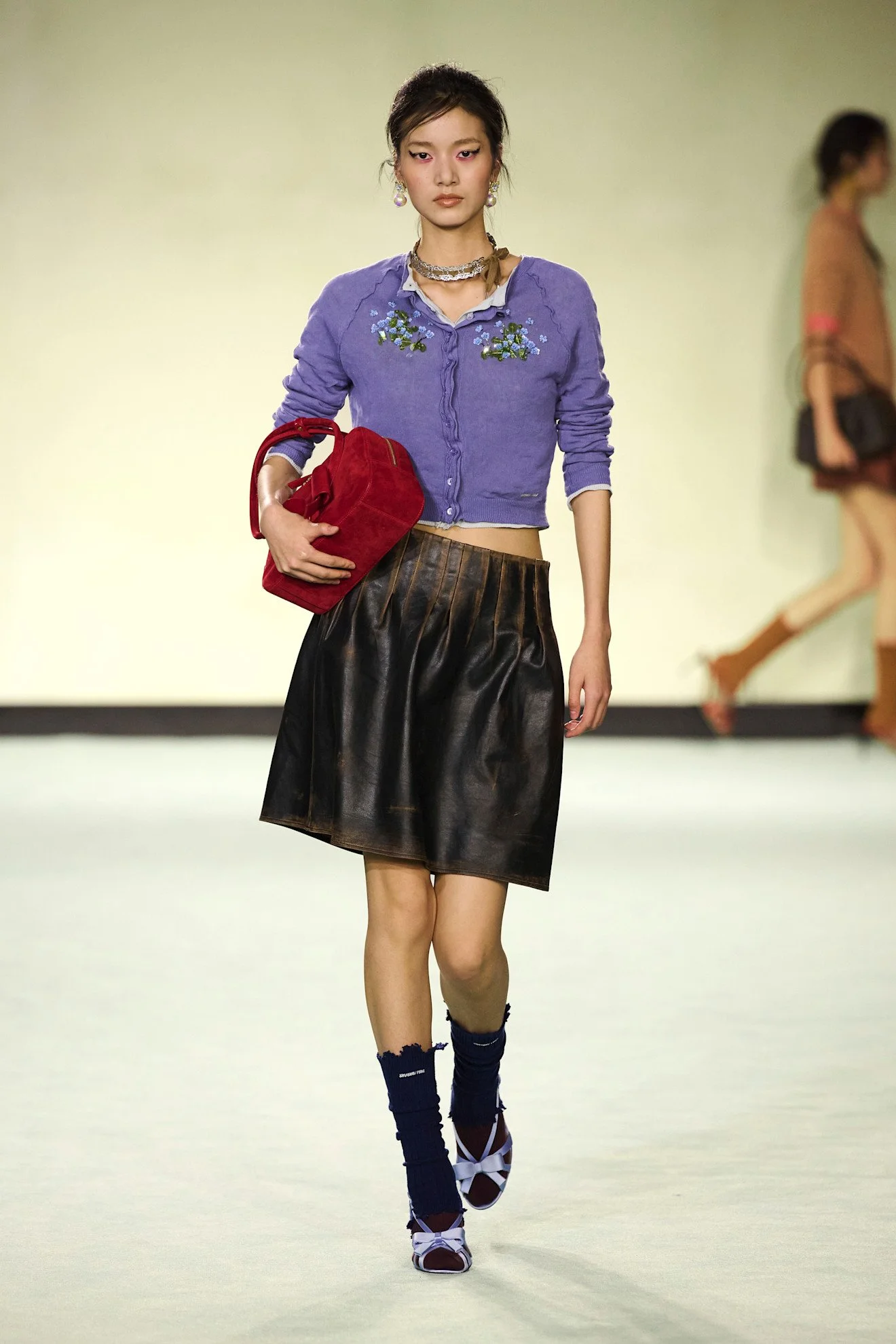
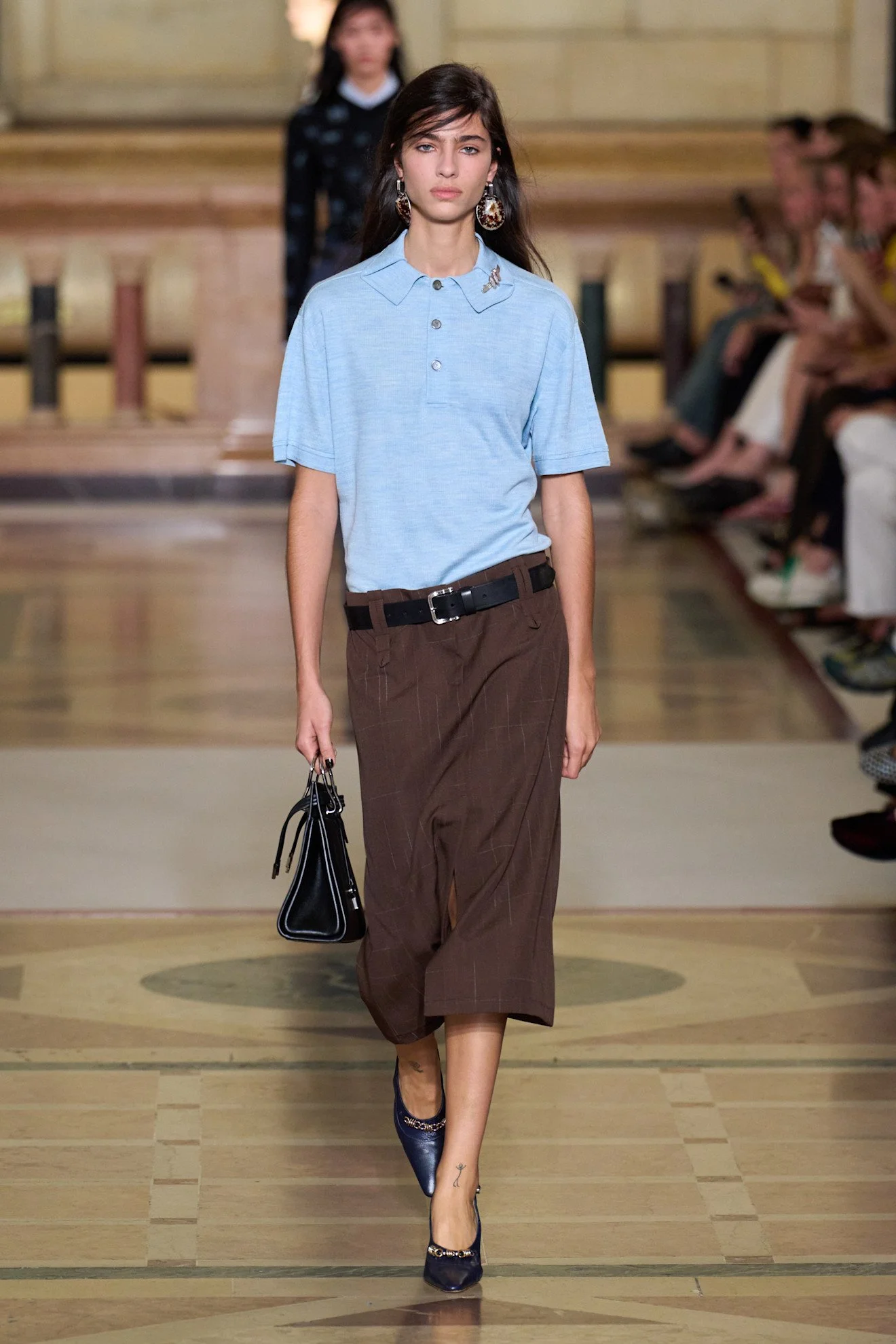
Today, the librarian aesthetic is experiencing yet another resurgence. In a world saturated with digital noise, the appeal of looking thoughtful almost scholarly feels modern again. The rise of “quiet luxury,” the return of minimalism, and the cultural fascination with academia‑coded aesthetics (from “dark academia” to “old money intellectual”) have all contributed to its revival. Search terms like “intellectual chic,” “Prada librarian style,” and “retro reading glasses trend” continue to climb, proving its SEO‑friendly relevance and cultural staying power.
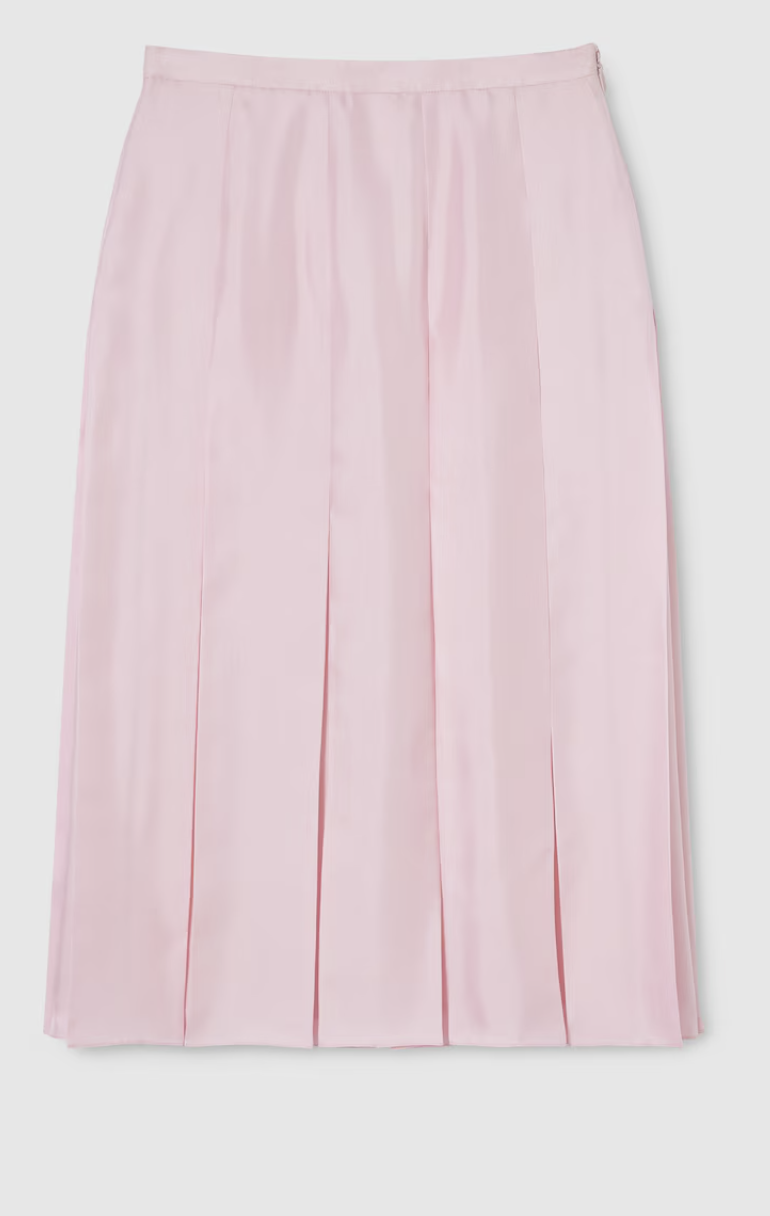
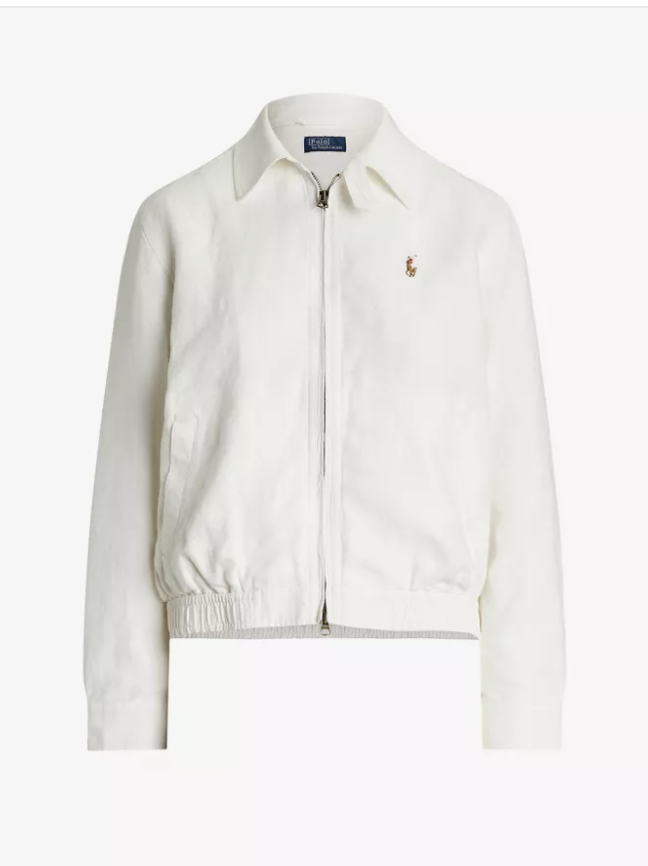
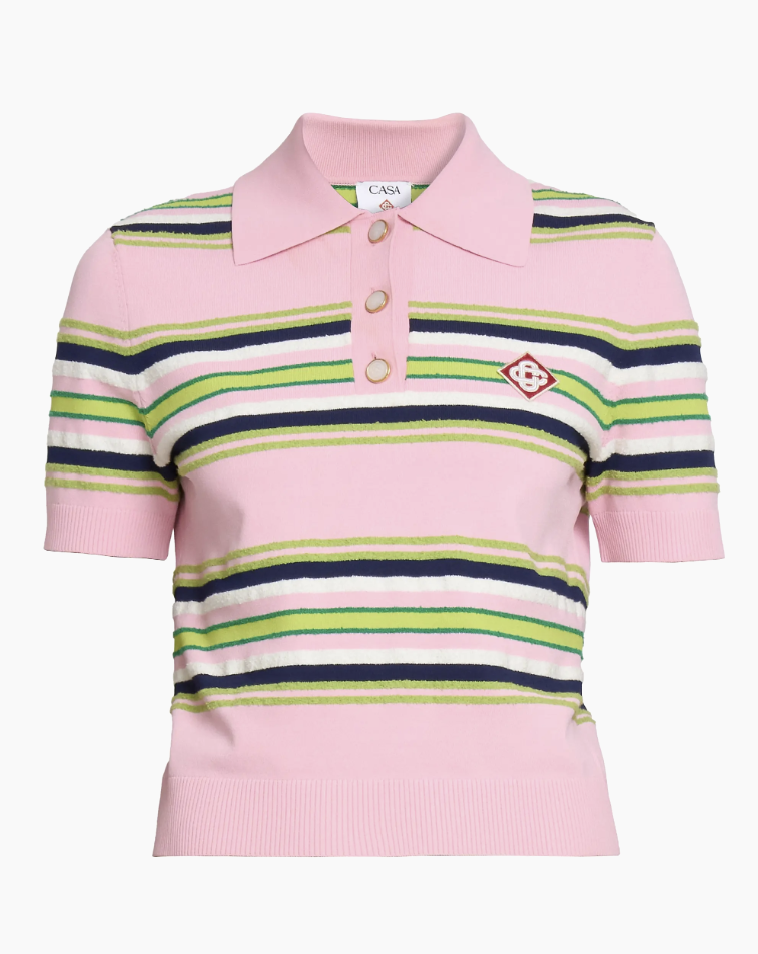
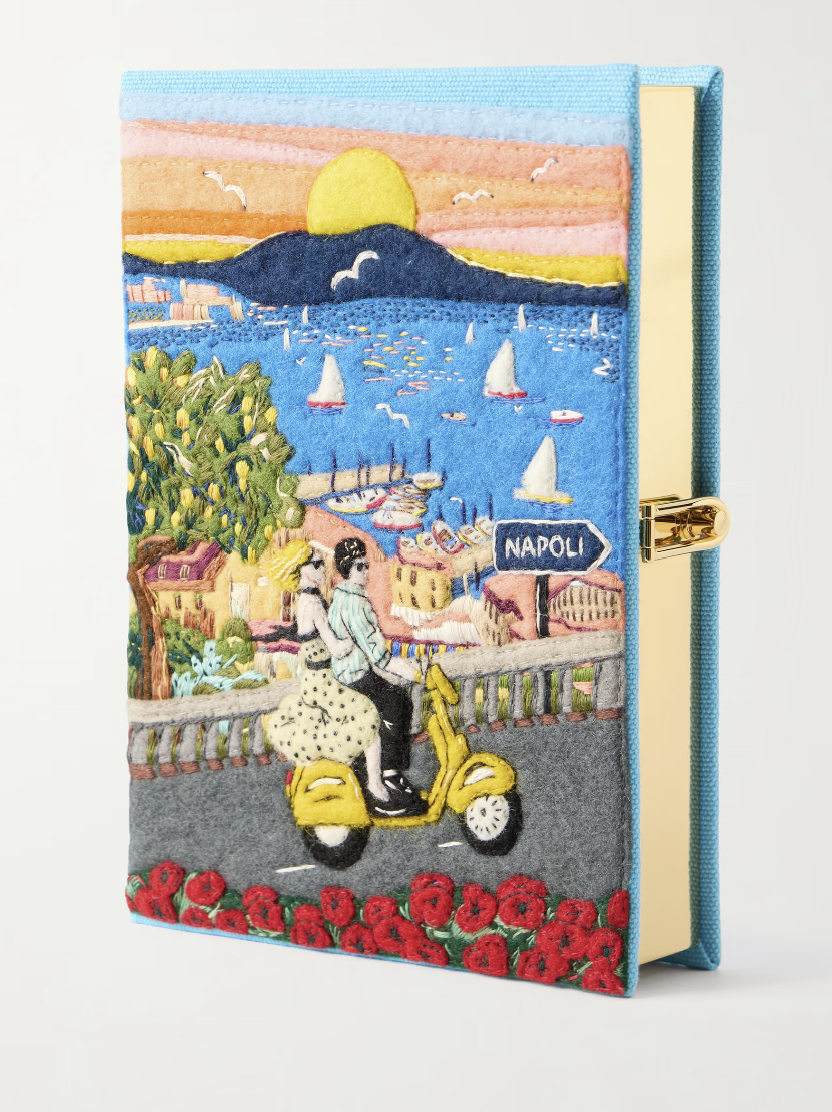
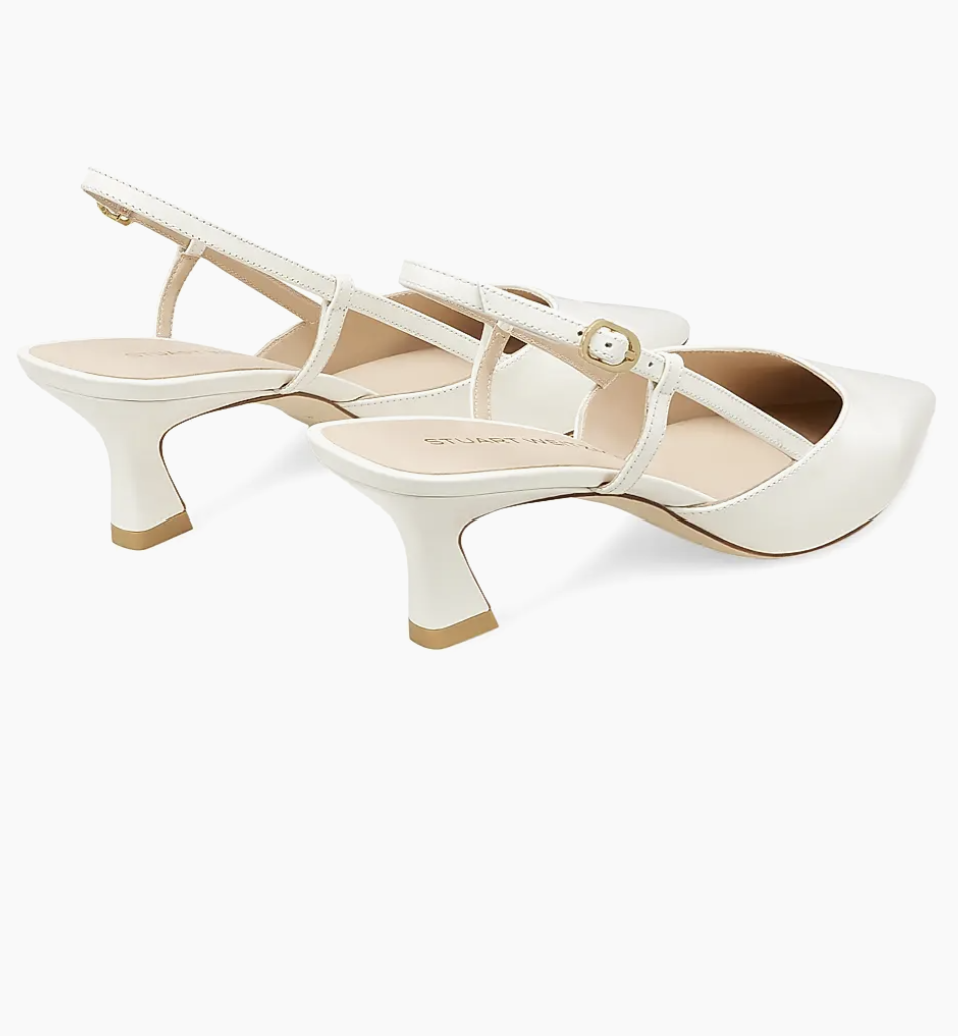
But the librarian look is more than a trend cycle. It taps into something deeper: a desire for authenticity, for depth, for a kind of elegance that isn’t performative. In an era of hyper‑visibility, the librarian look offers a form of privacy. It suggests a woman who has an inner life, who reads, who thinks, who chooses her clothes with intention rather than spectacle. It is fashion as self‑respect.
What Prada and Michele understood is simple: the librarian look isn’t about clothes. It’s about attitude. It’s the quiet confidence of someone who doesn’t need to shout to be seen. It’s fashion for women who lead with their minds and let the world catch up.
*The products featured here may contain affiliate links.