
The Return of the Pinkie Ring: Fashion’s Most Symbolic Jewellery Trend Makes a Modern Comeback
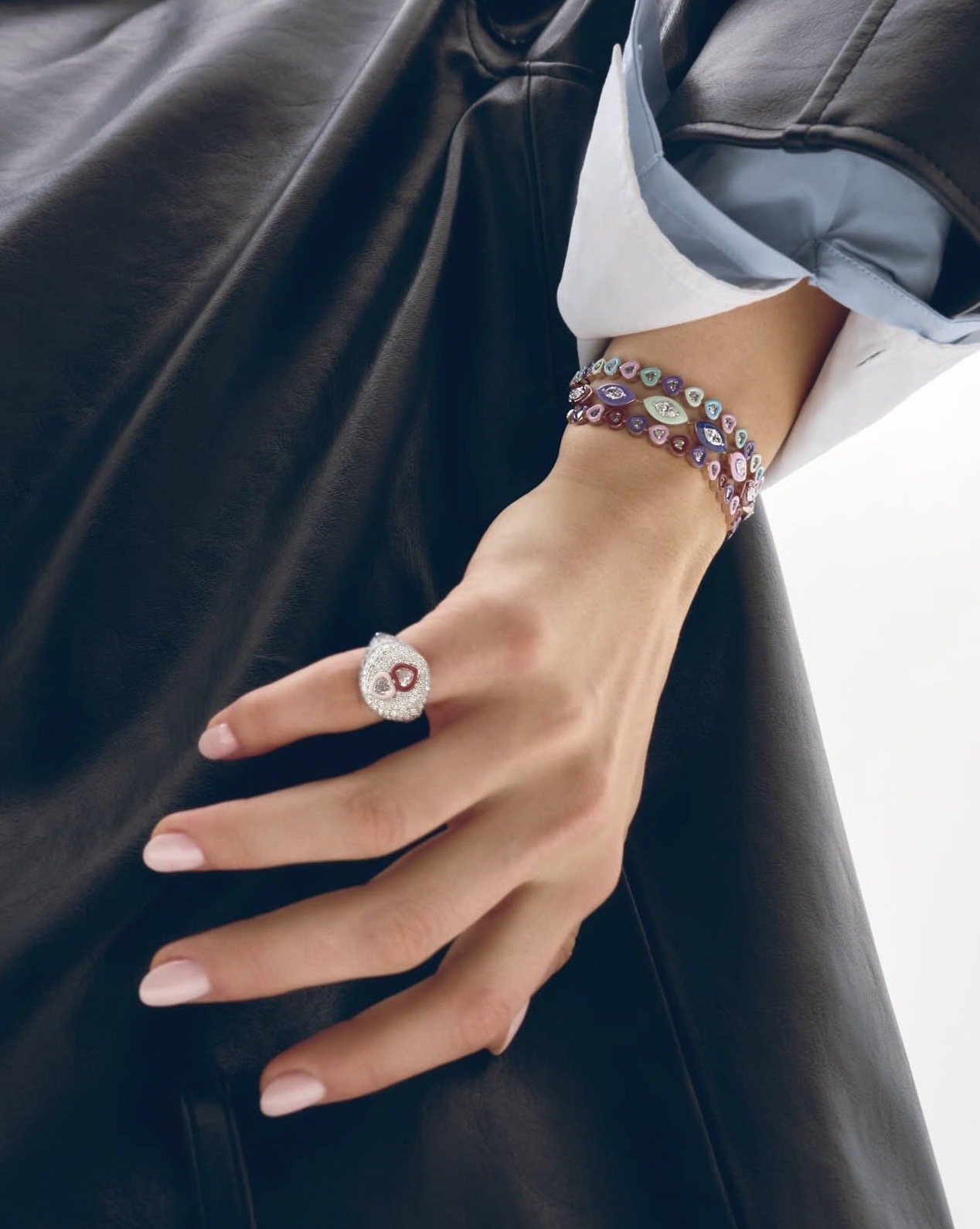
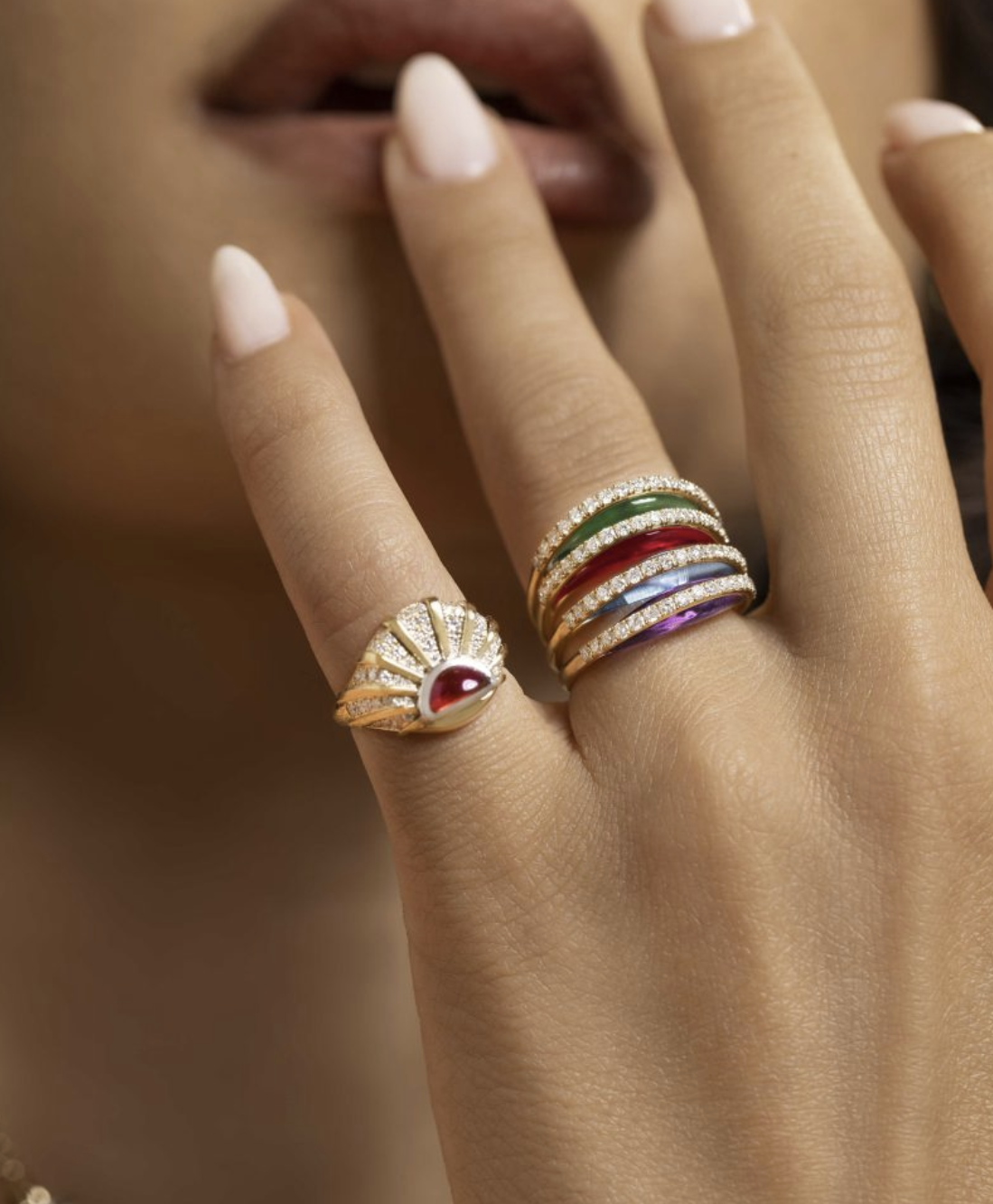
In fashion, power often hides in plain sight. A slash of red lipstick. A razor‑sharp parting. A ring small, deliberate glinting from the outermost finger. The pinkie ring, once the domain of emperors, aristocrats, jazz legends, and cinematic antiheroes, has slipped back into the zeitgeist with a new, distinctly modern swagger. And this time, it belongs to women.
Its story begins in the Roman Empire, where rings were less ornament and more proclamation. To wear one on the smallest finger was to signal a certain fluency in influence an unspoken understanding that true authority doesn’t need to dominate the hand. Centuries later, European royals adopted the gesture with their signet rings, each engraved crest a miniature manifesto. Queen Victoria wore hers with the quiet certainty of a woman who understood symbolism better than anyone; her sons followed suit, cementing the pinkie ring as a marker of lineage and legacy.
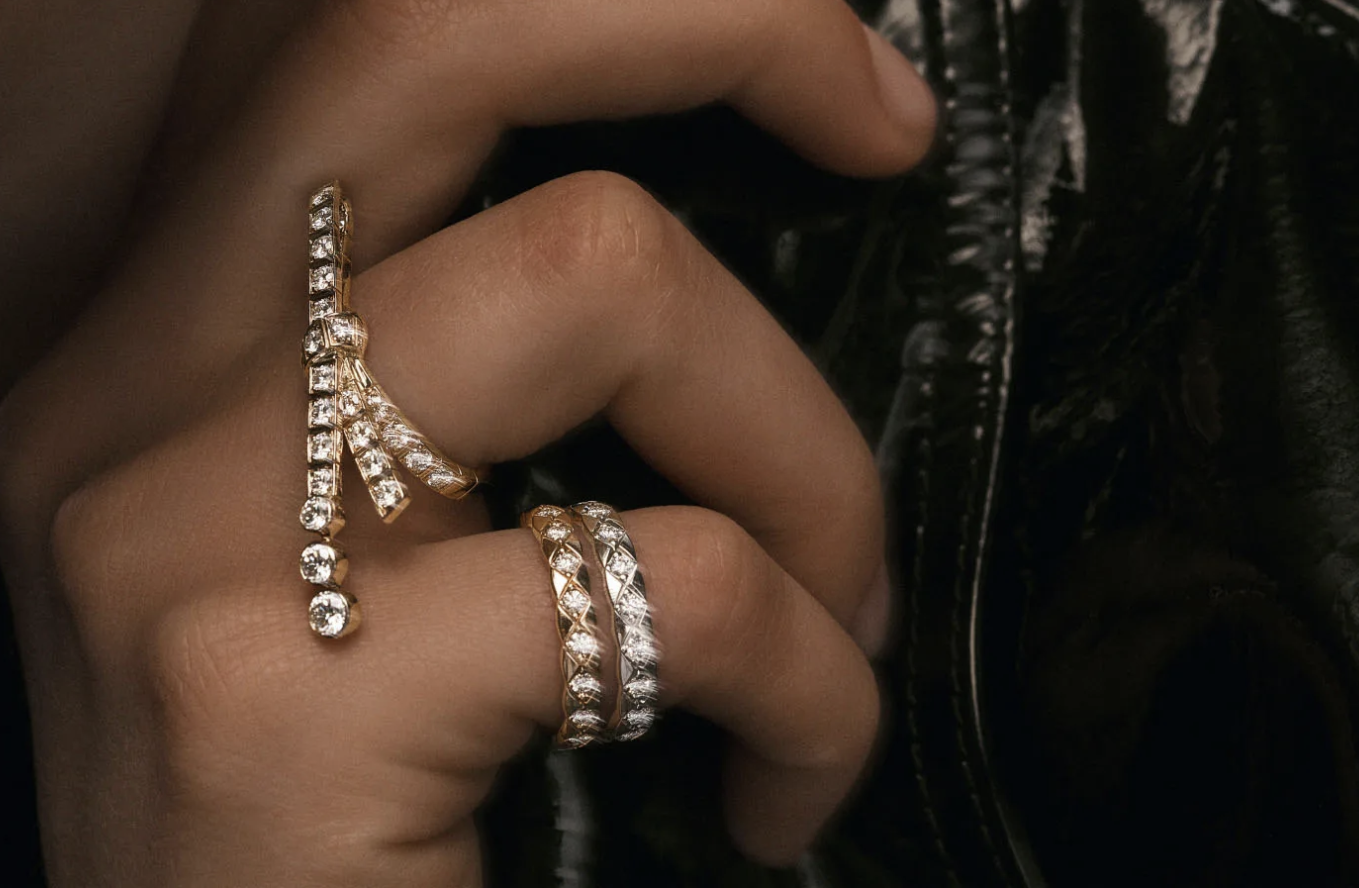
Chanel Fine Jewellery
But fashion’s most enduring icons are never static. By the 1920s, the pinkie ring had slipped into the smoke‑hazed glamour of the Jazz Age. It caught the light on the hands of musicians and socialites who lived life in syncopation rebellious, seductive, unafraid of excess. It was a wink, a whisper, a spark of mischief wrapped in gold.
Then came the 1970s, when Hollywood immortalised the pinkie ring in a different register. The Godfather, Goodfellas, the entire mythology of the mobster aesthetic suddenly the pinkie ring became shorthand for danger, loyalty, and a certain velvet‑gloved ruthlessness. It was a symbol that could silence a room with a single gesture. Even today, that cinematic aura lingers, adding a layer of intrigue to its already complex identity.
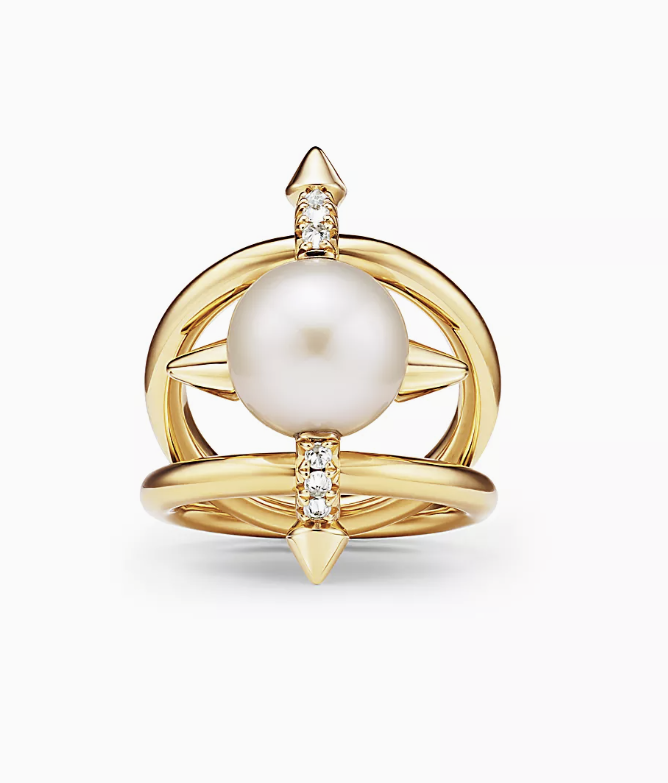
Tiffany & Co
Tiffany Titan by Pharrell Williams is an expression of rebellious creativity. These designs draw inspiration from Poseidon and his trident. An angular spear-shaped motif crafted from 18k gold appears on each side of the large-scale pearl, while reverse-set diamonds allow light to enter from every angle, maximising brilliance. This ring features a unique design that allows the individual bands to effortlessly move with your hand.
And now? The pinkie ring has entered its most compelling era yet.
In the hands of women, it has shed the weight of patriarchal legacy and re-emerged as a symbol of self‑possession. Bella Hadid wears hers with downtown nonchalance; Angela Bassett with regal, magnetic poise; Meghan Markle with that signature blend of minimalism and message. On Emily in Paris, it appears like a visual exclamation point playful, confident, unapologetically expressive.
This new wave of pinkie ring wearers isn’t interested in inherited power. They’re interested in chosen power. The kind you claim for yourself. The kind you slip onto your finger not because tradition dictates it, but because it feels like an extension of your identity.
What makes the pinkie ring so irresistible right now is its duality. It’s tiny, but it carries centuries of symbolism. It’s subtle, but it commands attention. It’s steeped in history, yet feels startlingly modern when paired with a crisp white shirt, a sculptural manicure, or a bare, sun‑kissed hand. It’s the accessory equivalent of a knowing smile.
There’s also something deliciously intimate about its placement. The pinkie sits slightly apart from the rest of the hand—its own quiet territory. A ring worn there feels intentional, almost conspiratorial. It doesn’t compete with engagement rings or wedding bands. It doesn’t need to. It exists outside those narratives, which is precisely why women are gravitating toward it. It’s a ring that answers only to you.
And the jewellery world has taken notice.
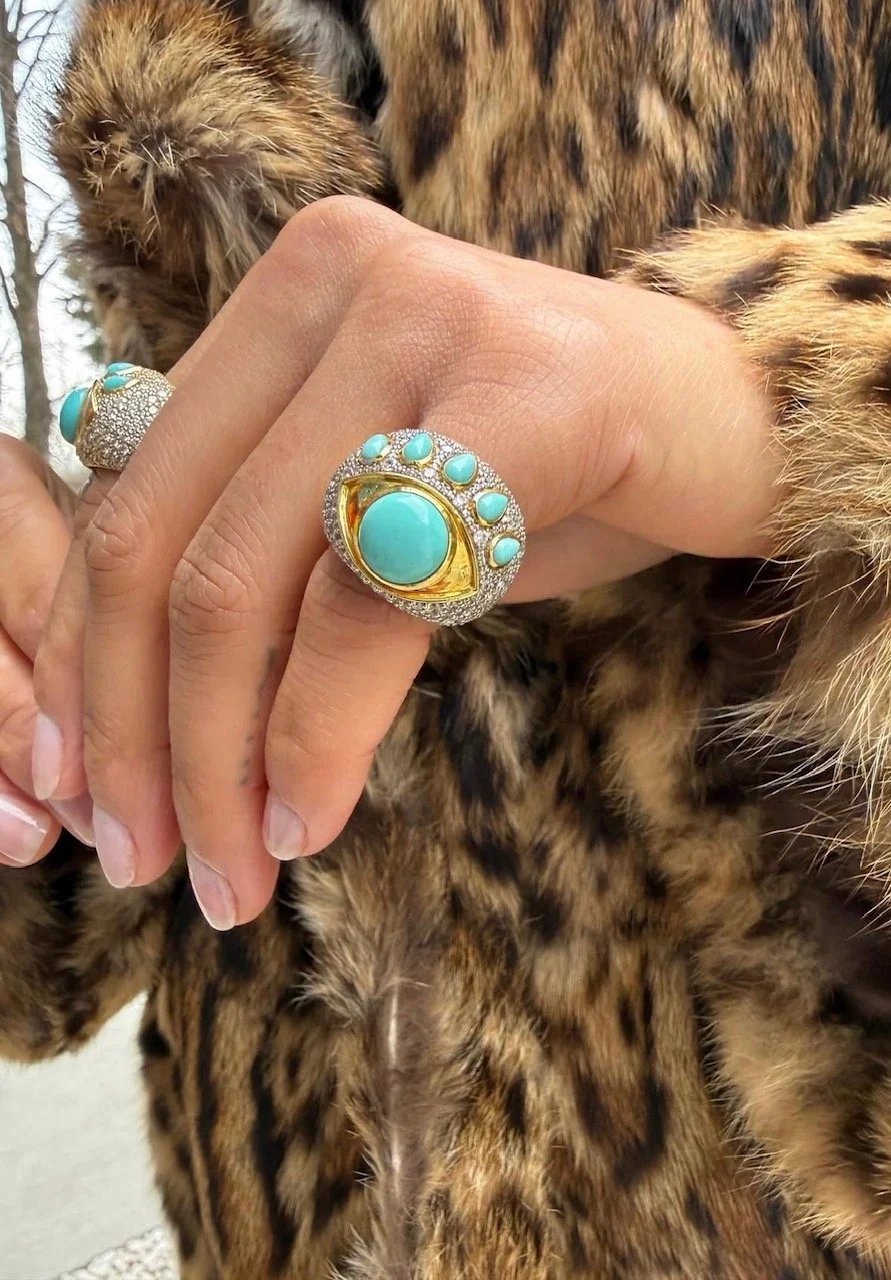
The pinkie ring is becoming the young generation’s alternative to the cocktail ring still expressive, still bold, but with a sharper, more personal edge. Never Not, the London‑based brand beloved for its joyful maximalism, has long championed the “Show and Tell” ring, a signature piece worn either as a cocktail statement or perched on the little finger. Its playful geometry and unapologetic colour make it a natural fit for the pinkie revival.
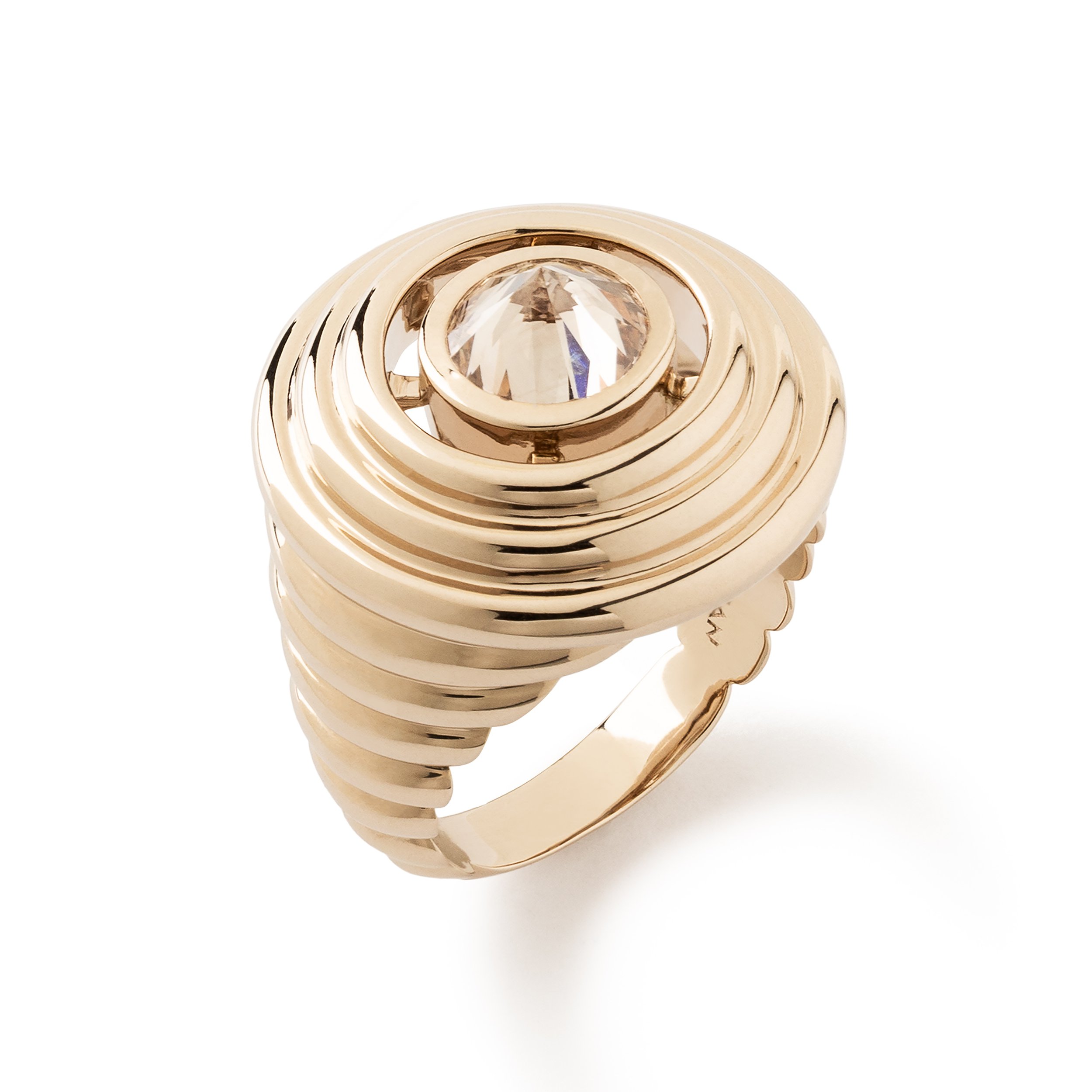
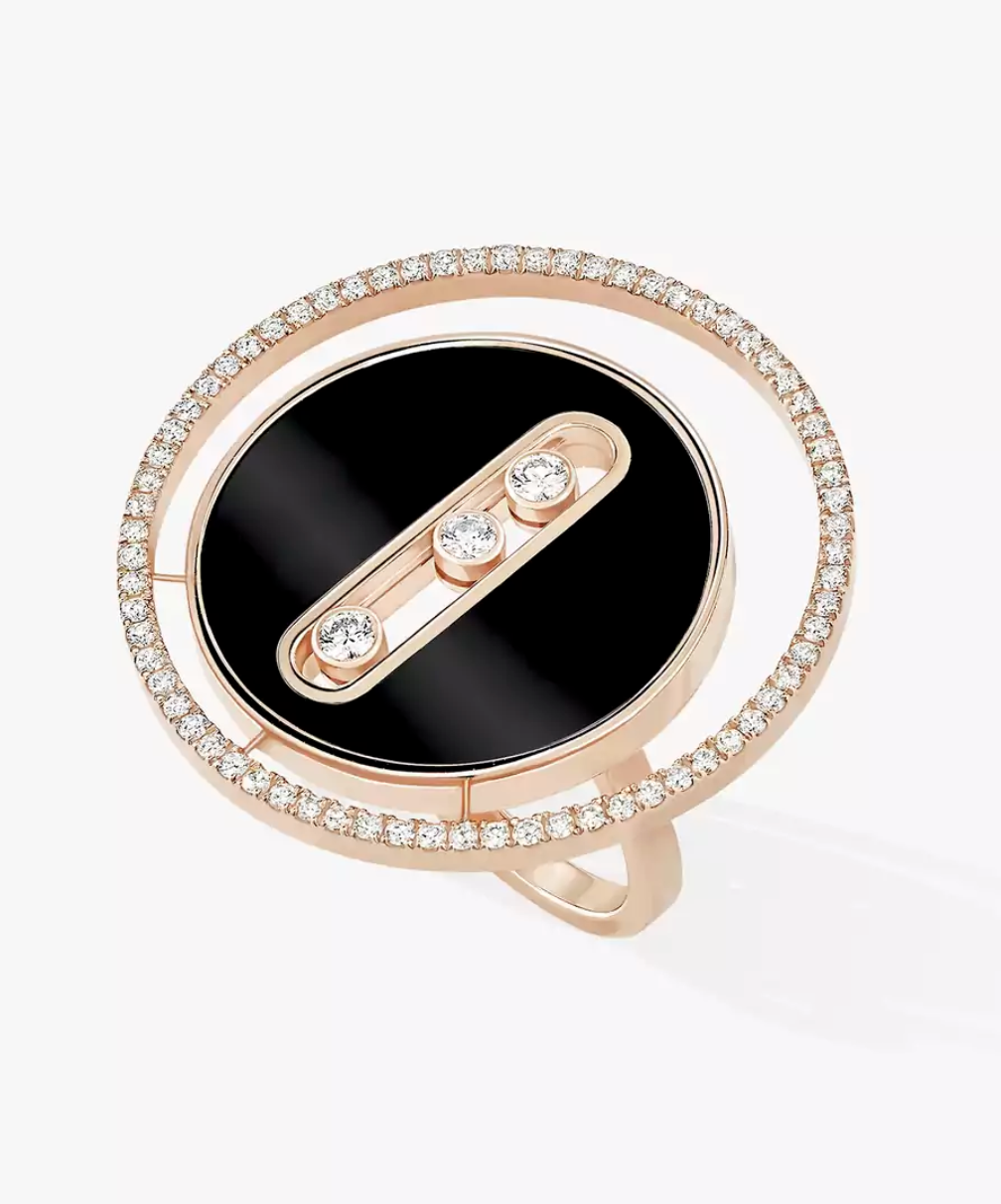
Messika, known for its diamond‑driven modernity, has embraced the trend with bold rings that feel powerful on the smallest finger pieces that transform the pinkie into a stage for light, movement, and attitude.
Meanwhile, Karina Choudhrie continues to reinvent her cult‑favourite Vitamin Pink ring, originally designed specifically for the little finger. Season after season, she introduces new colours and finishes, proving that the pinkie ring can be both collectible and deeply personal.
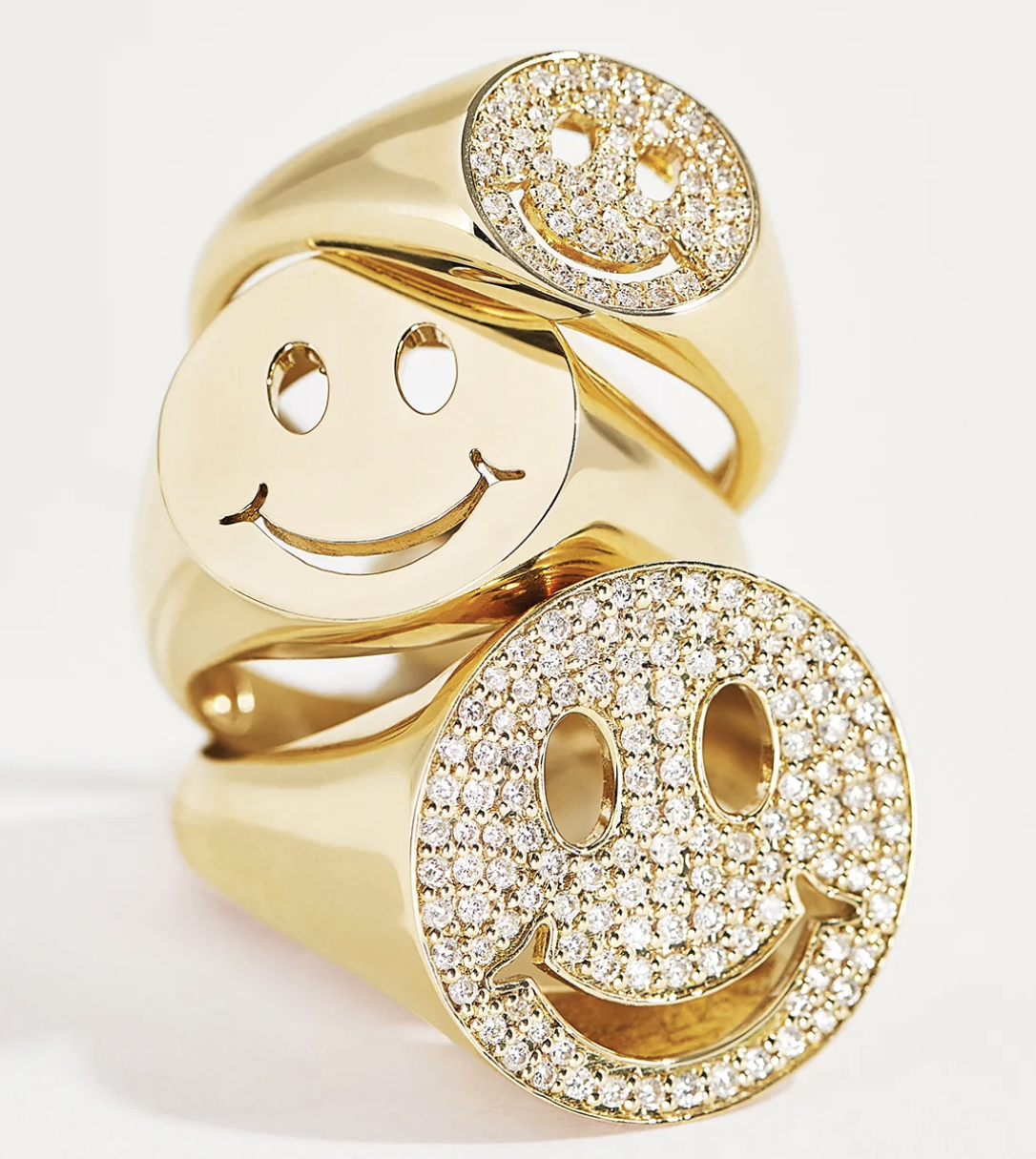
At Sydney Evan, the smile rings charming, irreverent, instantly recognisable have become a favourite among those who want their jewellery to radiate personality. Worn on the pinkie, they feel like a private joke shared with the world.
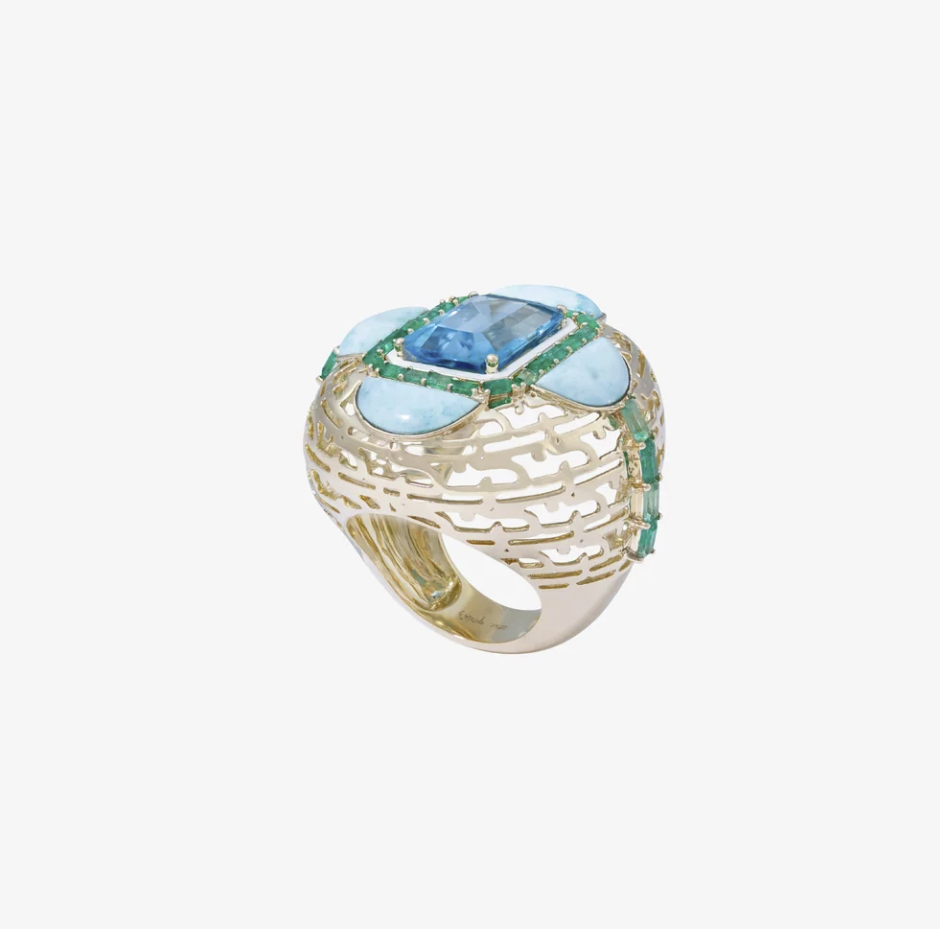
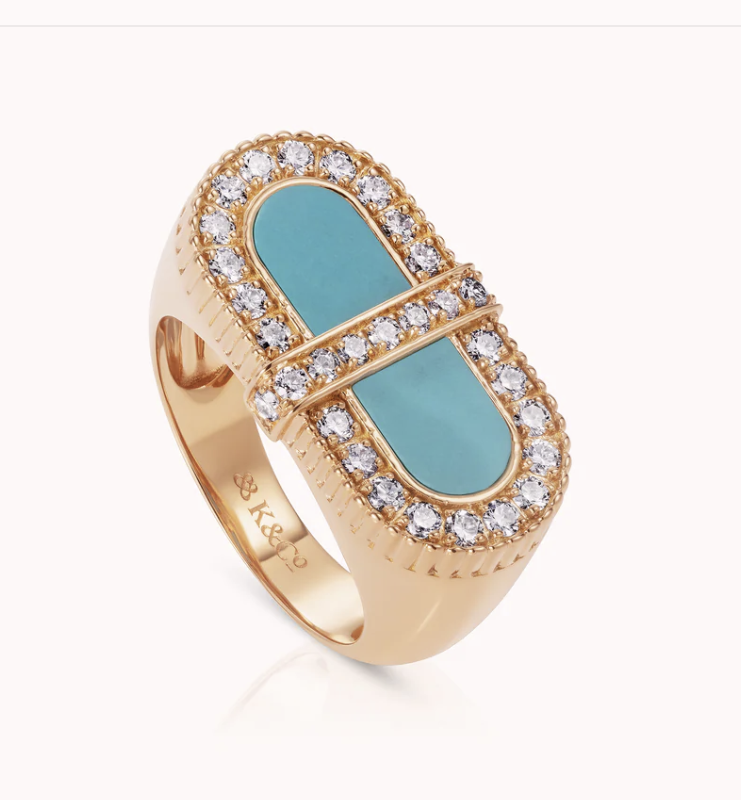
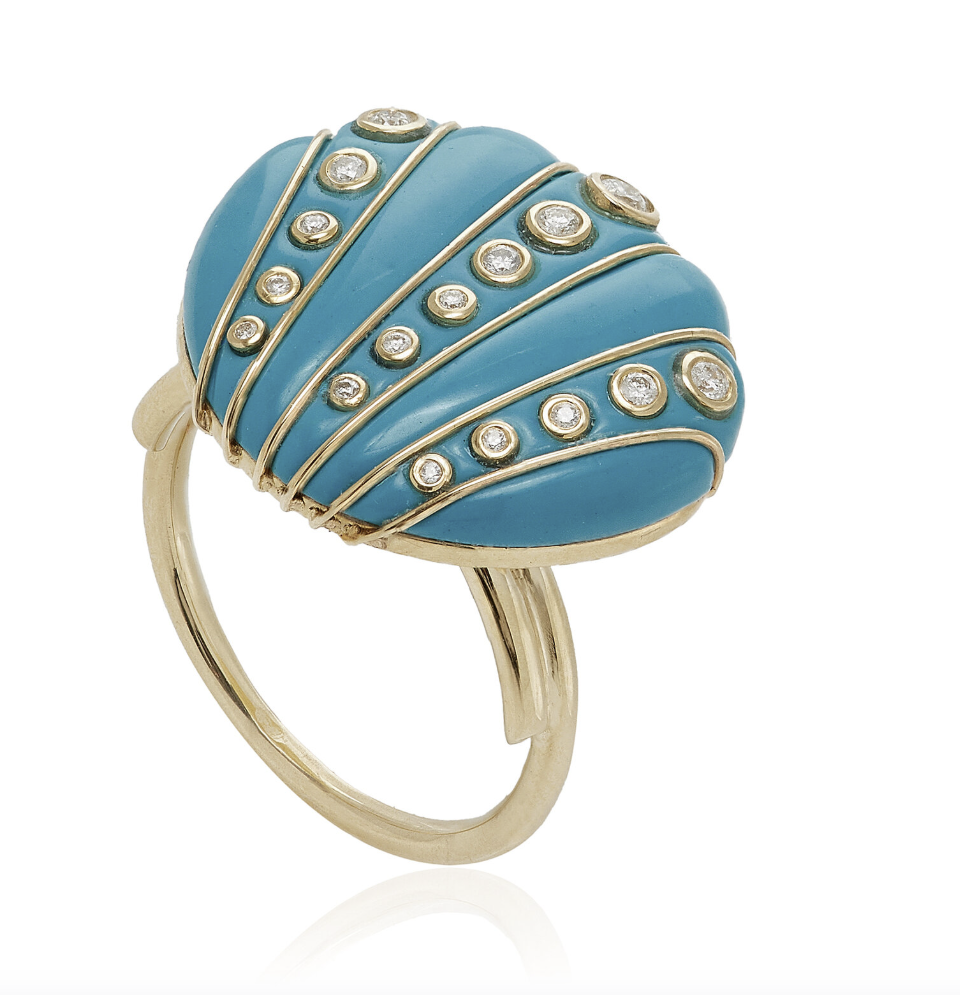
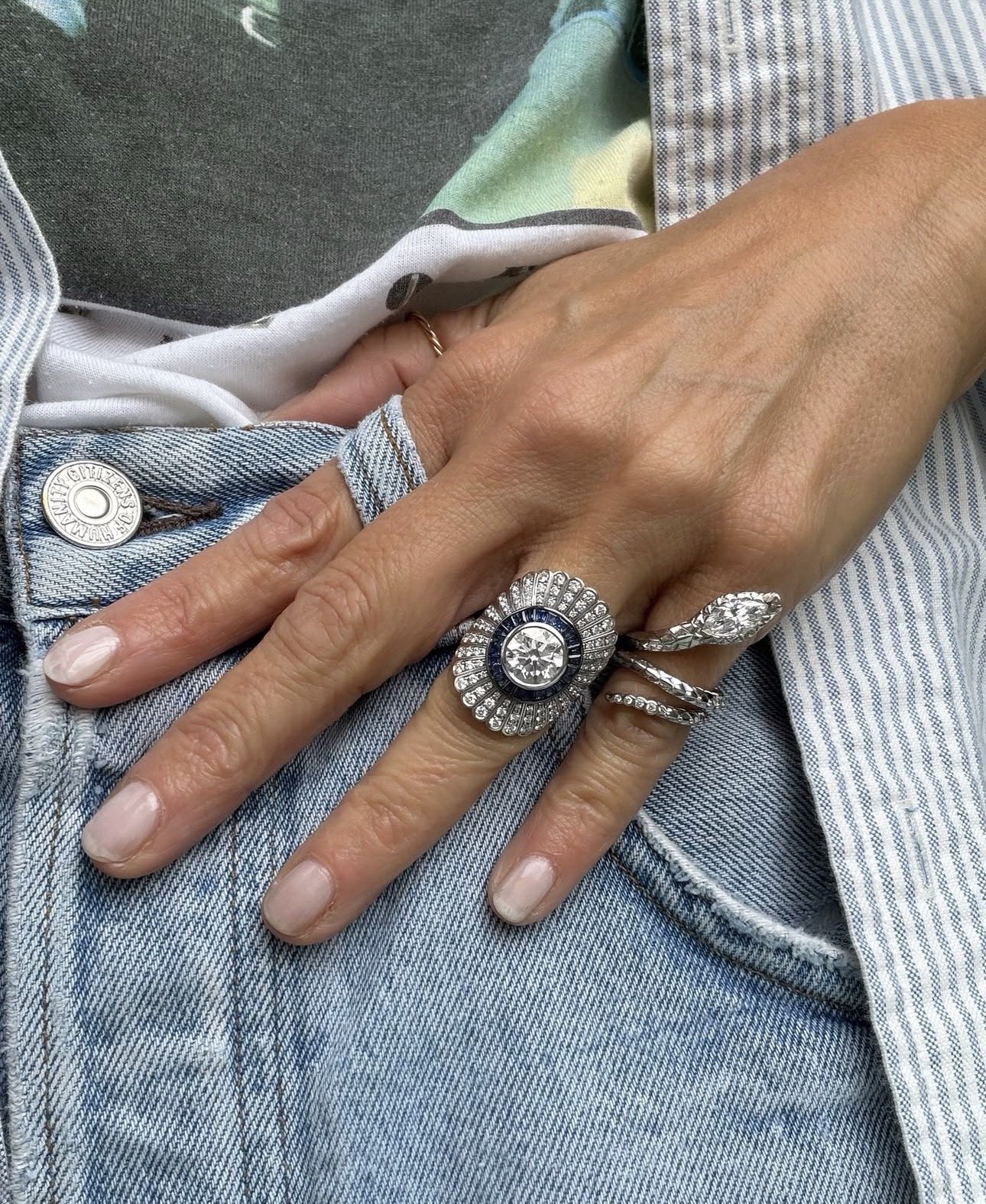
And then there is Jessica McCormack, whose brand DNA blends heritage craftsmanship with a rock‑and‑roll edge. With Zoe Kravitz as a brand muse, the house has leaned into the pinkie ring’s cool‑girl allure. Their white‑gold snake ring, designed to coil elegantly around the smallest finger, captures the perfect balance of danger and delicacy.
What unites all these interpretations is a shift in attitude. The pinkie ring is no longer a relic of aristocracy or a cinematic trope. It’s a modern emblem of autonomy an accessory that speaks softly but carries centuries of meaning.
In a world where jewellery increasingly reflects identity rather than status, the pinkie ring has become the ultimate quiet flex. A small gesture with a long history. A tiny rebellion. A whisper of power worn exactly where you choose it.