
Why Snake Jewellery Remains the Most Timeless Motif in Luxury Jewellery
Across centuries and civilizations, few symbols have captivated the human imagination as powerfully as the serpent. Coiled in mythology, revered in ancient cultures, and endlessly reinterpreted by jewellers, the snake remains one of the most enduring motifs in adornment. It embodies duality danger and protection, seduction and wisdom, death and rebirth making it a natural muse for designers who seek to express complexity, femininity, and transformation.
One of the most legendary expressions of this fascination belongs to María Félix, the Mexican cinema icon whose audacious taste reshaped the boundaries of high jewellery. Her famous snake necklace a fully articulated, life‑sized serpent that wrapped around her neck with hypnotic realism remains one of the most extraordinary commissions in jewellery history. It was not simply a jewel; it was a declaration of identity. A woman who wore a serpent wore power, autonomy, and unapologetic glamour. Félix understood what the serpent symbolised: a creature that sheds its skin, renews itself, and never apologises for its presence.
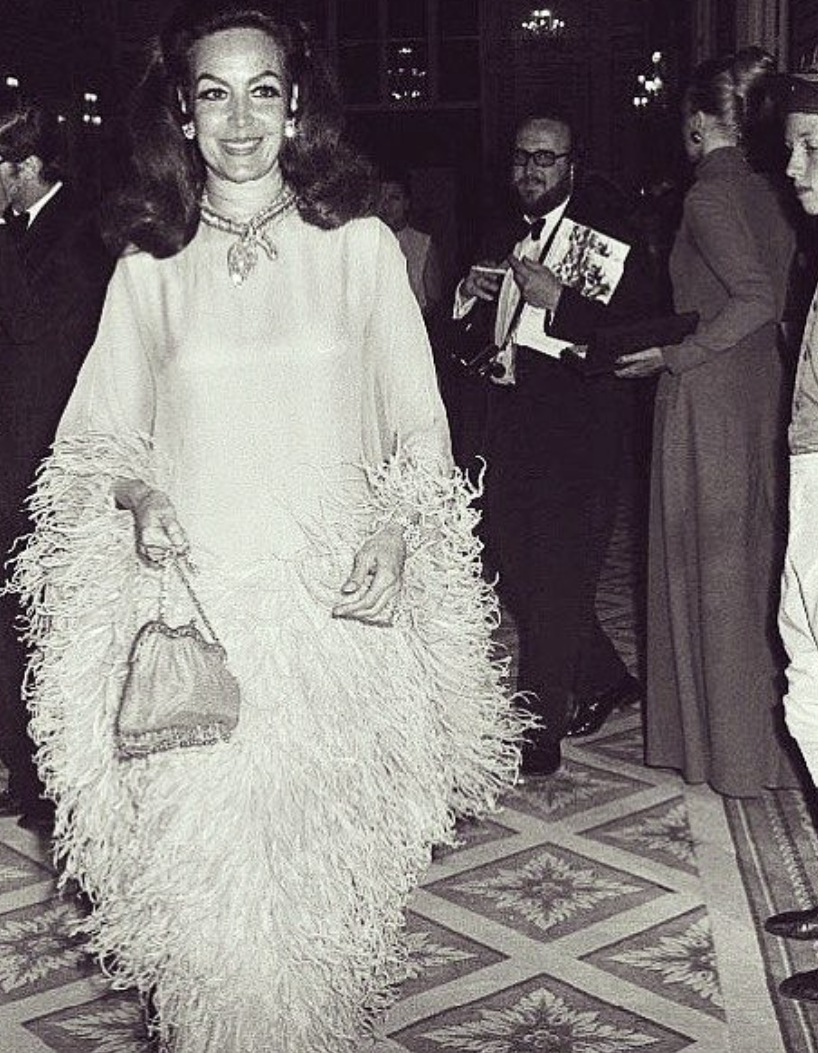
Maria Felix
The Diamond Snake Necklace, designed for María Félix in 1968 by Gabriel Raton and brought to life by Cartier’s master craftsmen, stands as one of the most technically complex and symbolically charged creations of 20th‑century jewellery. Crafted in platinum and set with an extraordinary 178.21 carats of white diamonds, the necklace takes the form of a full‑length, anatomically precise serpent that coils sensually around the neck, its head lifted in a poised, almost predatory curve. Each scale was individually articulated, allowing the serpent to move with lifelike fluidity an engineering triumph that required more than two years of meticulous work. As a deeply personal touch, the underside of the serpent was enameled in the green, white, and red of the Mexican flag, a subtle yet powerful homage to Félix’s national identity. The result is a jewel that transcends adornment: a masterpiece of craftsmanship, symbolism, and character, forever entwined with the legend who inspired it.
Today, the serpent continues its eternal metamorphosis through the hands of contemporary designers who reinterpret its form with technical mastery and emotional depth. From Parisian surrealism to Italian craftsmanship, from American boldness to London minimalism, the serpent slithers through high jewellery with renewed relevance a motif that refuses to fade.
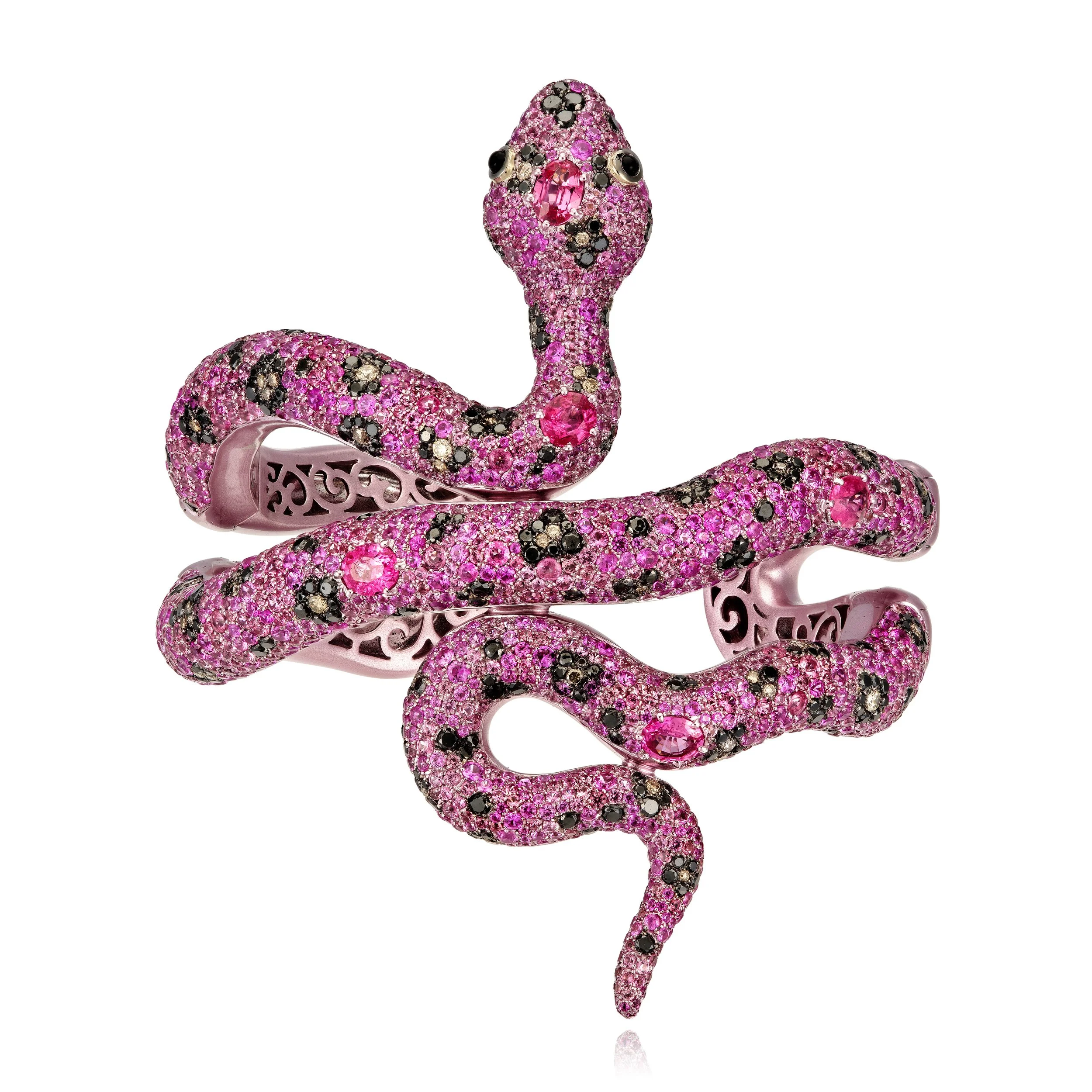
In the fantastical universe of Lydia Courteille, the serpent becomes a creature of colour, extravagance, and surrealist imagination. Her Snake Pink Wonder cuff is a hypnotic explosion of pink and gold, crafted in 18k gold (102g) and set with an extraordinary palette of pink spinels, pink sapphires, black diamonds, brown diamonds, and onyx. Courteille’s serpent is not a creature of darkness but of glamour iridescent, feminine, and defiantly bold. It feels alive, shimmering with her signature blend of fantasy and technical precision.
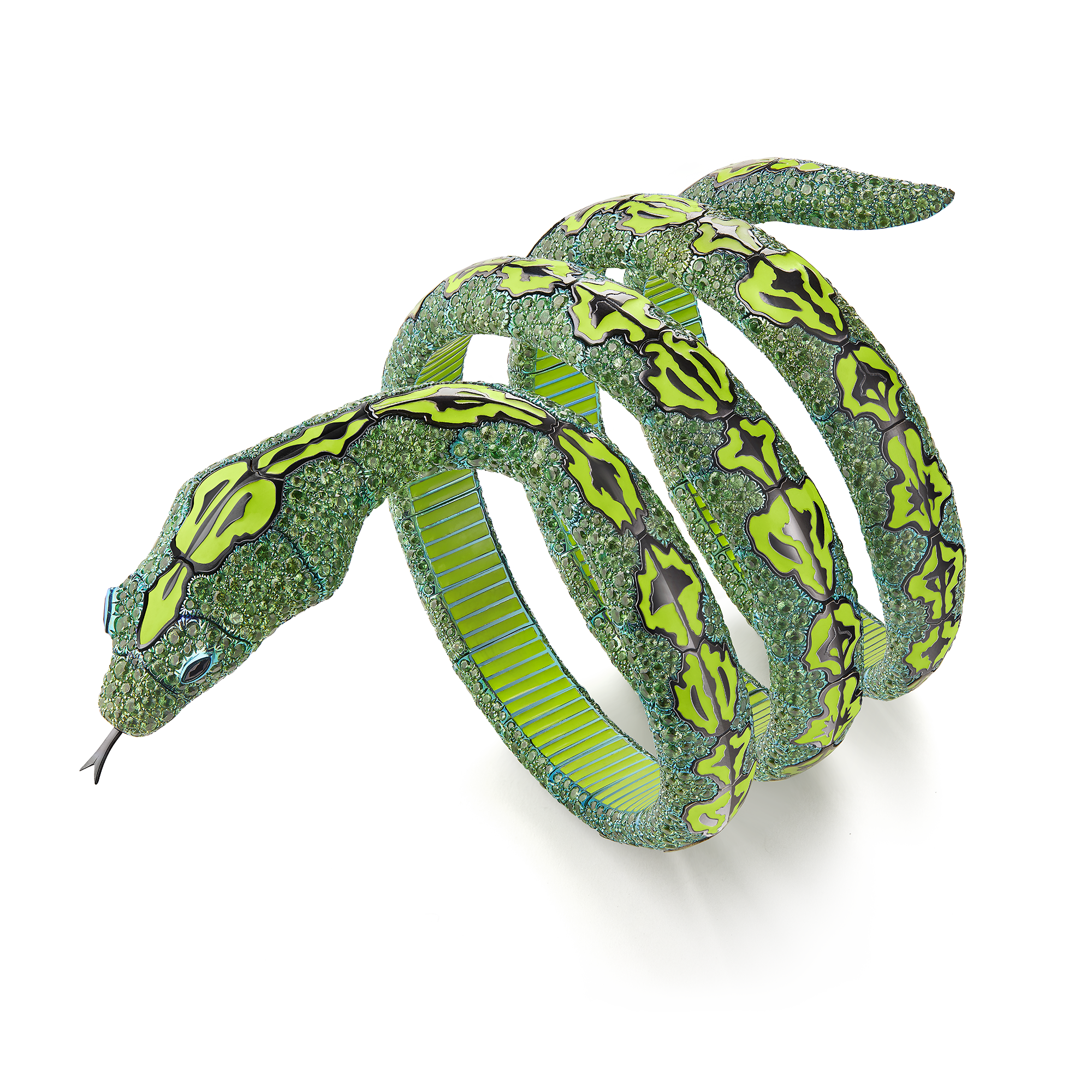
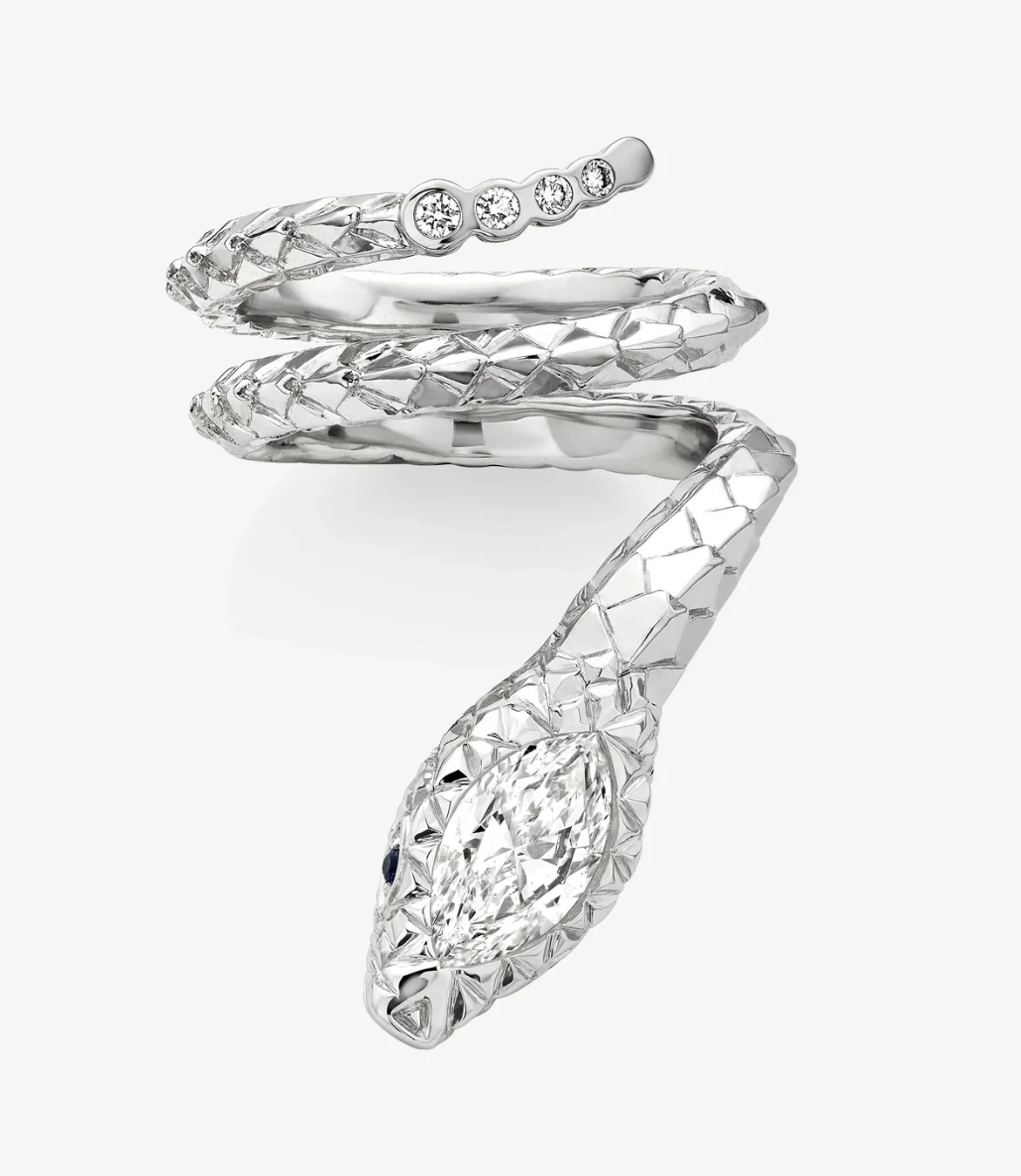
In London, Jessica McCormack distils the serpent into a sleek, architectural form. Her diamond snake rings crafted in 18k white gold with a marquise‑cut diamond head, sapphire eyes, and a brilliant‑cut diamond tail reinterpret the serpent as a modern essential. These are everyday jewels, the kind of pieces that become part of a woman’s personal armour. We especially love them worn as pinkie rings, where they feel both intimate and quietly rebellious.
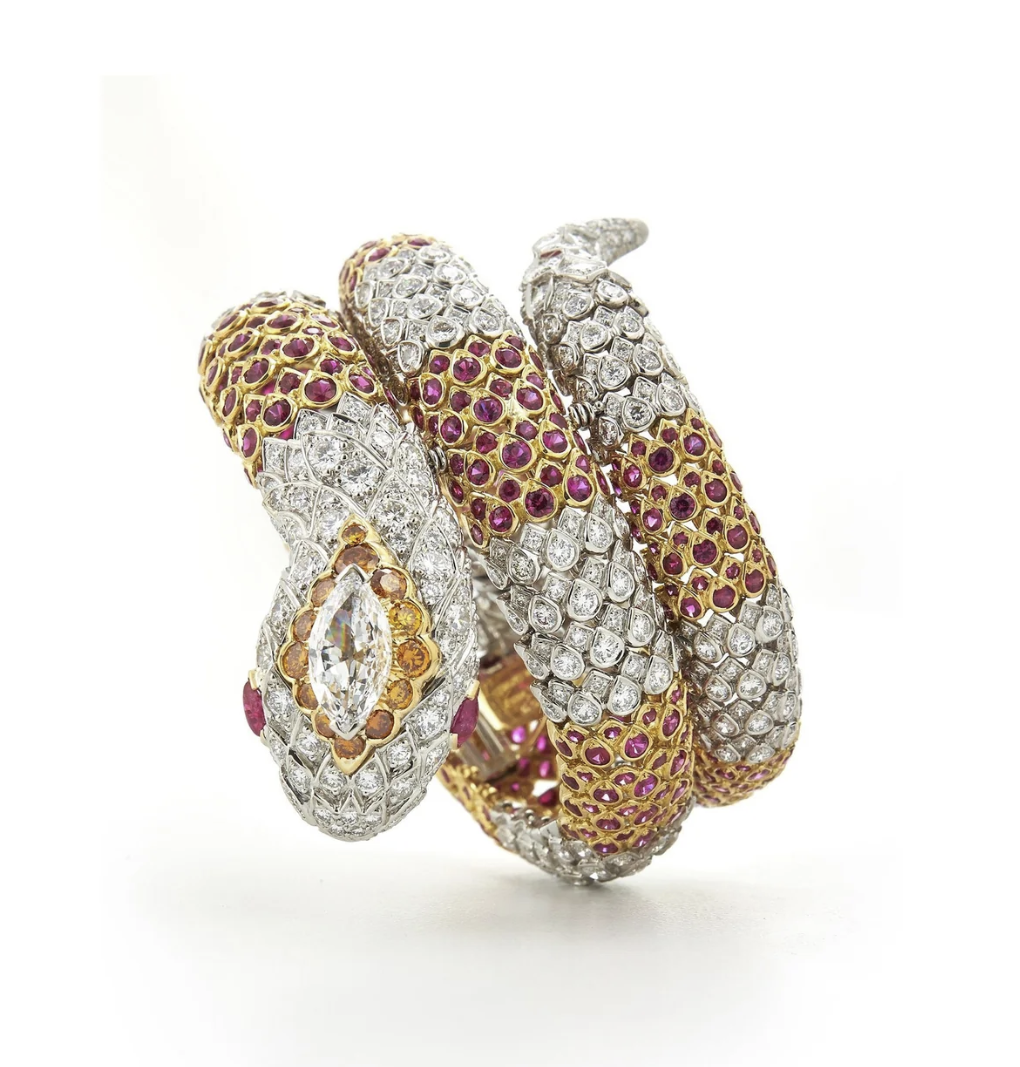
David Webb
Across the Atlantic, no one embraces boldness quite like David Webb. His Diamond Snake Bracelet is a masterpiece of American glamour, crafted in platinum and 18k gold and set with marquise‑cut diamonds, brilliant‑cut diamonds, coloured diamonds, and circular‑cut rubies. This serpent is sculptural, dramatic, and unmistakably Webb — a jewel that commands attention and celebrates the audacity of mid‑century design. It is jewellery as theatre, as statement, as unapologetic presence.
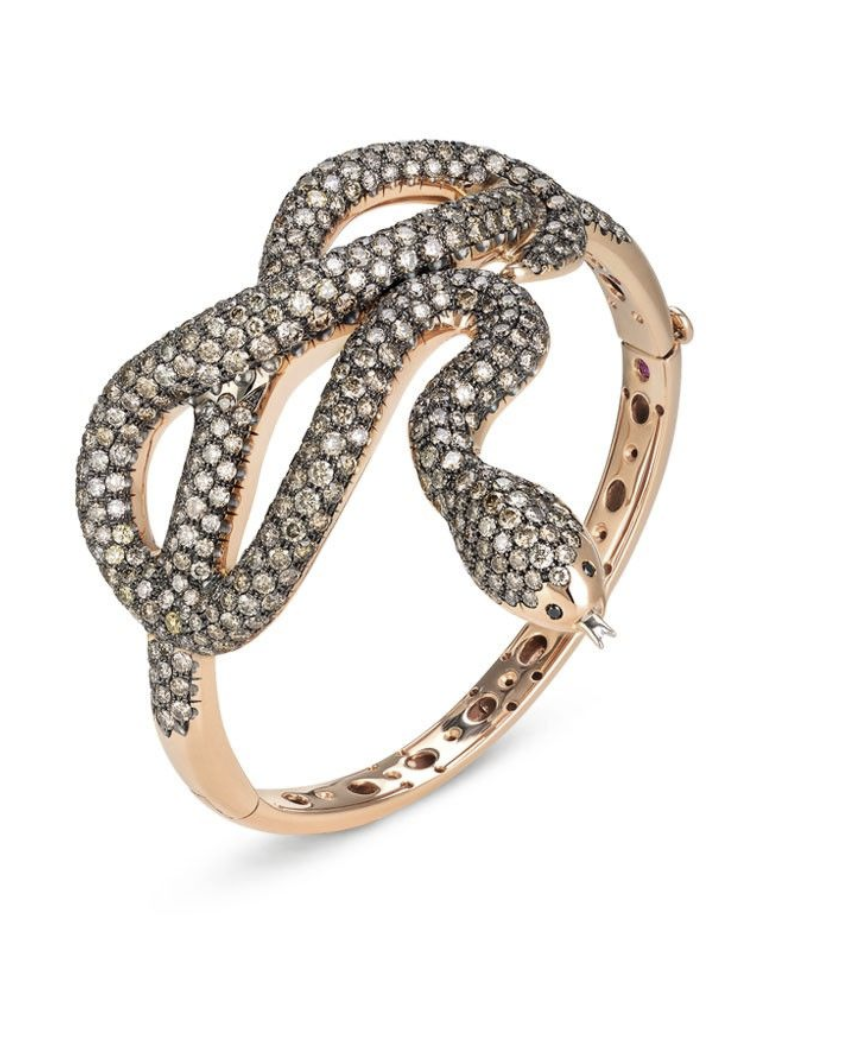
From Italy, Roberto Coin brings a different sensibility one rooted in sensuality and craftsmanship. Part of the Animalier collection, his Snake Bracelet in 18k rose and burnished gold is adorned with black and brown diamonds, creating a tactile, almost velvety surface. It slithers between elegance and edge, wrapping the wrist with quiet confidence and unmistakable Italian sophistication. This is the serpent as a whisper rather than a roar but no less powerful.
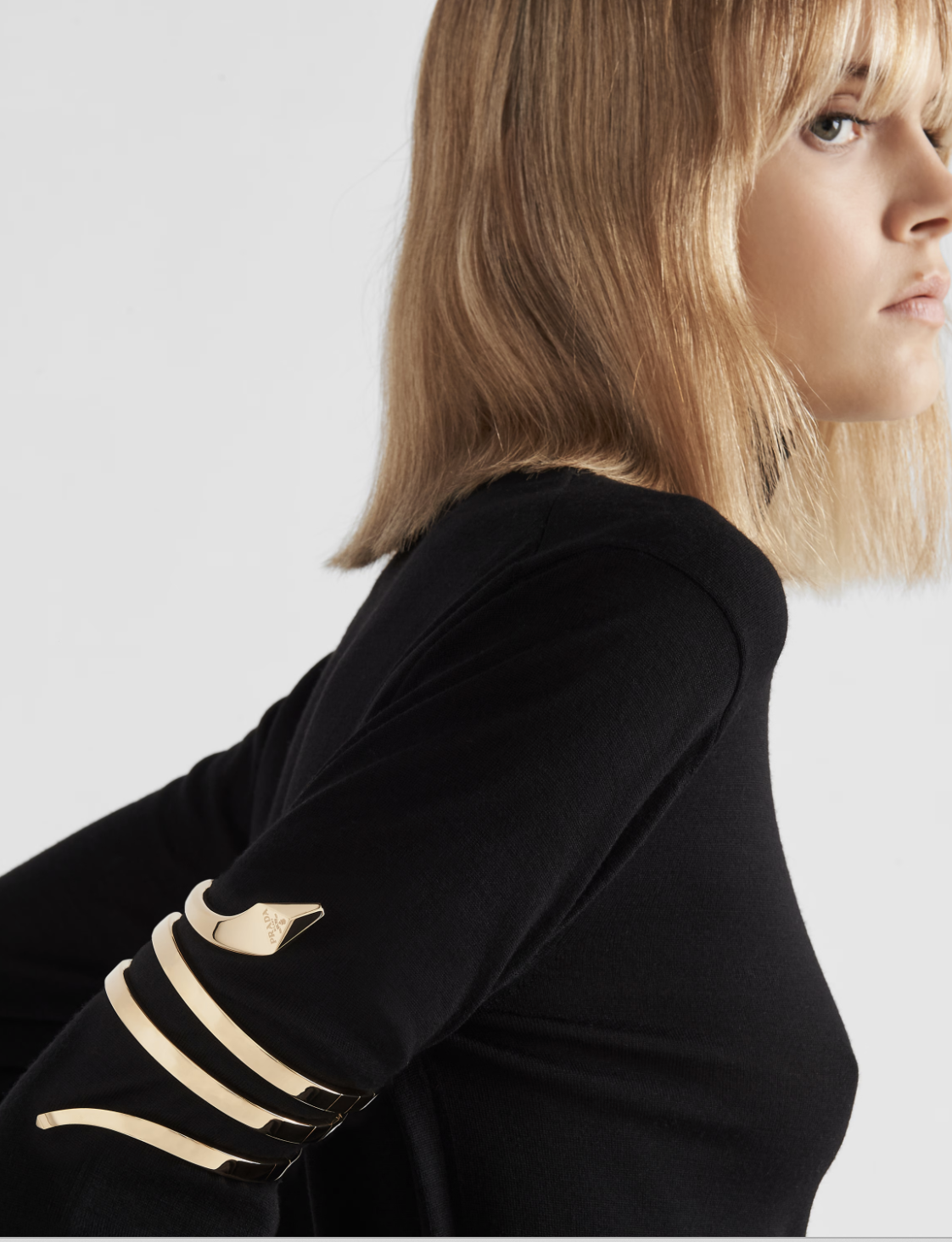
Prada Fine Jewelry
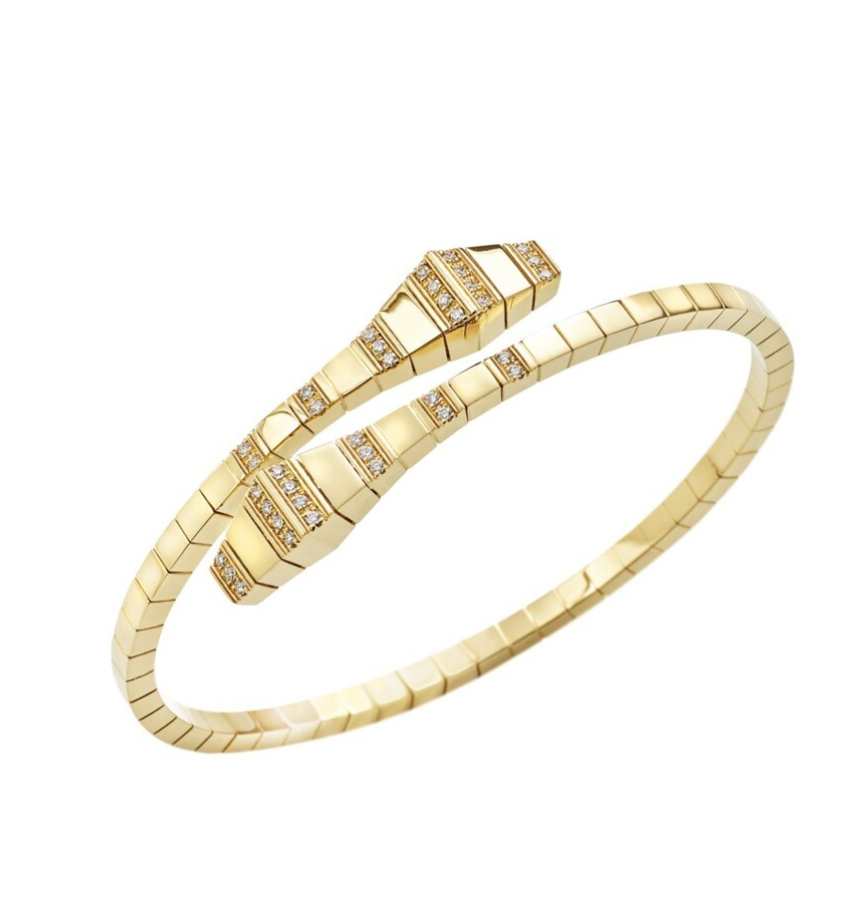
A completely modern approach comes from Prada Jewellery, which reimagines the serpent through the brand’s signature dualism. Prada has always played with paradox past and present, new and old and here the snake becomes an emblem of that tension. Their recycled 18k yellow gold snakes features an elegant, sinuous silhouette, decorated with the iconic triangle logo on the serpent’s head. It is minimalist yet symbolic, a contemporary interpretation of one of the oldest mythological motifs in jewellery.
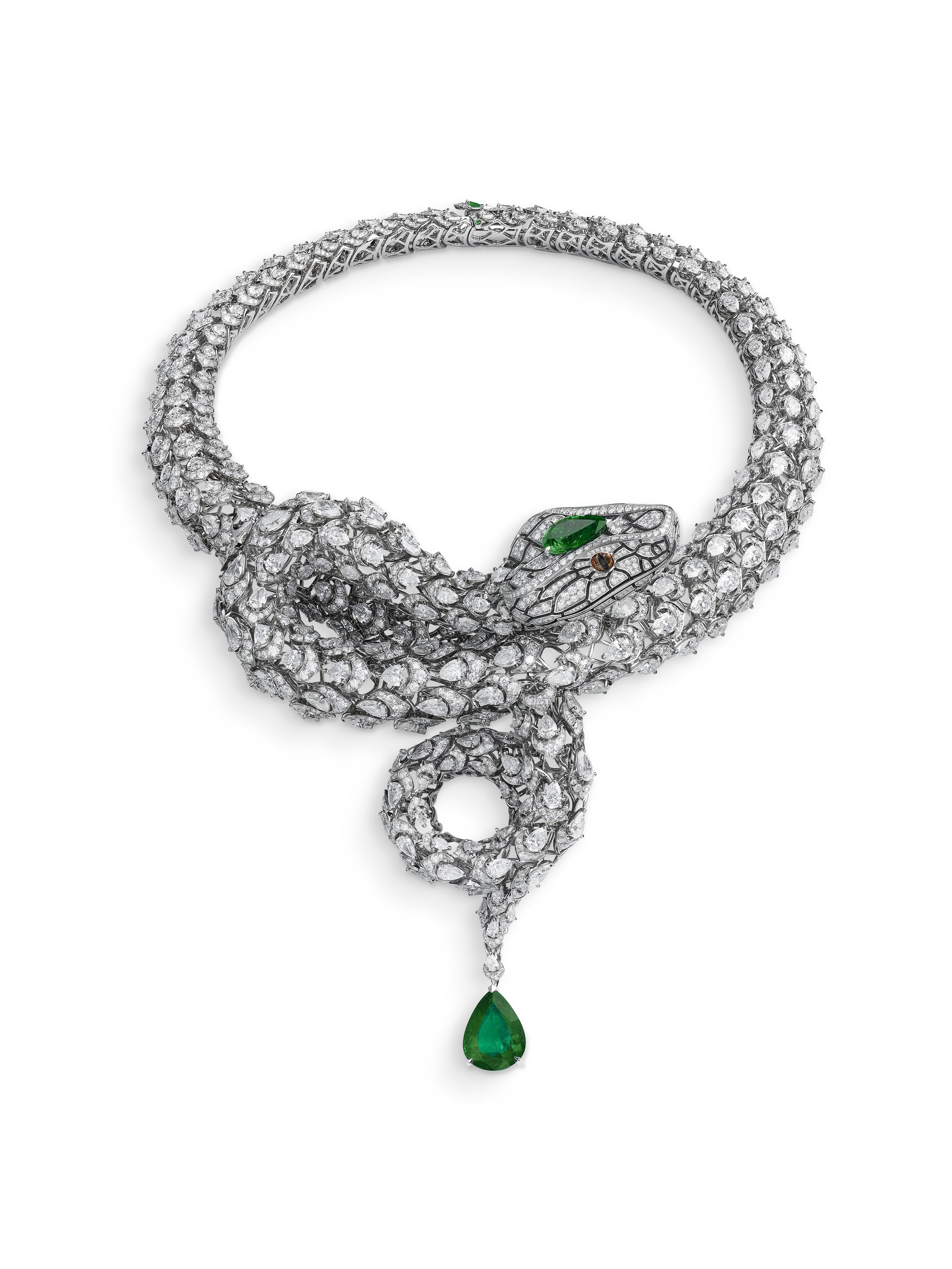
Chopard Necklace from the Red Carpet collection in 18 carat white gold with a 12 carat emerald and diamonds as well onyx and yellow sapphires.
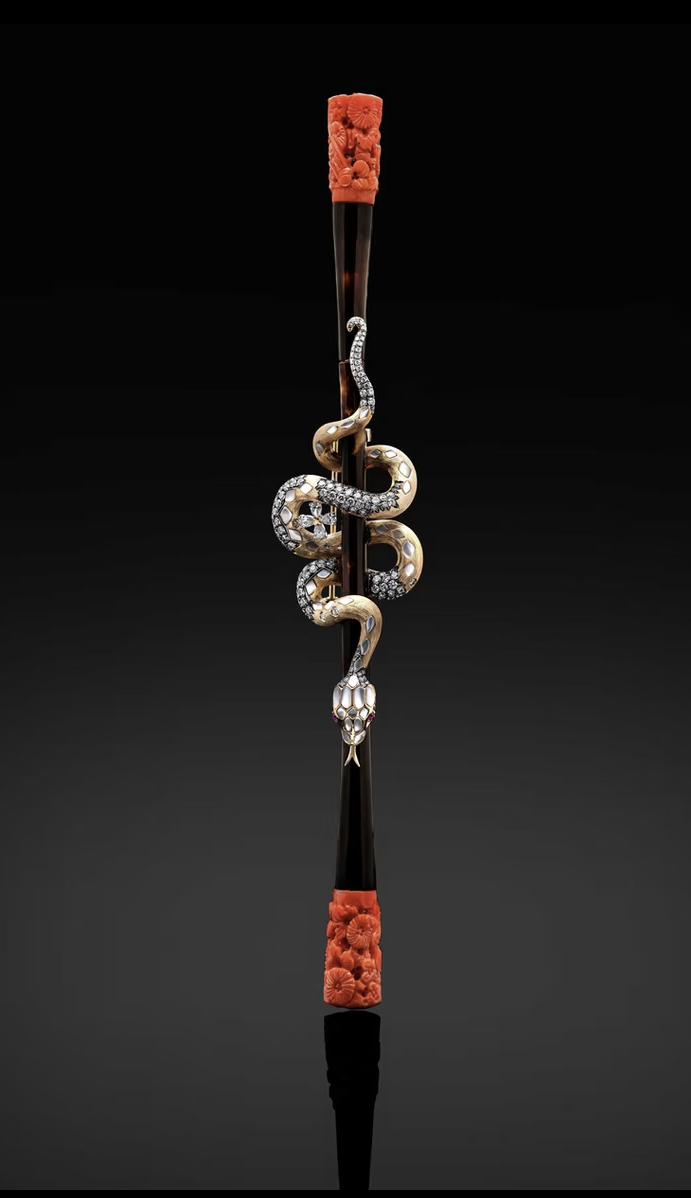
Meanwhile, art jeweller Austy Lee transforms the serpent into a piece of wearable mythology. His creations turn “unnecessary” objects into must‑have treasures, such as his lacquered and coral hairpin reimagined as a serpent‑infused jewel. In Lee’s hands, the serpent becomes a guardian of cultural memory a creature that bridges ancient craftsmanship and modern imagination.
Yeprem brings the serpent into the world of haute horlogerie with the Y‑Momento watch, a dazzling creation crafted from 18k yellow and white gold and set with 290 diamonds. The piece wraps elegantly around the wrist, transforming time itself into a serpentine gesture. Dazzling and sophisticated, it is destined to become one of the wearer’s most treasured favourites a reminder that time, too, can coil, twist, and hold meaning.
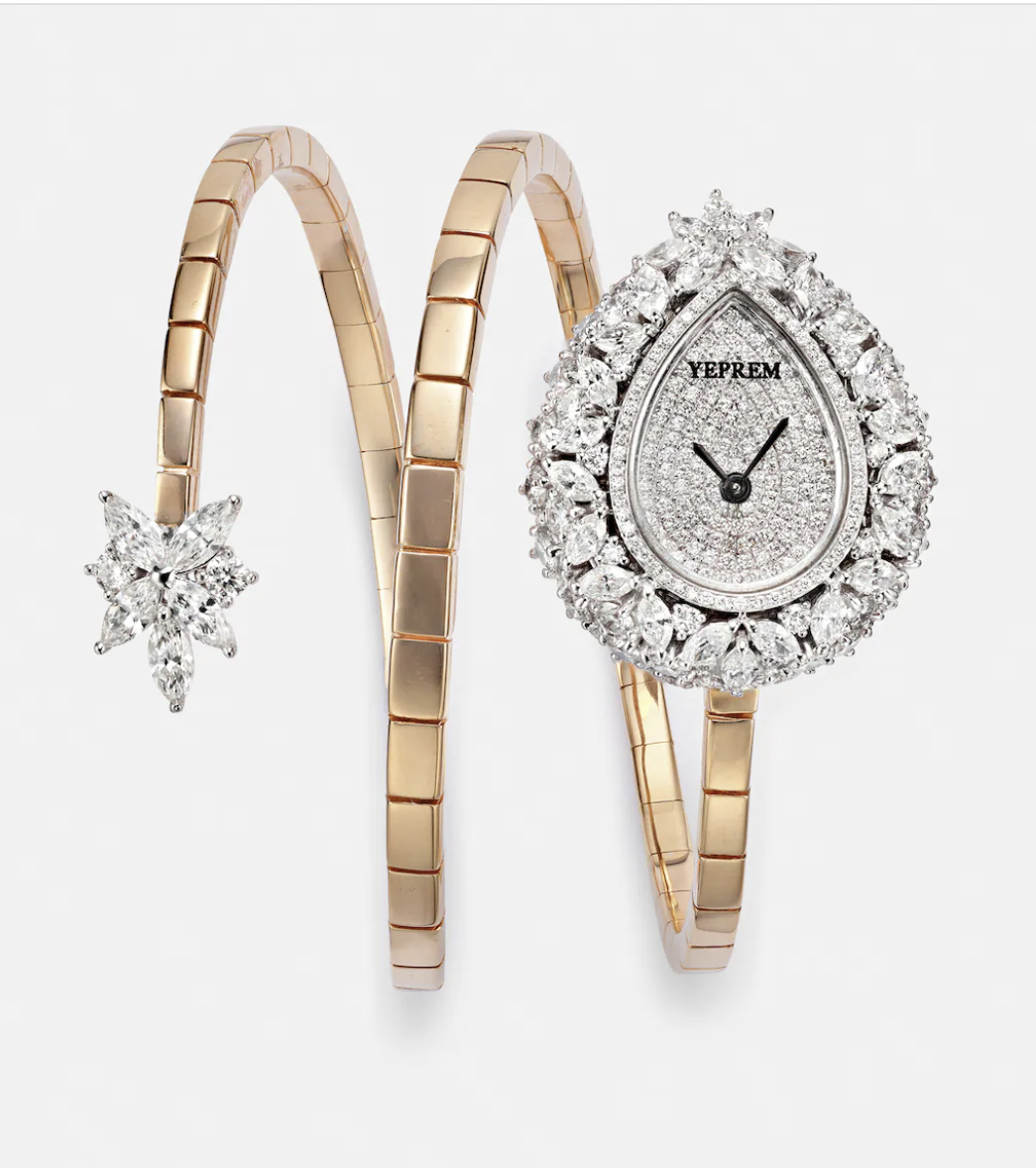
Yeprem
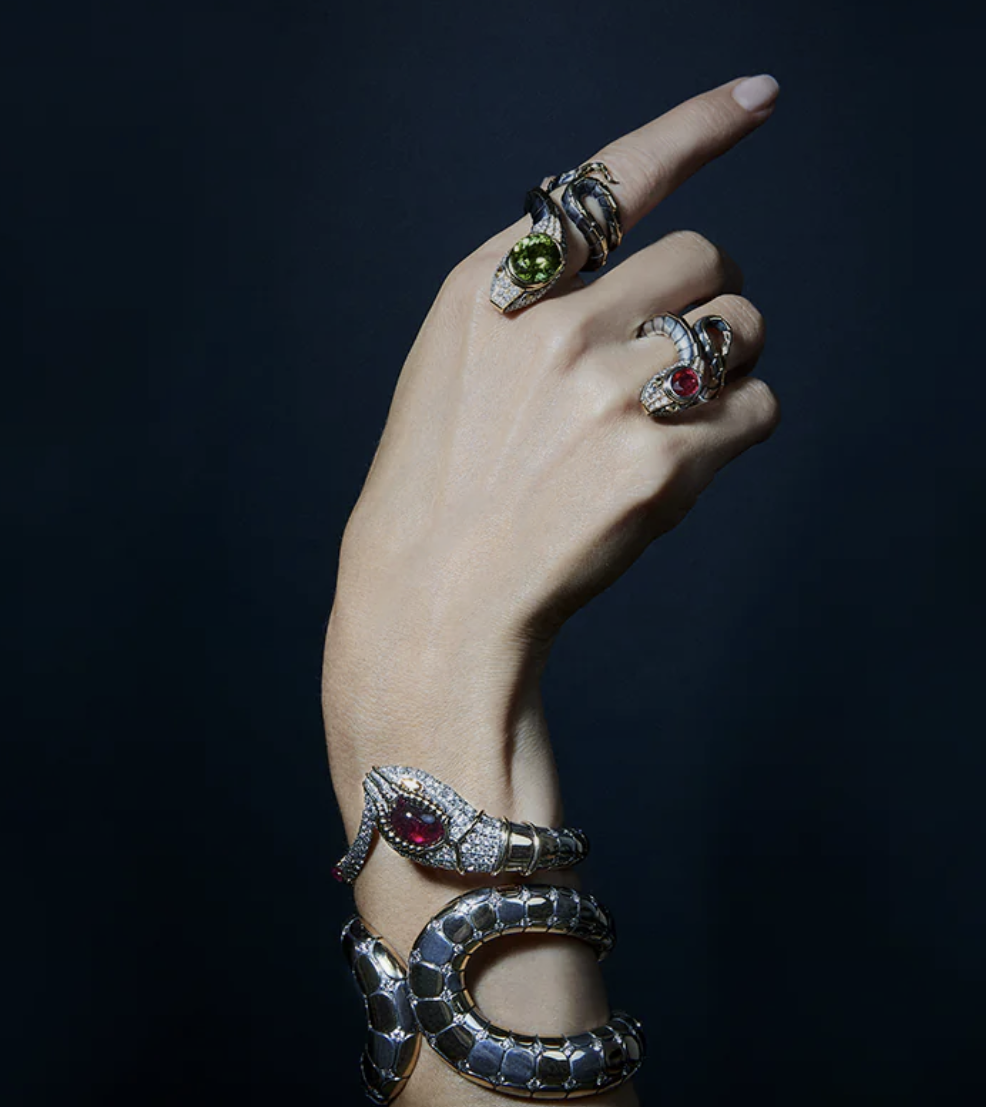
Elie Top, the French jeweller known for his sculptural, alchemical approach, offers one of the most poetic interpretations. His Snake, Rubellite, and Diamond Cuff is wrapped in scales of rose gold, yellow gold, and patinated silver, punctuated with diamonds. One end features an articulated head paved with diamonds and animated with yellow sapphire eyes, crowned by a rubellite cabochon; the other ends in an articulated tail set with a ruby cabochon. It is a serpent that feels ancient, enigmatic, and utterly captivating — a jewel that belongs in a cabinet of curiosities.
The Serpent’s Final Lesson
From María Félix’s legendary commission to the avant‑garde visions of today’s designers, the serpent remains one of jewellery’s most enduring icons. It survives because it evolves. It seduces because it transforms. It captivates because it mirrors the women who wear it powerful, complex, ever‑changing.
In every era, the serpent returns with a new skin.
In every collection, it reveals a new facet of its mythology.
And in every jewel, it reminds us that true symbols never fade they simply coil themselves into new forms of beauty.
The serpent never loses its power.
It simply learns how to shine differently.