
Brigitte Bardot: The Eternal Muse of Saint‑Tropez and Icon of French Style
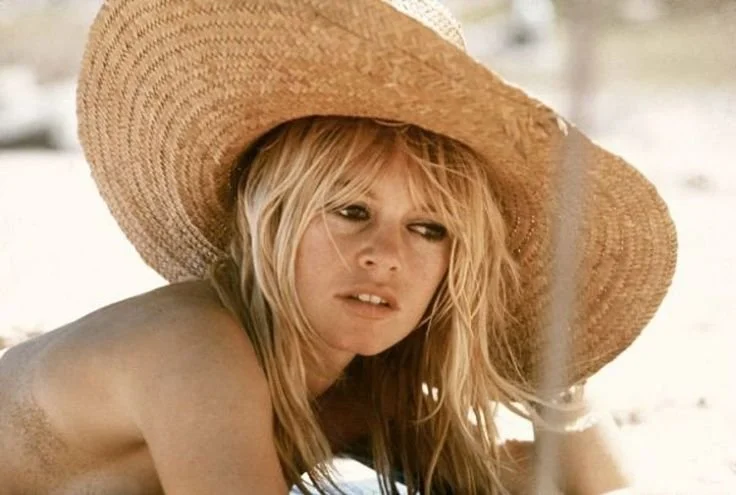
Today, the world says goodbye to Brigitte Bardot an icon whose beauty, attitude, and unapologetic sensuality reshaped not only cinema, but the very image of the French woman. Actress, singer, animal activist, and global muse, Bardot was more than a star. She was a cultural phenomenon, a woman whose presence defined an era and whose style continues to echo through fashion, beauty, and the mythology of the South of France.
Born in Paris and affectionately known as B.B., Bardot became the first Continental actress to achieve Hollywood‑level fame. From the mid‑1950s onward, her face that intoxicating blend of innocence and provocation appeared everywhere: magazine covers, television screens, film posters, and the collective imagination of Europe and America. Time magazine famously called her “the princess of pout, the countess of come‑hither,” capturing the essence of a woman who embodied a new kind of sensuality: effortless, natural, and defiantly free.
The Style That Changed Everything
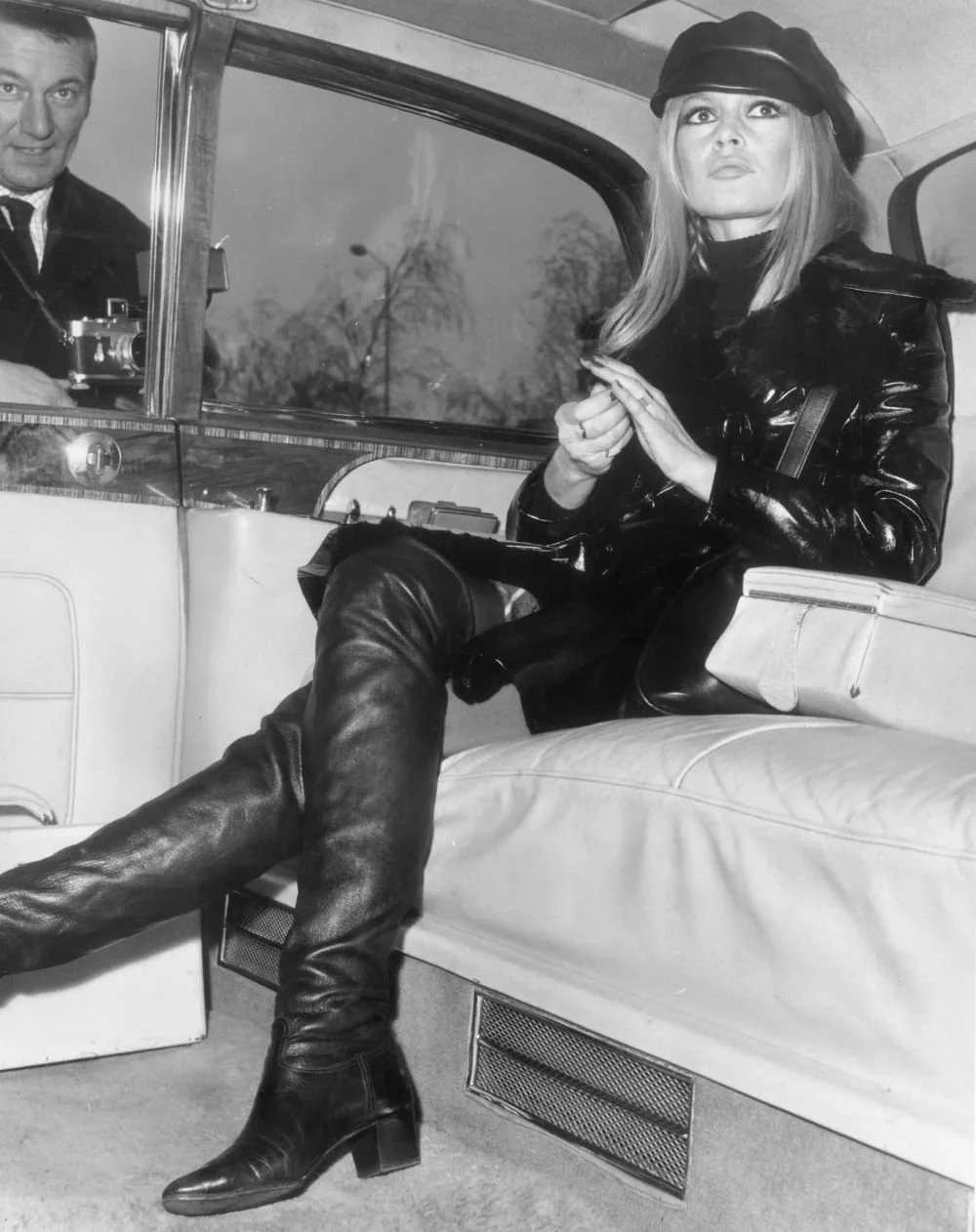
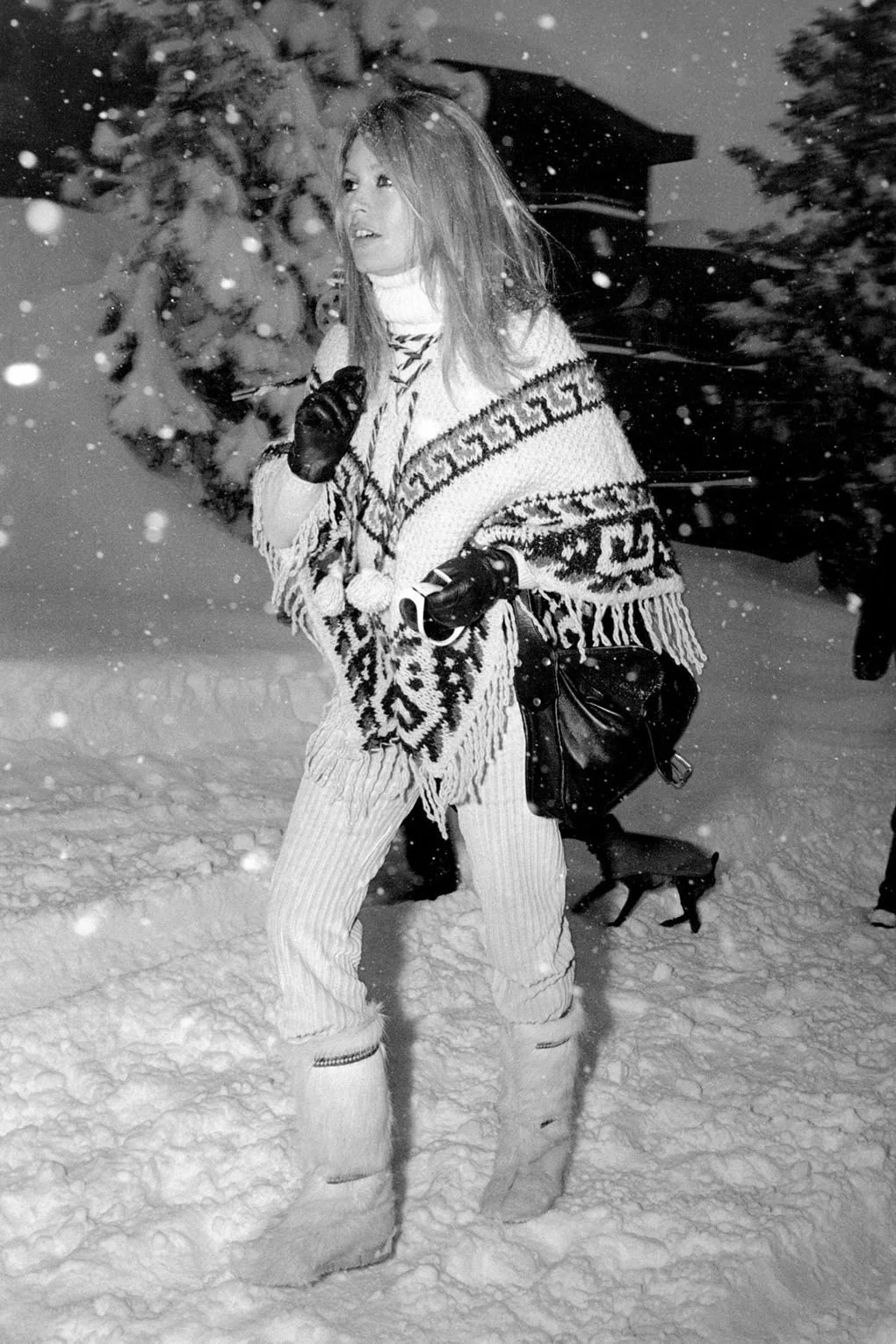
Brigitte Bardot’s style was not constructed it was lived. She didn’t dress to impress; she dressed to express. And that authenticity is what made her a fashion revolution.
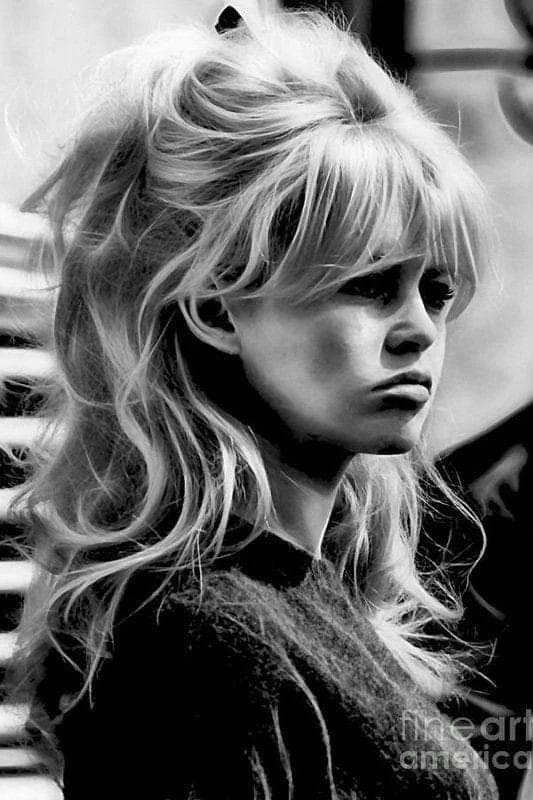
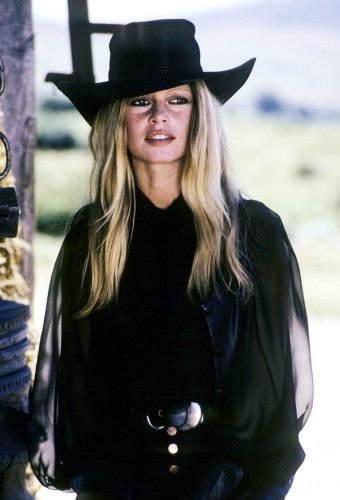
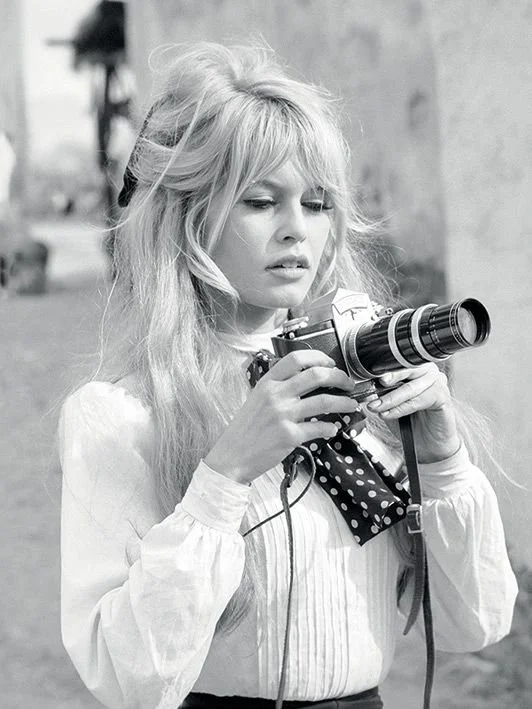
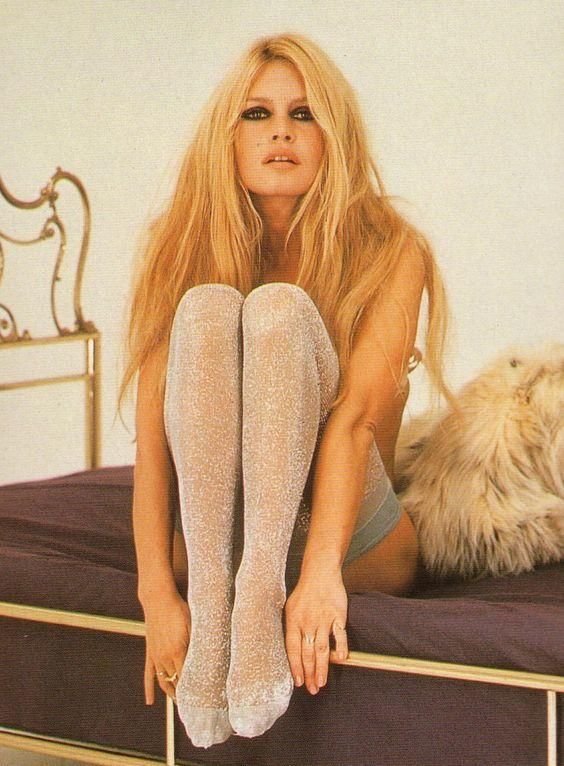
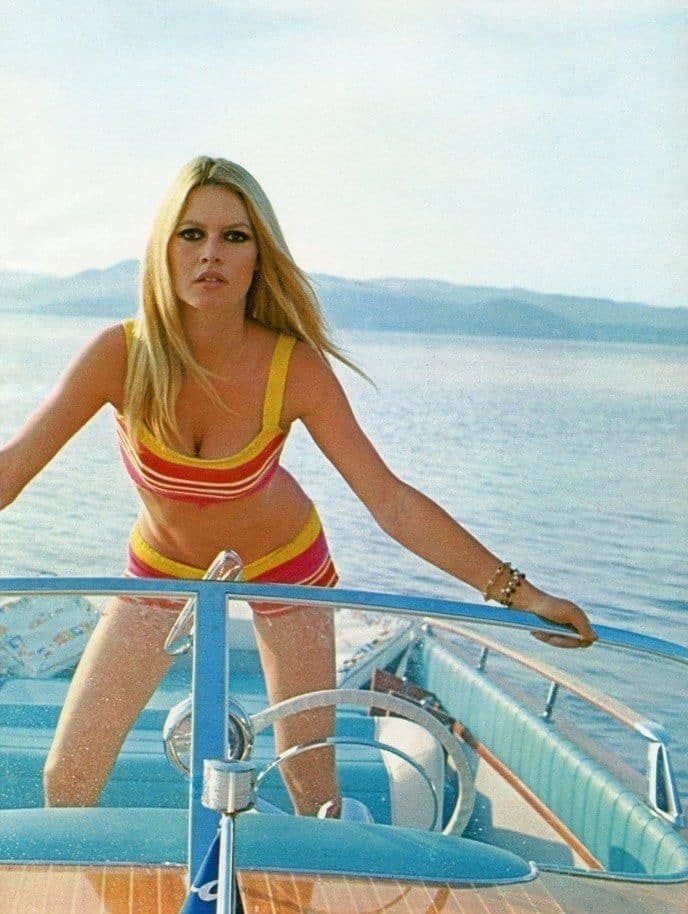
Her signature look was deceptively simple: smoky, smudged black eyeliner, nude lips, and voluminous, tousled hair that seemed to defy gravity and convention. Bardot’s beauty was never about perfection. It was about attitude the art of looking undone yet unforgettable.
The Hair: A Crown of Controlled Chaos
Bardot’s hair became a cultural symbol in its own right. The half‑up, half‑down bouffant, the messy chignon, the ribbon‑tied ponytail, the beach‑tousled waves each style carried the same message: sensuality without effort.
Her hair was always slightly wild, as if touched by the Mediterranean breeze. It was the antithesis of Hollywood’s lacquered glamour. Bardot’s blonde mane suggested freedom, rebellion, and a refusal to be tamed. It was the hair of a woman who lived on her own terms.
The Makeup: The Birth of the Bardot Eye
Smoky eyes existed before Bardot, but she made them iconic. Her dark, smudged liner imperfect, lived‑in, seductive became the blueprint for French beauty. Paired with soft, pale lips, the look was both bold and innocent, a contradiction that defined her allure.
Her makeup was never about precision. It was about mood. A whisper of rebellion. A hint of danger. A softness that could turn sharp in a single glance.
The Wardrobe: Capri Pants, Gingham, and the Bardot Attitude
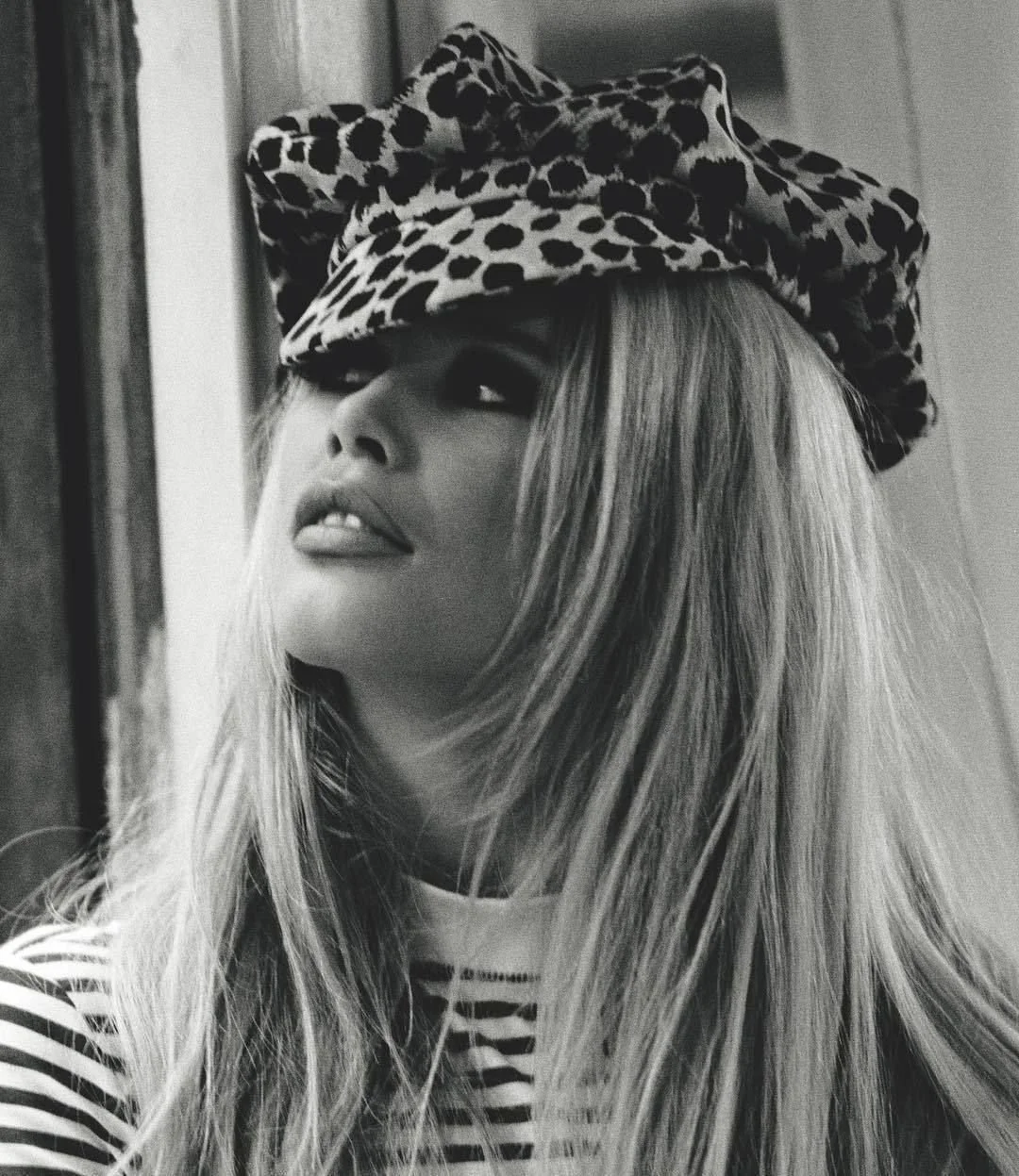
Bardot’s fashion was a study in contrasts: sweet yet provocative, girlish yet womanly, simple yet unforgettable.
She made Capri pants a global obsession. She turned off‑the‑shoulder tops into a symbol of liberated femininity. She wore gingham with a sensuality no one had imagined possible. She could appear in a ruched ballgown or barefoot in a bikini — and the impact was the same.
What set her apart was not the clothing itself, but the way she inhabited it. Bardot didn’t wear fashion; she transformed it.
Saint‑Tropez: The Village That Became a Legend
If Paris gave Bardot her birth, Saint‑Tropez gave her immortality.
Before Bardot, Saint‑Tropez was a quiet fishing village. After Bardot, it became the global symbol of Riviera glamour. Her 1956 film And God Created Woman was shot there, and the world fell in love not only with her, but with the sun‑drenched, carefree spirit of the town.
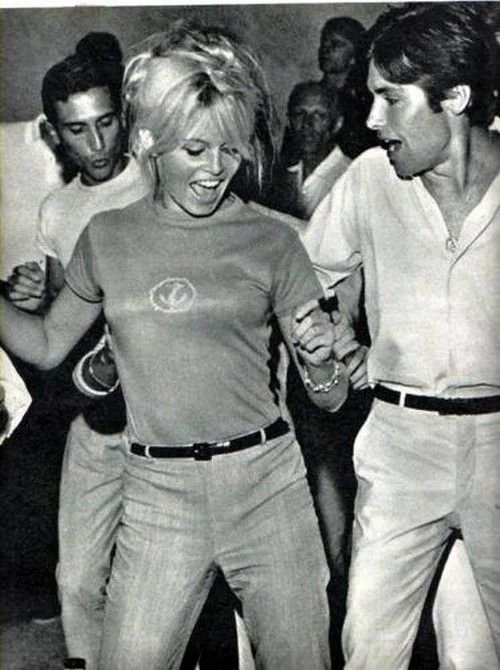
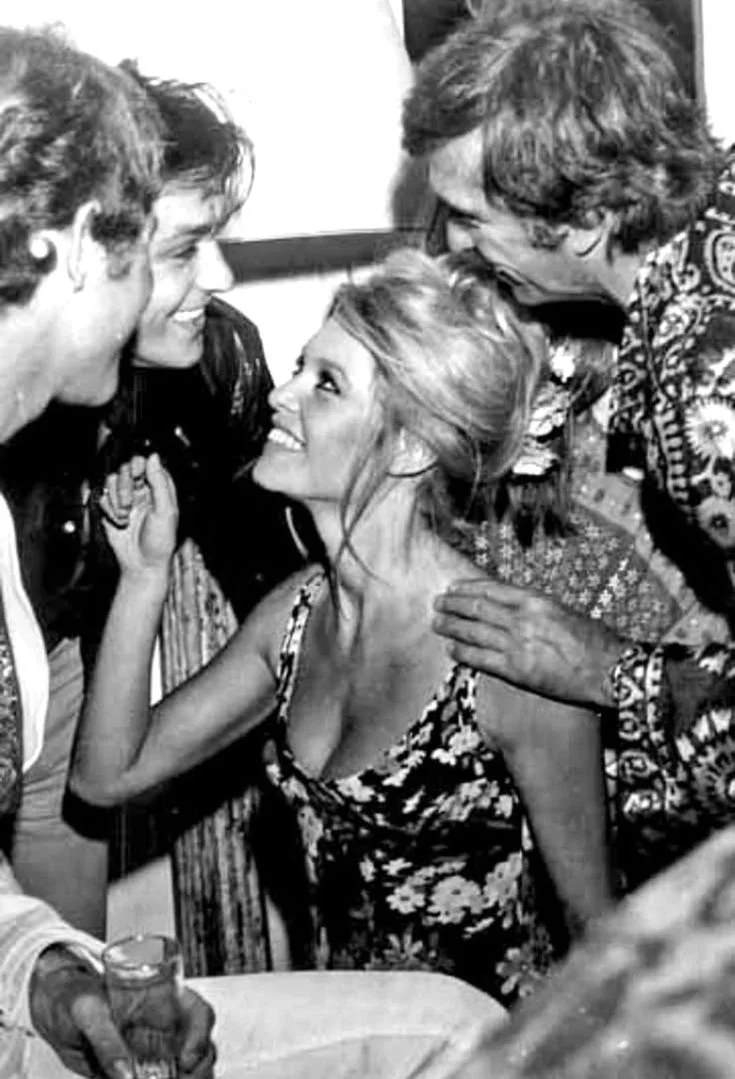
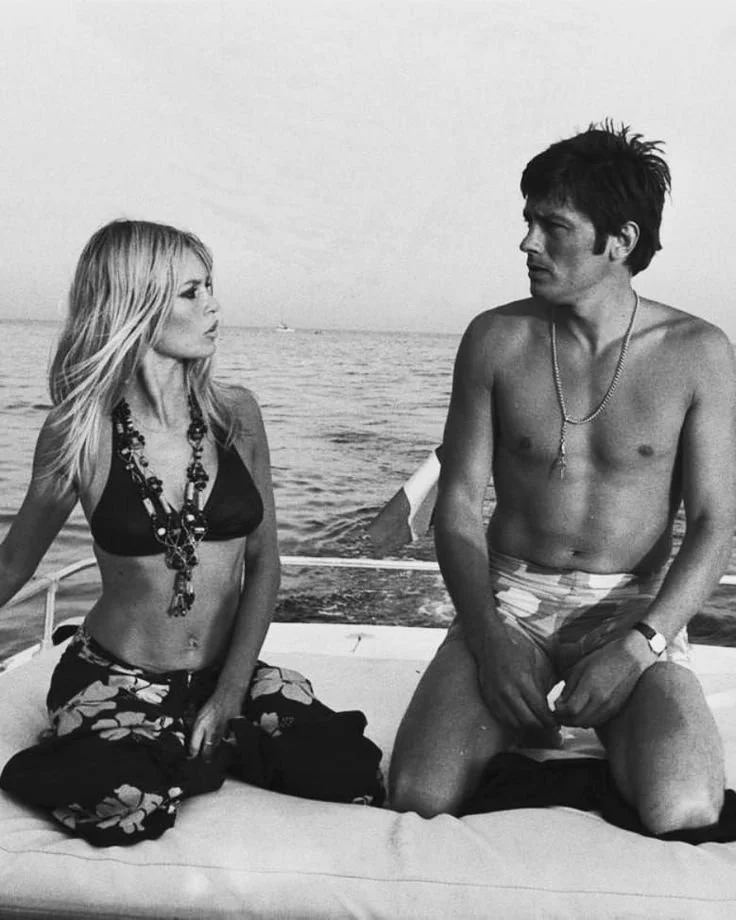
Bardot didn’t just film in Saint‑Tropez; she lived it. She bought a home there, walked barefoot through its streets, danced on its beaches, and made it the epicentre of a new kind of luxury one defined not by diamonds and gowns, but by freedom, sensuality, and sun‑kissed skin.
Saint‑Tropez became Bardot’s kingdom, and she became its eternal queen.
Club 55: The Bardot Effect
No place is more synonymous with Bardot’s Saint‑Tropez era than Club 55. What began as a simple beach shack became the Riviera’s most iconic destination, thanks in large part to Bardot’s presence.
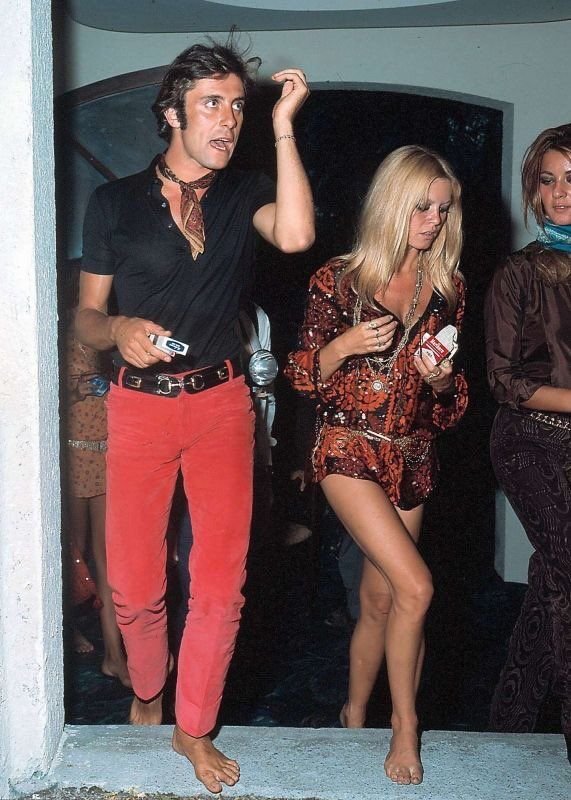
She would arrive barefoot, in a bikini or tied‑up shirt, her hair in a messy ponytail, her eyes hidden behind oversized sunglasses. And suddenly, Club 55 became the place to be — a sanctuary of effortless glamour where artists, actors, aristocrats, and dreamers gathered under the Mediterranean sun.
Even today, Club 55 carries her imprint. The wooden tables, the blue‑and‑white parasols, the barefoot luxury it all whispers Bardot.
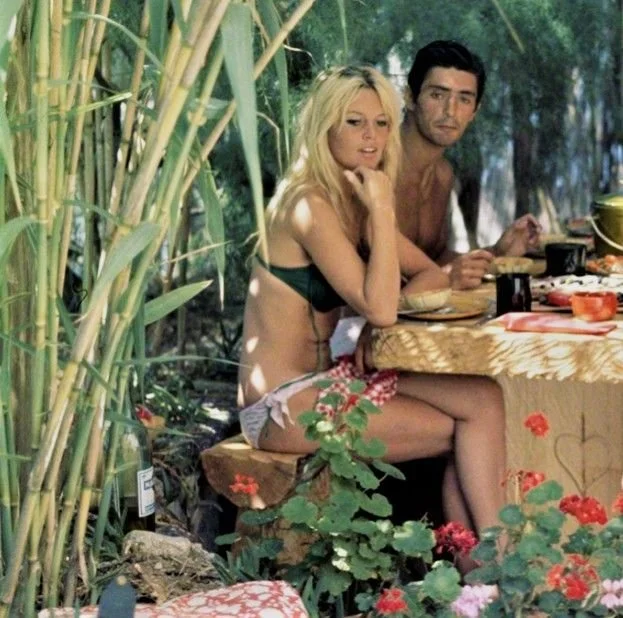
Brigitte Bardot with her boyfriend Samy Frey
Having lunch at Club 55 1960’s
The Allure That Could Not Be Replicated
What made Bardot so extraordinary was not just her beauty, but her attitude. She had a sensuality that American actresses of the era did not possess not because they lacked beauty, but because they lacked her freedom.
Bardot was unapologetic. She was natural. She was rebellious. She was the embodiment of a new kind of femininity: one that refused to be polished, controlled, or defined by anyone else.
Her walk that famous wiggle became a cultural event. Her sidelong glance could silence a room. Her pout became a symbol of desire and defiance.She was not trying to be sexy. She simply was.
A Legacy Beyond Cinema
In her later years, Bardot stepped away from the spotlight and devoted herself to animal activism, proving that her heart was as powerful as her image. She lived quietly in Saint‑Tropez, the town she transformed, surrounded by the animals she fought to protect.
Brigitte Bardot was not just a star. She was a revolution. And her light soft, smudged, sun‑kissed will never fade.