
Elsa Schiaparelli and Coco Chanel: Women Who Changed Fashion Forever
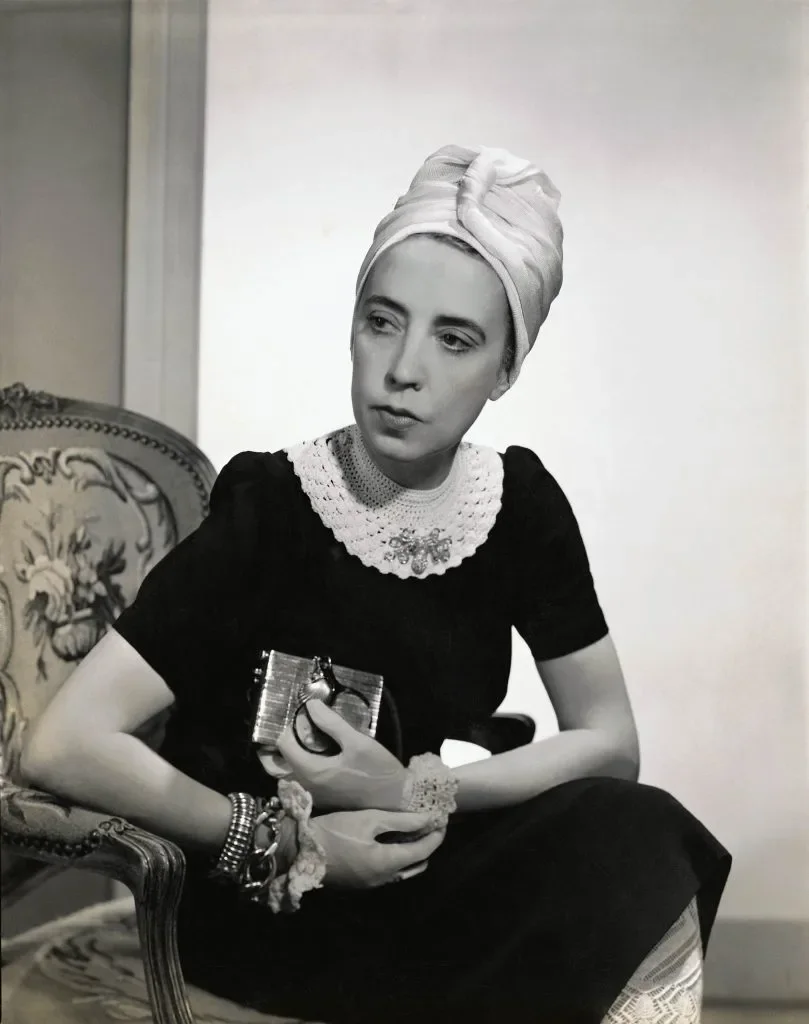
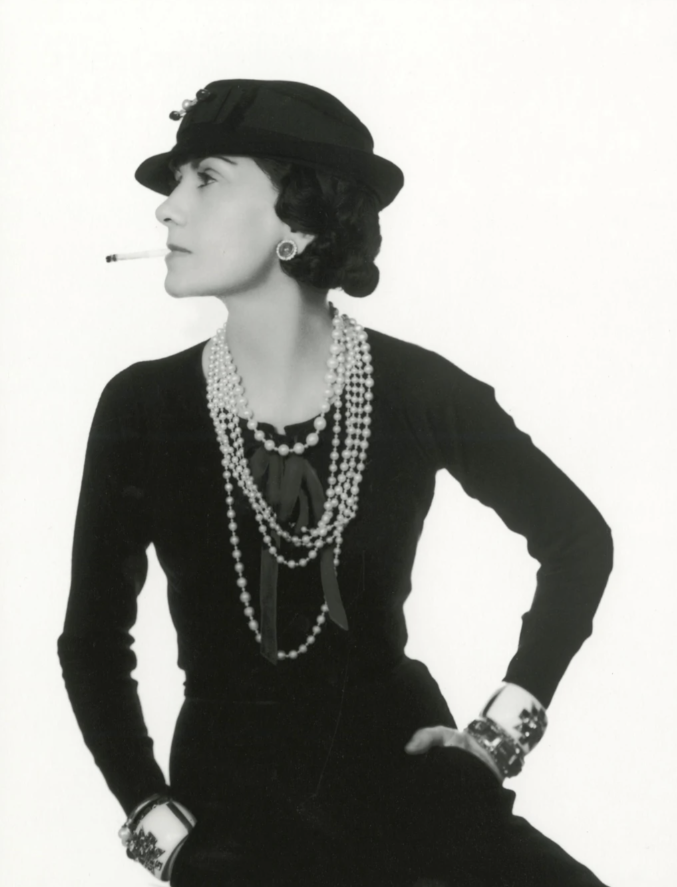
International Women’s Day is a moment to honour the women who reshaped culture, challenged conventions, and expanded the possibilities of femininity. Few figures embody this spirit more powerfully than Elsa Schiaparelli and Coco Chanel two women whose visions could not have been more different, yet whose impact on fashion remains foundational. They were rivals, opposites, and pioneers, each rewriting the rules of style in her own language.
Two Women, Two Worlds
Coco Chanel and Elsa Schiaparelli emerged in the same era, but they inhabited entirely different creative universes.
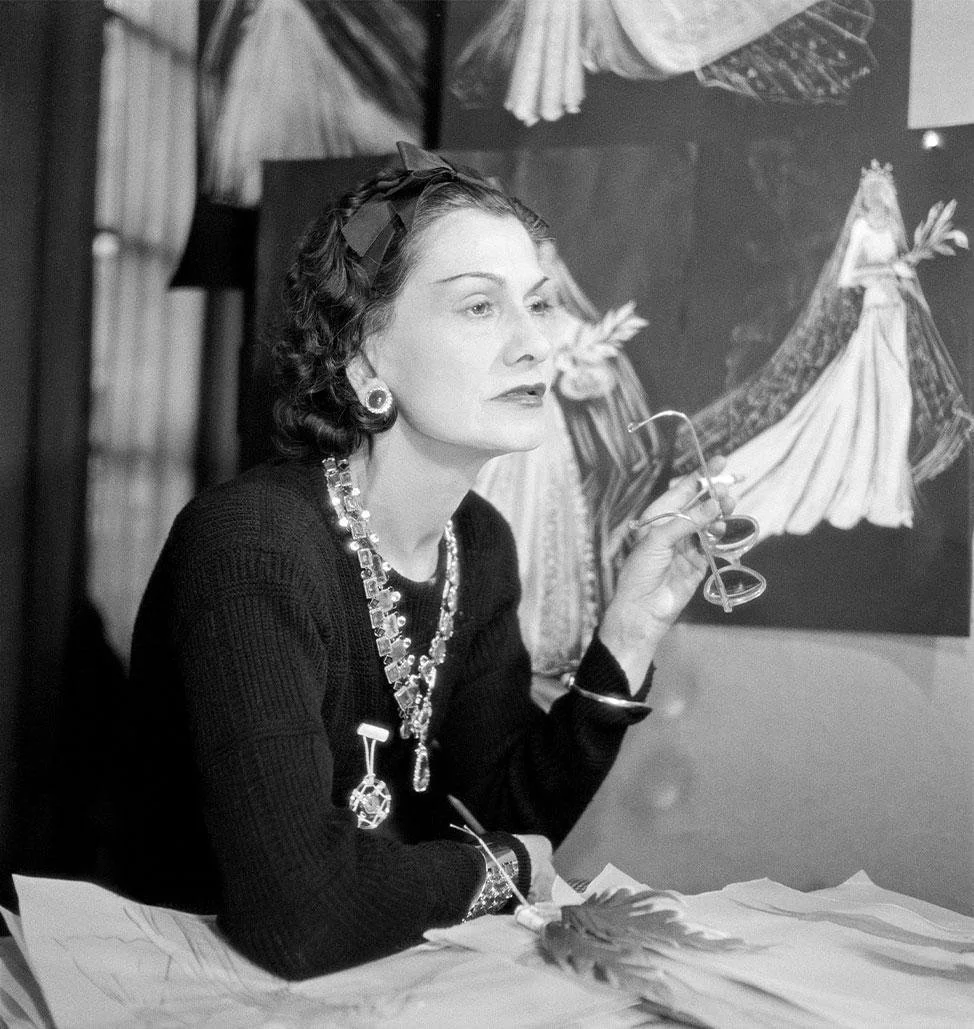
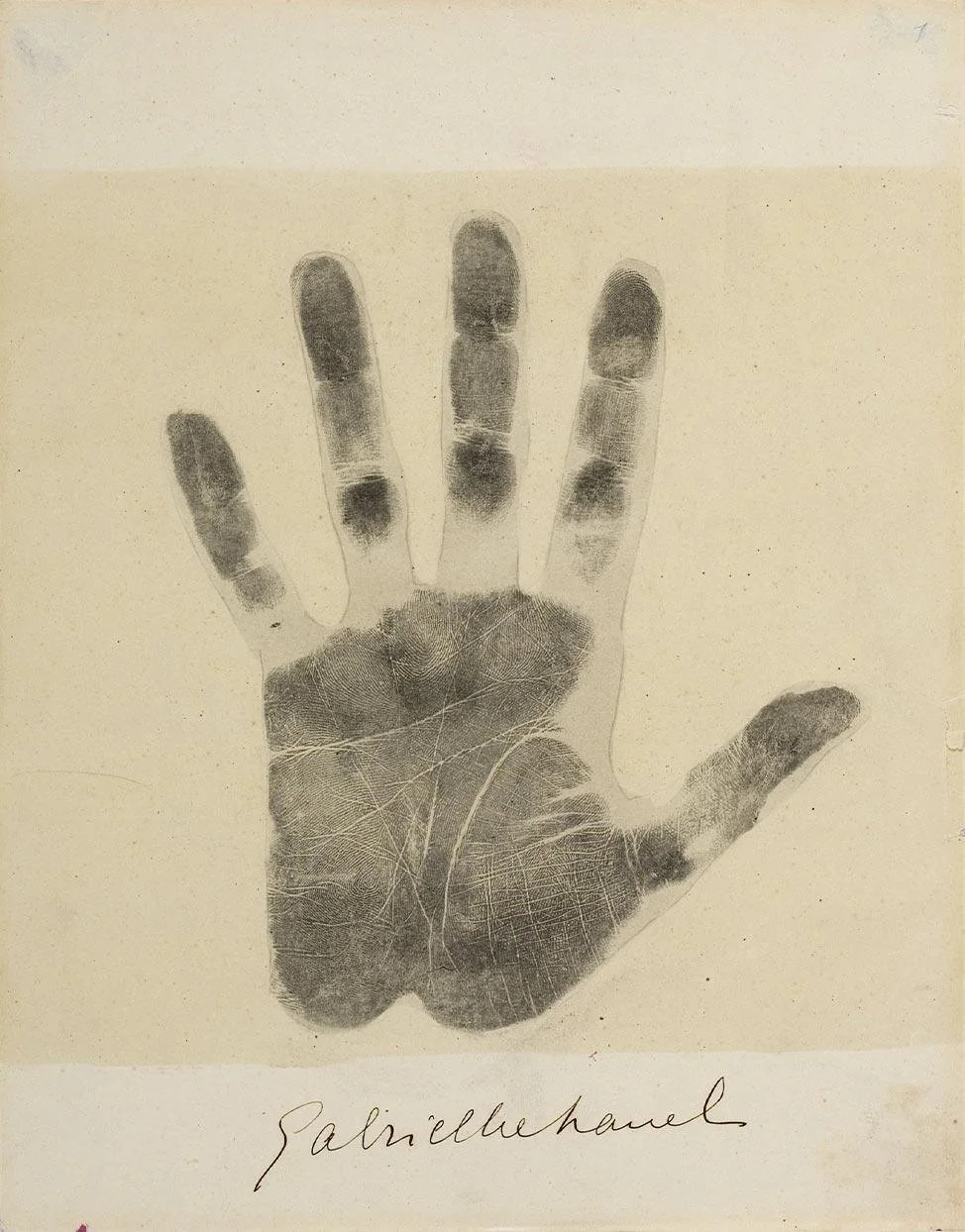
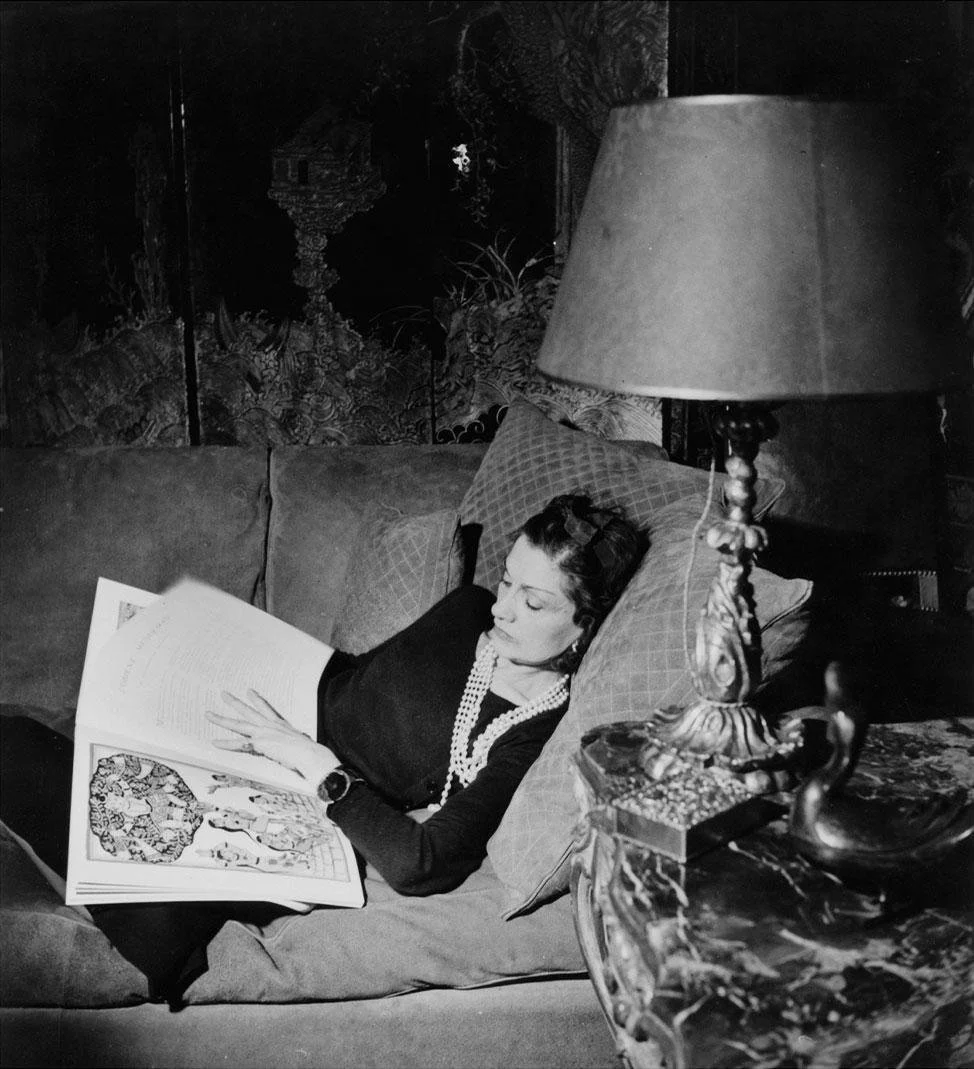
Chanel built a world of restraint, purity, and modern elegance. Her designs liberated women from corsets, heavy fabrics, and decorative excess. She believed in simplicity as a form of power.
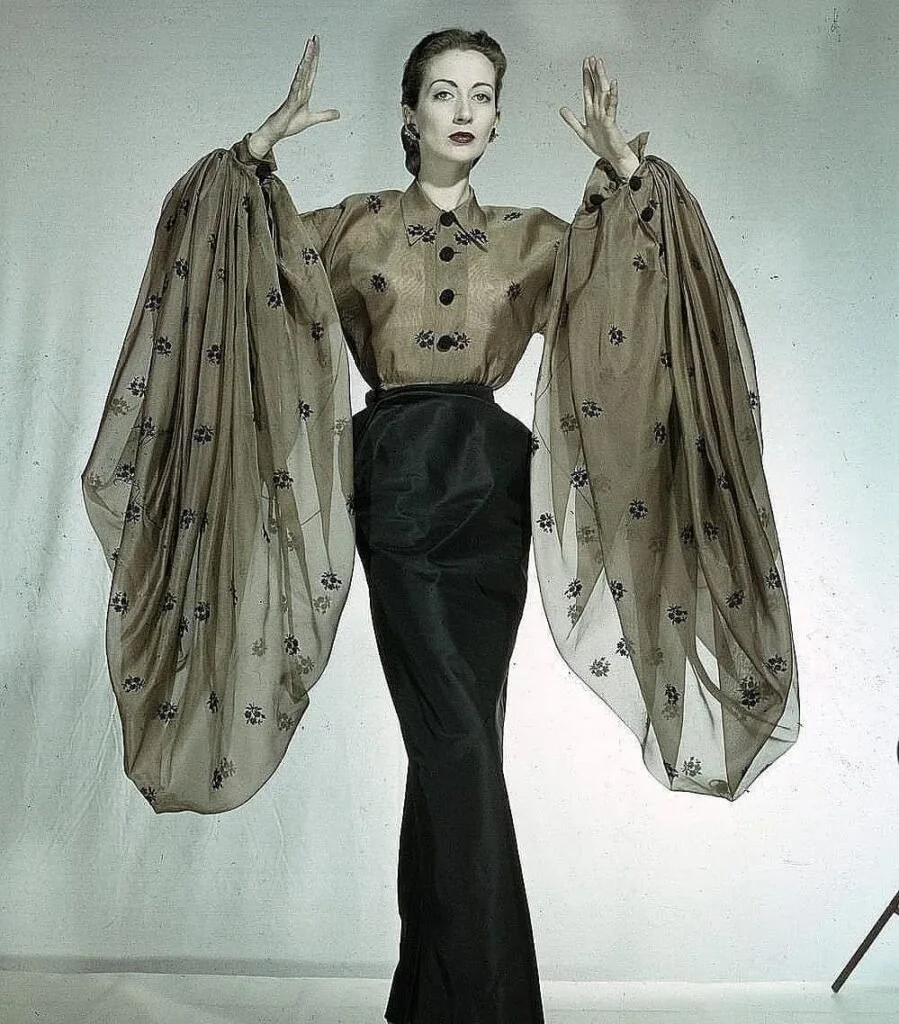
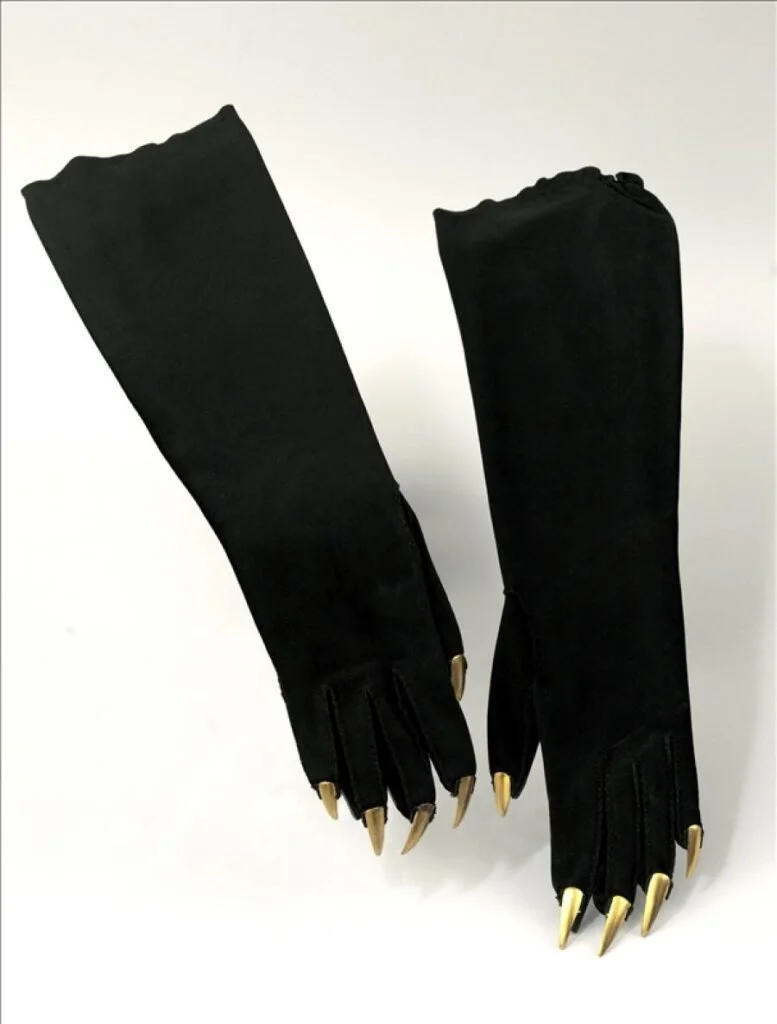
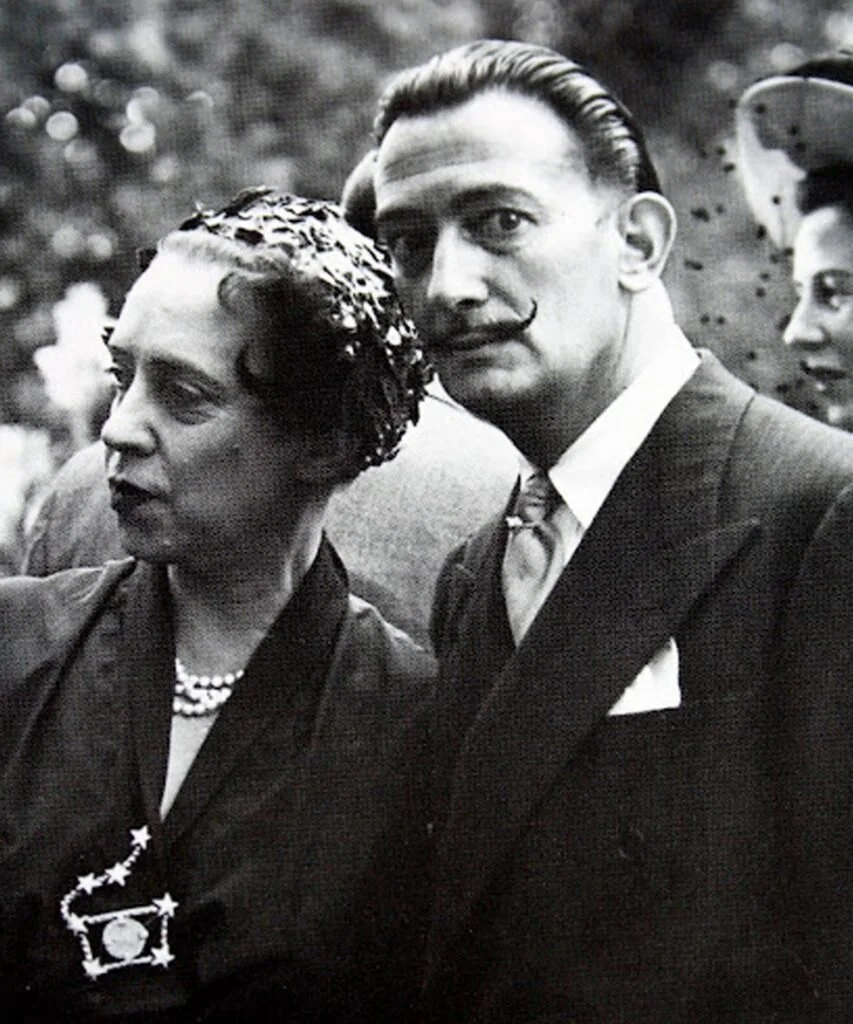
Schiaparelli, by contrast, embraced fantasy, surrealism, and the unexpected. She collaborated with artists like Salvador Dalí and Jean Cocteau, transforming fashion into a form of visual poetry.
Where Chanel sought to simplify, Schiaparelli sought to astonish. Their rivalry was legendary, but their contributions were complementary two sides of the same revolution.
Coco Chanel: The Architect of Modern Femininity
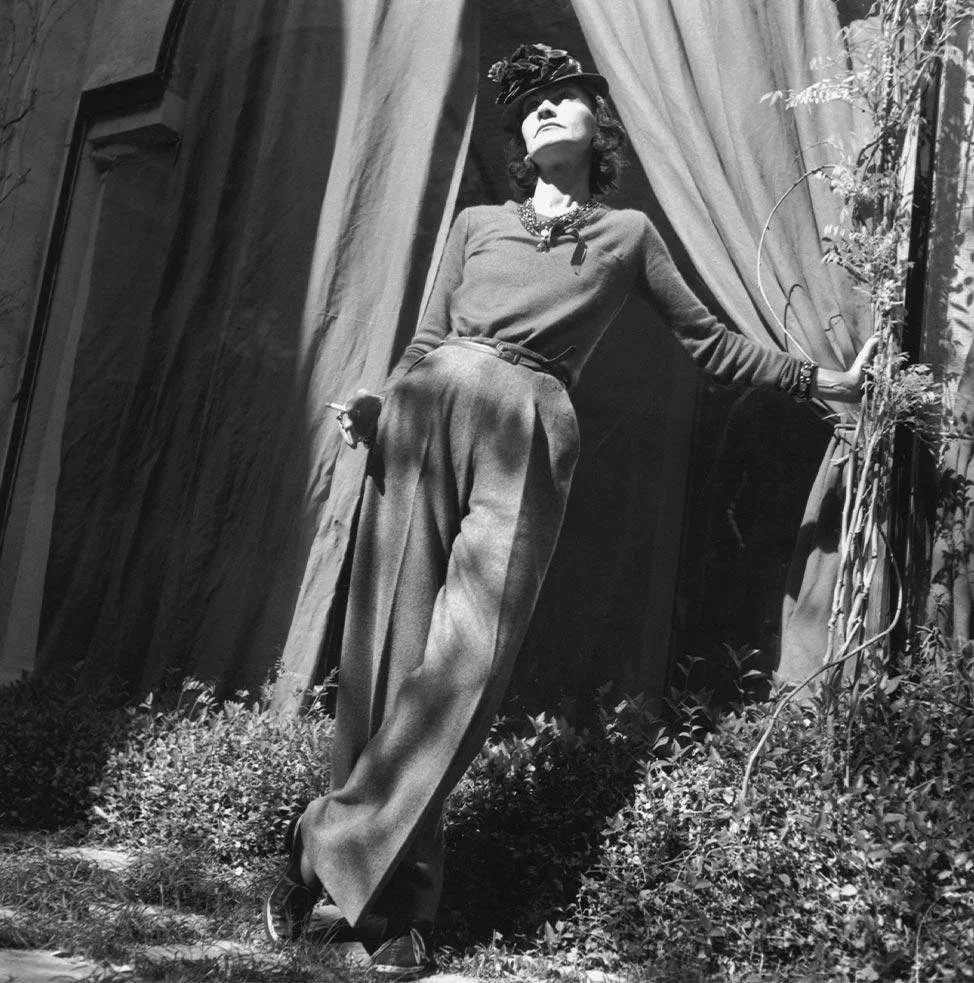
Chanel’s influence lies in her ability to redefine what luxury could mean for women. She introduced a new vocabulary of elegance built on comfort, movement, and understated sophistication.
Key contributions include:
The little black dress, transforming black from mourning to modern chic.
The Chanel suit, a symbol of female empowerment and quiet authority.
Jersey fabric, elevated from men’s underwear to high fashion.
Costume jewellery, mixing faux and real to democratise glamour.
Chanel No. 5, the first abstract fragrance, capturing the essence of modern womanhood.
Chanel’s woman was independent, active, and self‑possessed. She dressed not to please society, but to express her own freedom.
Elsa Schiaparelli: The Poet of Surrealism
If Chanel was the architect, Schiaparelli was the dreamer. Her work blurred the boundaries between fashion and art, turning garments into statements of imagination.
Her innovations include:
The shocking pink hue, now iconic and instantly recognisable.
The lobster dress, created with Salvador Dalí.
The skeleton dress, a masterpiece of surrealist tailoring.
Zipper innovation, bringing functional modernity into couture.
Trompe‑l’œil knitwear, playful illusions that challenged perception.
Schiaparelli’s woman was bold, artistic, and unafraid of provocation. She dressed to be seen, to express individuality, and to celebrate the unexpected.

A Rivalry That Defined an Era
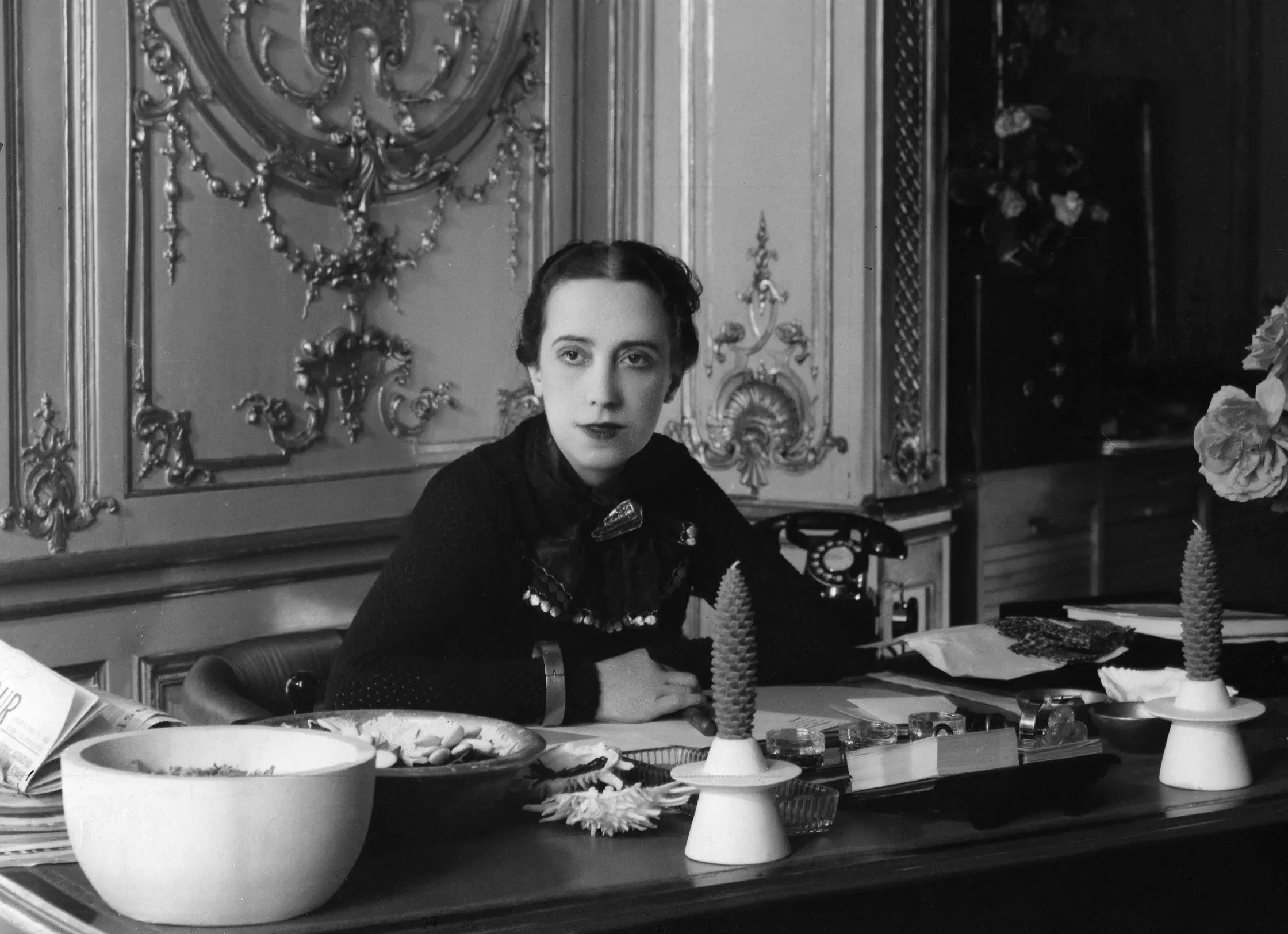
Their differences were so profound that Chanel famously dismissed Schiaparelli as “that Italian artist who makes clothes.” Schiaparelli, in turn, embraced the label—she was an artist, and she believed fashion should provoke emotion.
Their rivalry shaped the fashion landscape:
Chanel represented purity, discipline, and modernity.
Schiaparelli embodied fantasy, humour, and surrealism.
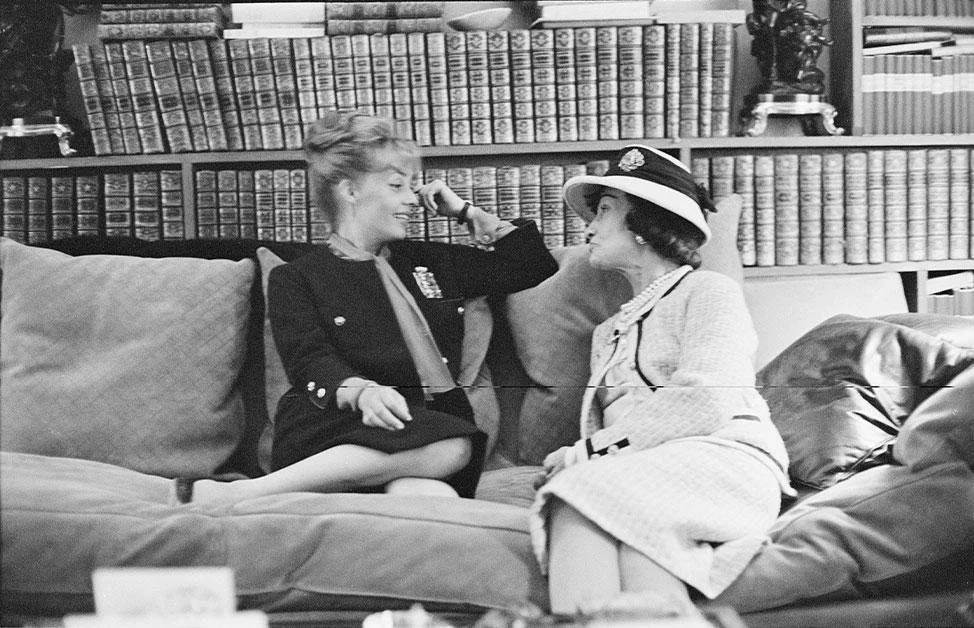
Together, they expanded the definition of what fashion could be: both a tool of liberation and a canvas for imagination.
Why They Matter Today
In 2026, their legacies feel more relevant than ever.
Women today move between multiple identities professional, creative, sensual, intellectual and fashion reflects this multiplicity.
Chanel’s codes live on in the desire for timelessness, structure, and quiet luxury.
Schiaparelli’s spirit thrives in the appetite for boldness, individuality, and artistic expression.
They remind us that femininity is not singular. It is a spectrum soft and strong, minimal and extravagant, grounded and fantastical.
A Celebration of Women Who Dare
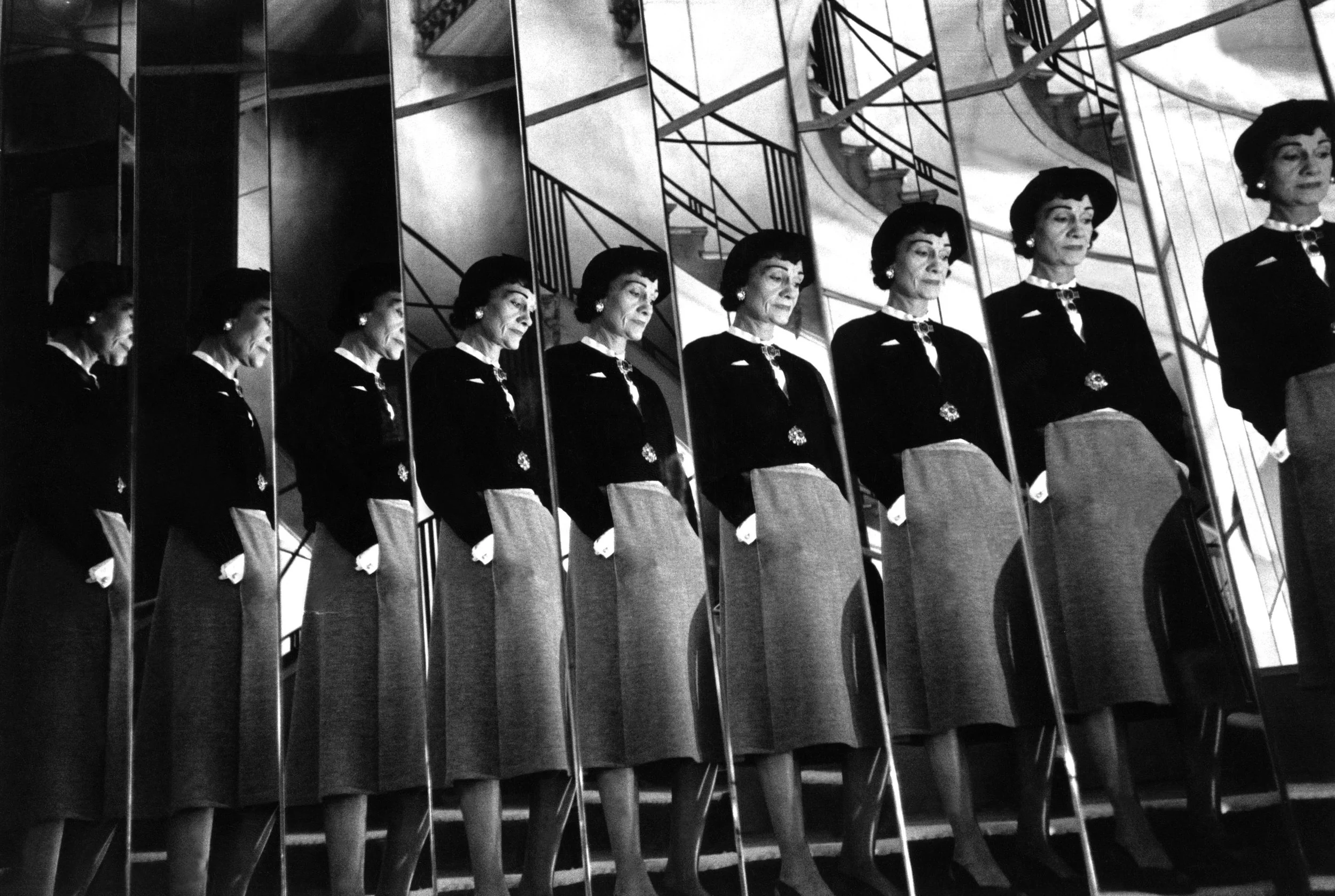
On this March 8th, we celebrate Chanel and Schiaparelli not only for what they created, but for what they represented: women who dared to define themselves on their own terms. Their visions continue to inspire generations of designers and women who understand that style is not just about clothing it is about identity, courage, and the freedom to express one’s truth