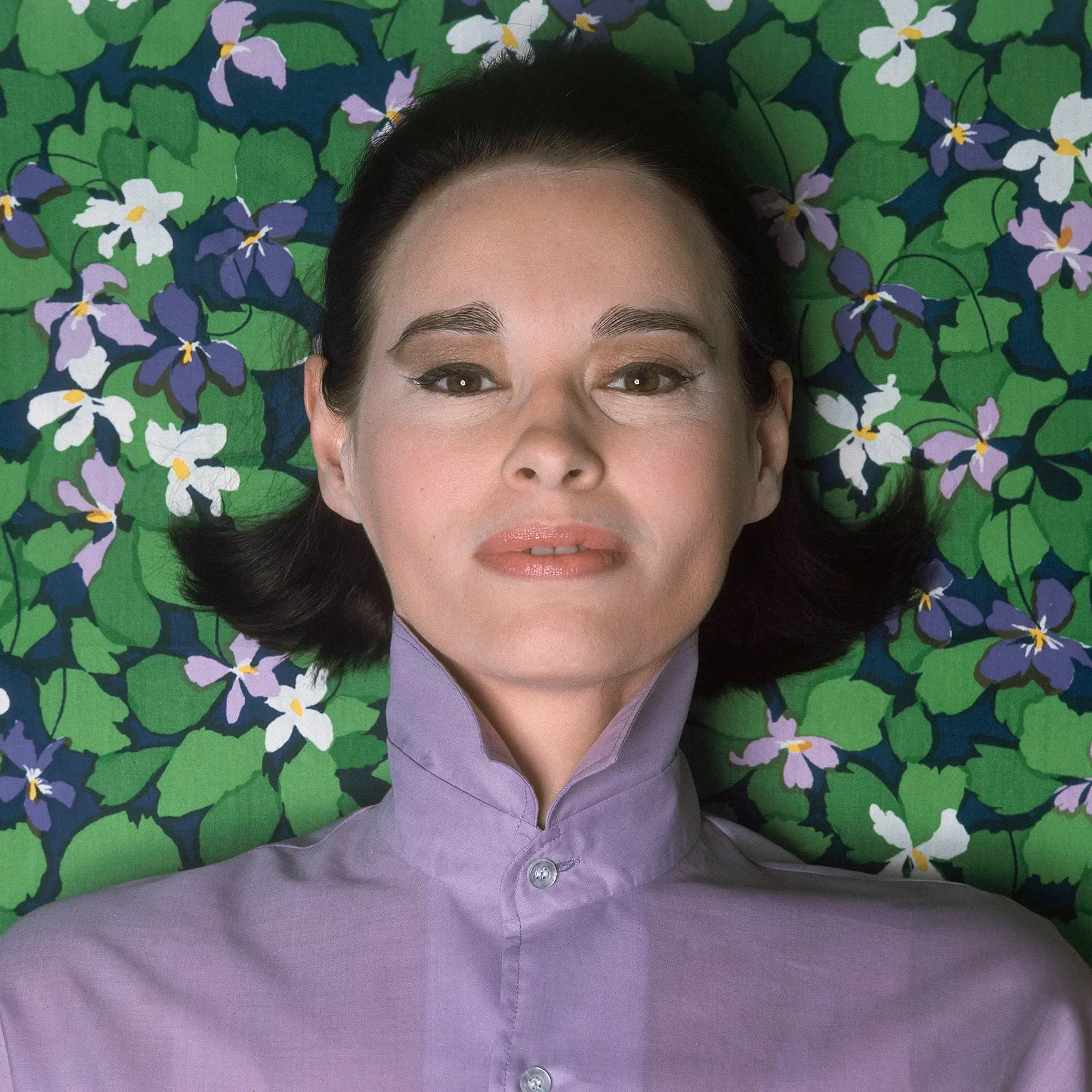
Gloria Vanderbilt: Heiress, Socialite, and America’s Last Aristocrat
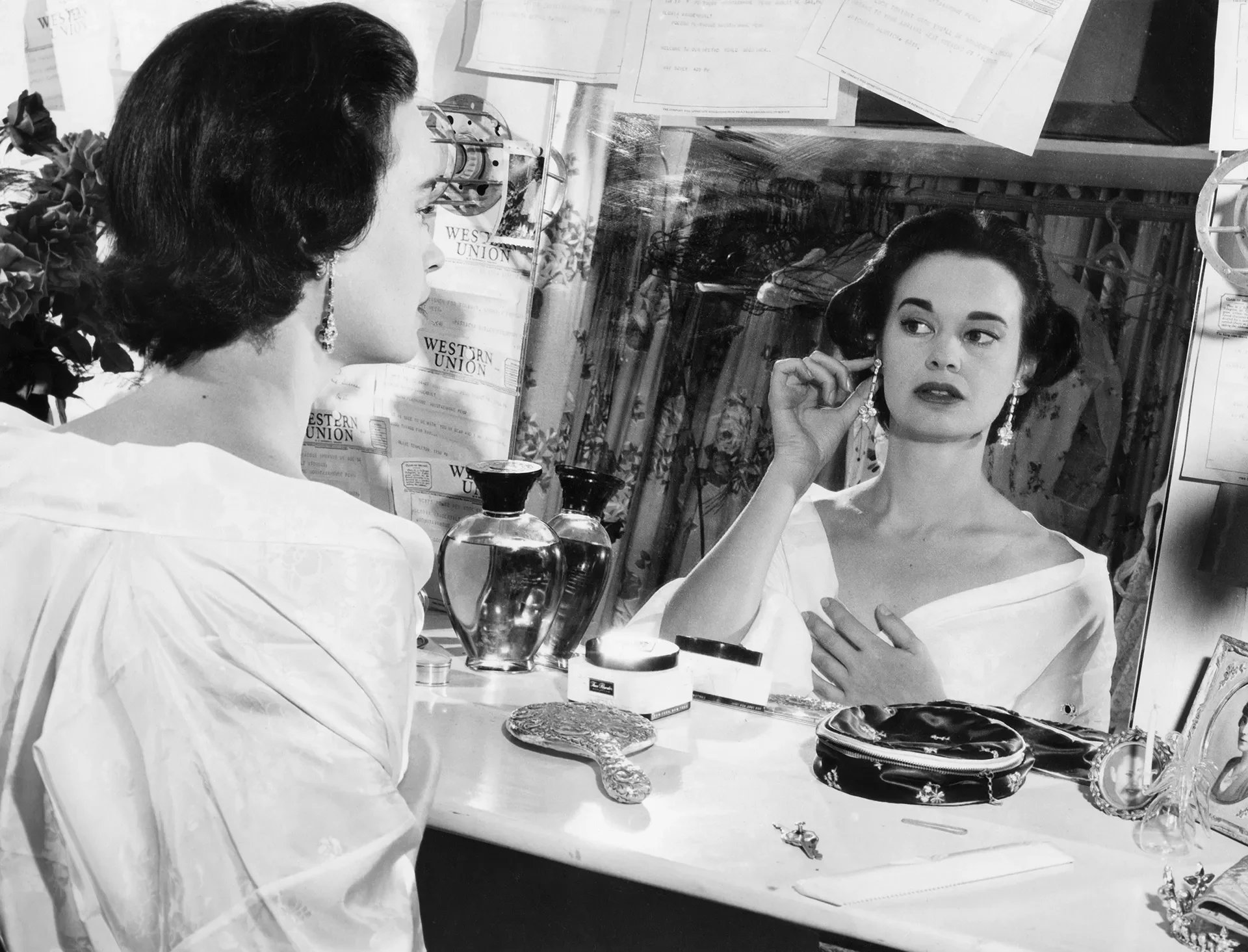
There are figures in American society whose names transcend biography and become mythology. Gloria Vanderbilt was one of them a woman whose life unfolded like a modern American fable, stitched together with privilege, tragedy, reinvention, and an unshakeable sense of personal style. Truman Capote, who adored her, once said that her allure came from “the beauty of an actress, the pedigree of an heiress, and the attitude of an artist.” It was a perfect summation of a woman who embodied the last breath of America’s Gilded Age aristocracy while shaping the cultural landscape of the 20th century.
Born in Manhattan on February 20, 1924, Gloria Laura Vanderbilt entered the world as the great‑great‑granddaughter of Cornelius Vanderbilt, the titan of American railroads and one of the richest men in history. Her father, Reginald Claypoole Vanderbilt, was a charming but troubled heir whose fortune had dwindled through gambling and excess. He died when Gloria was just 18 months old, leaving behind a vast trust and a daughter whose name alone carried the weight of an empire.
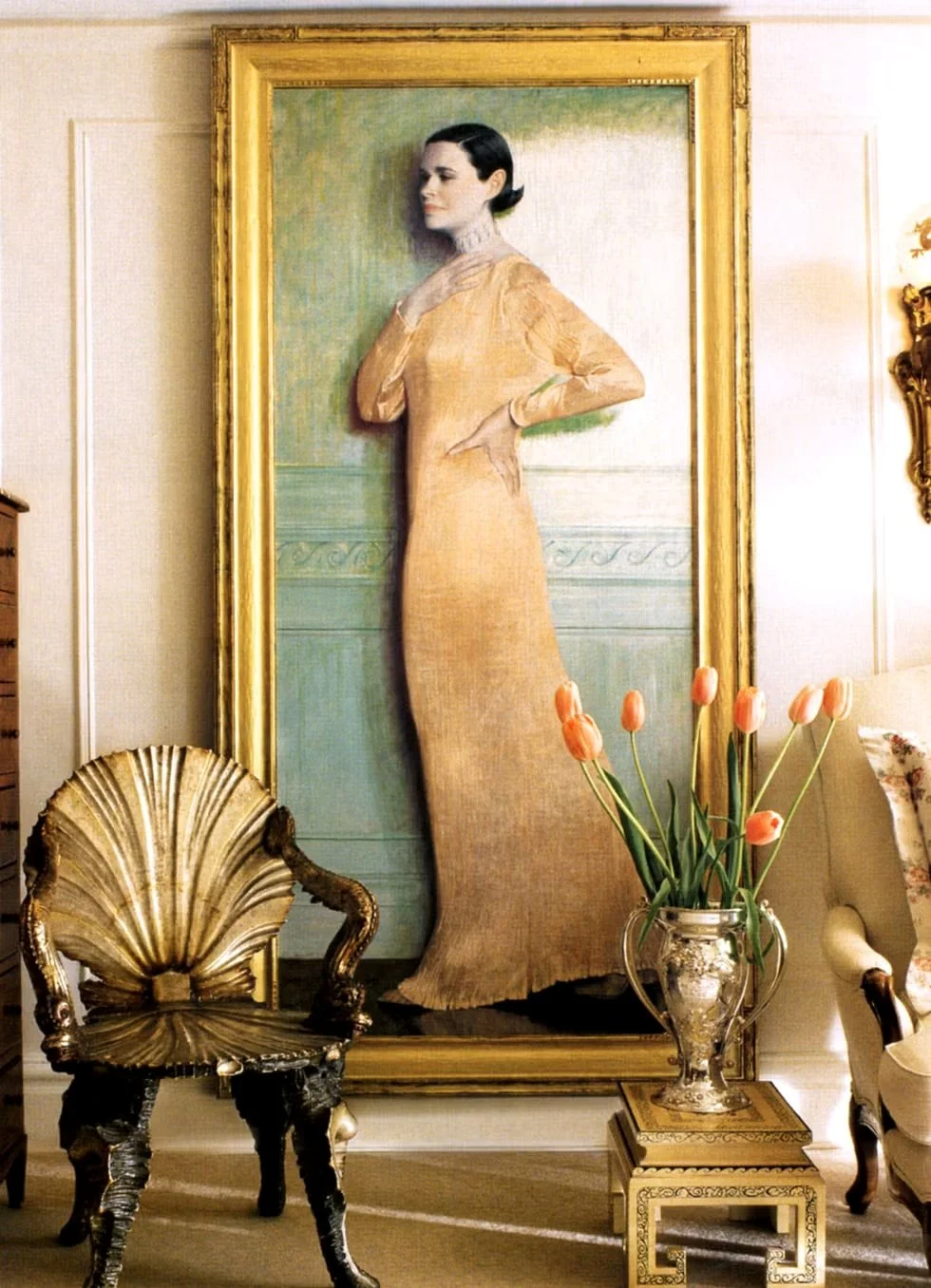
Her early years were defined not by privilege but by spectacle. At the age of ten, she became the centre of one of the most sensational custody battles of the century a courtroom drama between her glamorous but inexperienced mother, Gloria Morgan Vanderbilt, and her formidable aunt, Gertrude Vanderbilt Whitney, founder of the Whitney Museum of American Art. Newspapers devoured every detail, dubbing her “the poor little rich girl,” a moniker that would follow her for decades. The trial cemented her place in the American imagination: a child heiress raised under the glare of public fascination, destined for a life lived in headlines.
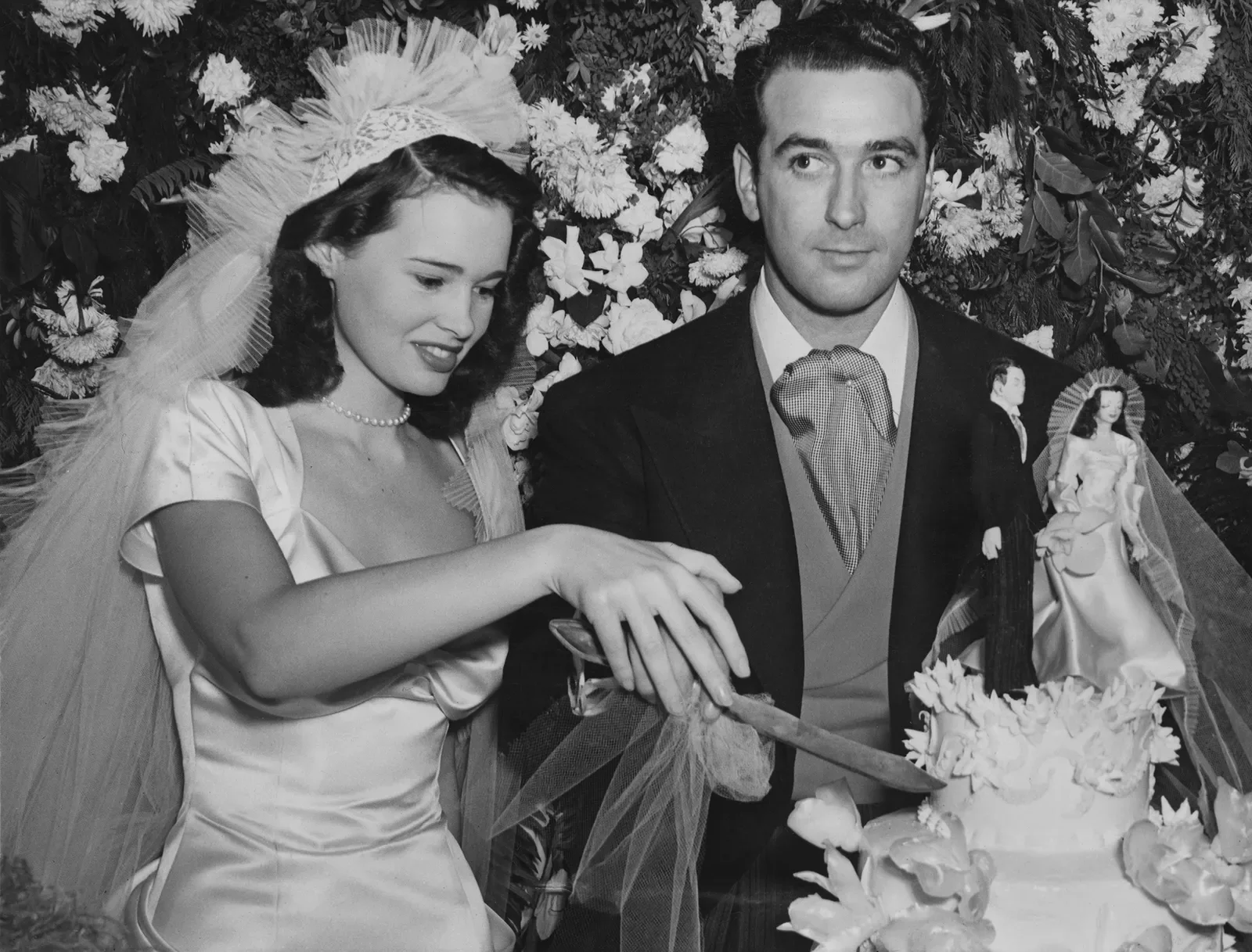
Yet Vanderbilt was never content to be a passive symbol of inherited wealth. As she grew into adulthood, she stepped deliberately into the world of art, culture, and society. By seventeen she was married a union that scandalized her family and led her aunt to disinherit her. But Gloria was already carving her own path, one that would take her through a constellation of marriages, romances, and reinventions. Her husbands included the celebrated conductor Leopold Stokowski and the acclaimed director Sidney Lumet, while her lovers Marlon Brando, Frank Sinatra, Howard Hughes read like a roll call of mid‑century icons.
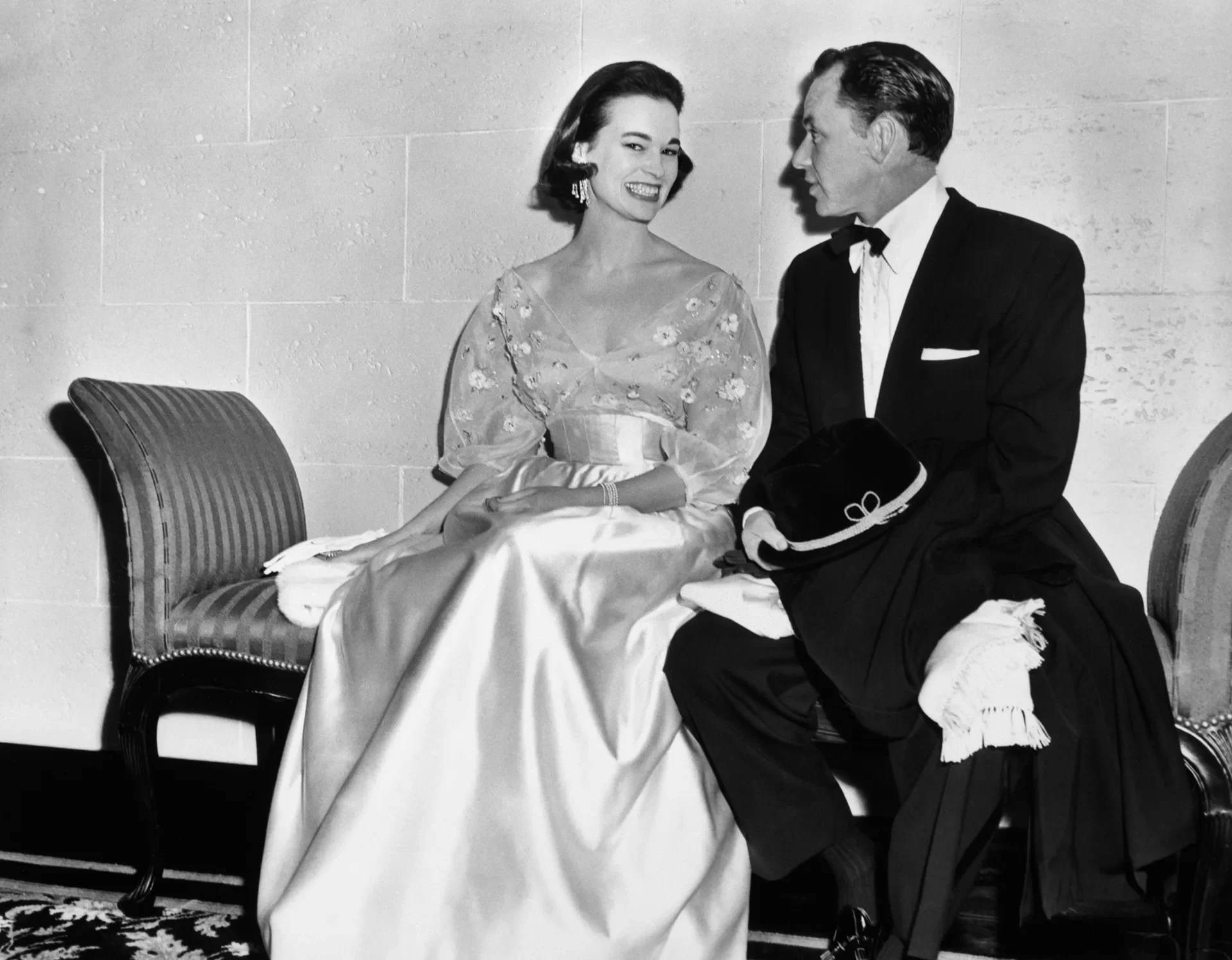
Gloria Vanderbilt and Frank Sinatra
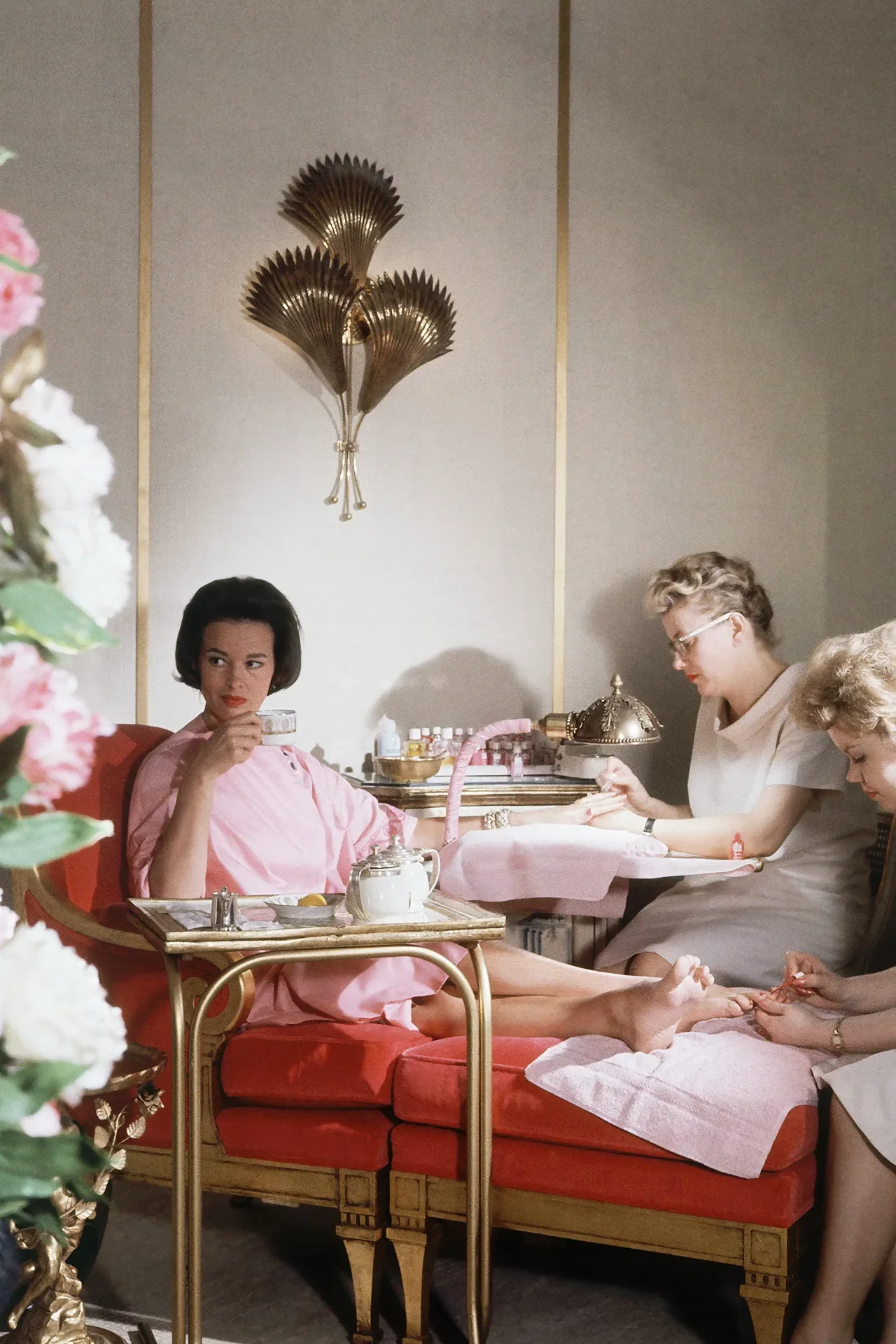
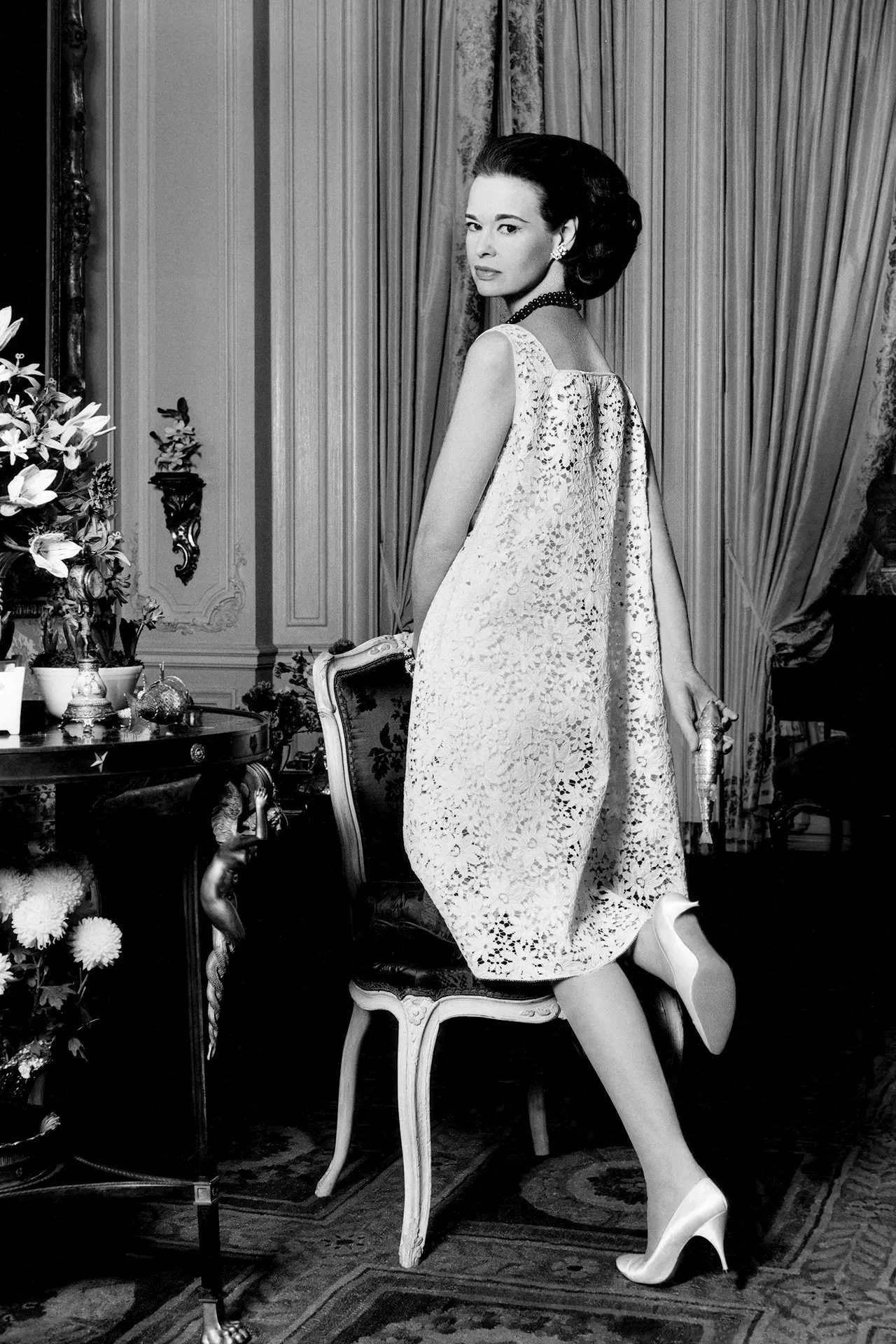
In New York society, Vanderbilt was a fixture: elegant, curious, and always impeccably dressed. She appeared regularly on the International Best‑Dressed List, and in 1968 LIFE magazine described her as “an up‑to‑date and very feminine version of the many‑faceted Renaissance man.” She moved effortlessly between the worlds of art, fashion, and literature, befriending designers like Diane von Fürstenberg, Ralph Lauren, and Karl Lagerfeld, who admired her innate sense of style and her refusal to be defined by convention.
But it was in the late 1970s that Gloria Vanderbilt made her most unexpected and most lucrative mark on American culture. At a time when designer denim was still a novelty, she partnered with Mohan Murjani to launch Gloria Vanderbilt Jeans, a line distinguished by its sleek fit and its now‑iconic white swan logo. The swan, a nod to her first stage role in The Swan in 1954, became a symbol of her brand: graceful, feminine, and unmistakably hers.
The jeans were a phenomenon. Within three years, the line generated over $300 million in sales, outselling Calvin Klein by 20 percent in 1979. Vanderbilt became not just a socialite or an heiress, but a bona fide business force one of the first women to turn her name into a global lifestyle brand. In many ways, she pioneered the celebrity‑as‑designer model that dominates fashion today.
Yet beneath the glamour and commercial success, Vanderbilt remained deeply connected to her artistic roots. She was a painter, a collagist, and a writer, producing memoirs and novels that explored her tumultuous childhood, her romantic entanglements, and her search for identity beyond the Vanderbilt legacy. Her memoir Once Upon a Time revisited the custody battle that defined her early years, while It Seemed Important at the Time offered a candid, almost cinematic account of her love affairs a book her son, Anderson Cooper, famously described as “like an older Sex and the City.”
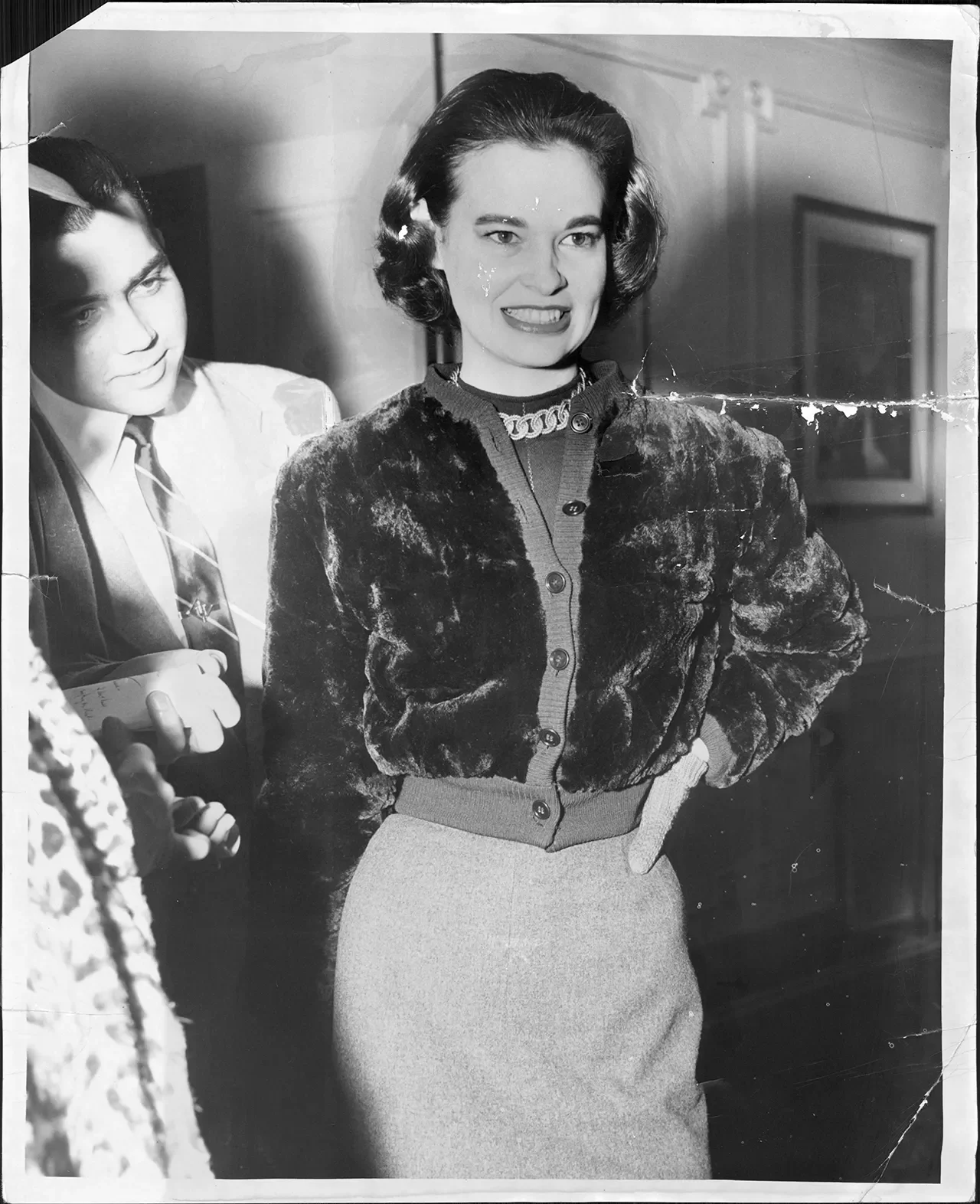
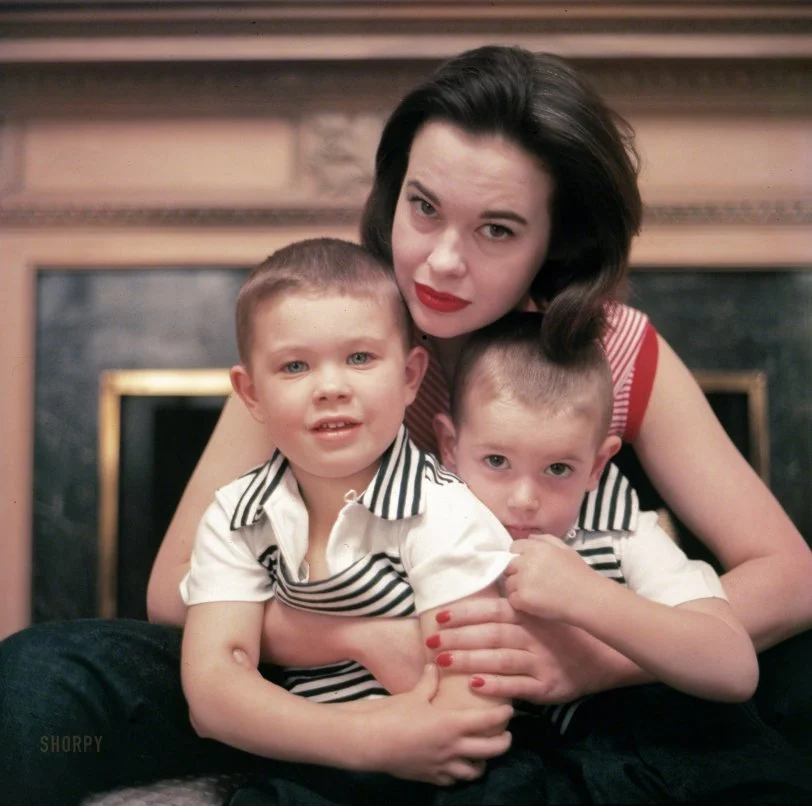
Her personal life was marked by both joy and profound loss. Her fourth husband, the writer Wyatt Emory Cooper, was the great love of her life, and together they had two sons: Carter and Anderson. The tragic death of Carter in 1988 left an indelible mark on her, yet she remained a figure of resilience, grace, and emotional openness.
Gloria Vanderbilt’s story is, at its core, the story of an American aristocrat who refused to be confined by her lineage. She inherited a name synonymous with wealth and power, but she spent her life creating her own identity as an artist, a designer, a muse, a mother, and a woman who lived with extraordinary intensity. She moved through the world with a sense of curiosity and reinvention that made her not just a social figure, but a cultural one.
In the end, Vanderbilt embodied a rare blend of old‑world pedigree and modern creativity. She was the last of America’s great heiresses, but also one of its most original spirits. Her life, filled with reinvention and resilience, remains a testament to the idea that legacy is not only inherited it is made.