Gucci Memoria: Demna’s First Fuorisalone Is a New Blueprint for Luxury Storytelling
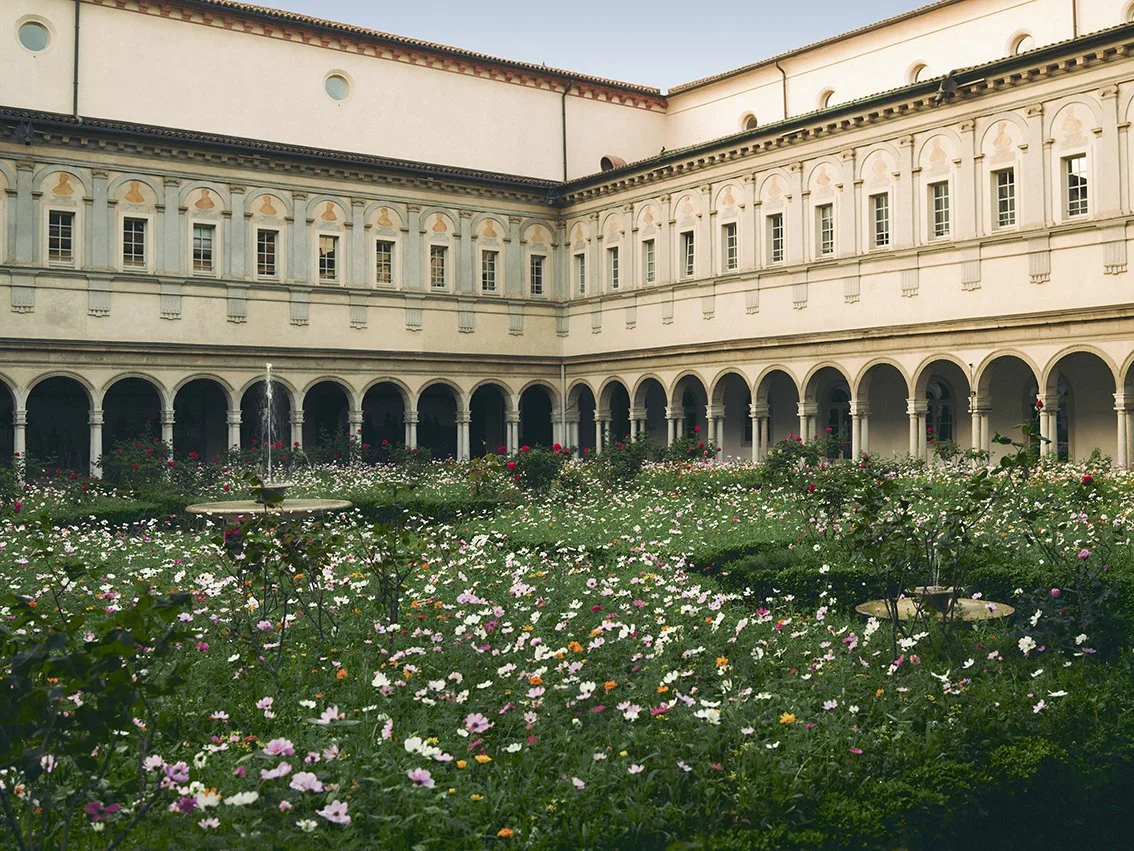
During Fuorisalone 2026, Gucci unveiled Gucci Memoria an immersive exhibition curated by Demna within the serene cloisters of Milan’s Chiostri di San Simpliciano. More than a design installation, it marked a pivotal moment: the first Fuorisalone under Demna Gvasalia’s creative direction, and the debut of a new narrative language for the House. Conceived as a continuous story, Memoria traces Gucci’s 105‑year history while reaffirming its Florentine roots, offering a meditation on heritage that feels both intimate and radically contemporary.
Demna’s approach was unmistakably his own sharp, conceptual, and deeply attuned to the visual codes that resonate with Gen Z, a generation notoriously difficult to captivate, especially in the realm of luxury. This is a demographic that does not respond to logos or traditional status symbols; they respond to ideas. And Memoria is, above all, an idea one that reframes Gucci not as a static archive, but as a living organism shaped by time, culture, and craft.
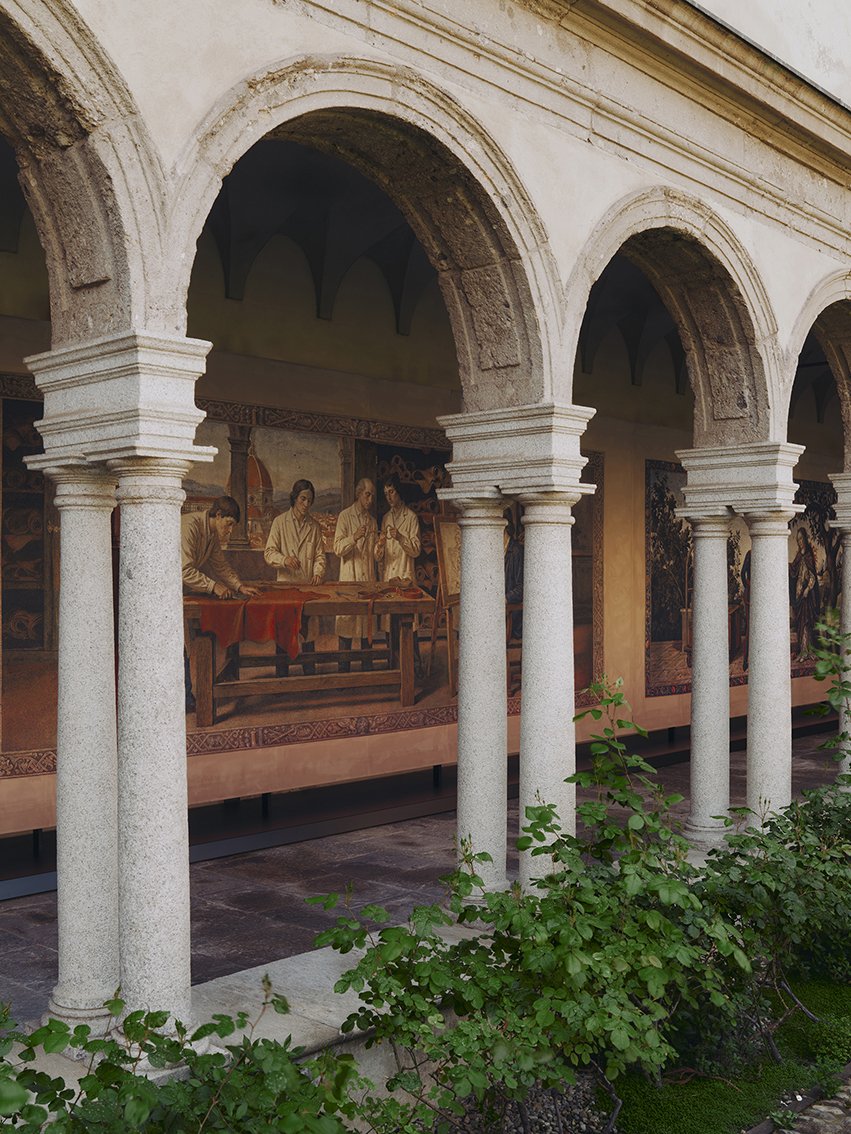
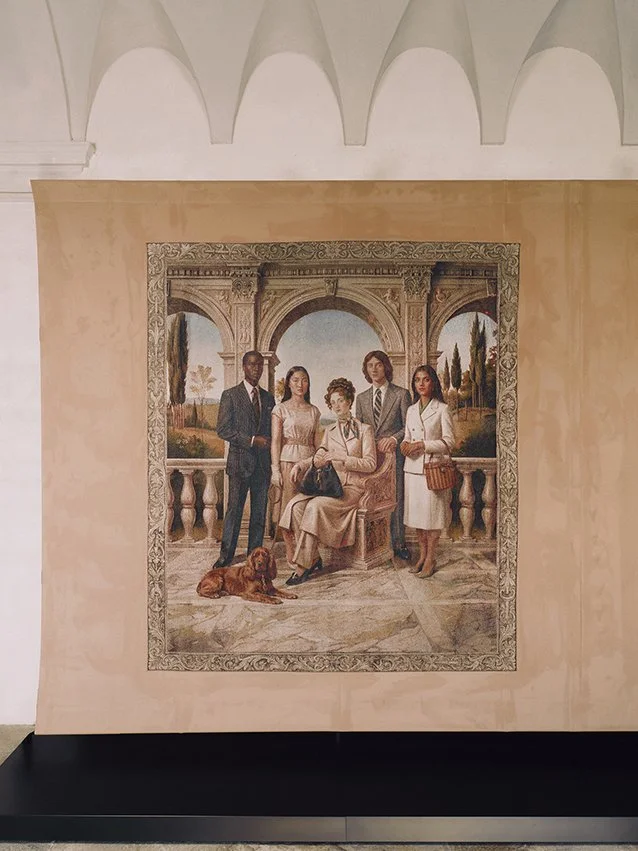
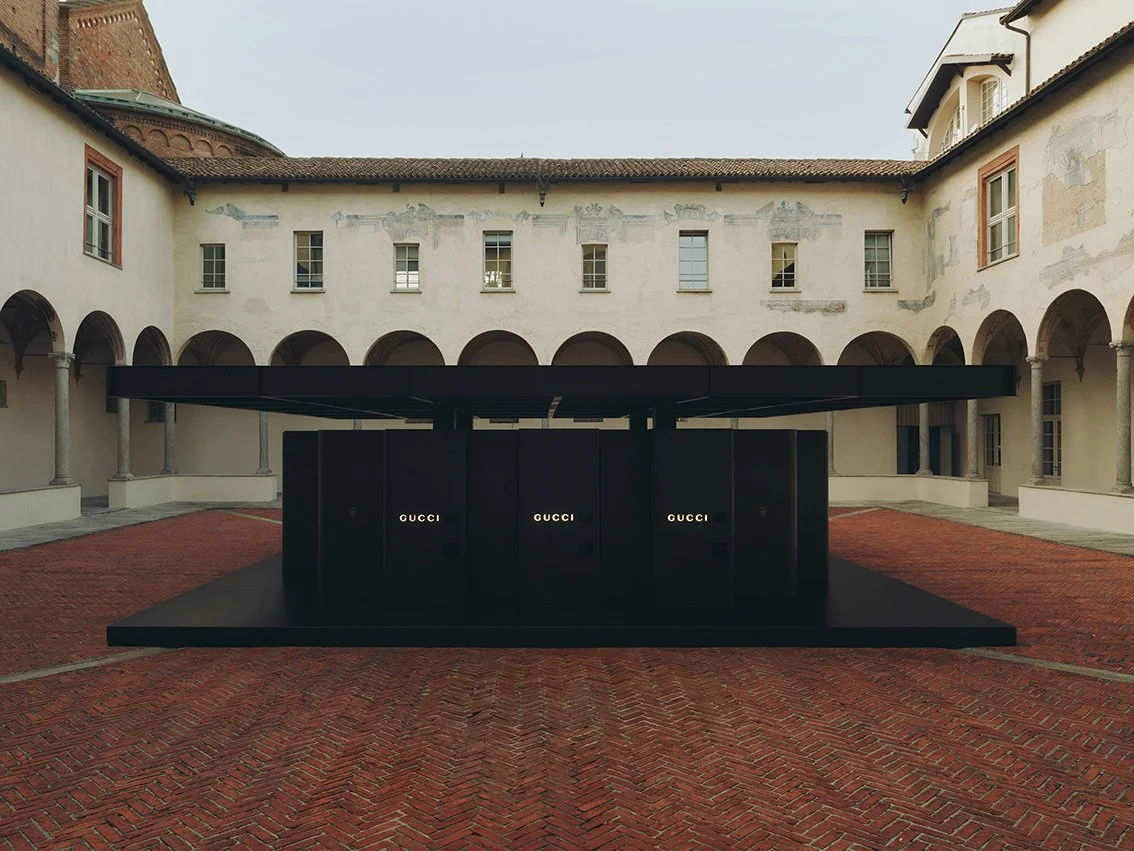
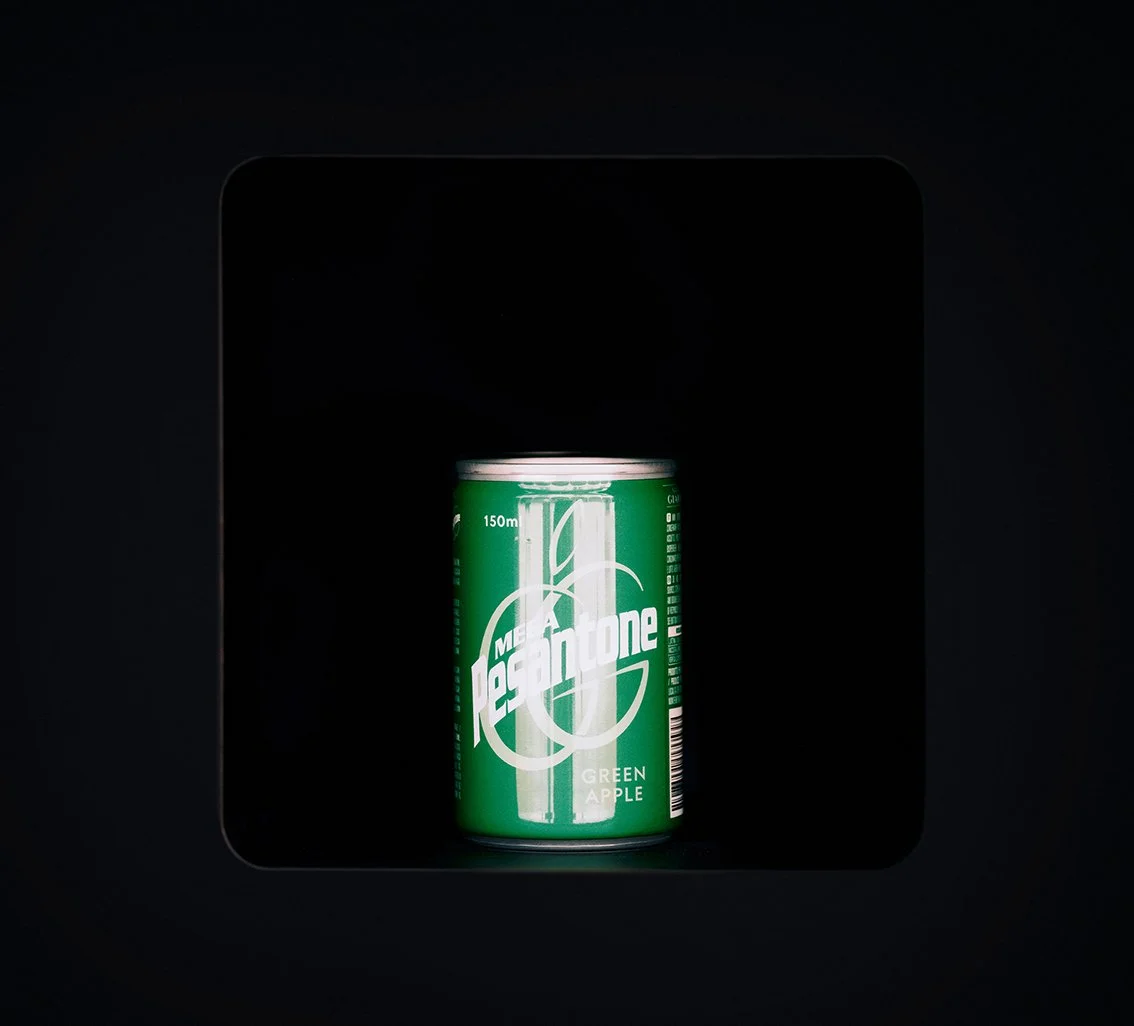
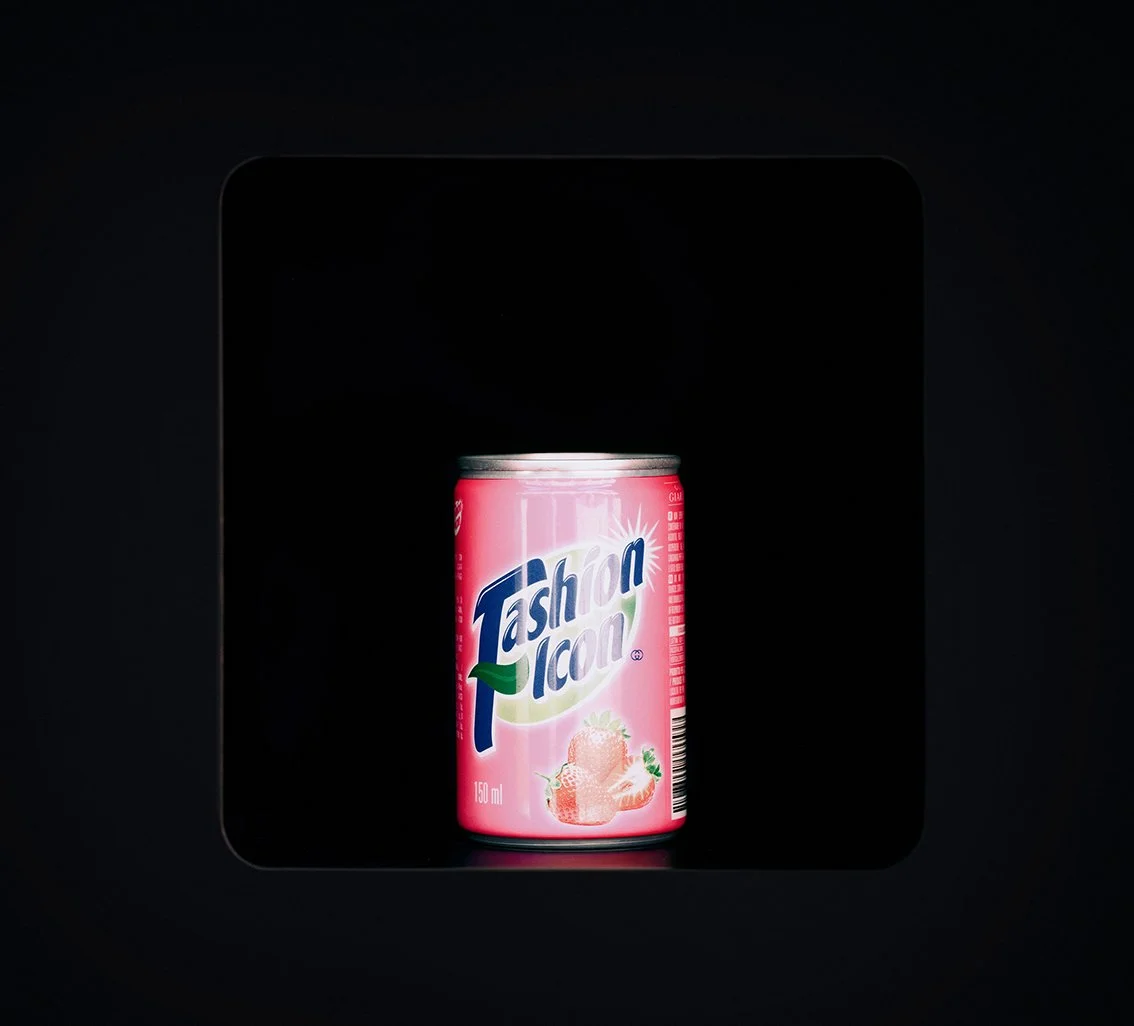
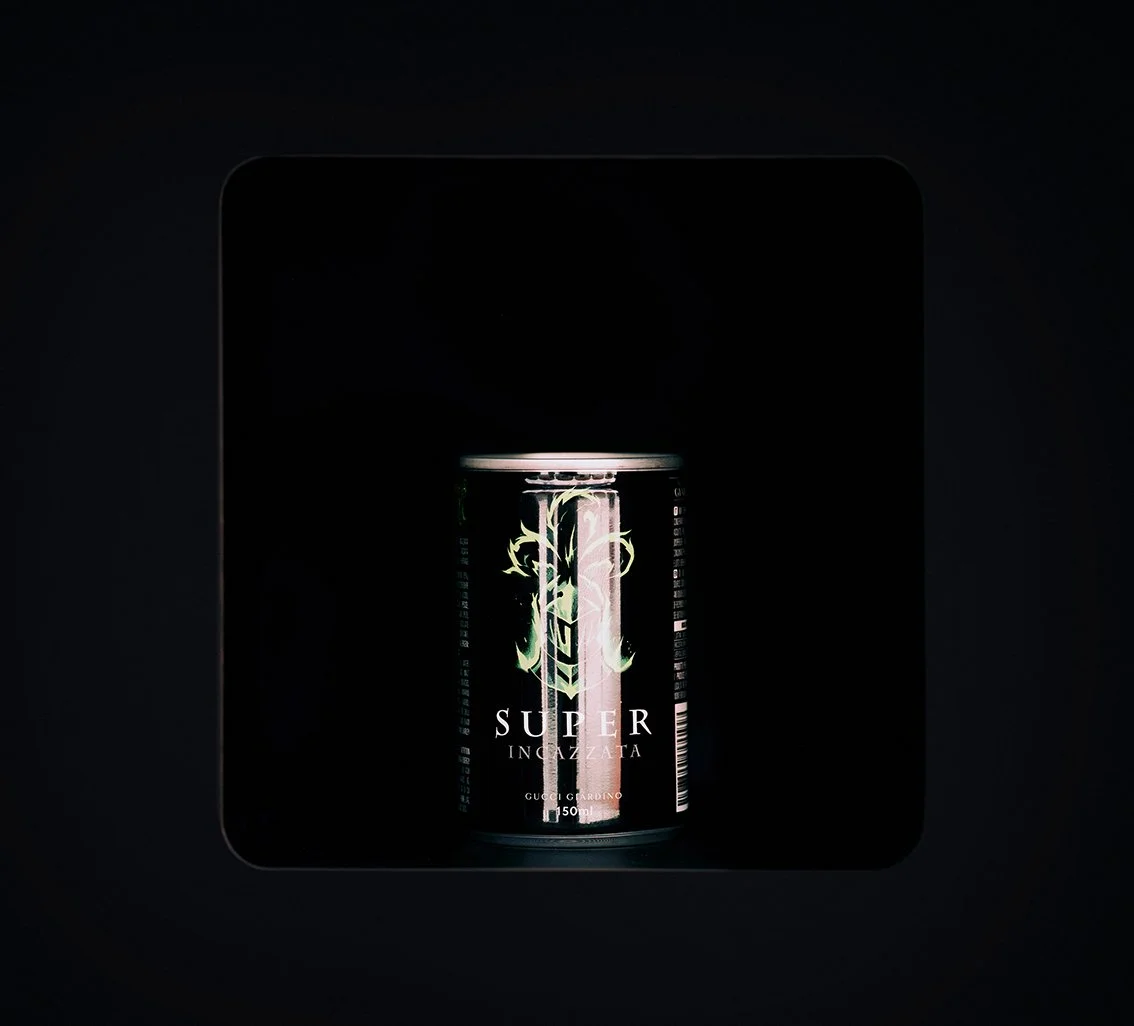
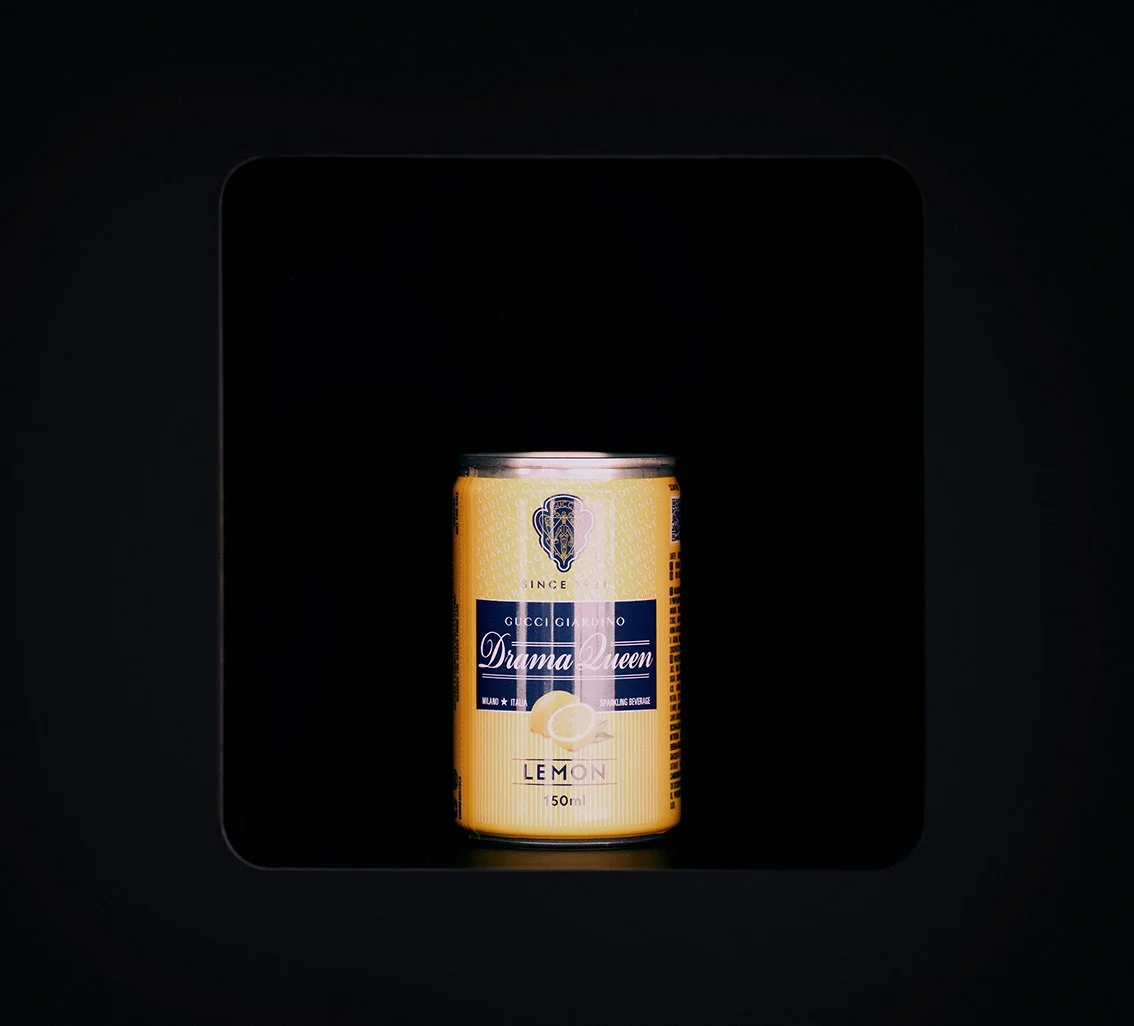
Unfolding across the cloisters, the exhibition brought together a series of installations that blurred the boundaries between art, fashion, and experience. Tapestries, a botanical environment inspired by the iconic Flora motif, and interactive elements including custom‑built vending machines created a multisensory journey. While many luxury brands are expanding into polished cafés and culinary concepts, Demna chose a different route: Gucci drink vending machines, stocked with bespoke “Gucci Giardino” cans. Playful, ironic, and instantly collectible, they encapsulated his ability to transform the everyday into the desirable.
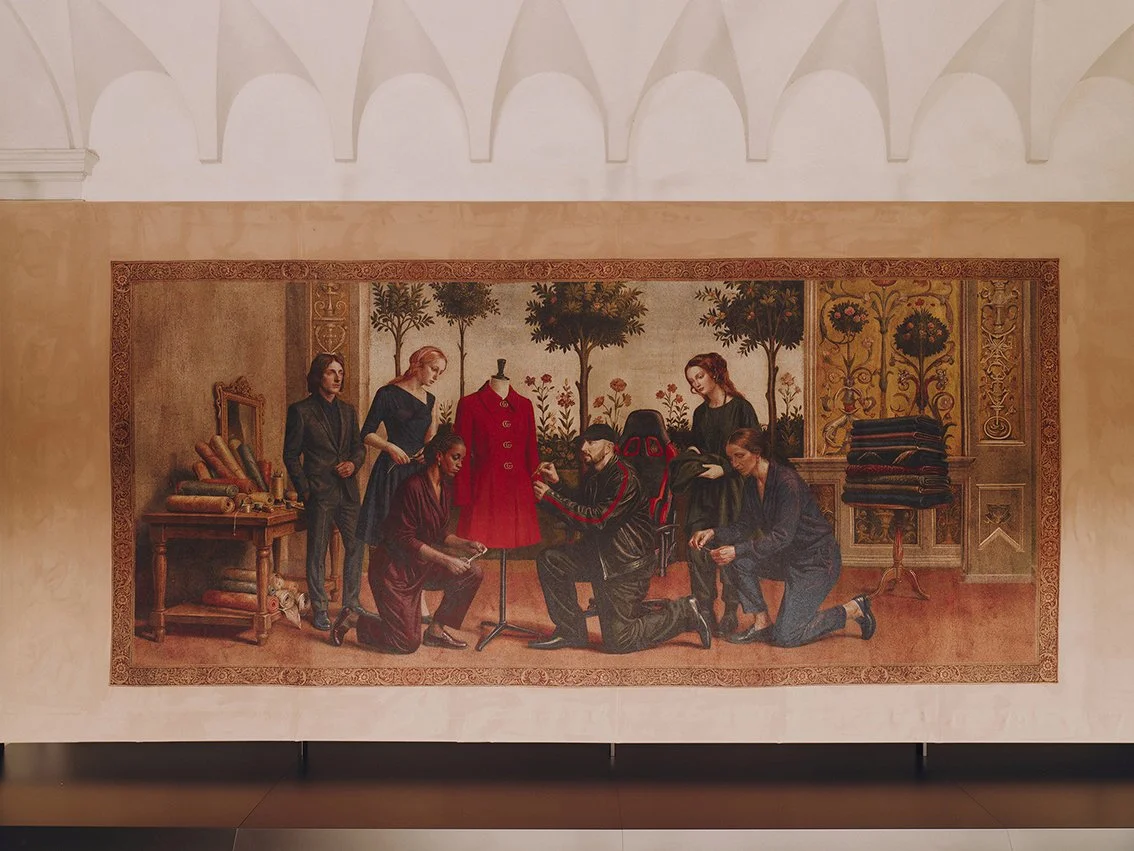
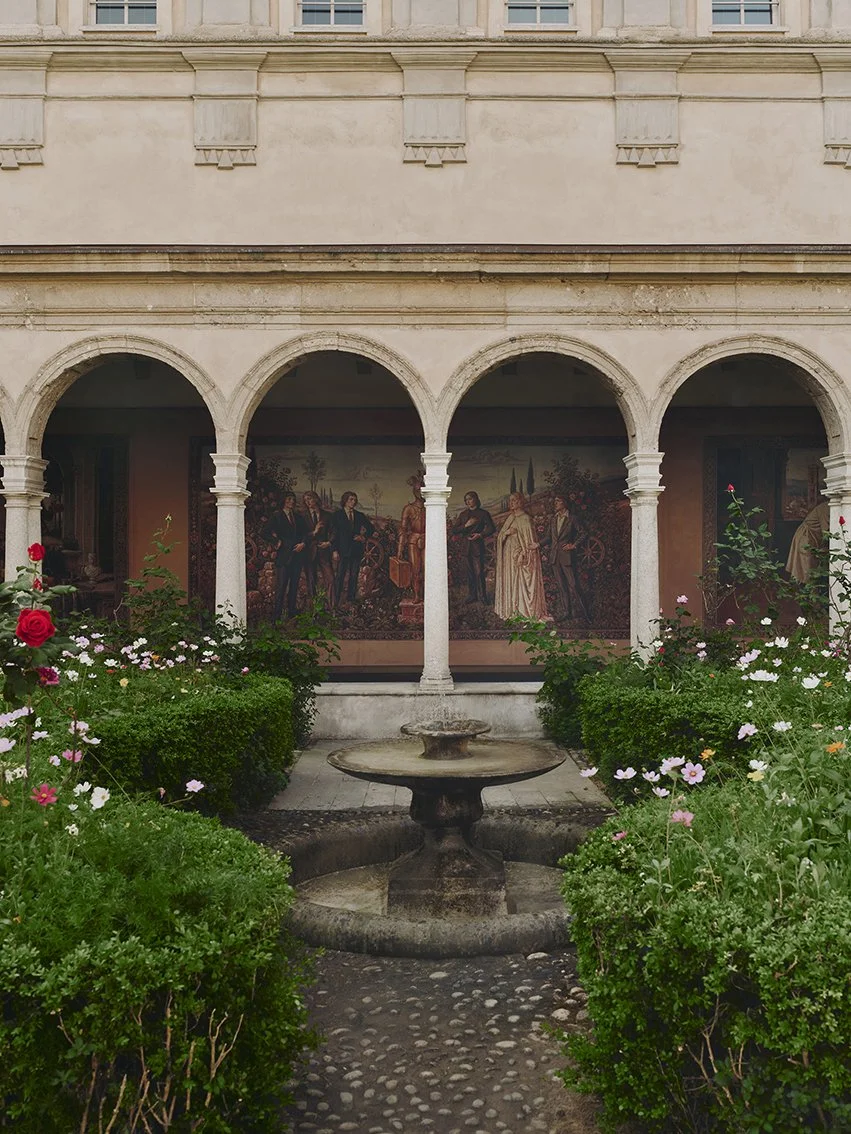
At the heart of Gucci Memoria was a cycle of twelve monumental tapestries. At first glance, they resembled Renaissance paintings a visual language that harmonised effortlessly with the historic cloisters. But a closer look revealed them as a contemporary chronicle of the House. Rooted in a craft long associated with Florence, each tapestry translated a defining moment in Gucci’s evolution into a richly layered tableau. The series begins with Guccio Gucci’s formative years at The Savoy in London, then moves through the founding of the first Florentine workshop, the codification of the House’s visual identity, and its rise as a global symbol of luxury. In one tapestry, Demna himself appears during a fitting a subtle but powerful gesture situating him within the continuum of Gucci’s history.
What made Gucci’s presence at Fuorisalone so compelling was its refusal to follow the expected script. This was not an exhibition of interior products or a showcase of furniture. It was a statement a manifesto of Demna’s new vision for the brand. Memoria positioned Gucci not simply as a fashion house, but as a cultural institution capable of shaping conversations far beyond the runway.
In a design week filled with spectacle, Gucci Memoria stood apart. It was thoughtful, provocative, and deeply rooted in craft a reminder that the future of luxury lies not in objects alone, but in the stories that give them meaning.