
Isabella Blow and Alexander McQueen: The Woman Who Saw Genius Before the World Did
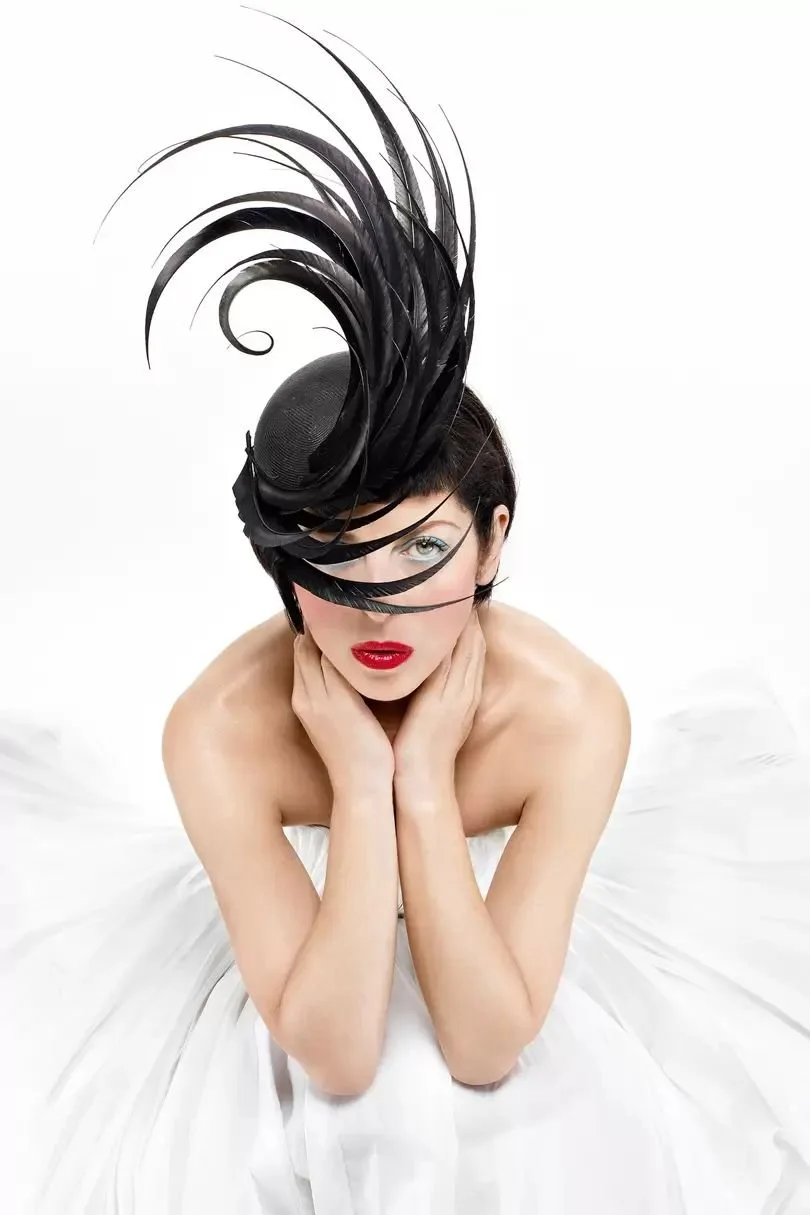
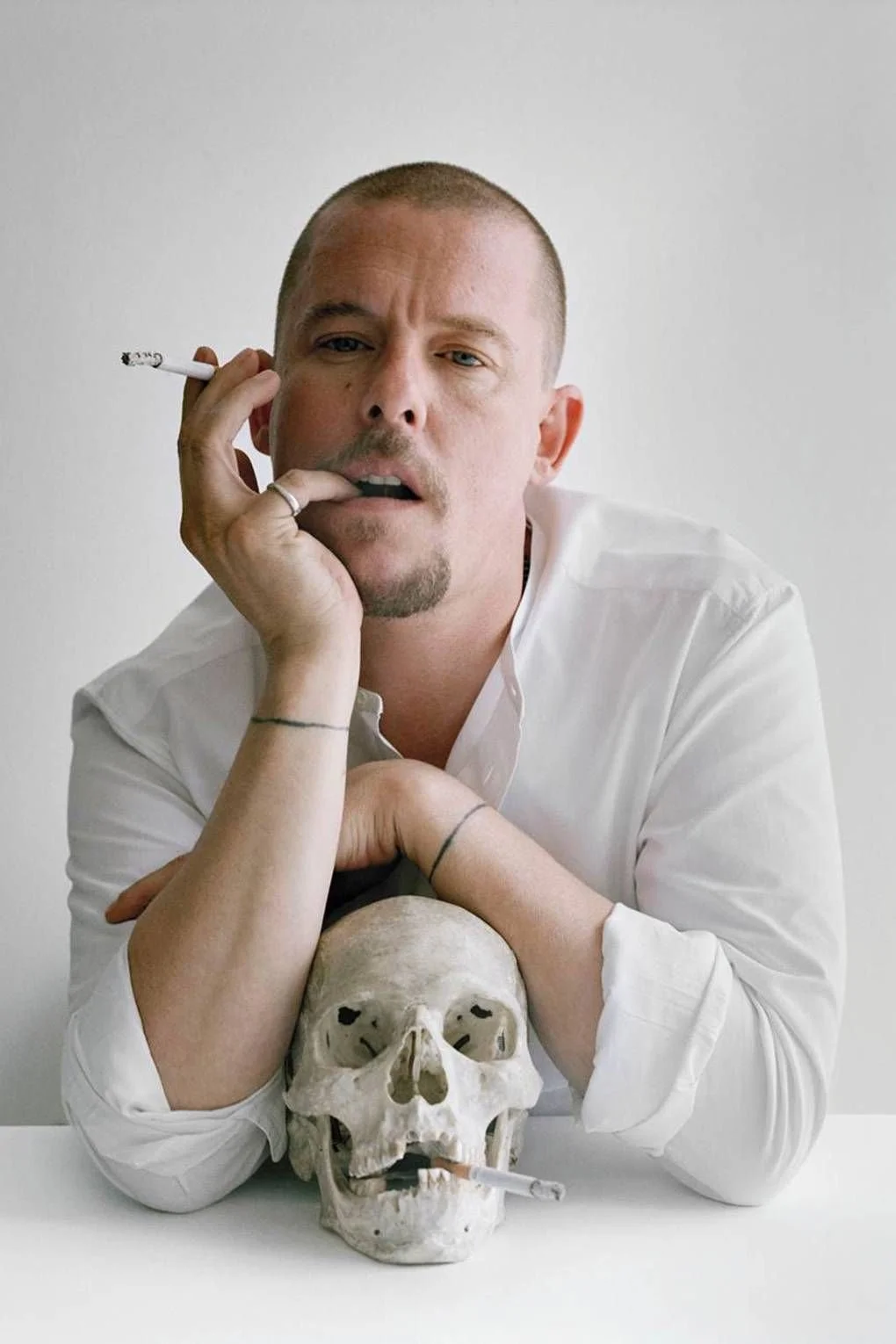
Long before Isabella Blow became one of British fashion’s most mythic figures, she was a young aristocratic misfit searching for a place where eccentricity wasn’t just tolerated it was celebrated. That place, unexpectedly, was New York City in the early 1980s, where she found herself working at The Factory, Andy Warhol’s legendary creative playground. It was here, surrounded by the neon‑lit chaos of artists, models, musicians, and dreamers, that Isabella began shaping the sensibility that would later define her: a fearless eye, a hunger for originality, and an instinct for spotting brilliance before anyone else dared to look.
At The Factory, she assisted at Interview magazine and moved in a circle that included Andy Warhol, Jean‑Michel Basquiat, and Keith Haring. She absorbed everything the irreverence, the colour, the unapologetic individuality. New York sharpened her taste and loosened her inhibitions. It taught her that fashion was not merely clothing; it was identity, performance, rebellion. Isabella returned to London with a new sense of purpose, carrying with her the spirit of Warhol’s world: the belief that talent must be nurtured, protected, and pushed into the light.
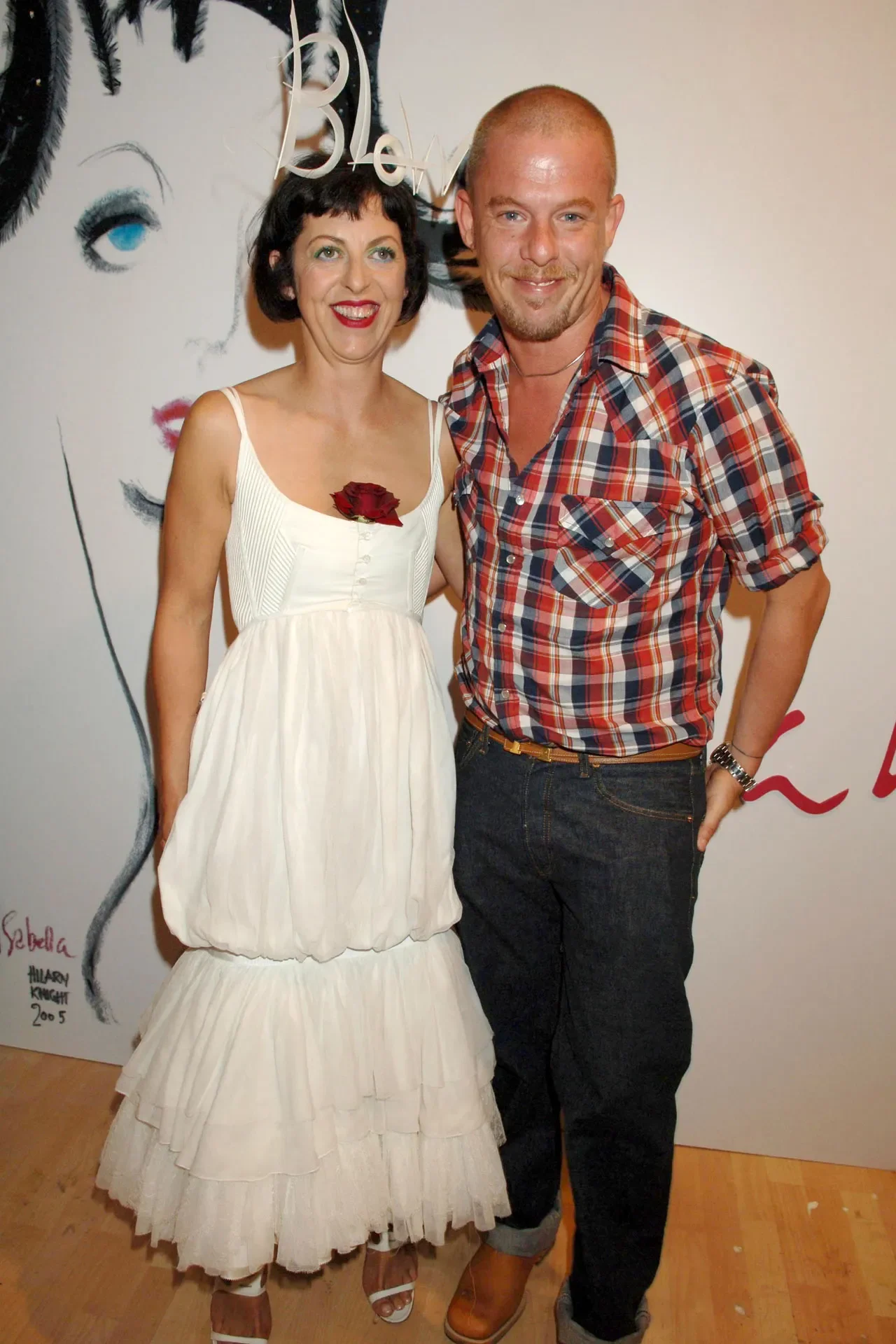
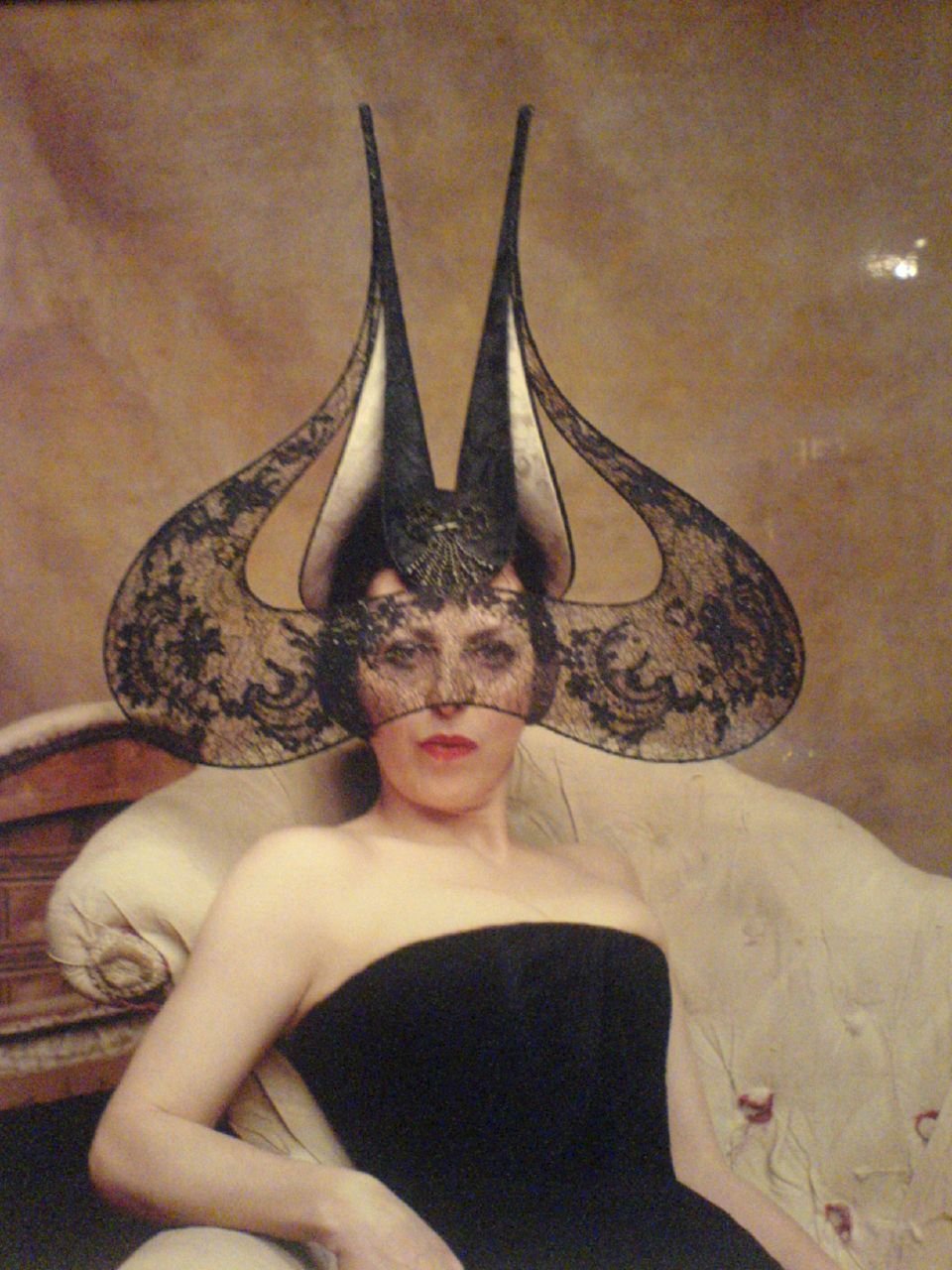
Isabella Blow and Alexander McQueen
That belief would define the most important relationship of her life.
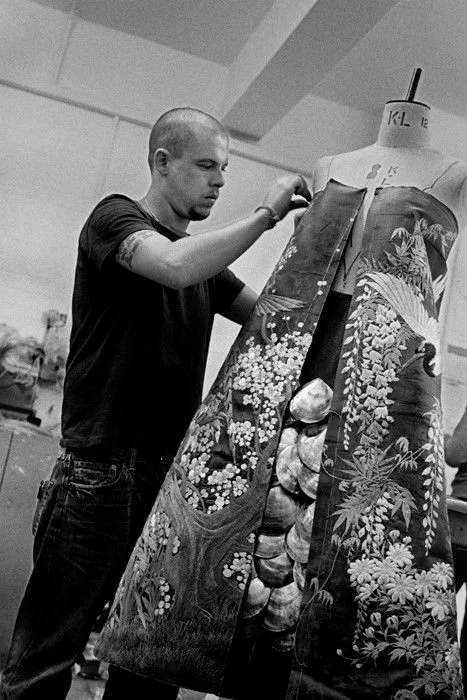
In 1992, at Central Saint Martins, Isabella Blow encountered a young designer named Lee McQueen. His graduation collection raw, aggressive, brilliant struck her with the force of revelation. She bought the entire collection on the spot, paying in instalments because she didn’t have the money upfront. More importantly, she gave him something far greater than financial support: she gave him a name. “Lee” became Alexander McQueen, a transformation she insisted upon because she understood the power of mythology. She saw in him what she had once seen in Warhol’s circle a disruptive genius who needed someone to believe in him before the world caught up.
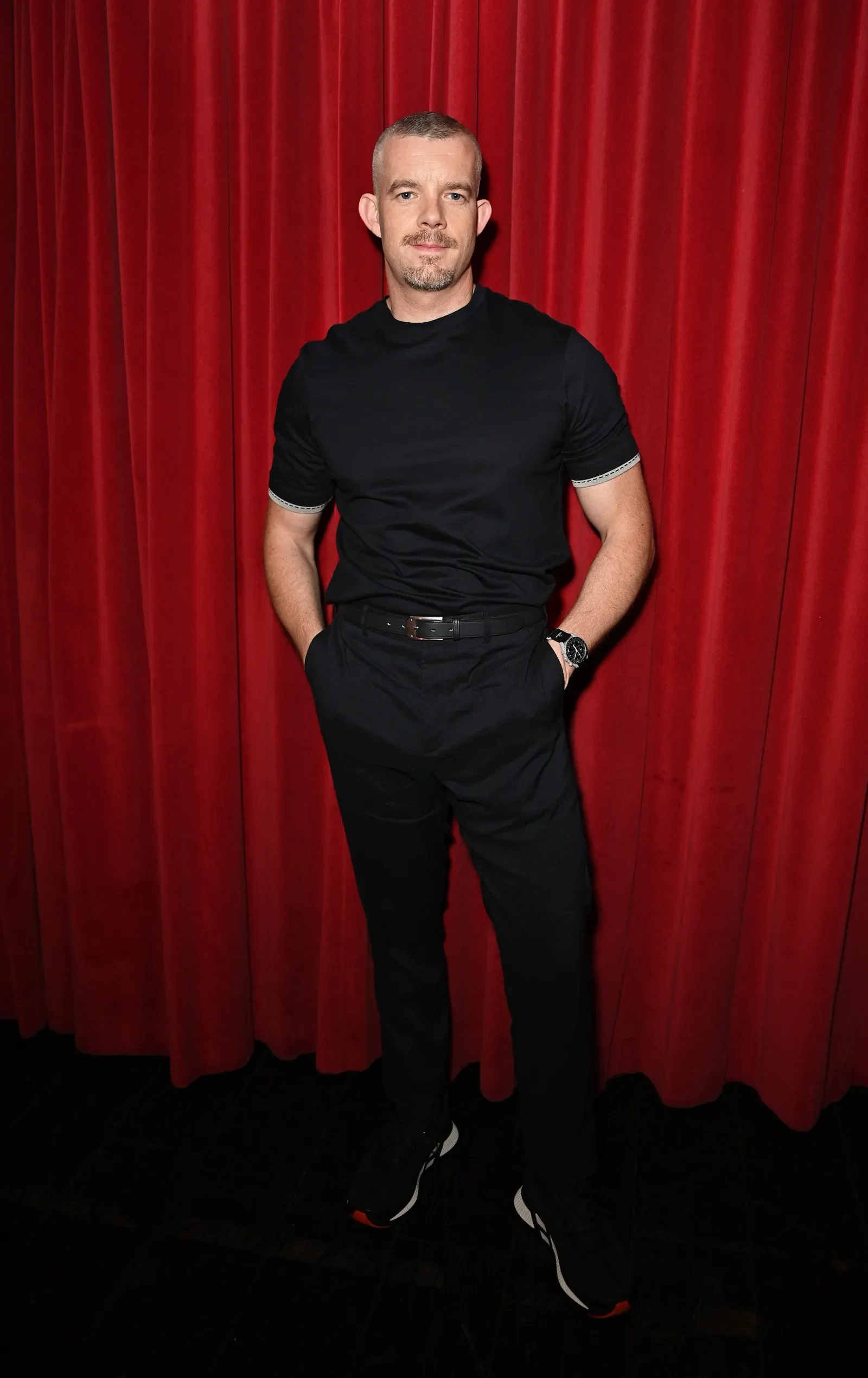
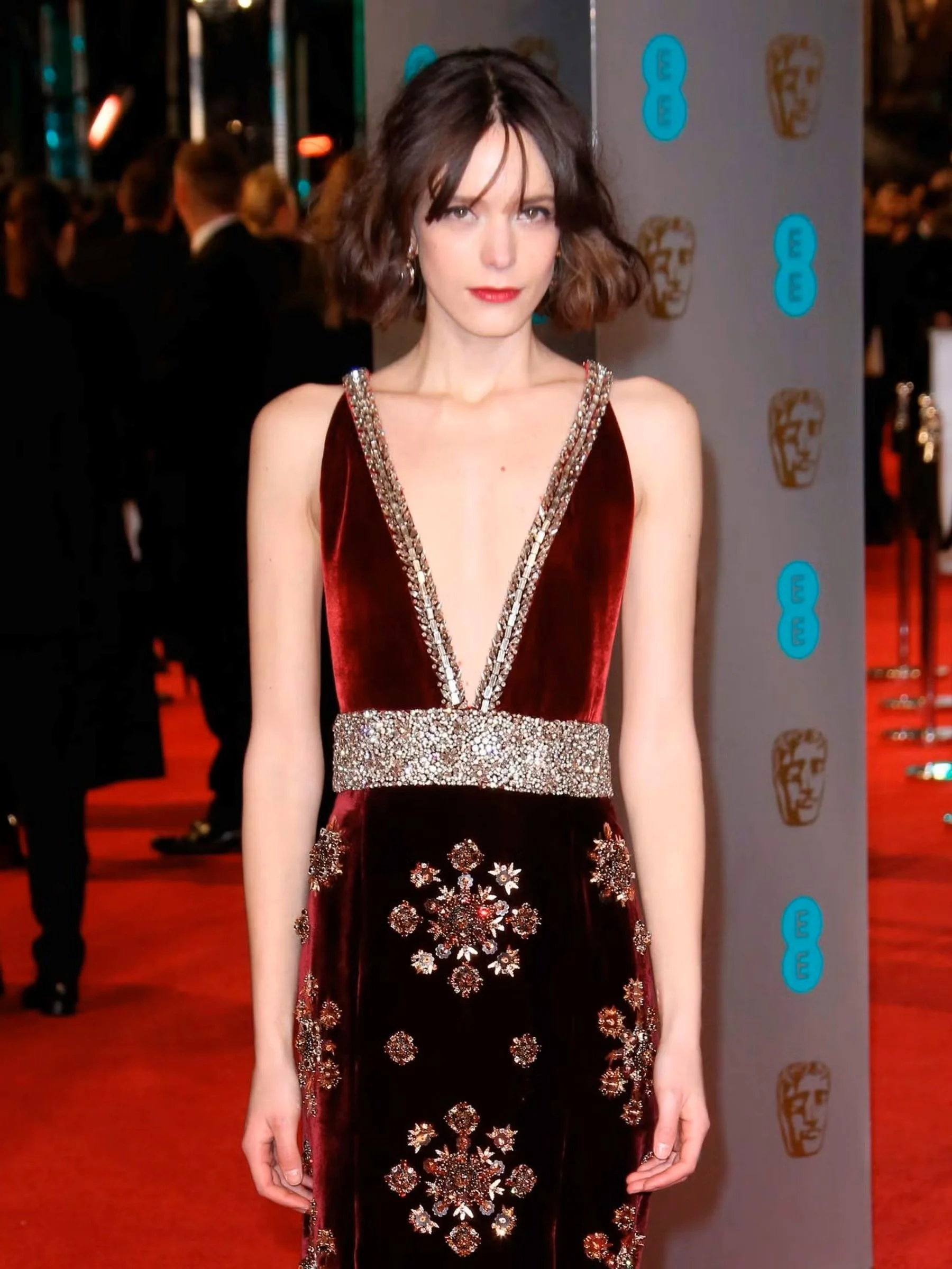
Their friendship became one of fashion’s most electric partnerships. Isabella championed him relentlessly, introducing him to the right editors, the right patrons, the right rooms. She wore his pieces with the devotion of a muse and the pride of a mother. When McQueen was appointed head designer at Givenchy, it was a triumph for both of them the taxi driver’s son elevated to haute couture, the visionary who had spotted him finally vindicated.
But success, as often happens in fashion, came with fractures. When McQueen failed to secure her a paid role at Givenchy, their relationship suffered. The hurt lingered, even as their admiration for one another remained. Isabella died in 2007, and McQueen dedicated his next collection to her a haunting, beautiful tribute to the woman who had changed his life. Three years later, he too was gone. Their story, filled with brilliance and tragedy, became part of fashion’s collective memory.
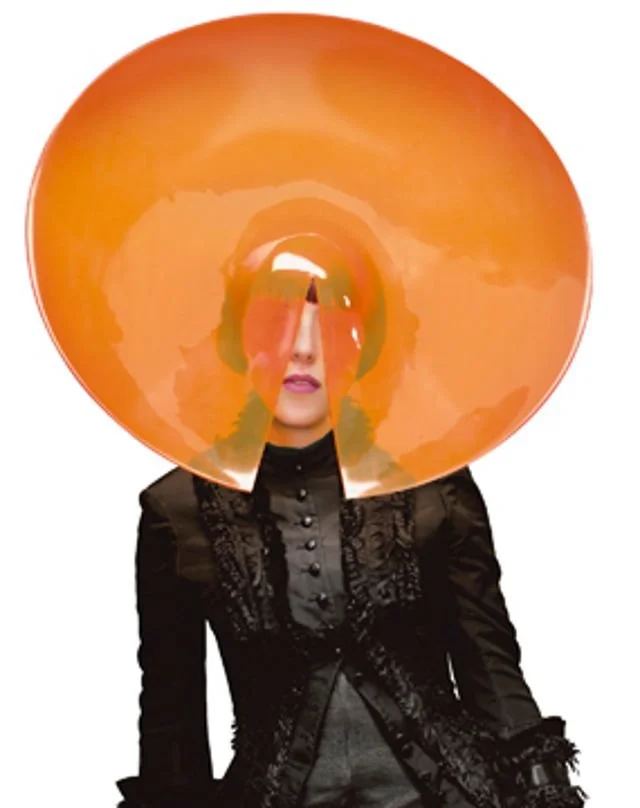
Now, their extraordinary bond is returning to the screen.
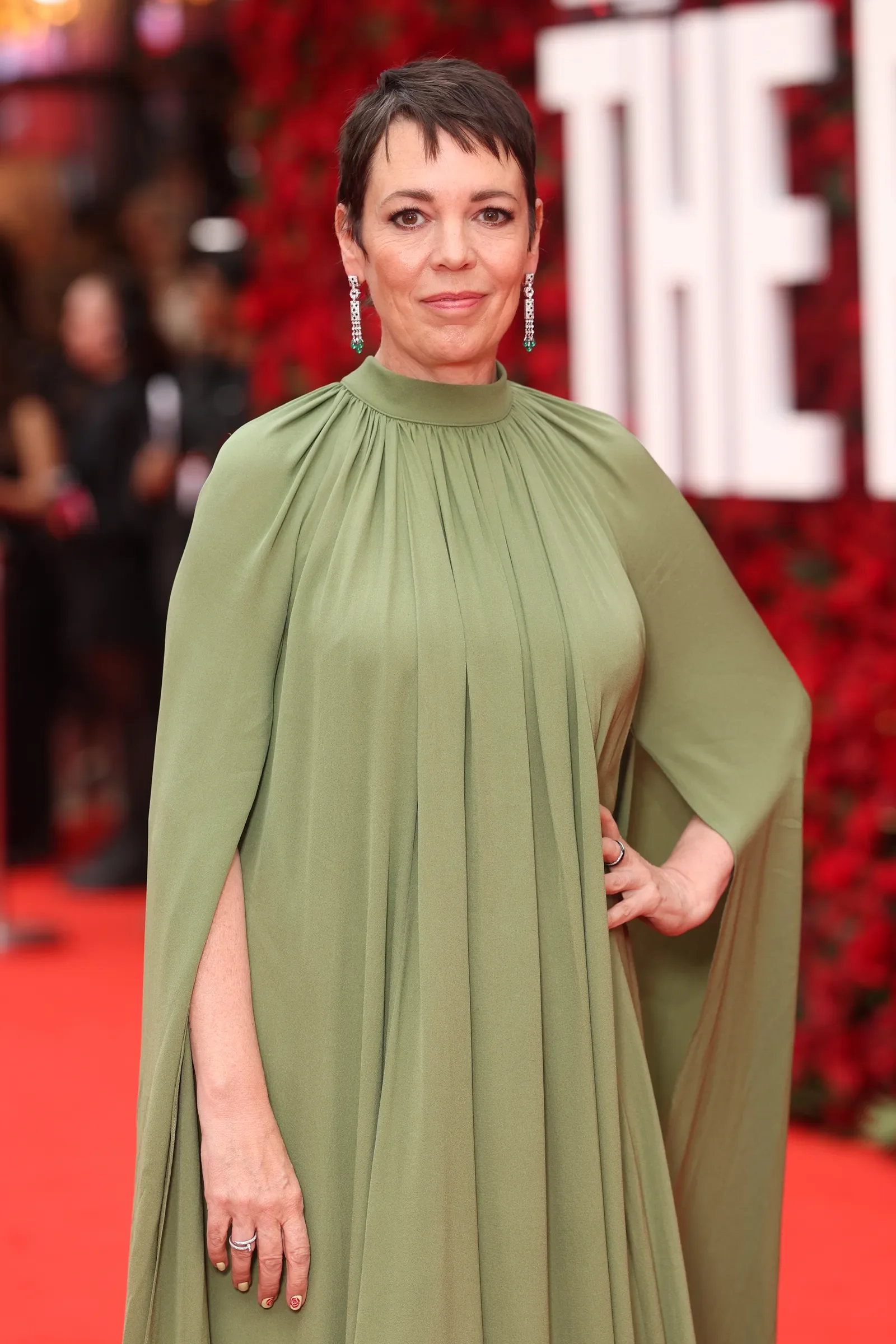
A new short film, Wild Bird, directed by Andrew Haigh the acclaimed filmmaker behind All of Us Strangers will explore the luminous, complicated friendship between Isabella Blow and Alexander McQueen. Olivia Colman will play Isabella, a casting choice that feels almost fated: Colman’s ability to portray fragility wrapped in strength mirrors Isabella’s own contradictions. Russell Tovey will portray McQueen, capturing the intensity and vulnerability that defined the designer’s early years.
The film will also delve into Isabella’s wider social world a constellation of creatives who shaped her life and whom she, in turn, shaped. Joe Cole will appear as McQueen in later years, Stacy Martin as Daphne Guinness, Isabella’s confidante and collaborator; Emily Beecham as model Lucy Birley; and Ncuti Gatwa as Michael Roberts, the Vanity Fair style director who understood Isabella’s genius long before the industry did.
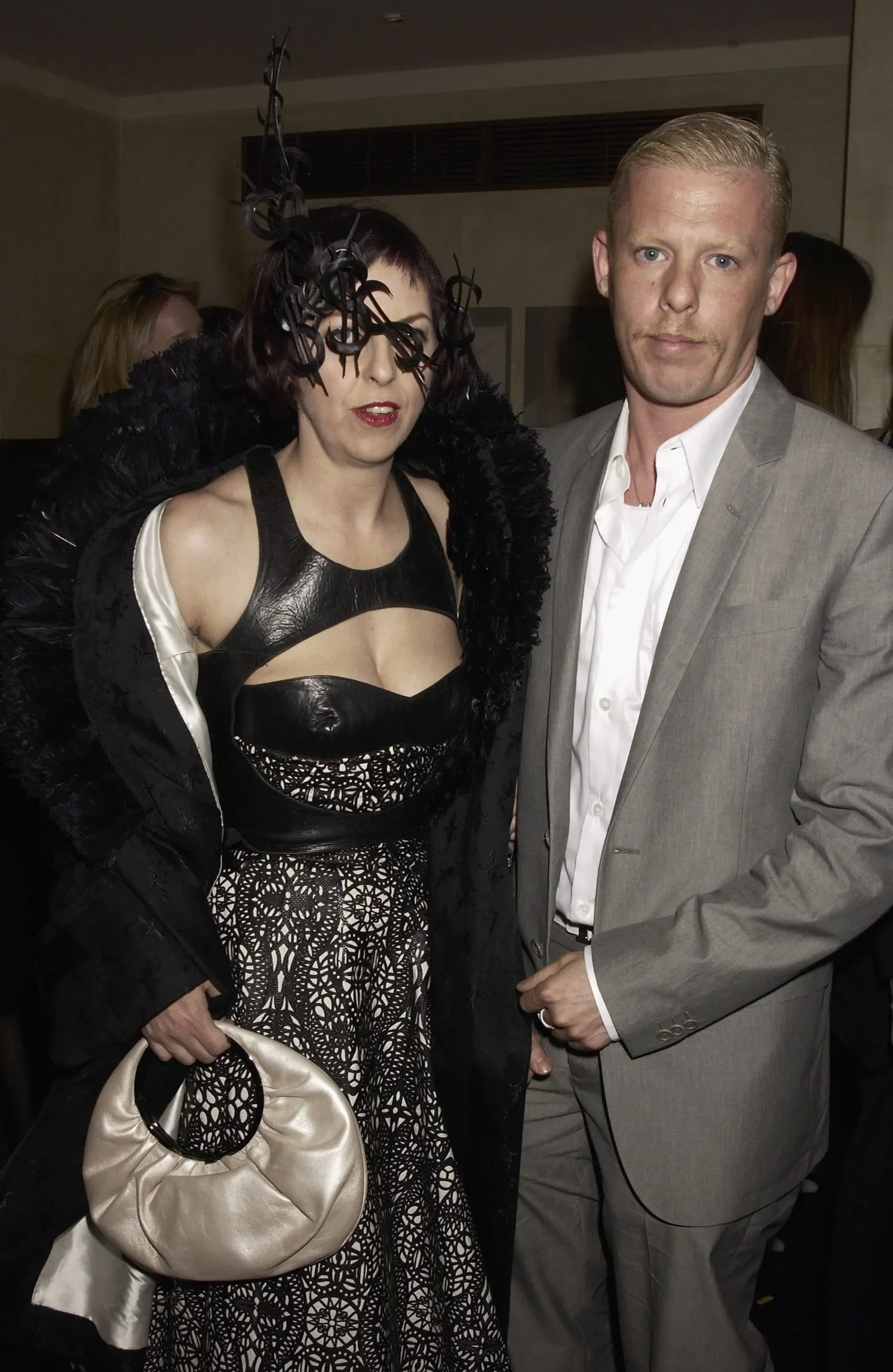
But at its heart, Wild Bird is not a fashion film. It is a story about vision, loyalty, and the fragile nature of brilliance. It is about a woman who lived in extremes extravagant hats, extravagant emotions, extravagant generosity and who changed the course of British fashion simply by trusting her eye.
Isabella Blow saw genius everywhere: in Warhol’s New York, in McQueen’s raw talent, in the misfits and dreamers she collected like rare jewels. She believed in beauty that was strange, unsettling, unforgettable. And she believed in people fiercely, sometimes painfully, always completely.
Her life was a masterpiece of instinct. Her legacy is the designers, editors, and artists she lifted into the light.
And now, finally, her story will be told.