
Sintra, Portugal: Lord Byron’s ‘Glorious Eden’ and the Ultimate UNESCO Escape
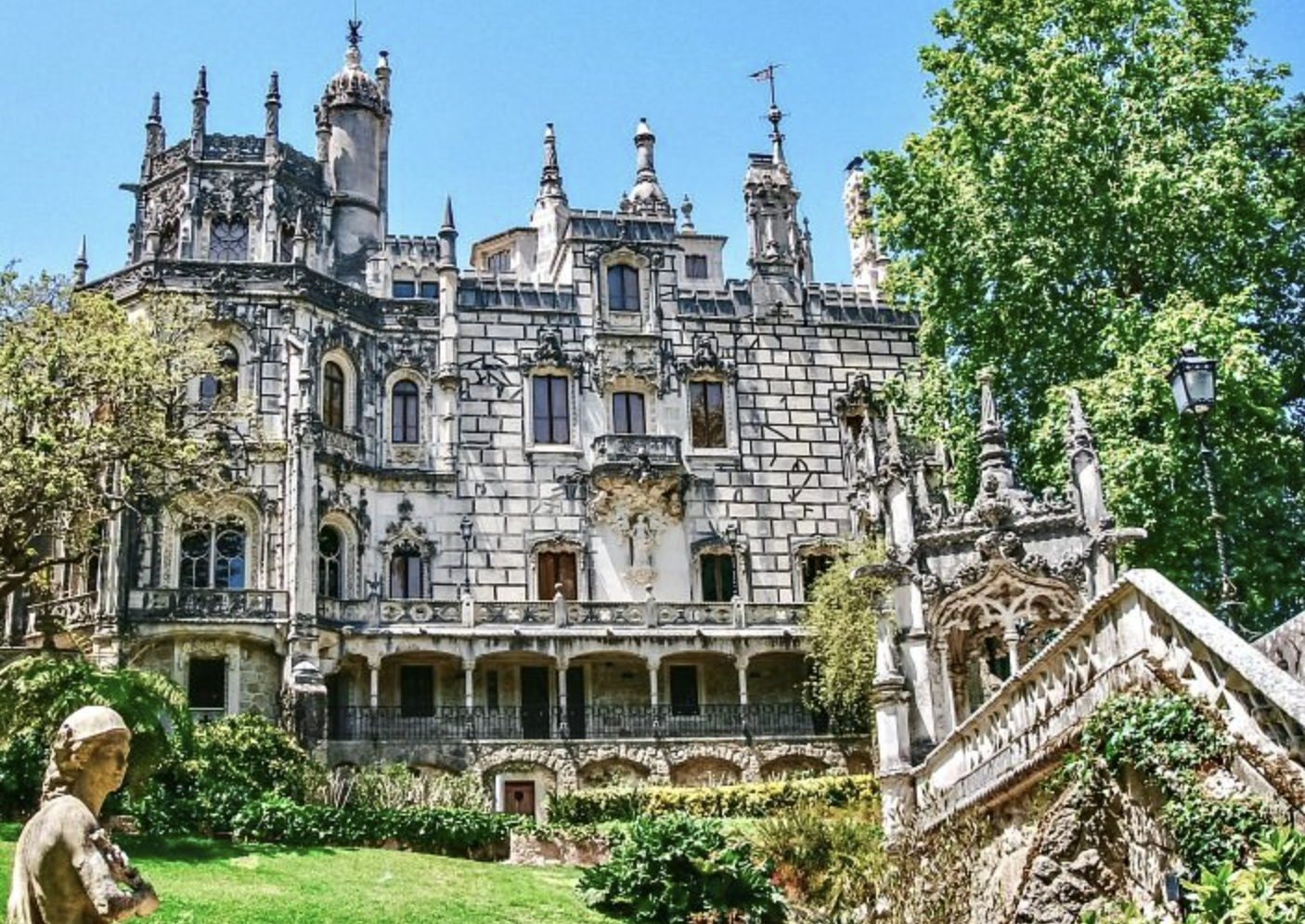
Sintra has long carried an air of enchantment, but few descriptions capture its essence as vividly as Lord Byron’s, who in 1809 praised it as a “glorious Eden.” That sentiment still holds today. Set just 16 miles northwest of Lisbon, Sintra feels worlds away from the capital’s heat and bustle a cool, mist‑kissed refuge where palaces rise from granite hills and forests breathe in the Atlantic air. Its unique micro‑climate, typically several degrees cooler than Lisbon, is one of the reasons Portuguese royalty began summering here in the 14th century, escaping the sweltering city for the serenity of the Serra de Sintra’s wooded slopes.
A Landscape of Palaces and Poetry
Sintra’s charm lies in its extraordinary concentration of architectural marvels. Within a compact radius, visitors encounter five palaces, two castle ruins, and nearly a thousand hectares of Romantic‑era woodland, a cultural landscape recognised by UNESCO in 1995. The town centre is anchored by the Palácio Nacional de Sintra, instantly recognisable by its two conical chimneys rising above whitewashed walls. Originally built in the late 14th century, it served as a royal residence for centuries, evolving through Gothic, Manueline, and Moorish influences.
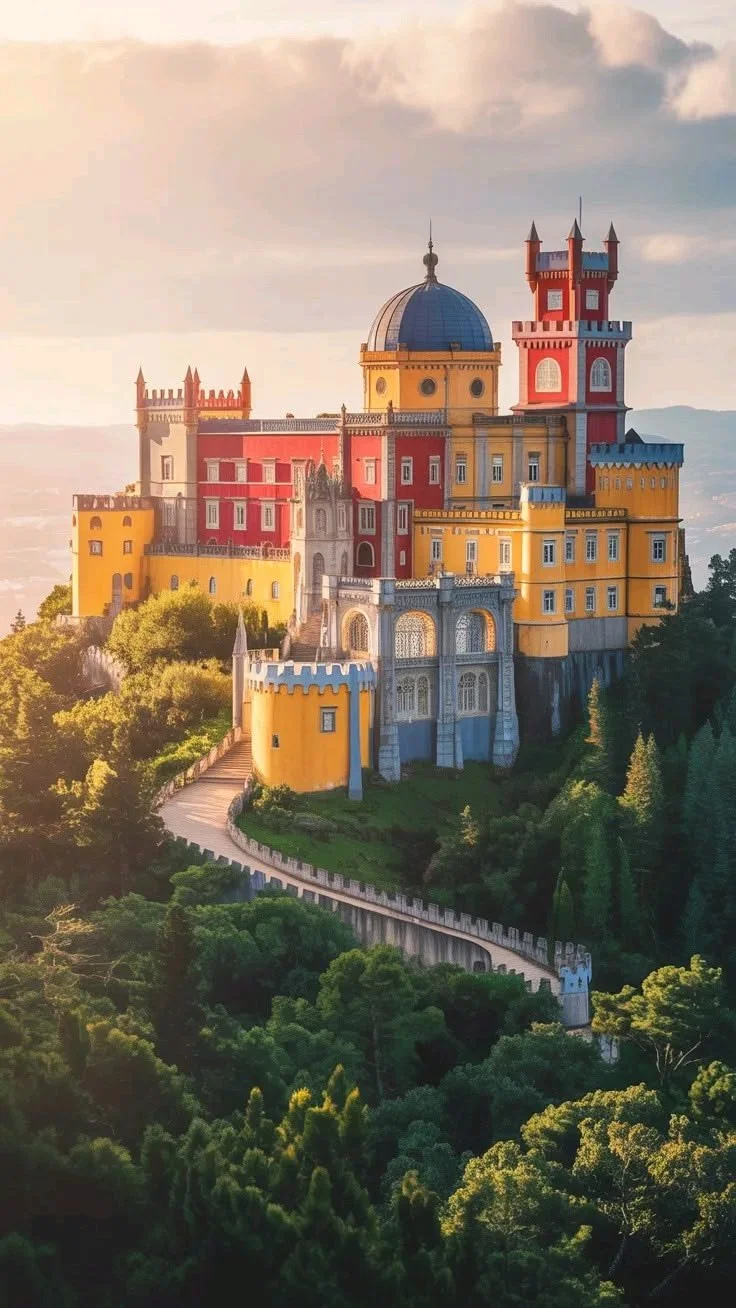
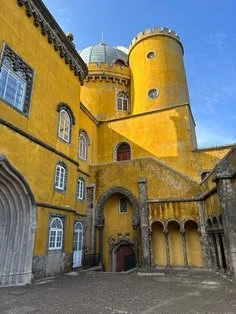
High above the town, perched at 529 metres on one of the Serra’s tallest peaks, stands the spectacular Pena Palace Sintra’s most iconic landmark. Commissioned in the mid‑19th century by King Ferdinand II, its candy‑coloured turrets, domes, and eclectic blend of Gothic, Islamic, and Renaissance motifs make it one of Europe’s earliest and most exuberant examples of Romantic architecture. Surrounded by 200 hectares of exotic trees, fern valleys, and hidden lakes, Pena Palace feels like a fairy-tale drawn into reality.
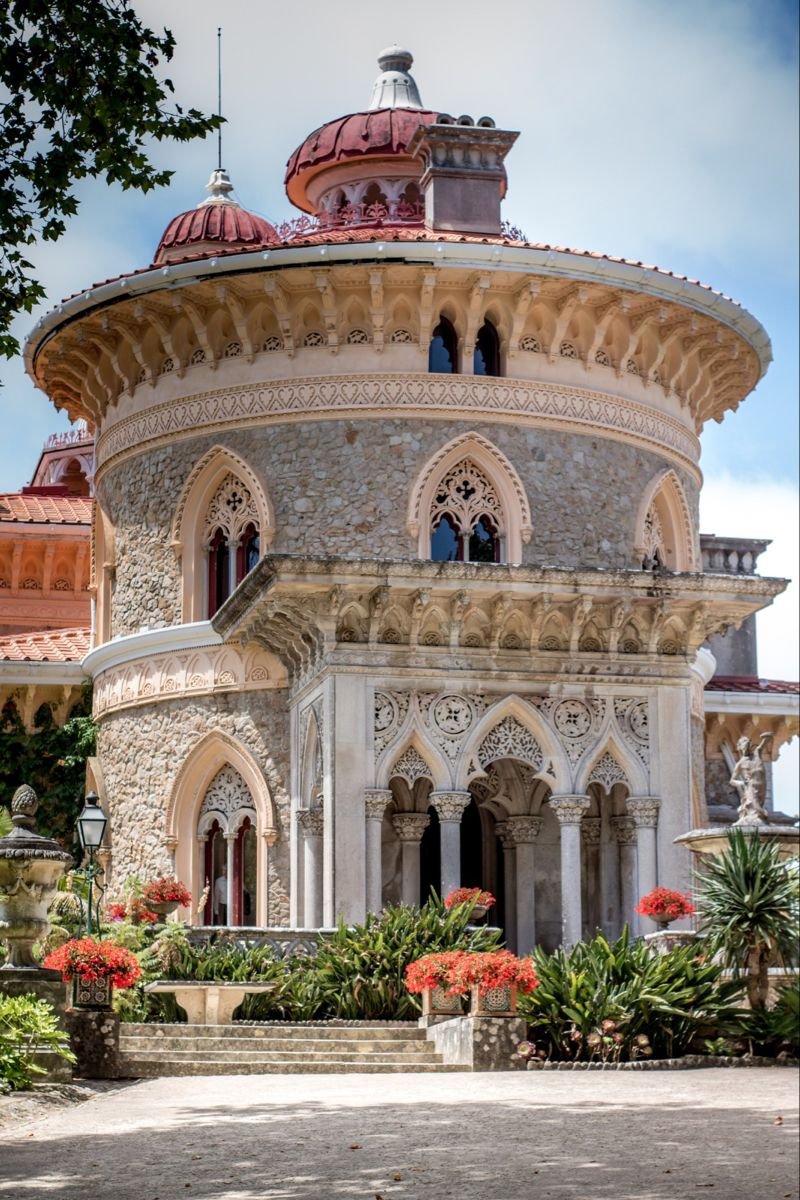
Nearby, the Palace of Monserrate offers a different kind of magic. Its Moorish‑inspired architecture and lush gardens immortalised in Byron’s Childe Harold’s Pilgrimage create a dreamscape of camellias, strawberry trees, and subtropical flora. Though once empty and atmospheric, Monserrate today stands restored, its gardens still one of Sintra’s most romantic corners.
Mystical Gardens and Moorish Echoes
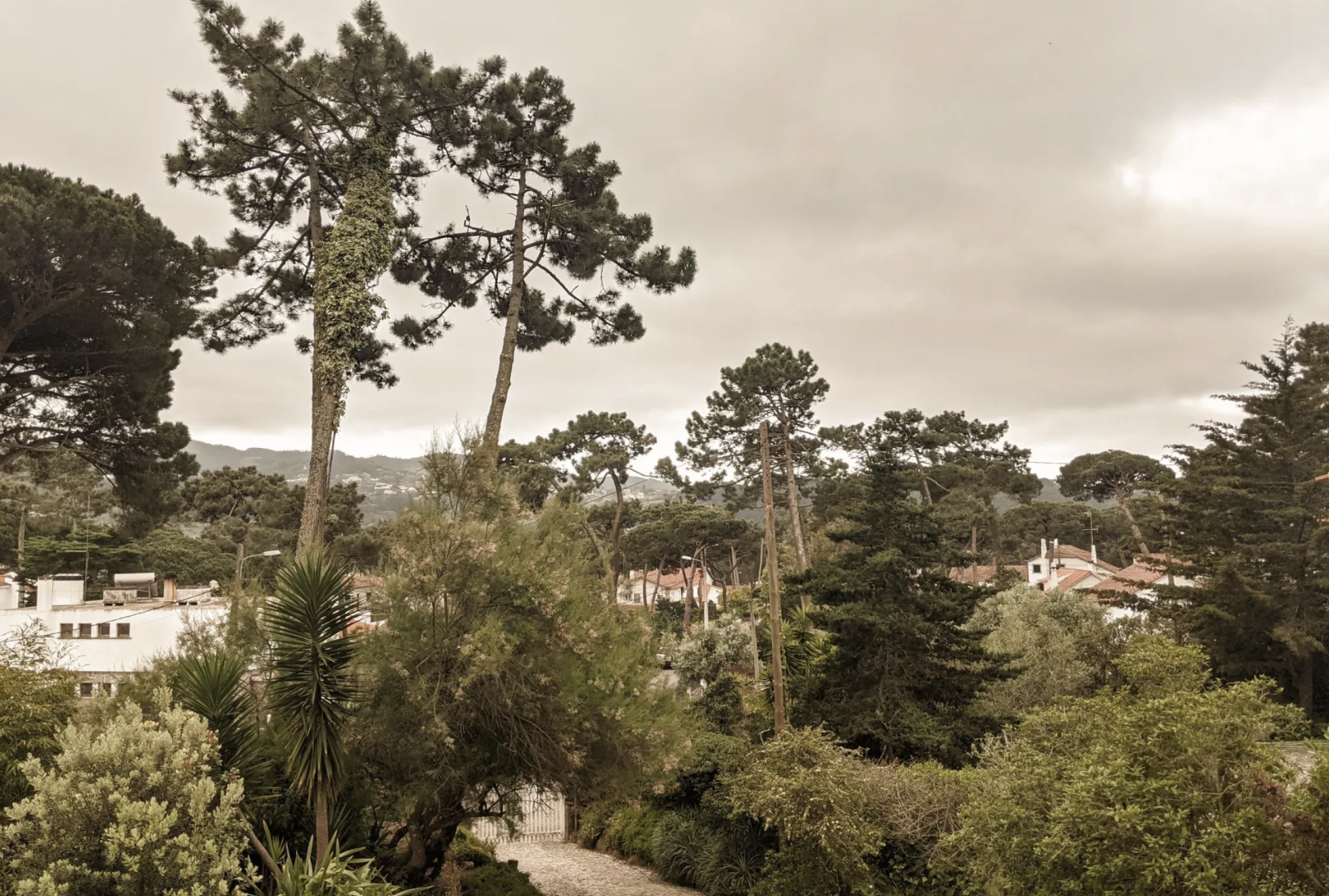
Sintra’s landscape is not only palatial but deeply mystical. The Moorish Castle, with its ancient ramparts stretching across the hilltops, offers sweeping views over the Serra and the Atlantic. The forests surrounding Sintra often wrapped in the fine sea mist locals call nevoeiro heighten the sense of otherworldliness.
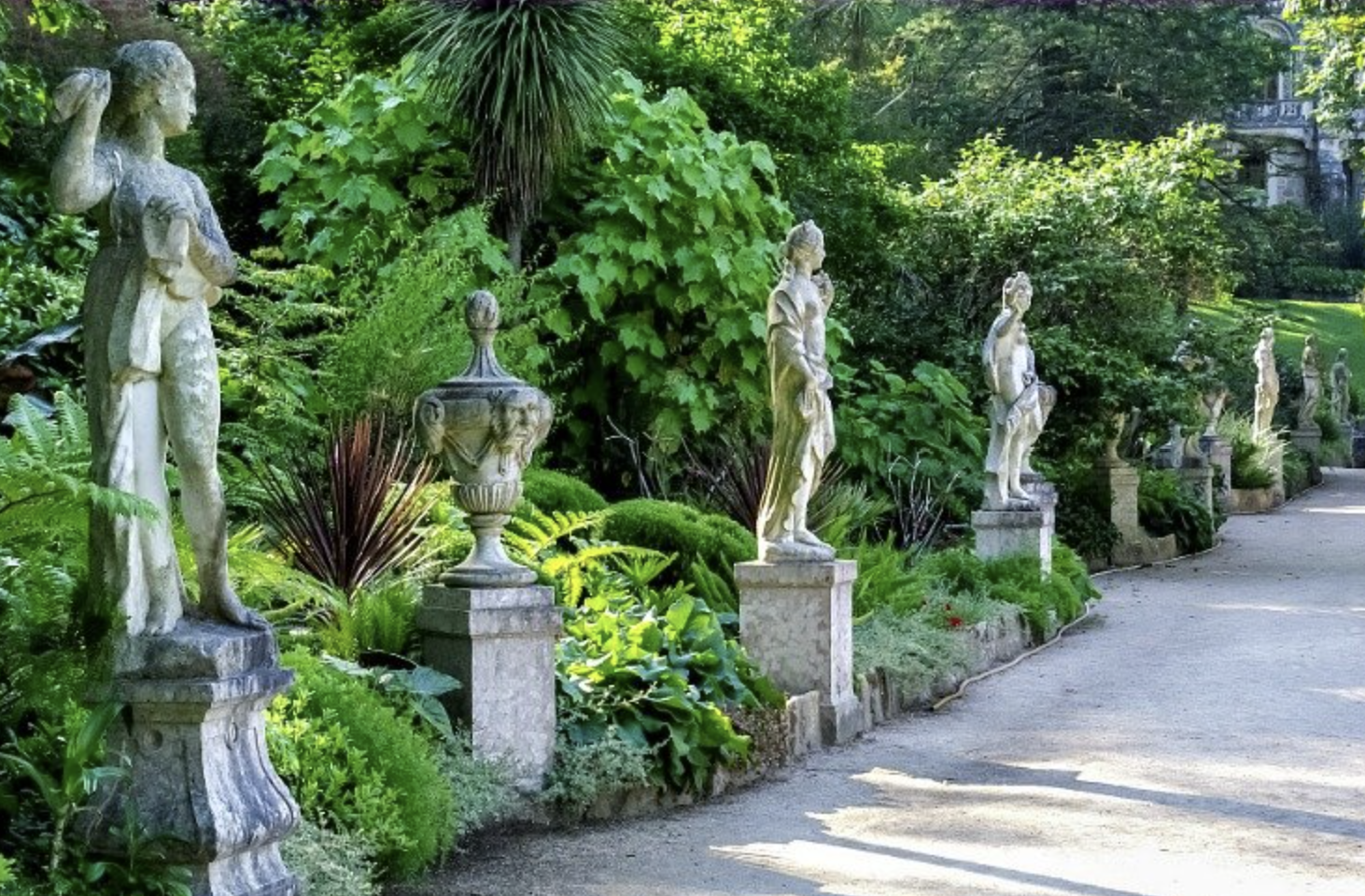
The region’s gardens, grottoes, and winding paths reflect centuries of Romantic imagination. Wealthy aristocrats and artists of the 19th century built whimsical estates here, creating an open‑air theatre of architectural fantasy.
A Retreat Beyond Culture
When cultural fatigue sets in, locals and travellers alike drift toward Colares, a small village just beyond Sintra. Known for its vineyards and slower pace, it offers a gentle counterpoint to the grandeur of the palaces a place to breathe, sip local wine, and let the Serra’s tranquillity settle in.
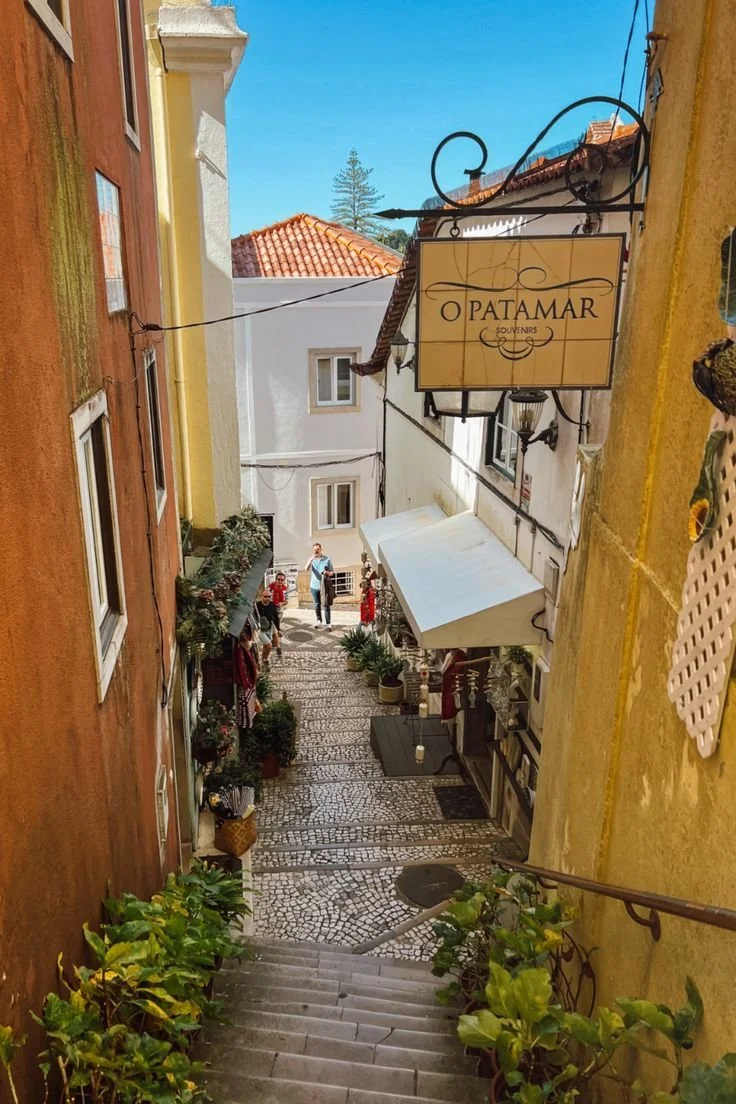
Sintra Today: A Fairytale Within Reach
Despite its dreamlike atmosphere, Sintra is remarkably accessible just a 40‑minute journey from Lisbon. Yet once you arrive, the shift feels profound. Mist‑soaked forests, turreted palaces, and centuries of layered history create a world that feels suspended between reality and legend.
Sintra remains, as Byron wrote, a “glorious Eden”: a place where nature, architecture, and imagination intertwine. Whether wandering through Romantic gardens, climbing castle walls, or simply watching the clouds drift across the Serra, visitors discover a destination that is not merely beautiful but transformative.