
Yayoi Kusama: The Eternal Visionary Who Saw Infinity Everywhere
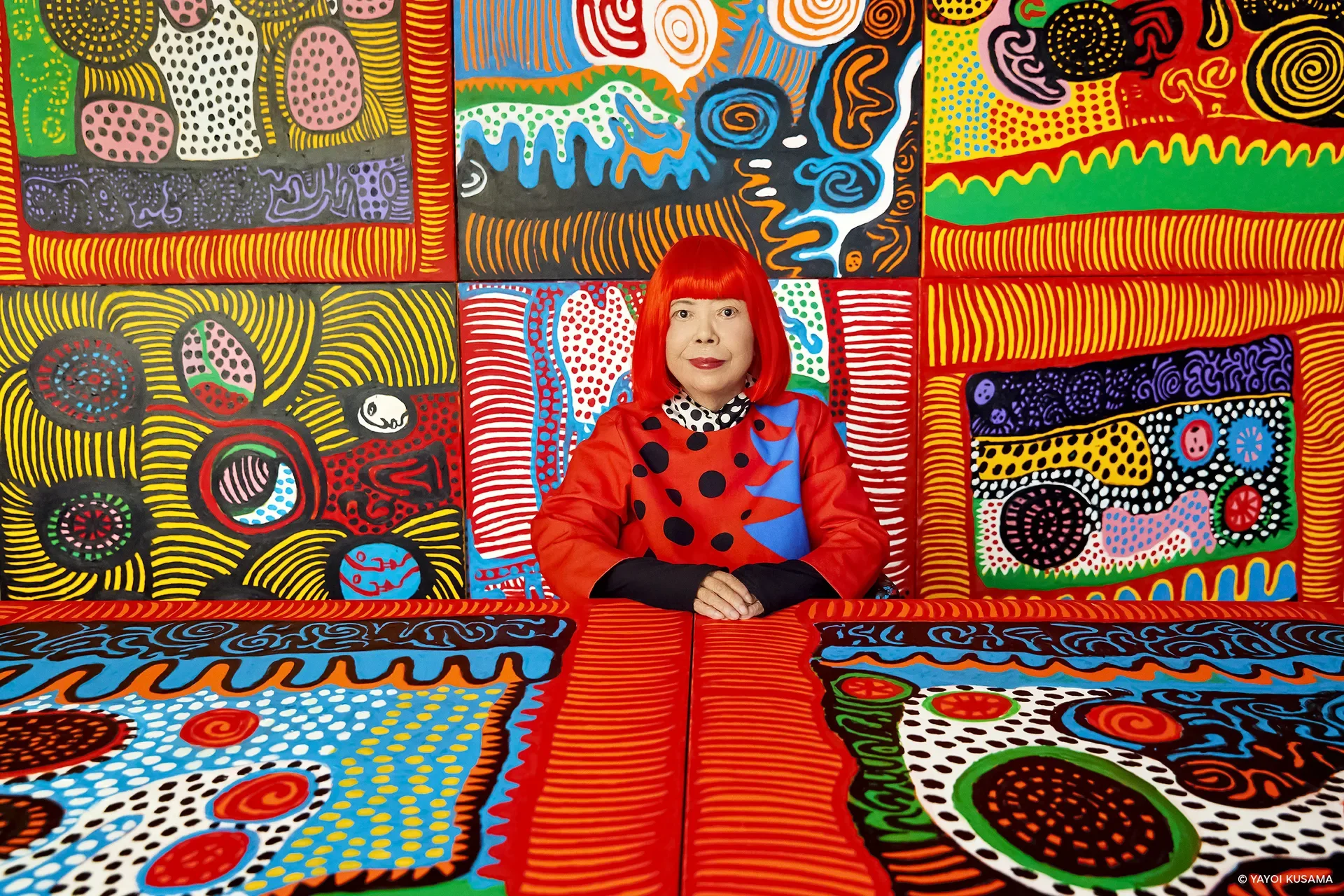
The art world is mourning the loss of Yayoi Kusama, who passed away in Tokyo at the age of 97 on August 14, 2026 . A pioneer of avant‑garde art whose dots, nets, pumpkins, and Infinity Mirror Rooms became global cultural icons, Kusama painted until her final days, never setting aside her brush a devotion to creation that defined her entire life .
Born in Matsumoto, Japan in 1929, Kusama experienced hallucinations from childhood flashes of light, dense fields of dots, flowers that spoke visions that later became the foundation of her artistic language . She moved to New York in the late 1950s, quickly entering the avant‑garde scene and producing her early Infinity Nets, soft sculptures, and anti‑war performances that challenged the boundaries of art and society .
Her work was fearless, obsessive, and radically original. Kusama’s dots were never decorative; they were a cosmology a way of dissolving the self into the infinite. “Dots come flying everywhere… and I paint them,” she once said, describing the hallucinations that shaped her world and her art .
The Louis Vuitton Moment: When the World Met Kusama
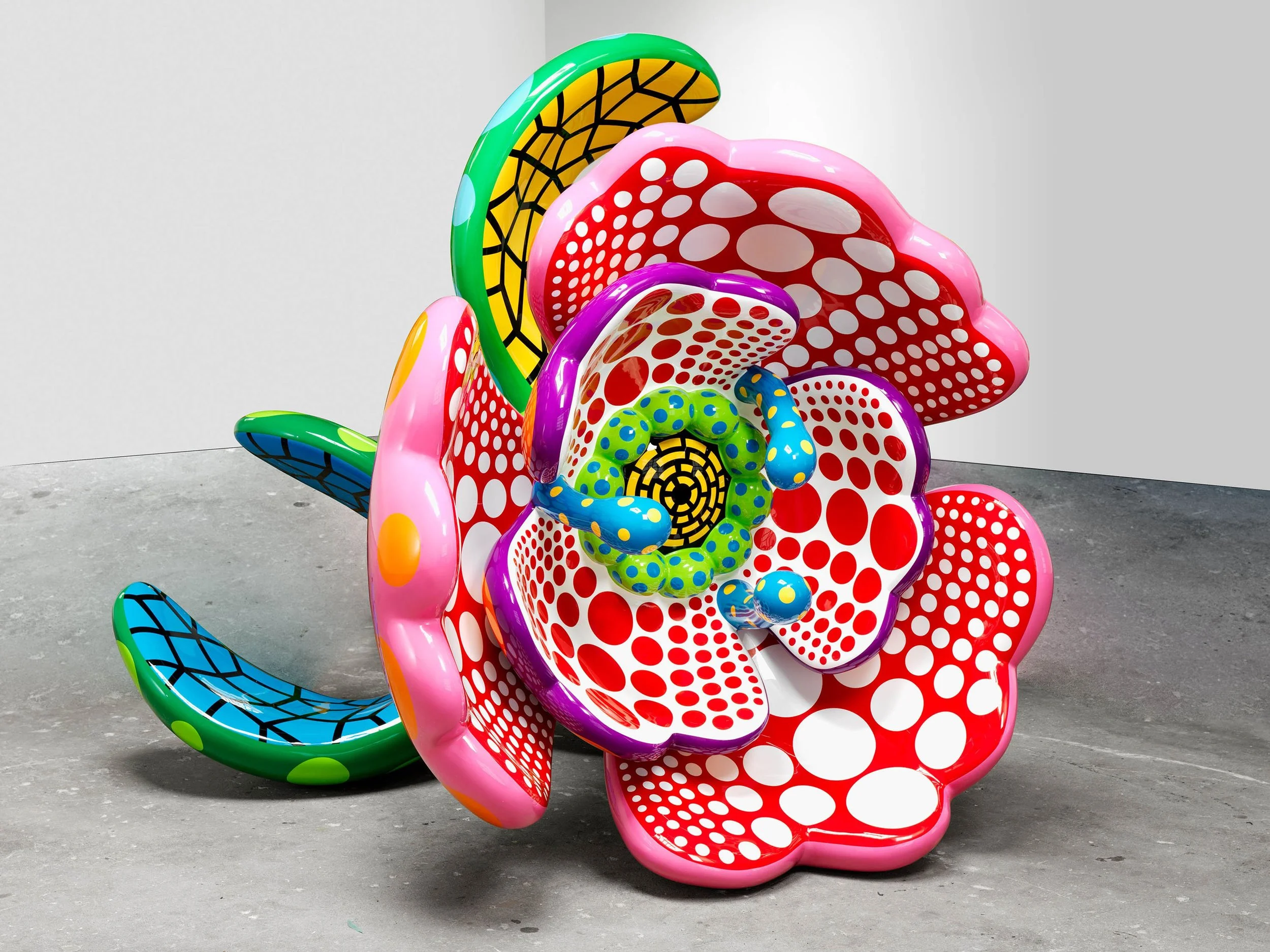
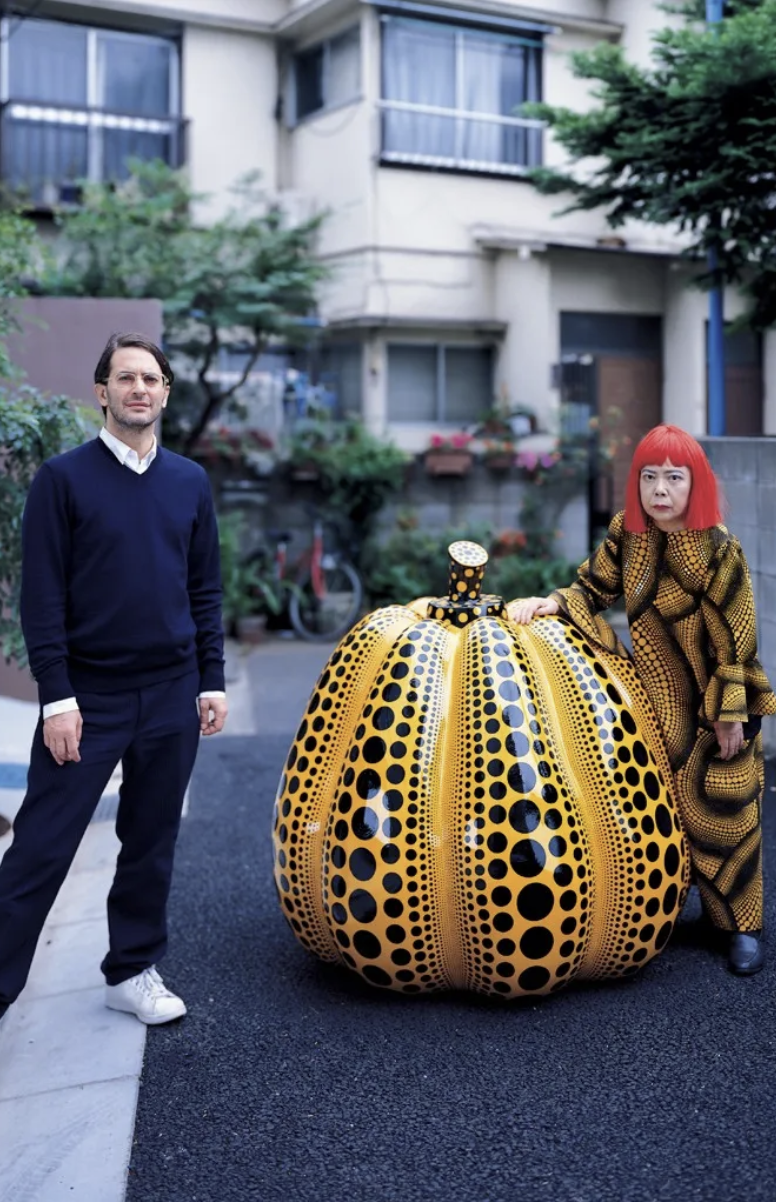
Although Kusama had long been revered in art circles, many people around the world first discovered her through her collaboration with Louis Vuitton, originally championed by Marc Jacobs. Her polka dots transformed bags, windows, and store façades, turning luxury retail into immersive art. The partnership returned years later in a second global collaboration, reaffirming her status as a cultural phenomenon whose visual language transcended generations and industries .
Her likeness the red bob, the dots, the surreal presence became instantly recognisable. Kusama’s art entered fashion, design, and pop culture, appearing on teacups, T‑shirts, keychains, and global window displays, making her one of the most famous artists of her time .
The Tate Modern Legacy
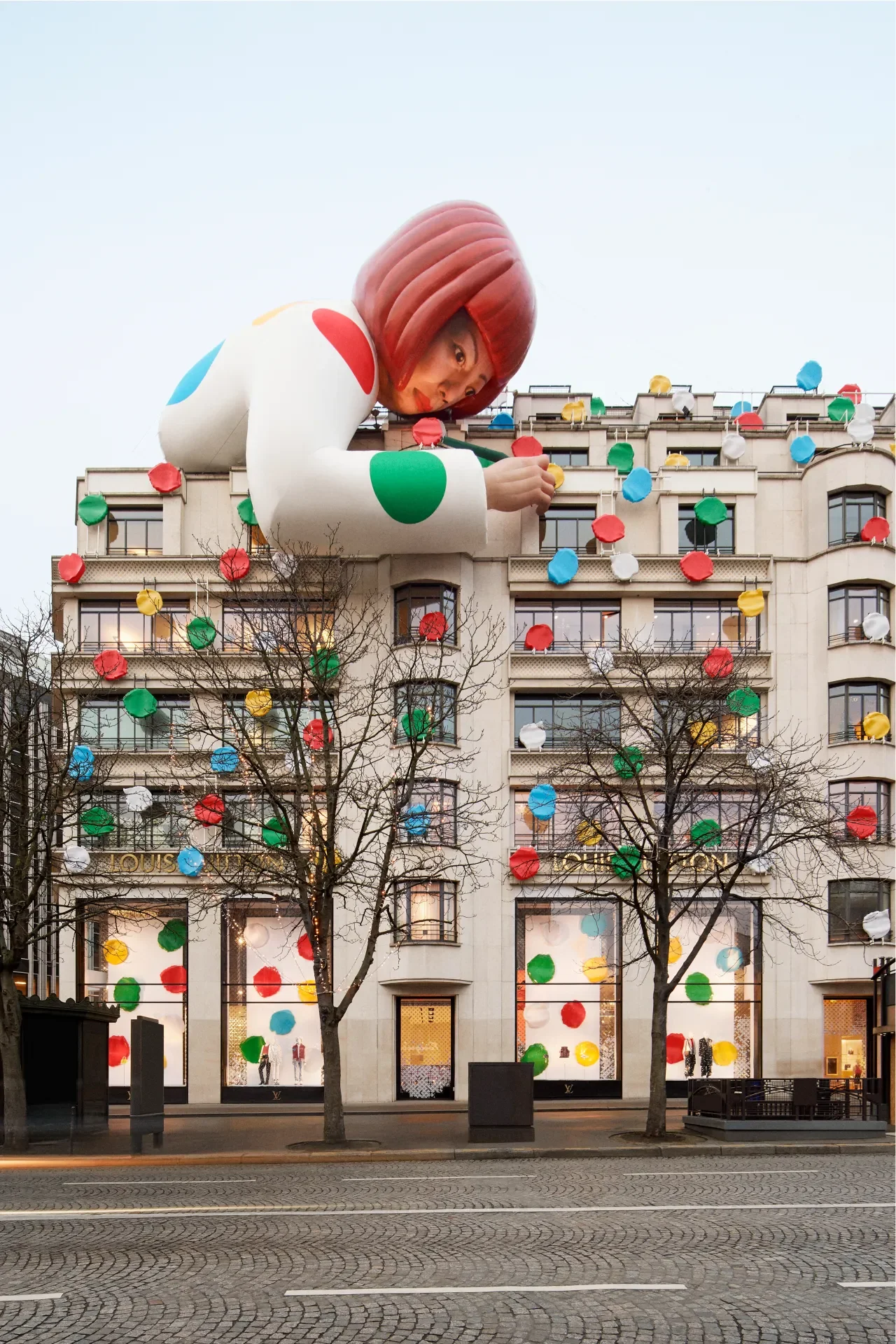
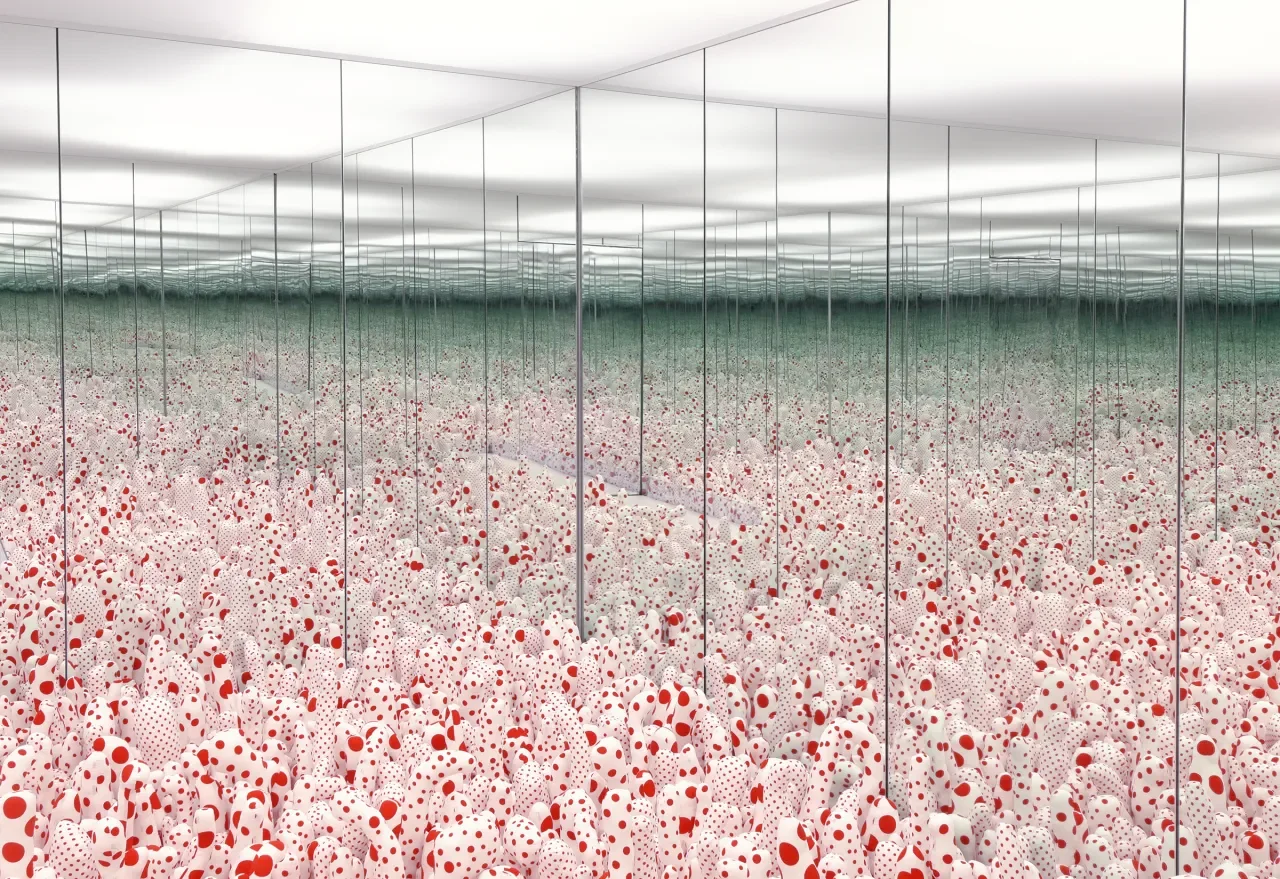
Kusama’s exhibitions at Tate Modern were landmark moments for London’s art scene. Her Infinity Mirror Rooms drew unprecedented crowds, becoming some of the most photographed installations in contemporary art. Visitors queued for hours to step inside her mirrored universes spaces where light, reflection, and repetition created a sense of cosmic immersion. Kusama’s presence at Tate Modern cemented her status as a global superstar whose work resonated deeply in the age of the social‑media image, yet remained rooted in profound psychological and philosophical inquiry .
A Life of Collaboration, Creation, and Courage
Kusama collaborated widely across the cultural landscape. Her work appeared in museums worldwide MoMA, the Whitney, Museum Ludwig, the National Gallery of Victoria, the Hirshhorn, and countless others often breaking attendance records and redefining what contemporary art could be .
She partnered with fashion houses, created licensed products, and inspired generations of artists. Her pumpkins became beloved symbols; her Infinity Mirror Rooms became pilgrimage sites; her dots became a universal language of joy, repetition, and cosmic wonder.
Despite her fame, Kusama lived voluntarily in a psychiatric hospital in Tokyo from the late 1970s onward, travelling daily to her studio to paint. Art was her survival, her therapy, her way of transforming pain into beauty. “Every day I am creating a new world by making artworks,” she said a statement that defined her extraordinary life .
The Final Years and the Eternal Legacy
At the time of her passing, Kusama was still the most famous living artist in the world, with major exhibitions open or scheduled across Tokyo, Amsterdam, and Europe . Her retrospective at the Stedelijk Museum Amsterdam opening September 2026 will now stand as a monumental tribute to her seven decades of creation, featuring over 130 works never before shown in Europe .
Kusama’s art was a universe: dots, nets, mirrors, pumpkins, hallucinations, infinity. She taught us that repetition can be liberation, that obsession can be beauty, and that art can be a way of surviving the world while reinventing it.
Her passing marks the end of an era but her vision, her courage, and her infinite dots will continue to echo across museums, fashion houses, and imaginations around the world.
Yayoi Kusama saw infinity everywhere. And now, infinity carries her forward.